Side Gallery
Side Gallery
WishlistFollow





Follow
SIDE GALLERY KYOTO
FROM 2ND NOV 2026
KITA RESIDENCE, KYOTO
JAPAN
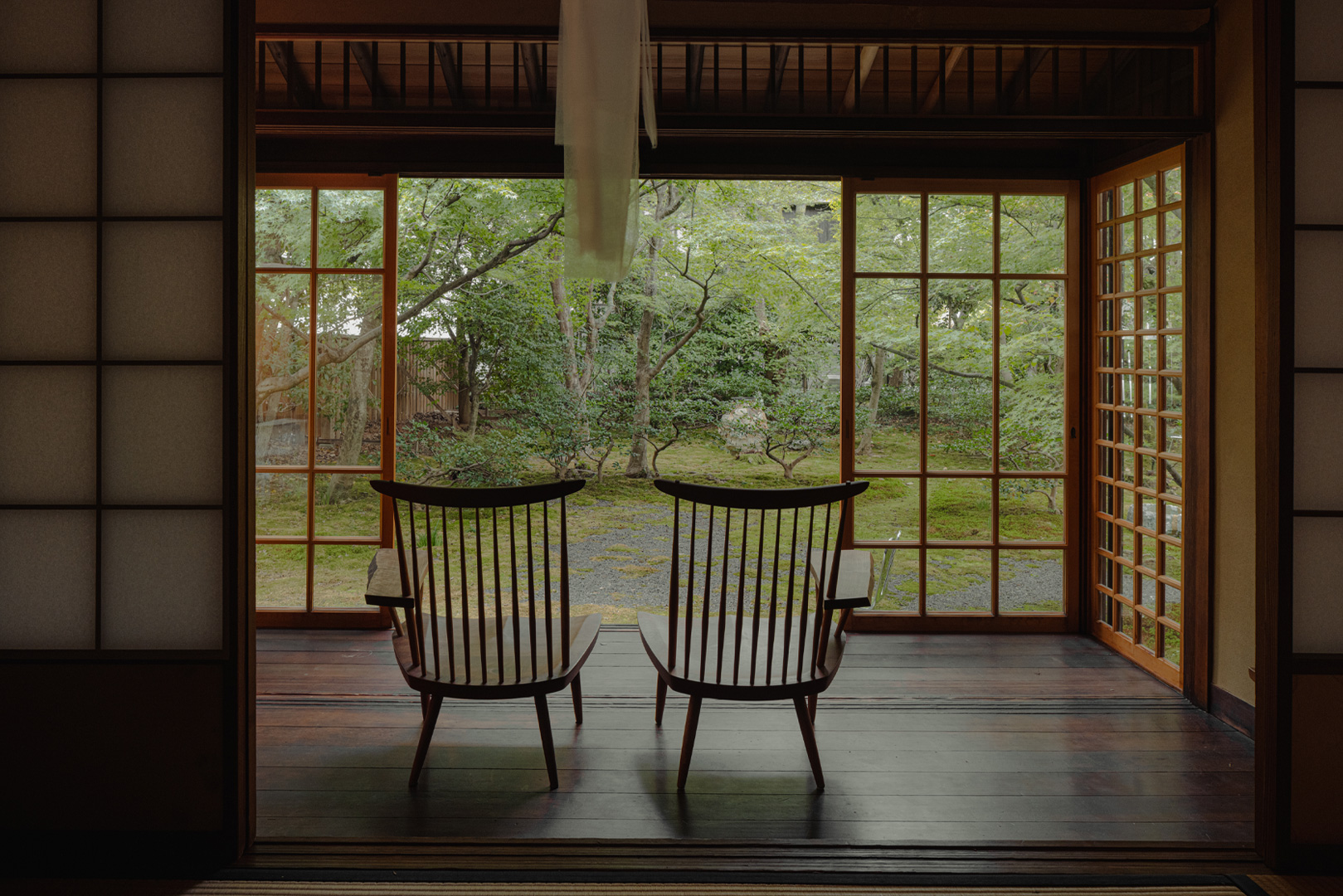
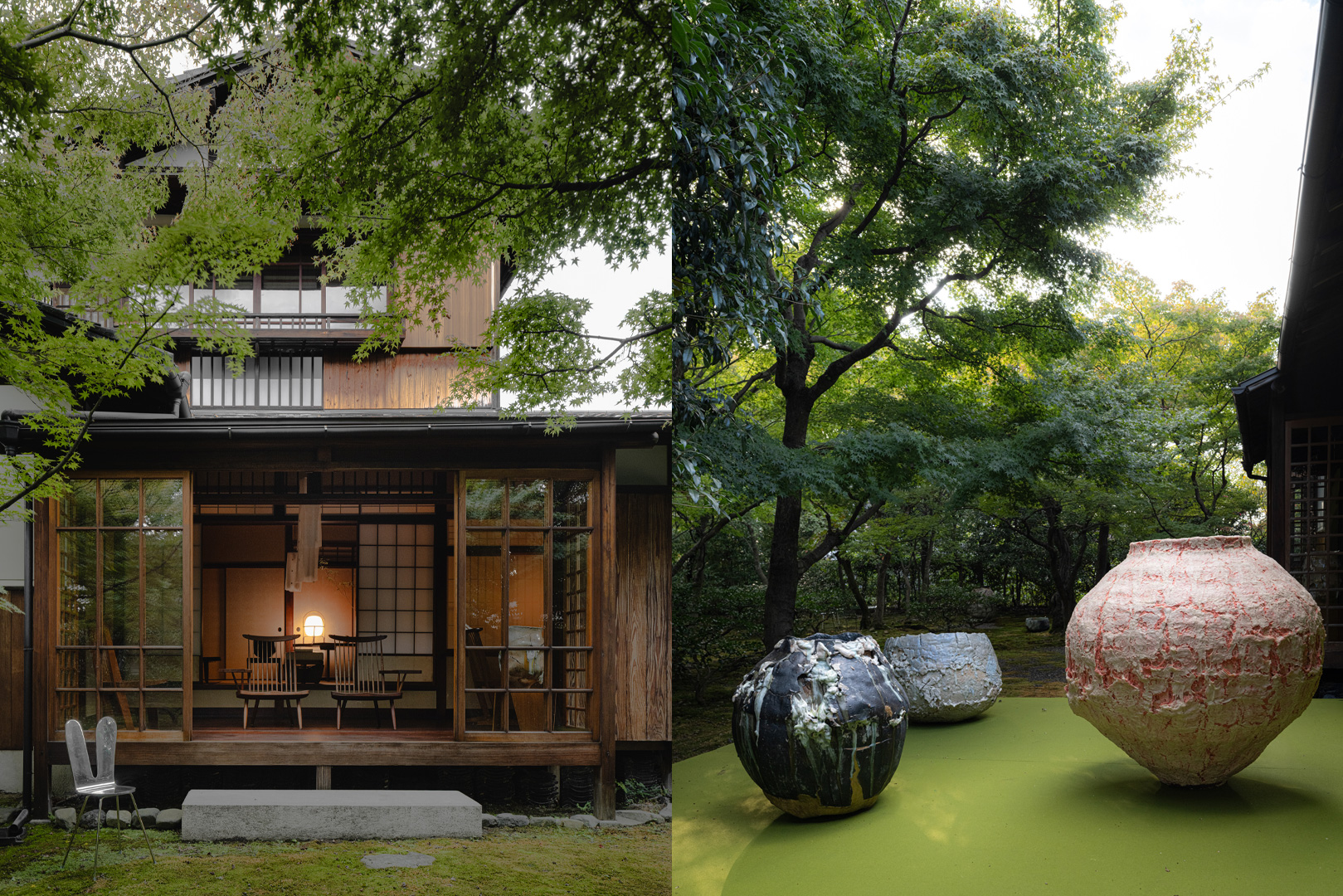
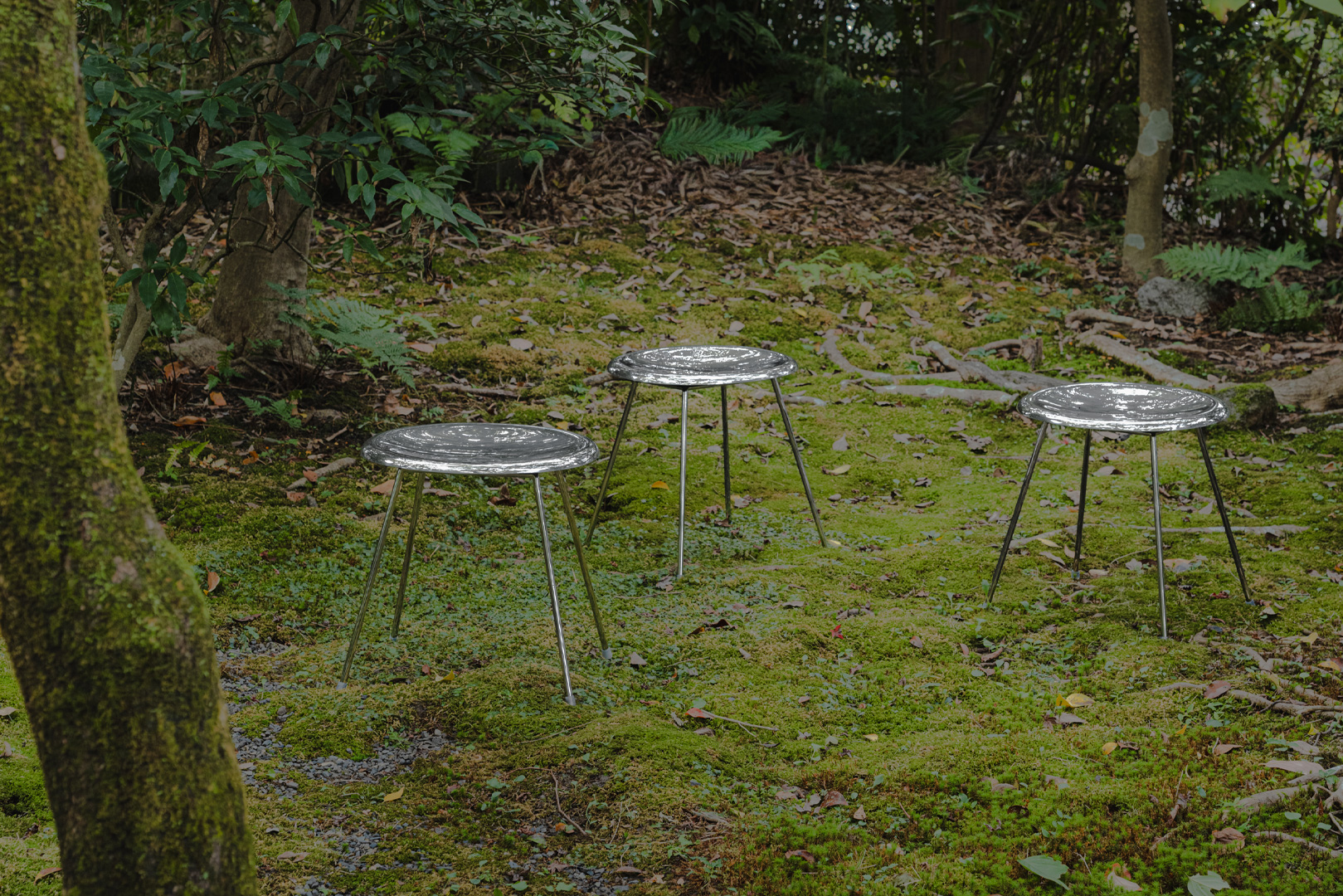
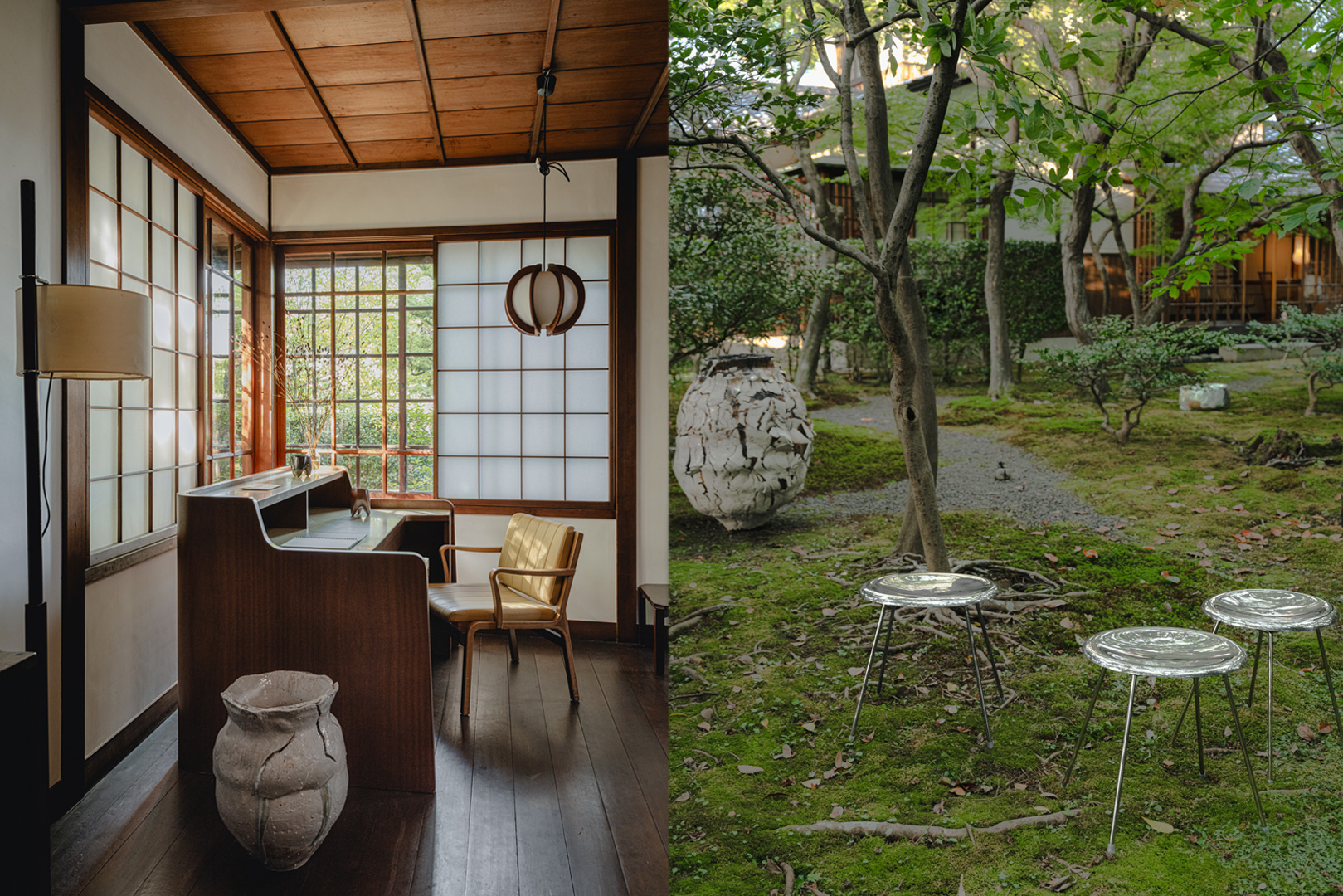
Side Gallery is pleased to announce the opening of a new space in Kyoto, marking the beginning of a new chapter for the gallery and establishing a new point of encounter with the cultural and design history of Japan. Opened on 2 November 2026 in collaboration with Gallery Stoop, the space is located at Kita Residence, an exceptional work of residential architecture designed by Koji Fuji in 1928. The project brings together the galleries' shared interest in architecture, design, craftsmanship, and material culture within one of Kyoto's distinctive architectural settings.
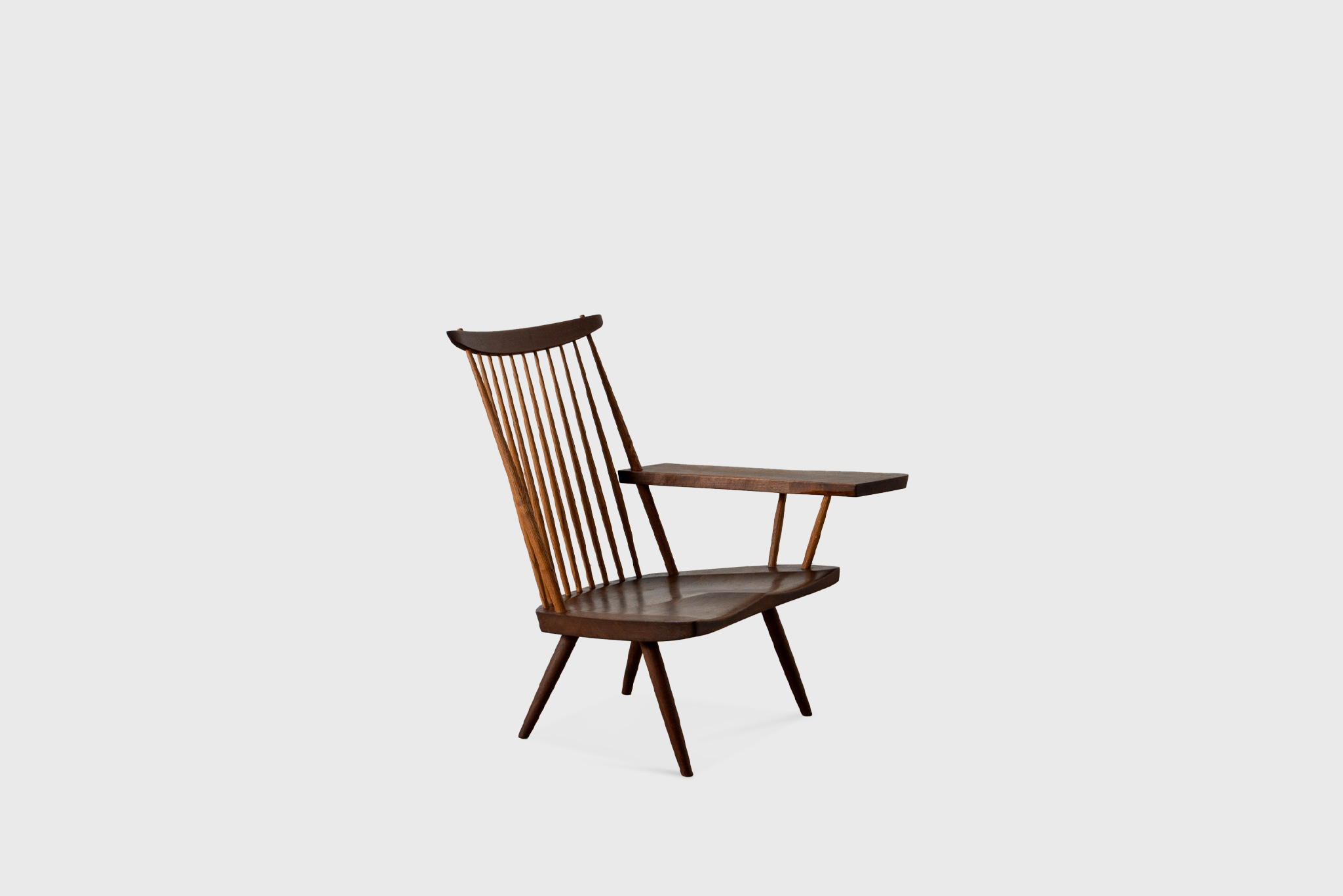
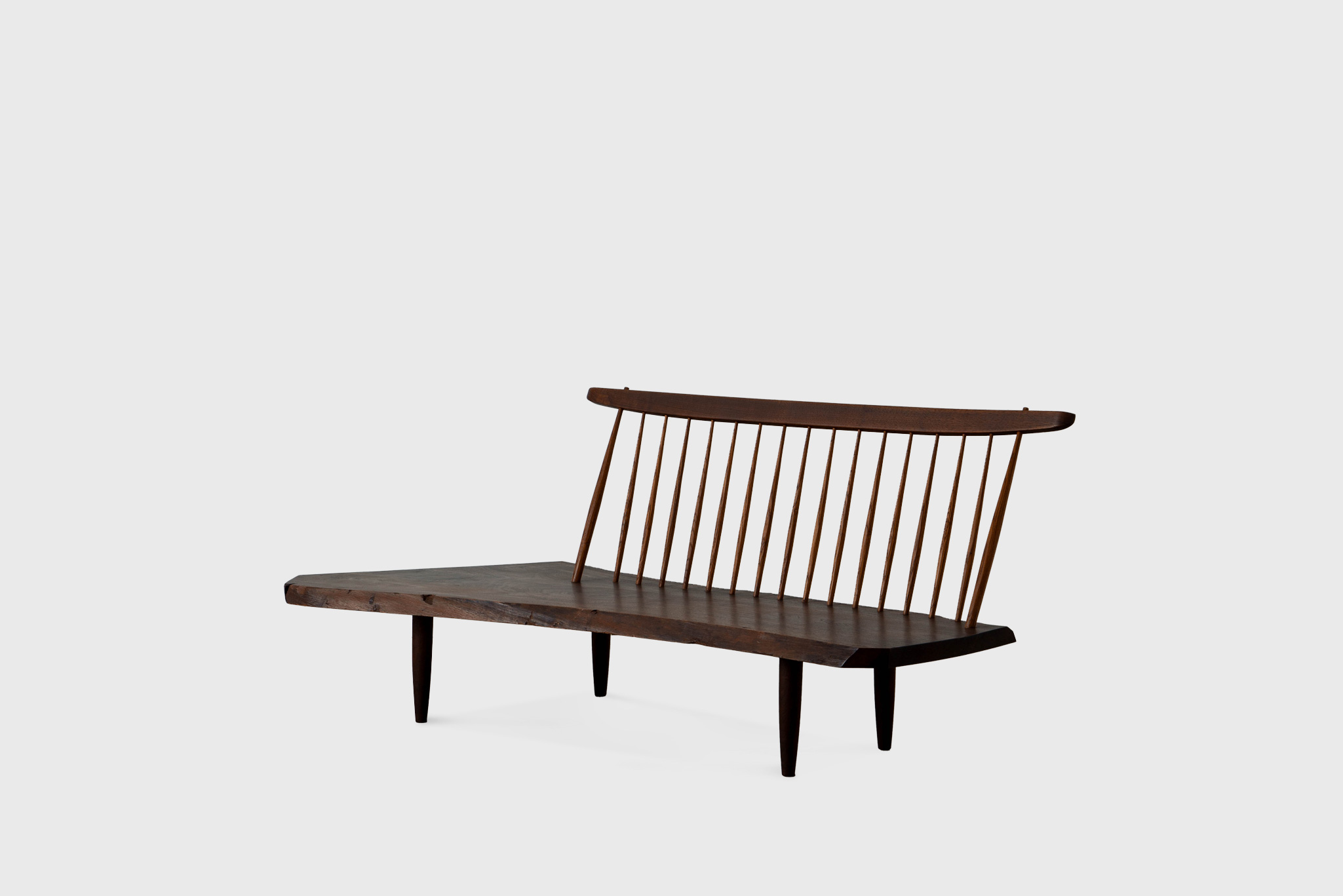
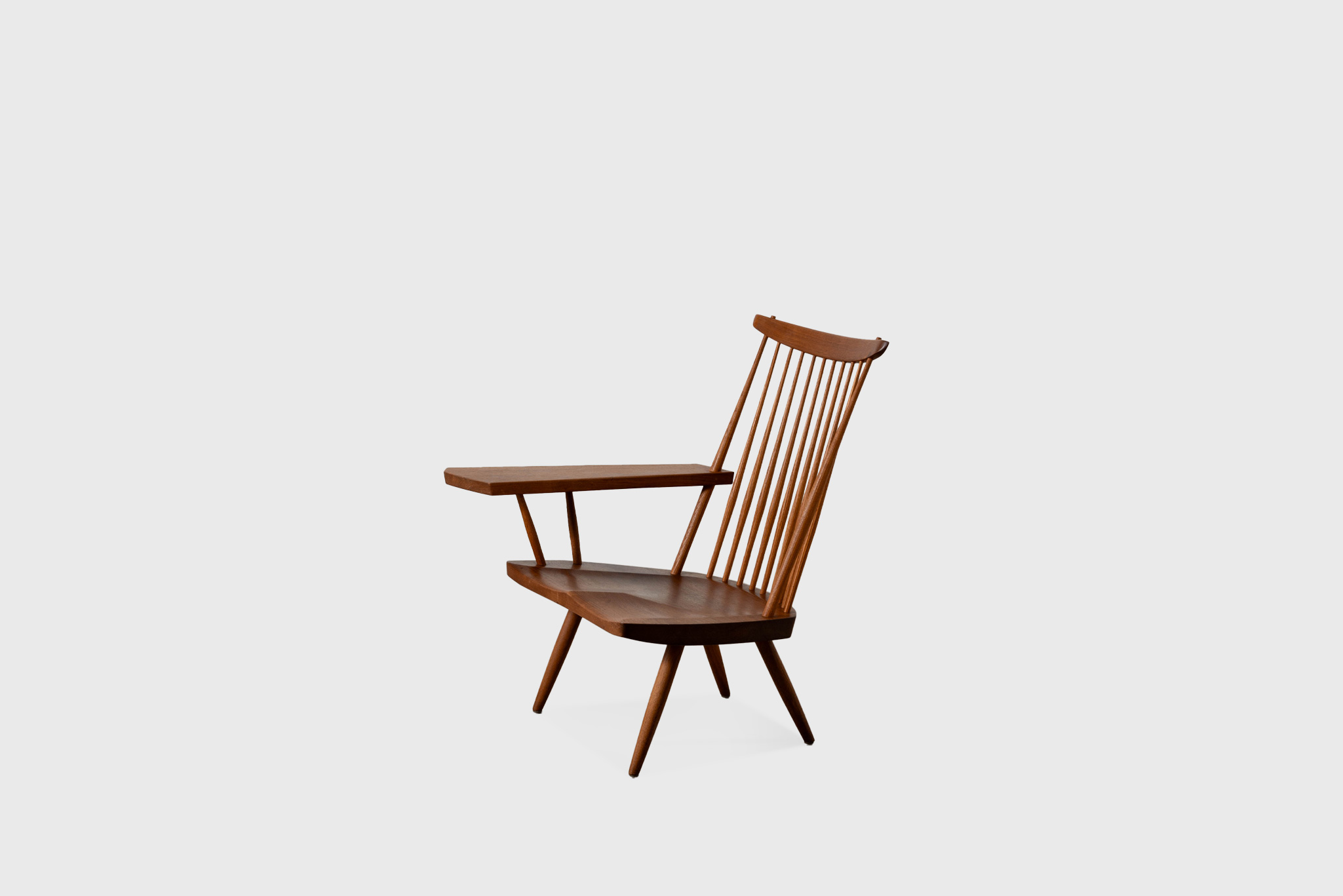
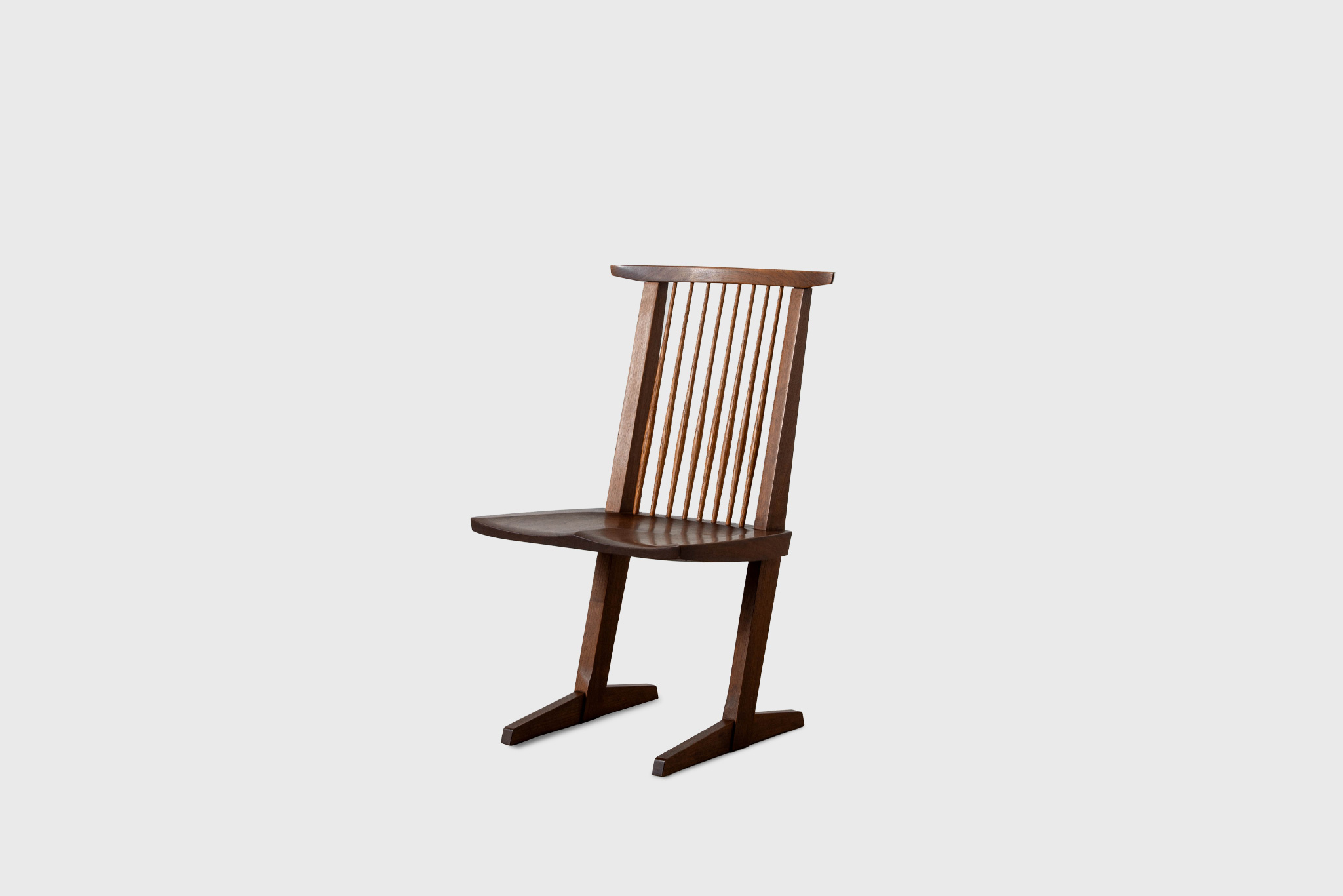
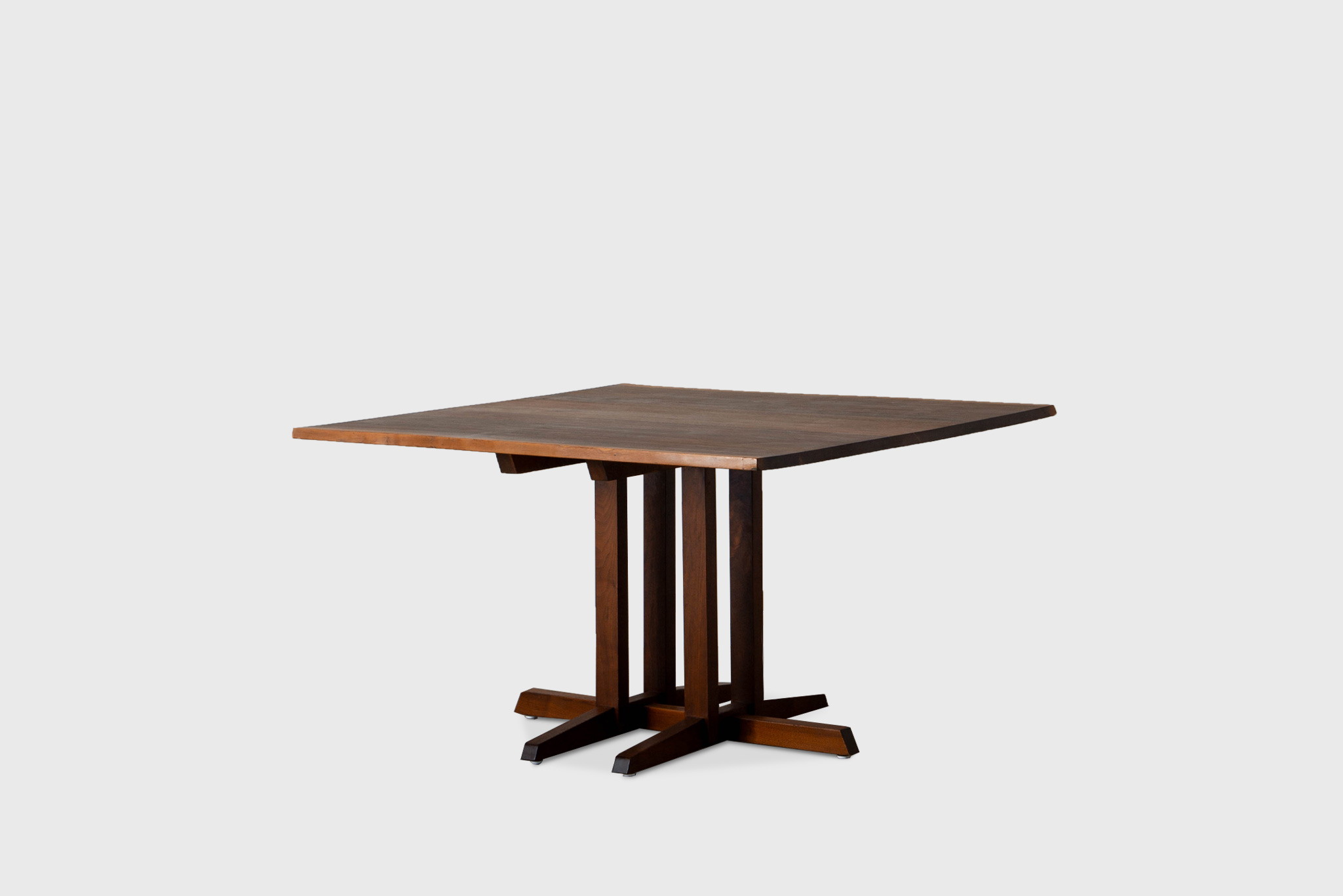
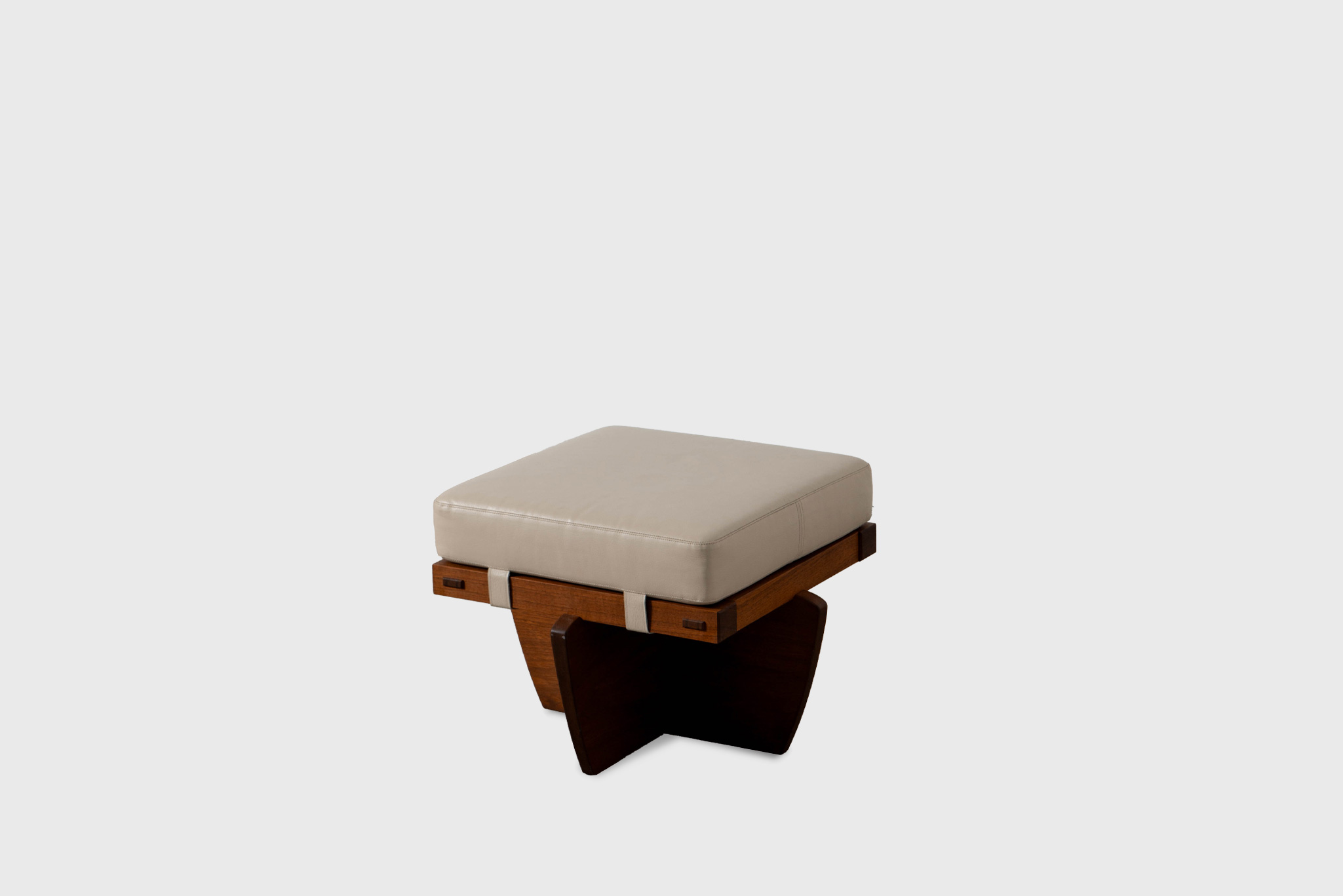
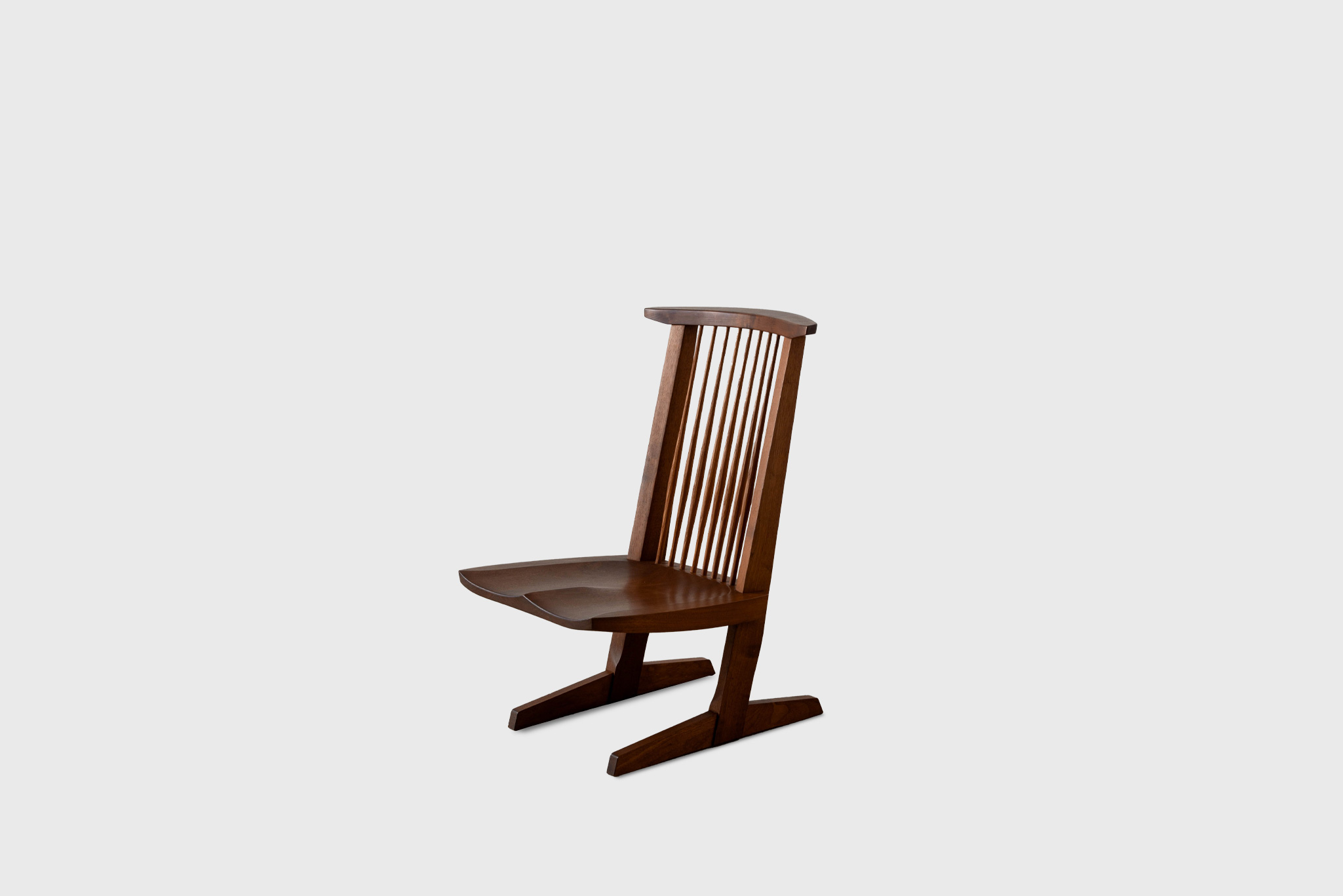
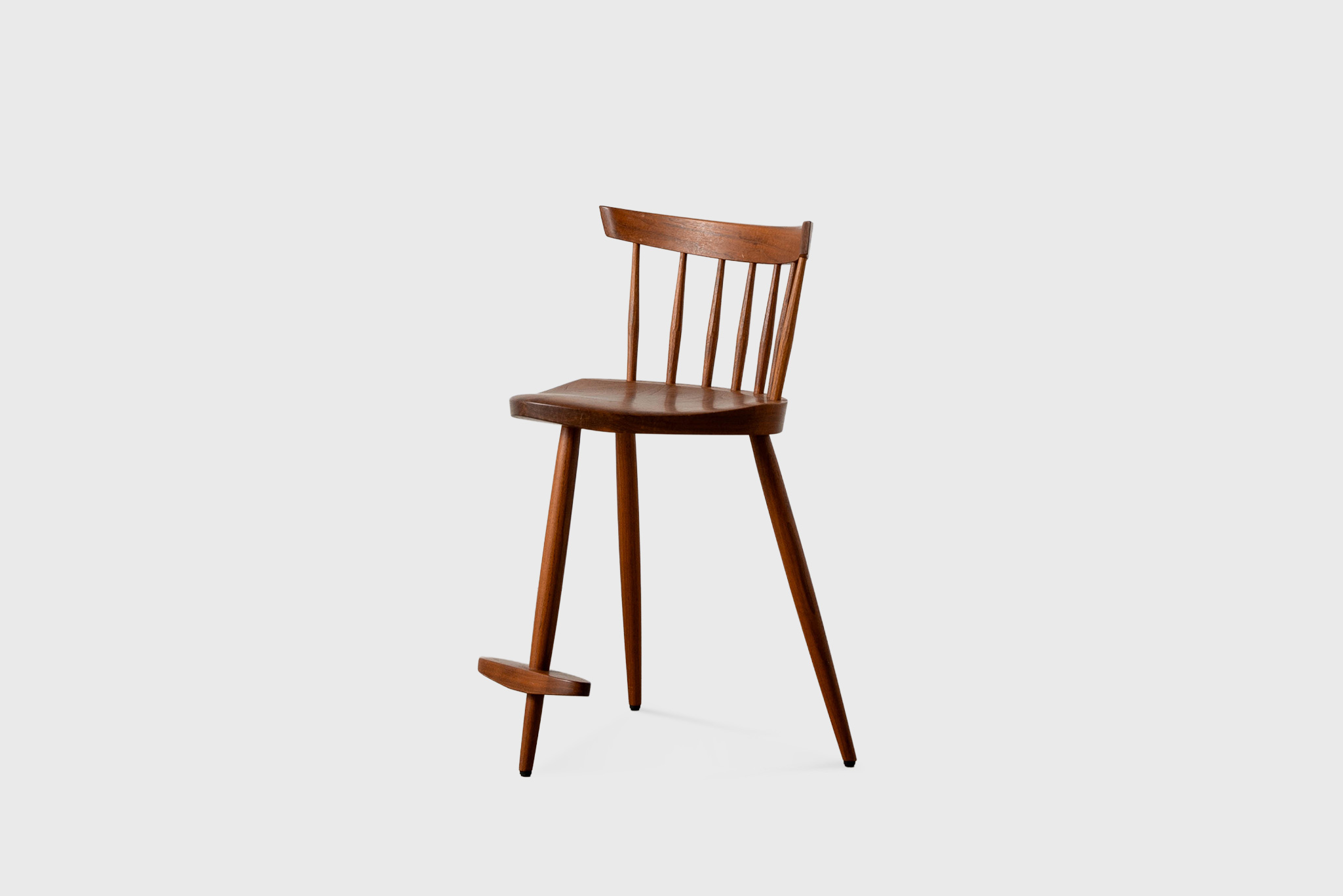
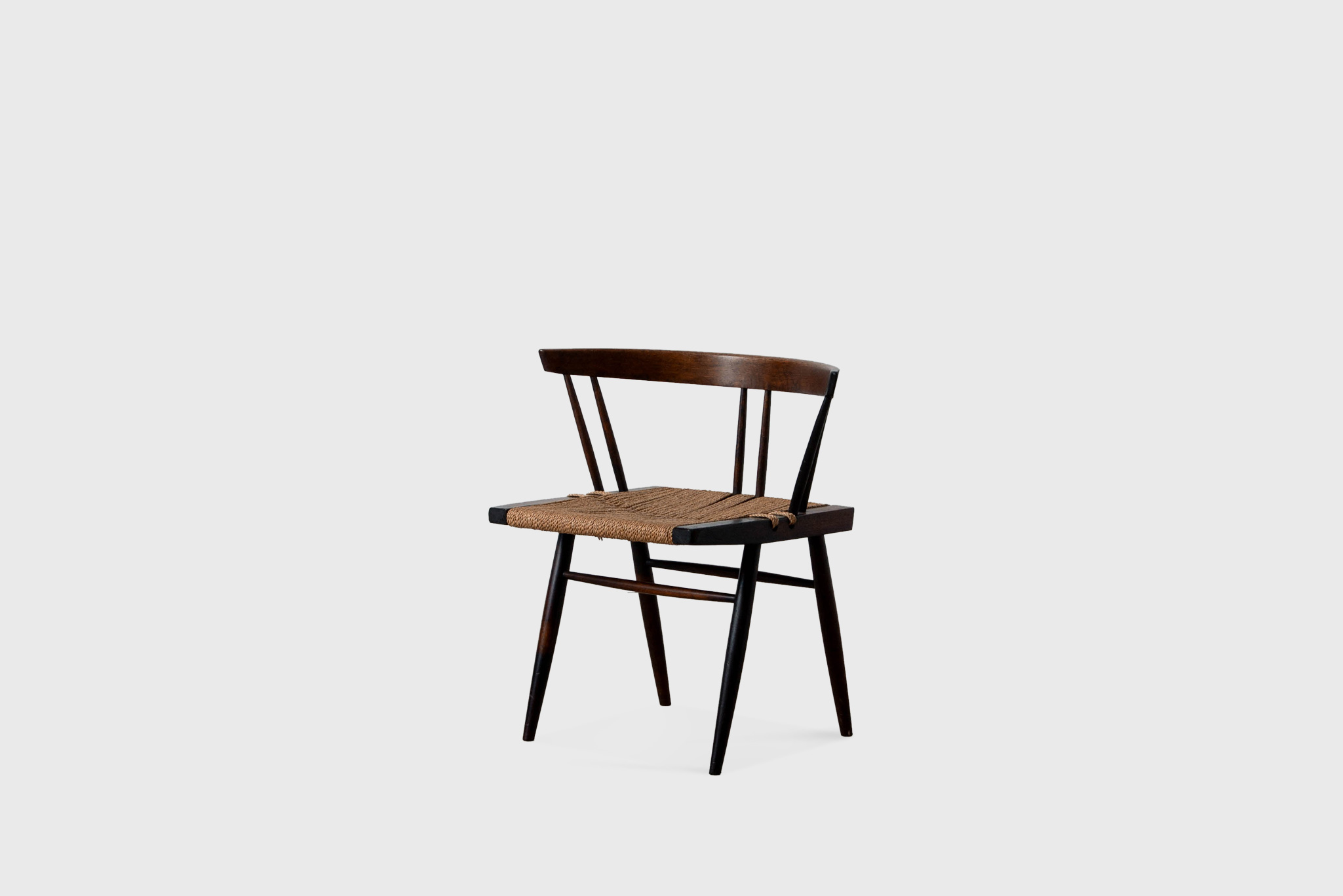
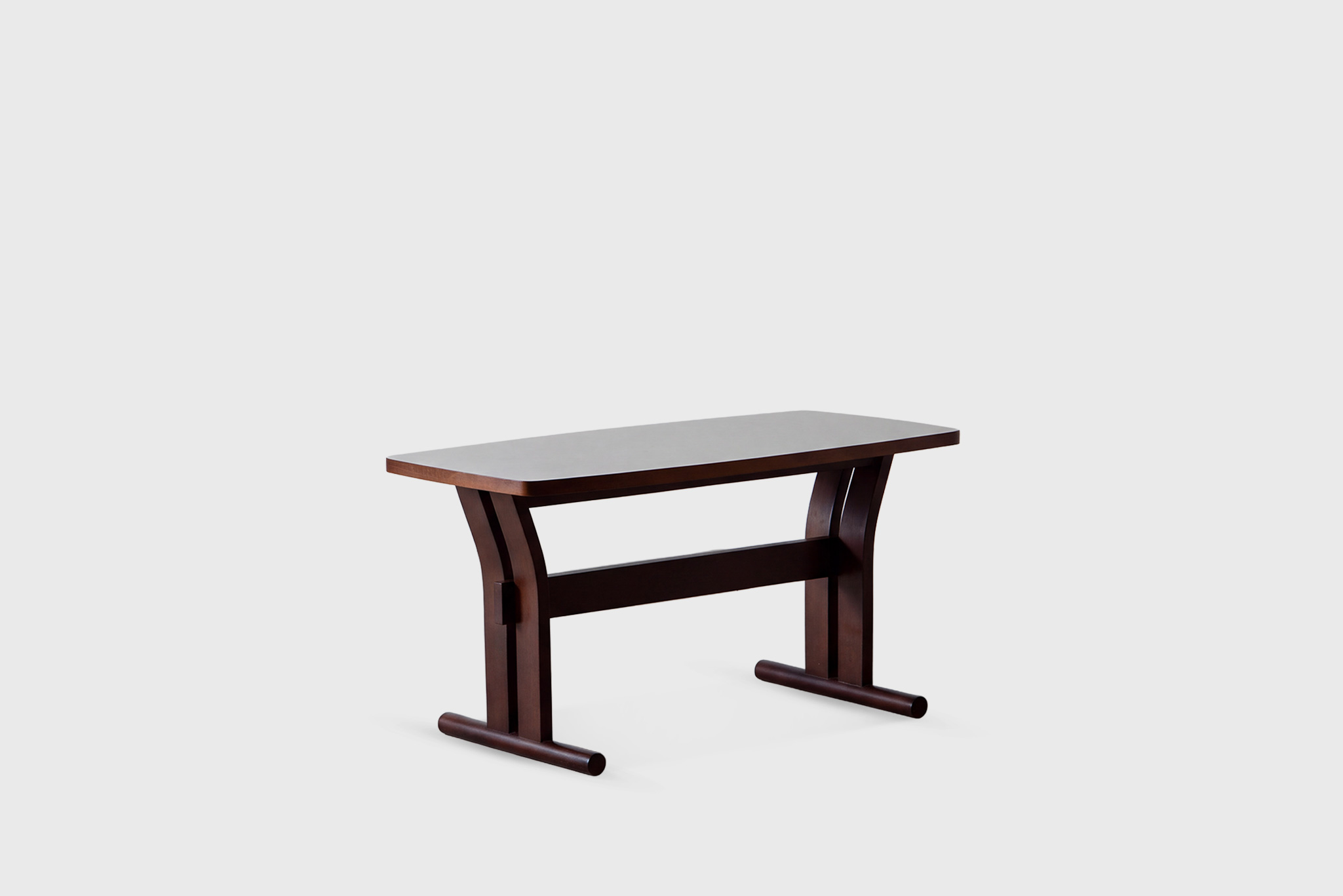
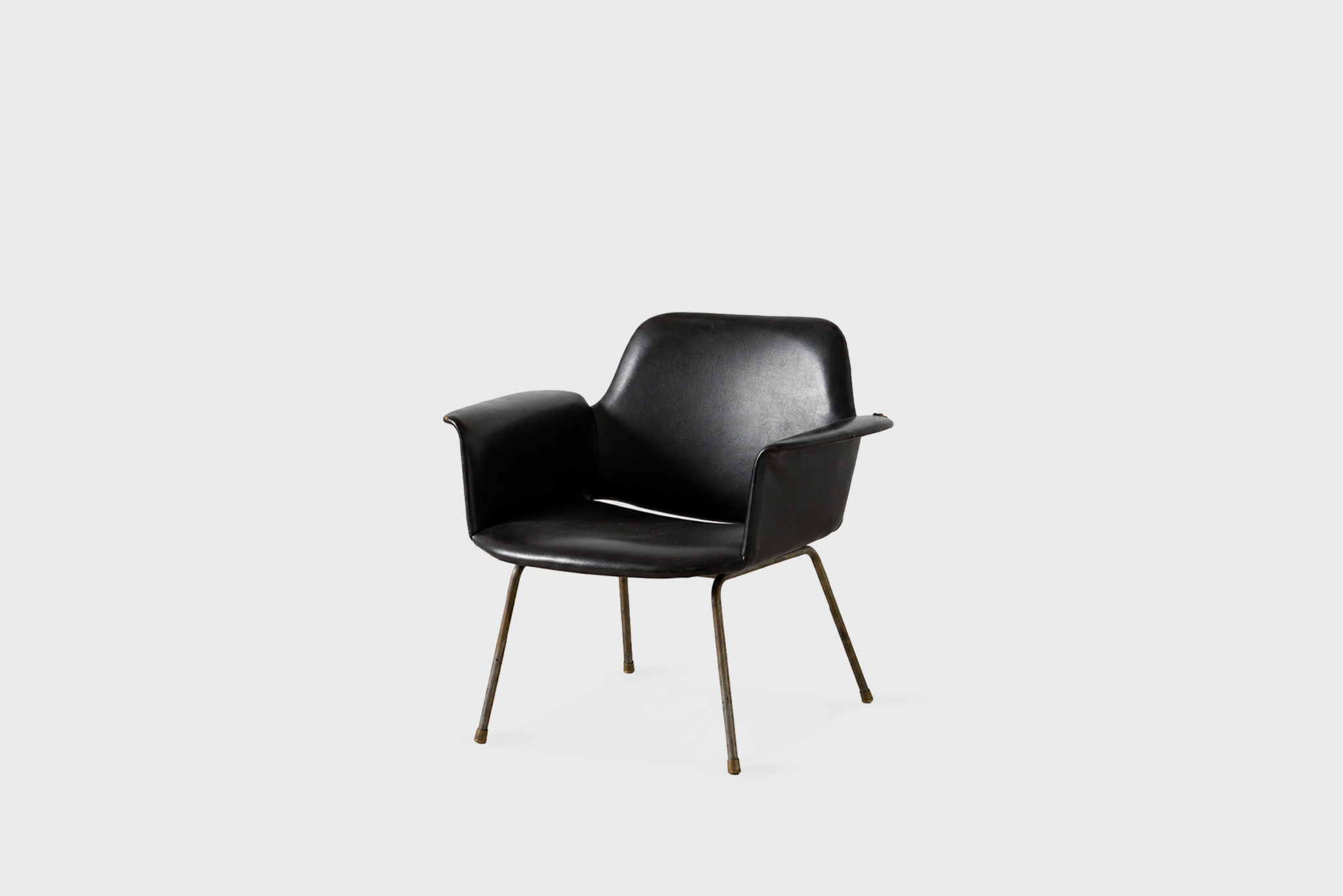
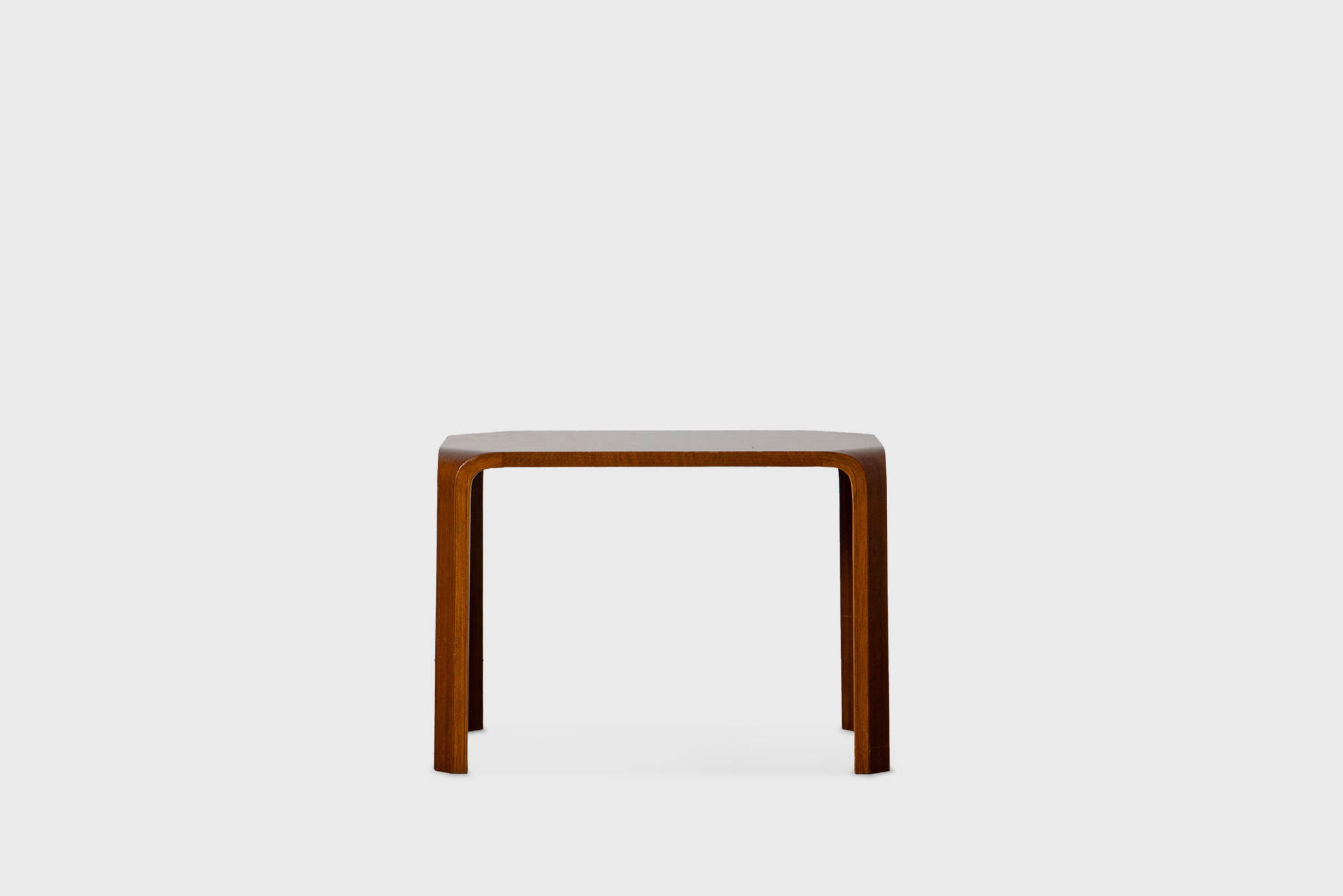
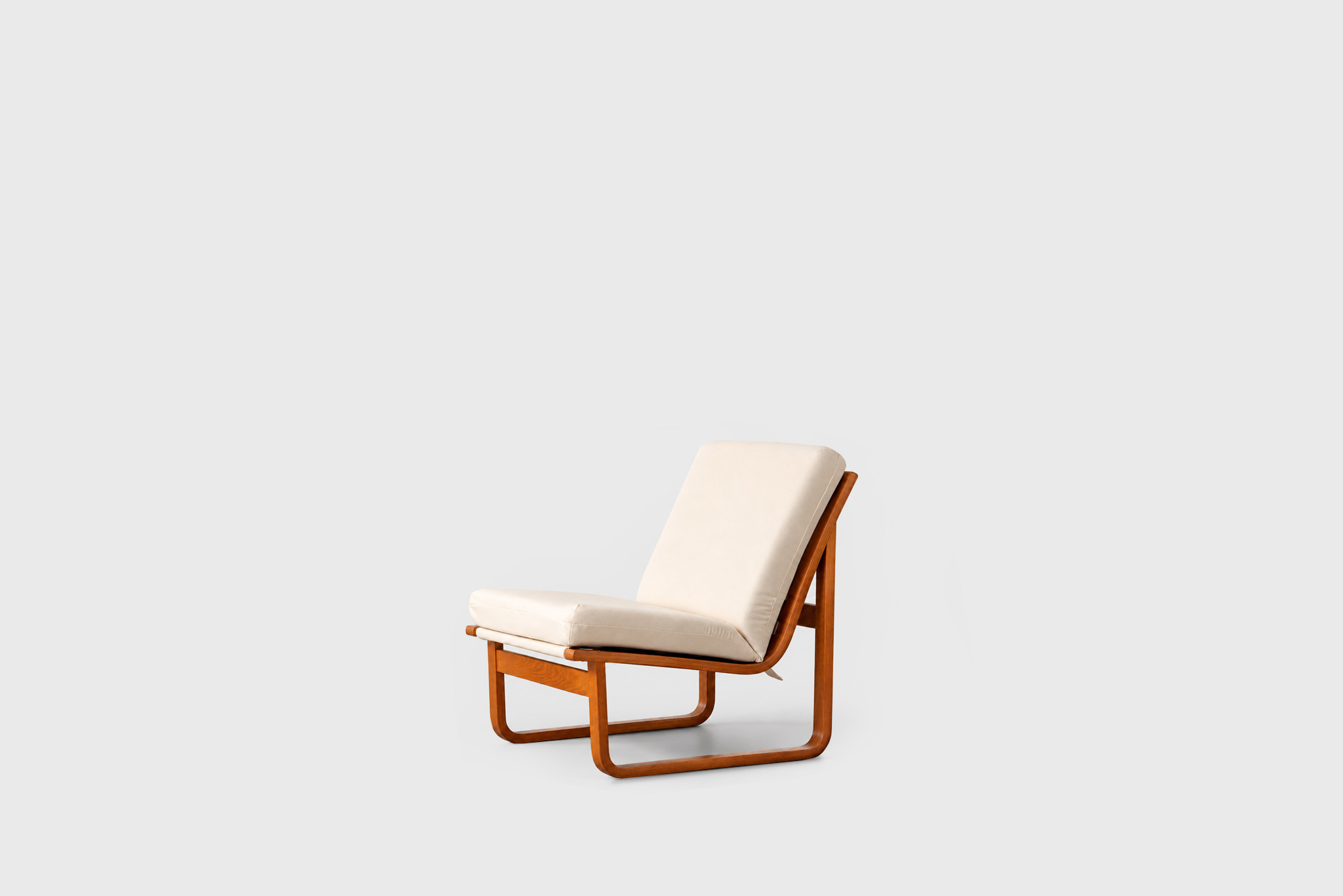
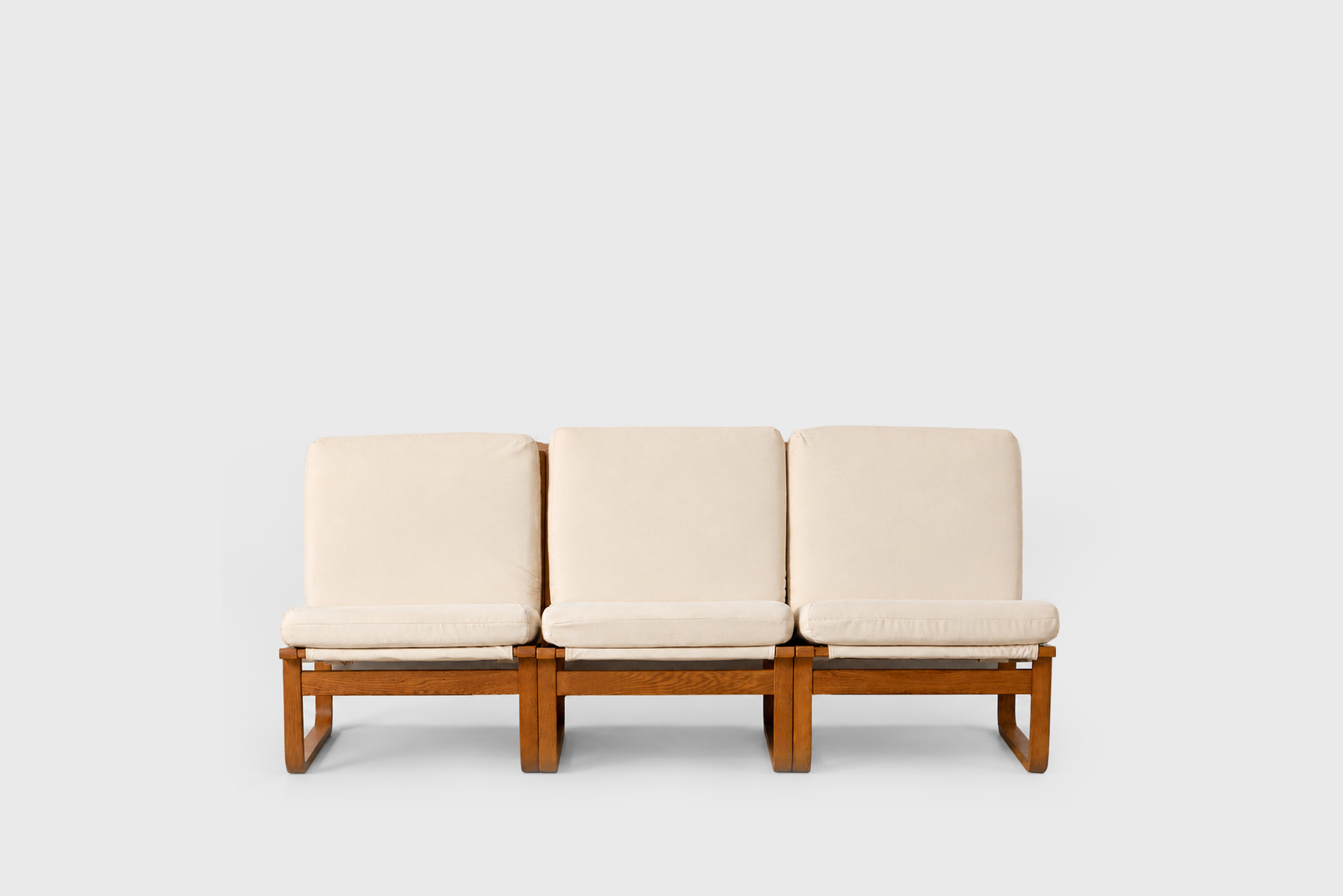
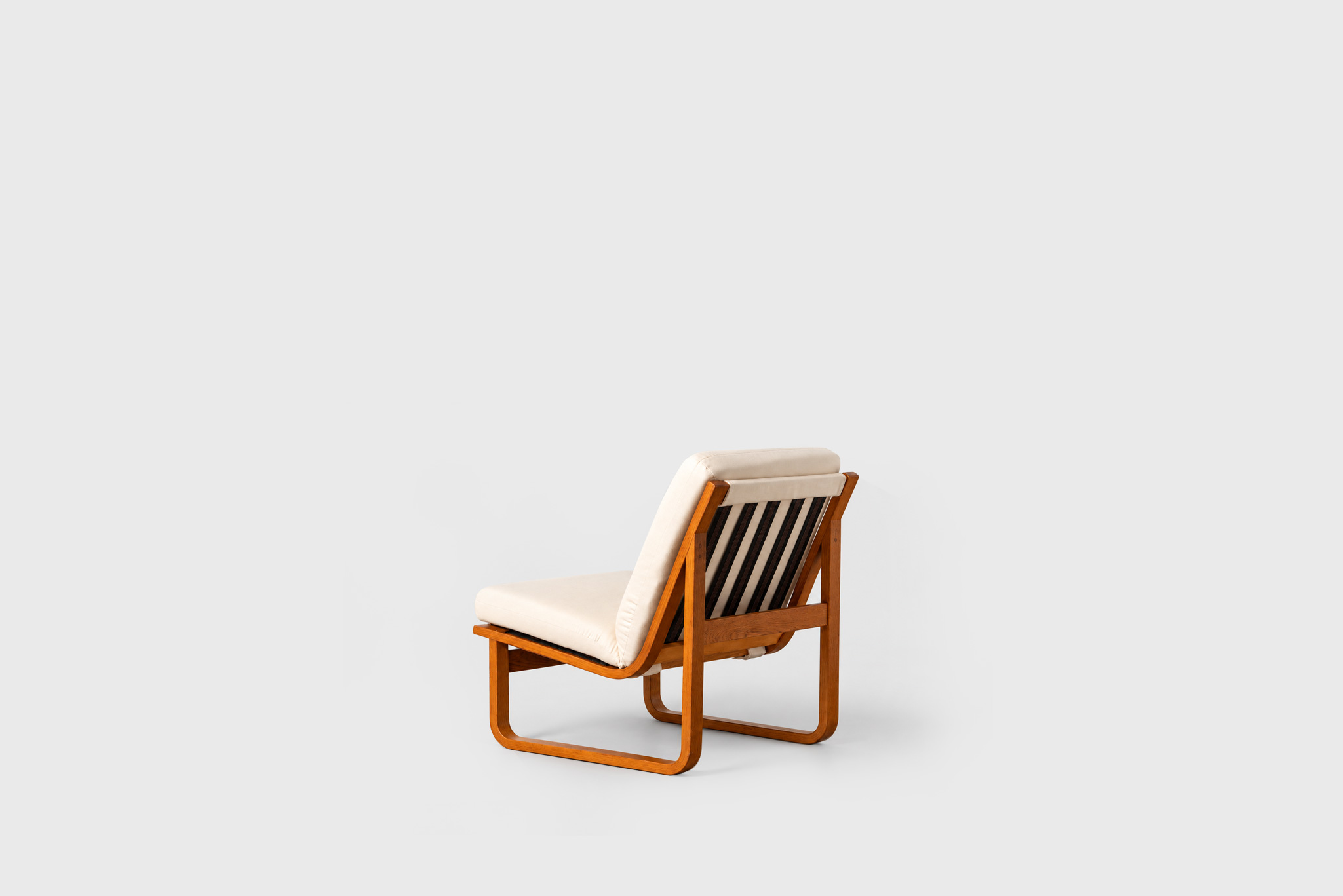
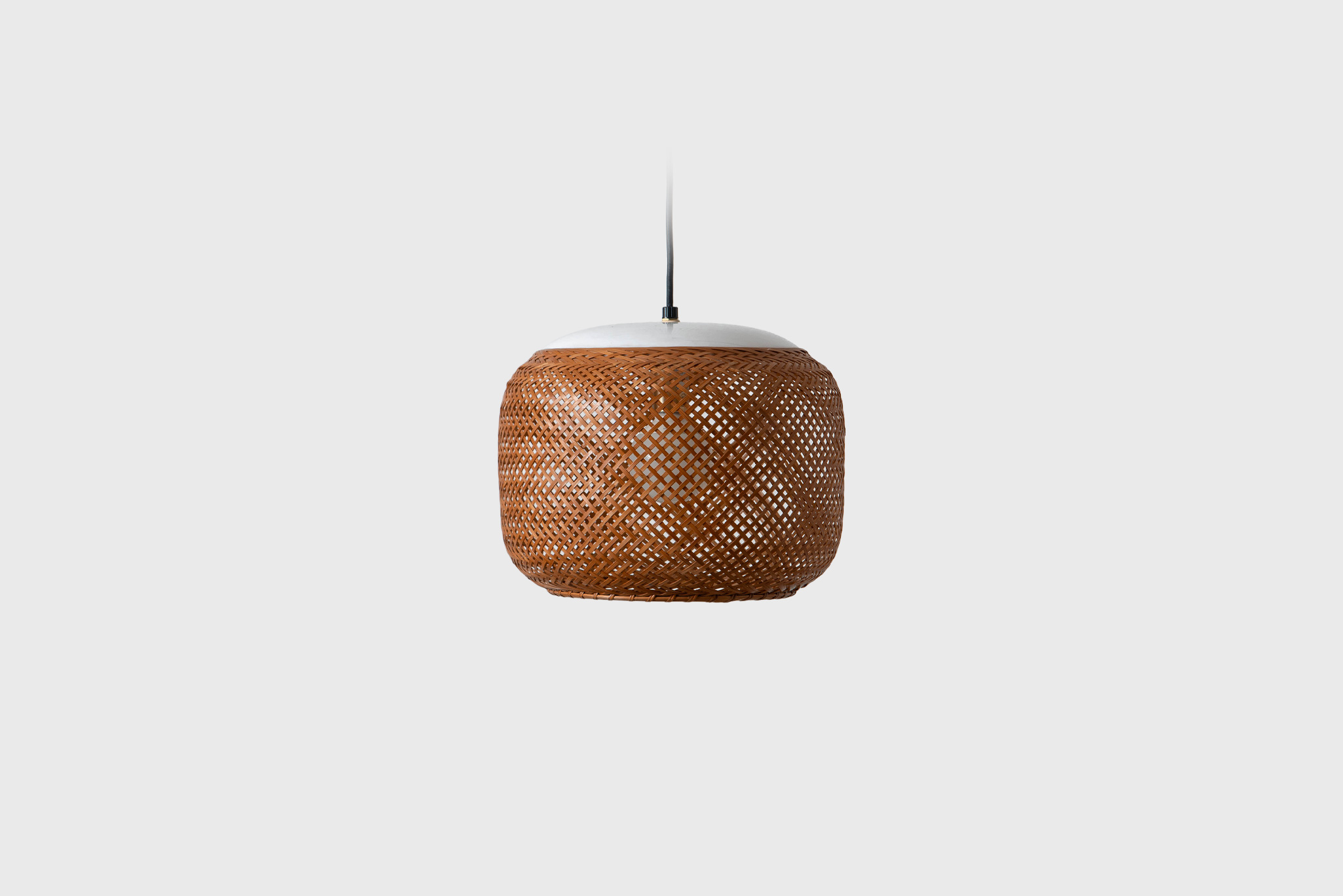
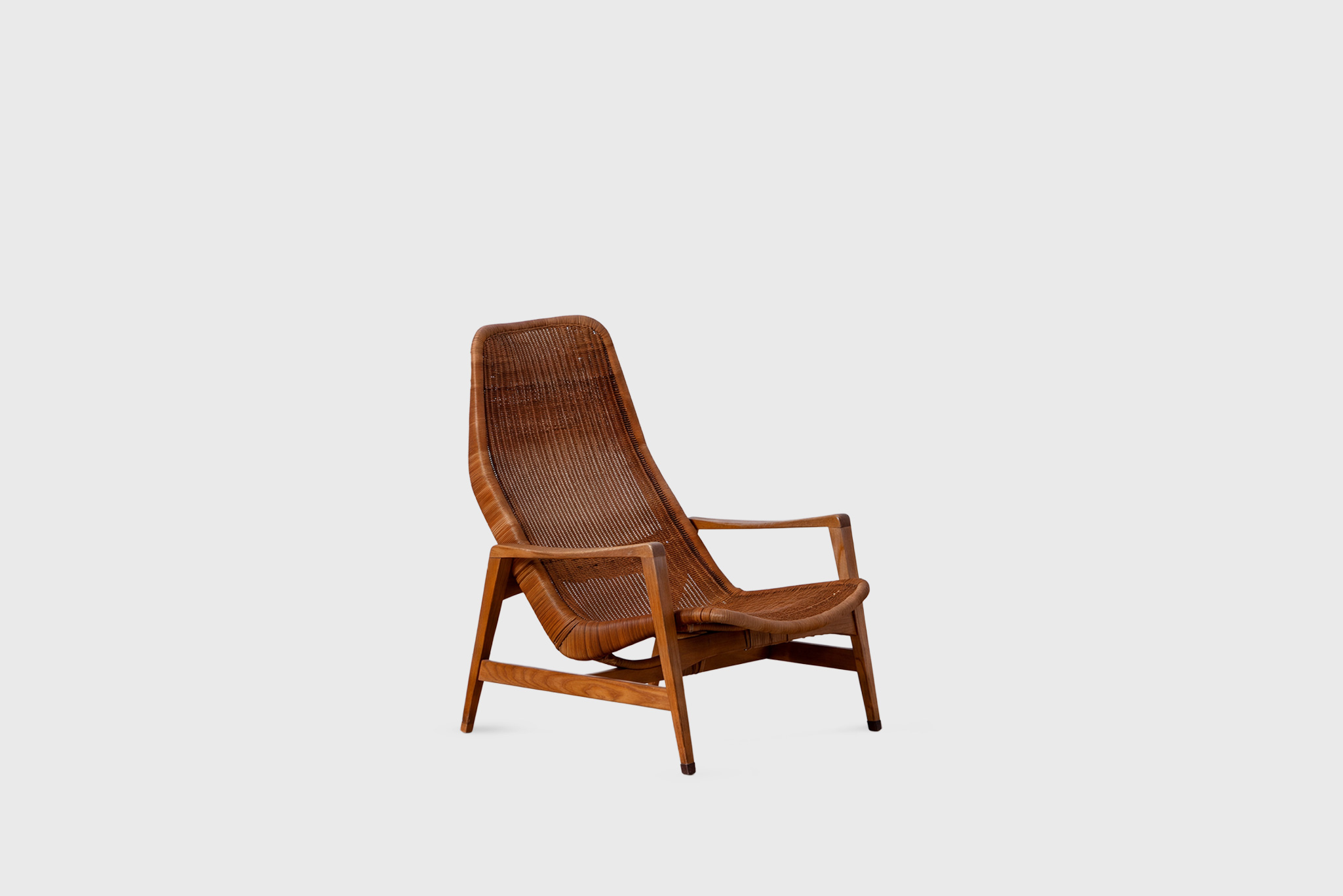
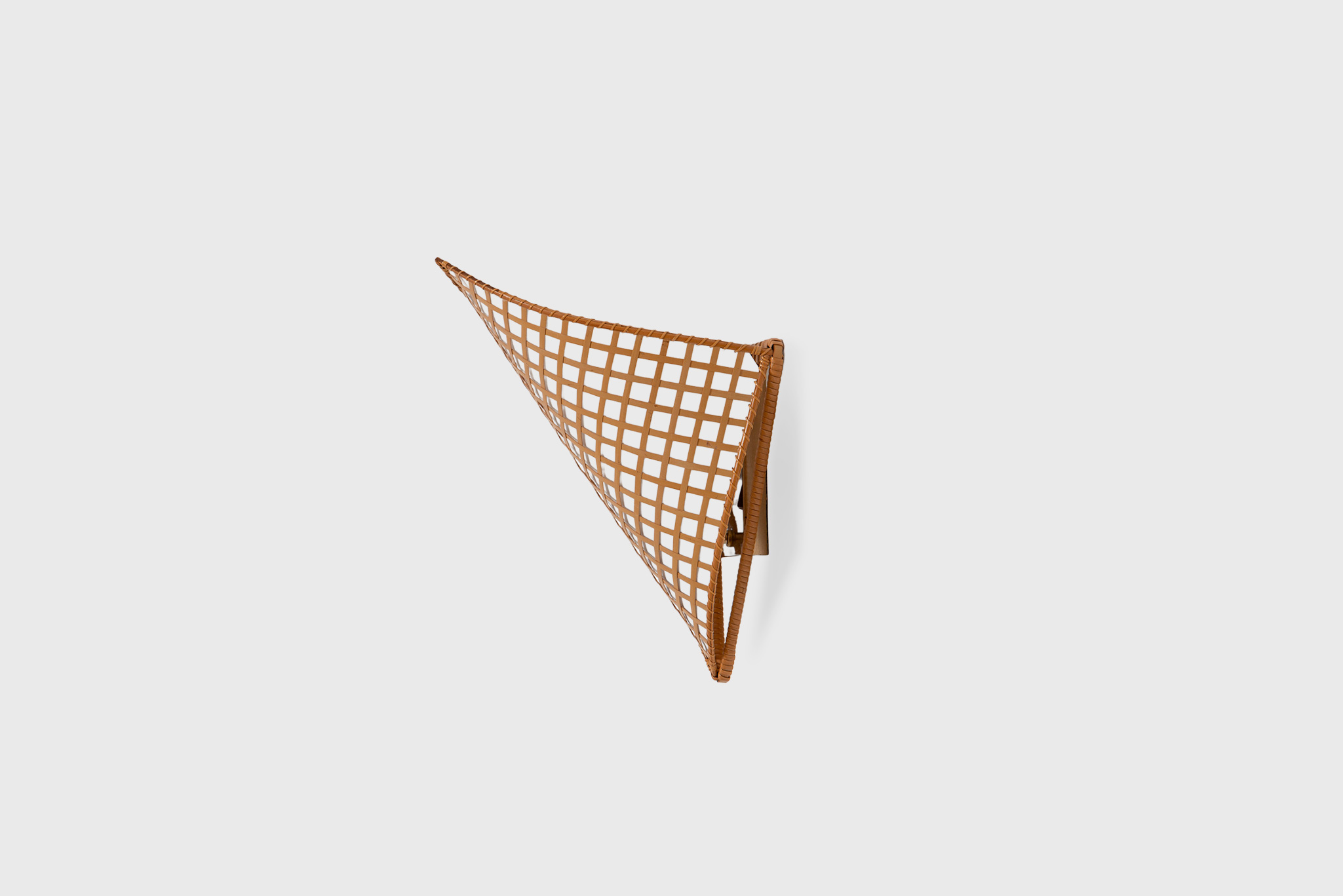
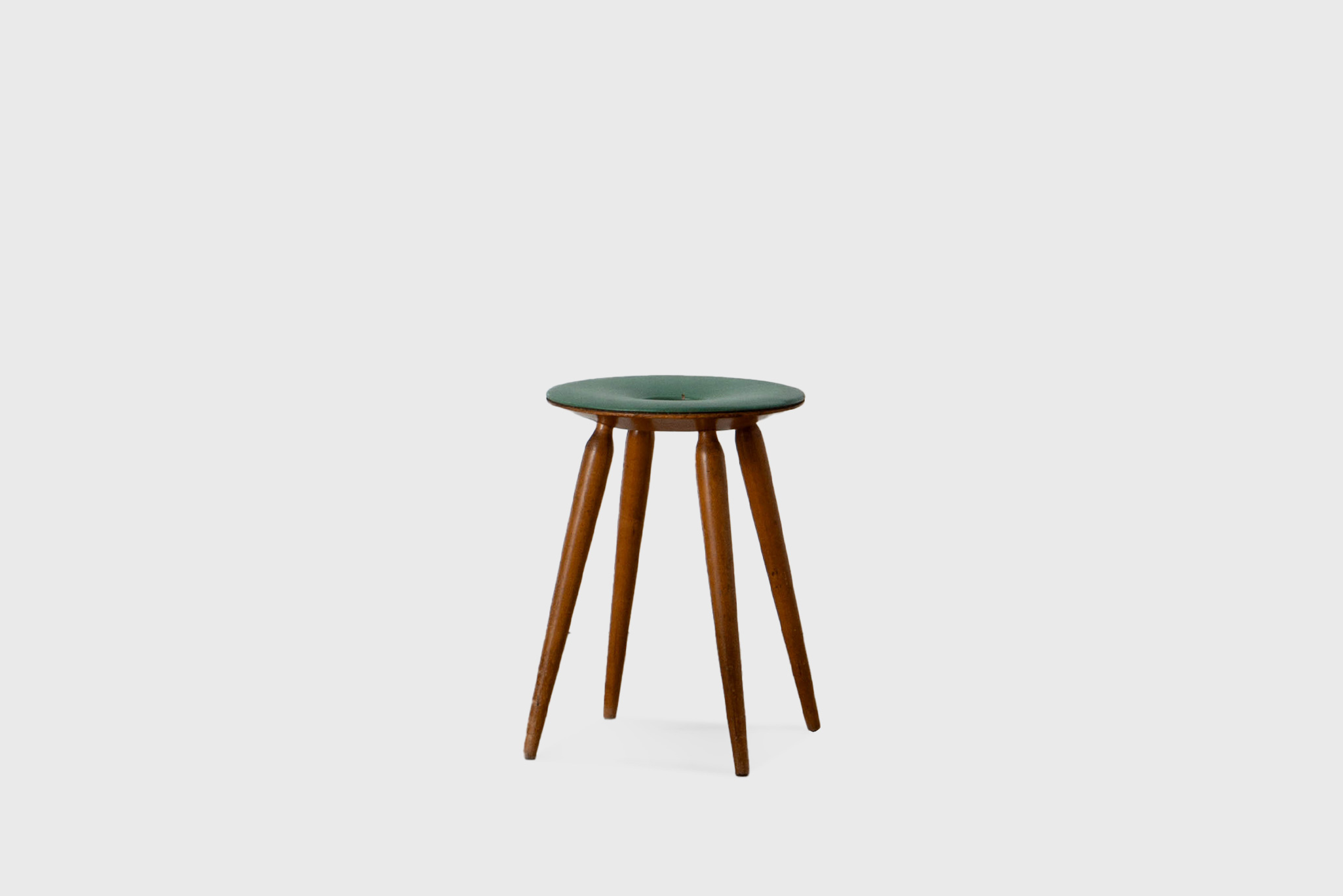
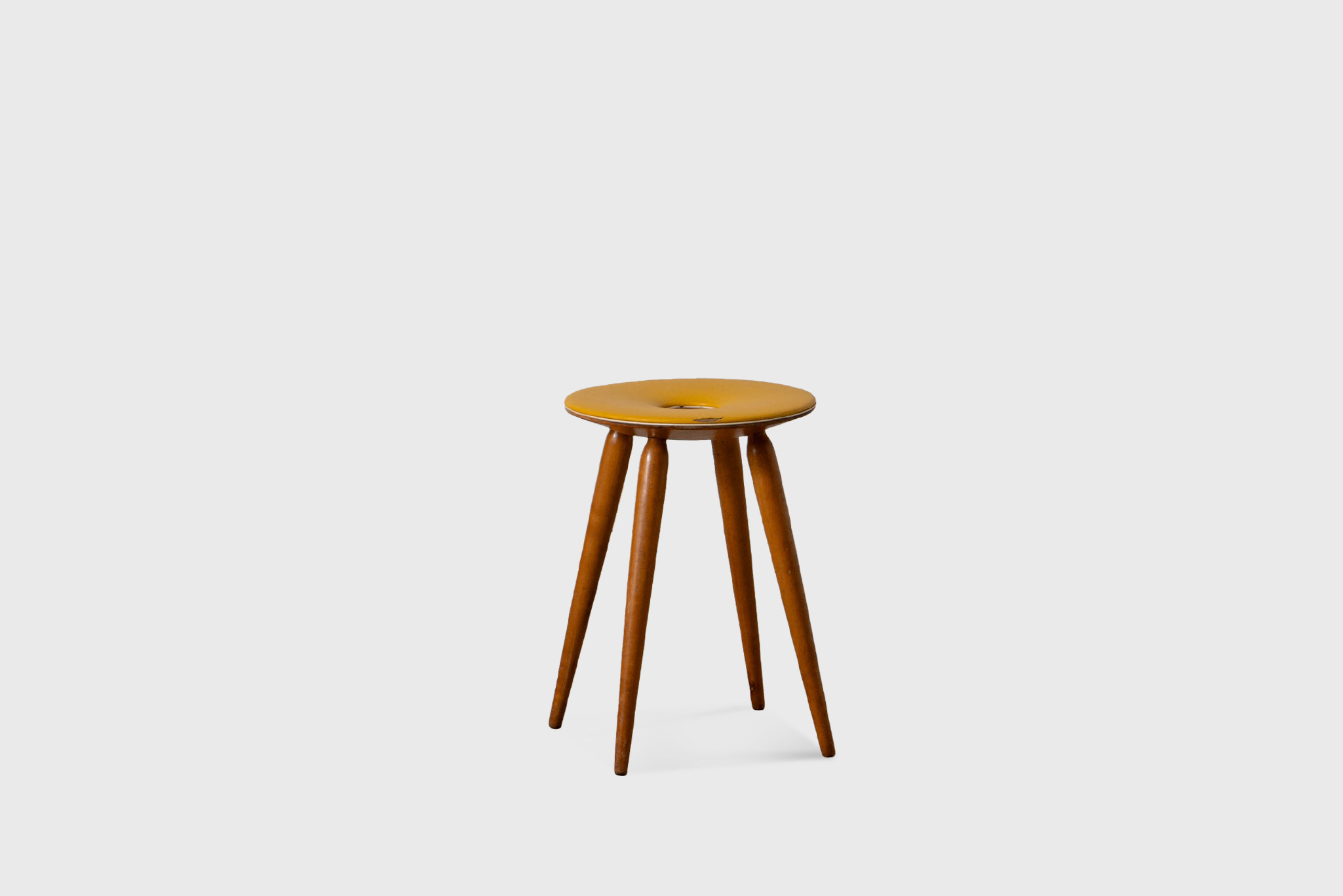
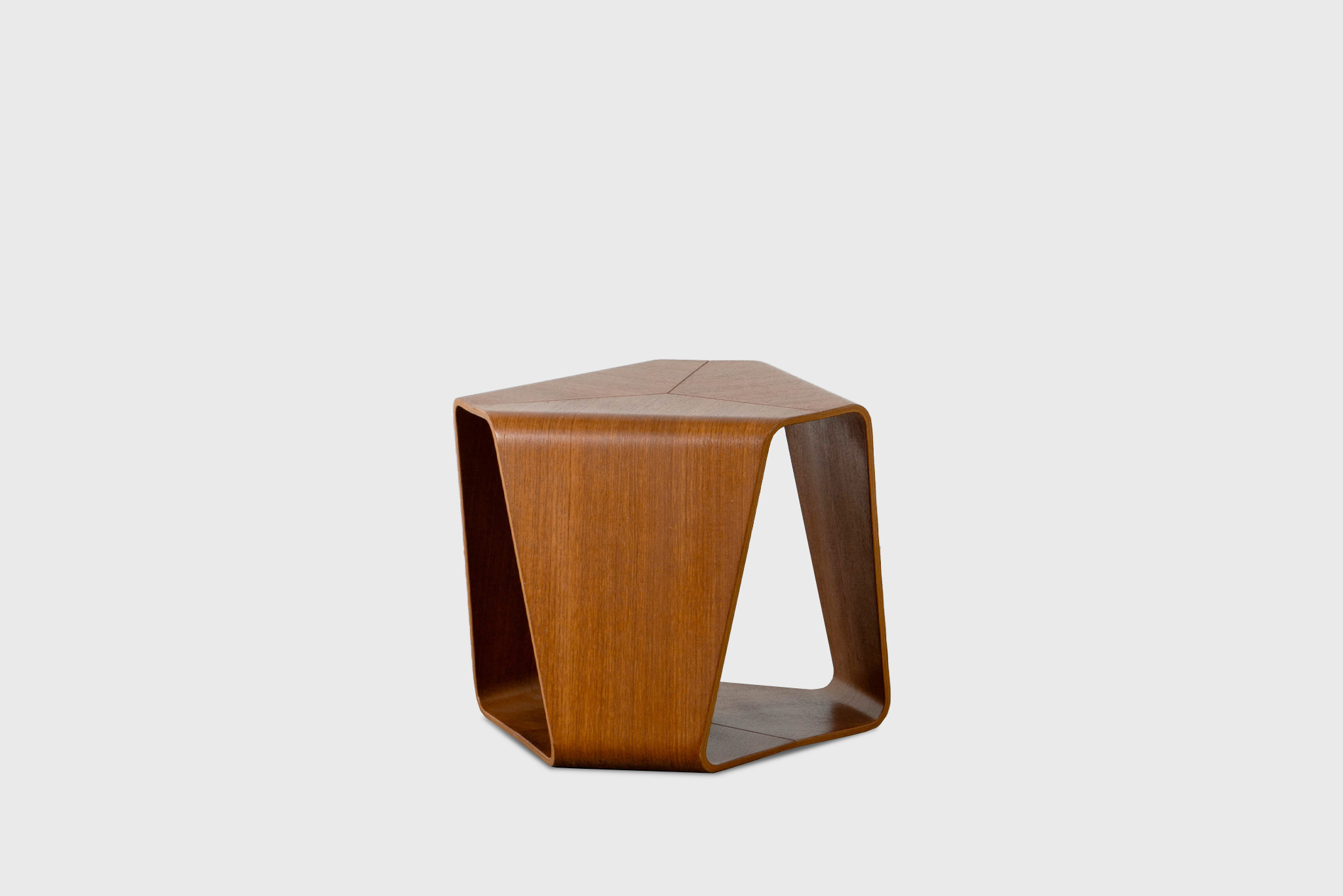
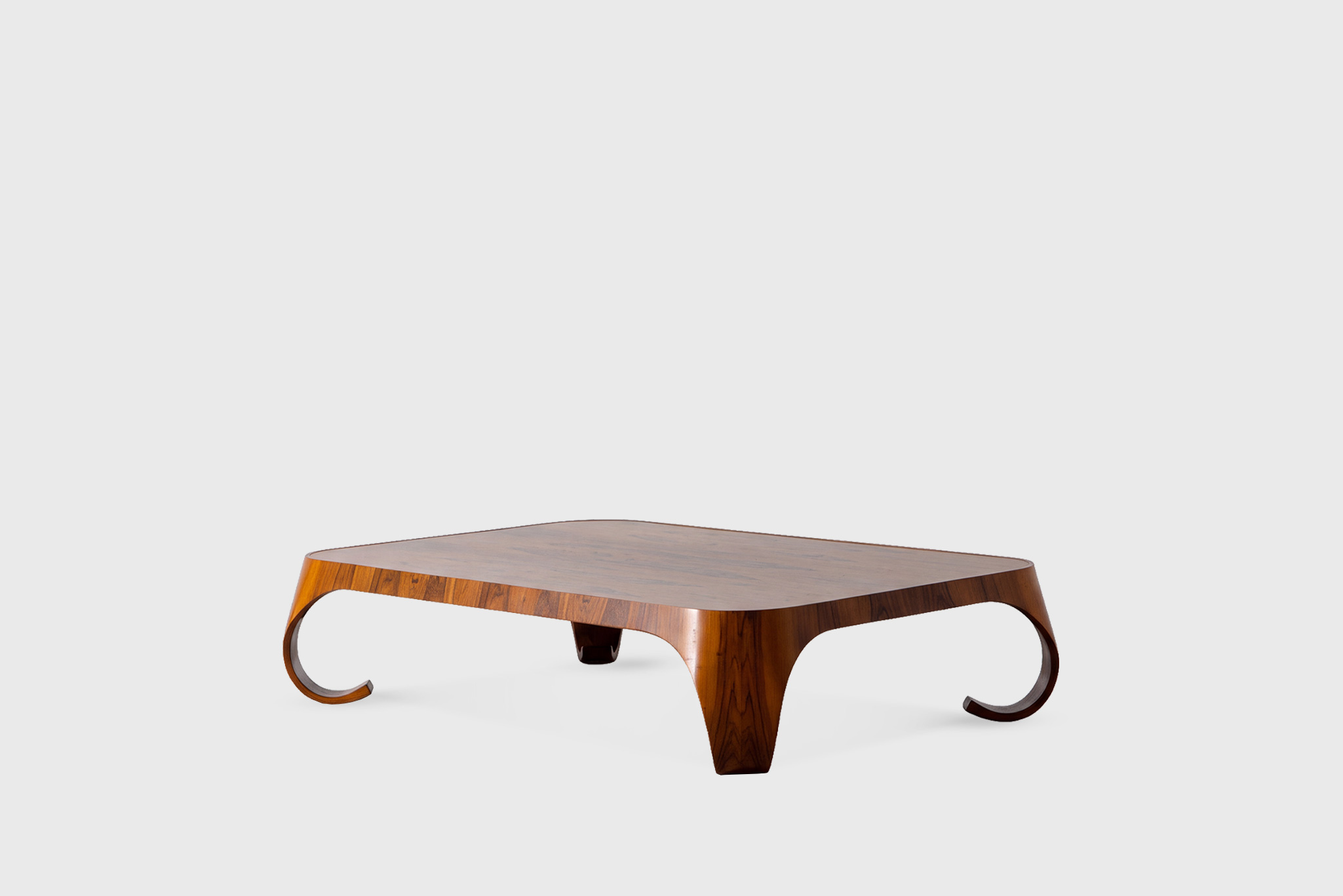
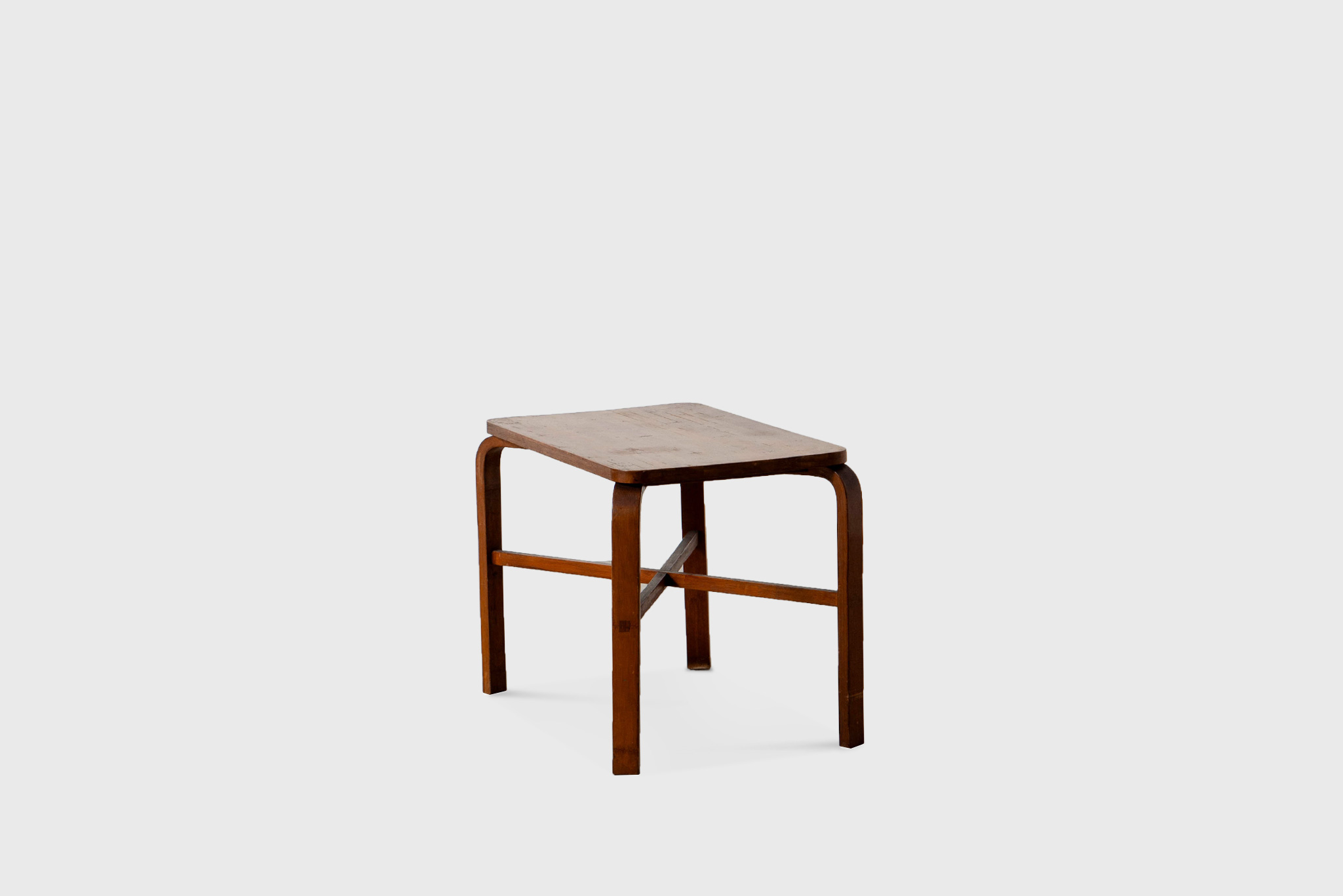
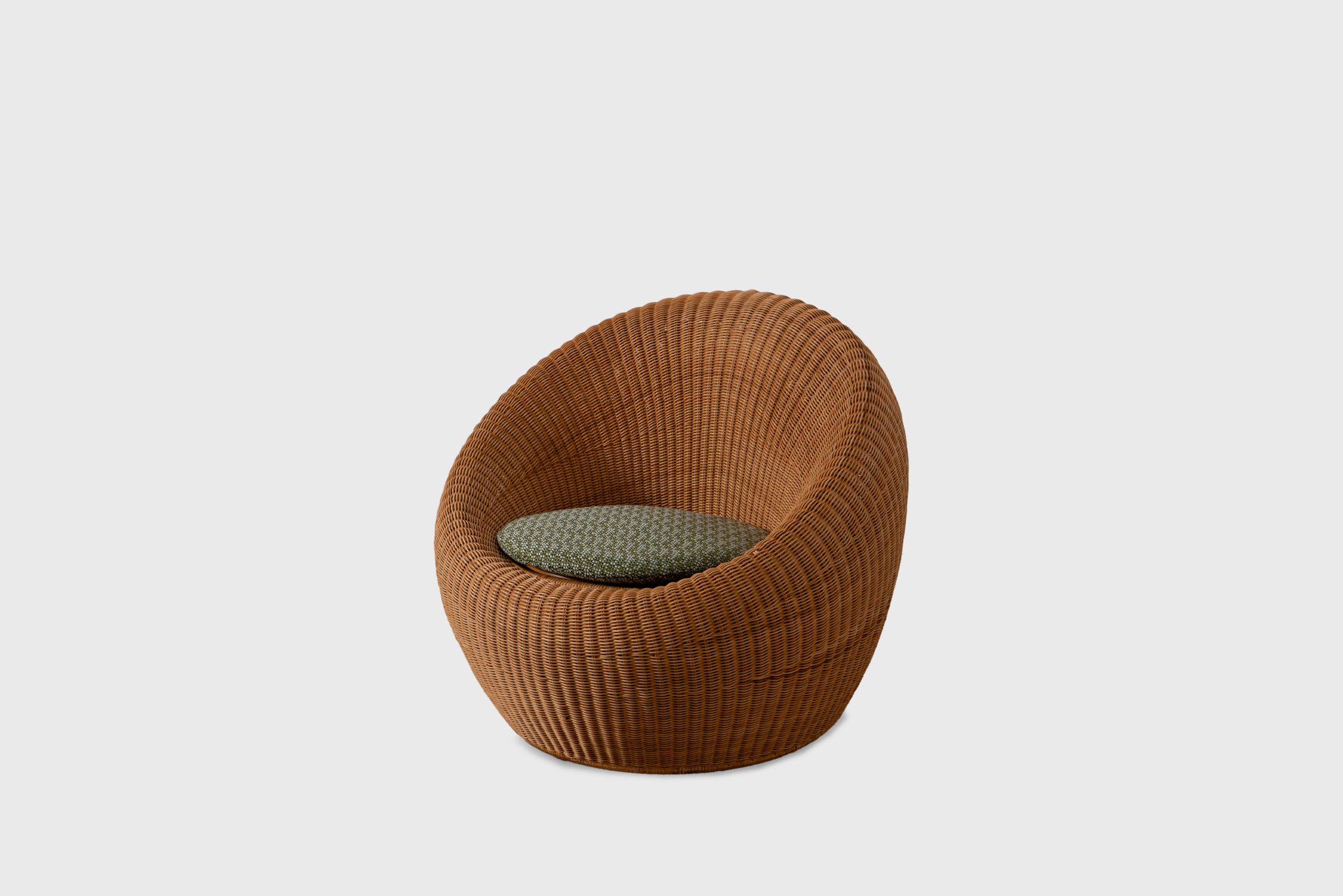
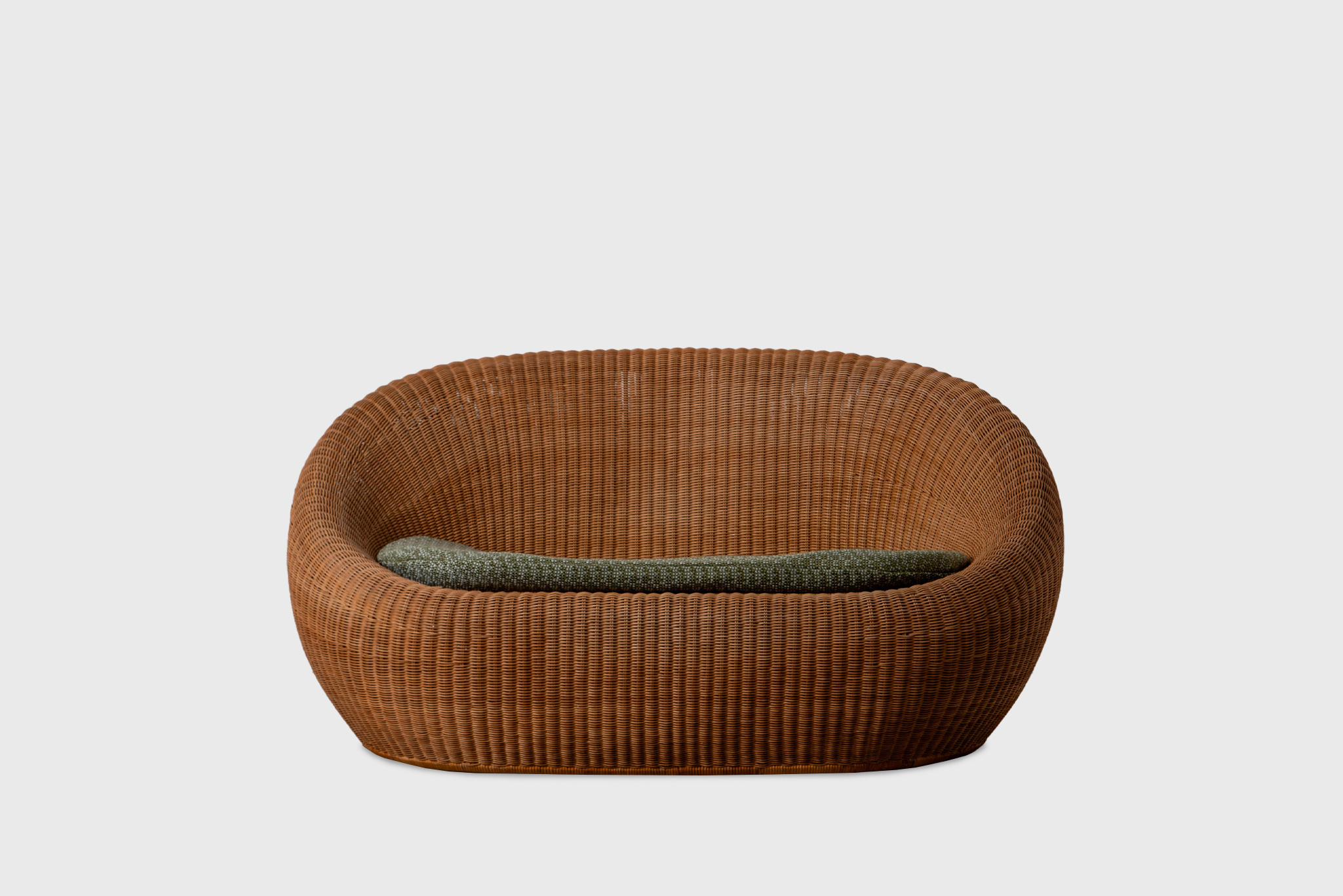
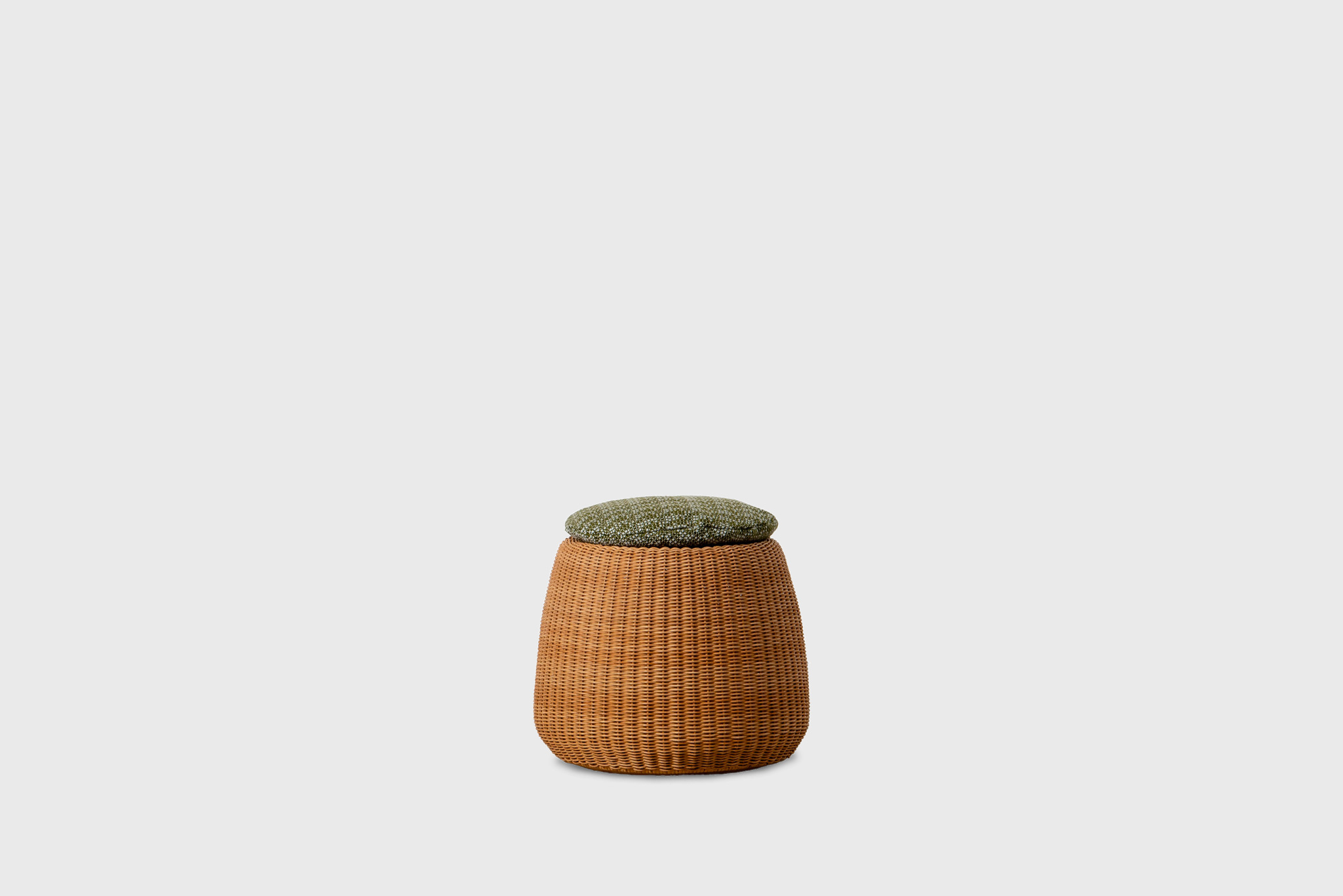
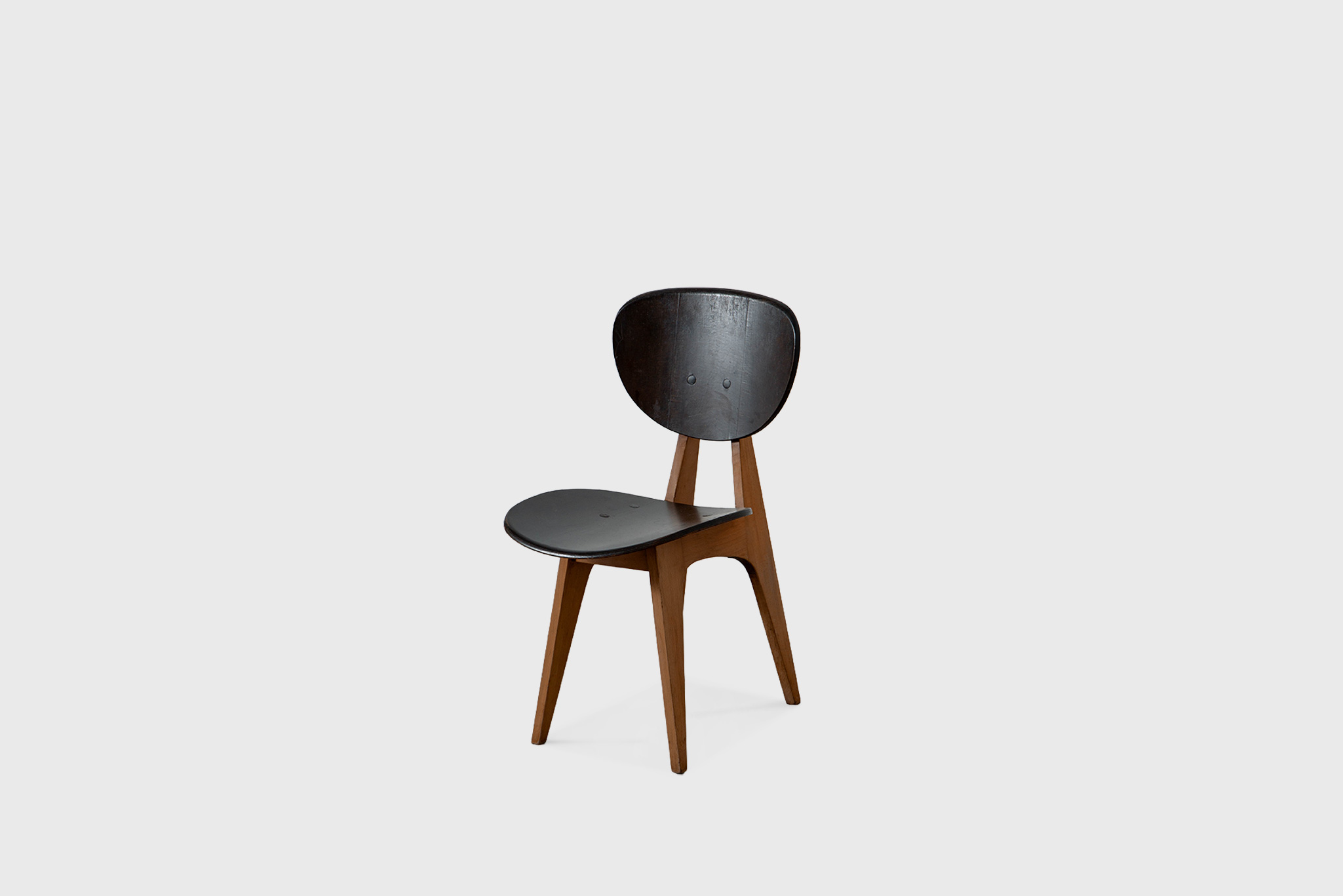
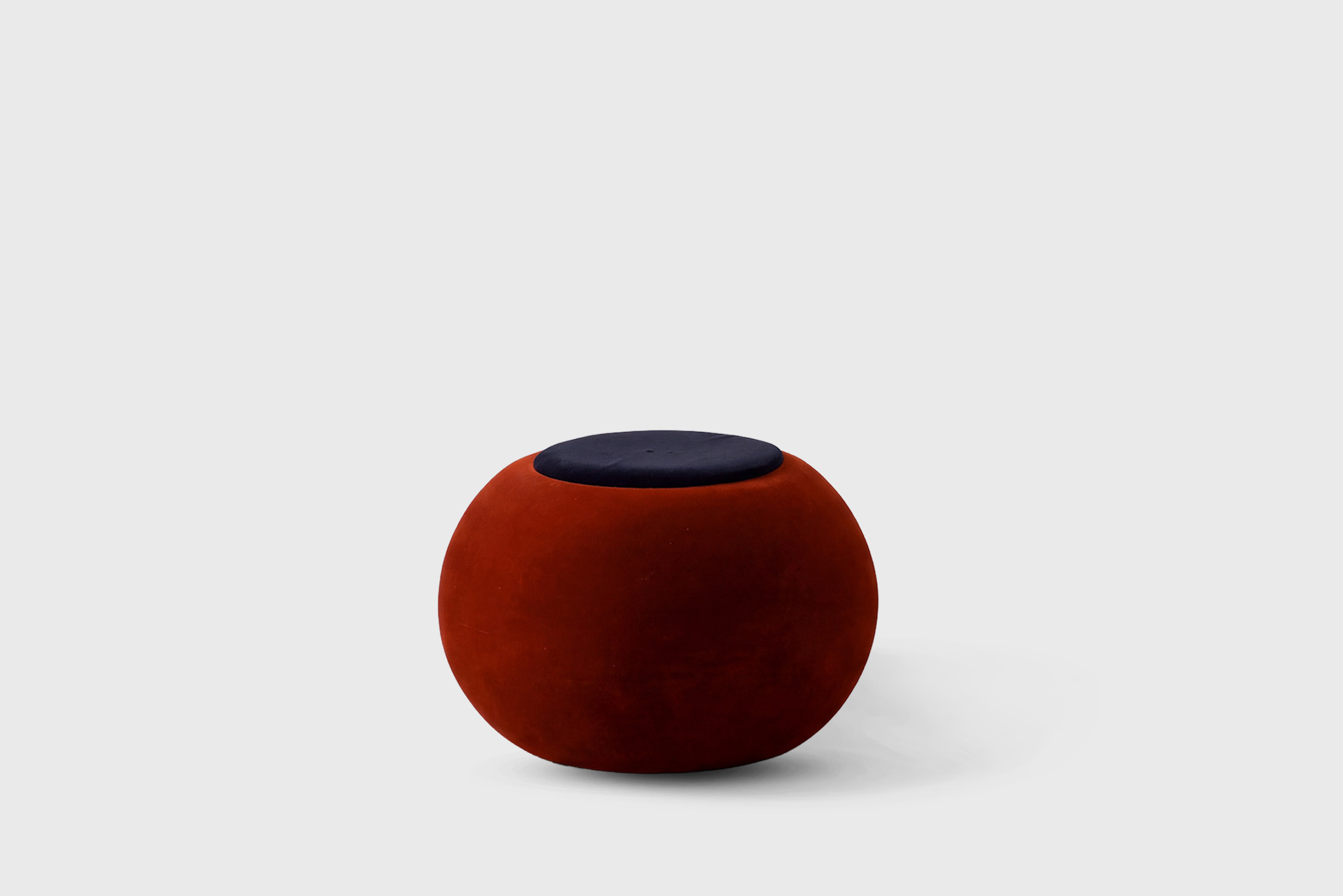
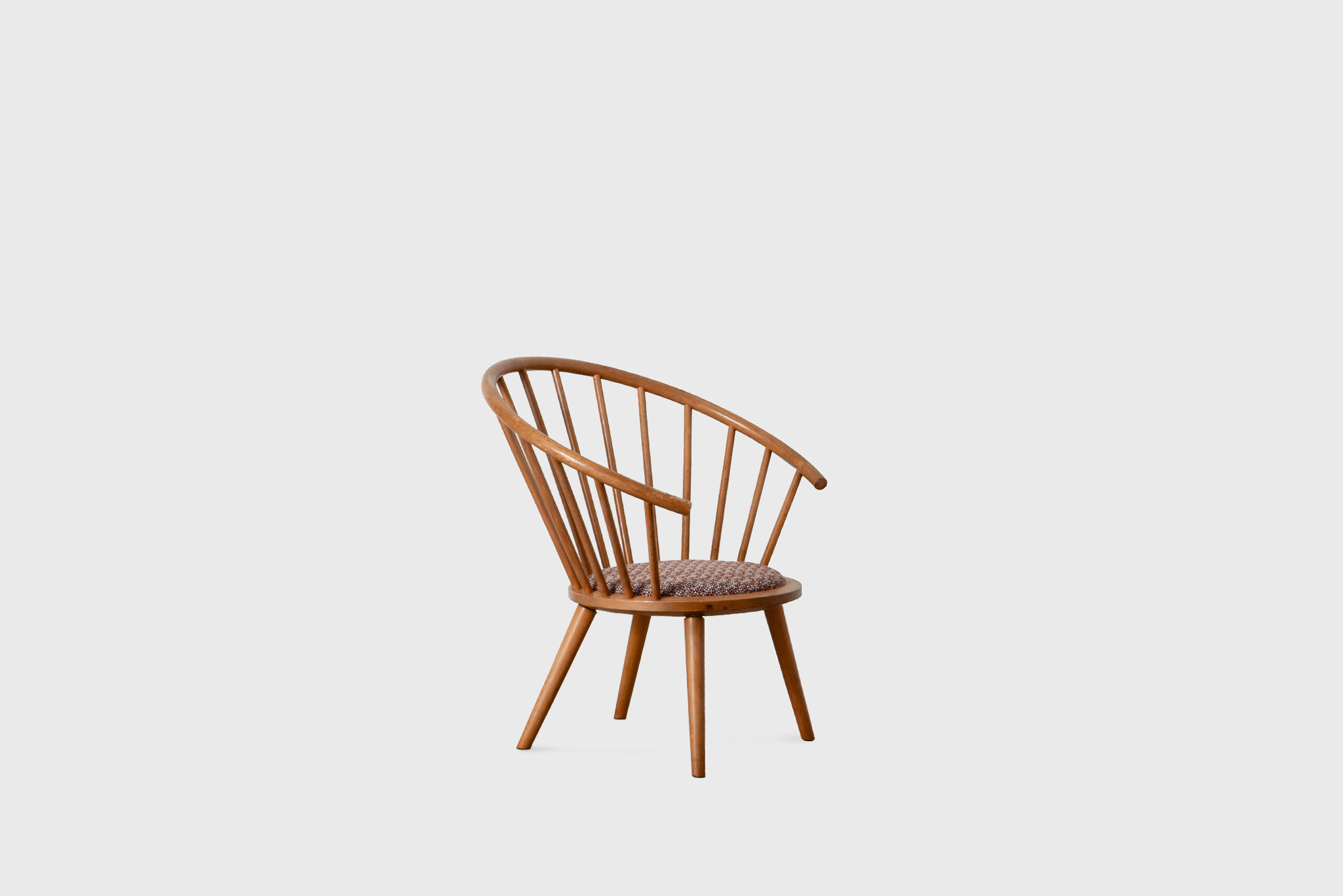
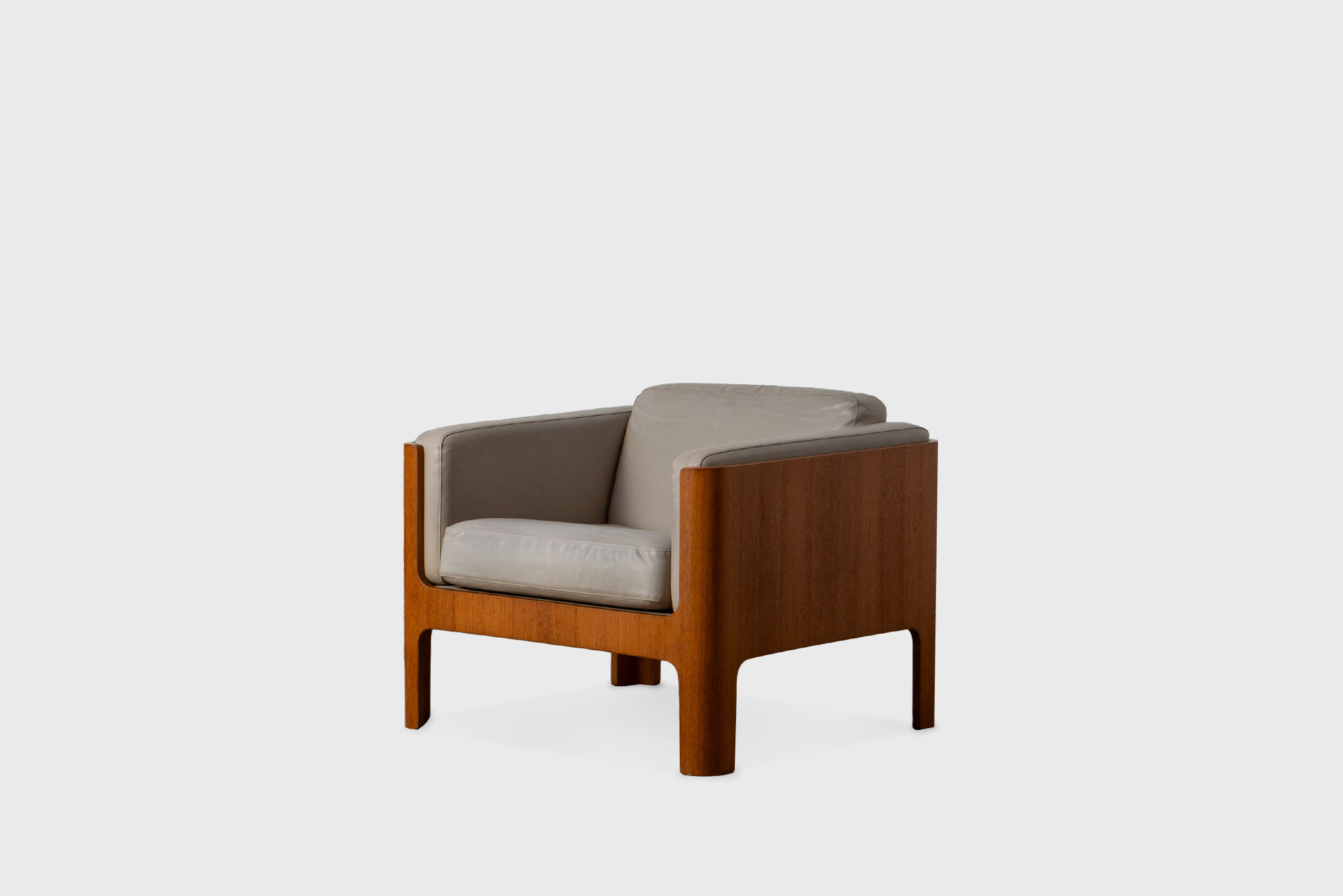
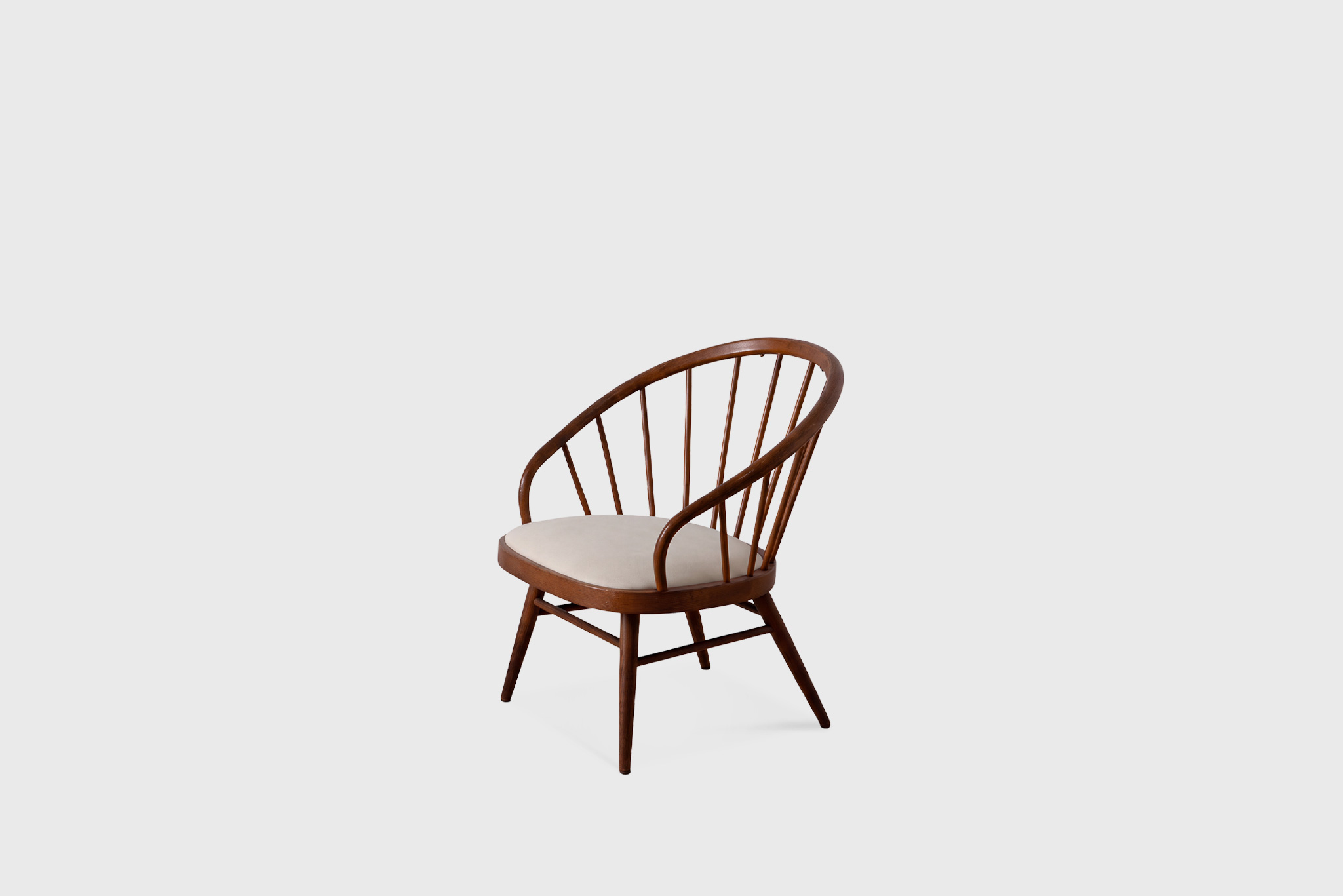
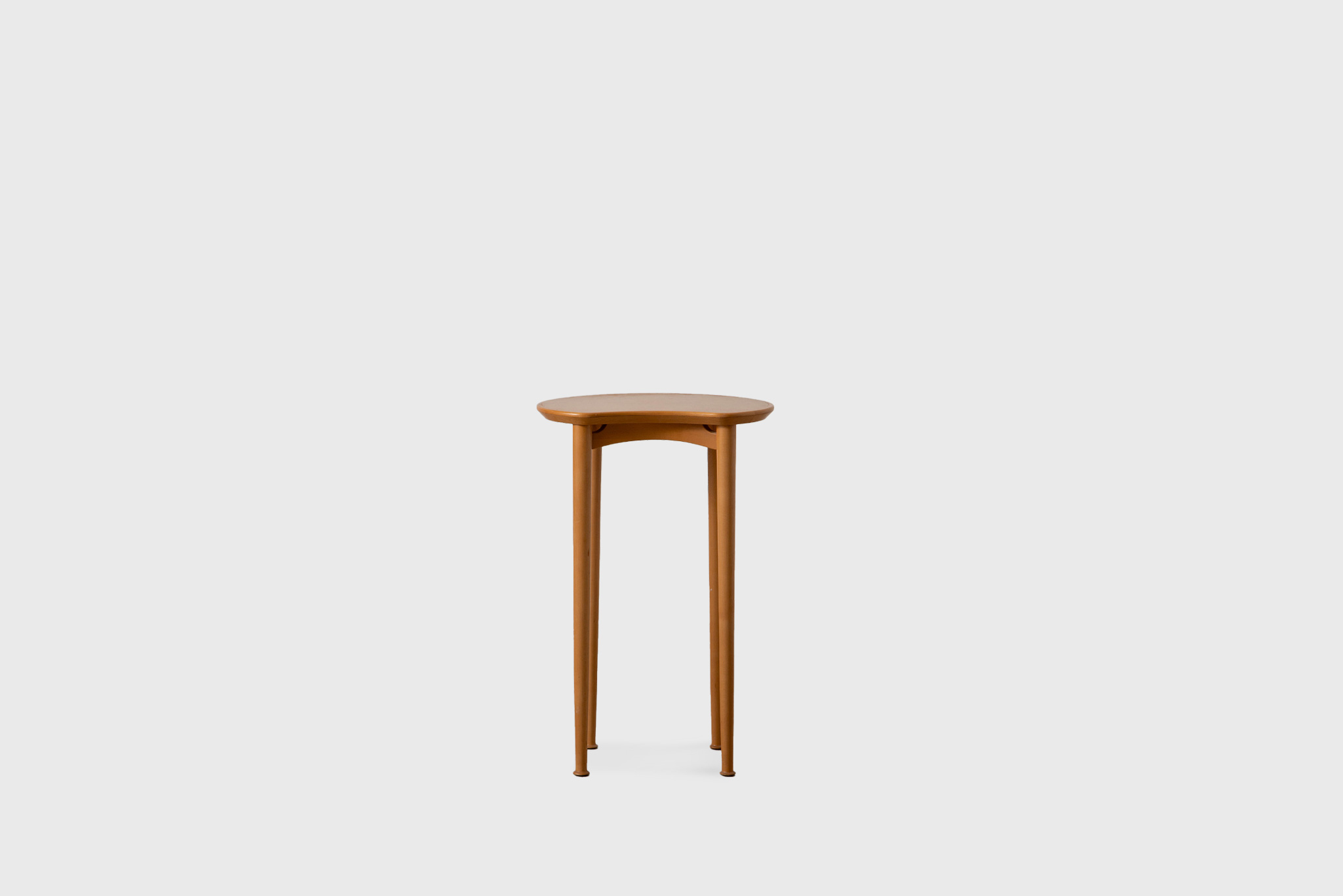
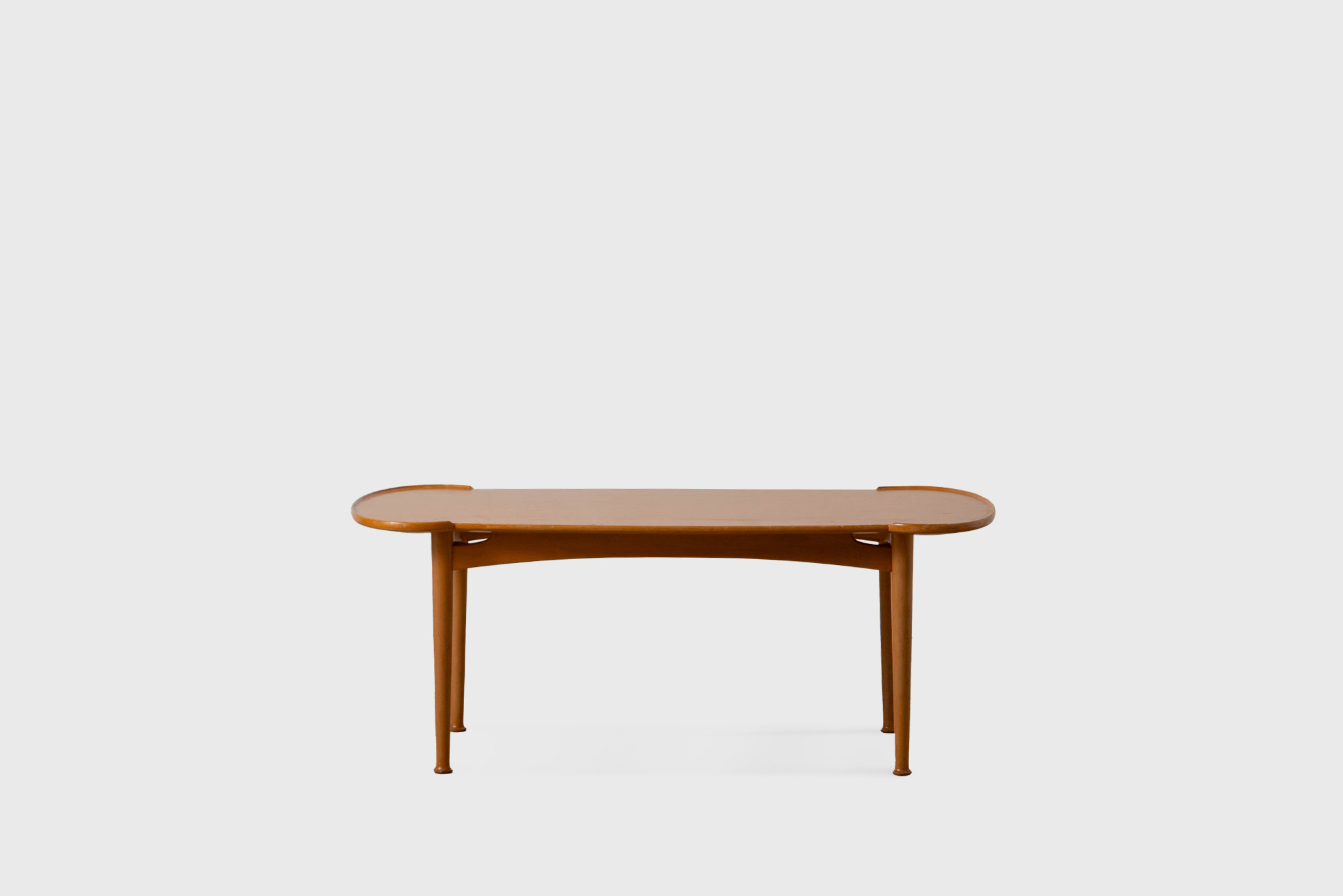
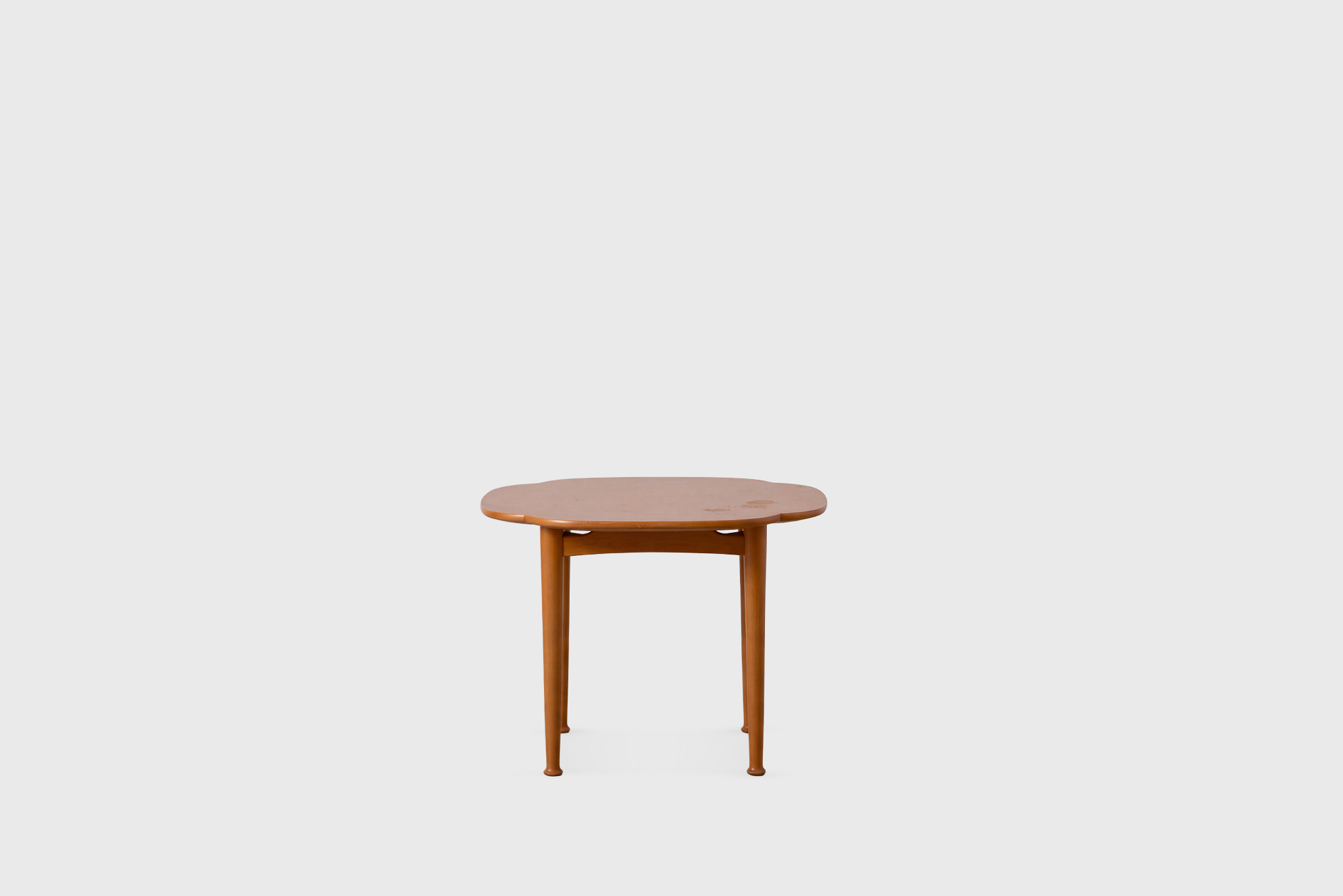
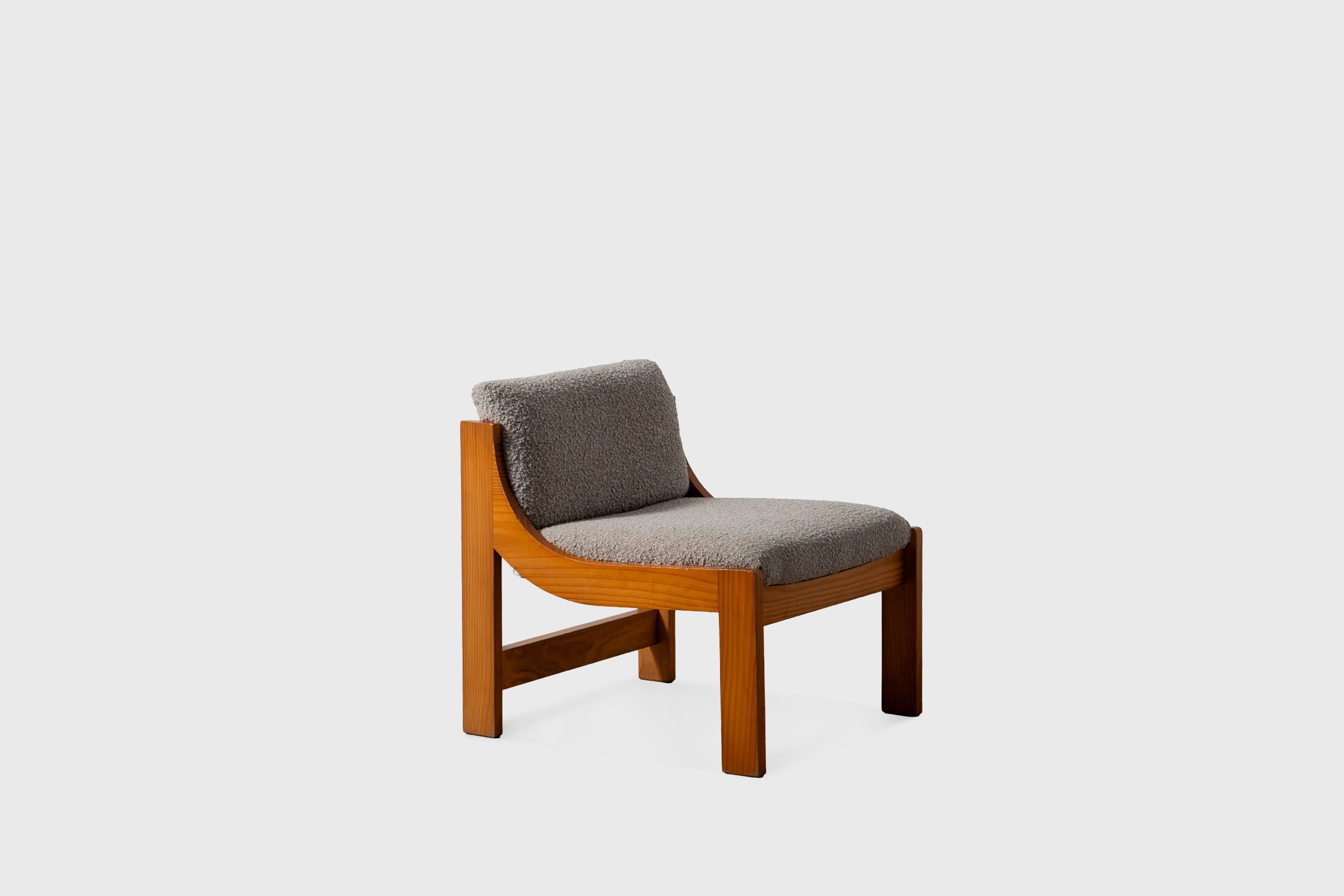
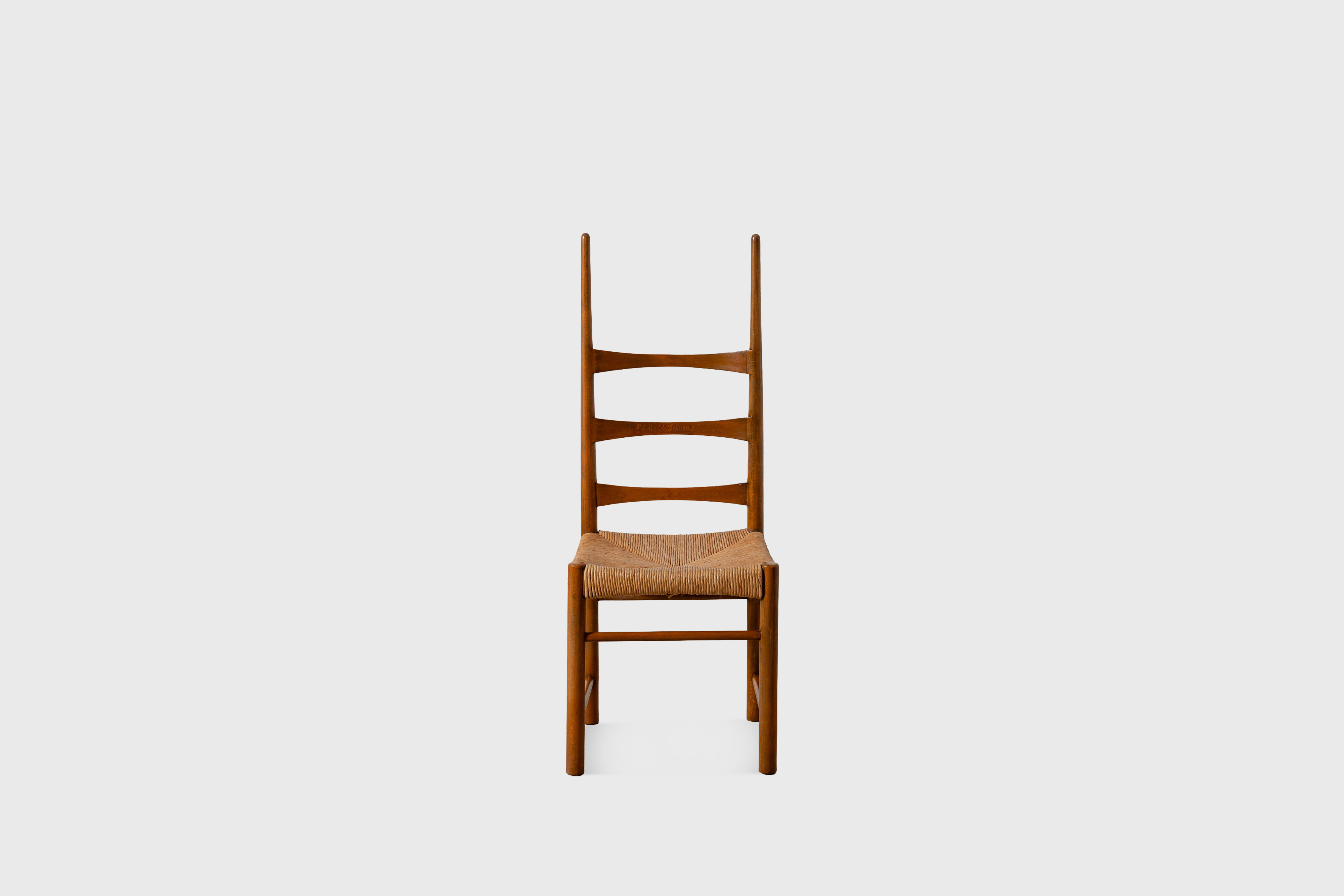
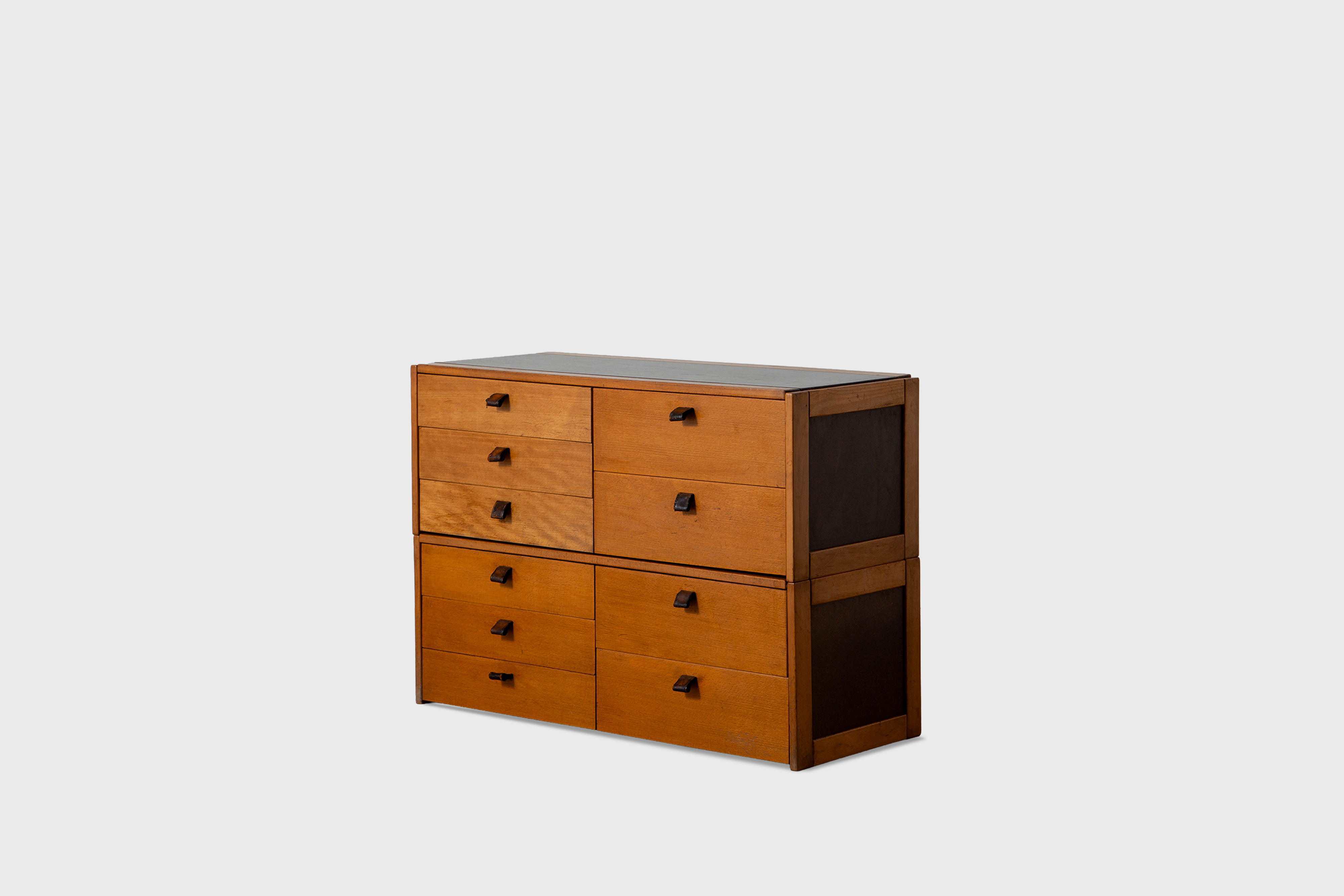
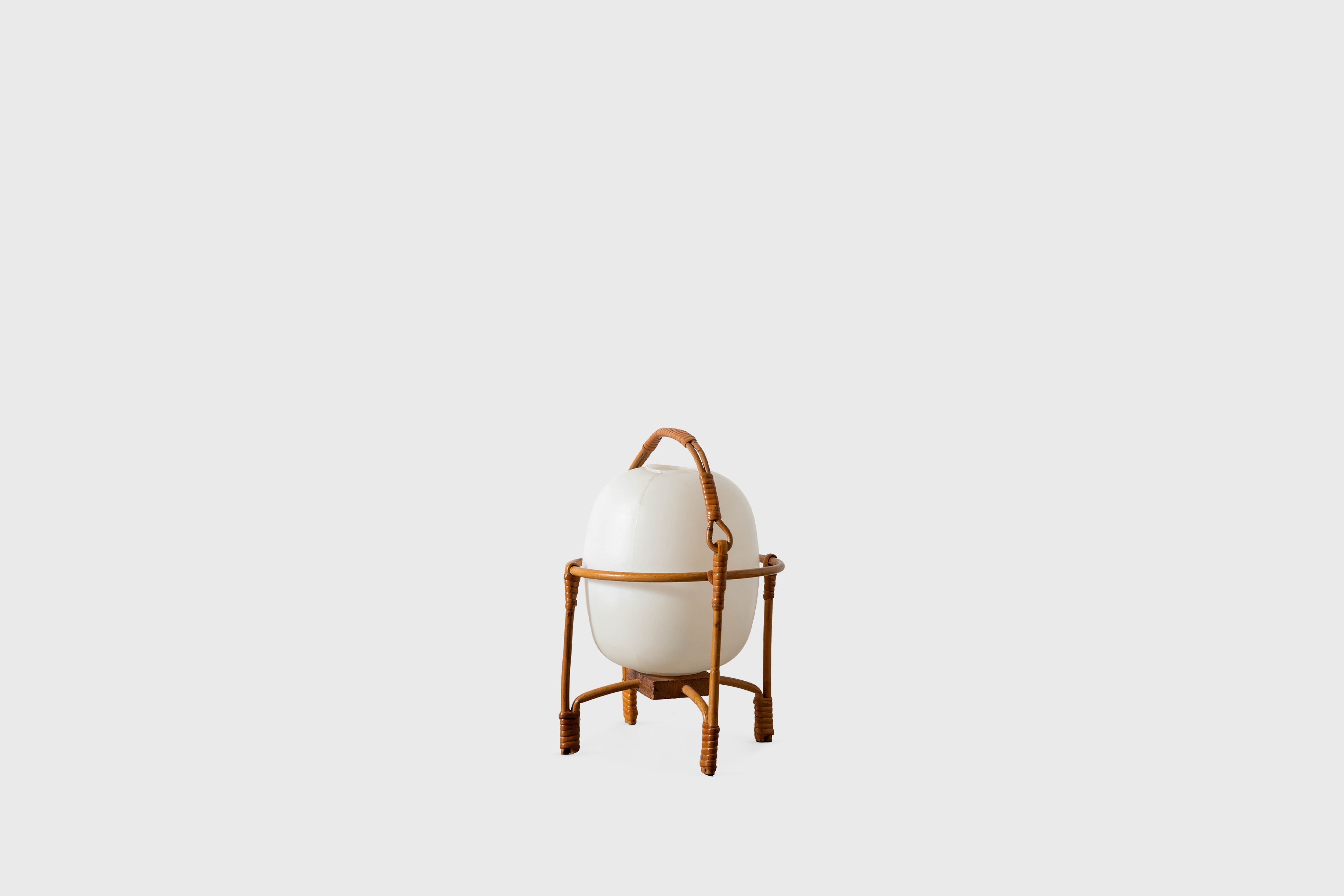
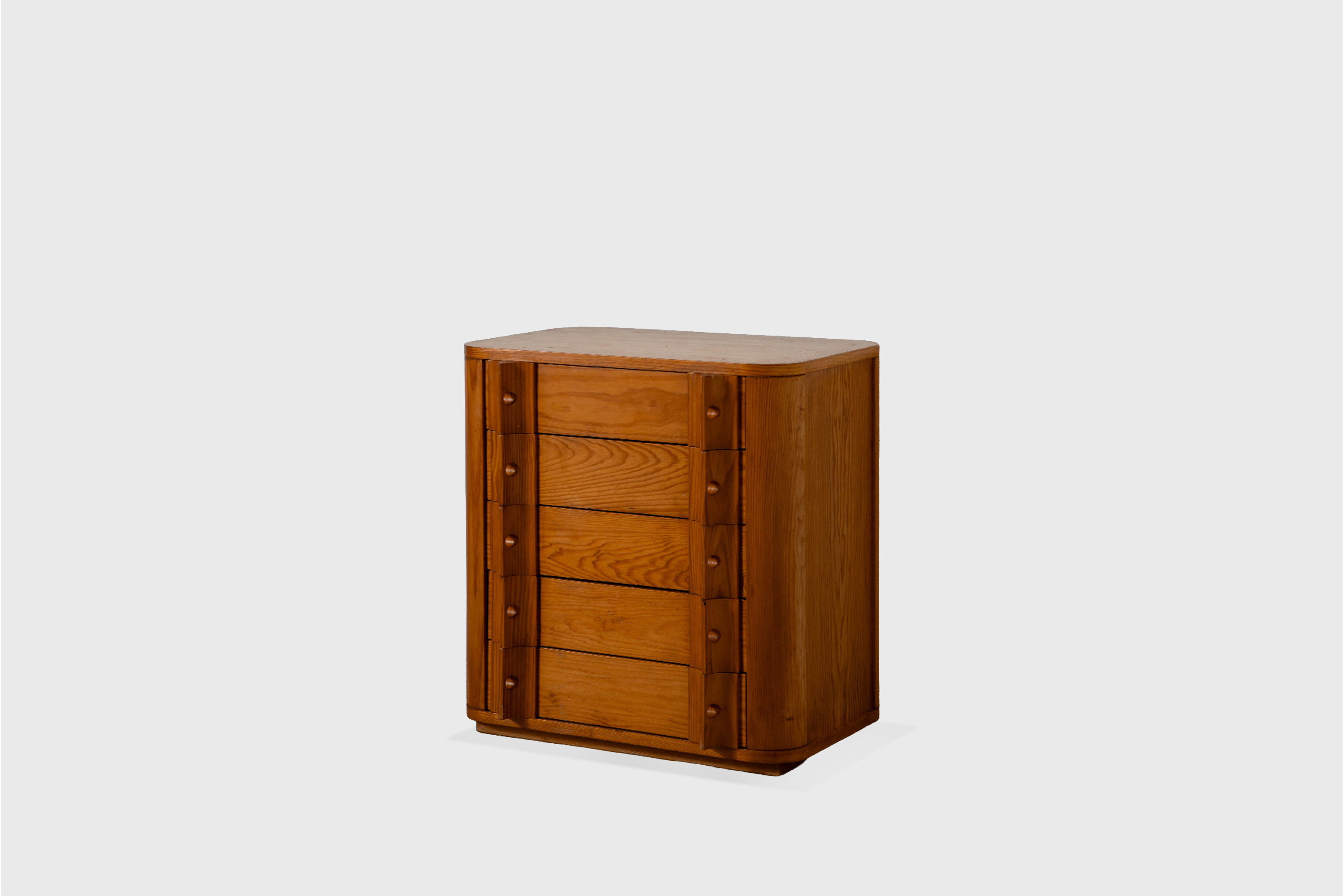
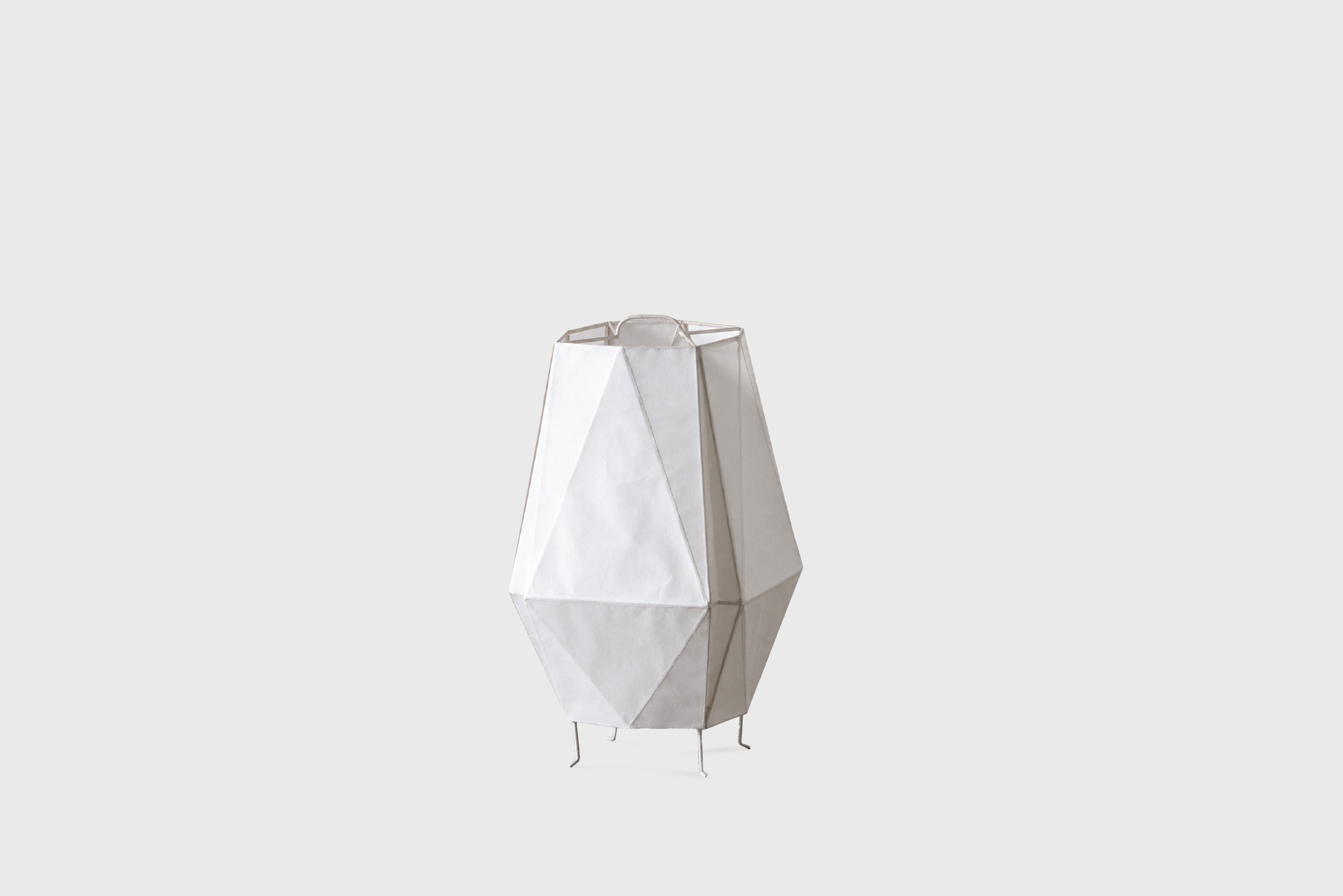
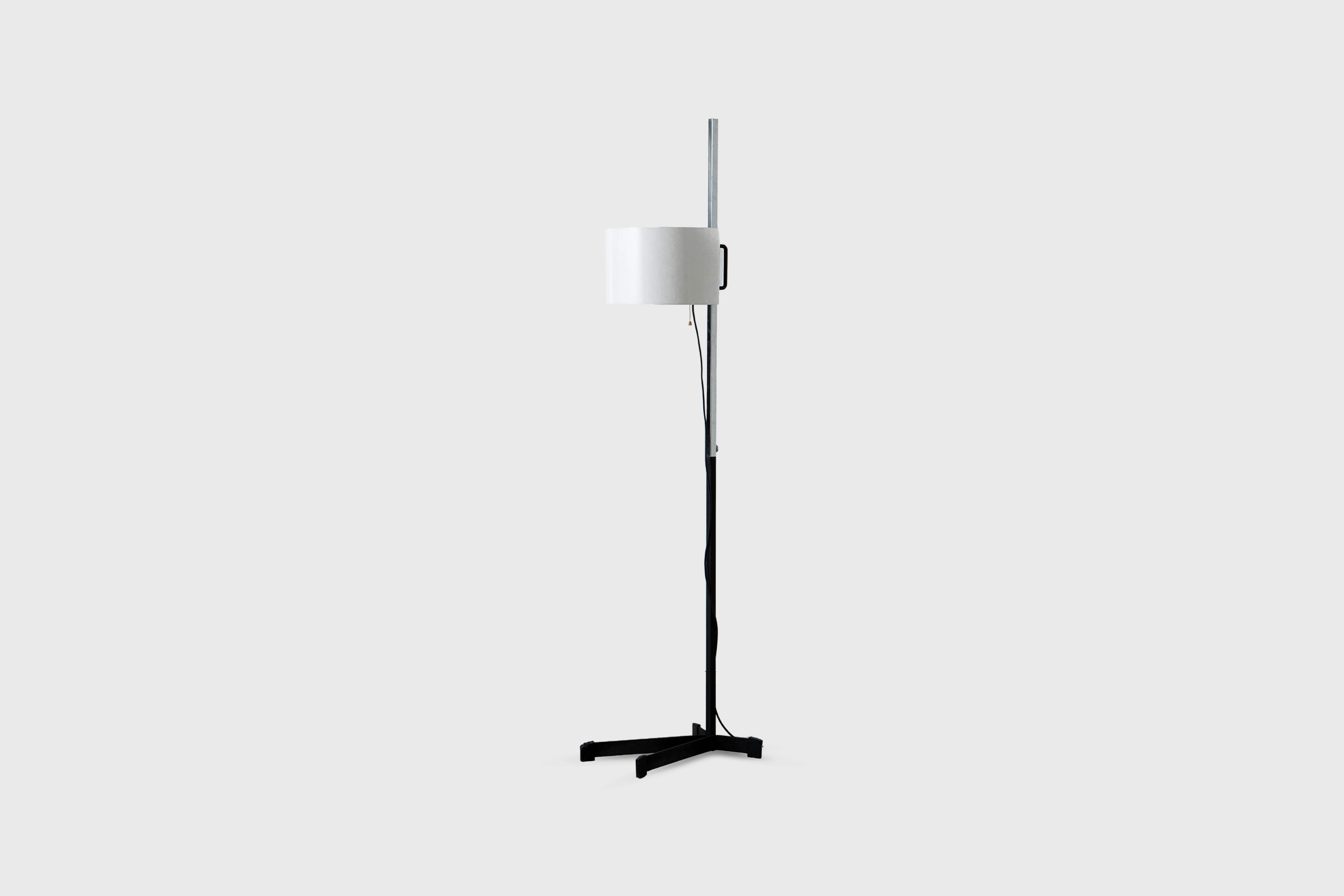
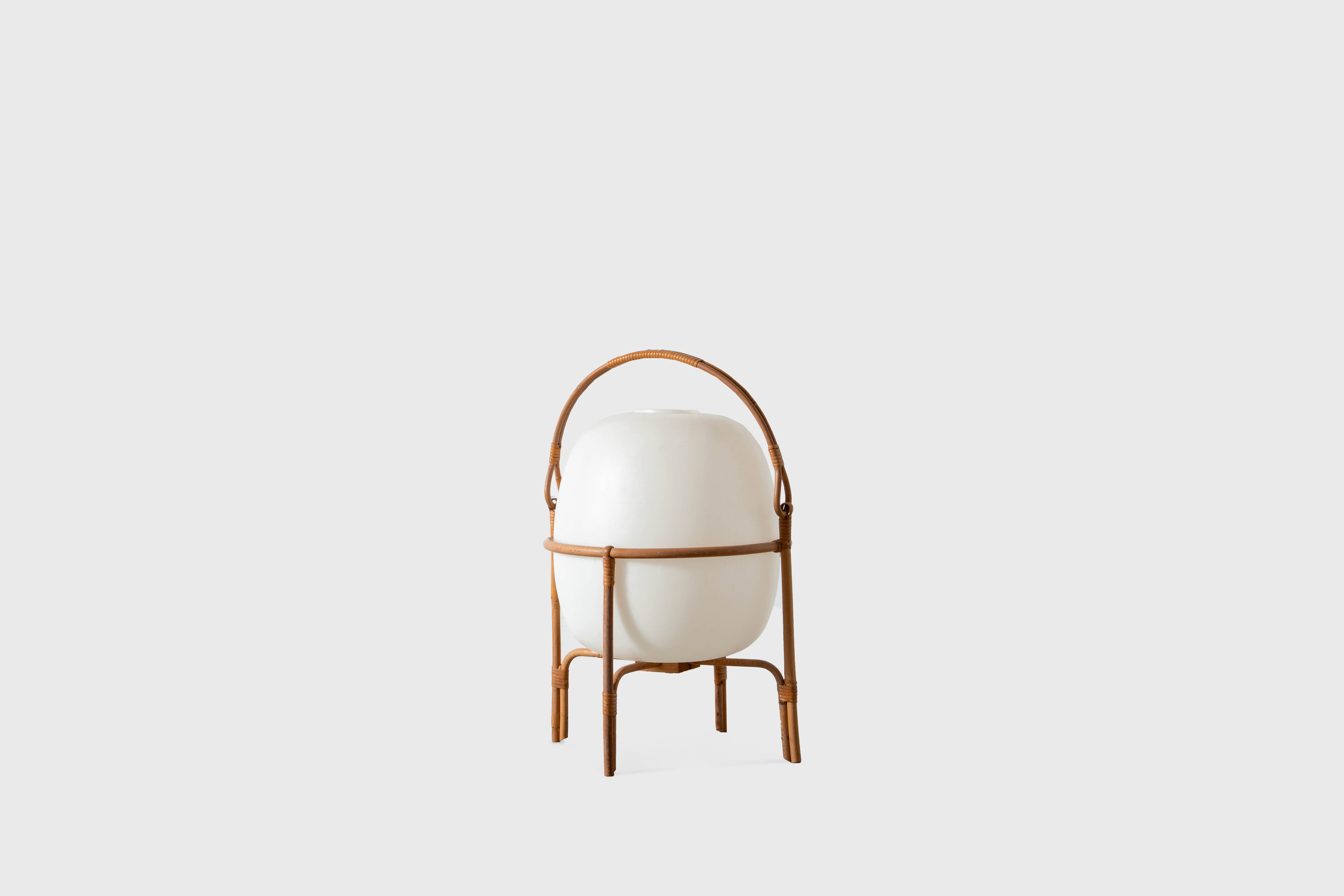
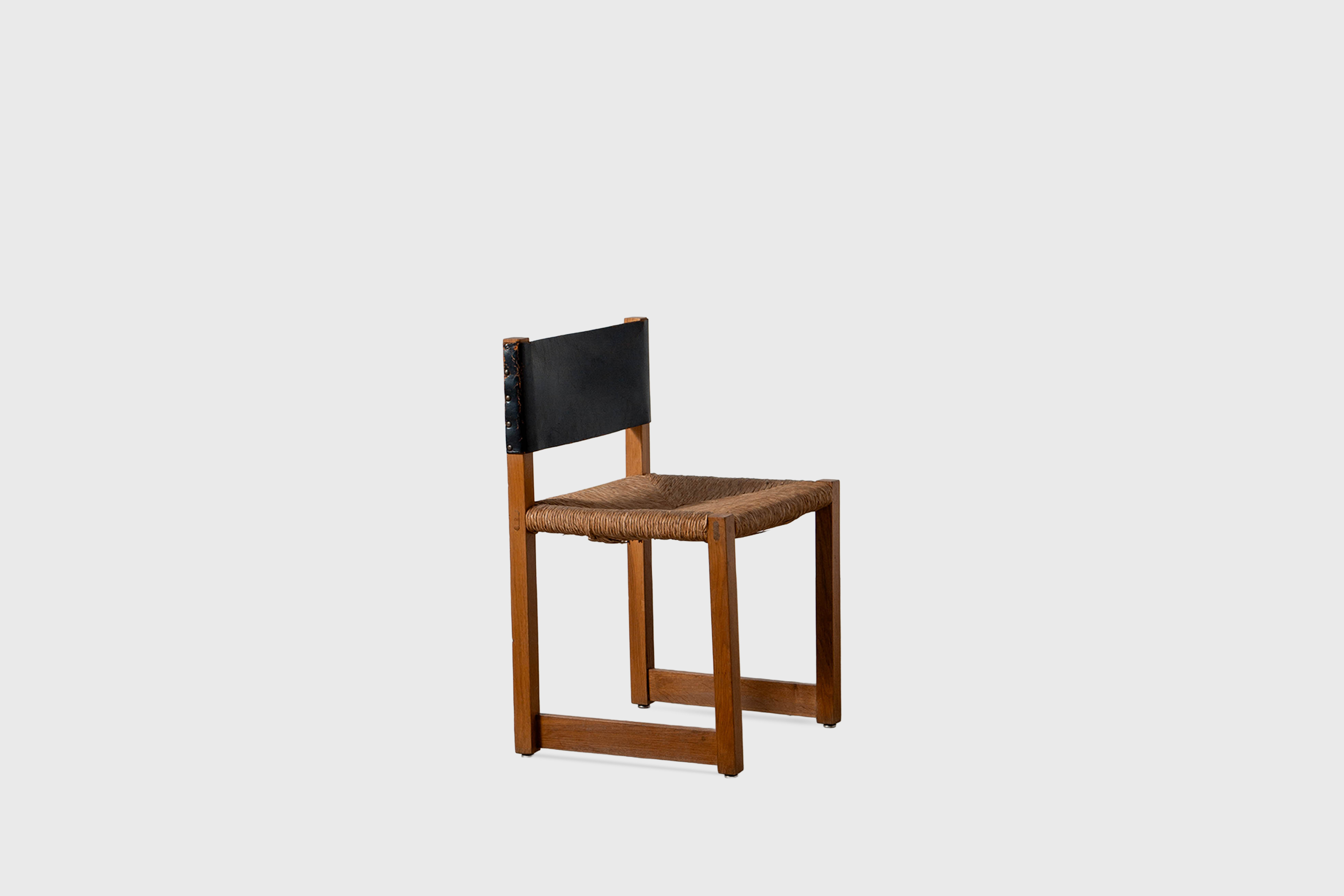
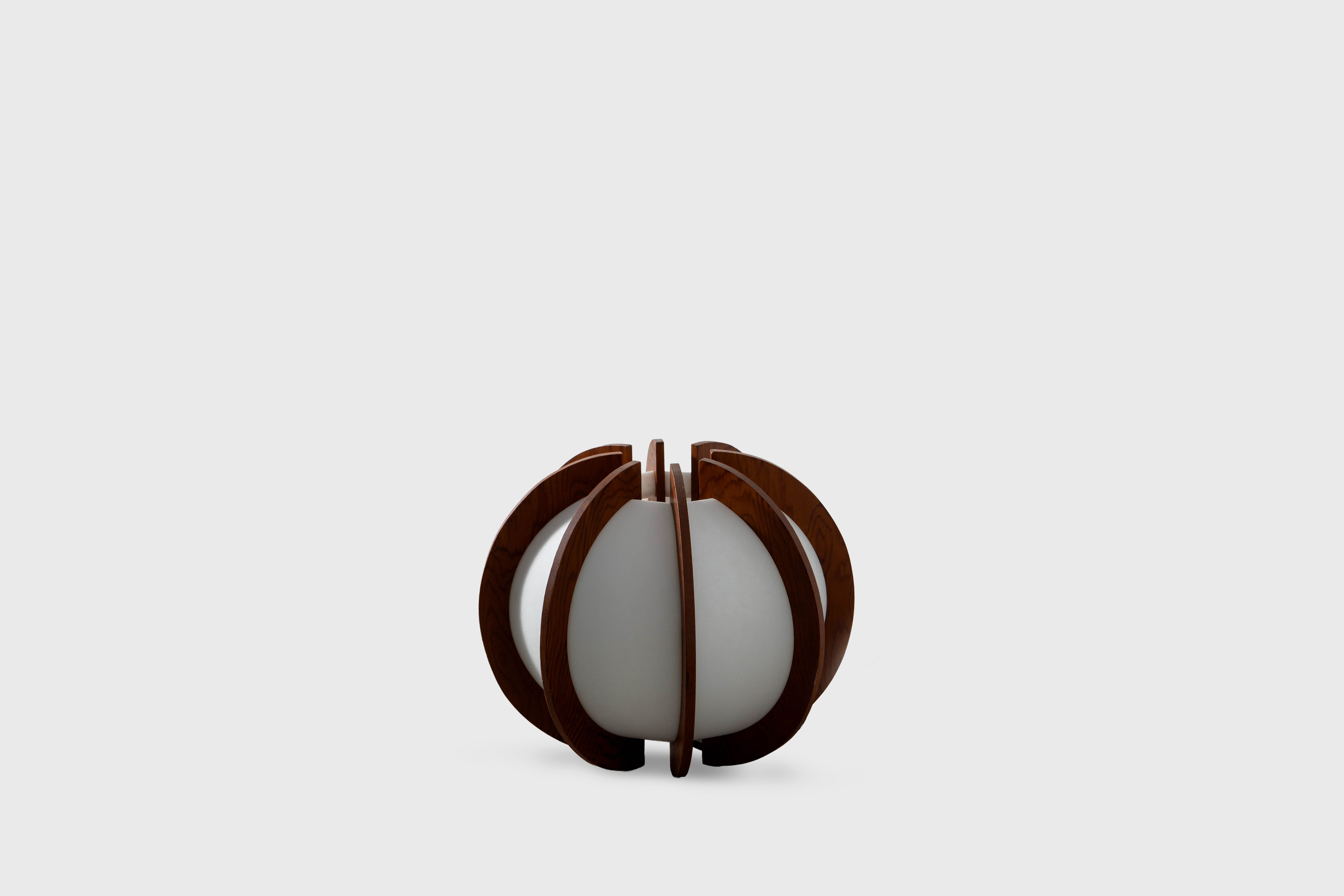
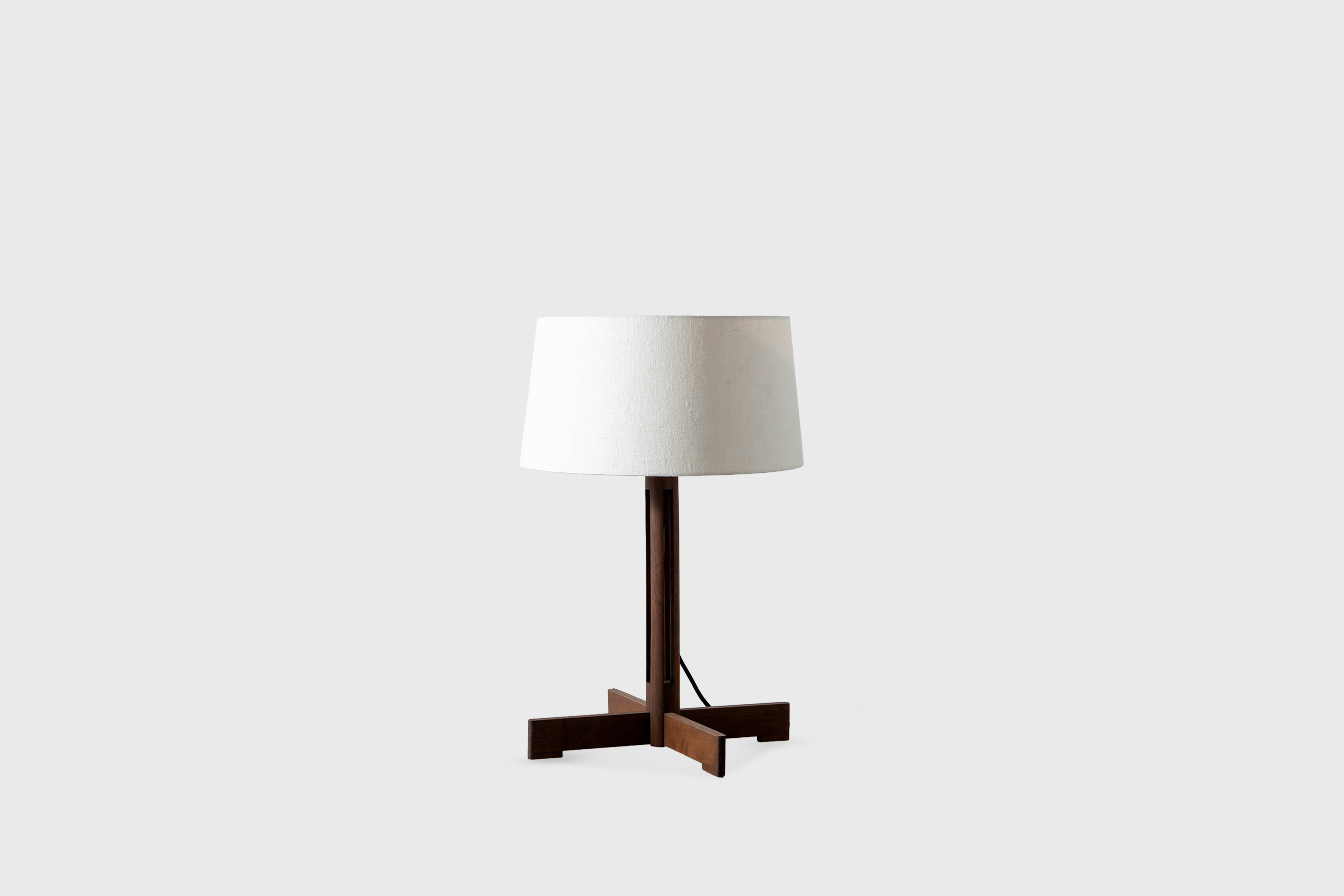
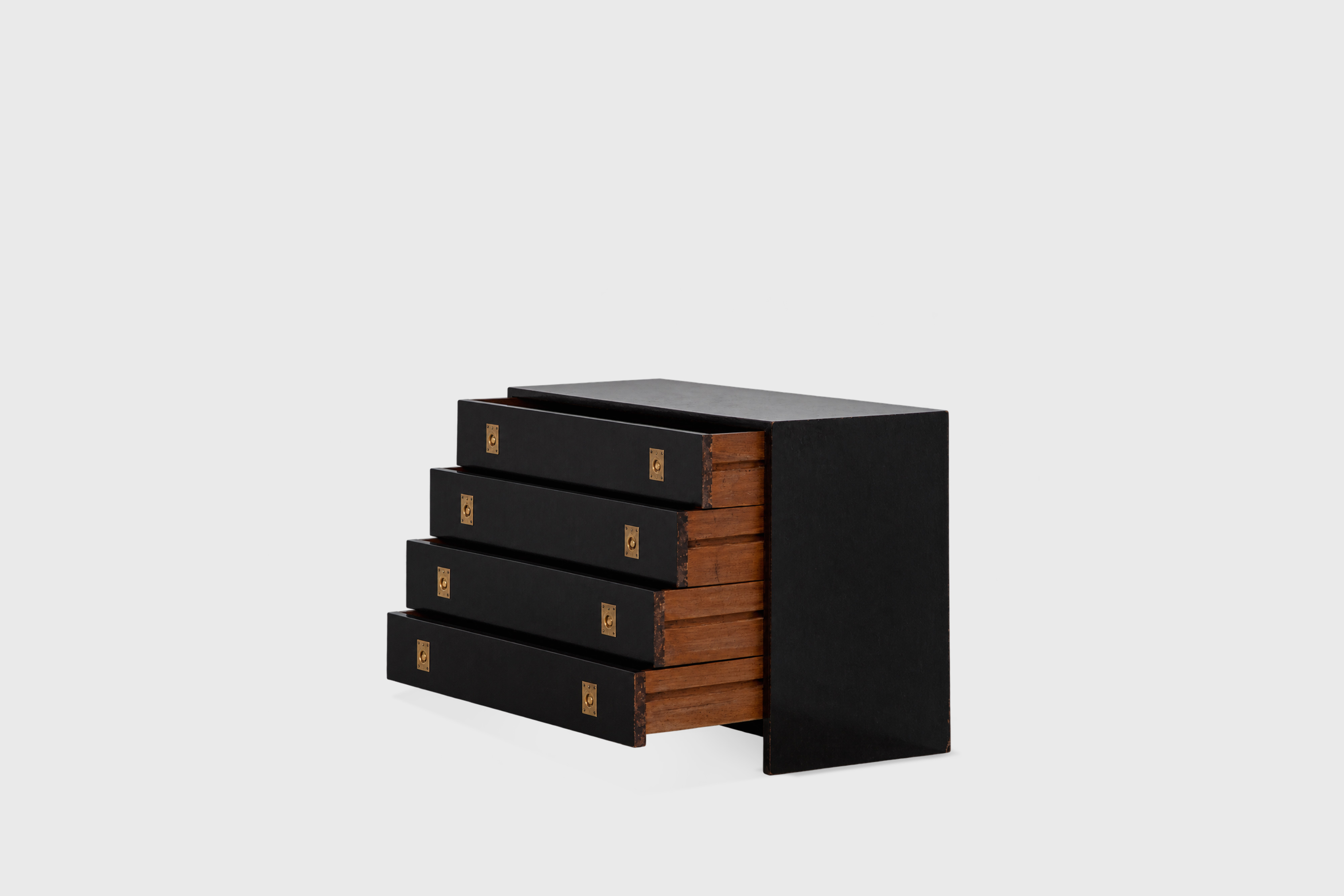
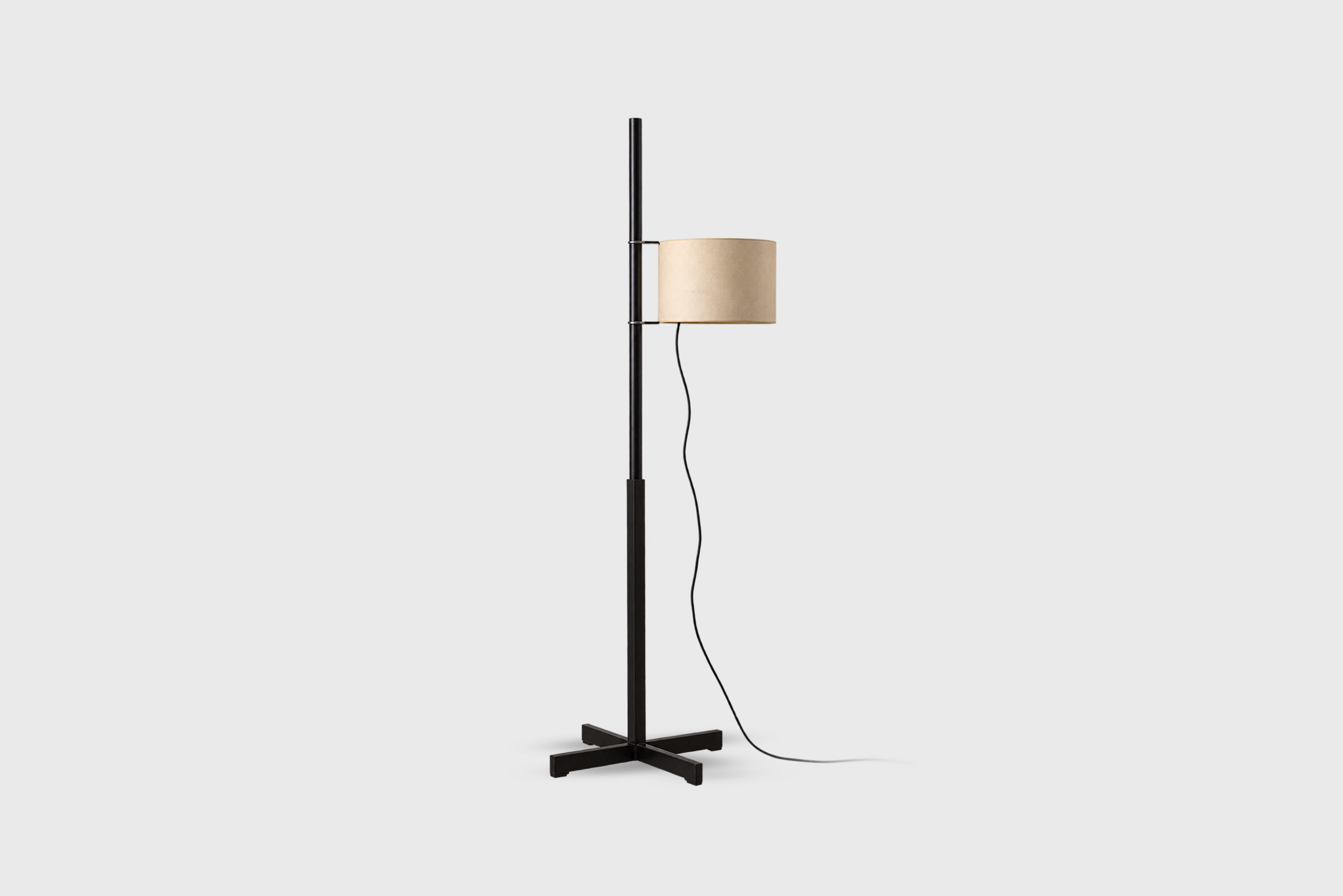
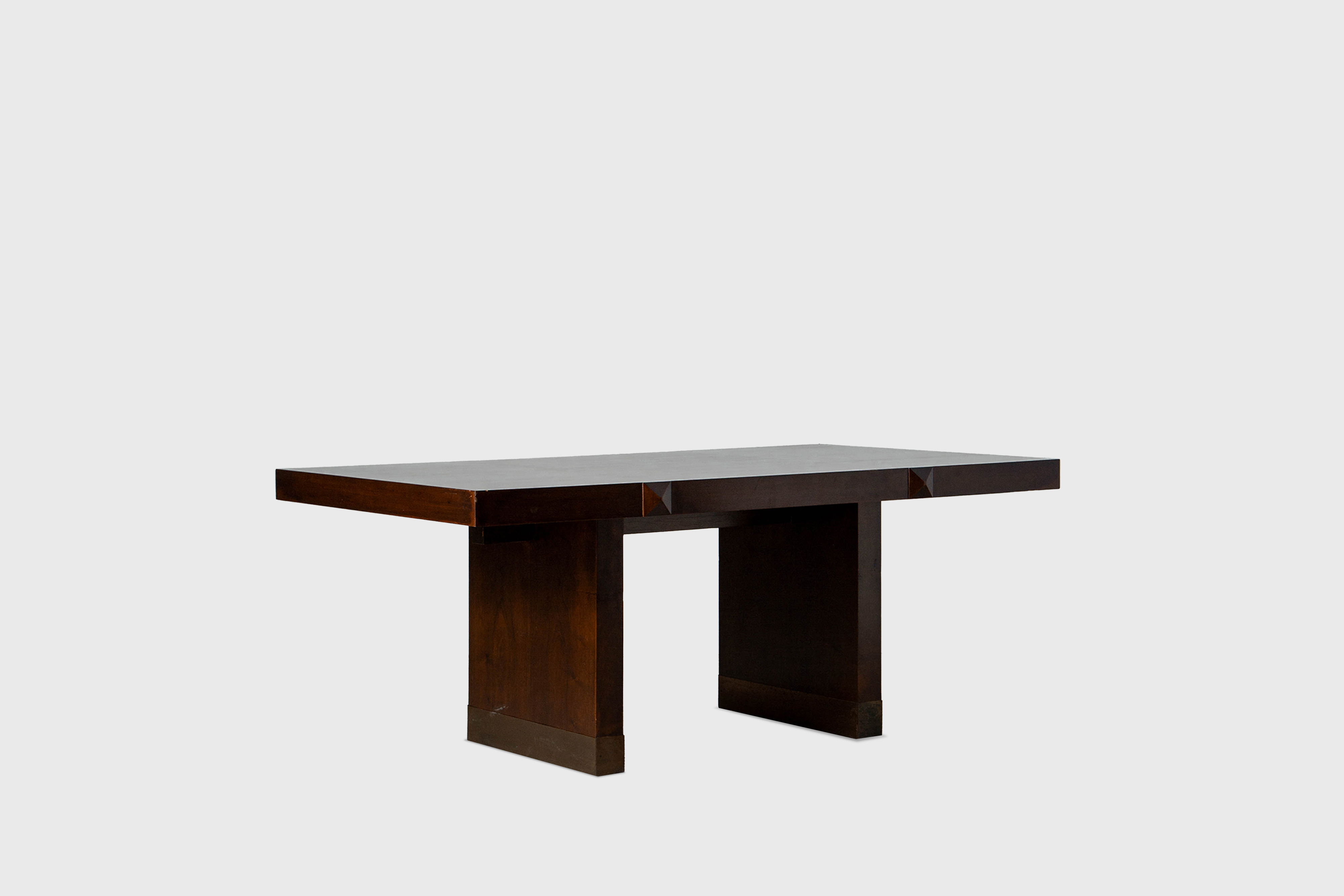
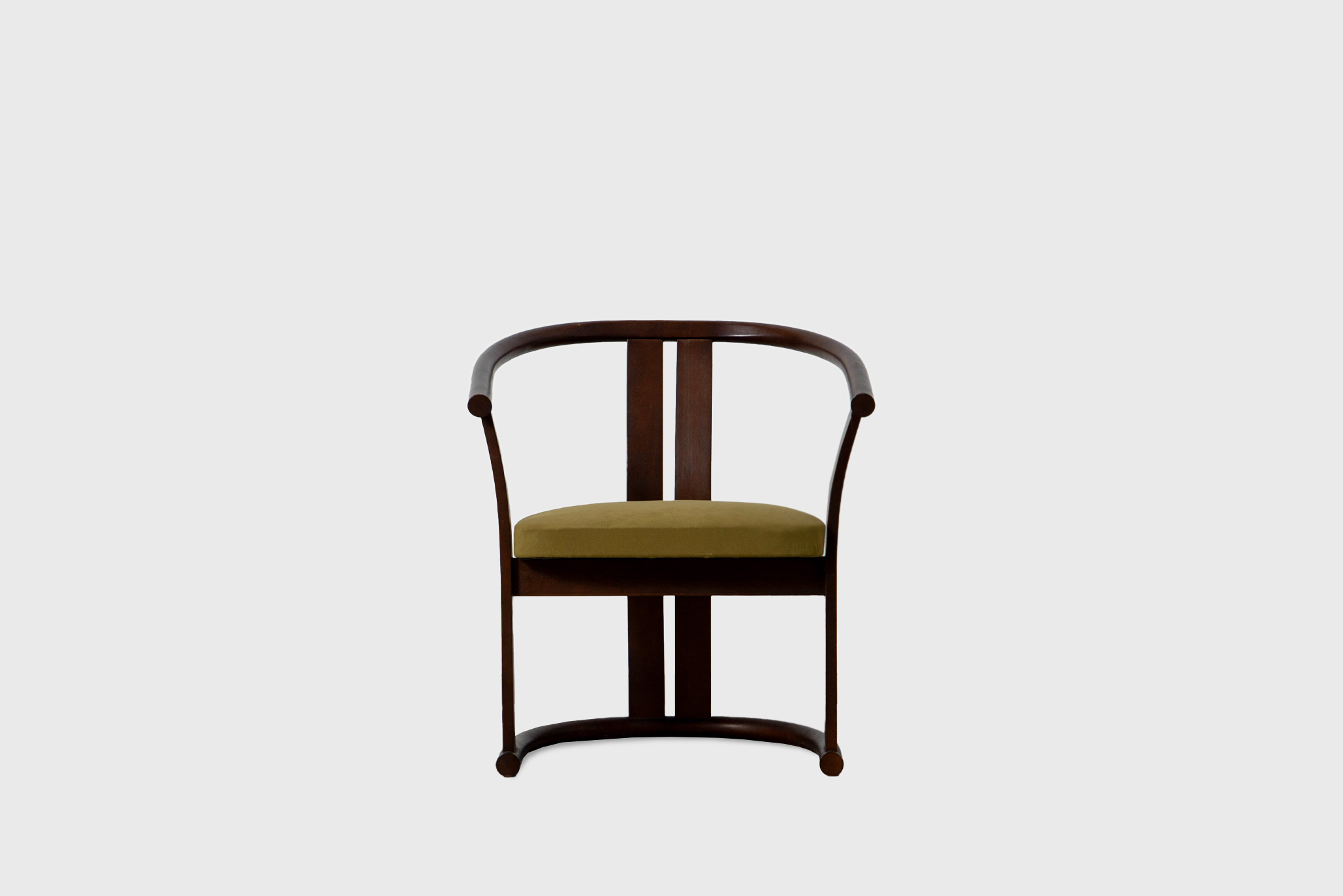
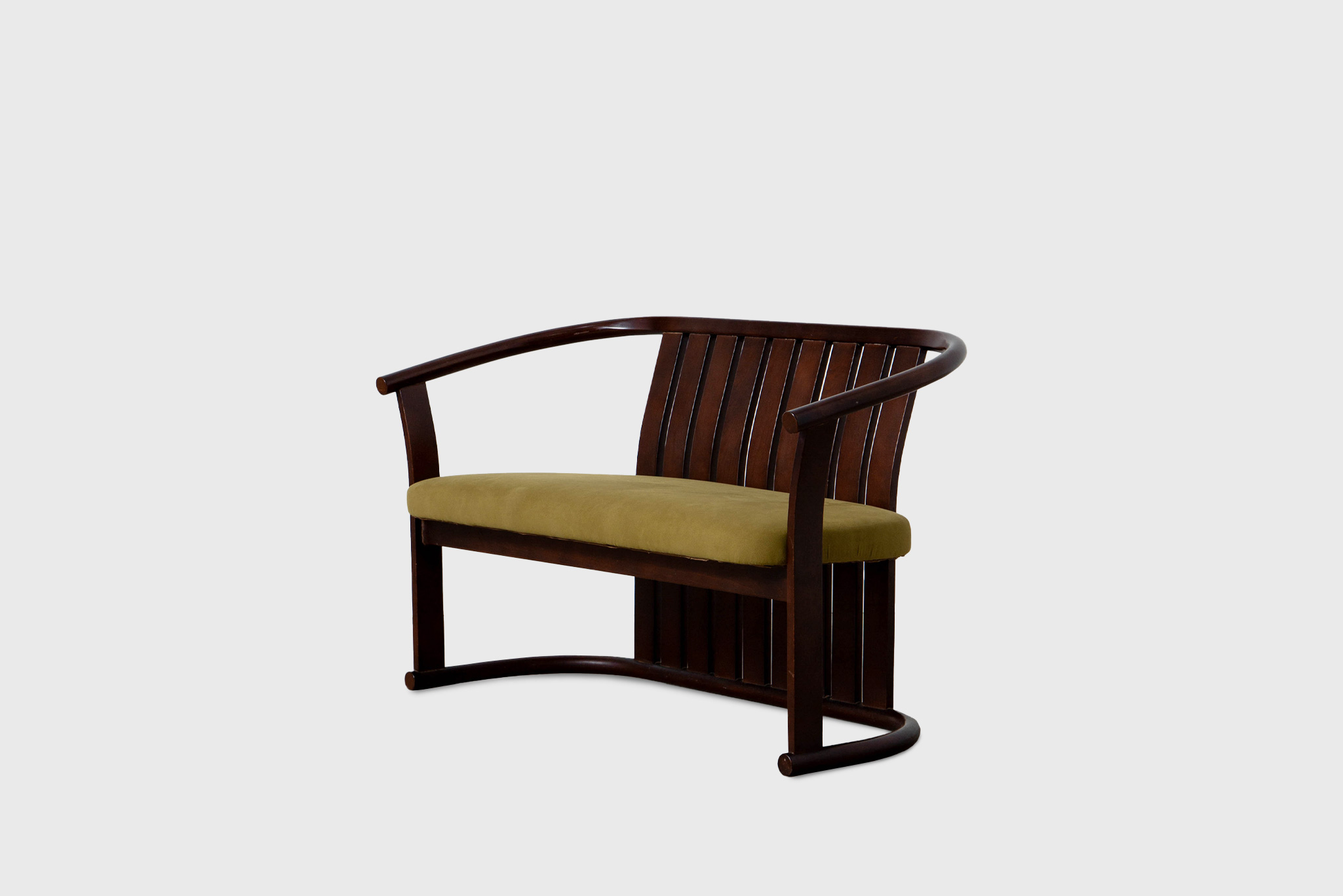
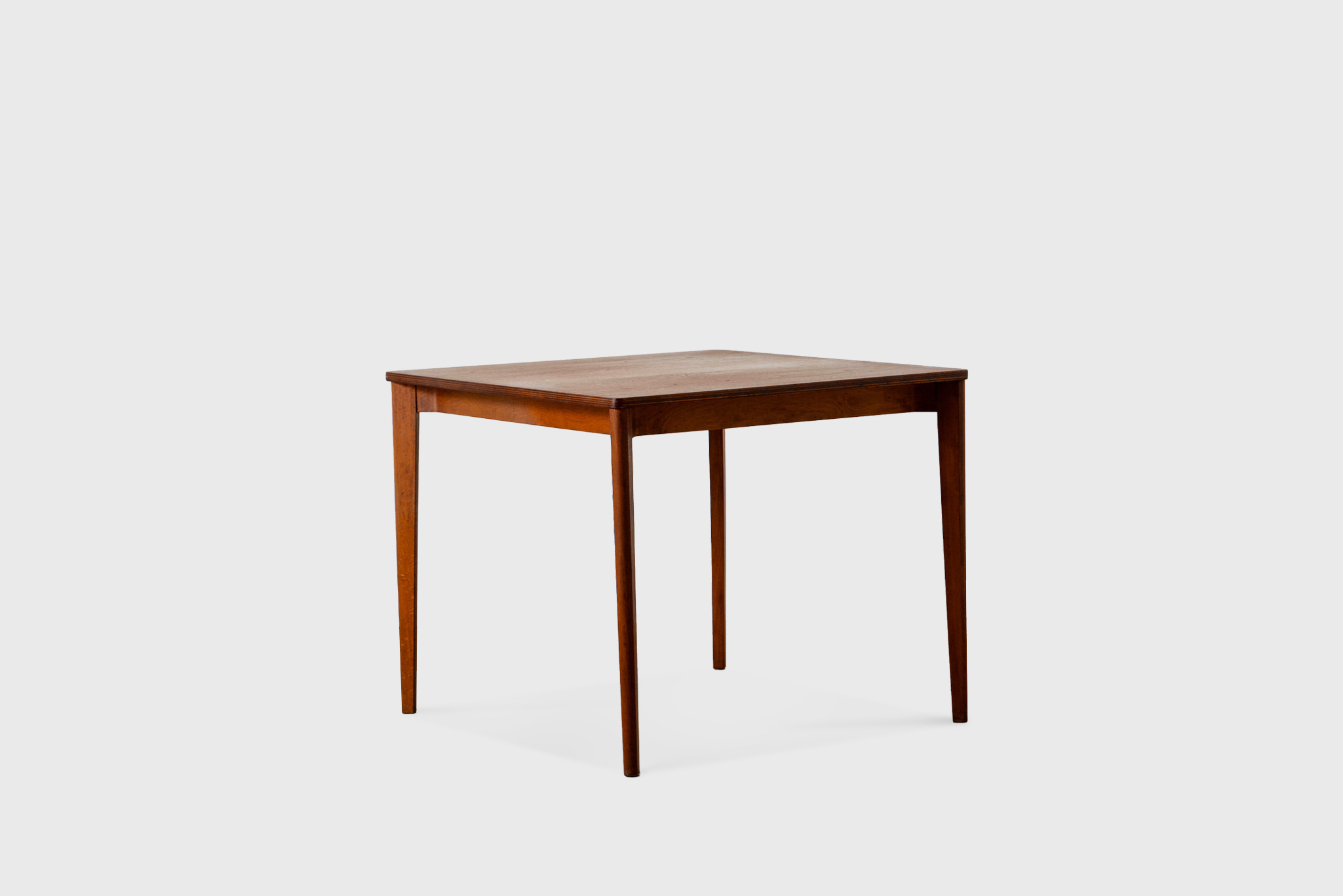
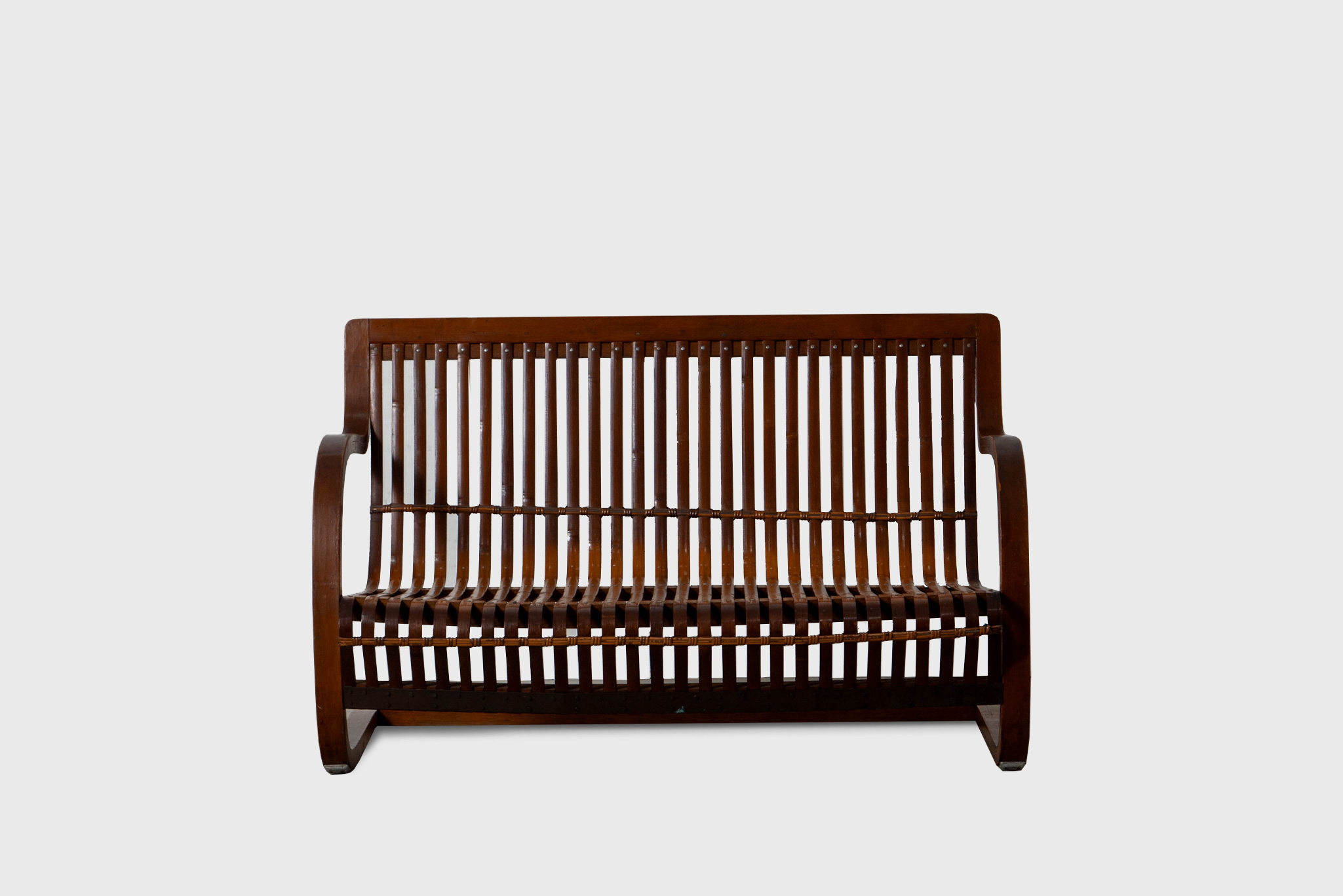
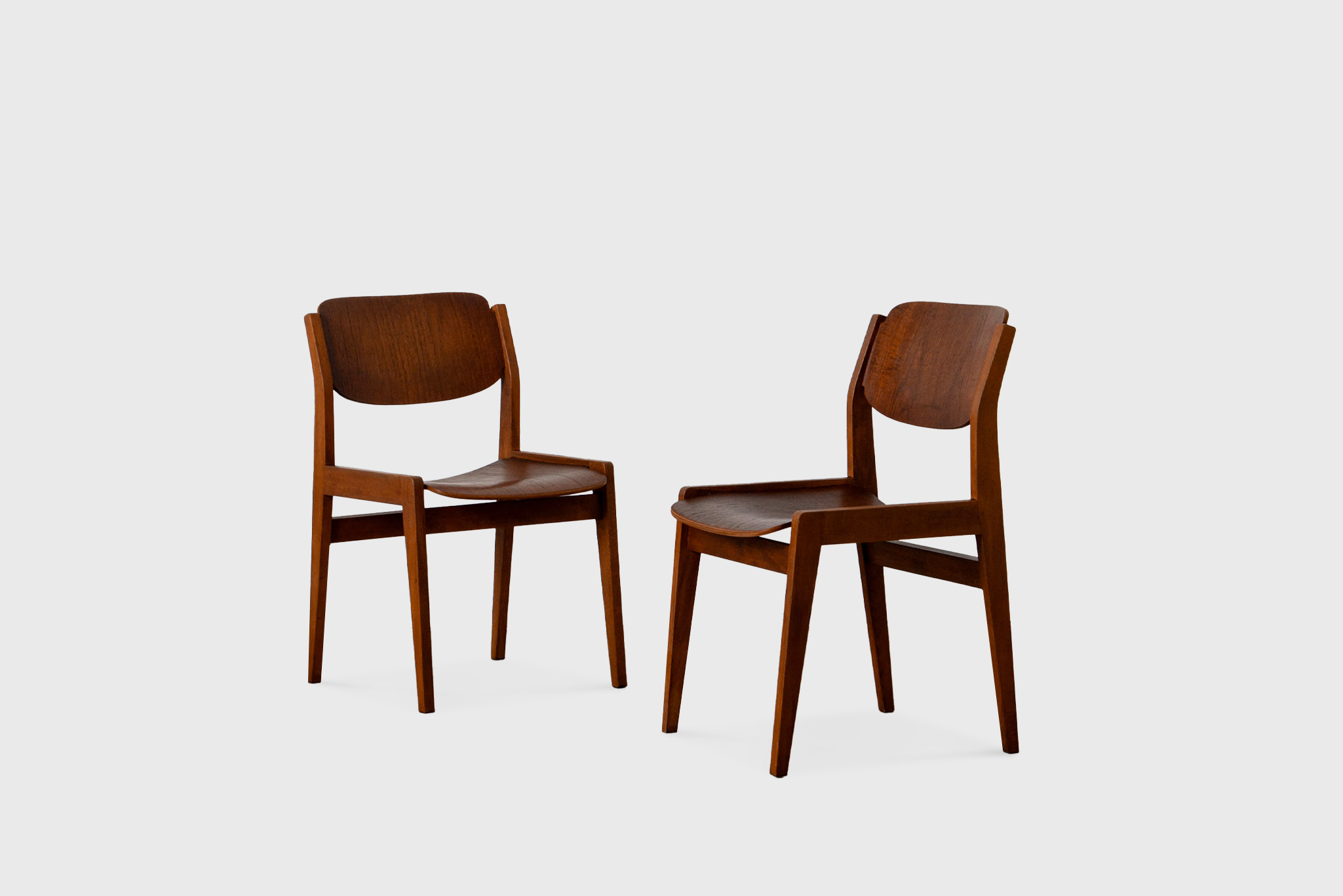
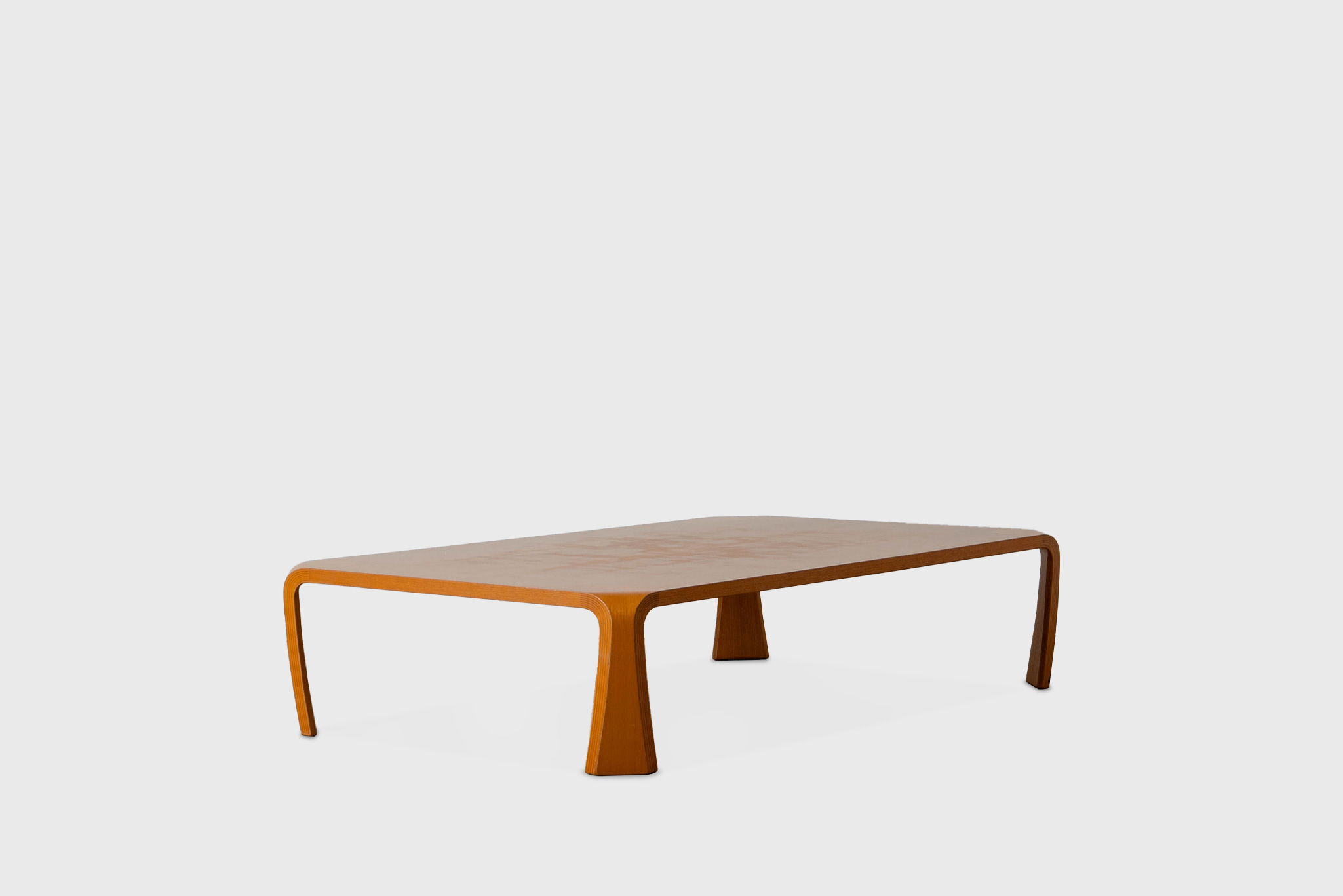
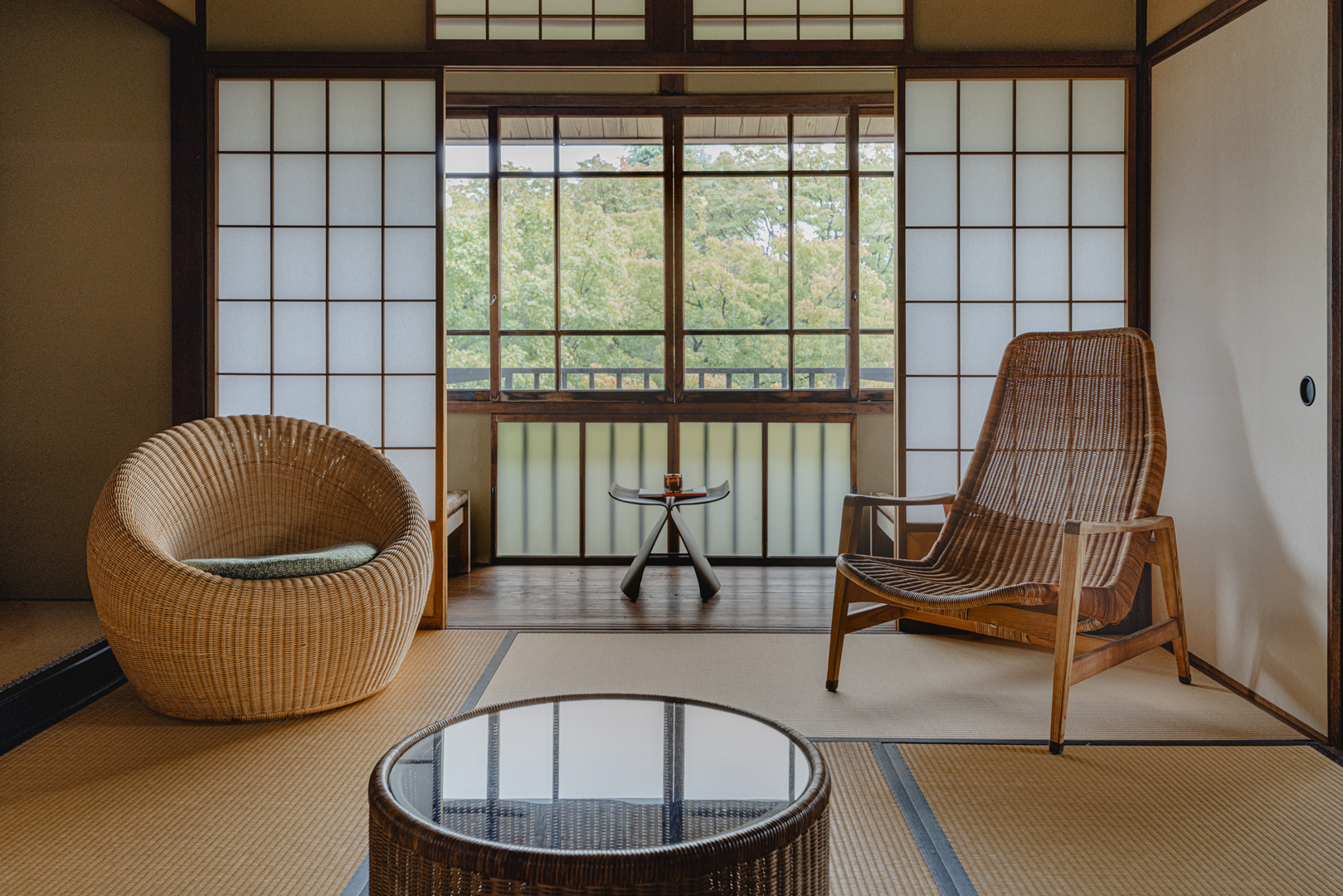
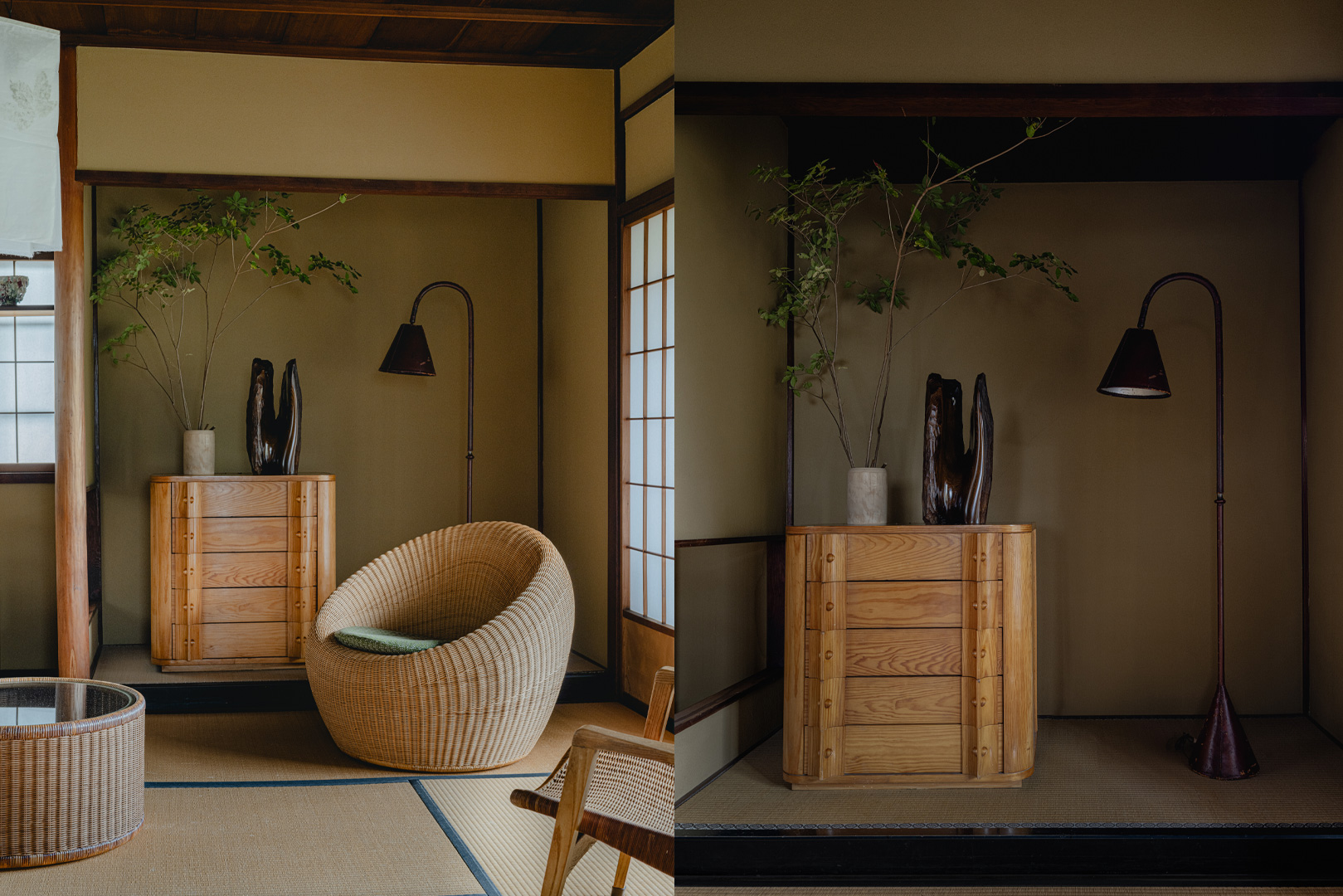
The exhibition programme explores the development of Japanese design throughout the twentieth century, establishing connections with Spanish architecture and design of the same period. Through historical furniture, lighting, objects, and archival material, the presentations examine how different cultural contexts responded to modernity, negotiating the relationship between tradition, materials, and everyday life.
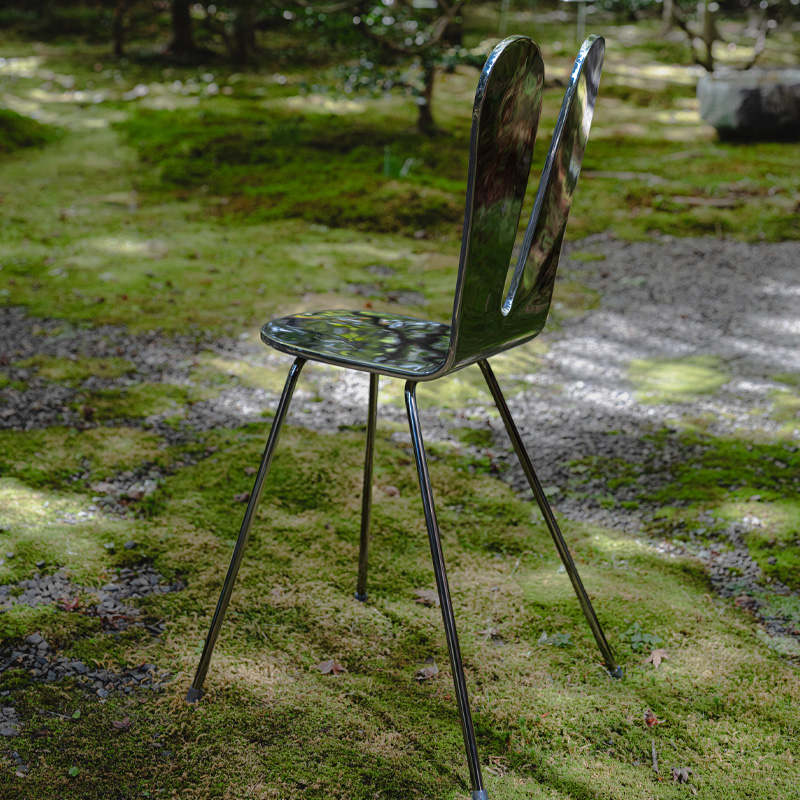
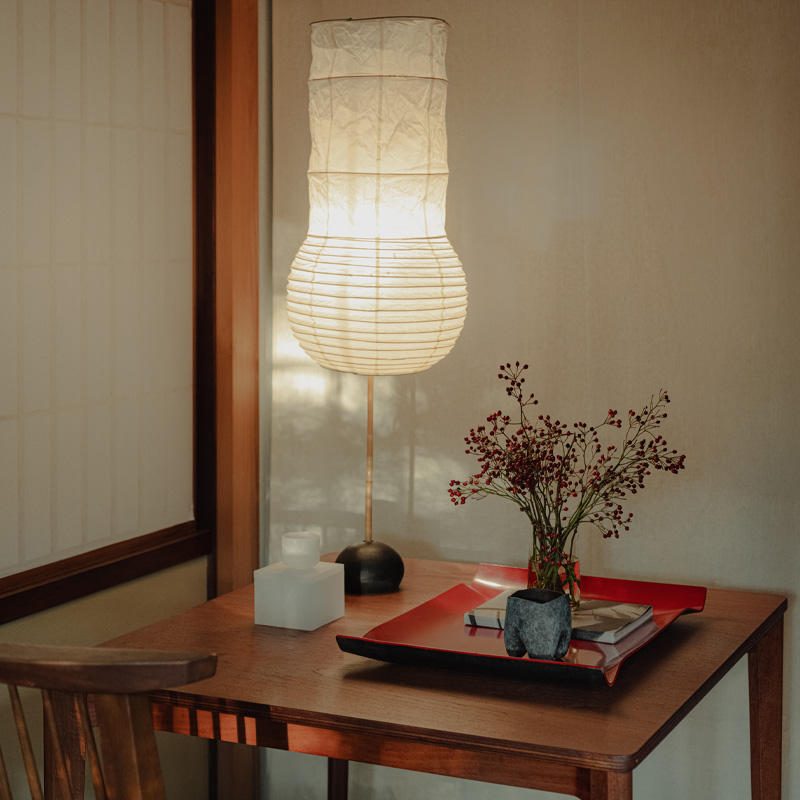
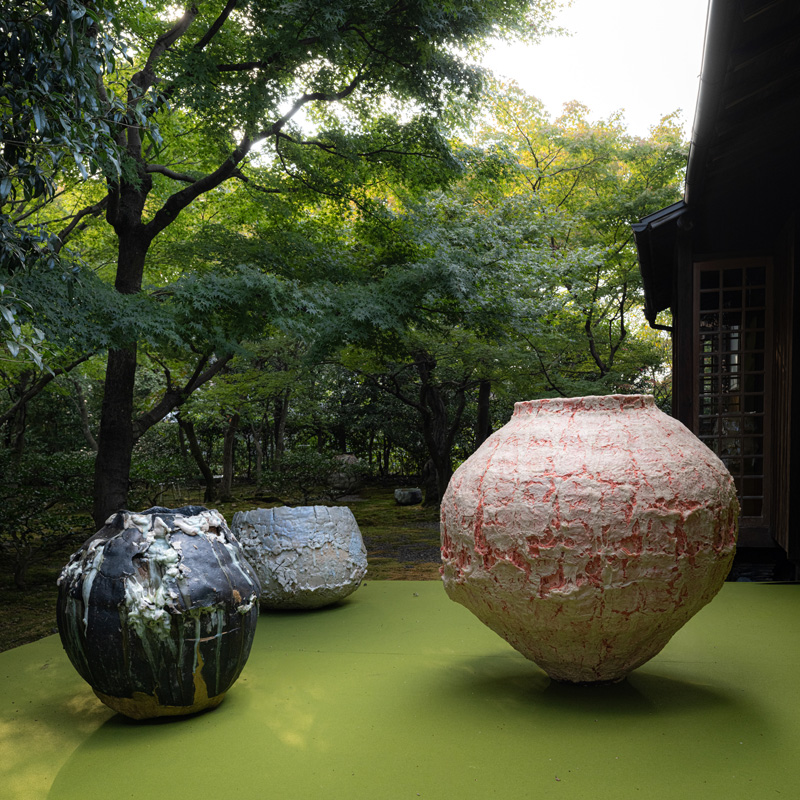
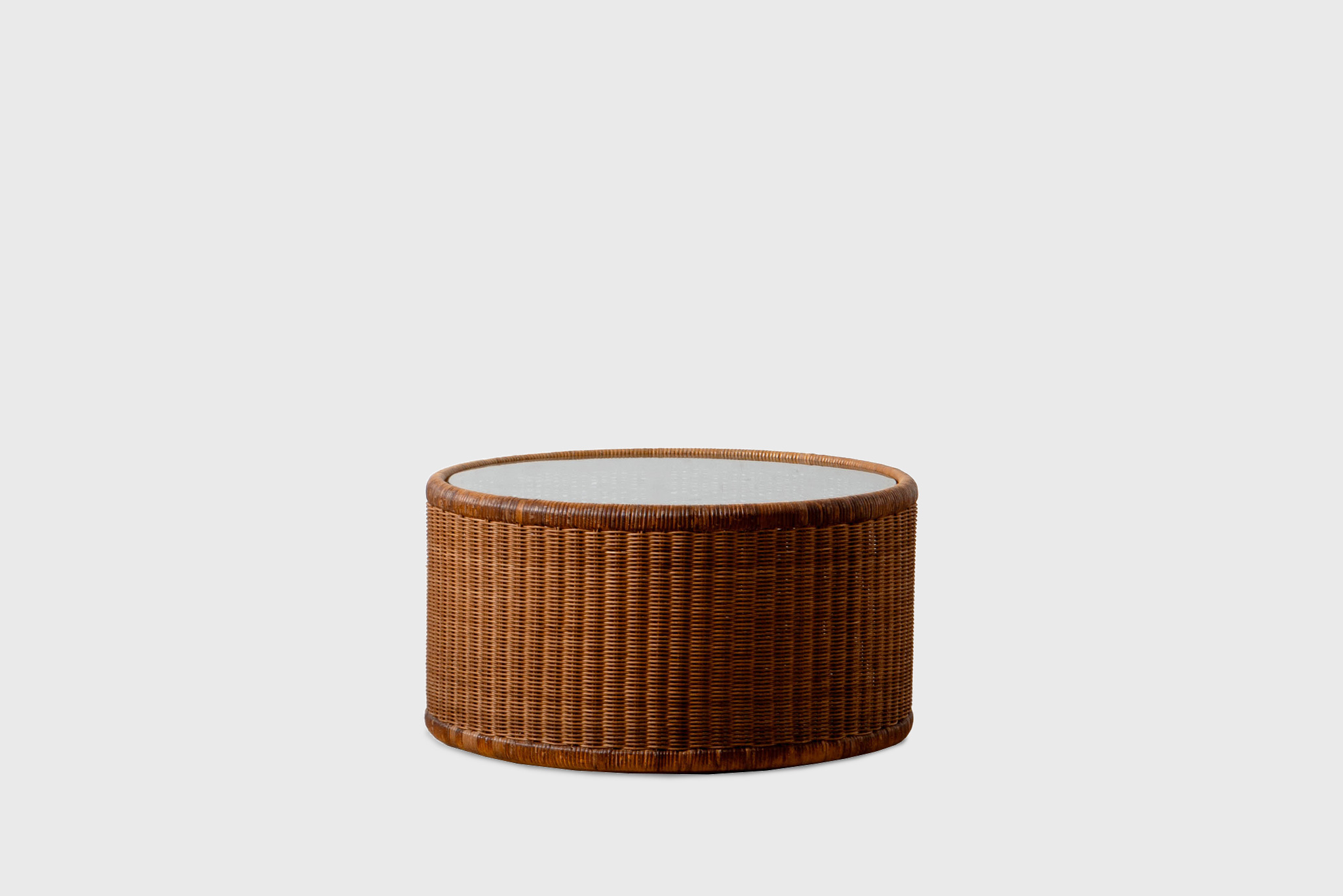
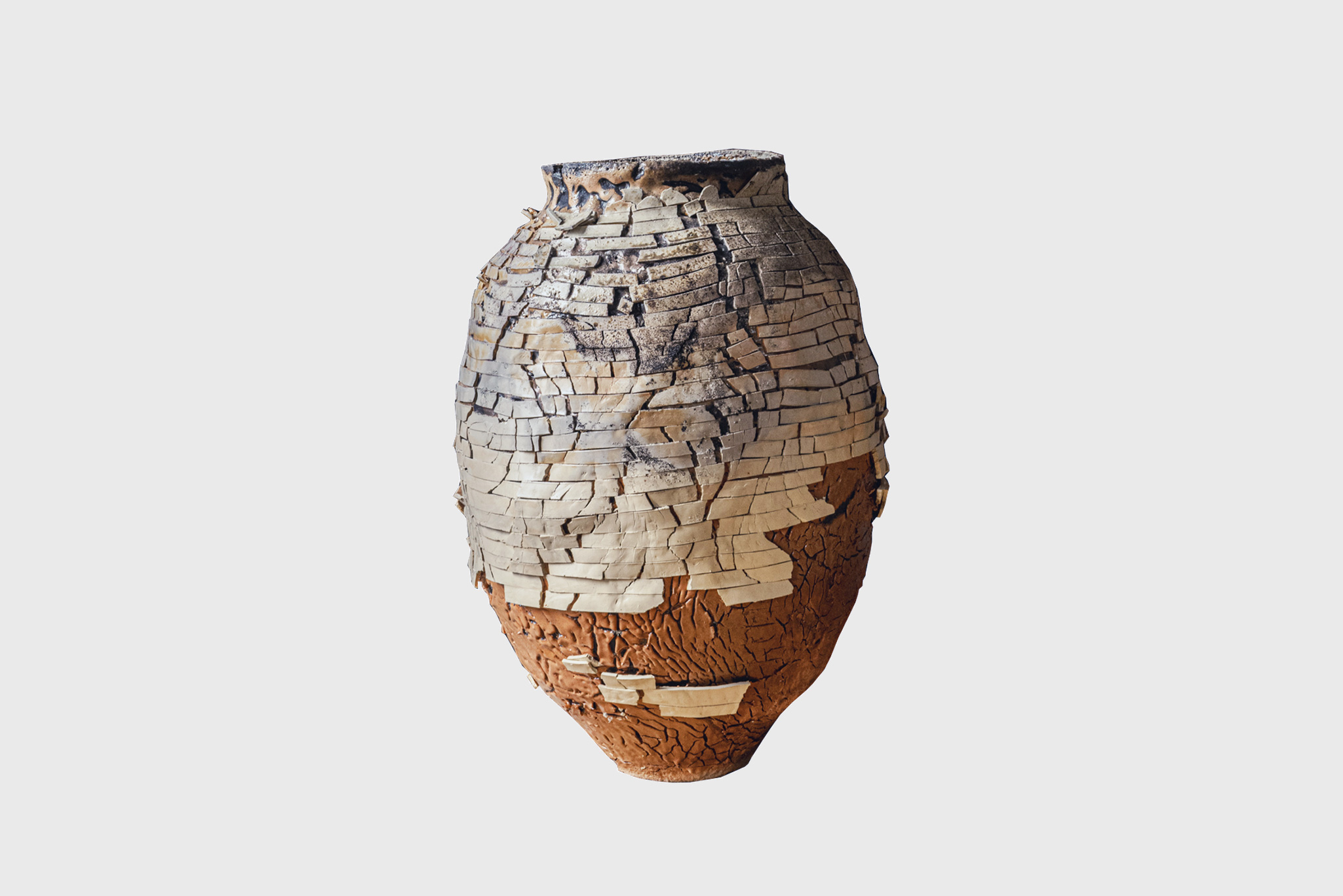
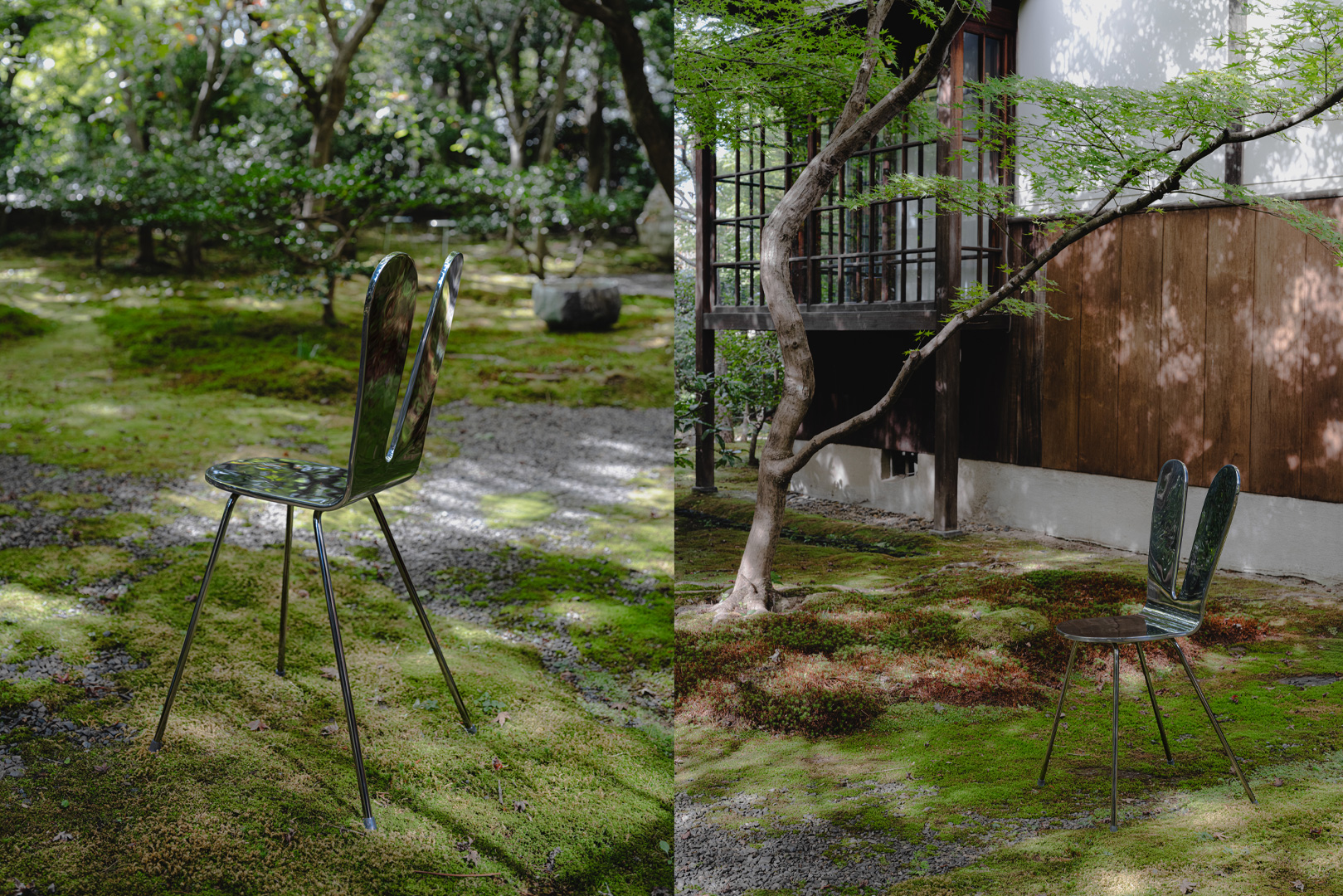
Alongside historical design, the programme extends to contemporary Japanese craftsmanship, bringing together makers working across ceramics, lacquer, glass, and basketry. Their practices are explored through the transmission of material knowledge, the continuity of traditional techniques, and their reinterpretation through contemporary approaches. By placing historical objects in dialogue with current craftsmanship, Side Gallery and Gallery Stoop seek to establish connections across generations and reflect on the continuing relevance of material culture within Japan's contemporary creative landscape.
The opening coincides with Kyoto's autumn season, when the city's gardens and surrounding landscape take on their characteristic shades of deep red, ochre, yellow, and muted green. The changing garden of Kita Residence becomes an integral part of the exhibition experience, introducing the passage of time and seasonal transformation into the encounter with the works. In this setting, the house becomes more than an architectural backdrop: it provides a framework through which different histories, materials, and expressions of design can be experienced together.