Side Gallery
Side Gallery
WishlistFollow





Follow
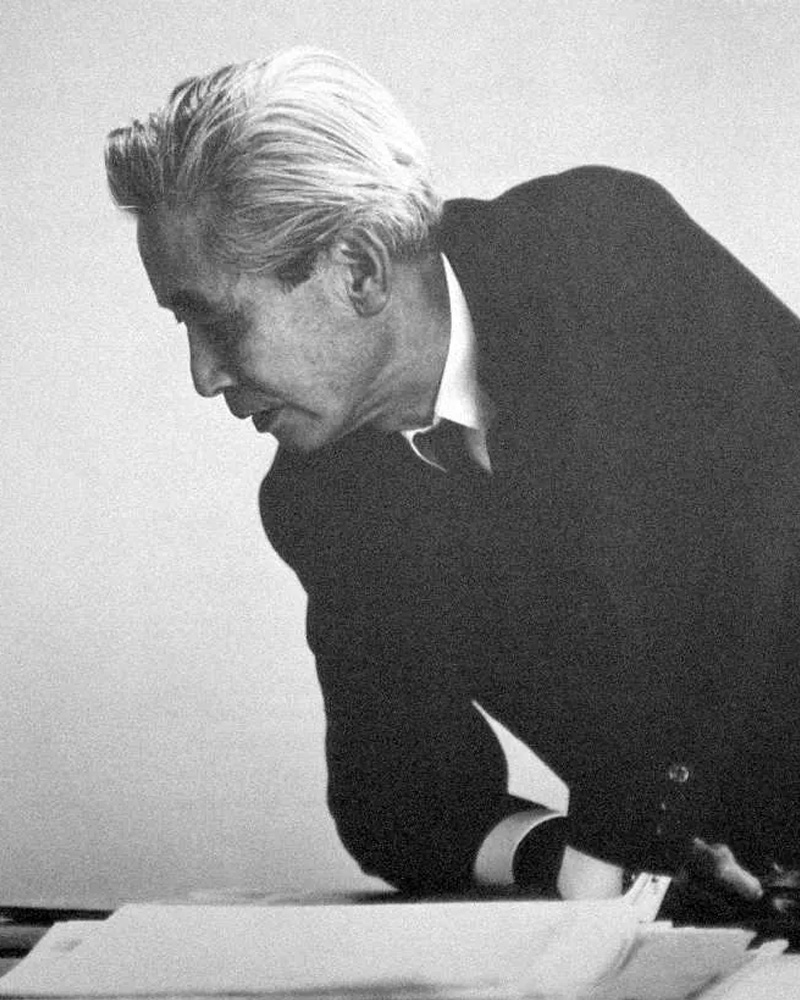
Togo Murano (1891–1984) occupies a singular position in the history of modern Japanese architecture and design. Although his reputation has traditionally rested on his architectural achievements, a comprehensive historical assessment reveals that furniture, interior architecture, decorative arts, and the coordination of artisanal production formed an equally important component of his practice. Unlike many twentieth-century architects whose furniture was conceived as an adjunct to their buildings, Murano treated architecture, interiors, furnishings, lighting, fittings, textiles, and craftsmanship as parts of a continuous design field. His career therefore offers an important case study in the evolution of a specifically Japanese form of modern design that operated outside the dominant narratives of European functionalism and industrial modernism.
Born on 15 May 1891 in Karatsu, Saga Prefecture, during the final decades of Japan's rapid modernization under the Meiji state, Murano belonged to the first generation of architects educated after Western architectural knowledge had become institutionalized within Japanese universities. His formative years coincided with profound transformations in the country's built environment, as traditional timber construction encountered imported technologies such as steel framing, reinforced concrete, mechanical services, and new methods of commercial development. Initially enrolling in electrical engineering at Waseda University, Murano later transferred to architecture, graduating in 1918. This technical training would remain evident throughout his career, not only in his understanding of construction systems but also in his unusually detailed attention to the technical resolution of interiors and furnishings.
Following graduation, he joined the Osaka office of architect Setsu Watanabe, one of the leading commercial architects of the period. During the eleven years he spent there, Murano acquired practical experience in the design of department stores, office buildings, commercial facilities, and urban infrastructure. In 1920 he traveled through Europe and the United States, an experience that exposed him to a wide range of architectural tendencies then reshaping the built environment. Rather than embracing any single movement, however, Murano developed a lifelong skepticism toward rigid stylistic doctrines. Throughout his career he remained resistant to both academic historicism and ideological modernism, preferring instead to derive architectural solutions from specific programs, sites, materials, and craft traditions.
When he established his own practice in Osaka in 1929, Japan was entering a period of rapid urban expansion and increasing architectural experimentation. Over the next fifty-five years Murano would produce more than three hundred documented projects, an extraordinary output encompassing department stores, churches, theaters, hotels, corporate headquarters, educational facilities, museums, restaurants, private residences, and civic institutions. Yet the scale of this production alone does not explain his historical significance. More important was his development of an architectural language that reconciled modern construction technologies with spatial concepts derived from Japanese building traditions, particularly the sukiya lineage associated with tea architecture and elite domestic environments. Rather than reproducing historical forms, Murano translated principles such as asymmetry, material refinement, spatial fluidity, and artisanal precision into contemporary settings.
This synthesis had profound implications for his furniture design. In contrast to many European modernists who pursued standardization and industrial reproducibility, Murano consistently emphasized the relationship between objects and their architectural context. Furniture was rarely conceived as an independent product destined for mass production. Instead, chairs, tables, sofas, cabinets, screens, lighting fixtures, and built-in elements were designed as integral components of specific interiors. Consequently, much of his furniture remained relatively unknown outside architectural circles for decades, as individual pieces seldom entered commercial distribution. Their primary function was to participate in a larger spatial composition.
The interwar years witnessed Murano's increasing involvement in interior design projects that required extensive furnishing programs. Particularly significant were his commissions for luxury passenger liners, including the Argentina Maru and the Brazil Maru. These ships represented highly sophisticated environments in which architecture, decoration, furniture, circulation, and social ritual had to be coordinated within limited spatial constraints. Murano's work on these vessels provided valuable experience in creating unified interior worlds and demonstrated his capacity to manage design at multiple scales simultaneously. Although the ships themselves were later lost during the Second World War, archival records indicate that these projects constituted an important laboratory for the development of his mature approach to furniture and interior architecture.
The wartime period proved especially significant in the evolution of Murano's furniture practice. As architectural commissions declined during the 1940s, he devoted greater attention to furniture design and direct collaboration with cabinetmakers. Surviving examples from this period reveal an increasing interest in sculptural form, ergonomic comfort, and handcrafted construction. A chair designed in 1943, often cited in discussions of his furniture oeuvre, demonstrates characteristics that would remain central throughout his later work: low seating proportions, fluid transitions between structural elements, carefully modeled surfaces, and an emphasis on tactile experience. Contemporary accounts suggest that Murano frequently worked directly alongside artisans, refining prototypes through repeated adjustments rather than relying exclusively on drawings.
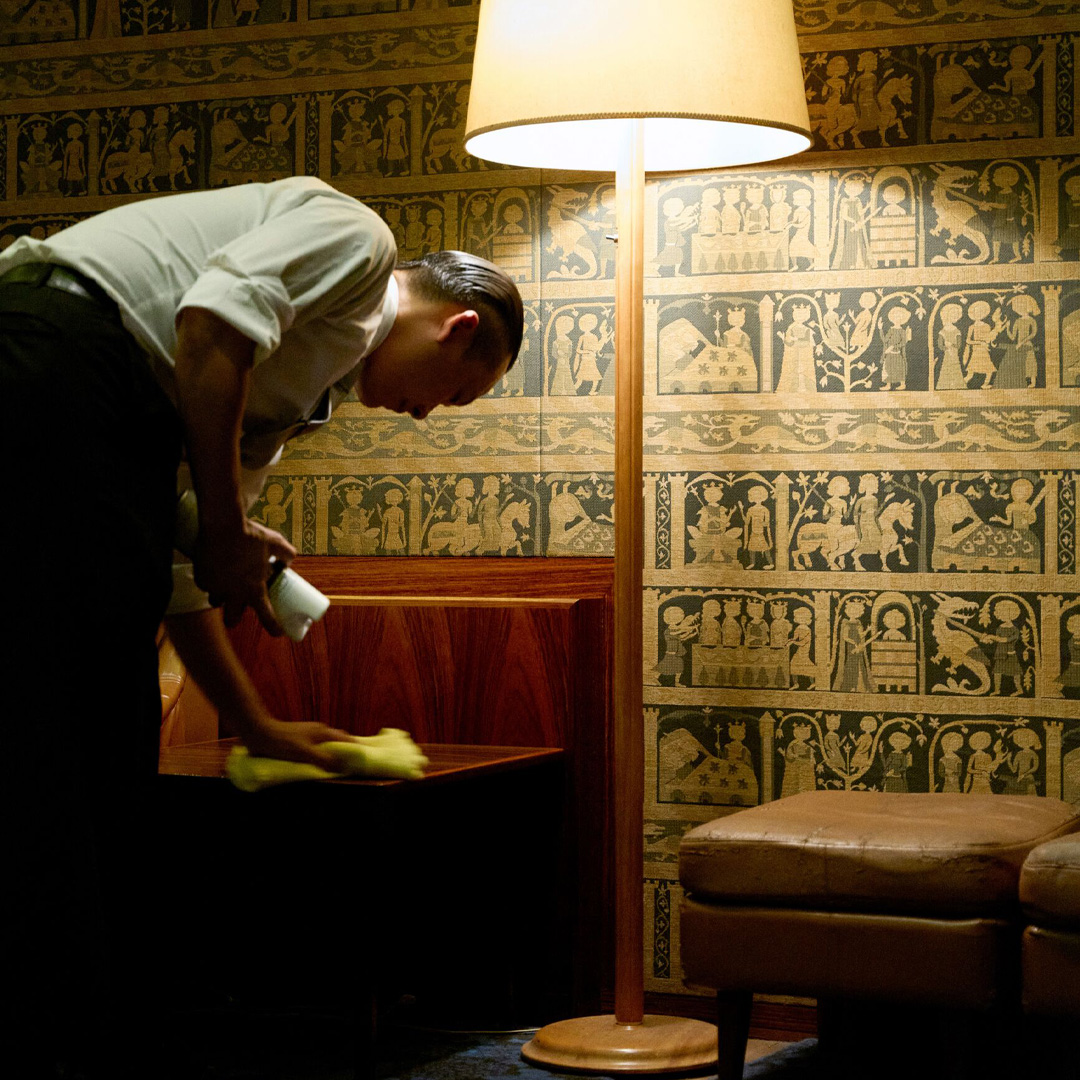
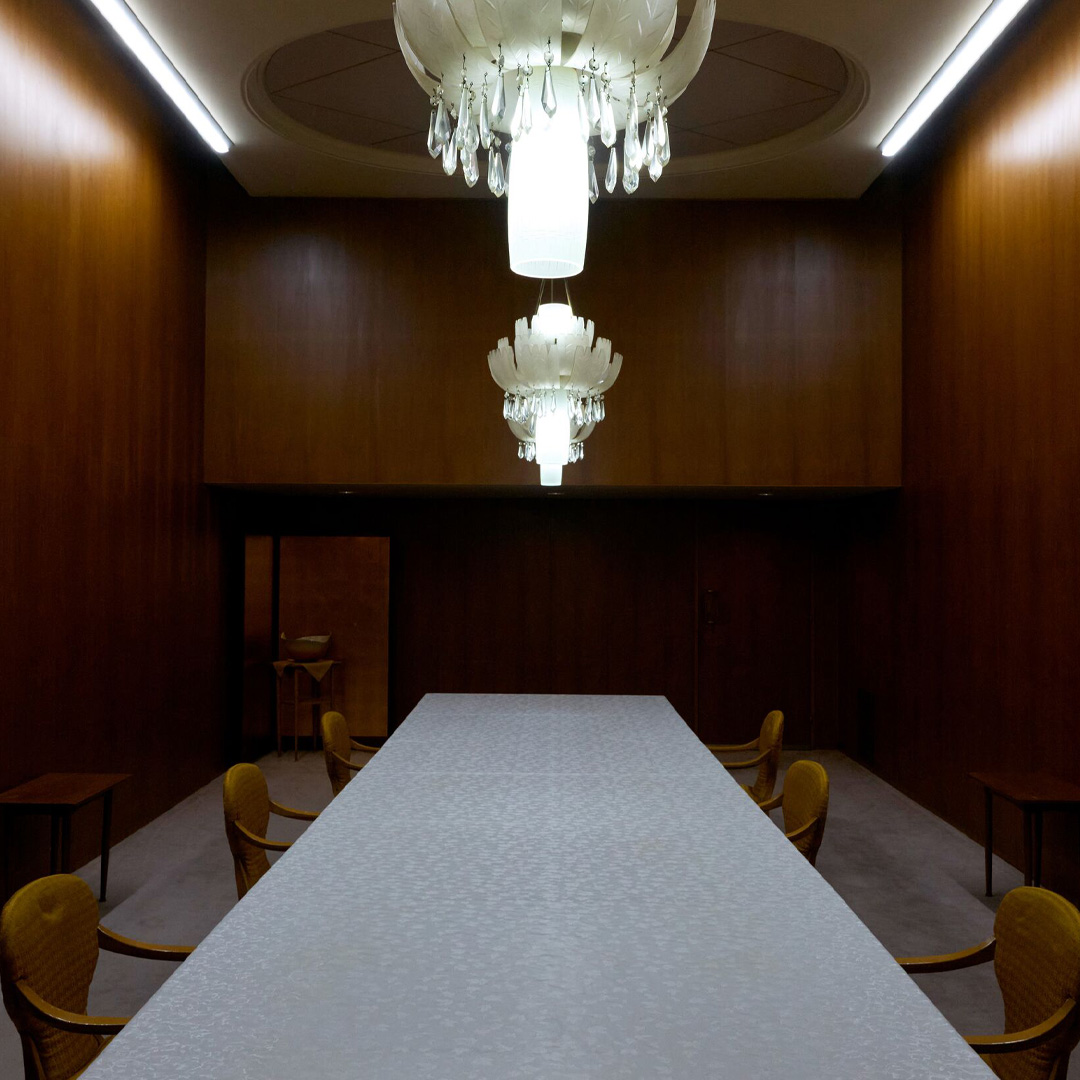
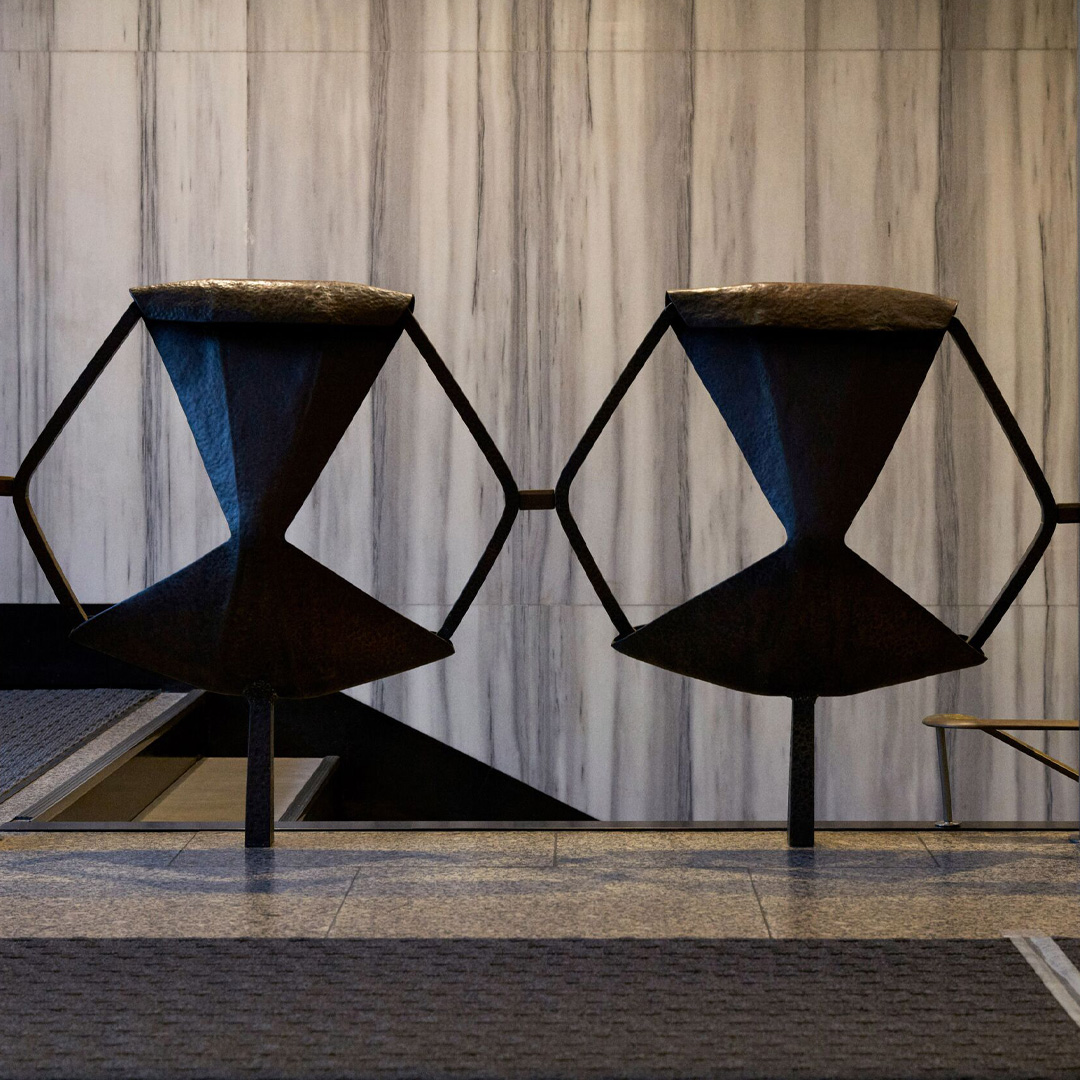
Following Japan's defeat in 1945, Murano entered the most productive and influential phase of his career. The postwar reconstruction period generated numerous commissions, allowing him to realize increasingly ambitious architectural and interior environments. Projects such as the Memorial Cathedral for World Peace in Hiroshima, completed in 1954, the New Kabuki Theatre in Osaka, completed in 1958, and the Nissay Theatre in Tokyo, completed in 1963, demonstrated the full integration of architecture, furniture, materials, lighting, and decorative elements that had become the hallmark of his practice. In these projects, furniture functioned not merely as equipment but as a continuation of architectural form. Seating systems, lounge furniture, reception furnishings, handrails, wall treatments, and lighting fixtures were developed simultaneously with the building itself.
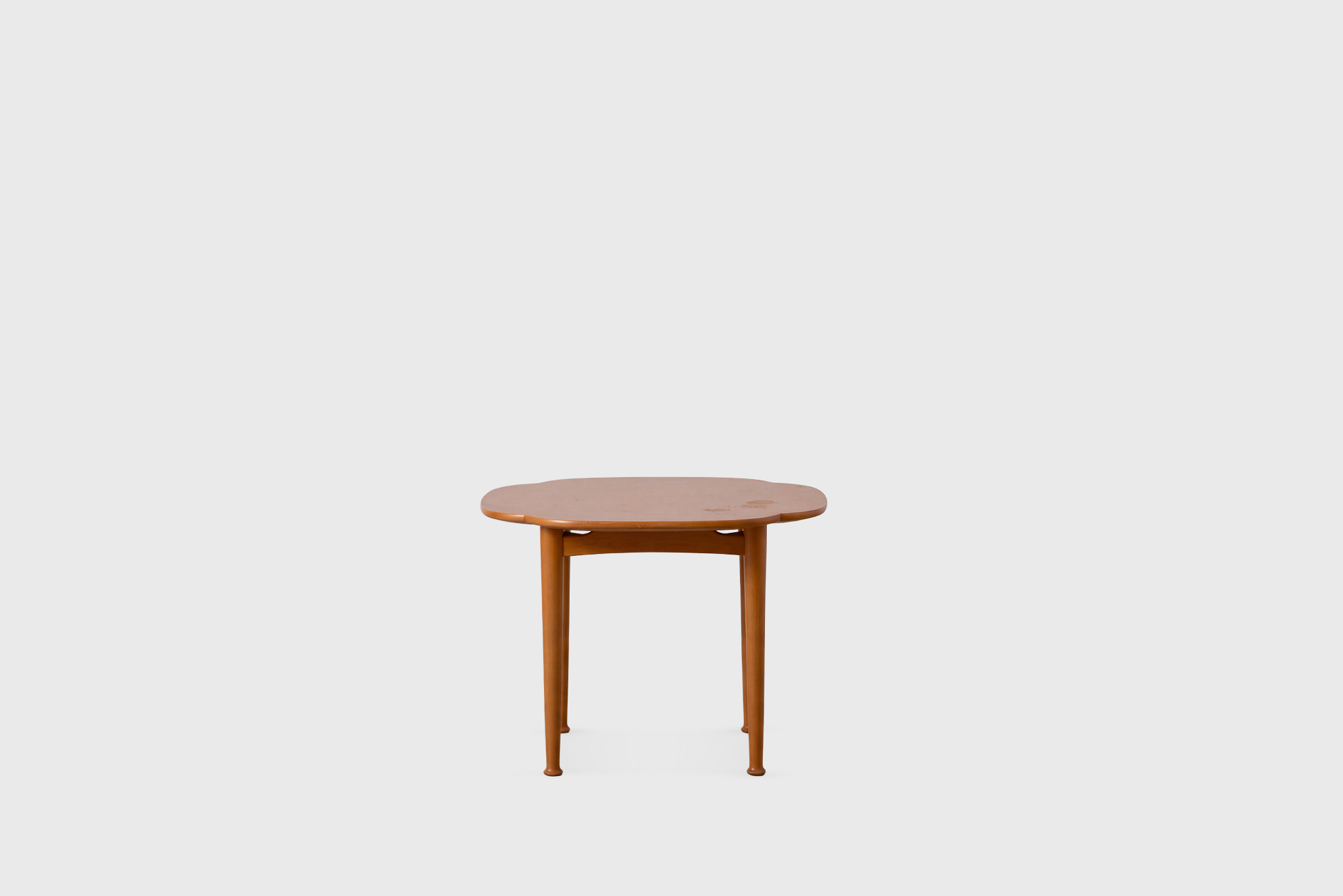
Murano's furniture from this mature period exhibits several recurring characteristics. Most immediately apparent is a preference for organic curvature. Unlike the rectilinear geometry associated with much mid-century modern furniture, Murano frequently employed flowing profiles in armrests, chair backs, table supports, and structural frames. These curves were not purely decorative. Rather, they reflected his conviction that architecture and furniture should accommodate the movements and perceptions of the human body. Equally significant was his tendency toward relatively low seating heights, a feature that can be interpreted as a subtle adaptation of Japanese spatial habits to modern furniture typologies. Such proportions encouraged a more relaxed posture and created interiors with a distinctive sense of intimacy.
Material selection occupied a central role in this process. Murano demonstrated exceptional sensitivity to wood species, veneers, textiles, metals, and surface finishes. He frequently employed hardwoods whose grain patterns contributed to the visual character of a piece, while upholstery materials were chosen for tactile as well as aesthetic qualities. Details such as joinery, edge treatments, and transitions between materials received extraordinary attention. The resulting furniture conveyed a sense of refinement rooted not in ornament but in the precision of its execution.
Unlike designers who sought universal solutions, Murano consistently pursued specificity. A chair designed for a hotel lounge differed from one intended for a theater foyer or a private residence. Consequently, his body of furniture design resists reduction to a fixed stylistic vocabulary. What unites the work is not a recurring formal formula but a common methodology based on contextual adaptation, artisanal collaboration, and spatial integration. In this respect, Murano's furniture can be understood as an extension of architectural thinking rather than as an autonomous industrial design practice.
Throughout the 1950s, 1960s, and 1970s, Murano continued to refine this approach across an extraordinary range of commissions. His influence extended through a network of craftsmen, builders, furniture makers, and interior specialists who participated in the realization of his projects. Yet despite the scale of his output, international recognition remained limited. The dominant narratives of postwar architectural history focused largely on figures associated with heroic modernism, technological innovation, or urban megastructures. Murano's emphasis on craftsmanship, material nuance, and client-specific design did not fit comfortably within these frameworks.
Only in recent decades has a more comprehensive reassessment emerged. Scholars have increasingly recognized that Murano's furniture constitutes one of the most important bodies of architect-designed furniture produced in twentieth-century Japan. Museum exhibitions, archival research, and contemporary re-editions have revealed the sophistication of his approach and its historical significance. Designs originally created for projects such as the Miyako Hotel have been reintroduced to contemporary audiences, allowing direct study of forms that had previously existed only within architectural settings.
From a curatorial and historical perspective, Murano's furniture is best understood not as a peripheral activity but as an essential component of his broader design philosophy. His work challenges conventional distinctions between architecture, interior design, and furniture production by demonstrating how these disciplines can operate as interconnected aspects of a unified creative practice. At a time when international modernism often prioritized industrial standardization, Murano maintained a commitment to craftsmanship, material specificity, and human experience. His furniture therefore occupies an important position within the history of modern design, representing a parallel trajectory in which modernity was achieved not through the rejection of tradition but through its continuous reinterpretation. By the time of his death in 1984, Murano had produced one of the most extensive and intellectually coherent bodies of architectural and furniture work in modern Japan, leaving a legacy whose significance continues to expand as scholars and institutions reassess the relationship between architecture, craft, and design in the twentieth century.


ENQUIRE ABOUT THE DESIGNER
[contact-form-7 id="14341" title="Contact form"]