Side Gallery
Side Gallery
WishlistFollow





Follow

Jean Gillon was born in 1919 in Iași, Romania, into a Europe marked by political instability and cultural transformation. From an early age, he showed a strong interest in architecture, art, and craftsmanship. His academic formation exposed him to European modernist principles — functional clarity, structural honesty, and a belief that design should respond to human needs. The disruptions caused by the World War II contributed to his decision to leave Europe, and in 1956 he emigrated to Brazil, settling in the fast-growing metropolis of São Paulo.
Brazil became both his home and creative laboratory. The country was undergoing rapid modernization, with expanding urban projects, industries, and a growing interest in contemporary furniture. Gillon quickly immersed himself in this environment, establishing a studio and working on furniture, interior architecture, exhibition projects, and spatial installations. His work stood out for its sculptural qualities, ergonomic sensitivity, and innovative use of natural materials such as tropical hardwoods, leather, and woven fibers. He fused European modernist discipline with Brazilian artisanal traditions, helping define a distinctive strand of modern Latin American design.
A key aspect of his career was his entrepreneurial activity. In the early years of his industrial experiments, he founded Cidam, a company designed to explore new manufacturing processes and bring modern furniture to a wider market. Cidam later evolved into WoodArt, reflecting Gillon’s philosophy of combining industrial production with artisanal craft. Through WoodArt, he developed modular furniture systems, seating collections, and interior solutions that could be produced in series without losing aesthetic identity. The company became a crucial vehicle for disseminating Brazilian modern design nationally and internationally. He also collaborated with Italma, which helped consolidate distribution networks and adapt his designs to broader markets, reinforcing his commitment to democratizing high-quality modern furniture.
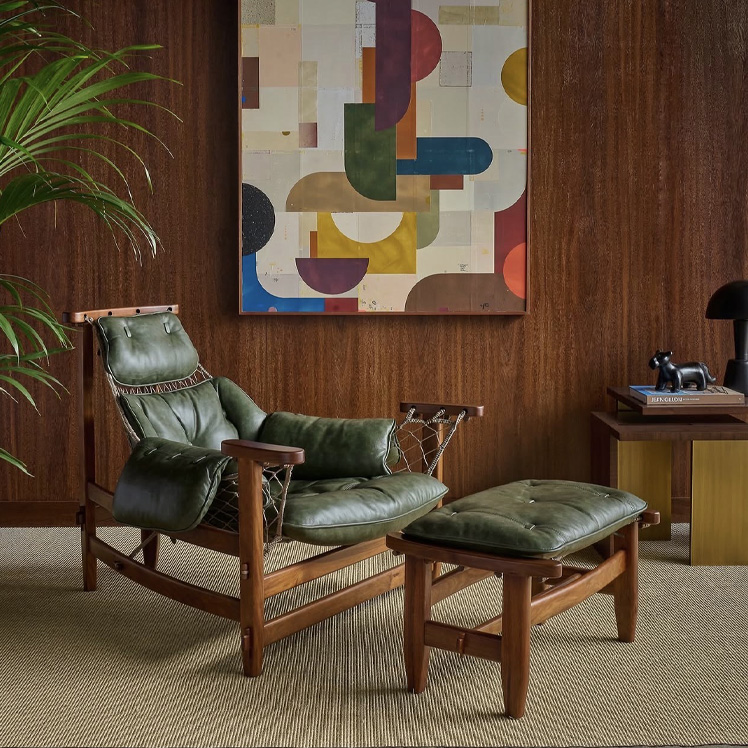
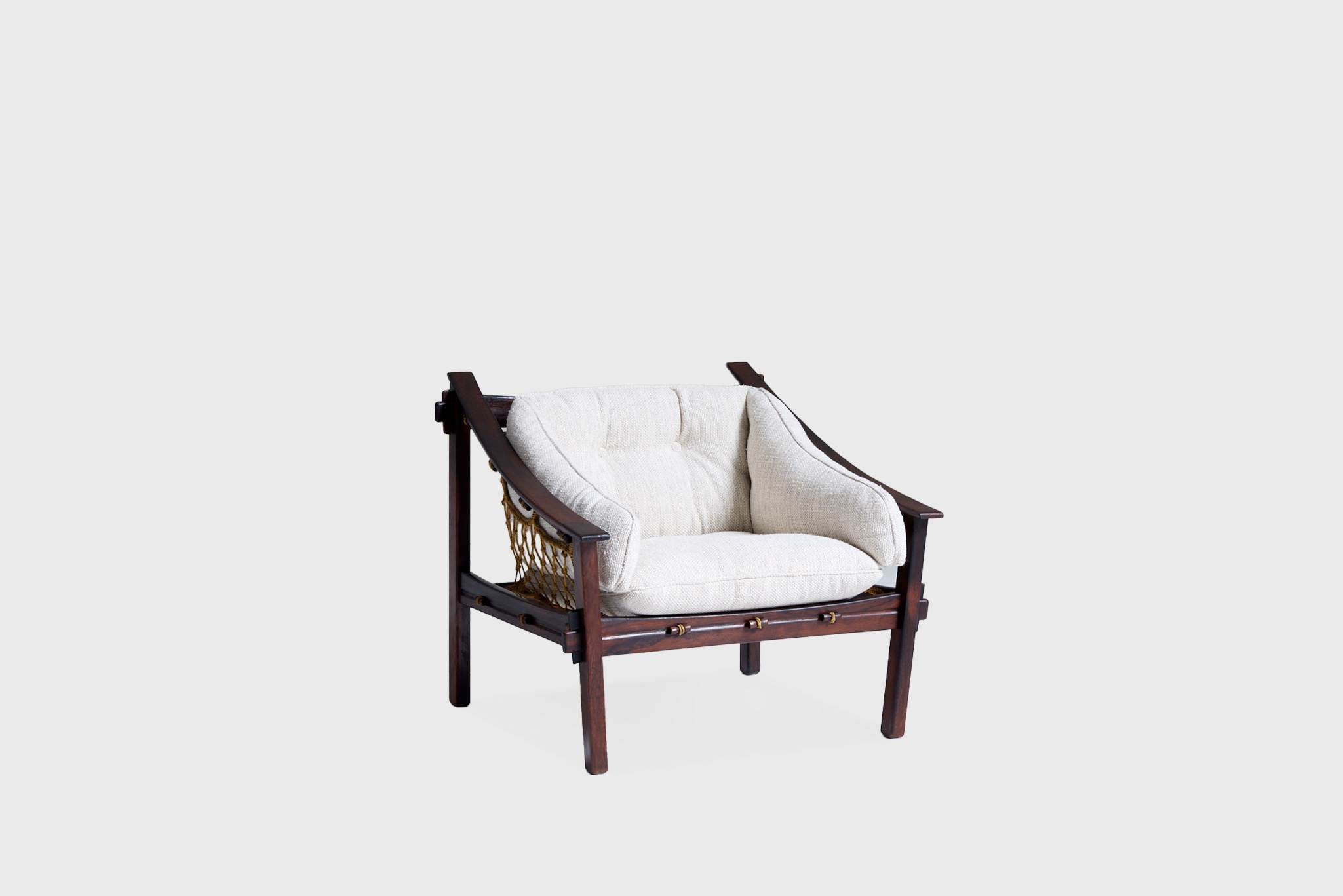
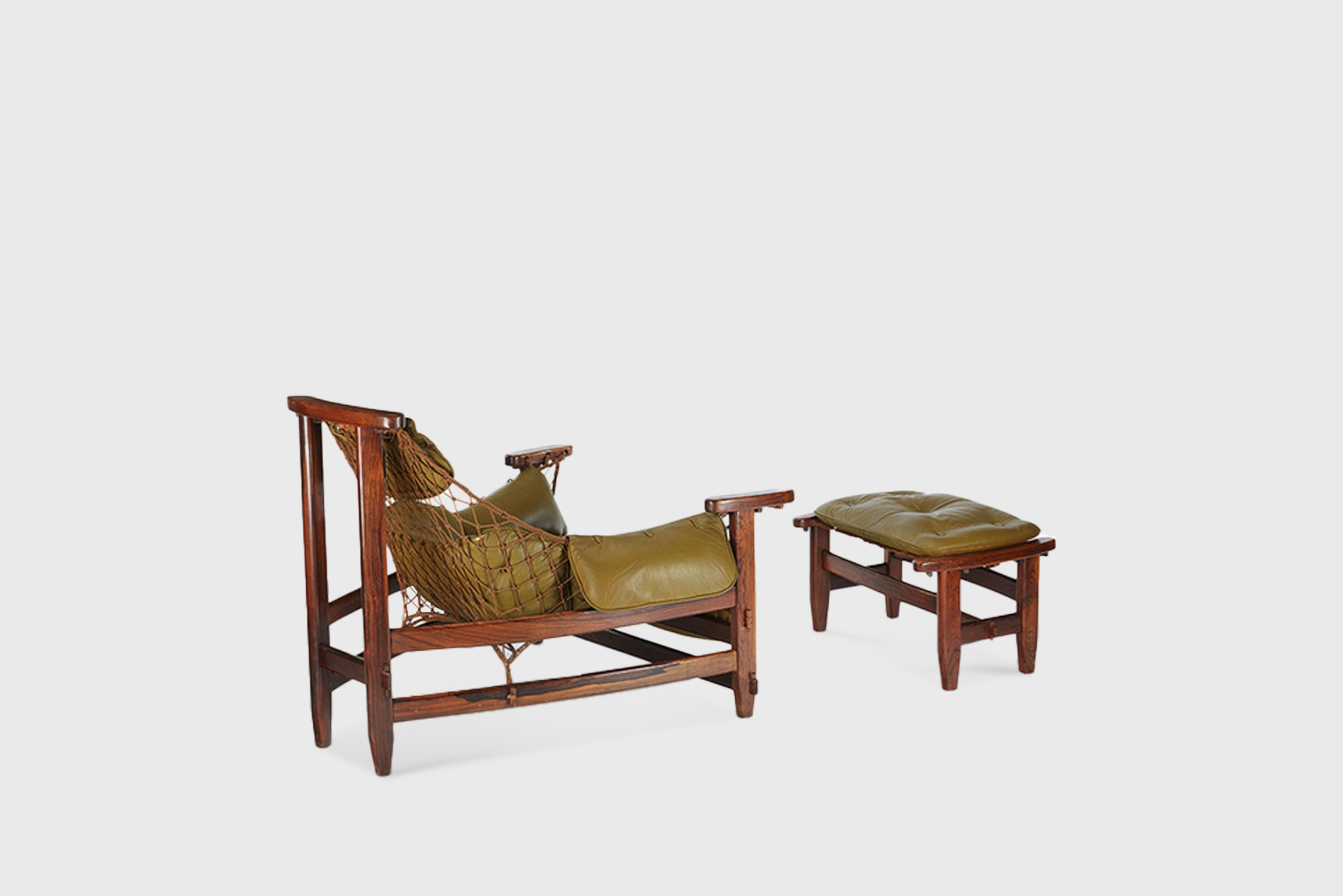
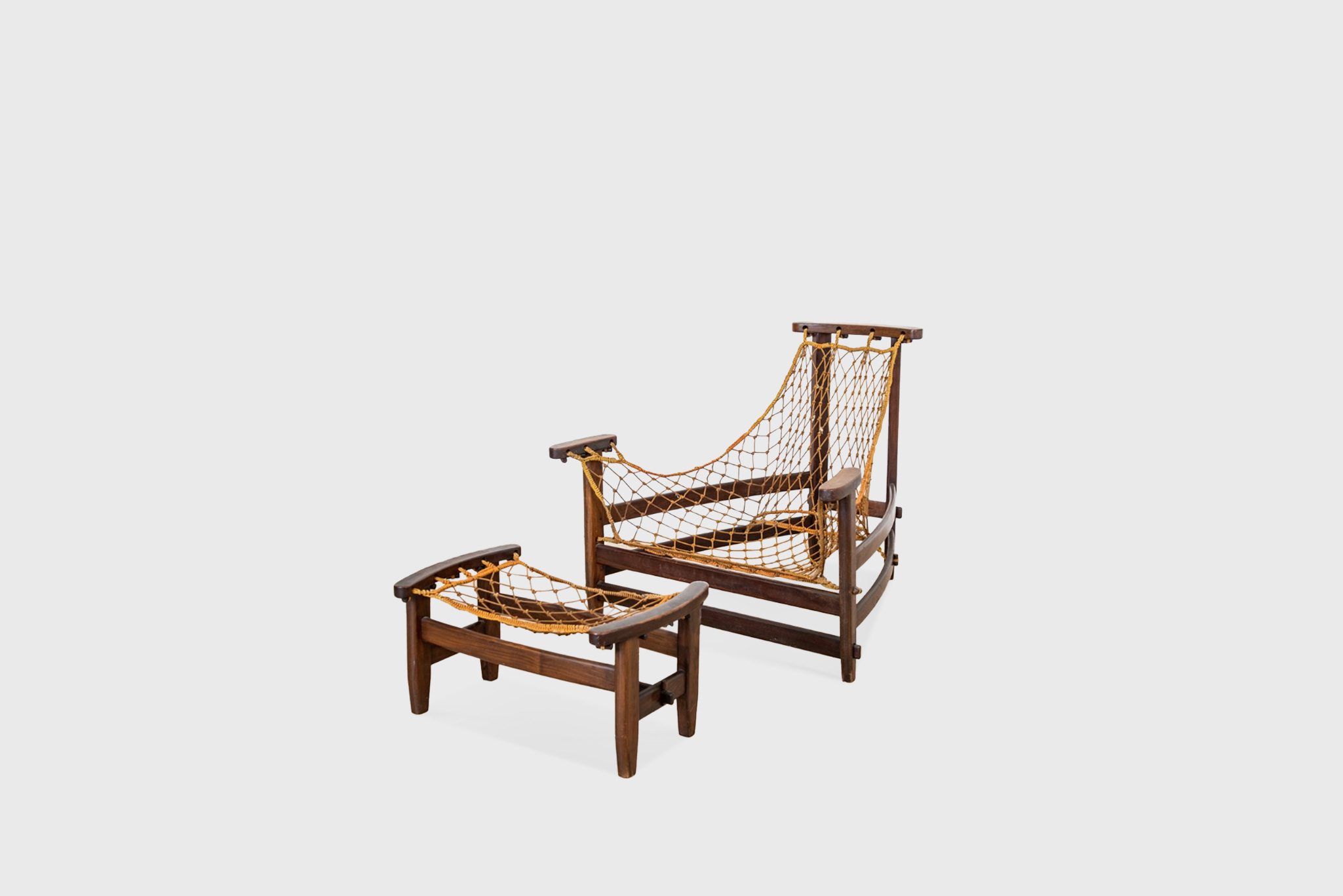
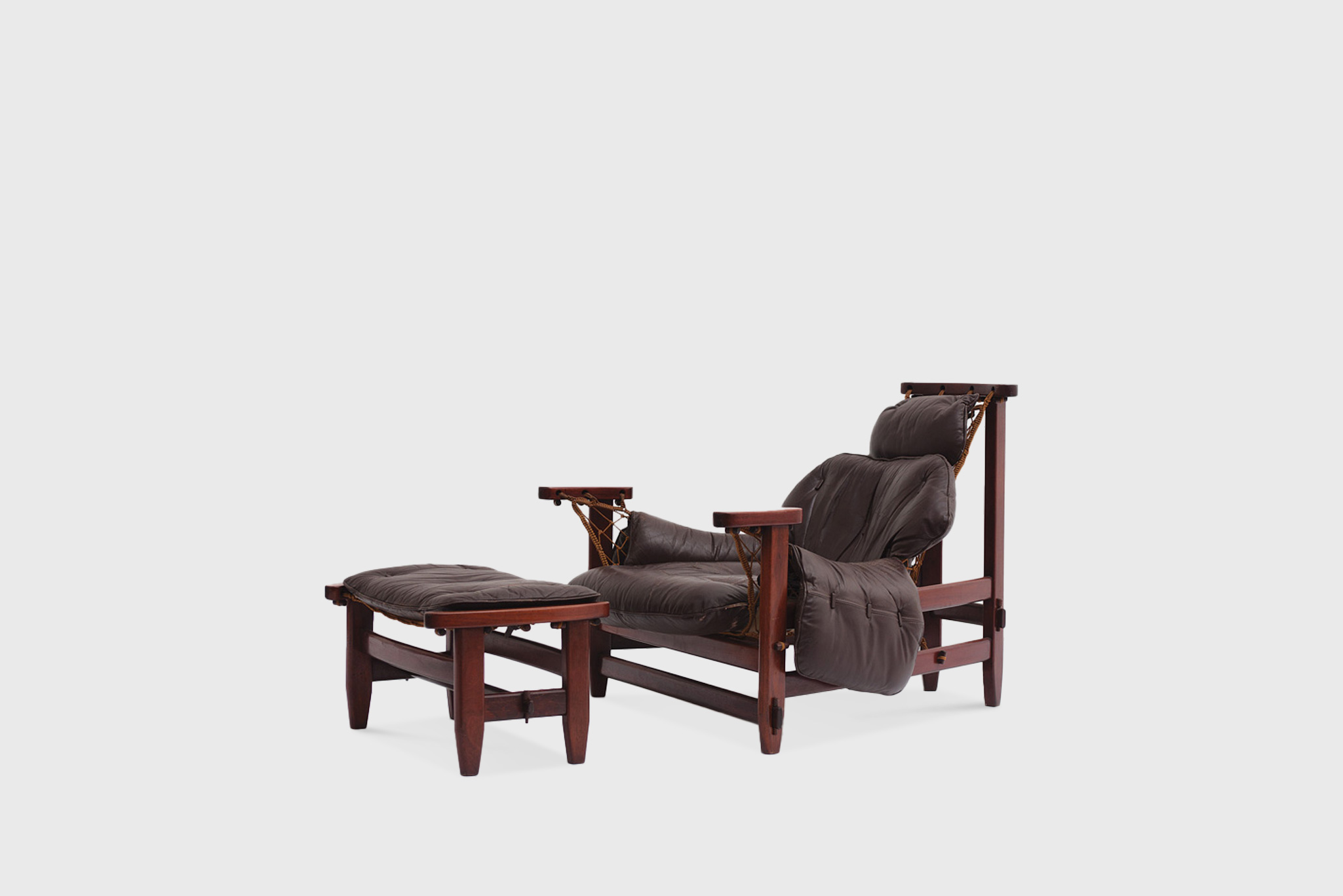
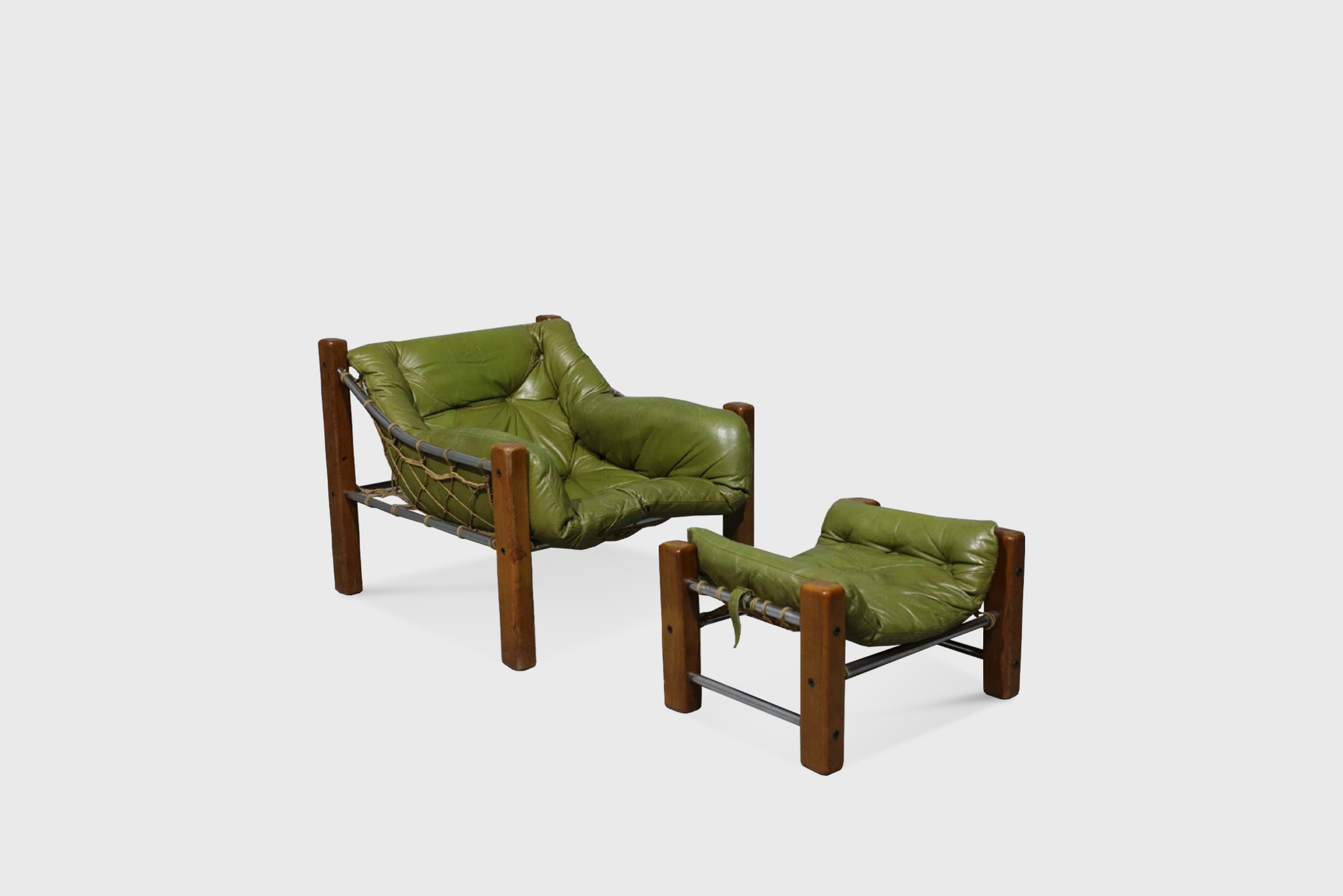
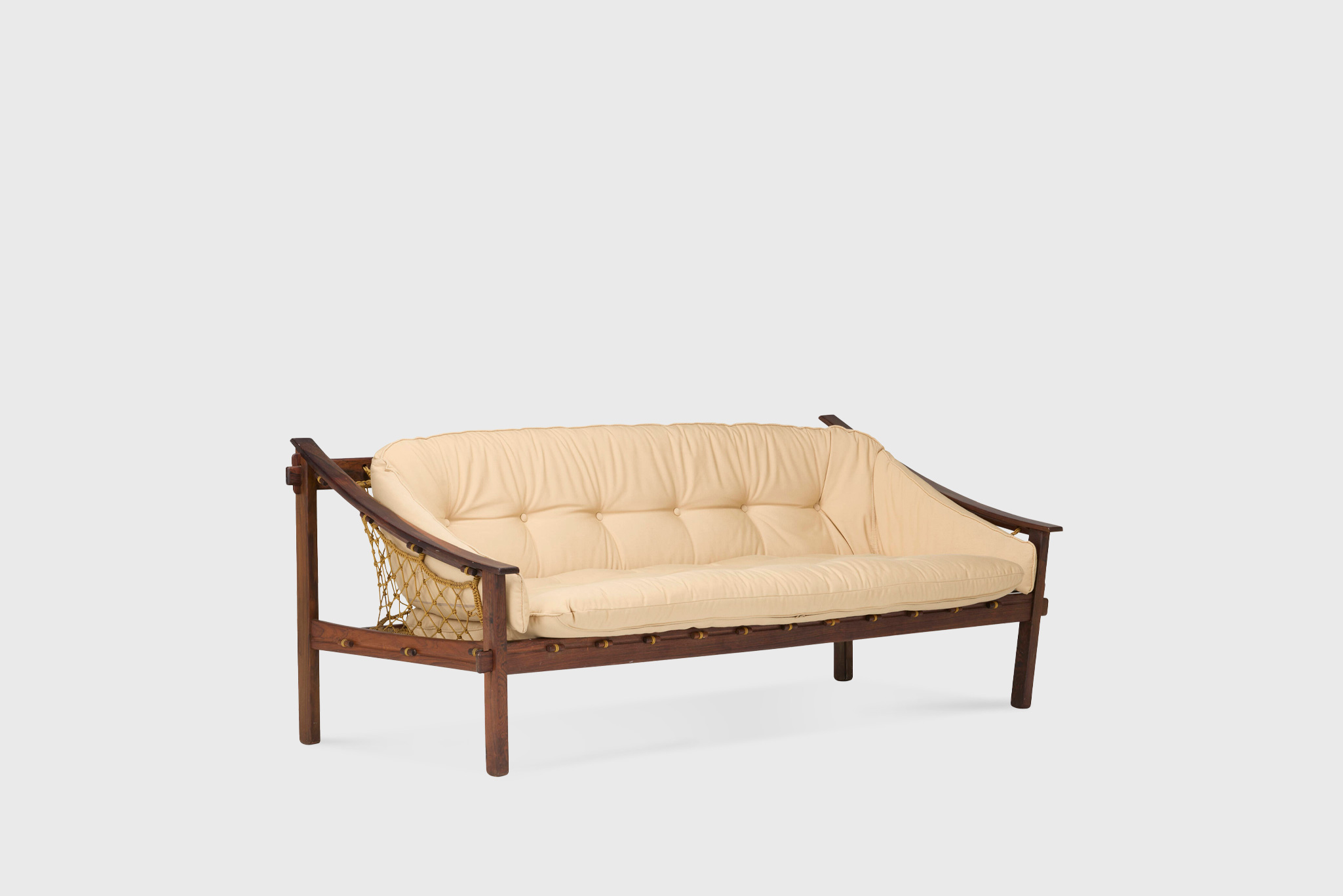
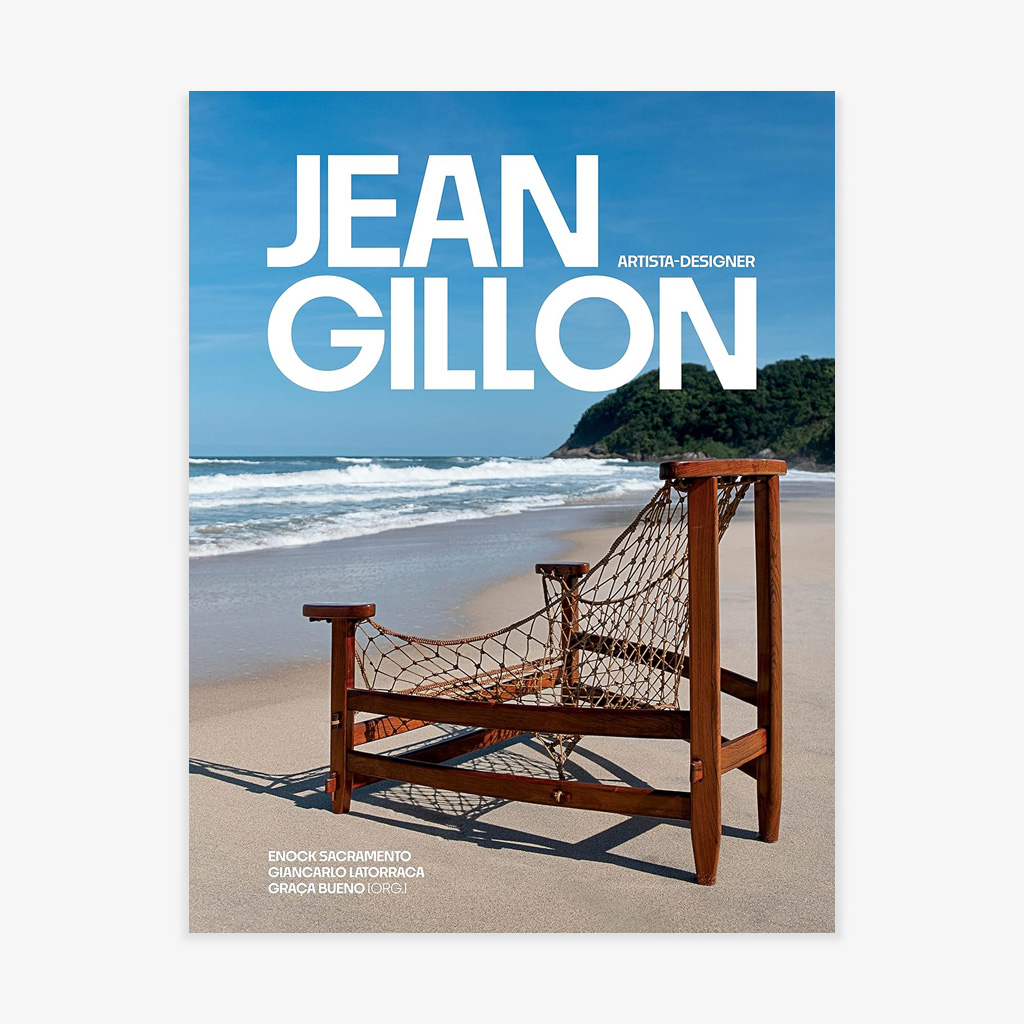
Among his many creations, the Jangada armchair stands out as his most iconic and celebrated work. Designed in 1968, the chair drew inspiration from the traditional fishing rafts (jangadas) of Brazil’s northeastern coast. Its wooden frame supports a tensioned network of leather straps forming the seat and backrest, creating an enveloping, flexible surface. The chair exemplifies Gillon’s ability to make construction a central aesthetic element: the structure appears open, airy, and almost suspended, combining visual lightness with structural strength. Ergonomically, it distributes weight evenly, offering remarkable comfort while retaining a sculptural presence. The Jangada became a symbol of modern Brazilian design internationally, exhibited in fairs and design publications, and remains highly valued by collectors and museums.
Other important seating designs include the Amazonas armchair, inspired by the flowing forms of Brazilian landscapes and the flexibility of tensioned leather or textile surfaces, and the Rodeio armchair, which explored dynamic, sculptural frameworks that transform structural necessity into visual drama. Together with the Jangada, these pieces illustrate Gillon’s philosophy of integrating human ergonomics, cultural references, and modern production techniques.
Throughout the 1960s and 1970s, Jean Gillon gained increasing international recognition, participating in exhibitions and design biennials alongside contemporaries such as Sérgio Rodrigues and Joaquim Tenreiro. Critics emphasized the humanistic dimension of his work: furniture conceived as an extension of the body and as a mediator between architecture, landscape, and daily life.
Gillon remained professionally active for decades, continuously refining ideas about modularity, flexibility, and material authenticity. He passed away in 2007 in São Paulo, leaving behind a legacy that bridges continents, traditions, and production methods. Today, his pieces are highly valued by collectors, galleries, and museums, standing as enduring symbols of a design philosophy grounded in craftsmanship, innovation, and the harmonious relationship between form, material, and human experience.

JEAN GILLON: ARTISTA-DESIGNER
MUSEO DA CASA BRASILEIRA
SAO PAULO (BRAZIL)
2021
MORE INFO
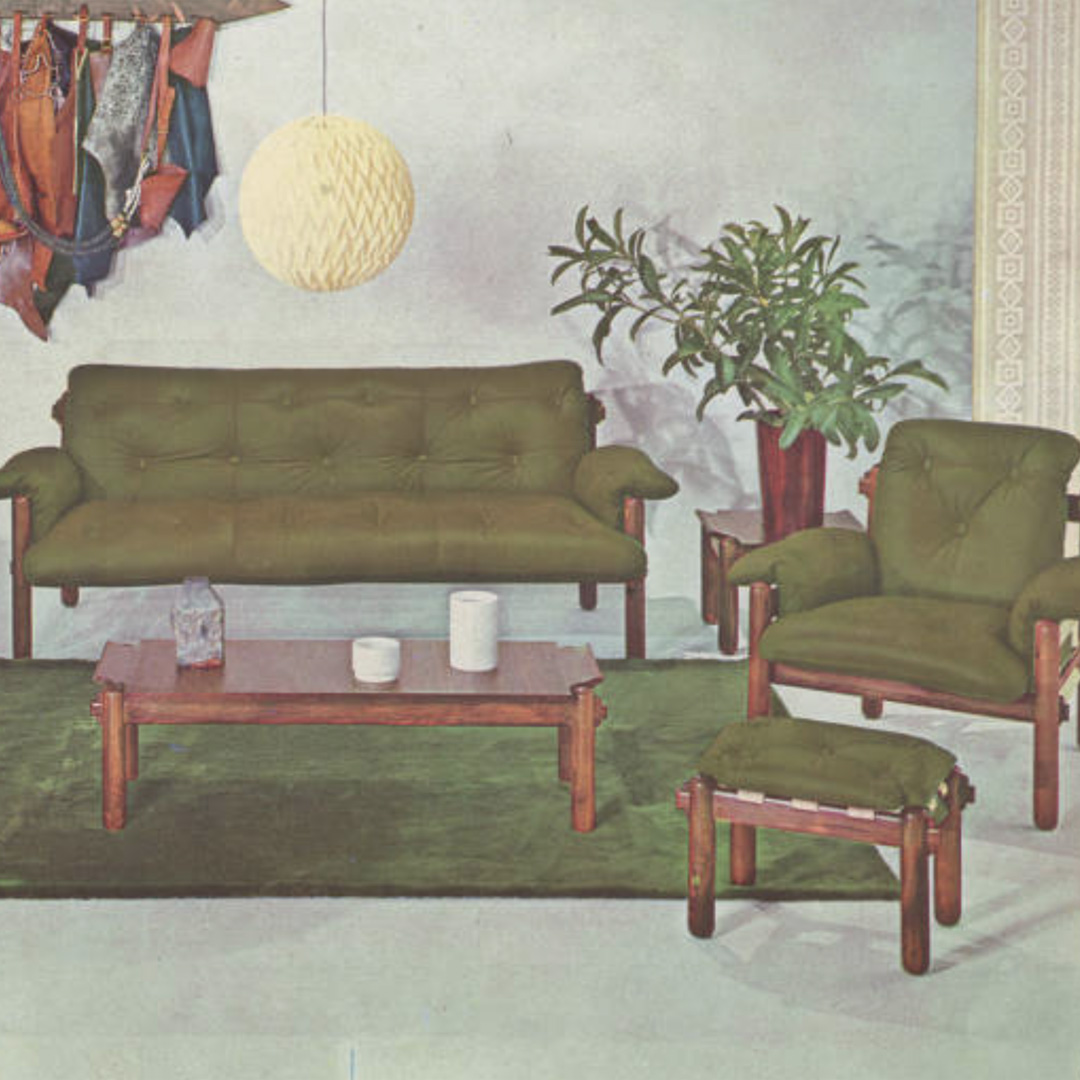
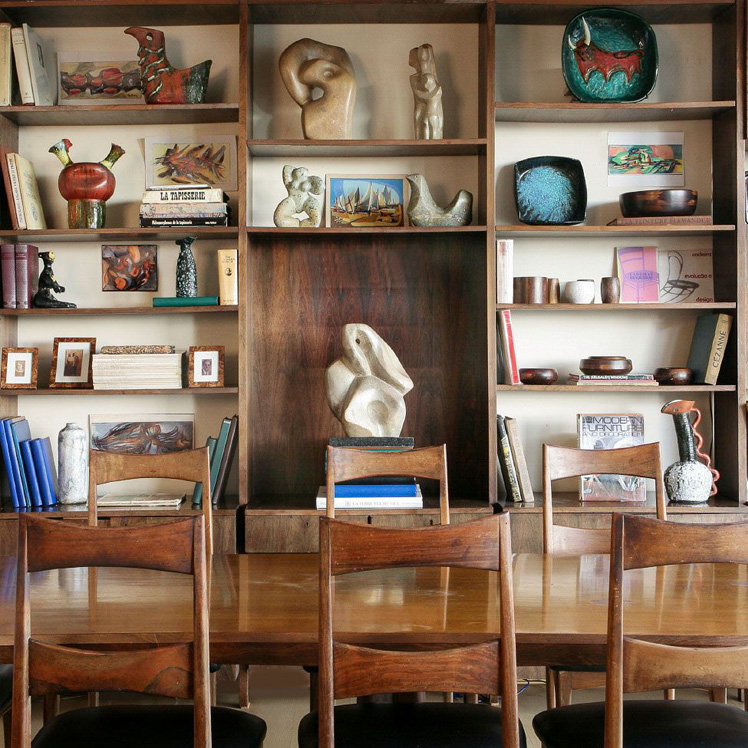
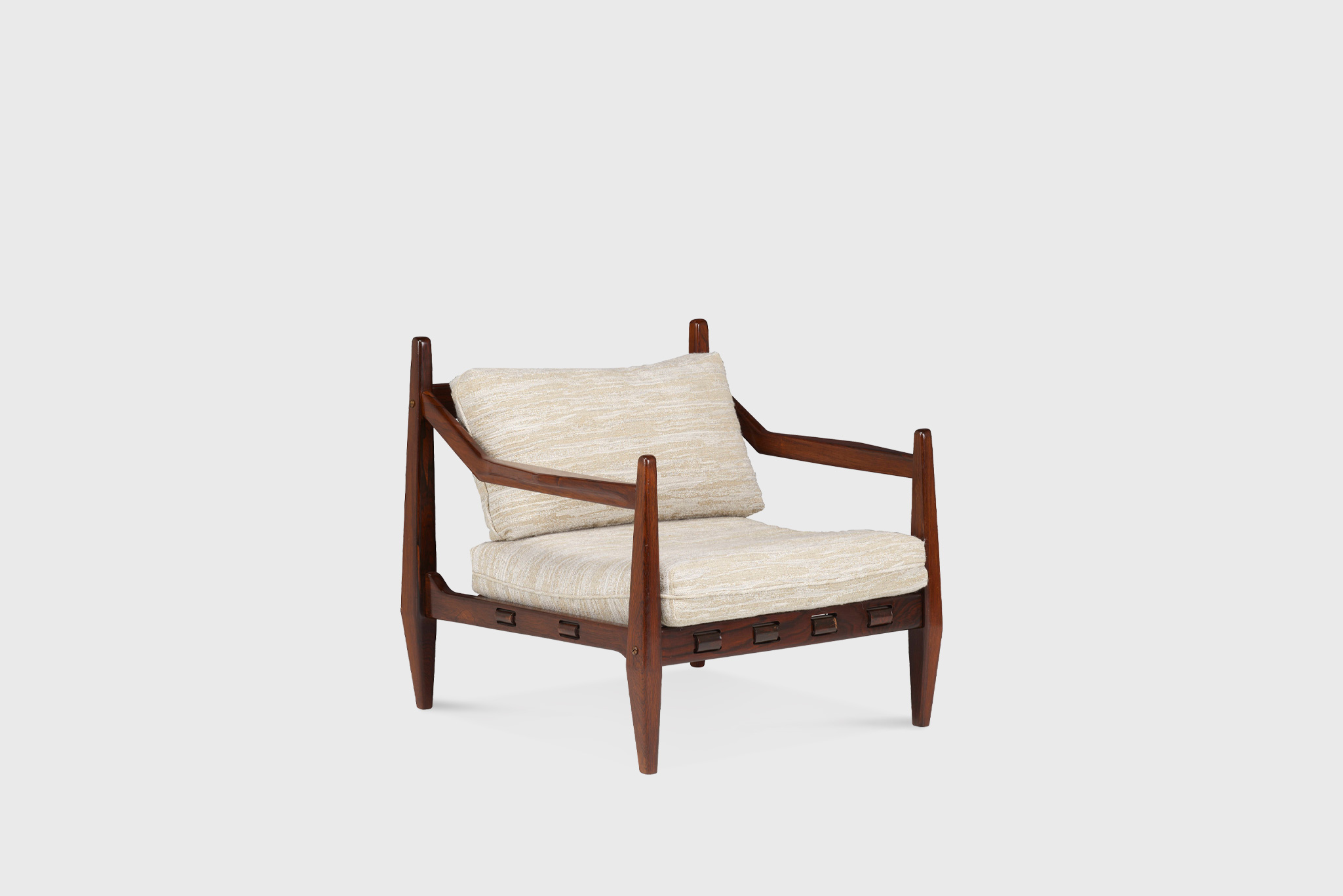
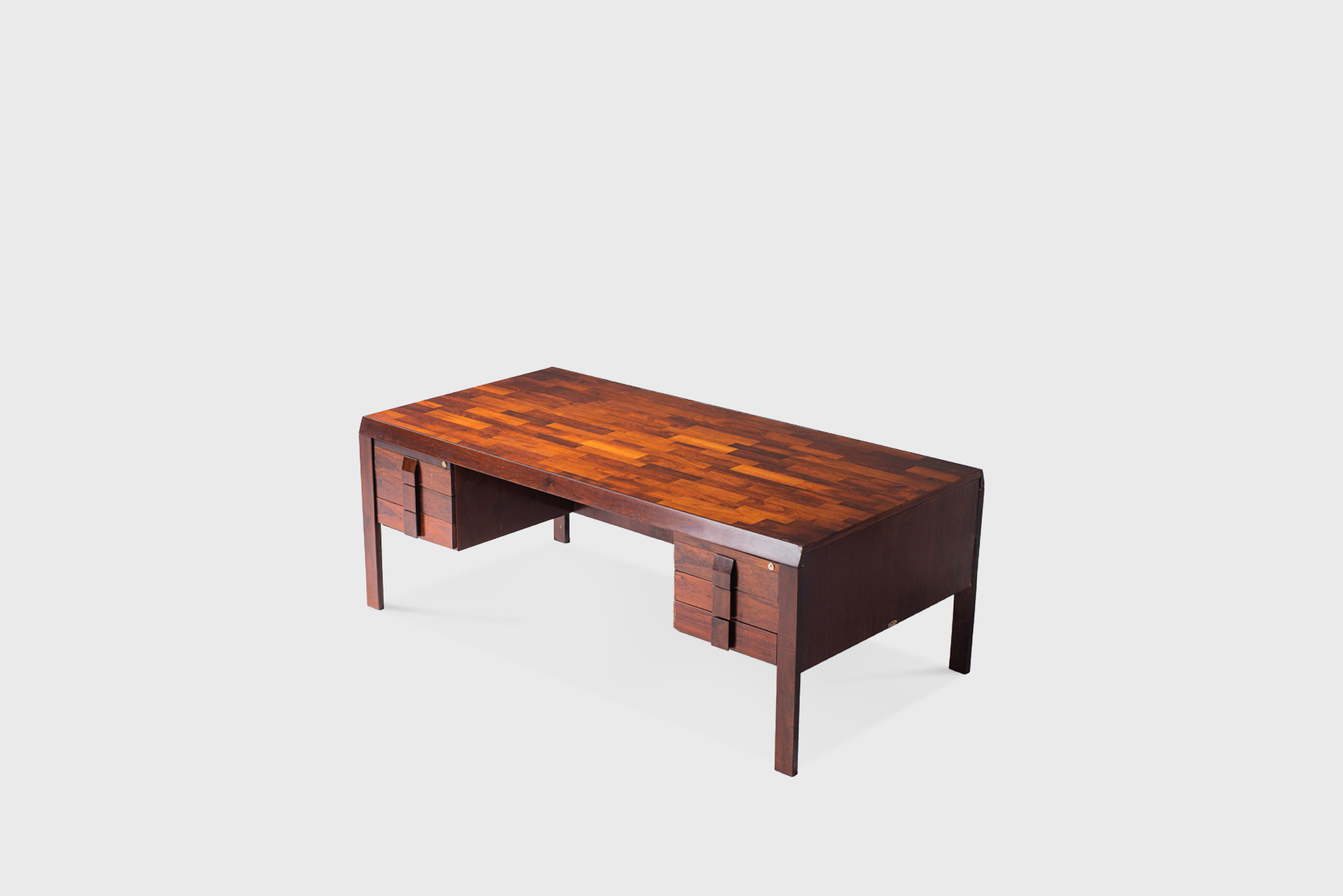
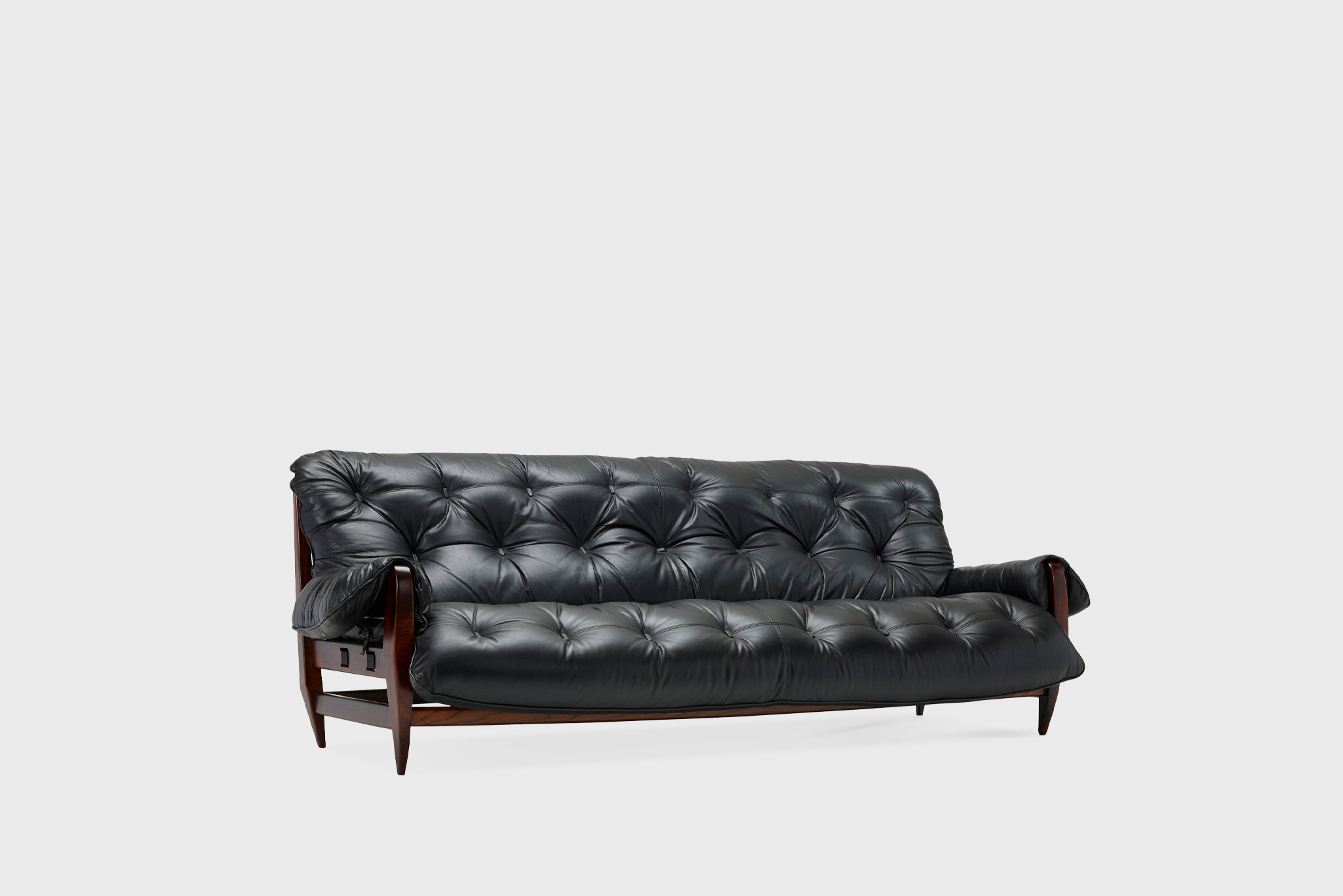
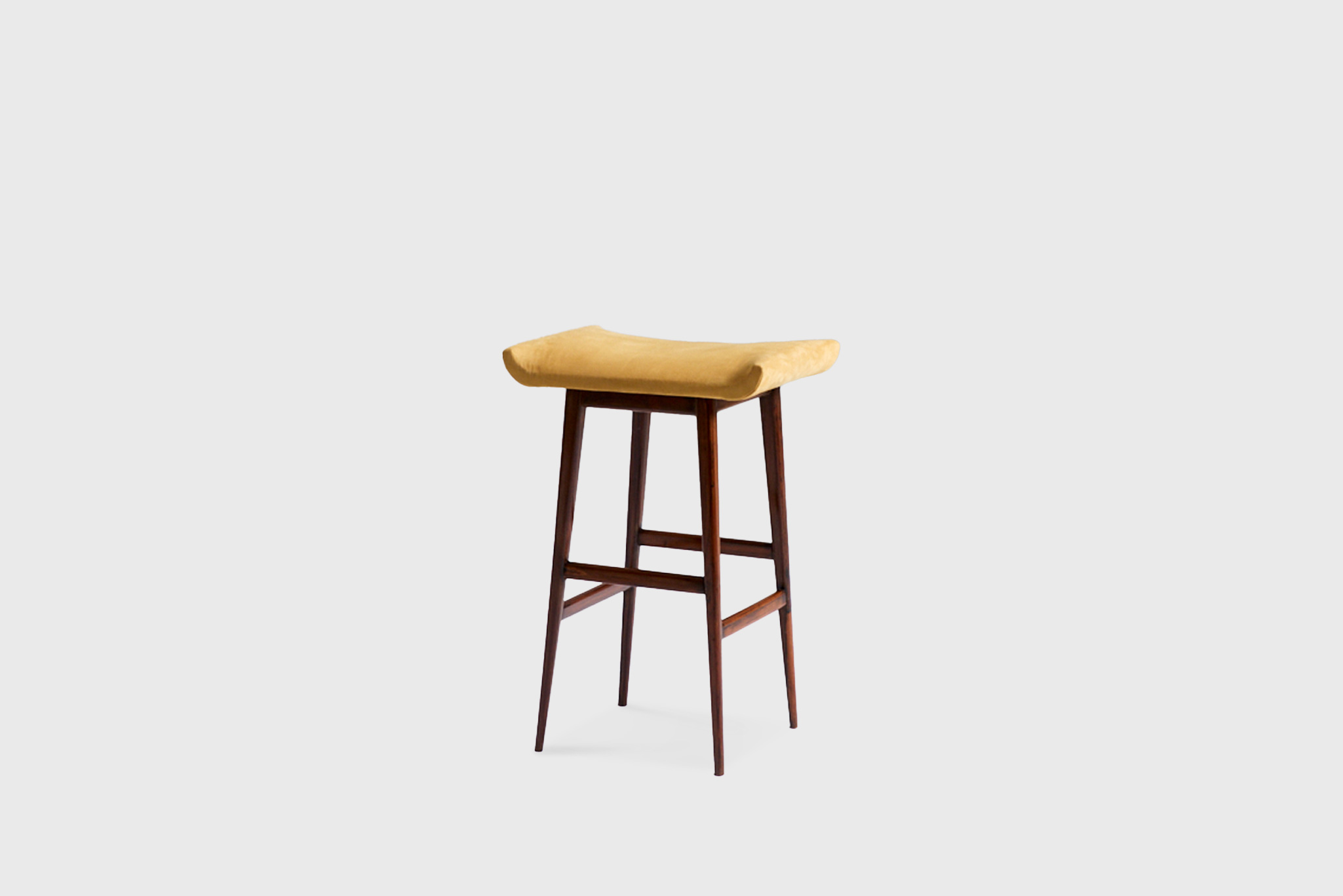
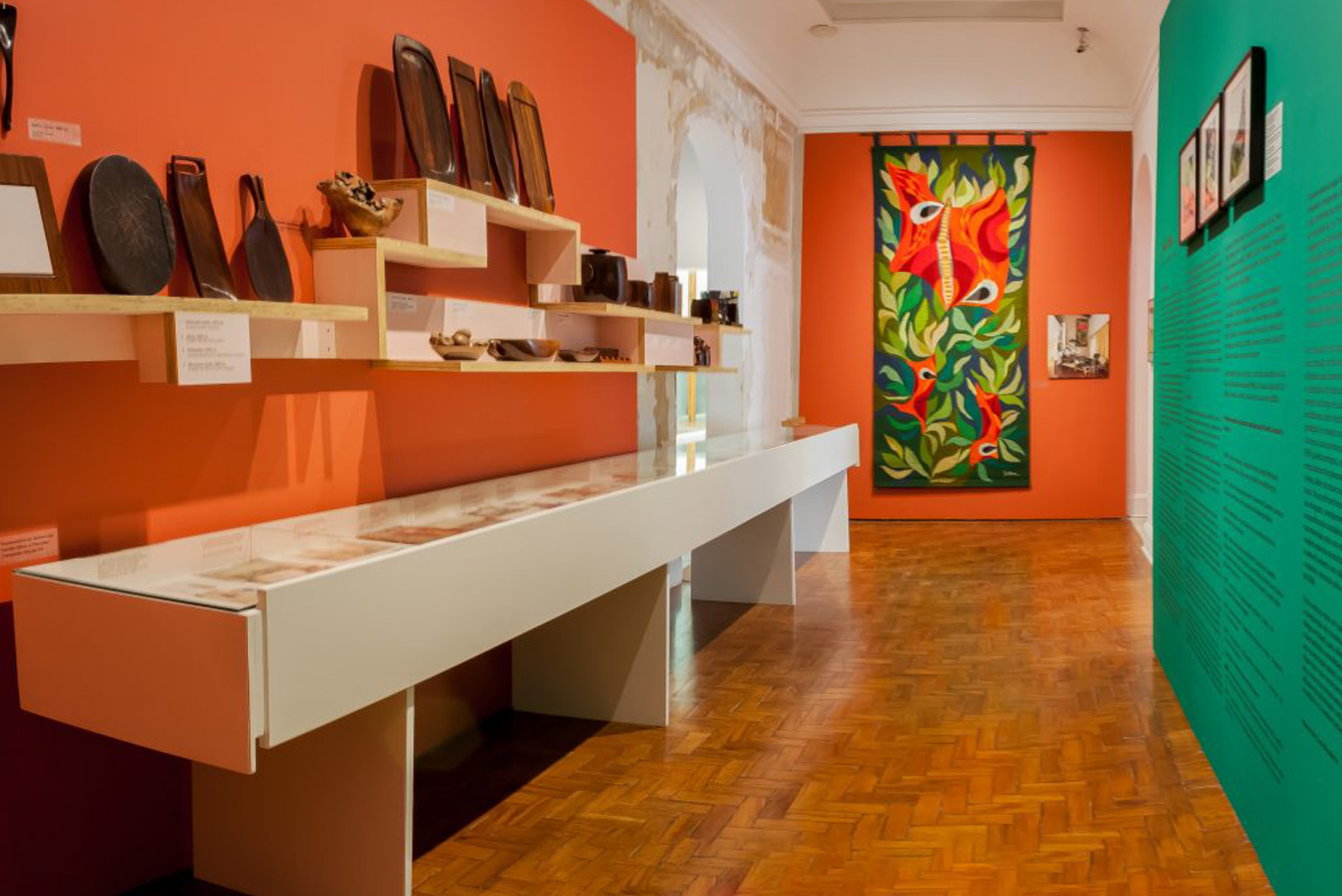
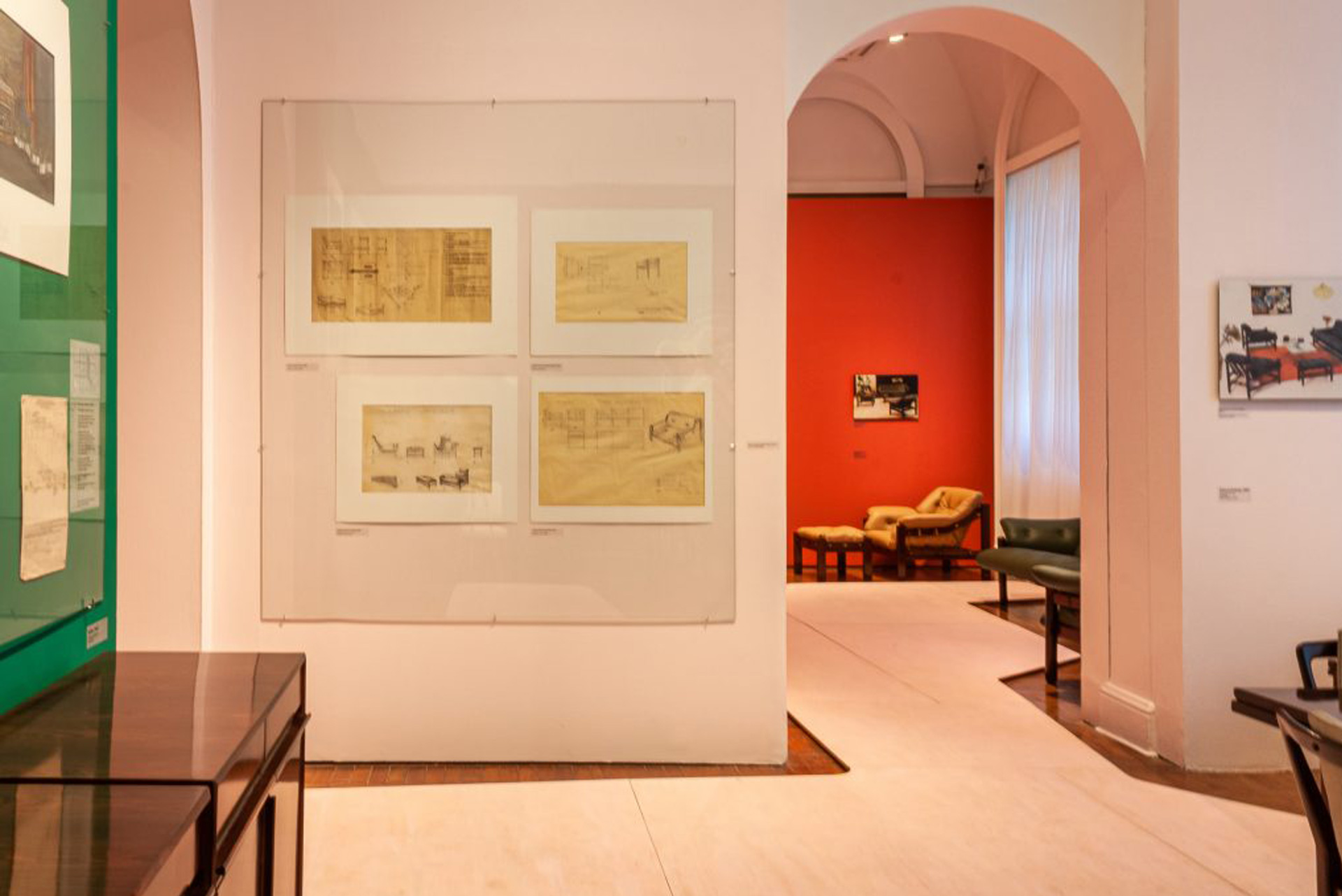
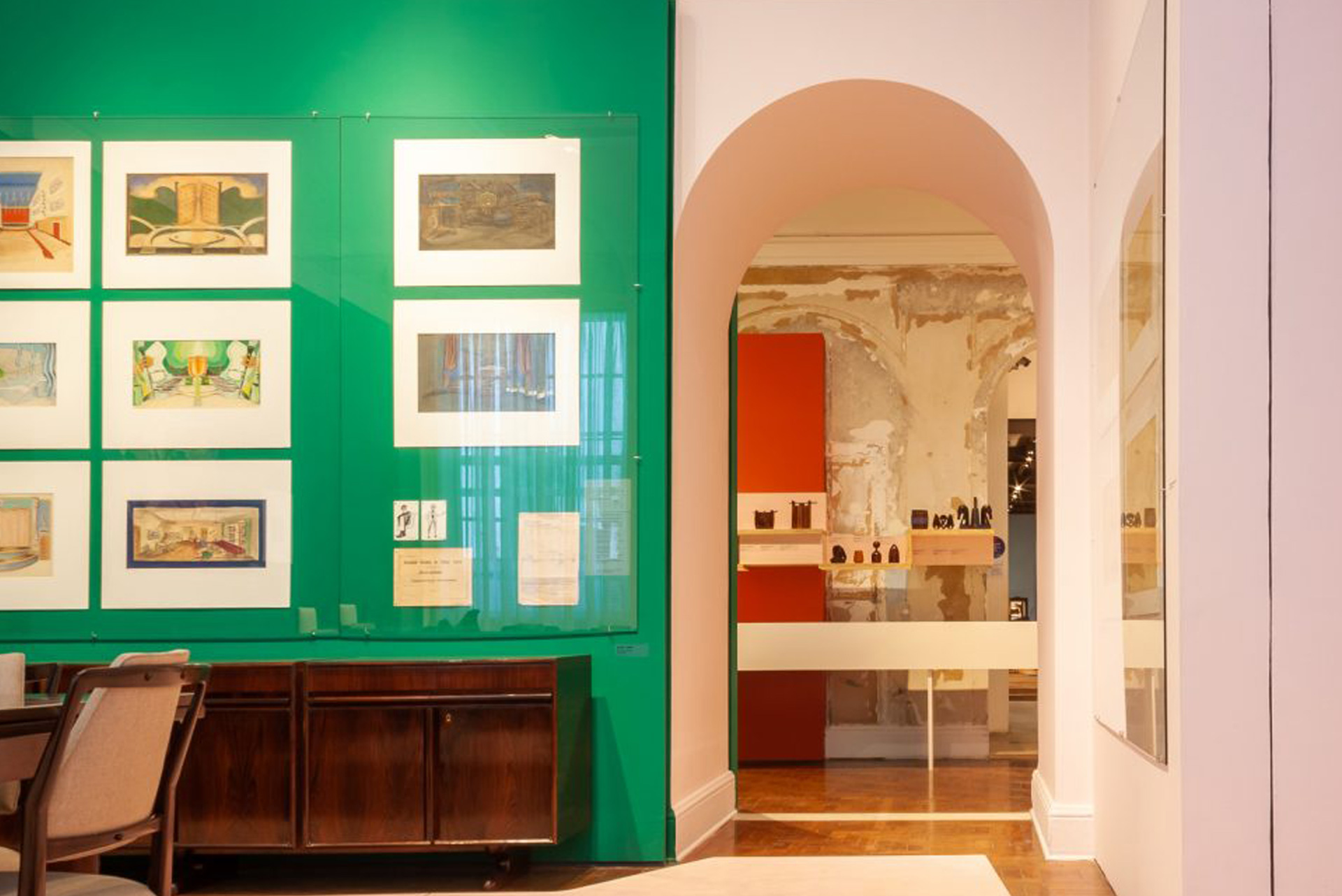
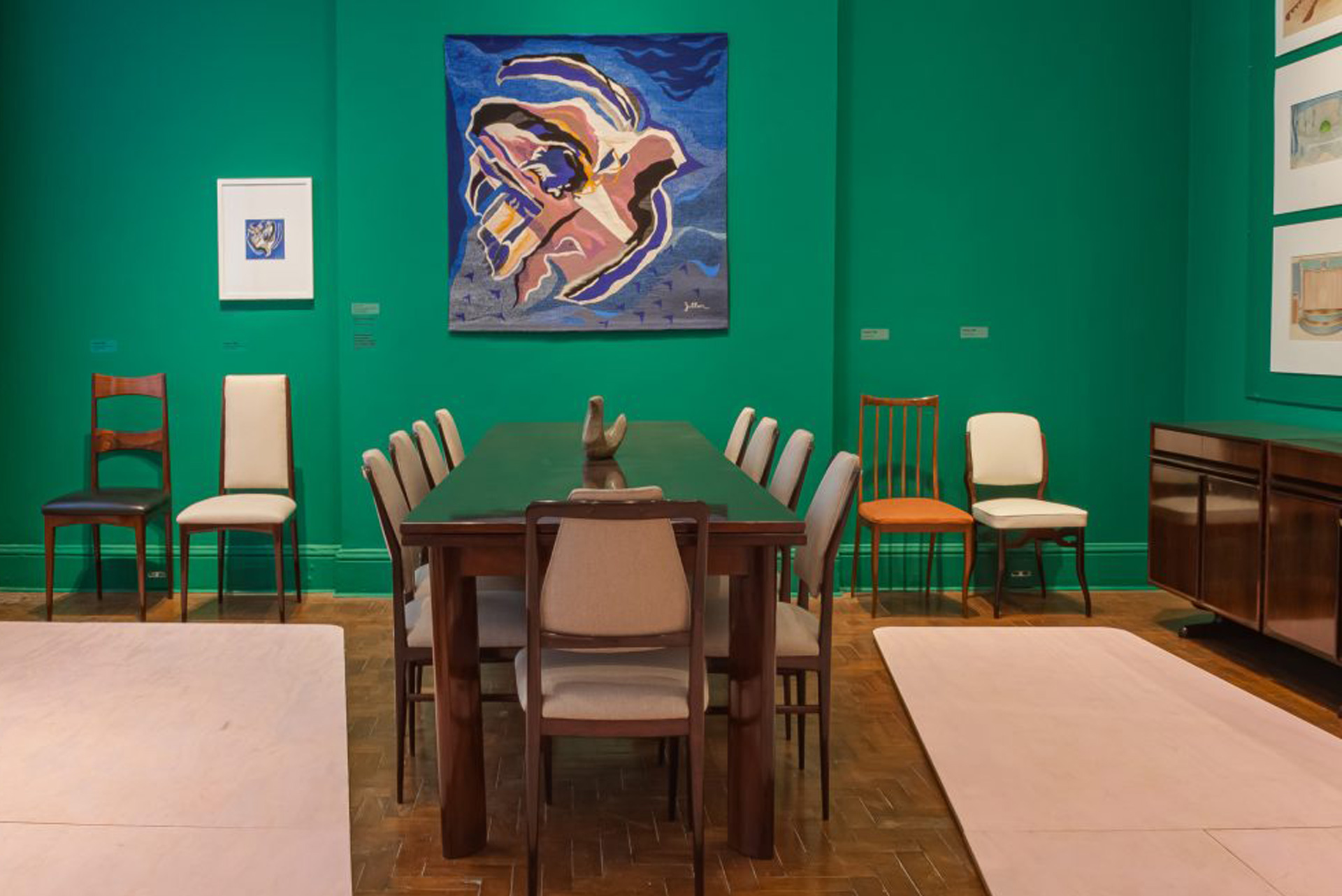
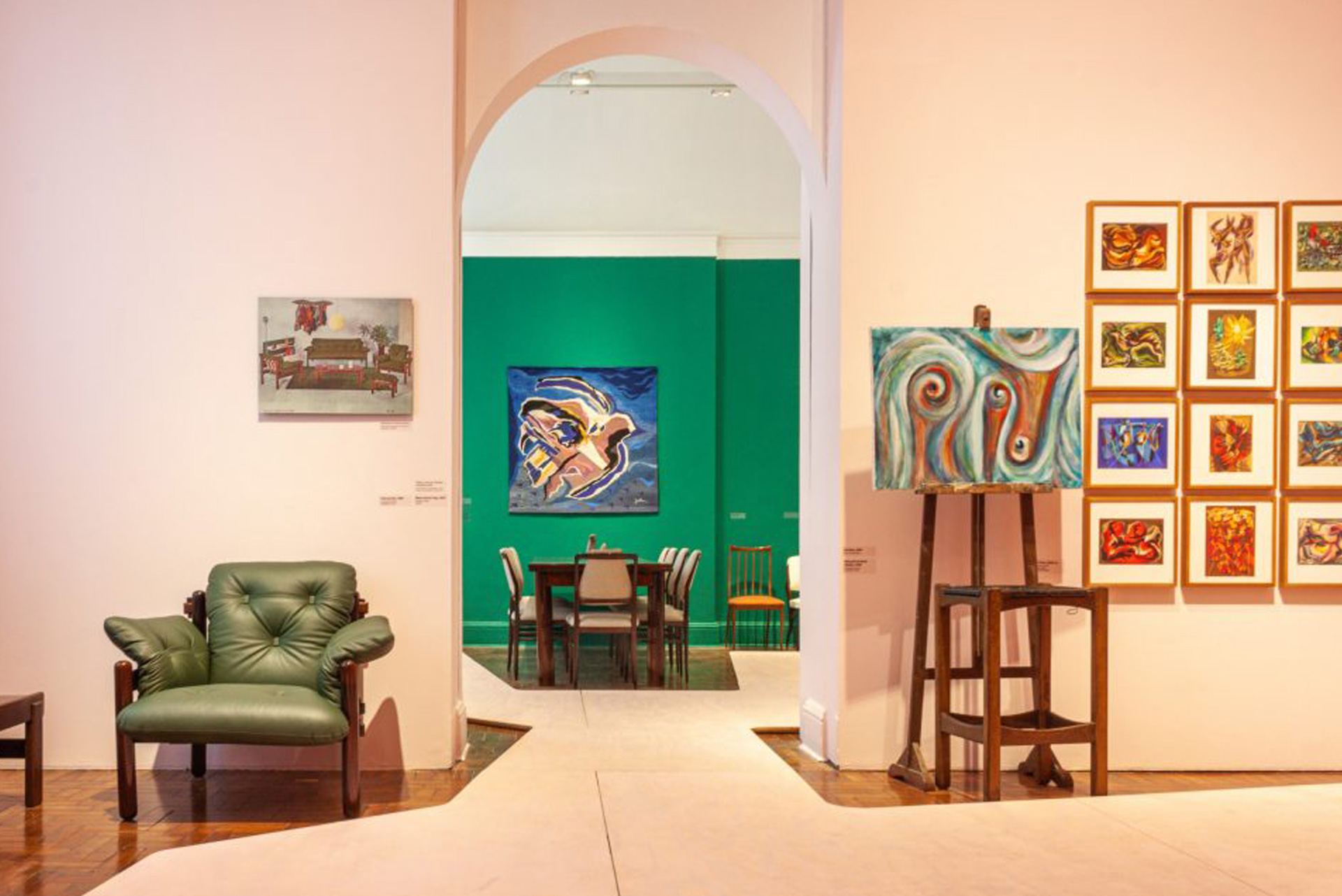
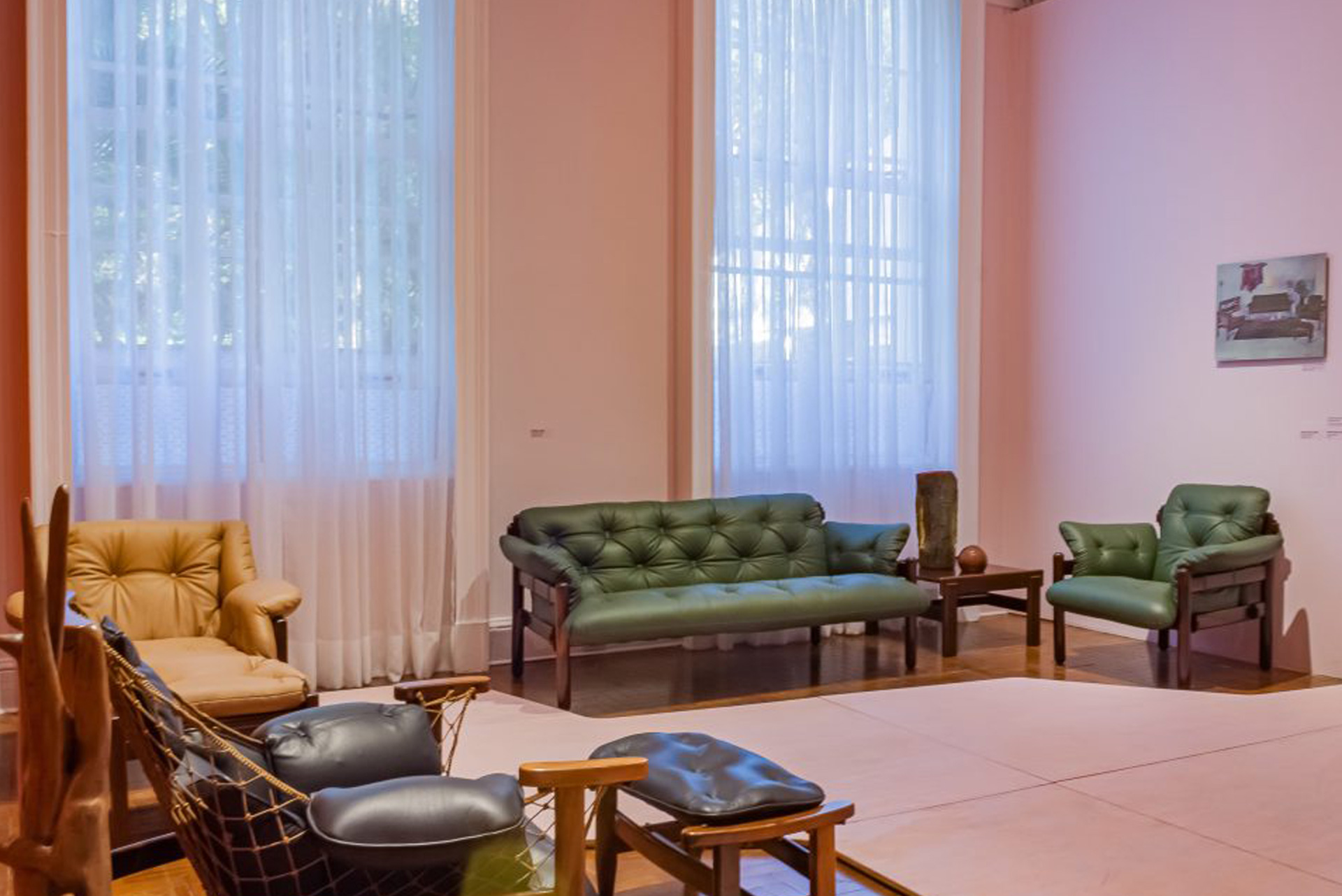
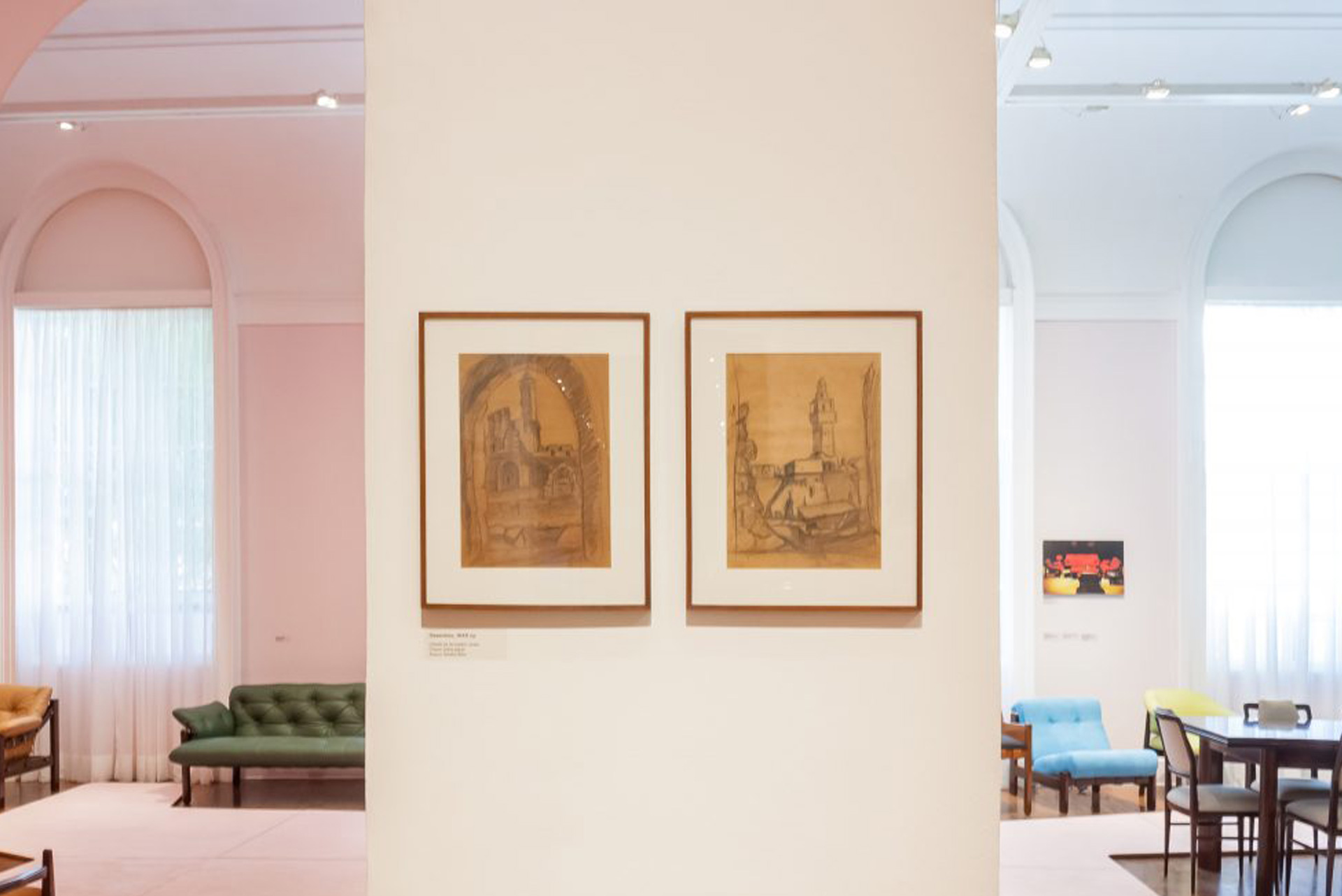
Jean Gillon: Artista-Designer (2021), held at the Museu da Casa Brasileira in São Paulo, presented a comprehensive overview of the Romanian-born Brazilian designer’s multidisciplinary practice. Through furniture, drawings, ceramics, and artworks, the exhibition highlighted Gillon’s unique contribution to Brazilian modern design and his synthesis of artistic and functional forms.
ENQUIRE ABOUT THE DESIGNER
[contact-form-7 id="14341" title="Contact form"]