Side Gallery
Side Gallery
WishlistFollow





Follow
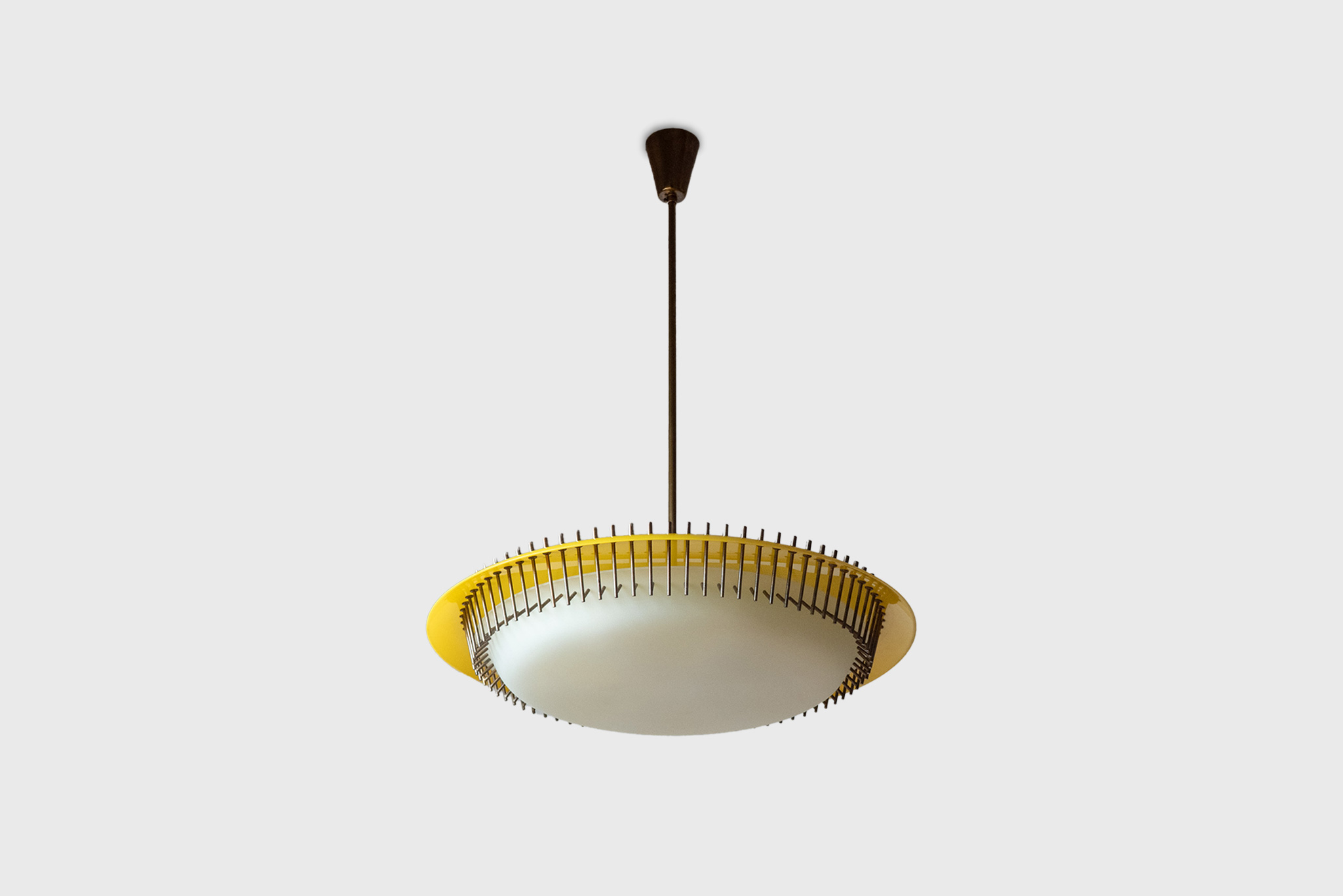
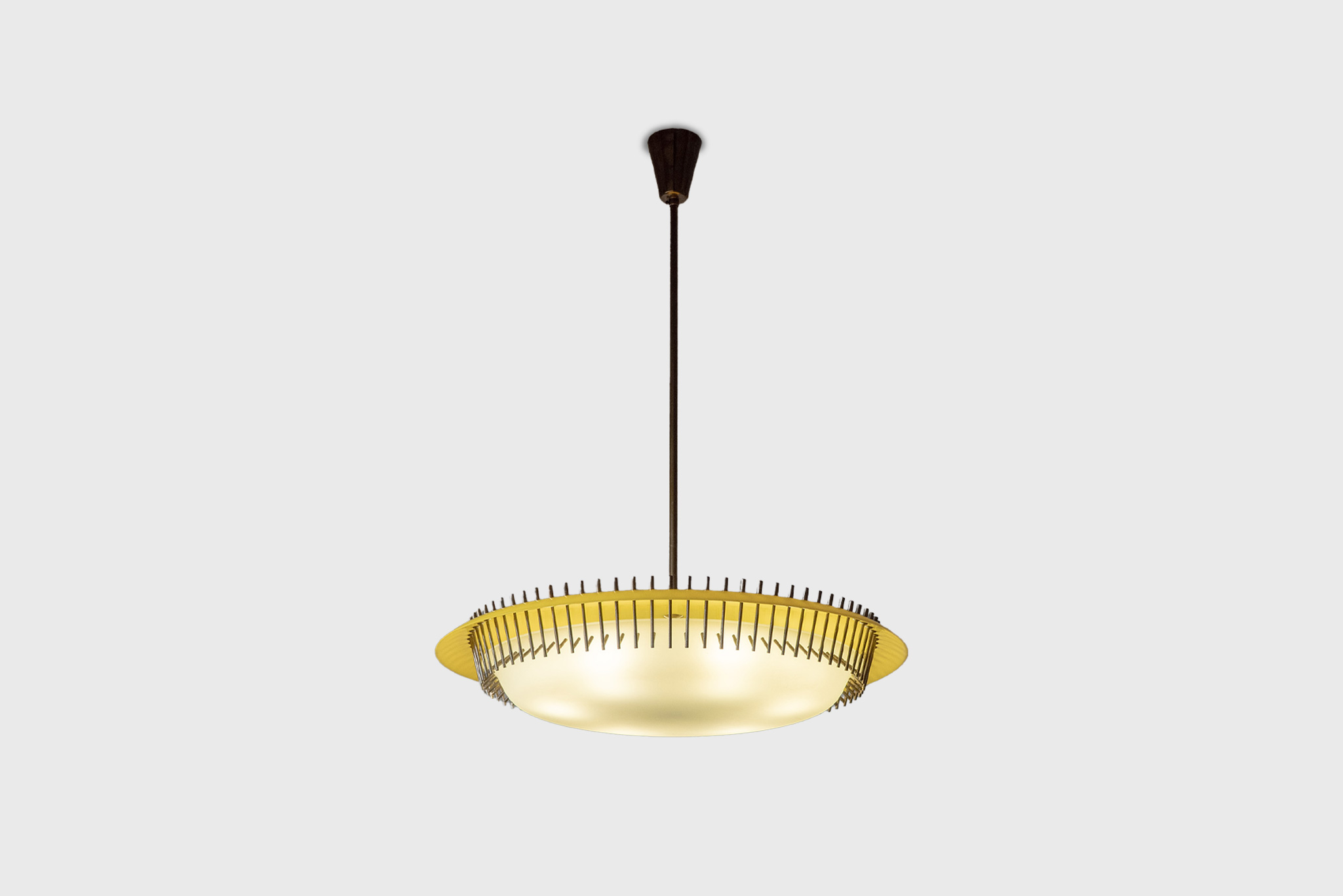
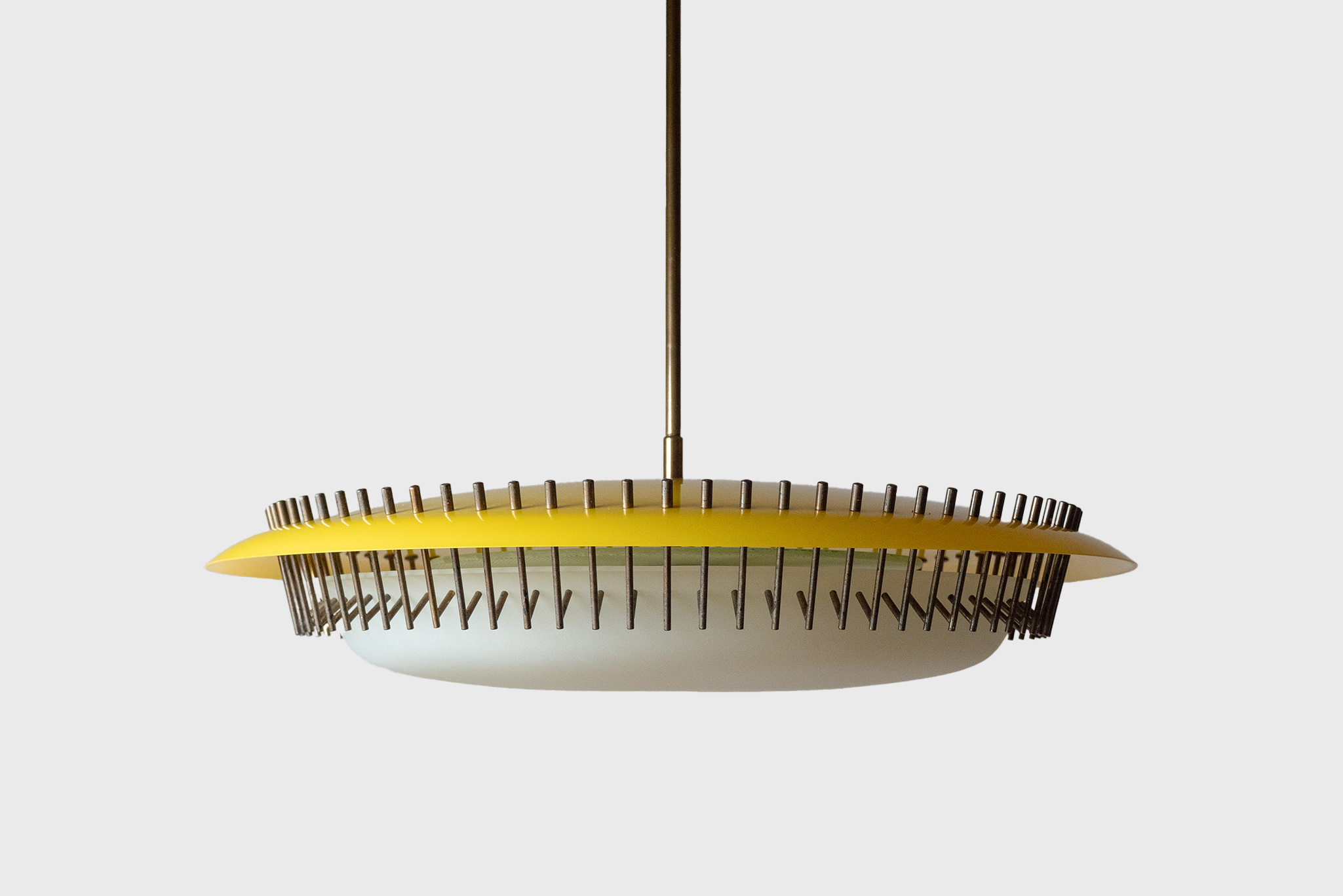
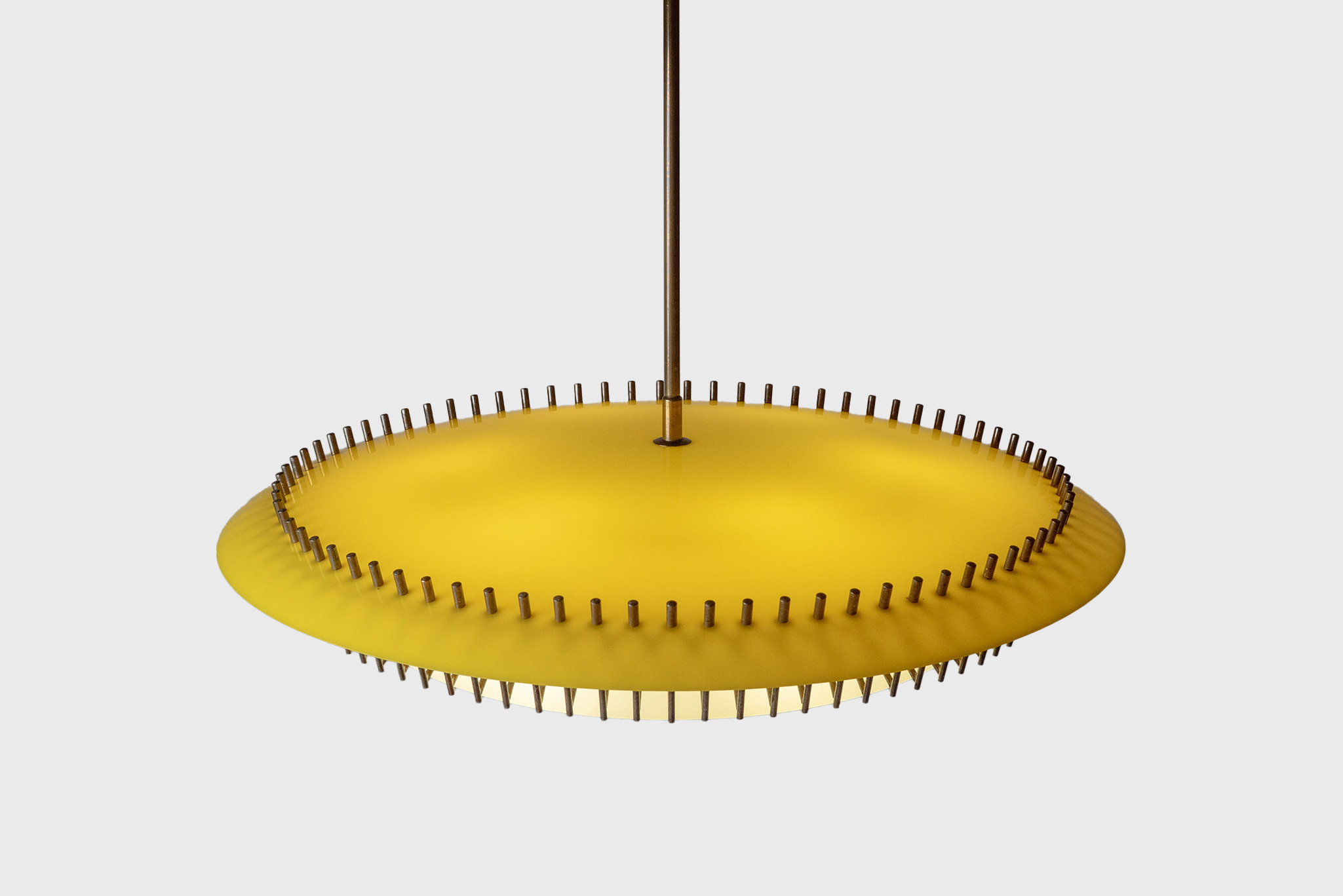
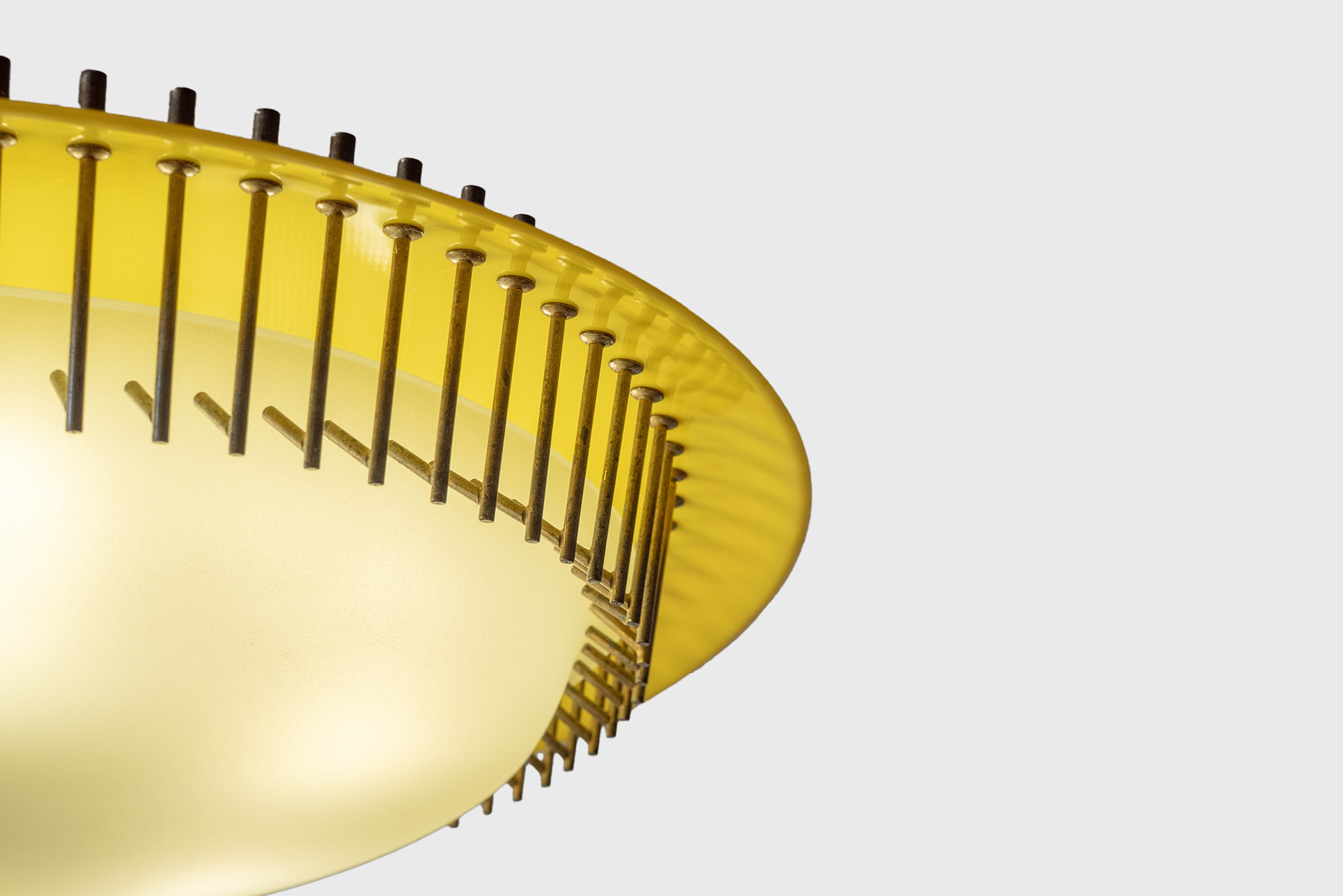




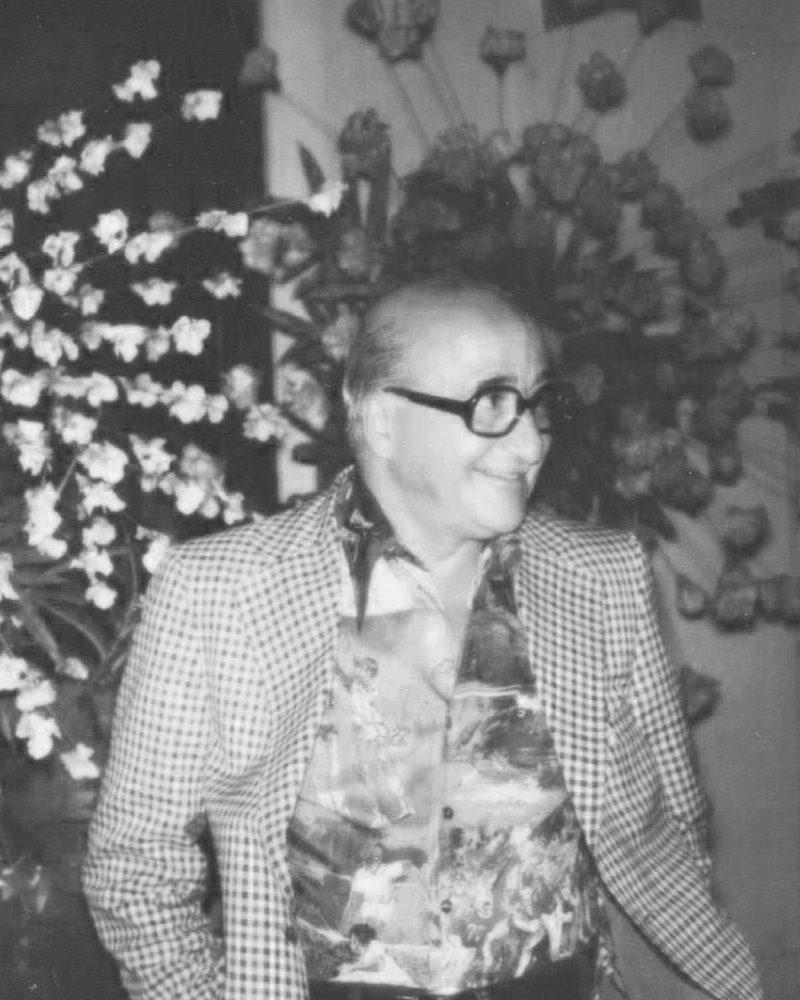
Angelo Lelii (b. 1911, Monza – d. 1979, Monza) was one of the most inventive and refined figures in 20th-century Italian lighting design. As the founder of Arredoluce, the Monza-based company he established in 1943, Lelii developed a distinct visual and technical language that helped redefine the role of light in modern interiors. Unlike many of his contemporaries, Lelii did not rely on external manufacturers—he owned and directed his own production, giving him unique control over both form and fabrication. This independence allowed him to pursue an uncompromising vision grounded in mechanical precision, geometric purity, and a poetic approach to illumination.
His work first gained wide recognition in 1946 when a photograph of a floor lamp appeared in the pages of Domus magazine. The piece, later known as the Triennale, introduced a bold new type of adjustable lighting, with three independently articulated arms extending from a vertical stem. It exemplified the qualities that would define Lelii’s output for the next three decades: modularity, elegance, and the expressive use of materials like brass, opaline glass, lacquered steel, and acrylic. With Arredoluce, Lelii built a platform to experiment freely, and the company quickly became one of Italy’s leading producers of forward-thinking, technically advanced lighting, alongside Stilnovo and Arteluce.
Throughout the 1950s and 60s, Lelii designed a wide array of lighting objects, from sculptural chandeliers and streamlined floor lamps to radically minimal wall sconces. Many of his most celebrated works demonstrate a deep sensitivity to the interplay between light, volume, and structure. The Polifemo projector lamp (1956), for example, pairs a marble base with a slender brass column and a mechanical spotlight head, while his fan-shaped ceiling fixtures feature radiating black rods tipped in brass, encircling a glowing opaline center. His pendant lamps in folded acrylic—some soft yellow, others crystalline white—are noted for their futuristic elegance and architectural clarity.
Lelii’s technical intuition extended to details often overlooked: invisible hinges, hidden wiring channels, and fastening systems that doubled as decorative elements. He also collaborated with important architects and designers, including Gio Ponti, Achille Castiglioni, and Nino Zoncada, creating lighting systems for public buildings, offices, and even luxury ocean liners. Arredoluce’s production under Lelii’s direction was always rigorous, but never sterile—each design balanced rationality with a subtle sensuality that made his work instantly recognizable.
Despite his influence, Lelii remained underrepresented in design histories for decades. The publication of Arredoluce. Catalogo Ragionato 1943–1987 (Silvana Editoriale, 2018) helped correct this, offering a comprehensive overview of his oeuvre and reestablishing him as a central figure in postwar design. Today, his work is increasingly sought after by collectors, institutions, and curators, not only for its beauty and technical quality but for its historical significance in the evolution of modern lighting.
Angelo Lelii’s legacy endures in every elegantly engineered fixture he produced. His designs remain benchmarks of mid-century Italian design—innovative, functional, and timelessly luminous.
ENQUIRE ABOUT THE DESIGNER