Side Gallery
Side Gallery
WishlistFollow





Follow
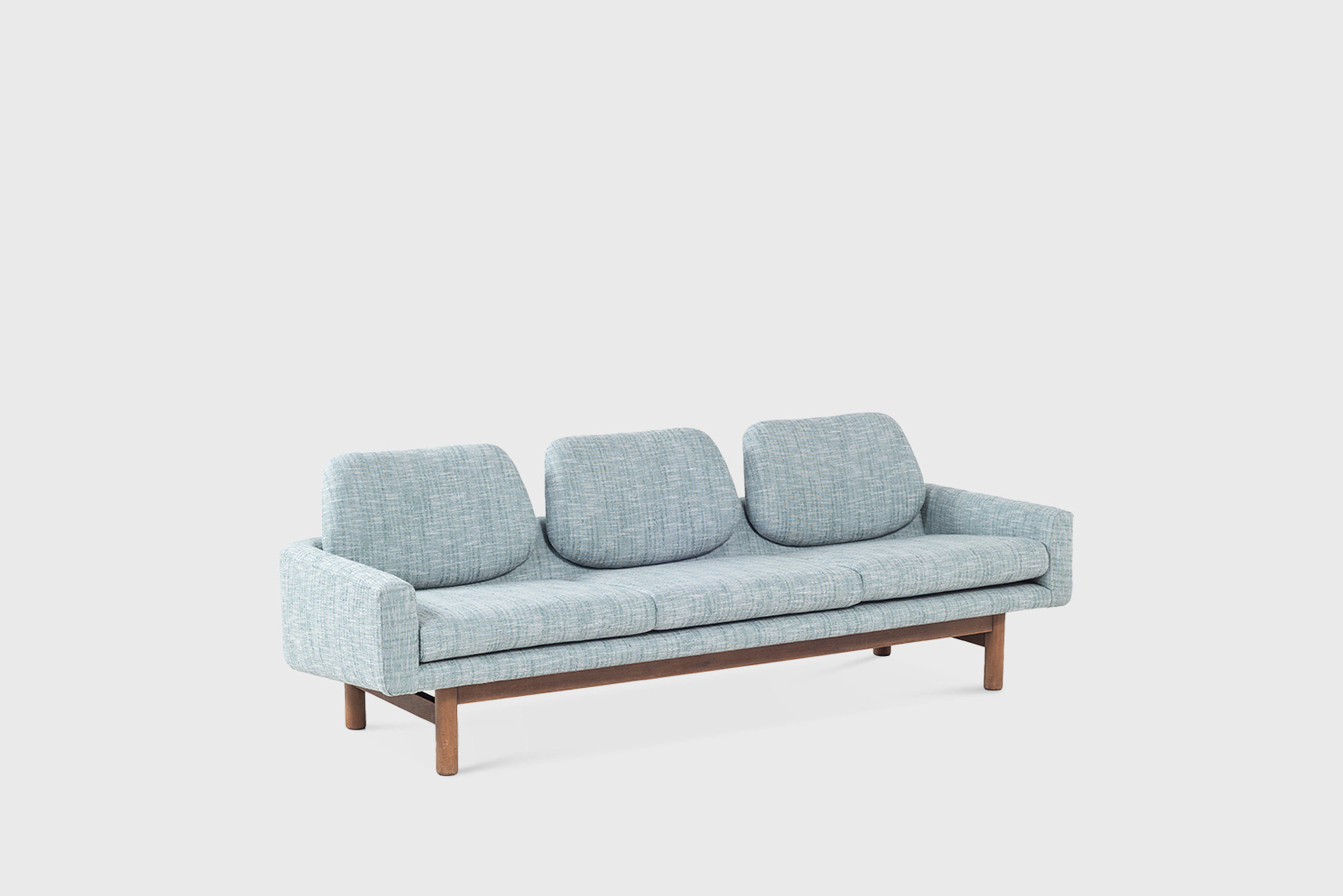
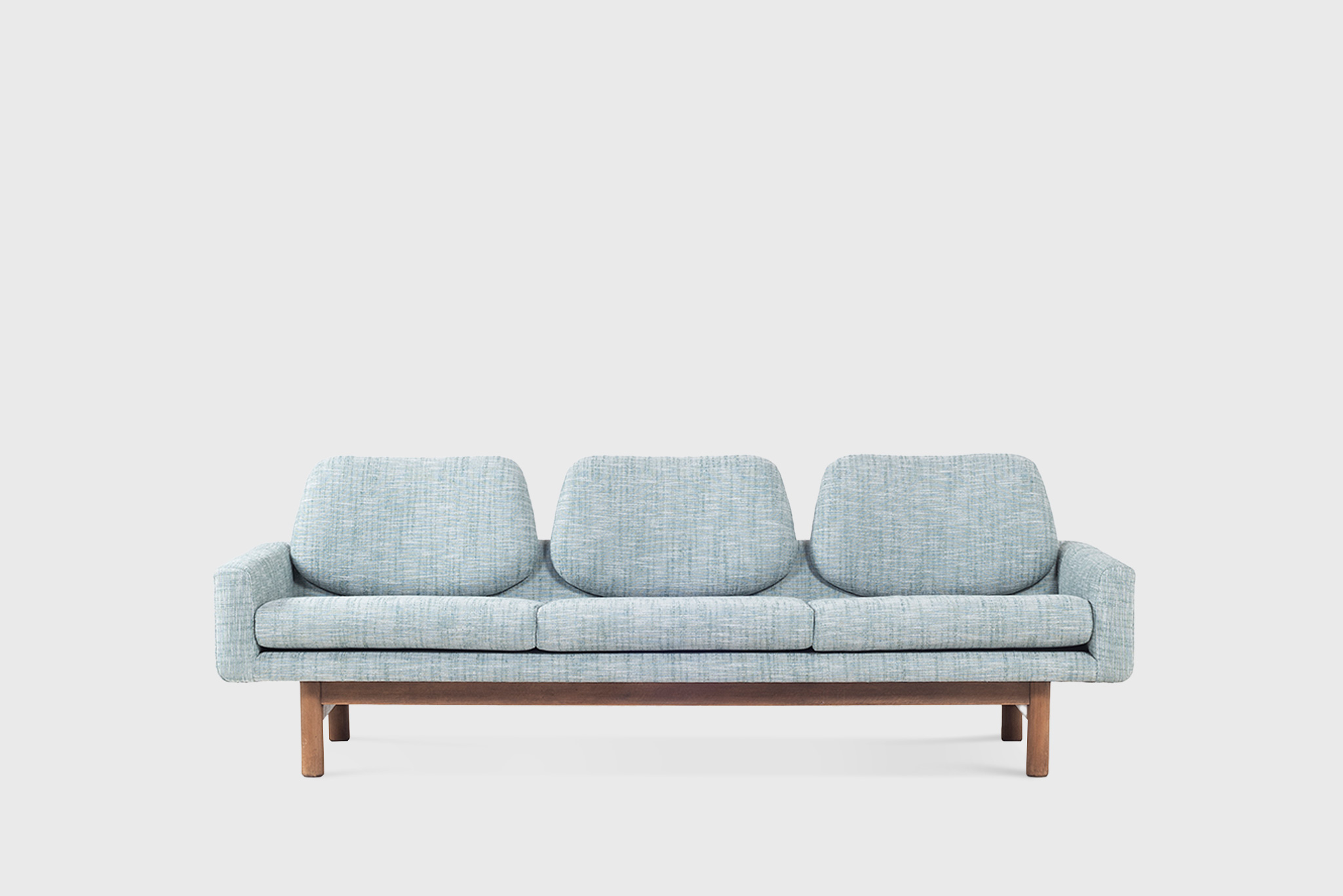
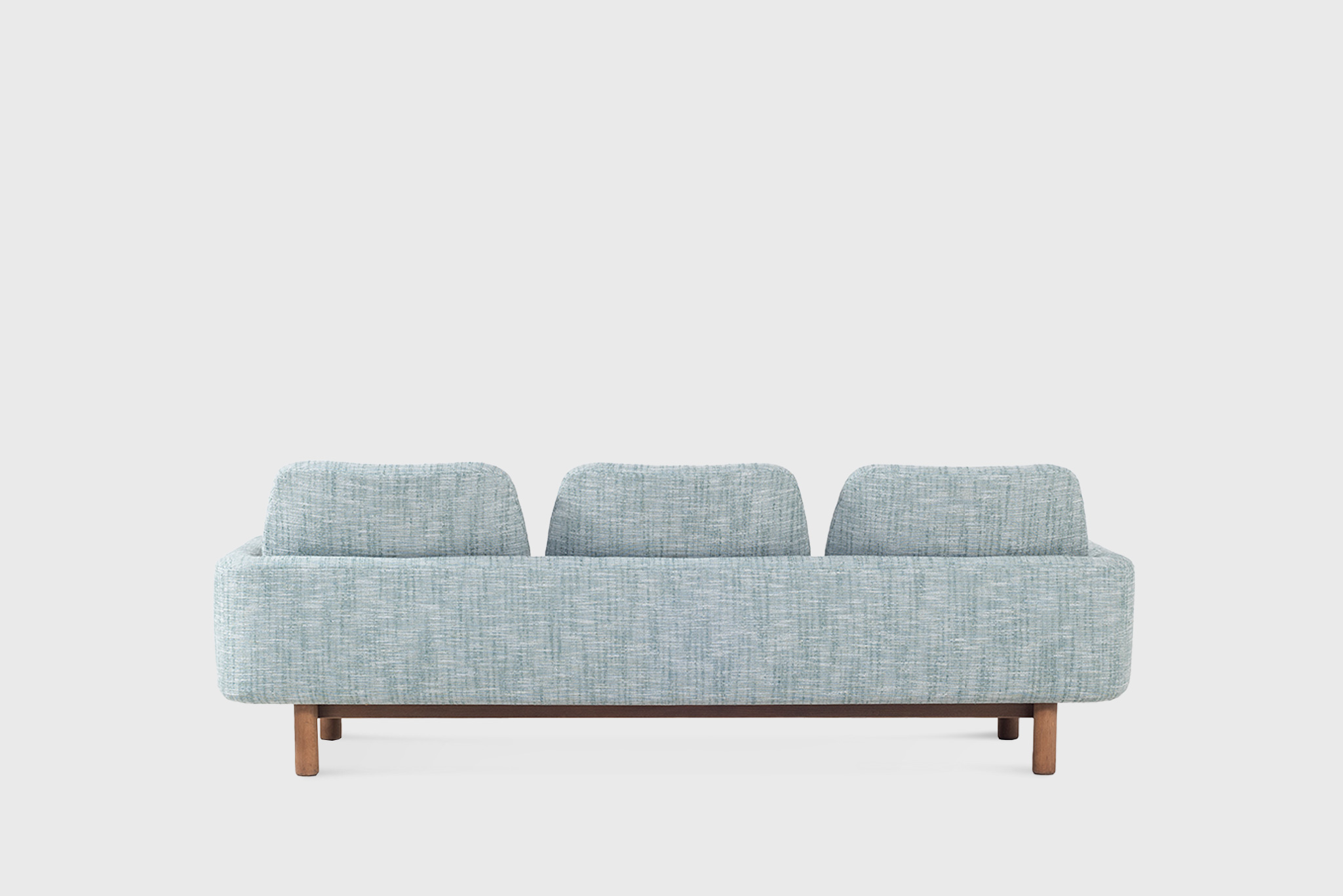
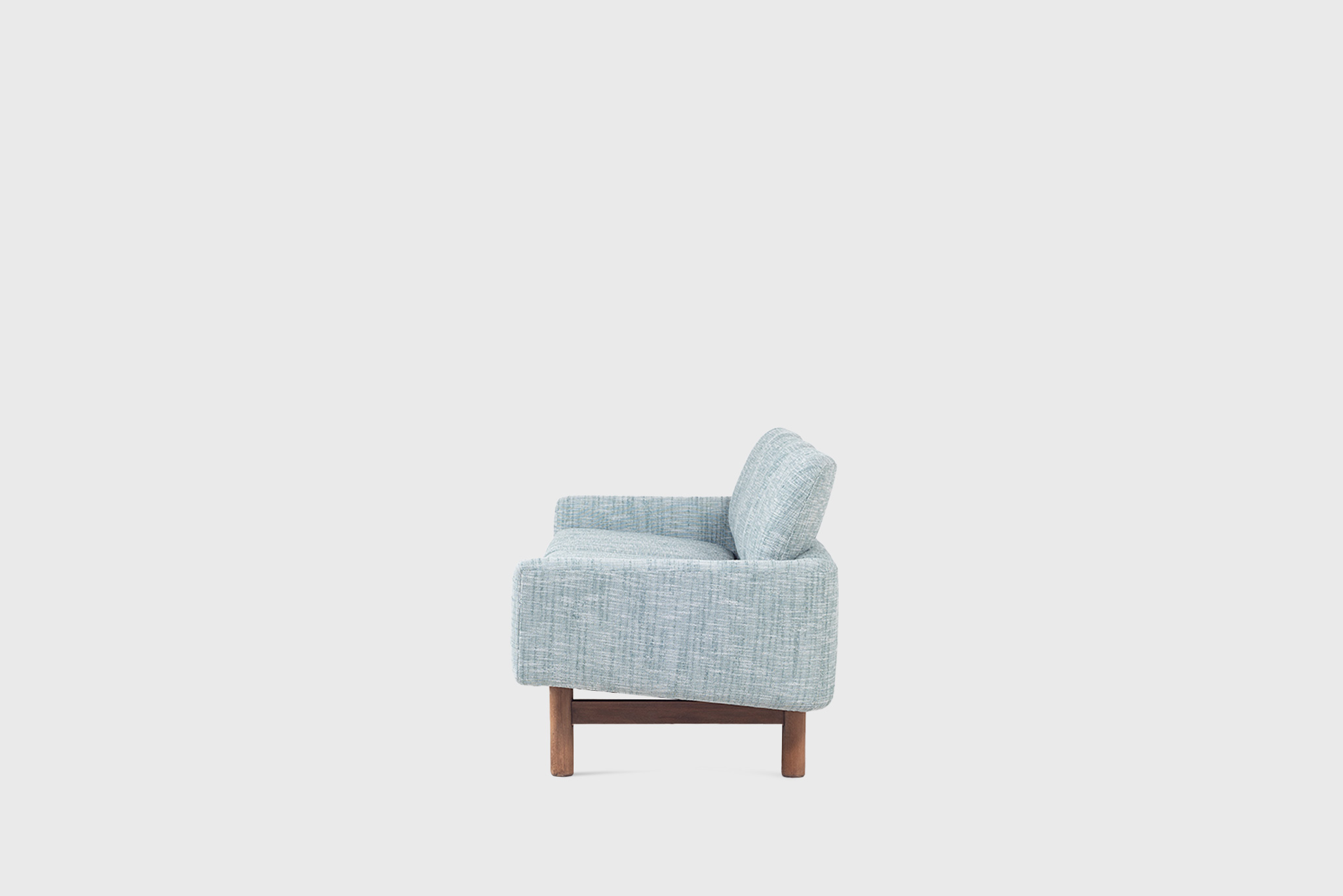
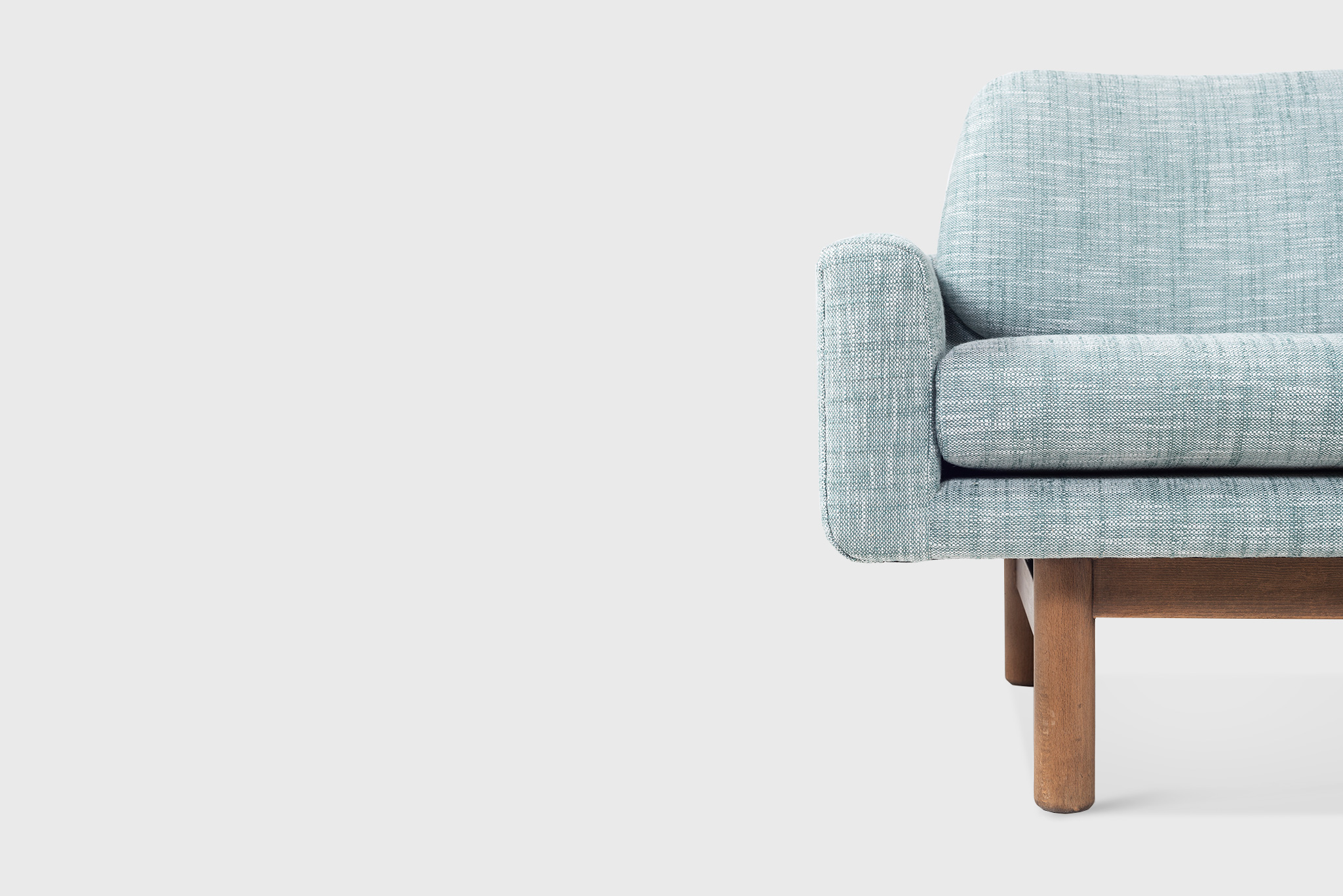
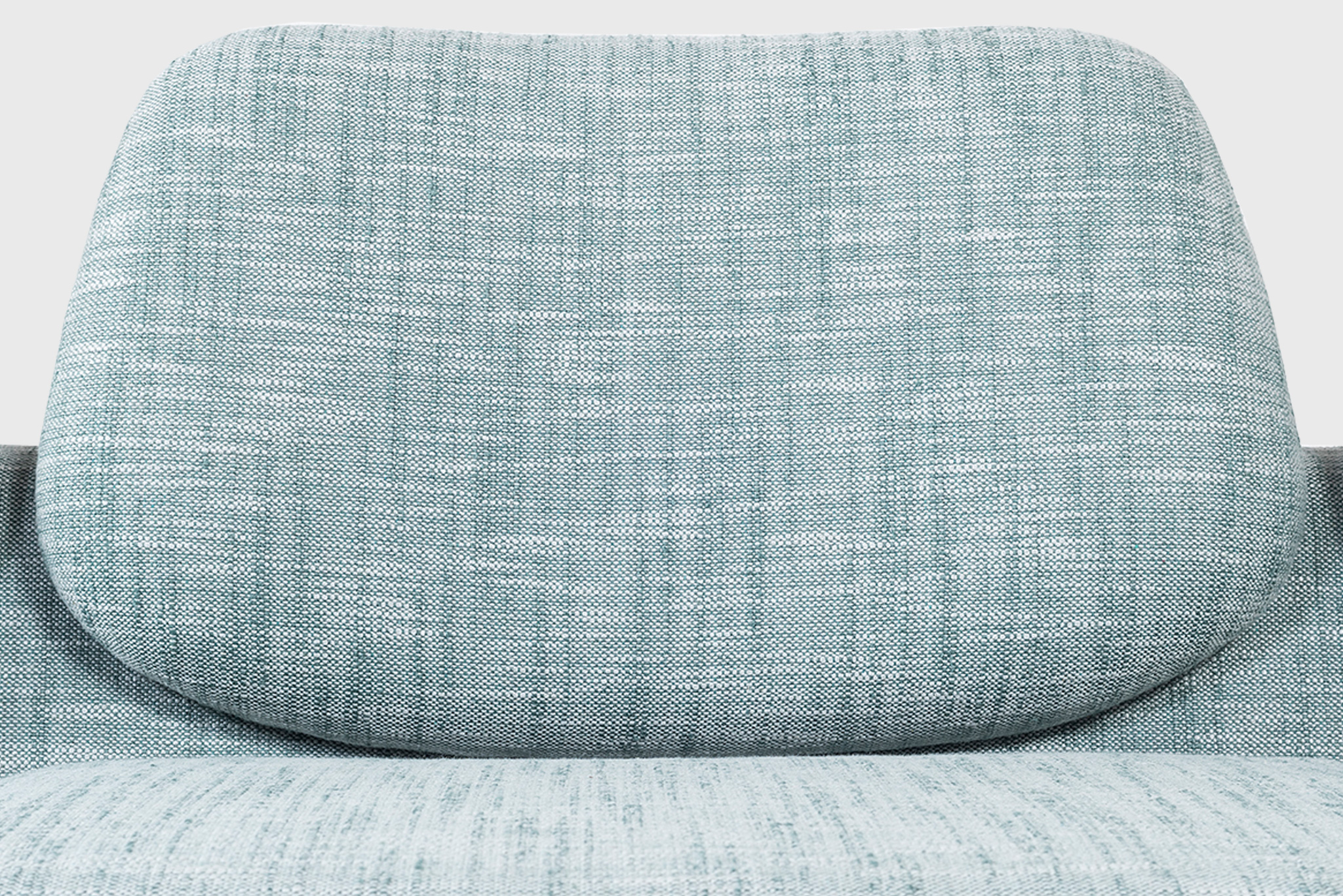

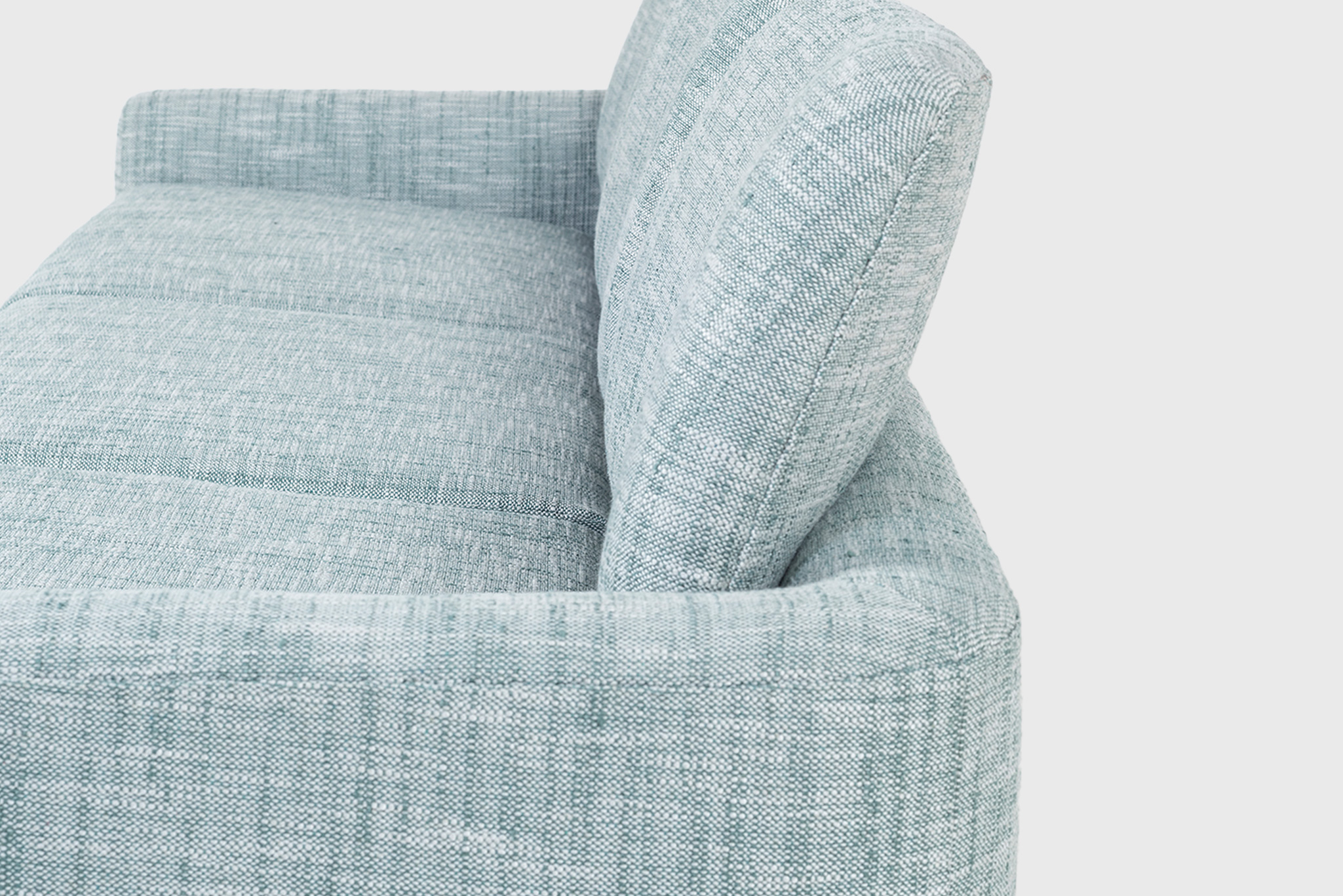




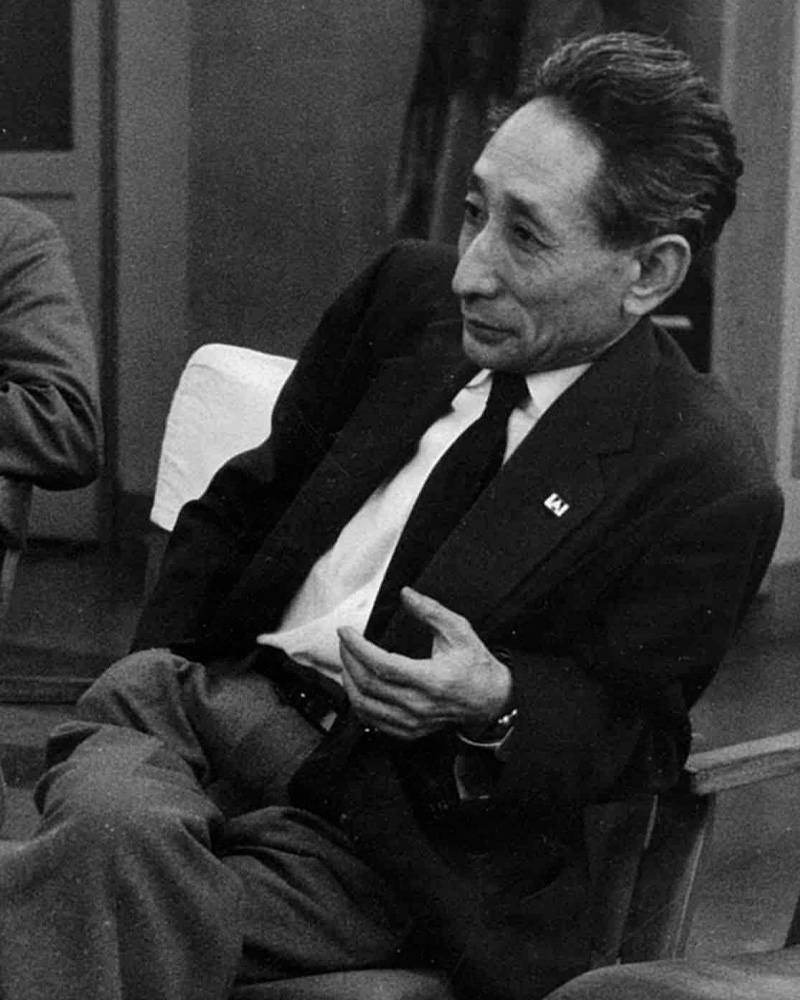
Katsuhei Toyoguchi 豊口克平 was born in Kemanai of Kazuno city. Akita Prefecture. He was the second son of his father Kamegoro, who worked for the Akita Prefectural Office, and his mother Yashi.
Toyoguchi had four brothers and three sisters. After graduating from the Department of Machinery at Akita Prefecture Industrial School, he became an assistant at the Secondary Industrial School in Yokohama. He was one of the most promising future engineers, but he suffered through the Great Kanto Earthquake. Luckily, he was not killed by it, so he returned back to Akita. While working as a substi tute teacher, he took the entrance examinations and was admitted to the Tokyo Advanced Crafts School, Department of Craft Design. At this school, he studied under Kurata Munechika who was strongly drawn to German furniture and architecture. Kurata had just returned from studying at Bauhaus. Toyoguchi became a member of the Keiji kobo which was led by Kurata. Instead of the original idea of metaphysics, they put more emphasis on design and shape.
After working with the Keiji Kobo, he started to work at the Crafts Institute (later called the Industrial Arts Institute) with a rec- ommendation from Kunii Kitaro. He then became an independent designer as well as a professor at Musashino Art University. Department of Industrial Design. Although he was in charge of a series of different projects, his delicate voice and gentle looks always remained the same. The life and death experiences he has had, such as the Great Kanto Earthquake and his battle with lung cancer, may have brought more maturity to his personality.
After leaving the Industrial Arts Institute in 1959. Toyoguchi founded the Toyoguchi Design Laboratory.
When he first started out, he borrowed space in the KAK office of the industrial designer, Akioka Yoshio, to work on displays. Any other work was handled in the living room of his teacher and colleague from the Keiji kobo, Kurata Munechika.
The Toyoguchi Design Laboratory was divided into two different departments: Industrial Design and display. Each team would come up with specific ideas and sketches. He always said "Will you draw this for me?" This always meant that his final decision was to go ahead with that design.
He must have developed this way of managing projects from his extensive experience as a team member of the governmental system of the Crafts Institute. It is a clever system which makes teamwork go smoothly. By adding the gentle personality of Toyoguchi to the system, it is not so difficult to understand why they have produced so many well-designed products.
In fact, Toyoguchi was my superior when I first joined Musashino Art University as a part time lecturer in 1964. In his laboratory, he spoke casually and we enjoyed a variety of conversations. One time he told me that he had hated himself for being soaked in the bureau- cratic atmosphere for such a long time that he finally decided to leave the Industrial Arts Institute. Yet he was unsure how he would be received as a freelance designer and whether or not he would receive enough work. He left the Industrial Arts Institute at the age of 54; maybe he was worried that he would not have enough time in his life to become successful.
However, such worries were unnecessary. Many clients whom he worked with while he was at Industrial Arts Institute, such as the Suzuki Motor Corporation, Olympus, and Hokushin Denki continued to work with him. His honest personality also helped him find new clients of different public services. Since 1960, he had been very busy exhibiting Japanese Industrial Design for trade shows in Moscow. Mexico, Seattle, and even a trade show hosted in cruise ship. Although Musashino Art University is a private university, it allows professors to operate private business while teaching students. Toyoguchi worked as a designer who was in touch with the real world. while devoting his efforts to education.
Kurata Munechika, who had just returned from Bauhaus, was the leader of the Keiji kobo which had started with just nine members. including Kurata and Toyoguchi. Although a few members changed, their acitivity went on for almost 10 years. The basic aim of the Keiji kobo was to apply design to the daily lives of Japanese in order to improve their quality of living. Thus, they researched and developed "standard furniture planning".
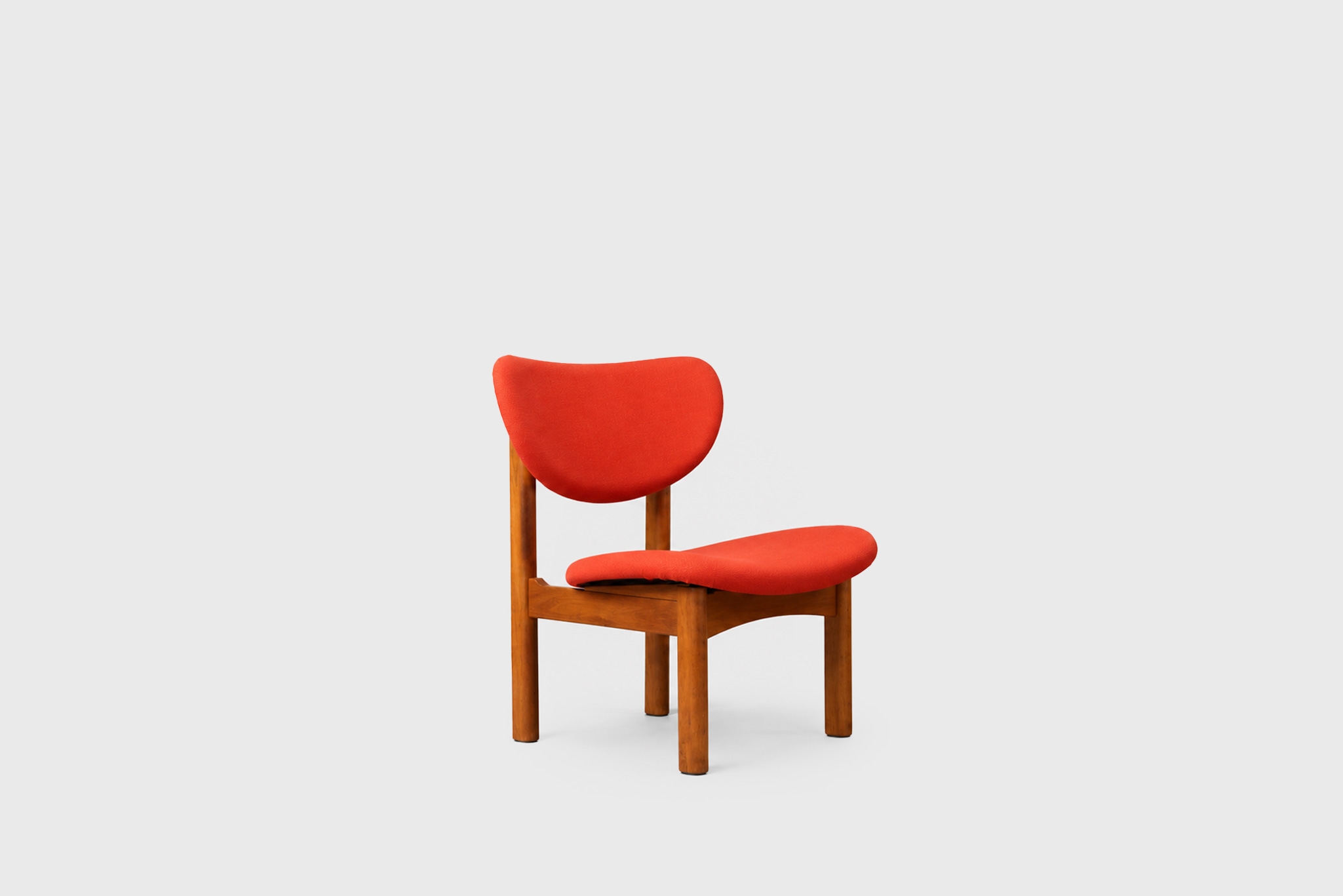
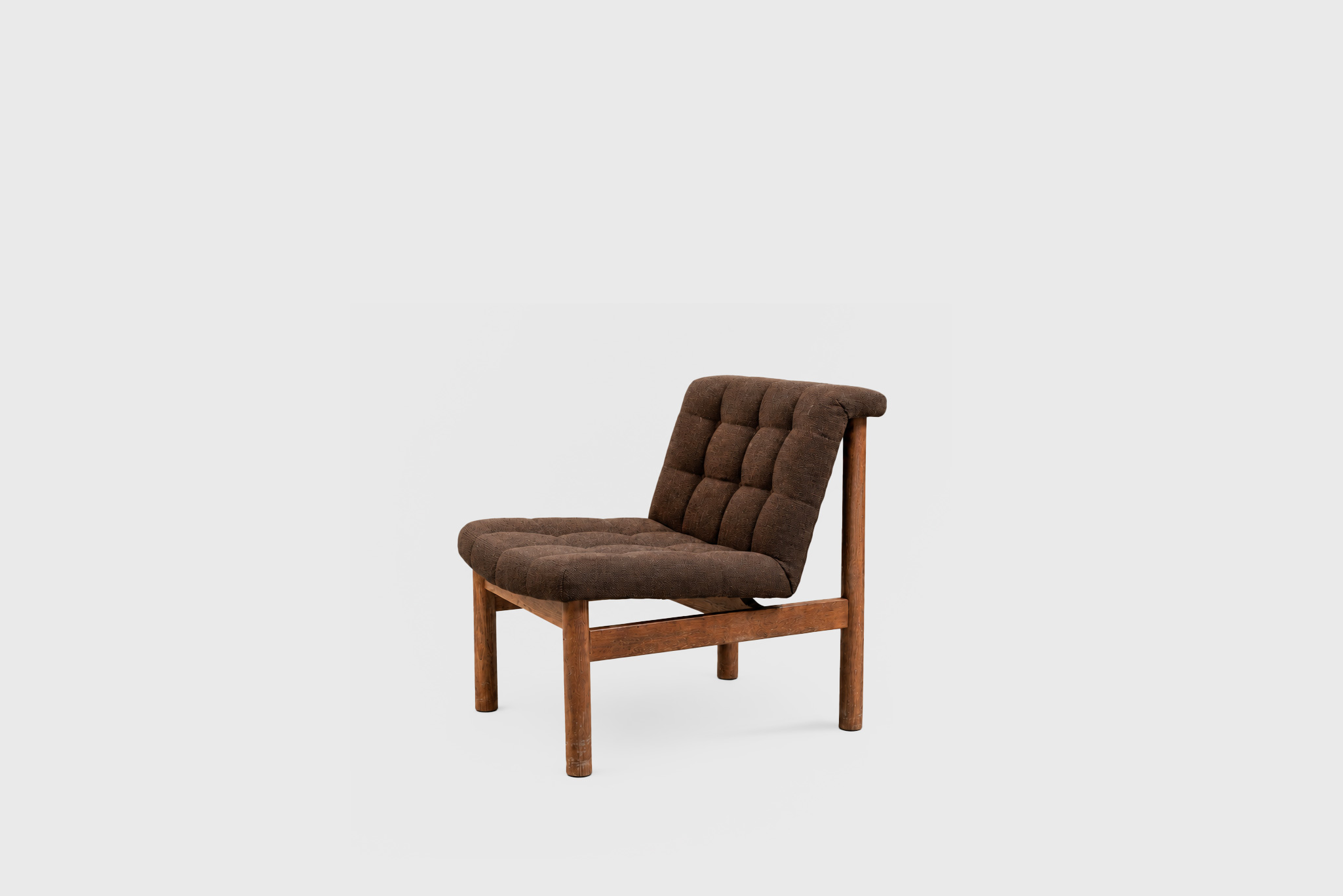
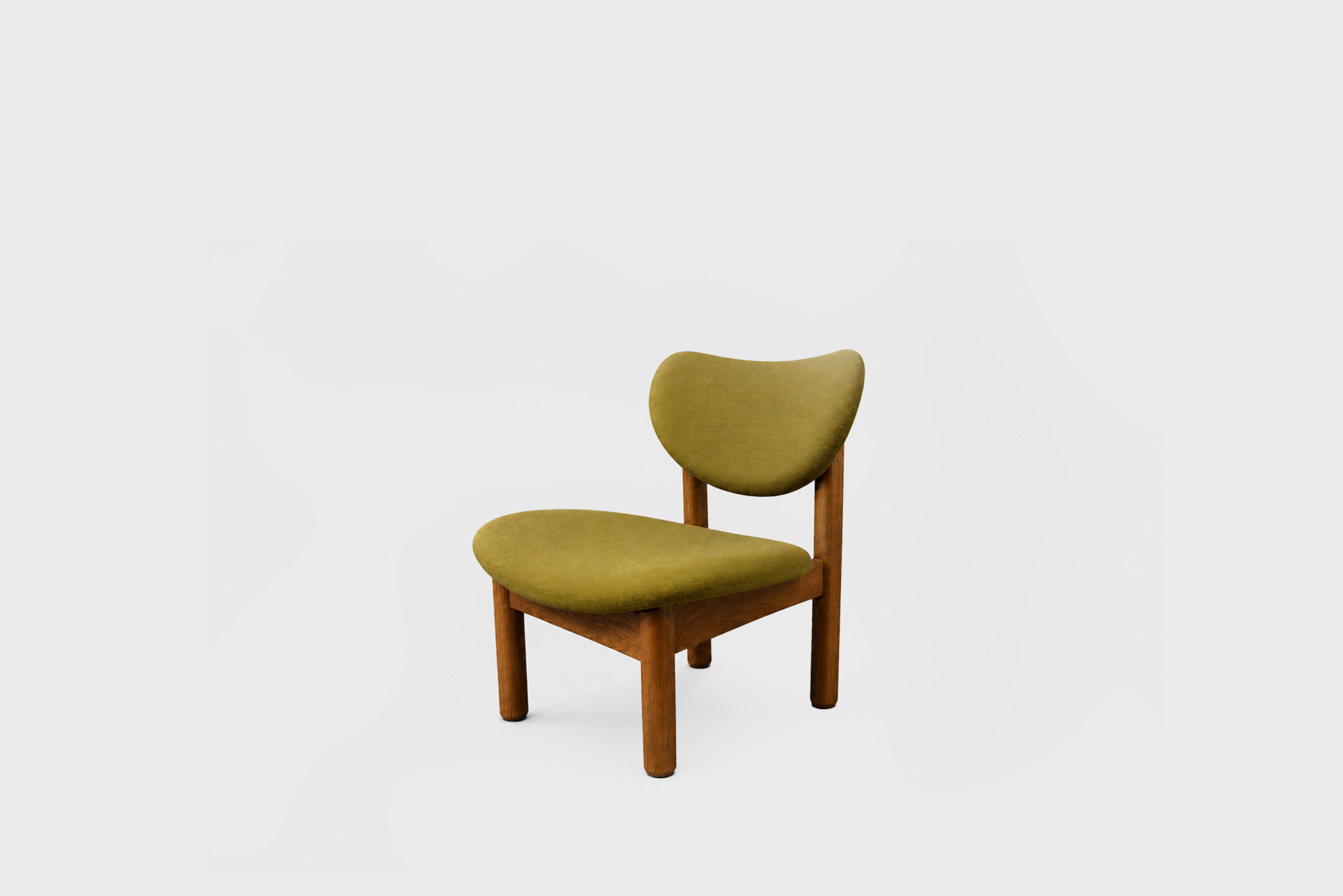
Toyoguchi joined the Crafts Institute by a recommendation from Kunii Kitaro. He worked there from 1933 to 1940, while continuing to work at the Keiji Kobo. In 1940, Bruno Taut was invited to work with Director Kunii. Applying the knowledge of Bauhaus with the added concept of the Norm by Taut, he proposed an experiment with a pro- totype chair. However, Taut commented that "any scientific experi- mental data is useless", so he gave up on his idea. After Taut left, he got together with Kenmochi Isamu and Fujii Sanai to visit the Naruko Hot Spring. They contributed to ergonomic studies by sitting on piles of snow to measure the curve and angle of the human buttock. Toyoguchi also used two pieces of metal sheet connected by a free moving steel rod to measure the average seating position. Needless to say, this sort of determination has resulted in chairs that are comfort- able and loved by their users for many years.
When we talk about Toyoguchi, we cannot leave out his wife, Fumiko. Before starting their newly married life, they decided togeth- er that each of them would bring their own desk and books and con- tinue to study throughout their lives. In 1981, they celebrated their golden anniversary by publishing a booklet called " Being a Couple for 50 years". It was a compilation of their writing, Toyoguchi's sketches, and Fumiko's poems. Fumiko described Toyoguchi as the first per- son at work to treat women as equal to men. This illustrates that Toyoguchi had a different attitutude towards women at a time when women were assumed to have only an assisting role to men. The female designers in his office were treated as equals. This kind of trust between designers was the creative driving force of great designs.
ENQUIRE ABOUT THE DESIGNER