Side Gallery
Side Gallery
WishlistFollow





Follow
THE JAPANESE HOUSE: ARCHITECTURE & LIFE AFTER 1945
MAXXI – NATIONAL MUSEUM OF 21ST CENTURY ARTS, ROME (ITALY)
11 NOVEMBER 2016 – 26 FEBRUARY 2017
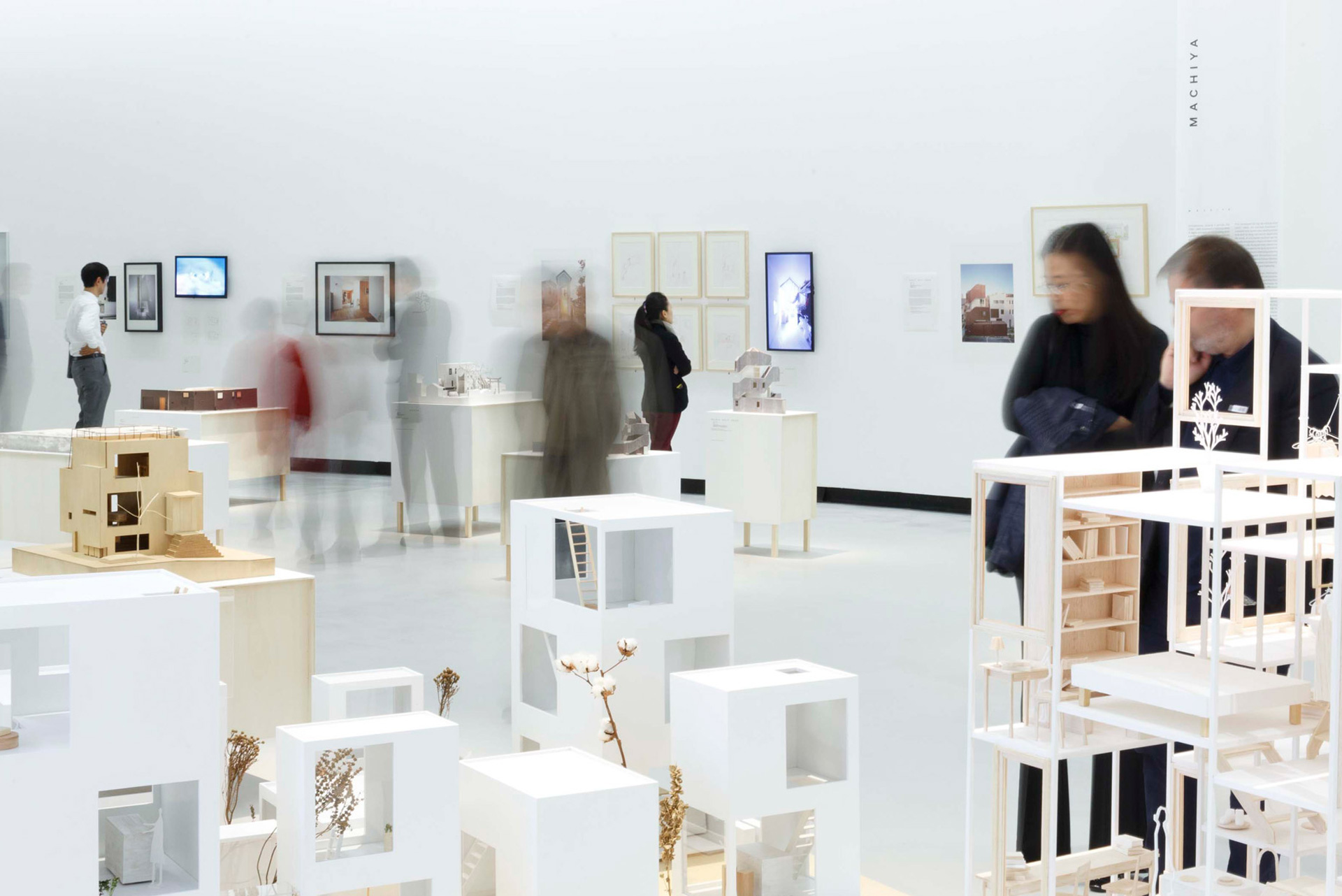
The exhibition The Japanese House: Architecture & Life After 1945, presented at the MAXXI – National Museum of 21st Century Arts in Rome in 2016–2017, offered an extensive survey of the evolution of Japanese domestic architecture in the decades following the Second World War. Bringing together more than eighty projects by three generations of architects, the exhibition explored how the design of the single-family house became a crucial laboratory for architectural experimentation in Japan.
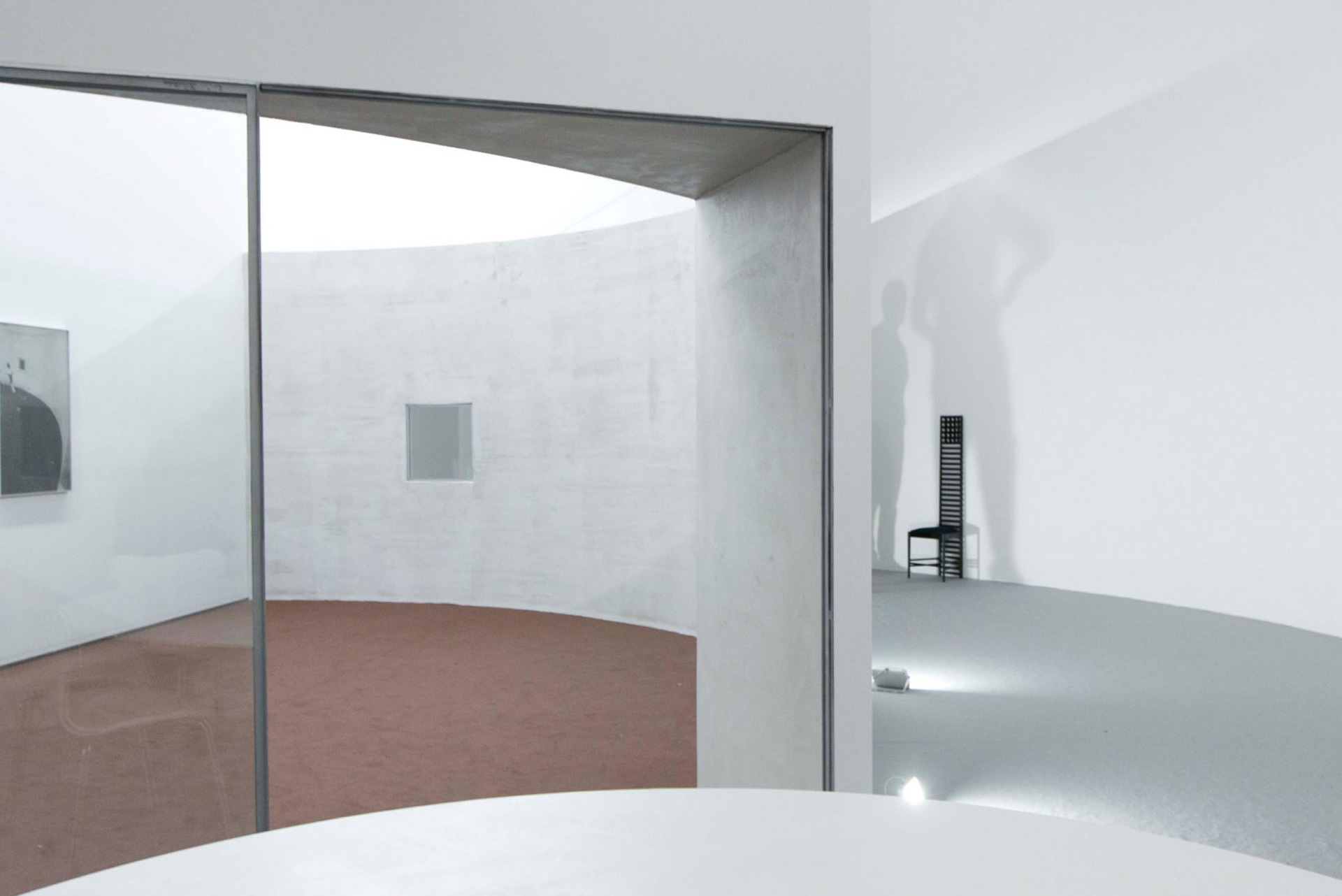
Through drawings, large-scale models, photographs, films, and full-scale architectural fragments, the exhibition revealed how Japanese architects used the domestic environment as a testing ground for new spatial ideas. From the immediate postwar years to contemporary practice, the house became a site where tradition, technology, and everyday life could be reinterpreted in response to rapid social and urban transformation.
Projects by influential figures such as Kenzo Tange, Kazuo Shinohara, Toyo Ito, Shigeru Ban, and Atelier Bow-Wow demonstrated the remarkable diversity of approaches that emerged within Japanese architecture. While each architect developed a distinctive design language, the works presented in the exhibition collectively illustrated a continuous dialogue between historical tradition and avant-garde experimentation. Through these projects, the exhibition revealed how the Japanese house evolved into one of the most innovative and influential architectural typologies of the twentieth and twenty-first centuries.
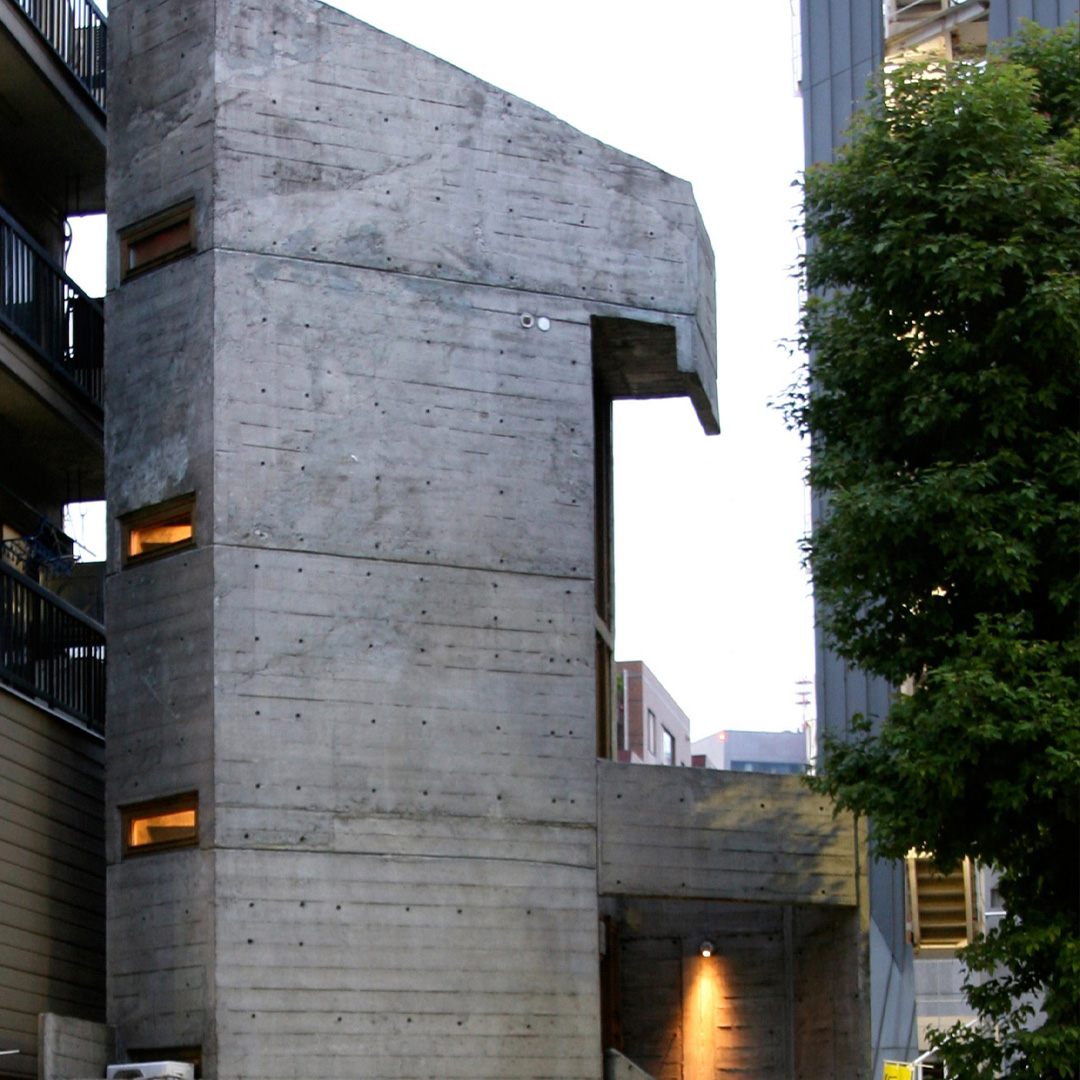
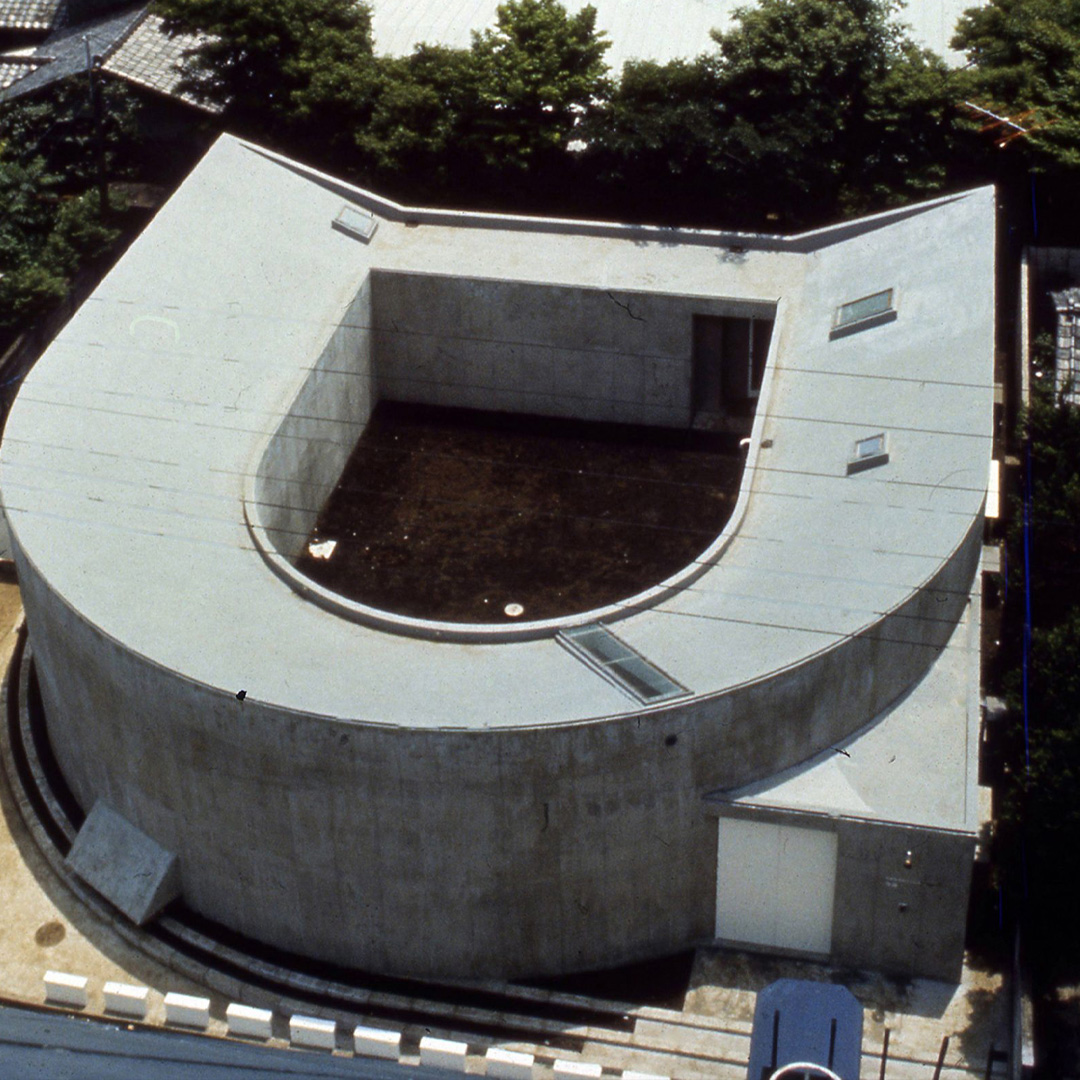
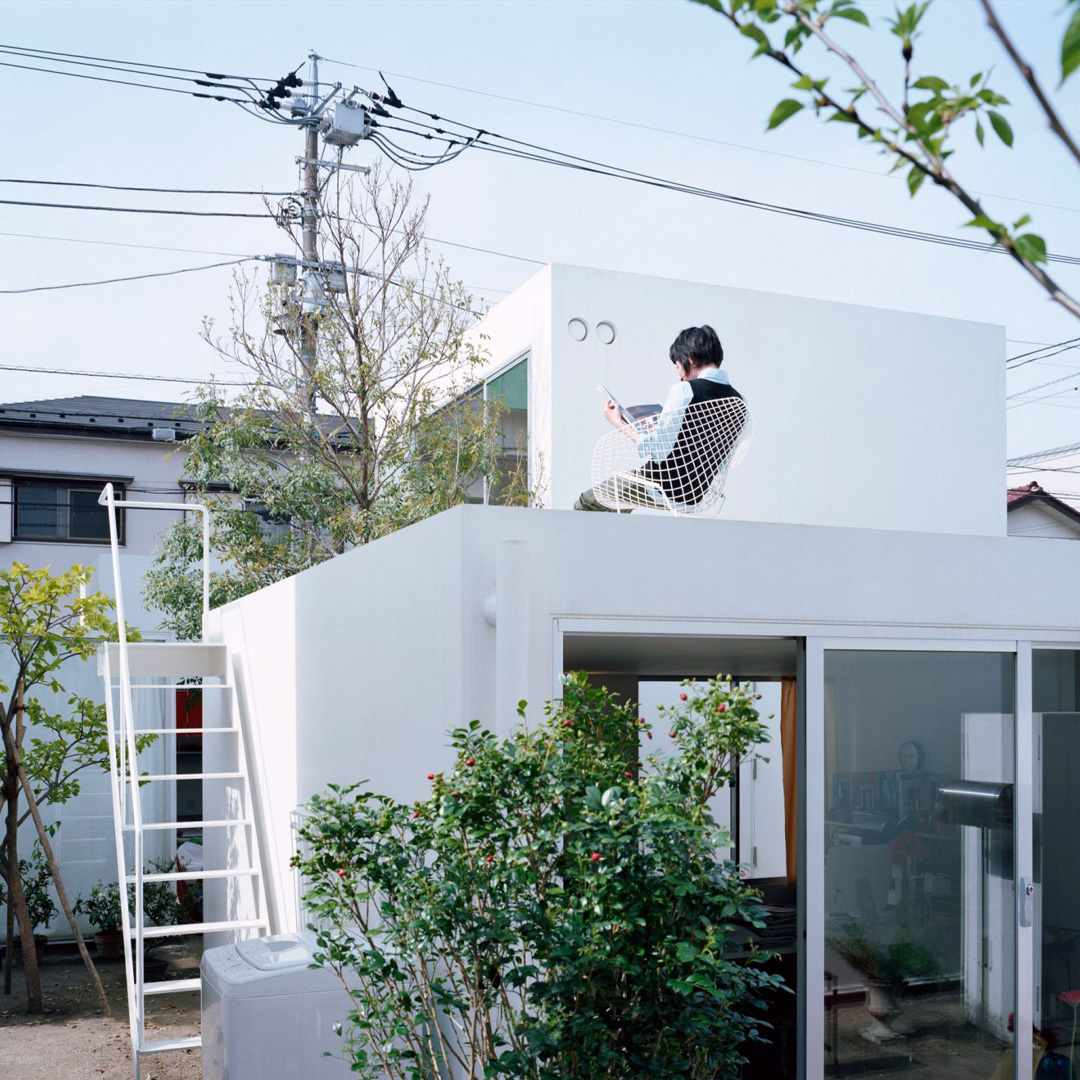
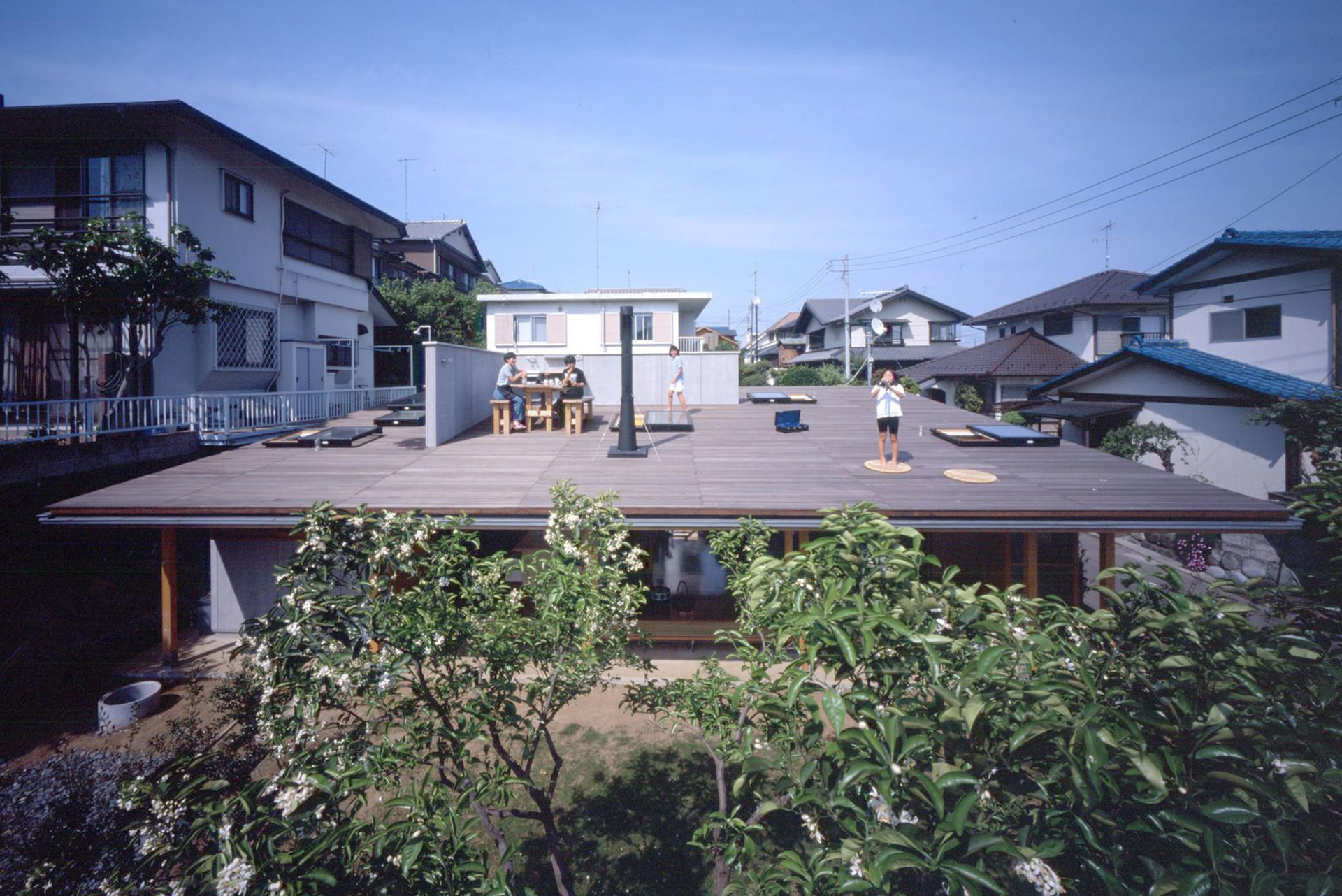
A central aspect of the exhibition was its exploration of the house as a cultural and architectural microcosm reflecting broader changes within Japanese society. The selected projects illustrated how architects responded to the challenges of rapid urbanization, limited space, and shifting family structures by rethinking the relationship between interior and exterior environments. In many cases, the boundaries between domestic life, urban space, and the surrounding landscape were intentionally blurred, producing innovative spatial arrangements that challenged conventional notions of dwelling.
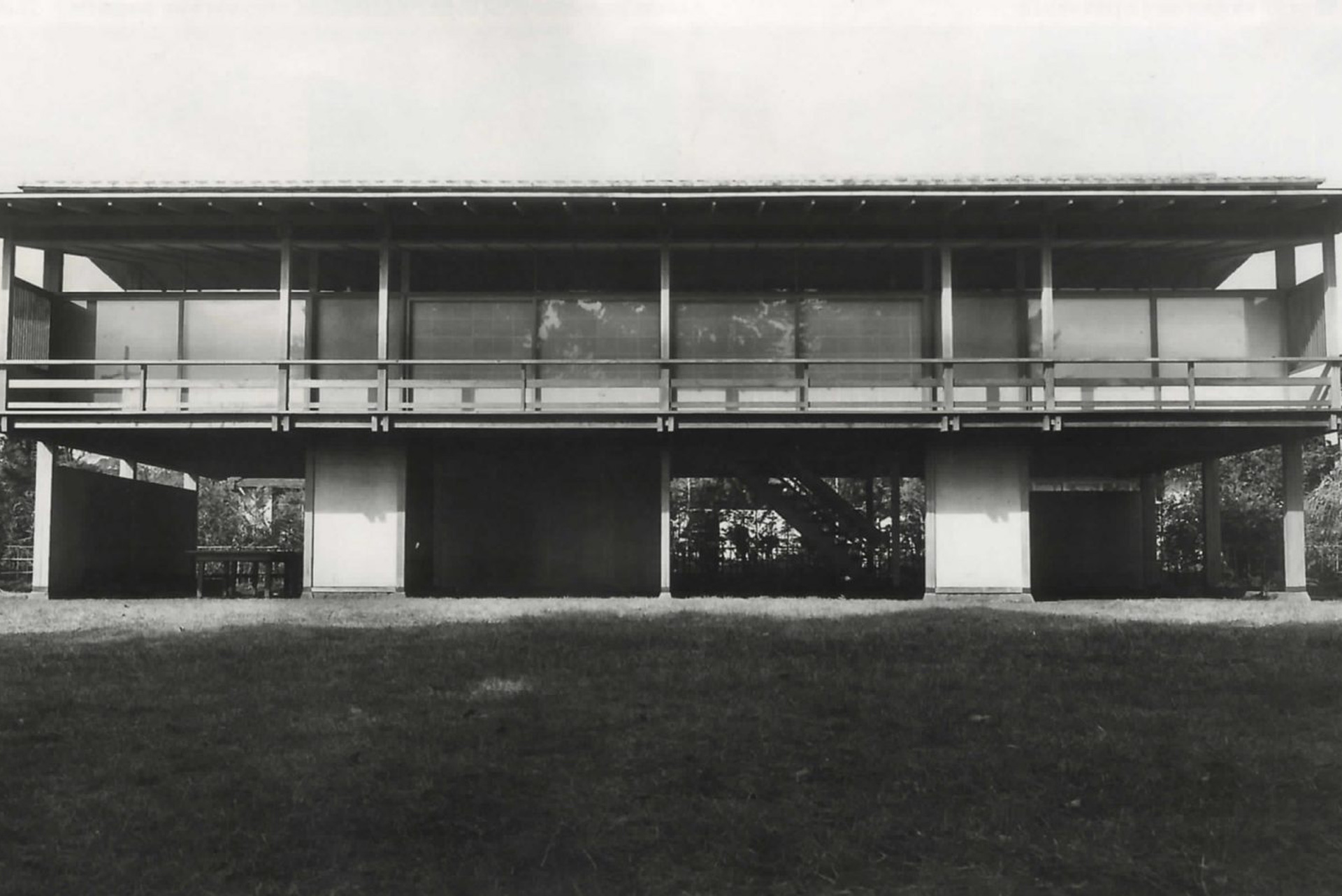
Among the projects presented was Kenzo Tange’s own house in Setagaya, Tokyo (1953), an early example of his synthesis of traditional Japanese spatial concepts with the expressive language of modernism. The exhibition also highlighted experimental residential projects such as Takamitsu Azuma’s Tower House (1966), Toyo Ito’s White U (1976), and later works by contemporary architects including Tezuka Architects, Atelier Bow-Wow, and Ryue Nishizawa. Together these projects revealed how the Japanese house has served as a continuous field of architectural innovation, where ideas about materiality, spatial organization, and the relationship between private life and the city could be tested at an intimate scale.
By tracing more than seventy years of architectural experimentation, The Japanese House: Architecture & Life After 1945 demonstrated how domestic architecture in Japan has remained a central platform for redefining the relationship between tradition and modernity, individual life and collective urban experience.