Side Gallery
Side Gallery
WishlistFollow





Follow
SEIJO HOUSE – REBUILDING KENZO TANGE’S RESIDENCE
SHINSHOJI ZEN MUSEUM AND GARDENS, FUKUYAMA (JAPAN)
05 OCTOBER – 30 NOVEMBER 2025
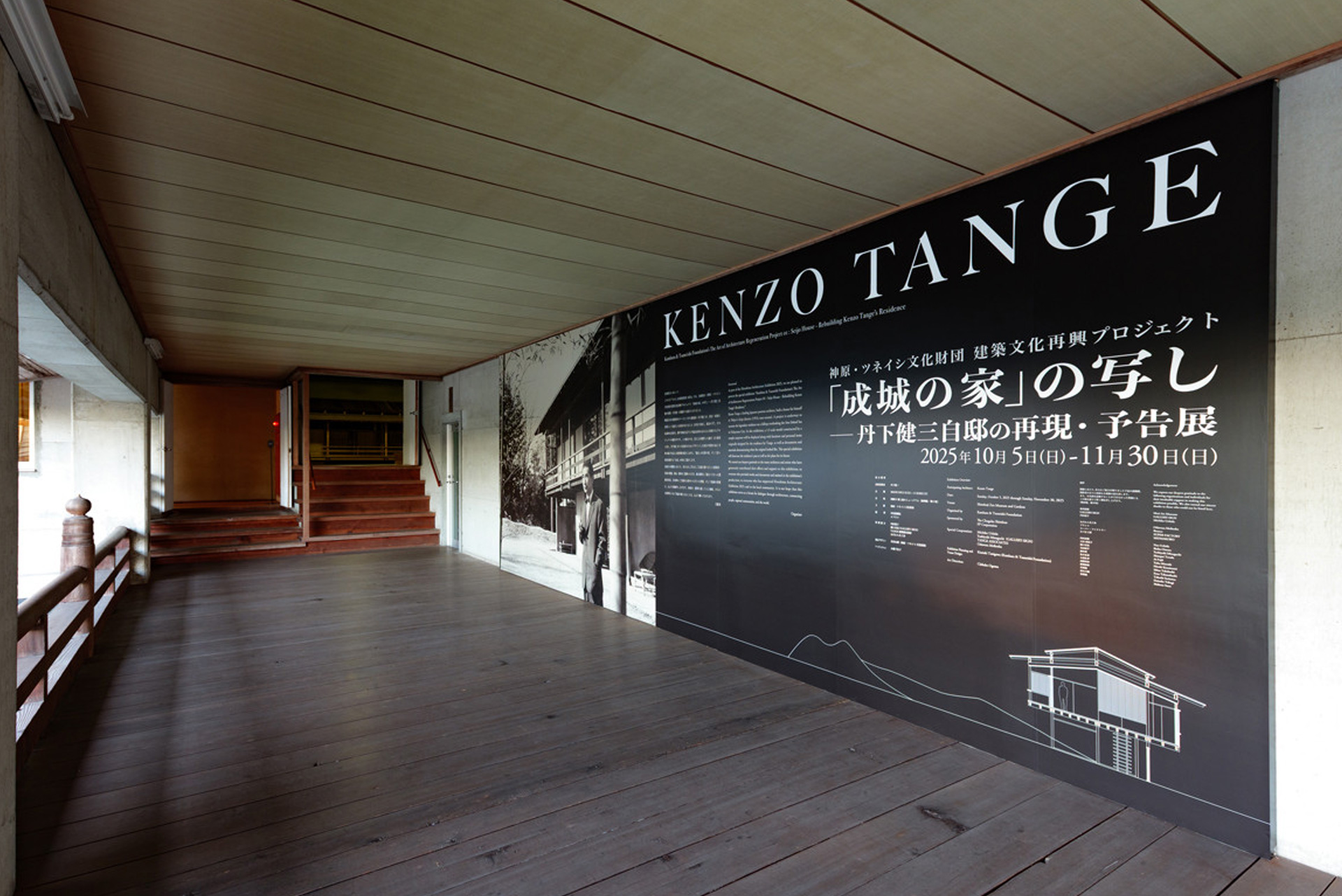
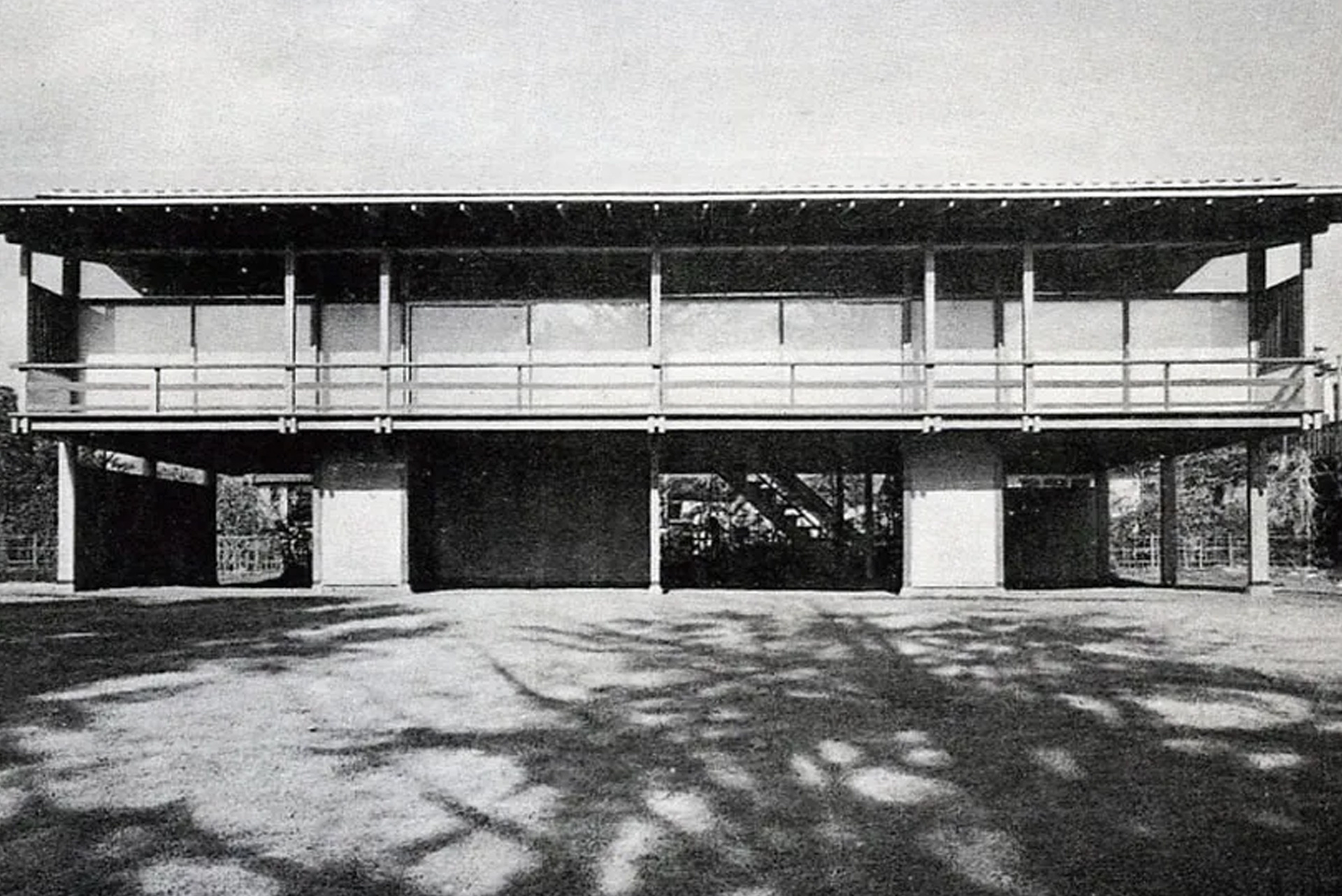
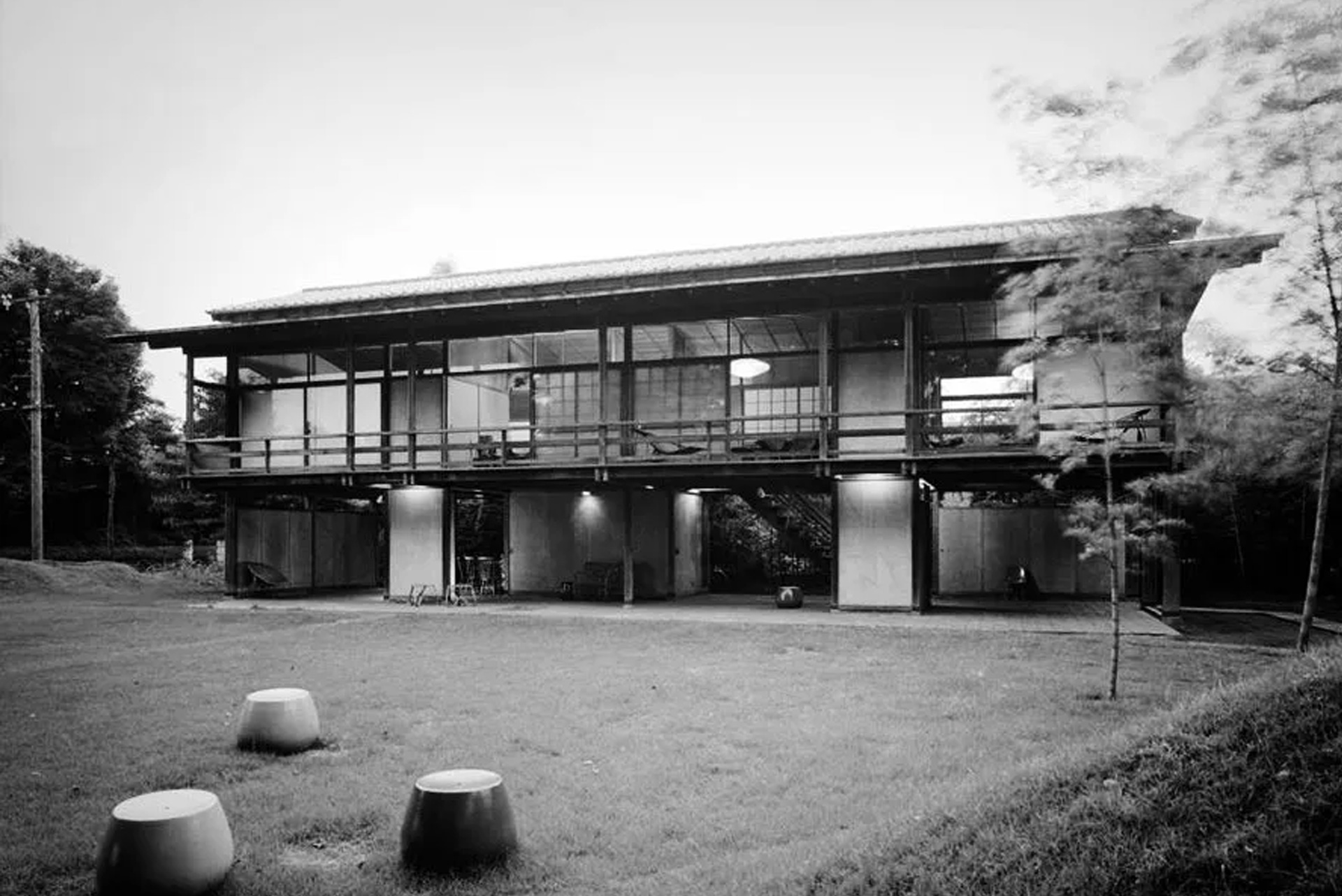
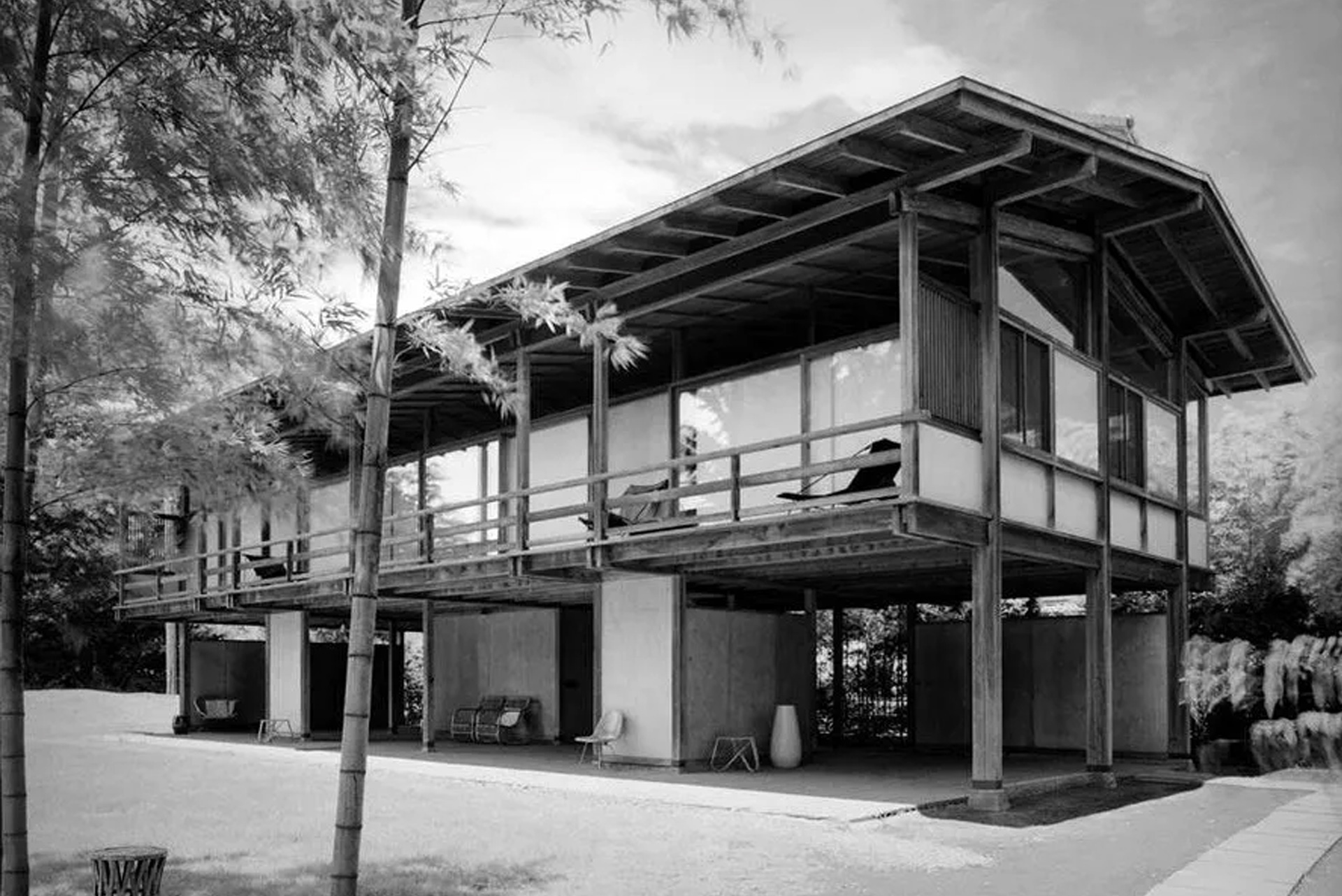
The exhibition Seijo House – Rebuilding Kenzo Tange’s Residence, presented at the Shinshoji Zen Museum and Gardens in Fukuyama in 2025, explored the legacy of one of the architect’s most personal and influential projects: the house he designed for himself in Tokyo’s Seijo district in 1953. Although the original building no longer exists, it remains an important example of Tange’s early architectural thinking and his synthesis of modernist principles with traditional Japanese spatial concepts.
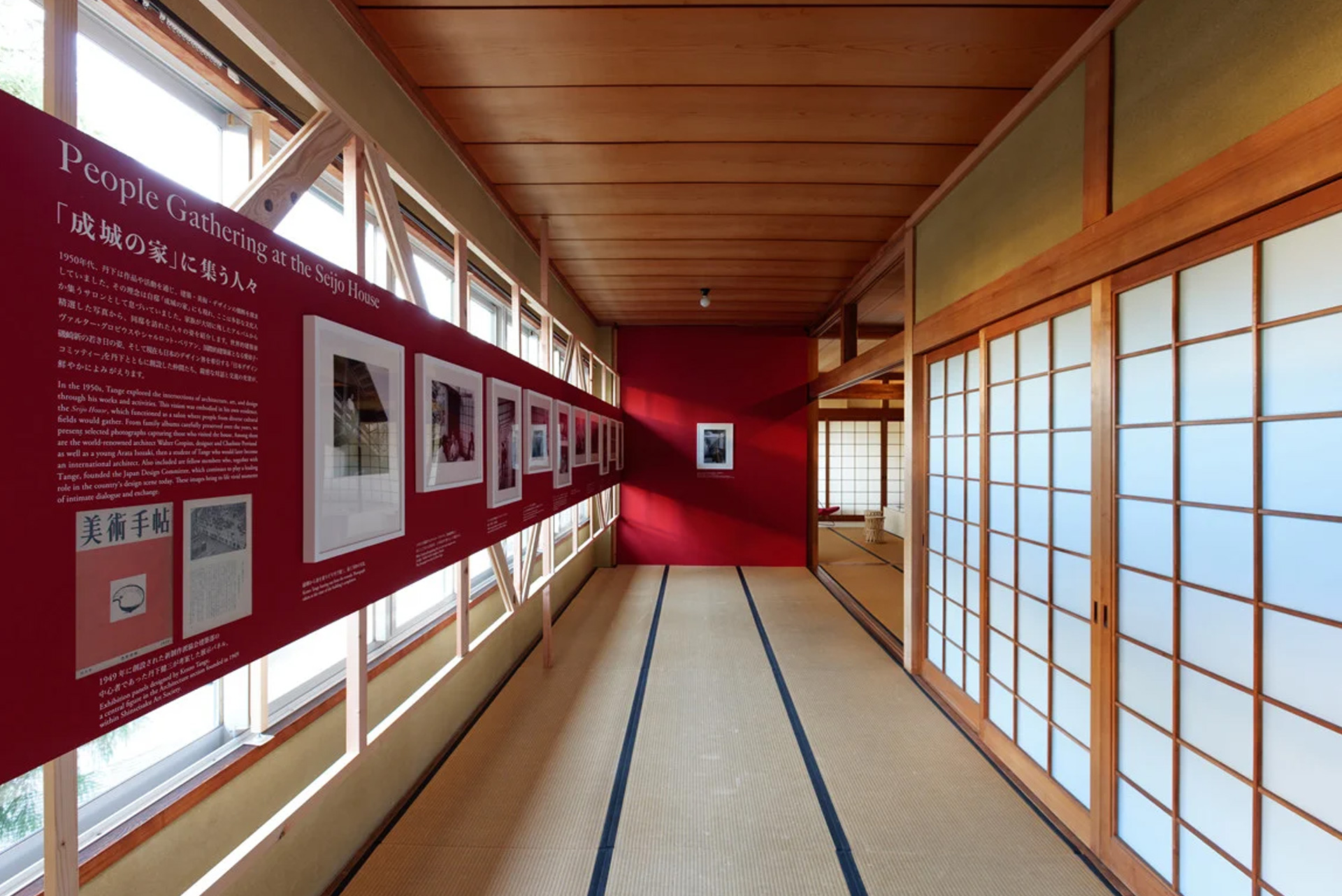
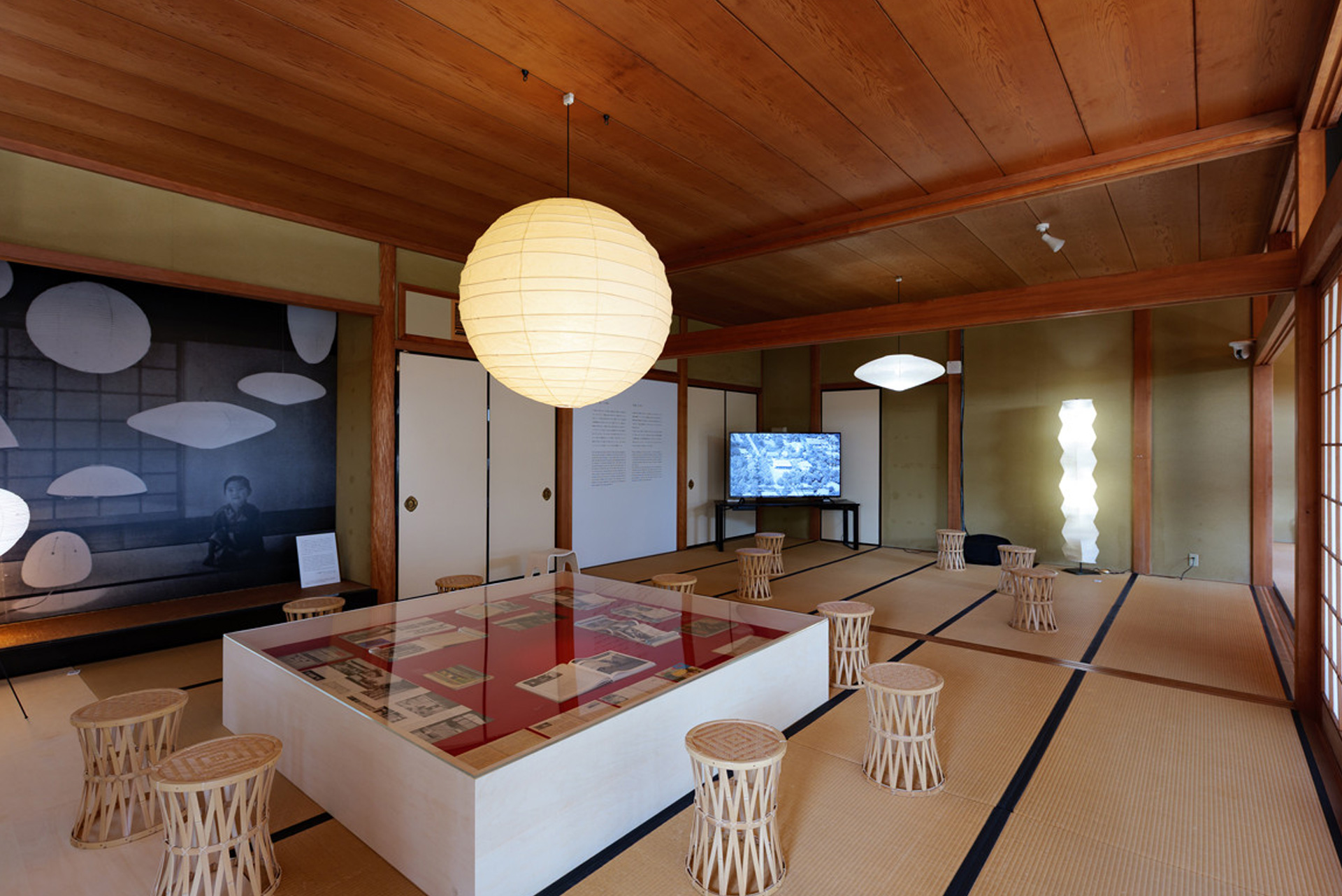
Organized as part of the Art of Architecture Regeneration Project by the Kambara & Tsuneishi Foundation, the exhibition examined the ongoing effort to reconstruct the residence on a hill overlooking the Seto Inland Sea. Through architectural drawings, archival documents, and historical photographs, visitors were invited to rediscover the spatial ideas and design strategies that shaped the original house.
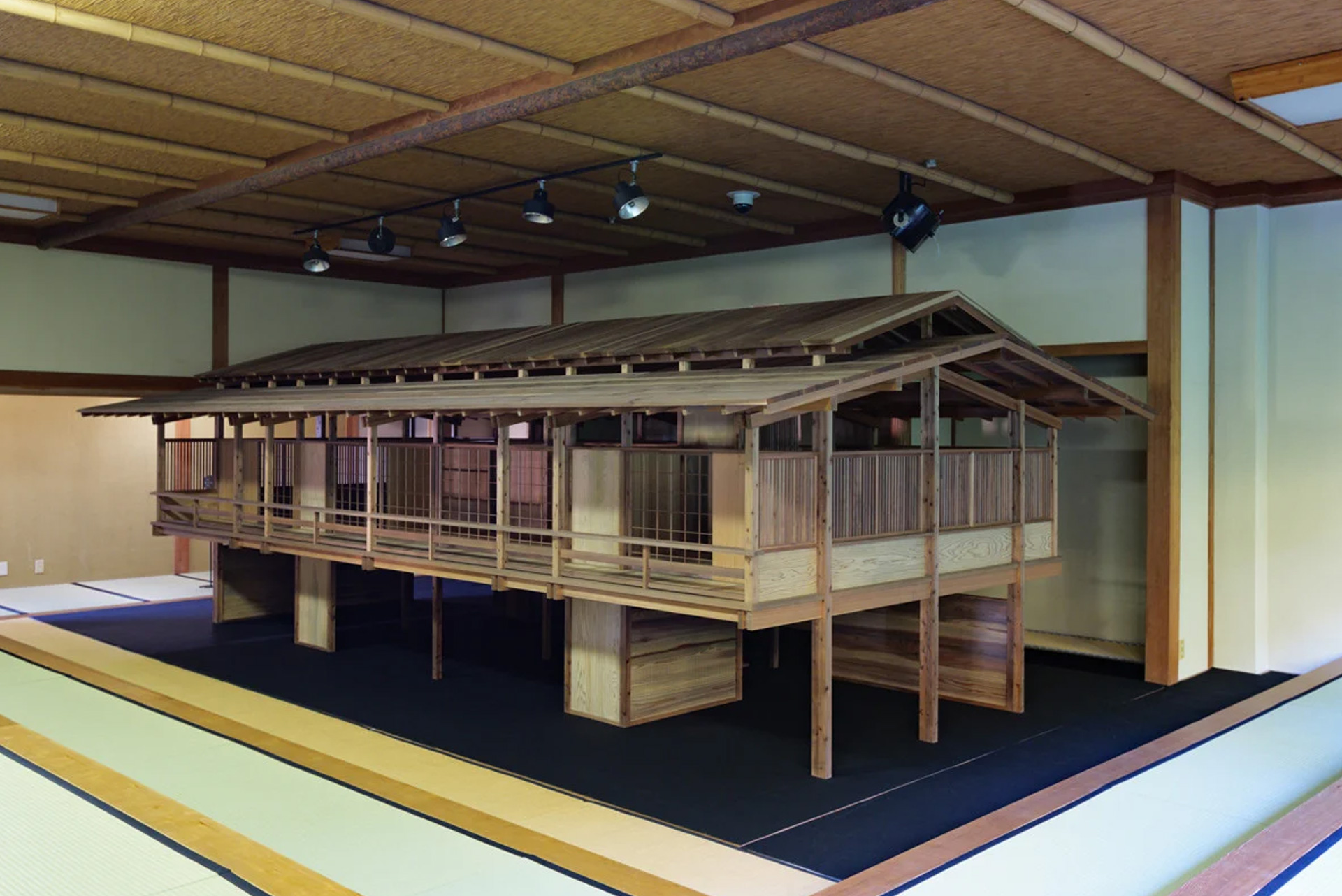
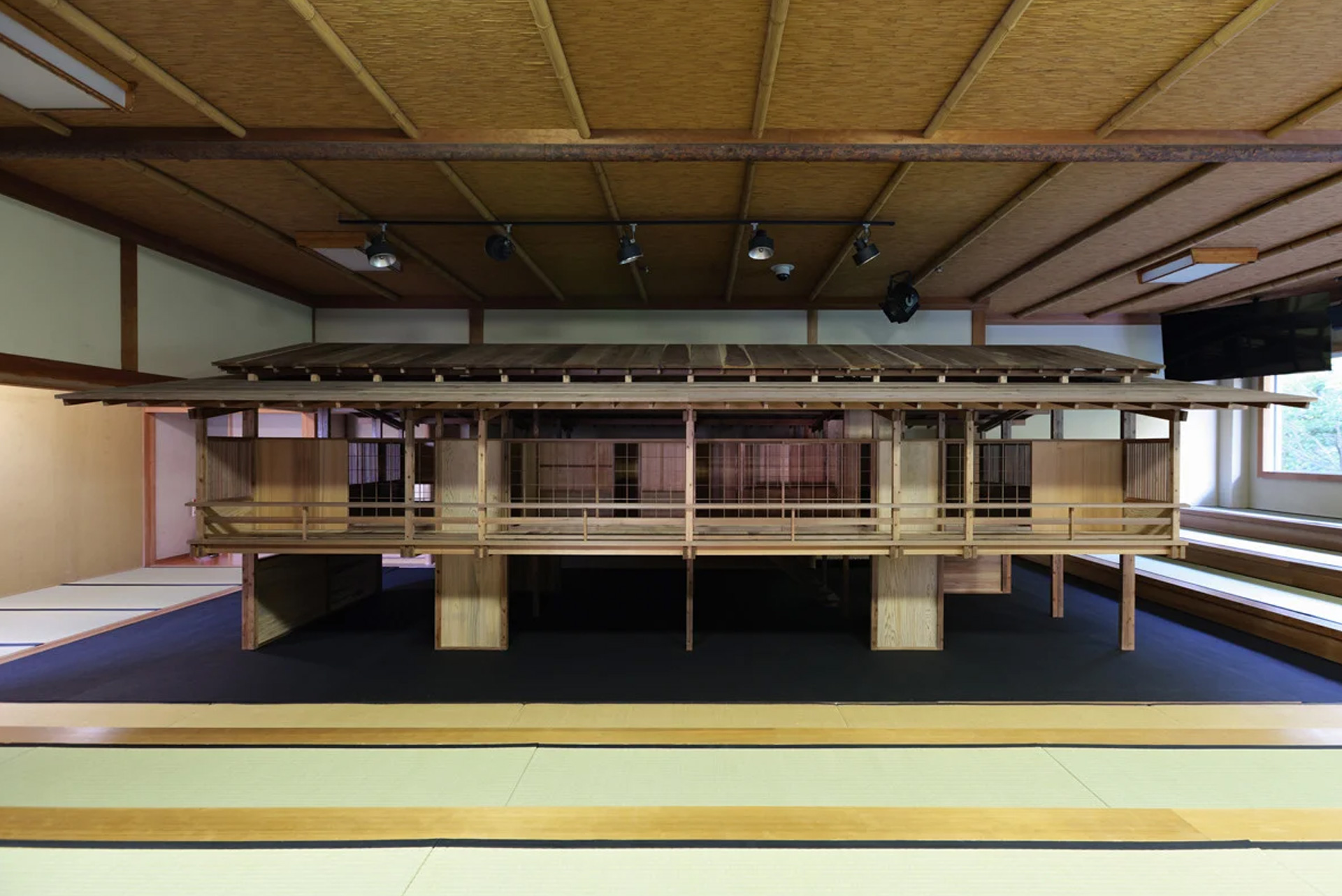
At the center of the exhibition stood a detailed 1:3 scale model of the residence, carefully constructed by a temple carpenter using traditional craftsmanship. This reconstruction allowed visitors to understand the building’s structural clarity and spatial composition, highlighting how Tange balanced modern architectural vocabulary with elements derived from Japanese building traditions. The exhibition ultimately offered a rare opportunity to revisit a lost work and reflect on its continuing architectural significance.
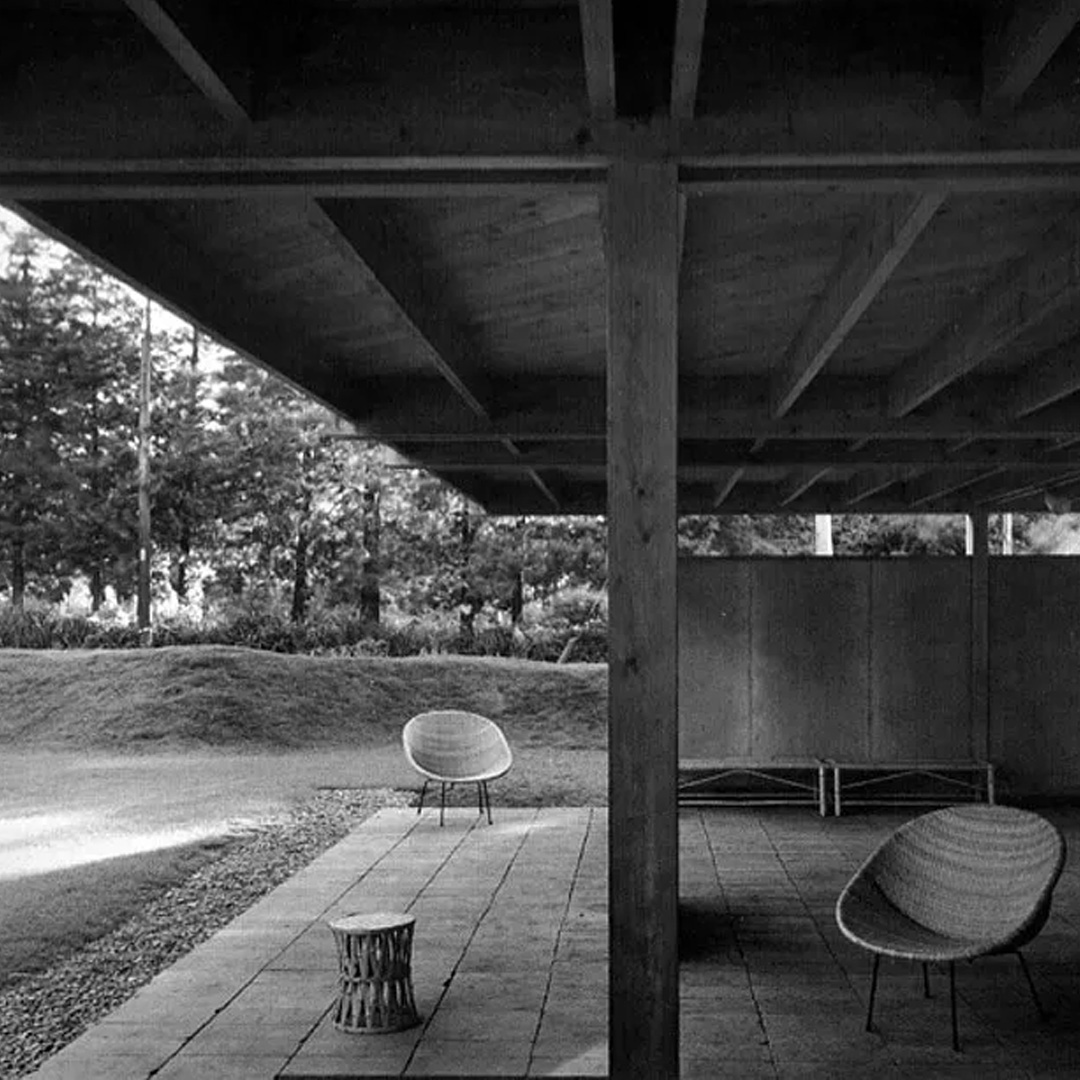
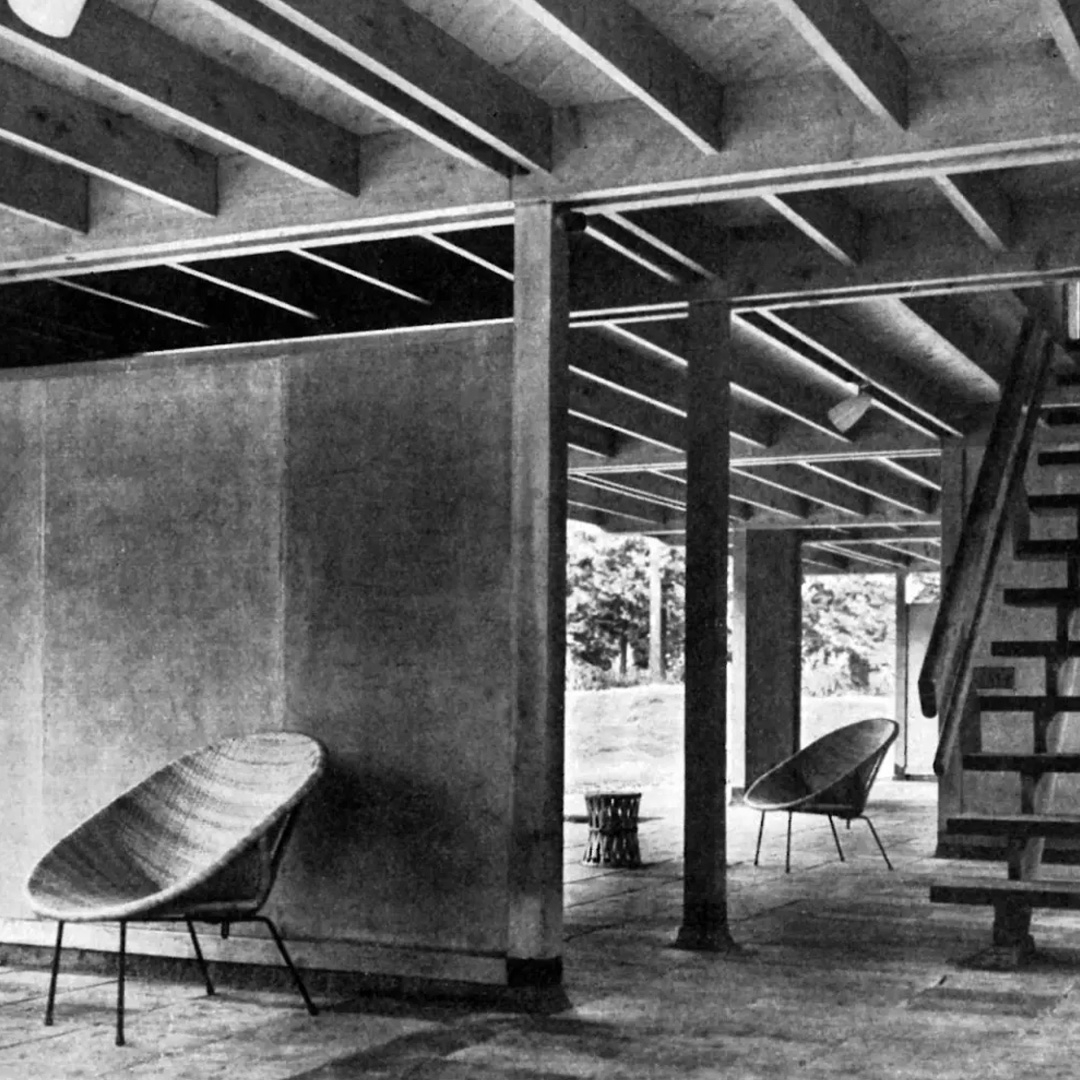
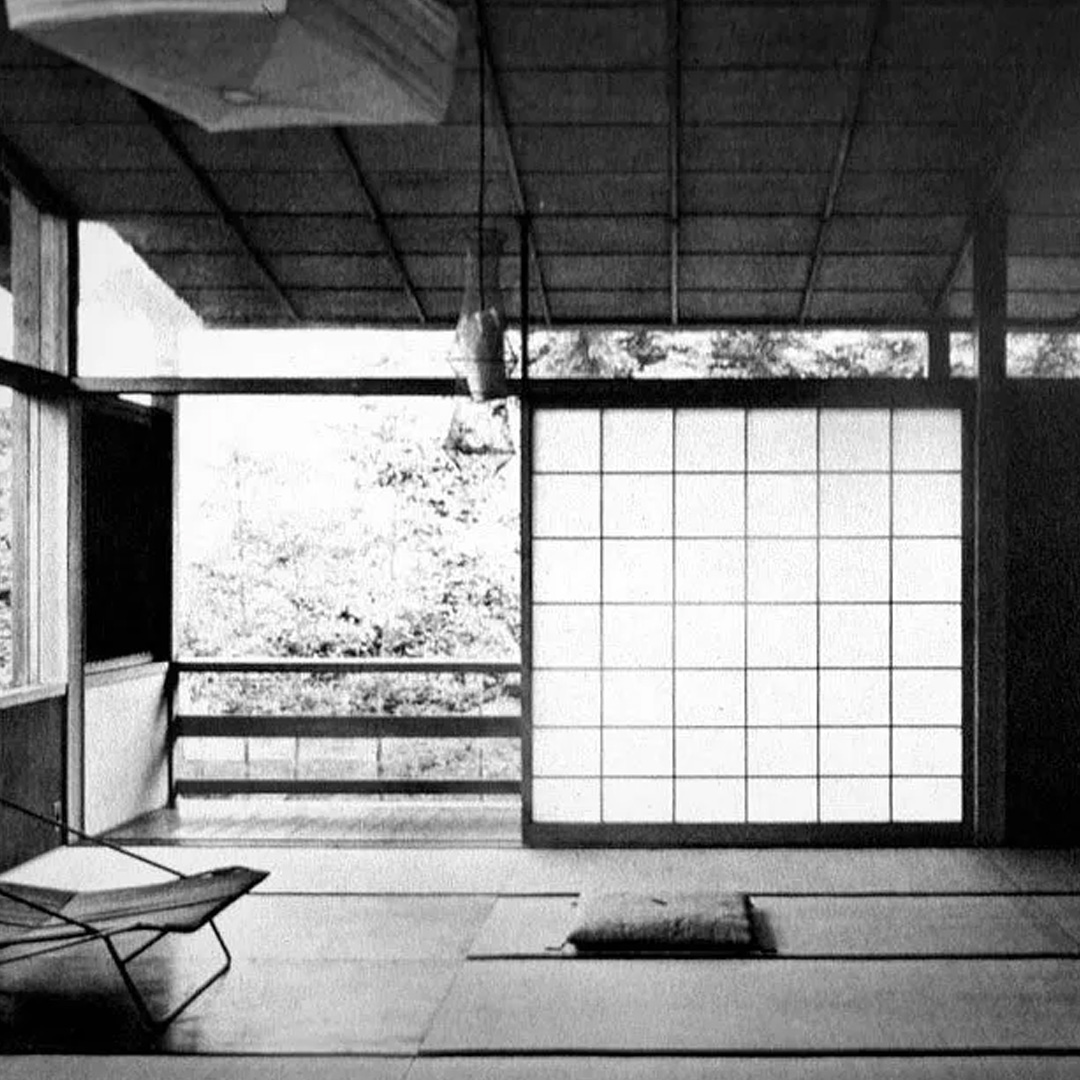
Beyond reconstructing the architectural form of the house, the exhibition also highlighted the intimate relationship between architecture, furniture, and daily life that characterized Tange’s approach to domestic design. Furniture pieces and personal objects originally created for the residence were displayed alongside historical documents, revealing how the architect conceived the house as a complete spatial environment rather than a standalone structure.
The Seijo House was conceived as a raised structure organized around an abstract grid, reflecting both the influence of international modernism and the modular logic of traditional Japanese architecture. Its open interior plan, tatami-based spatial organization, and carefully framed views toward the surrounding landscape demonstrated Tange’s early interest in creating a dialogue between architecture and nature.
By presenting the original design together with the contemporary project to reconstruct the house in Fukuyama, the exhibition bridged past and future. It proposed architecture not only as a historical artifact but as a living cultural legacy capable of being rediscovered, studied, and reinterpreted for new generations. In doing so, Seijo House – Rebuilding Kenzo Tange’s Residence reaffirmed the enduring relevance of Tange’s architectural vision and its place within the broader narrative of modern Japanese architecture.