Side Gallery
Side Gallery
WishlistFollow





Follow
MIMESIS. A LIVING DEISGN
CENTRE POMPIDOU-METZ, METZ
11 JUNE 2022 – 06 FEBRUARY 2023
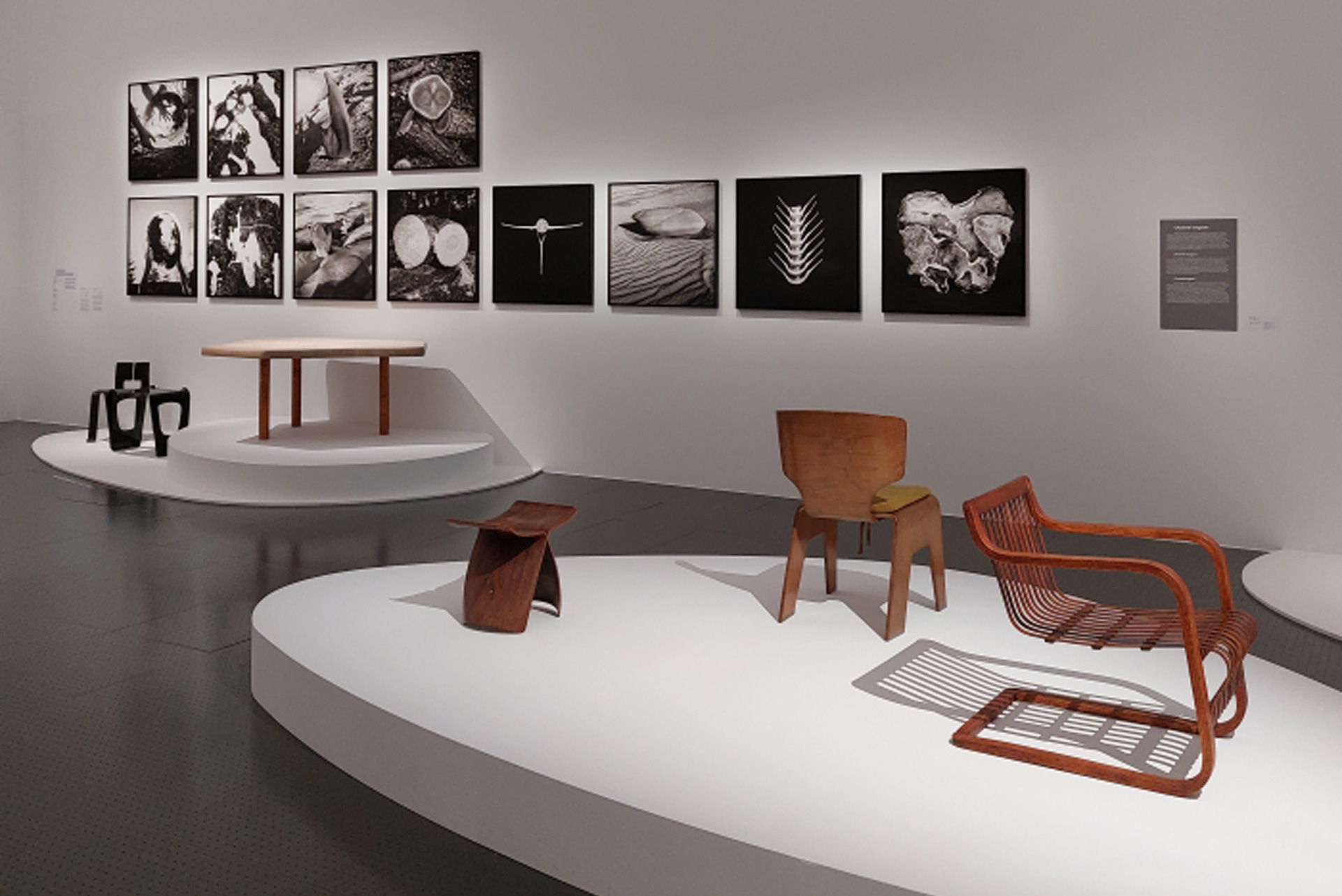
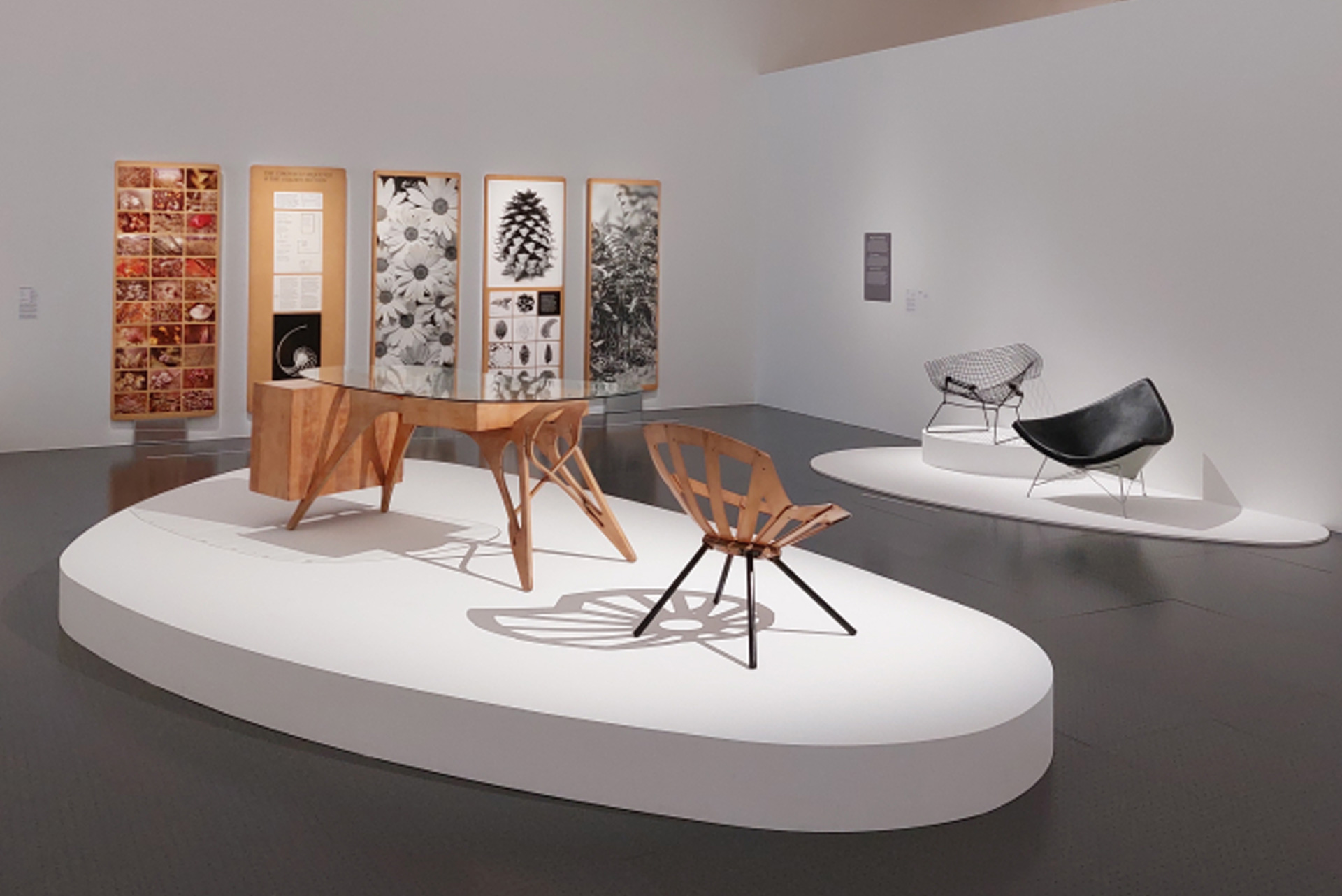
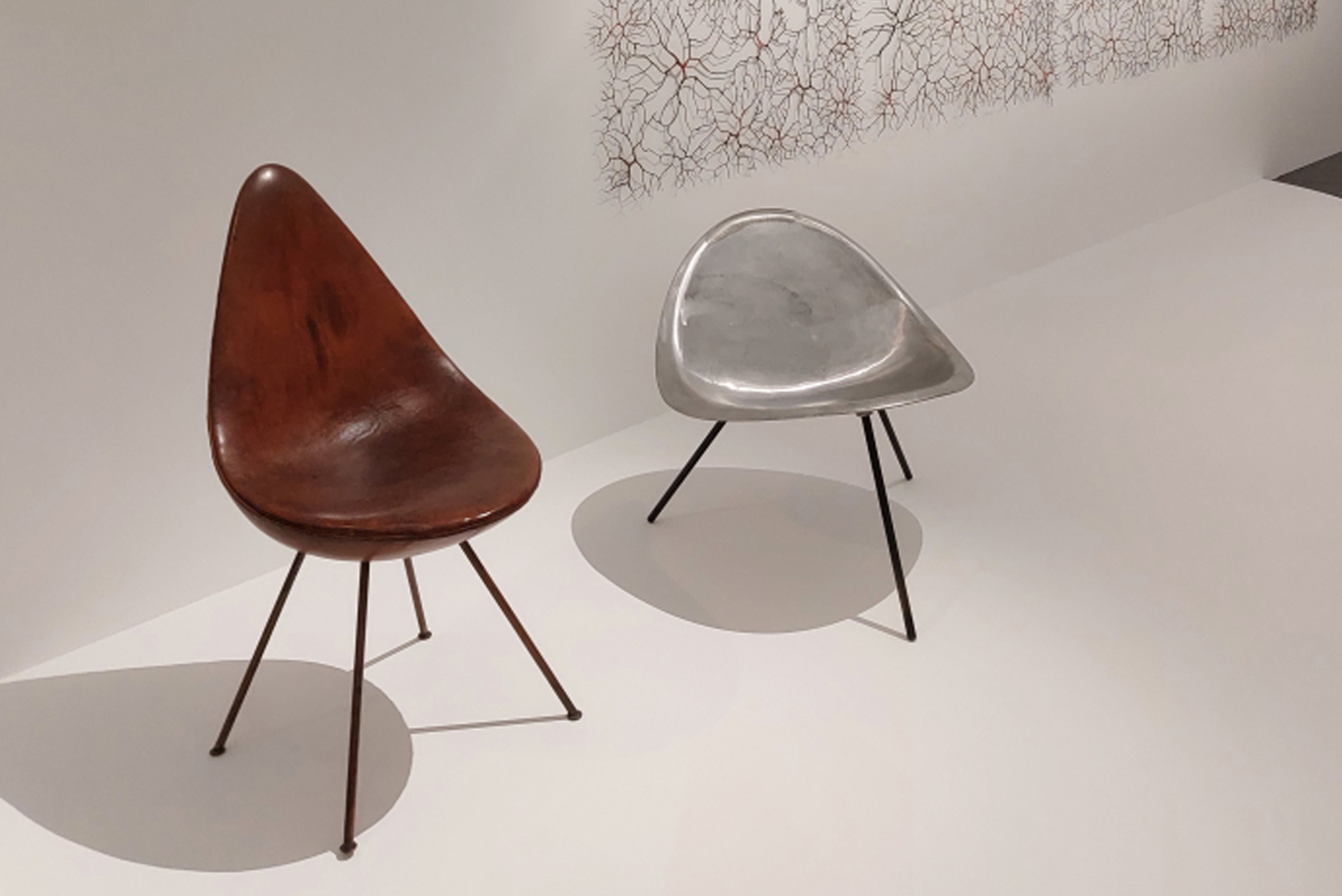
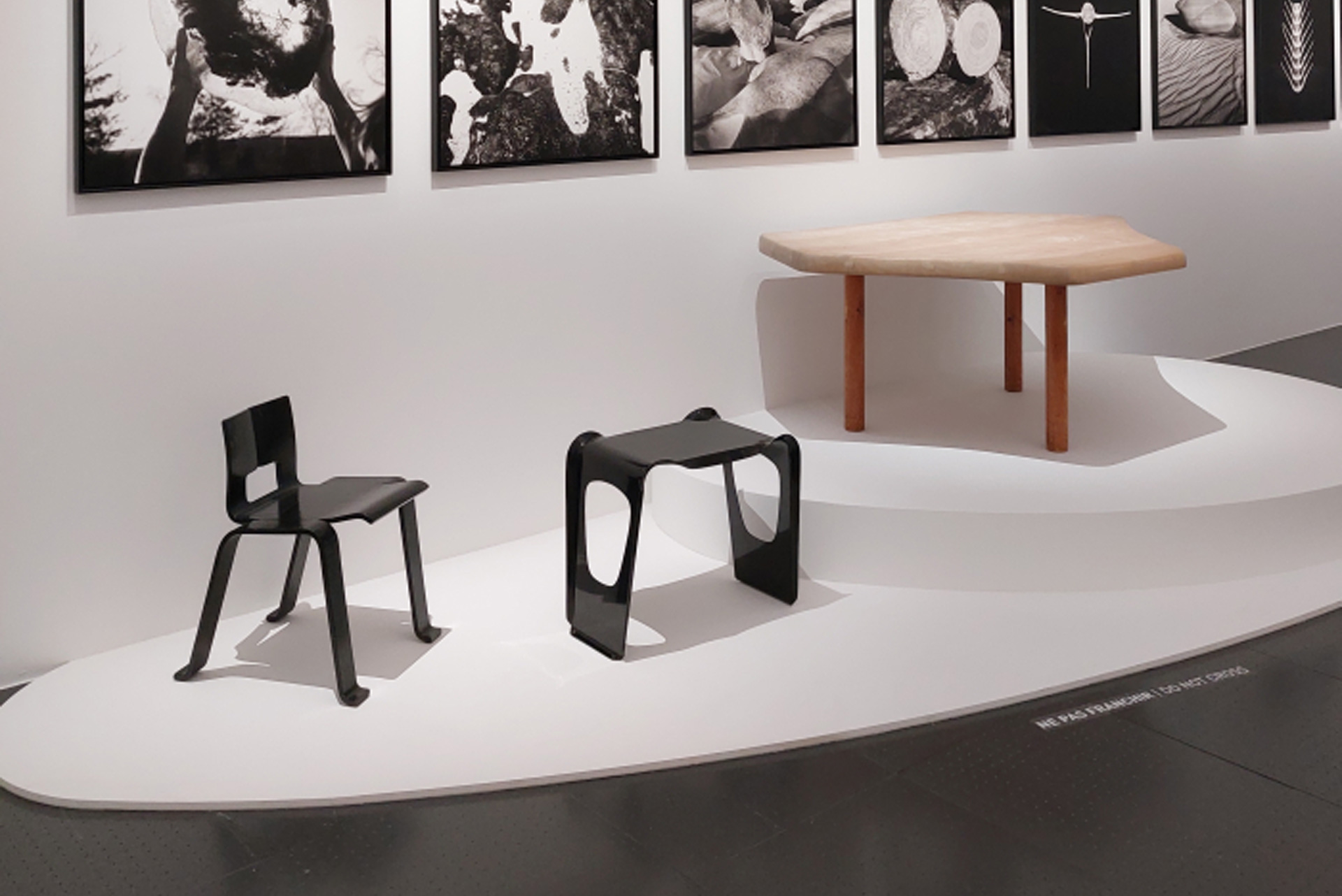
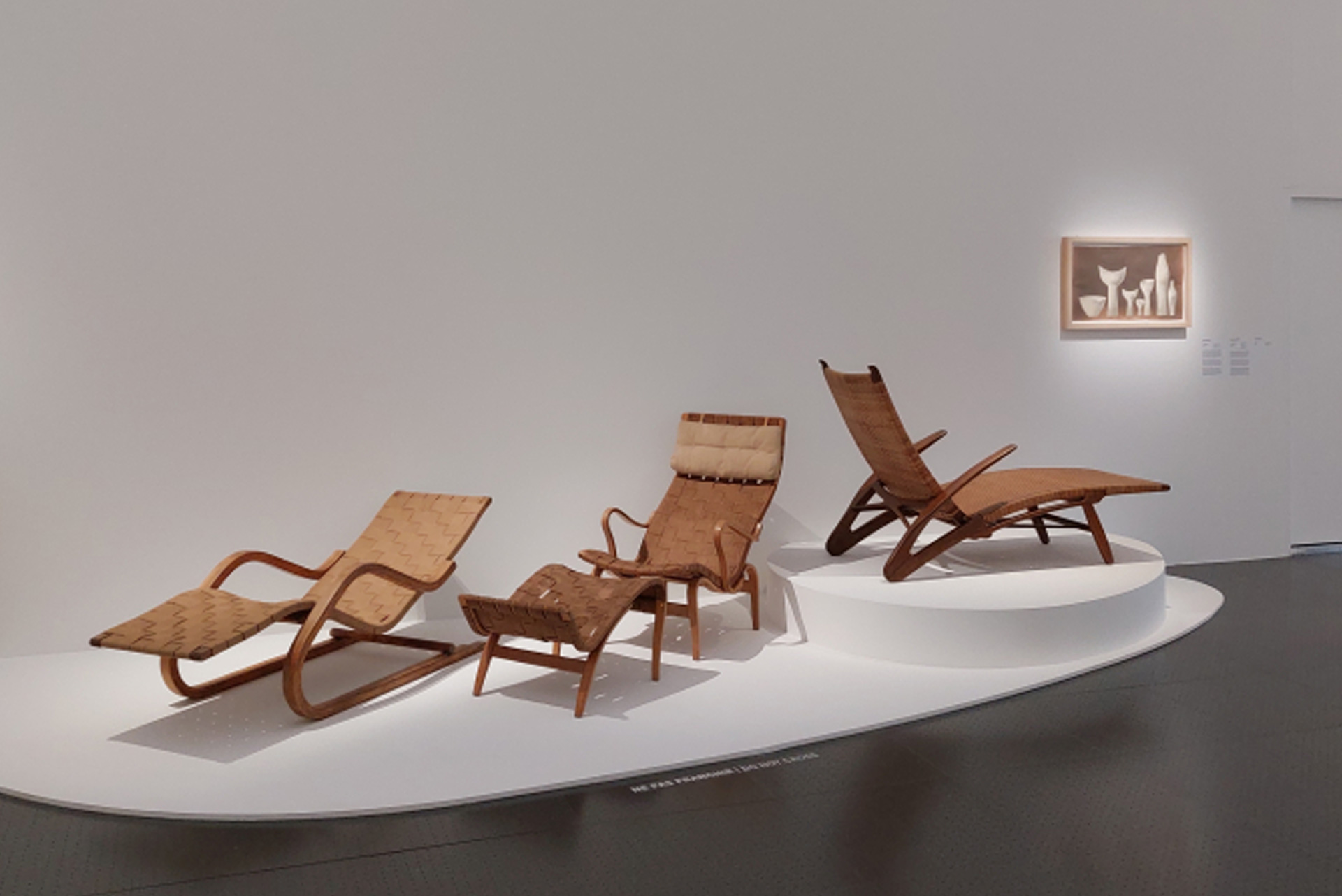
The group exhibition Mimesis. A Living Design, held at the Centre Pompidou-Metz from 11 June 2022 to 6 February 2023, examined the evolving relationship between nature and design from the late 19th century to the present. Bringing together 400 works by 90 creators, the exhibition traced a broad trajectory—from early biomorphism to biomimicry, from biofabrication to the emergence of digitally-generated natural forms. Curated by Marie-Ange Brayer and Olivier Zeitoun, the project offered both a historical and forward-looking perspective on how nature continues to inform and transform contemporary design practices.
The exhibition began with the birth of modernity at the end of the 19th century, when artists and designers drew organic inspiration from nature to redefine form. Throughout the early 20th century, the historical avant-gardes expanded this notion by introducing ideas of organism, self-generation and structure. Within this context, Mimesis presented the iconic works of major modern designers across France, the United States, Scandinavia and Japan—including Sōri Yanagi, whose approach exemplified Japan’s distinctive contribution to organic modernism. Yanagi’s designs, shaped by gentle biomorphic lines and a deep respect for materiality, conveyed an understanding of nature not as ornament but as a structural and intuitive logic.
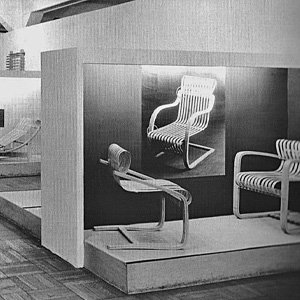


This international dialogue was further reflected through the influential works of Charlotte Perriand, Charles and Ray Eames, Alvar Aalto, Serge Mouille and Verner Panton, illustrating how different cultures reinterpreted natural forms across the 20th century. The exhibition also charted later developments, from Andrea Branzi’s neo-primitivist interventions incorporating raw natural elements, to the atmospheric urban “wonderlands” created by Ronan and Erwan Bouroullec.
In its final sections, Mimesis explored contemporary biofabrication and the digital redefinition of the “living,” where organic and artificial processes converge. Here, design emerges not only as a reflection of nature, but as a medium for new ecological and material possibilities.
Within this rich landscape, the presence of Japanese designers—and especially Sōri Yanagi—highlighted the enduring influence of Japan’s organic sensibility on the evolution of modern and contemporary design.