Side Gallery
Side Gallery
WishlistFollow





Follow
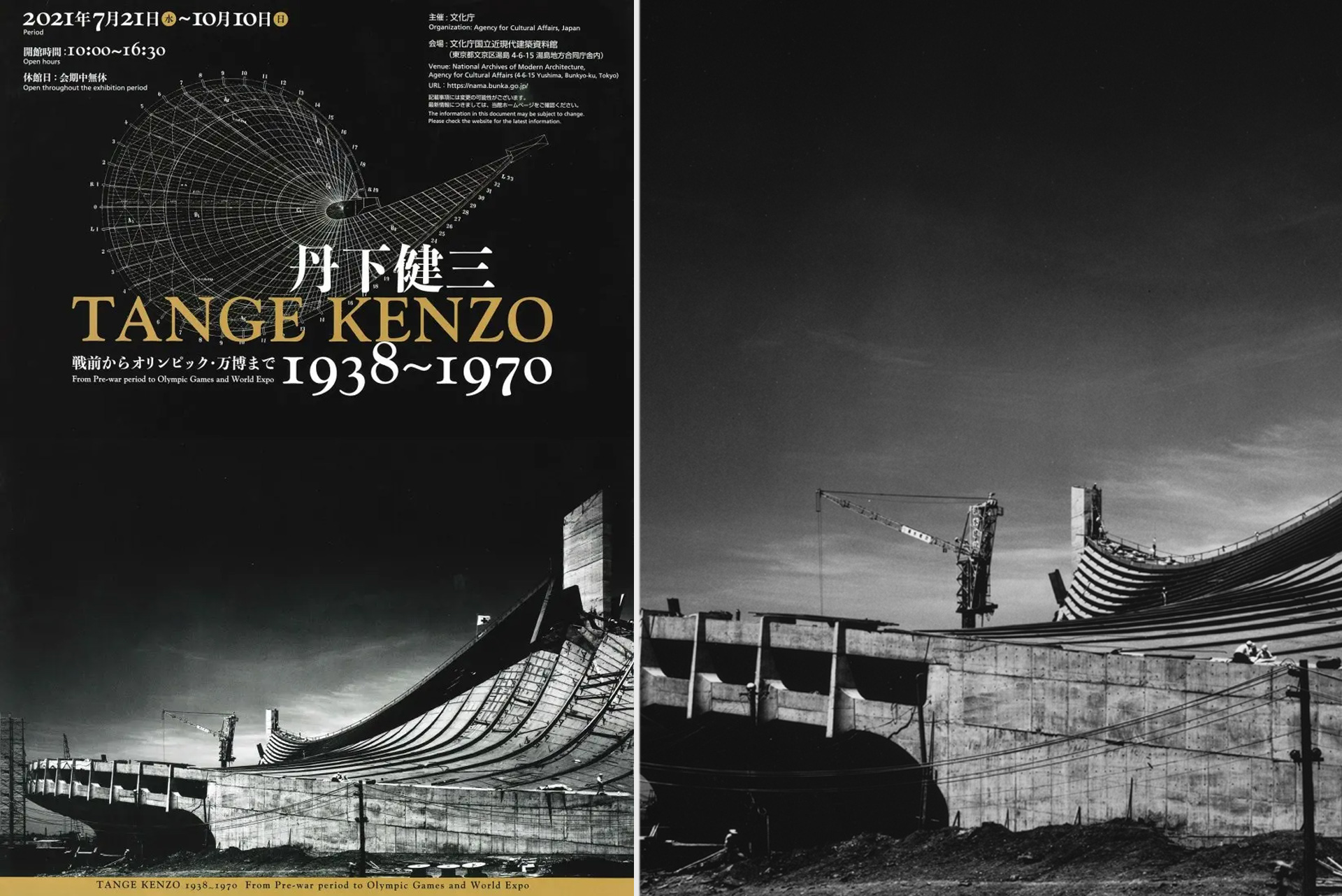
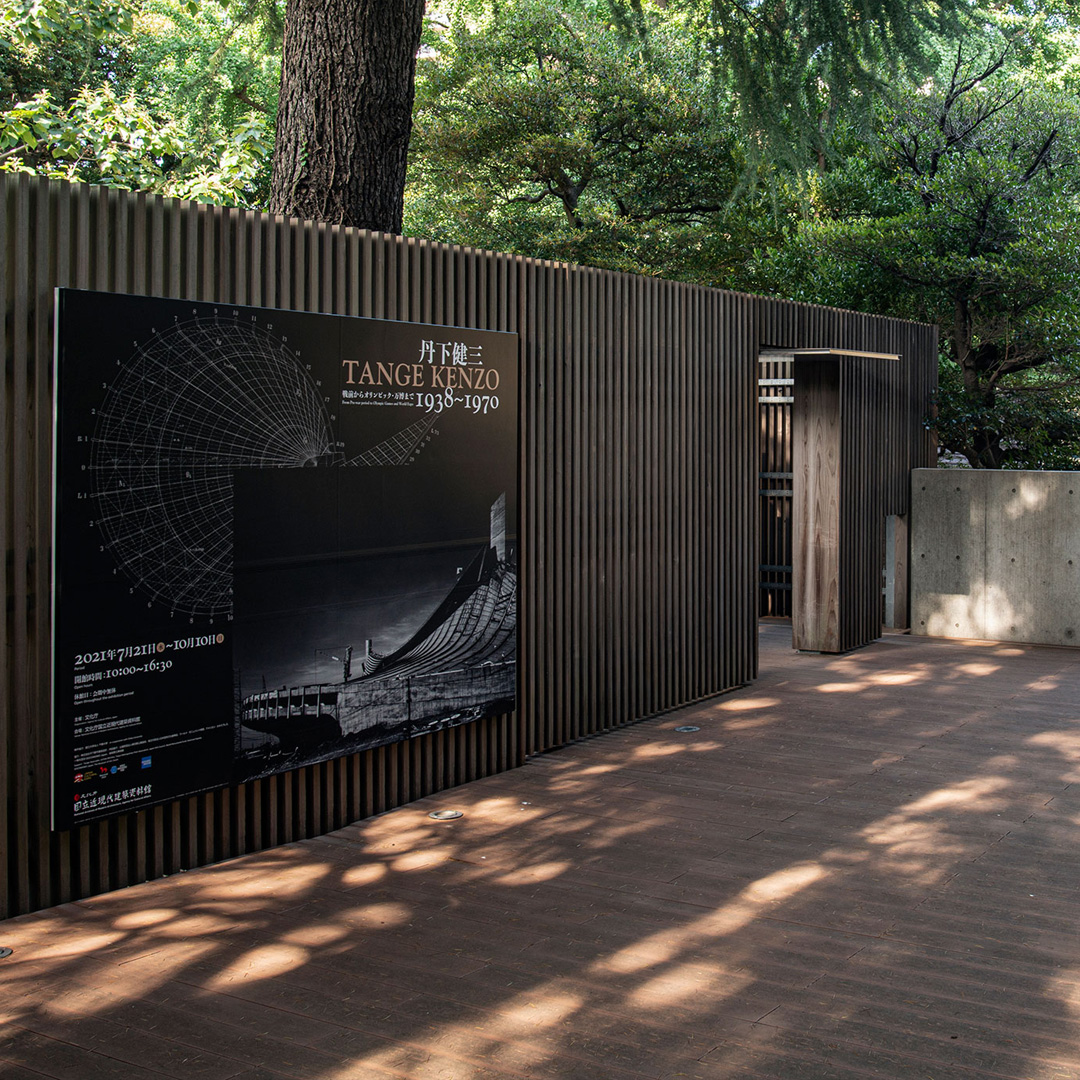
TANGE KENZO 1938–1970: FROM PRE-WAR PERIOD TO OLYMPIC GAMES AND WORLD EXPO
NATIONAL ARCHIVES OF MODERN ARCHITECTURE (NAMA), TOKYO
21 JULY – 10 OCTOBER 2021
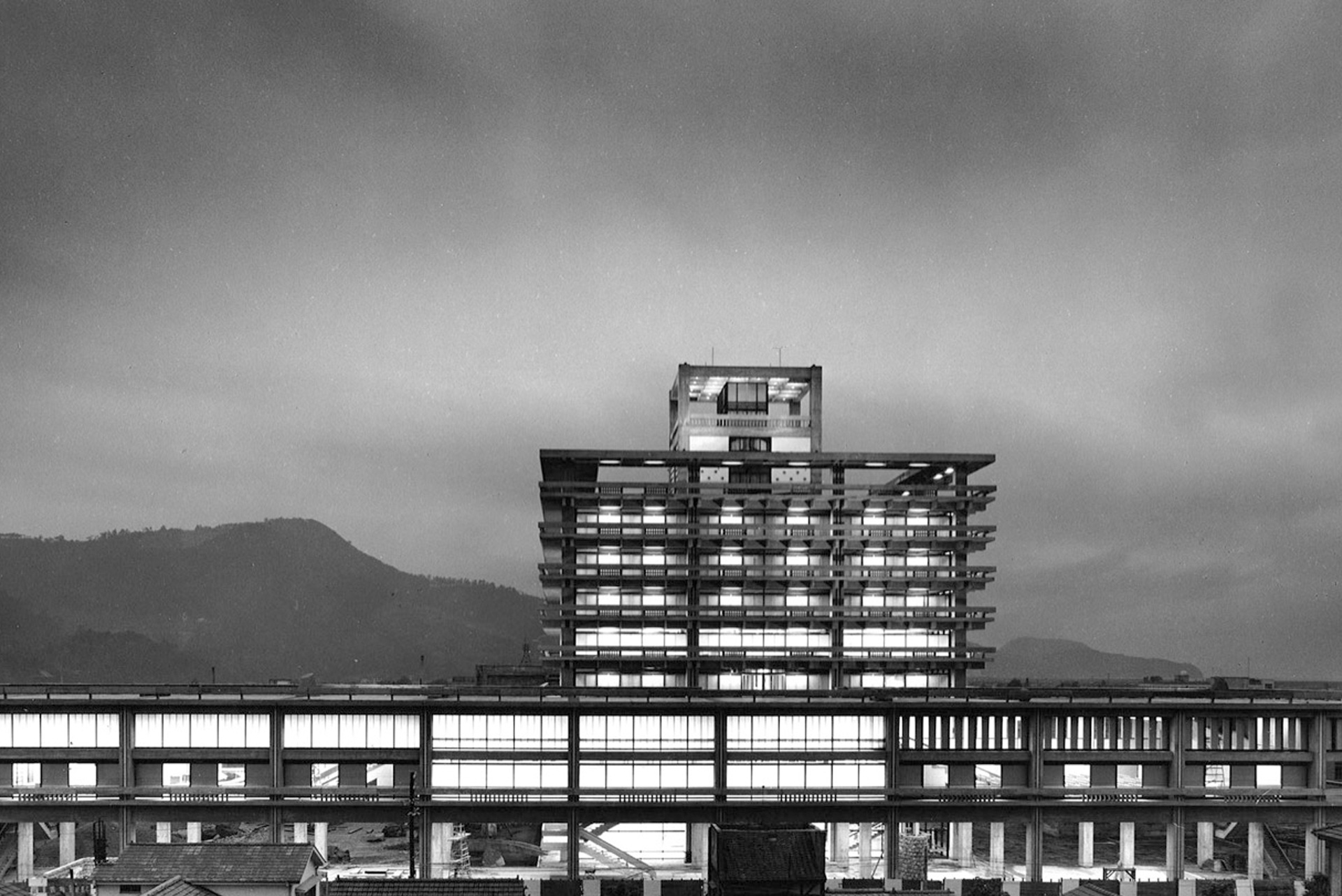
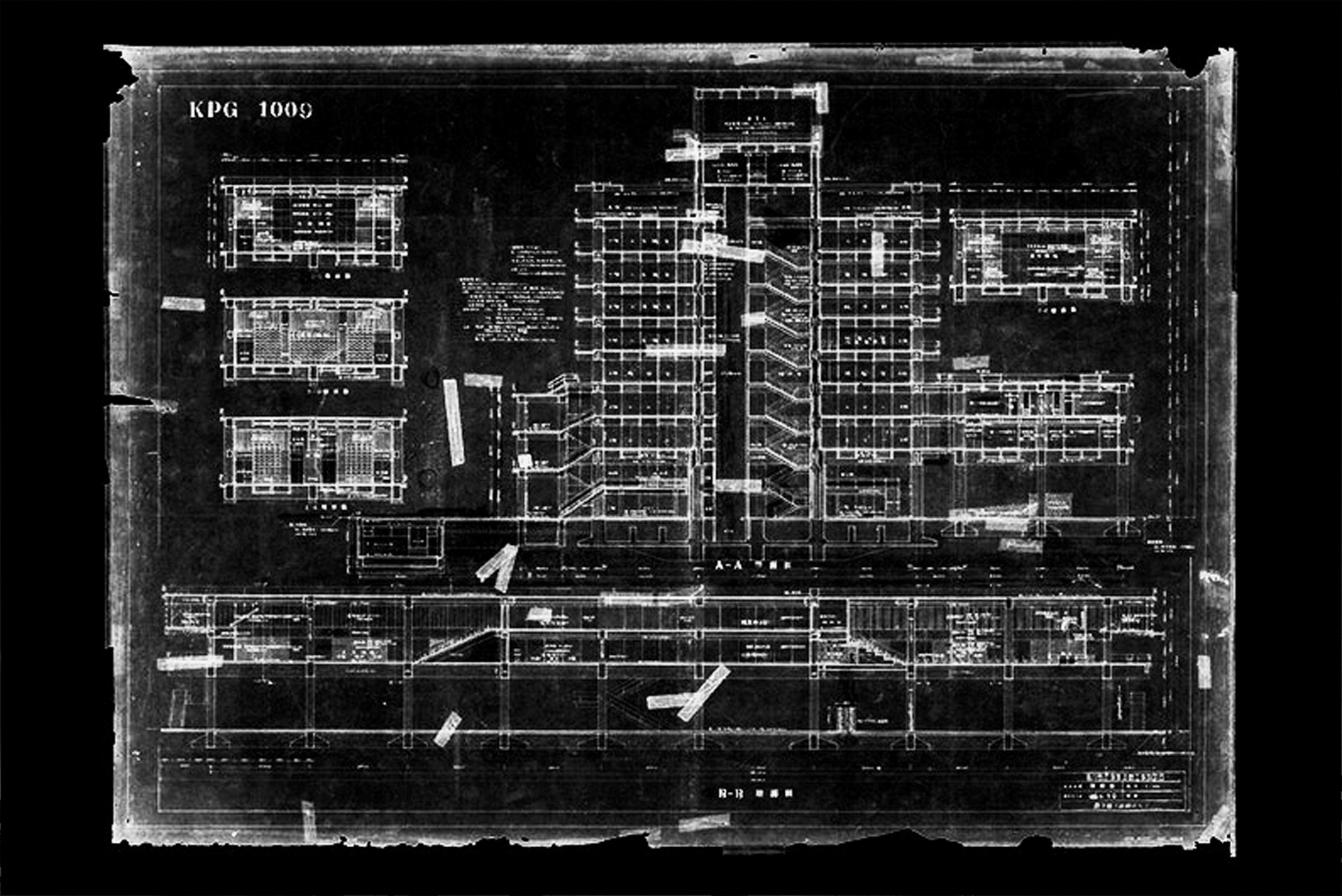
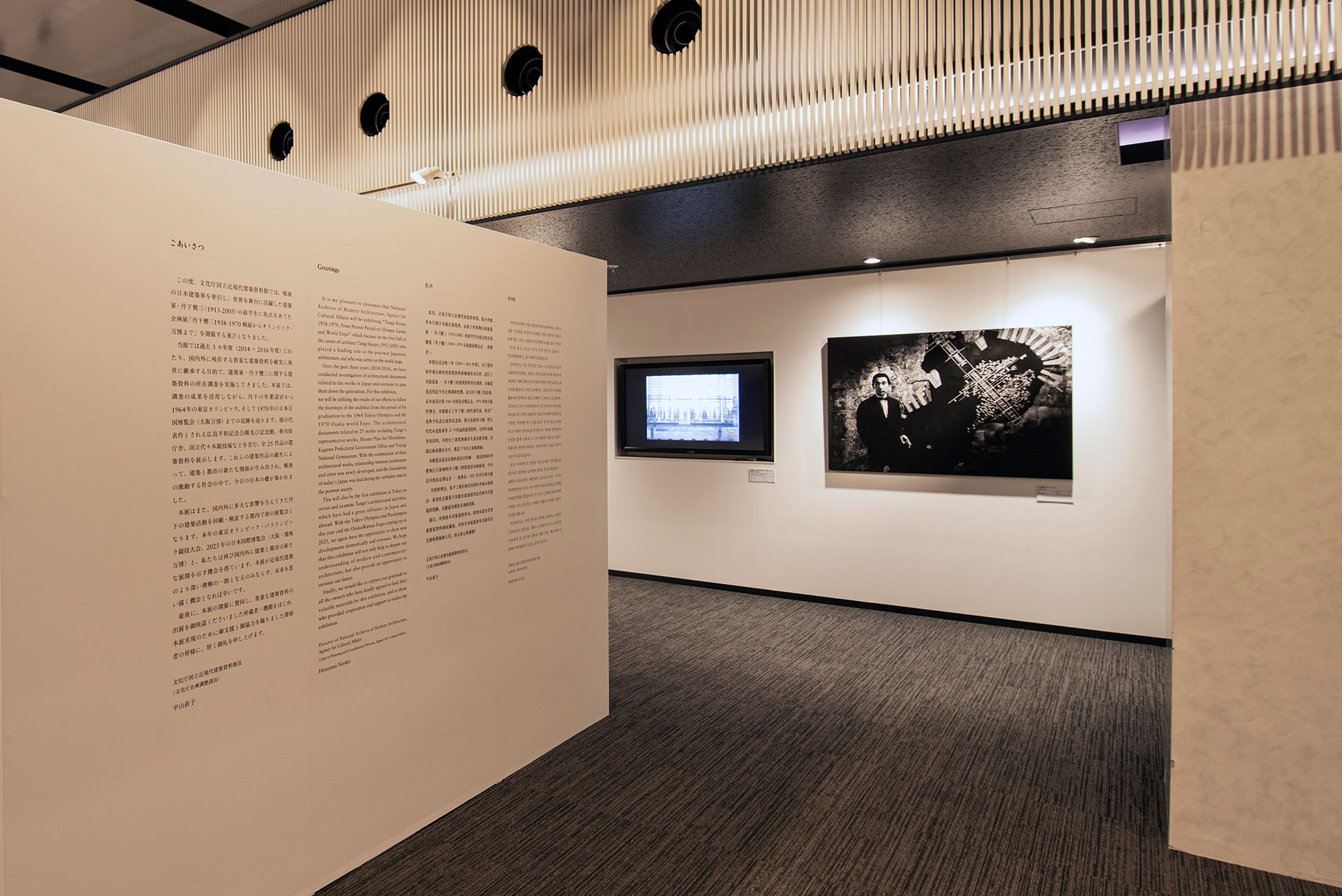
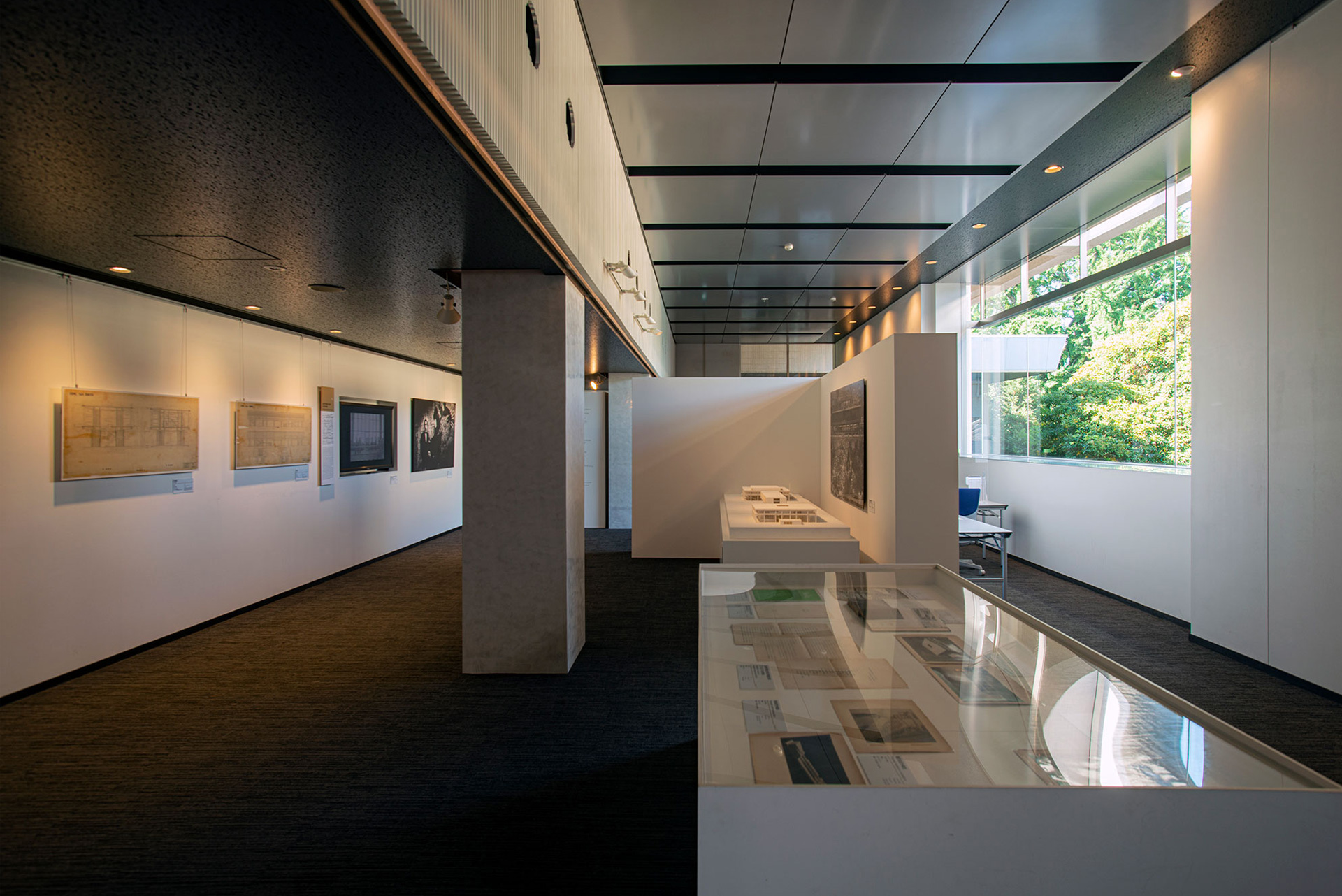
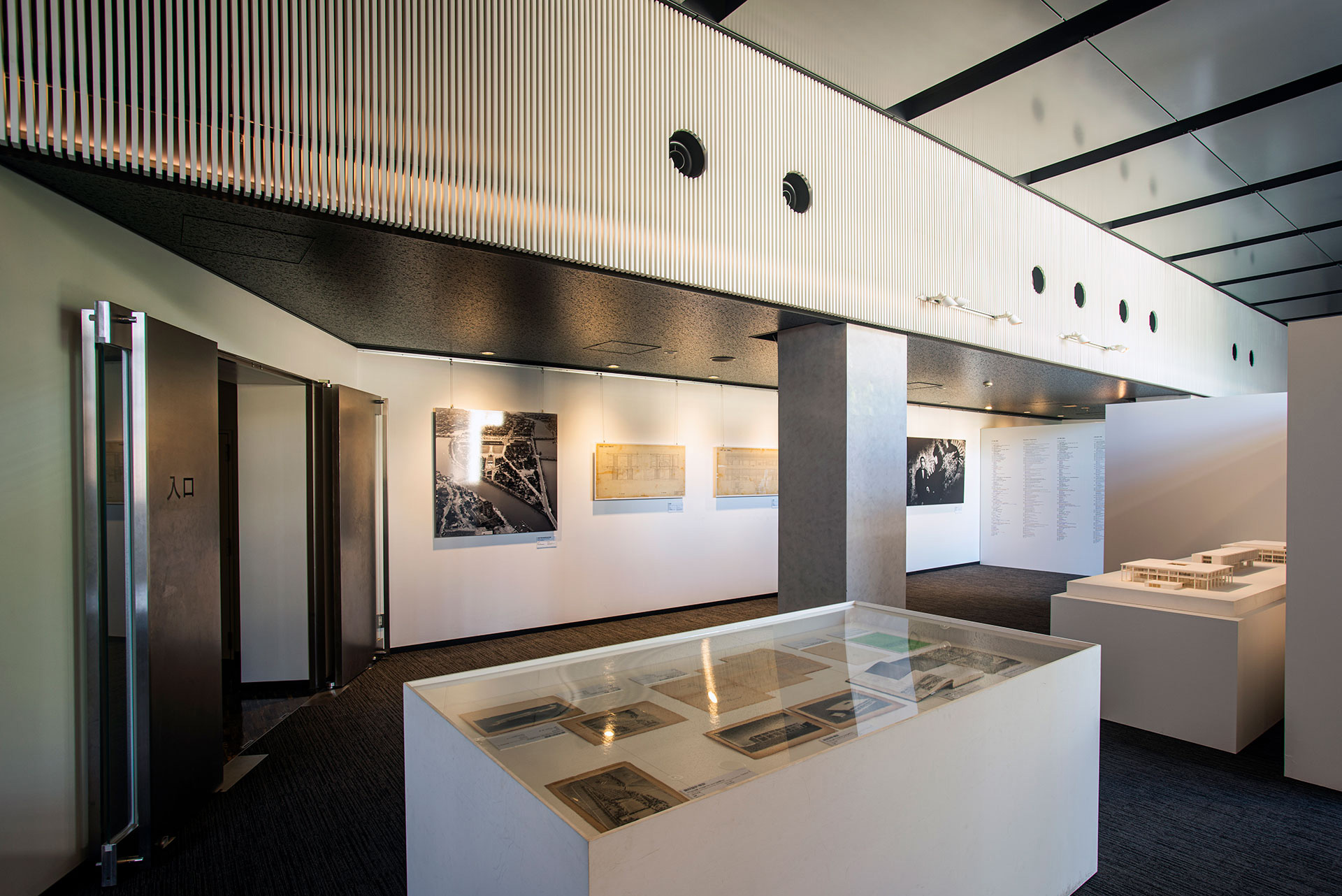
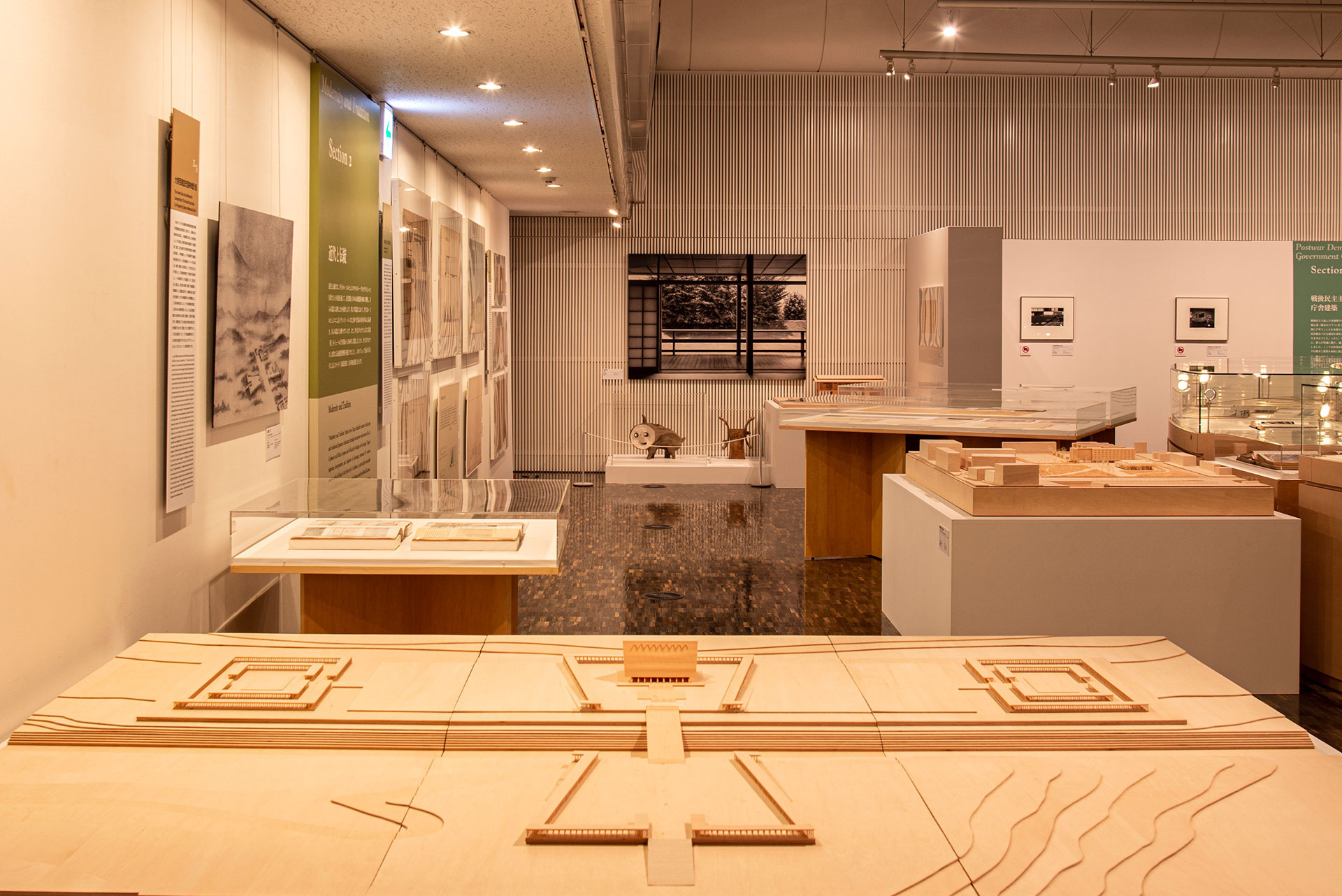
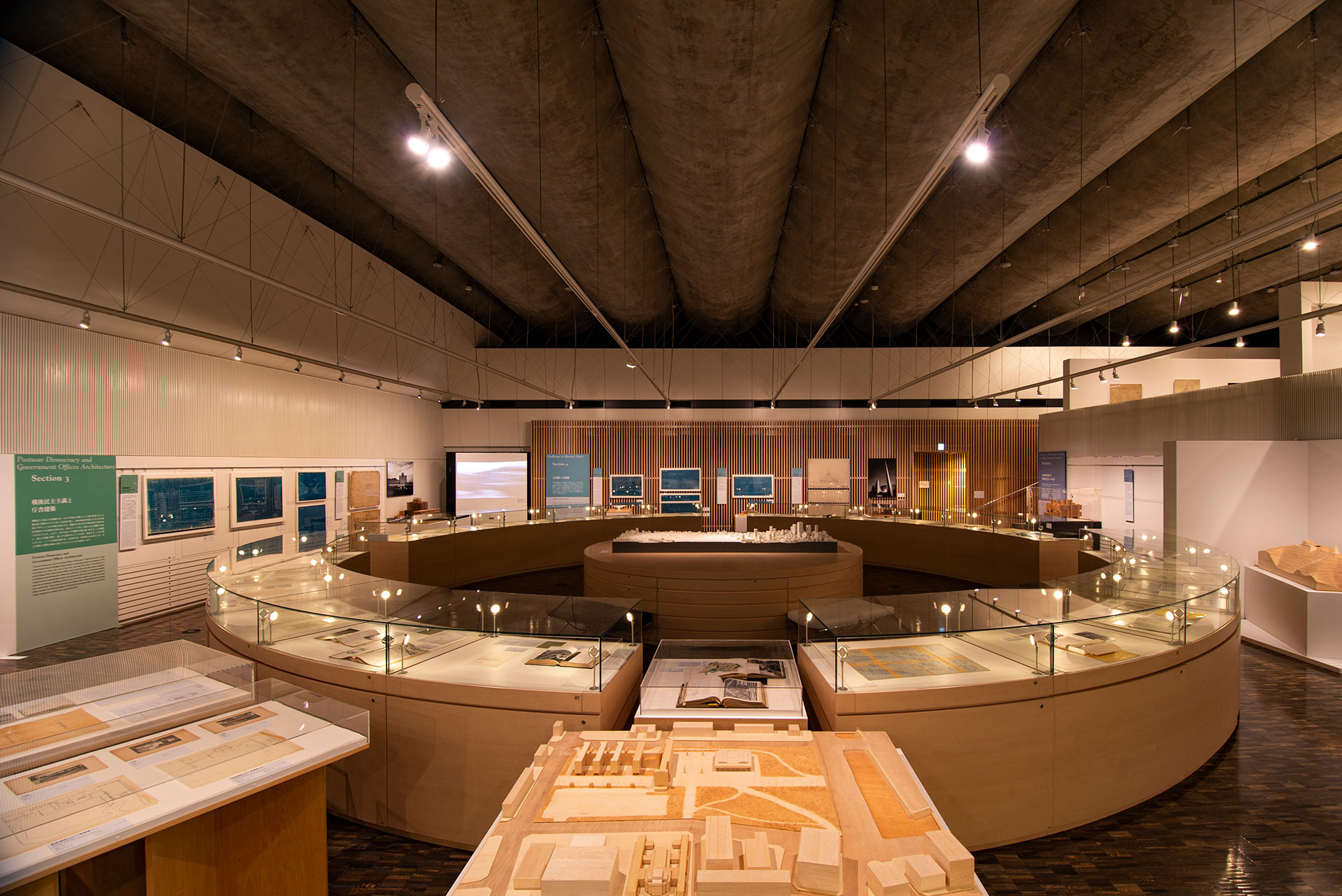
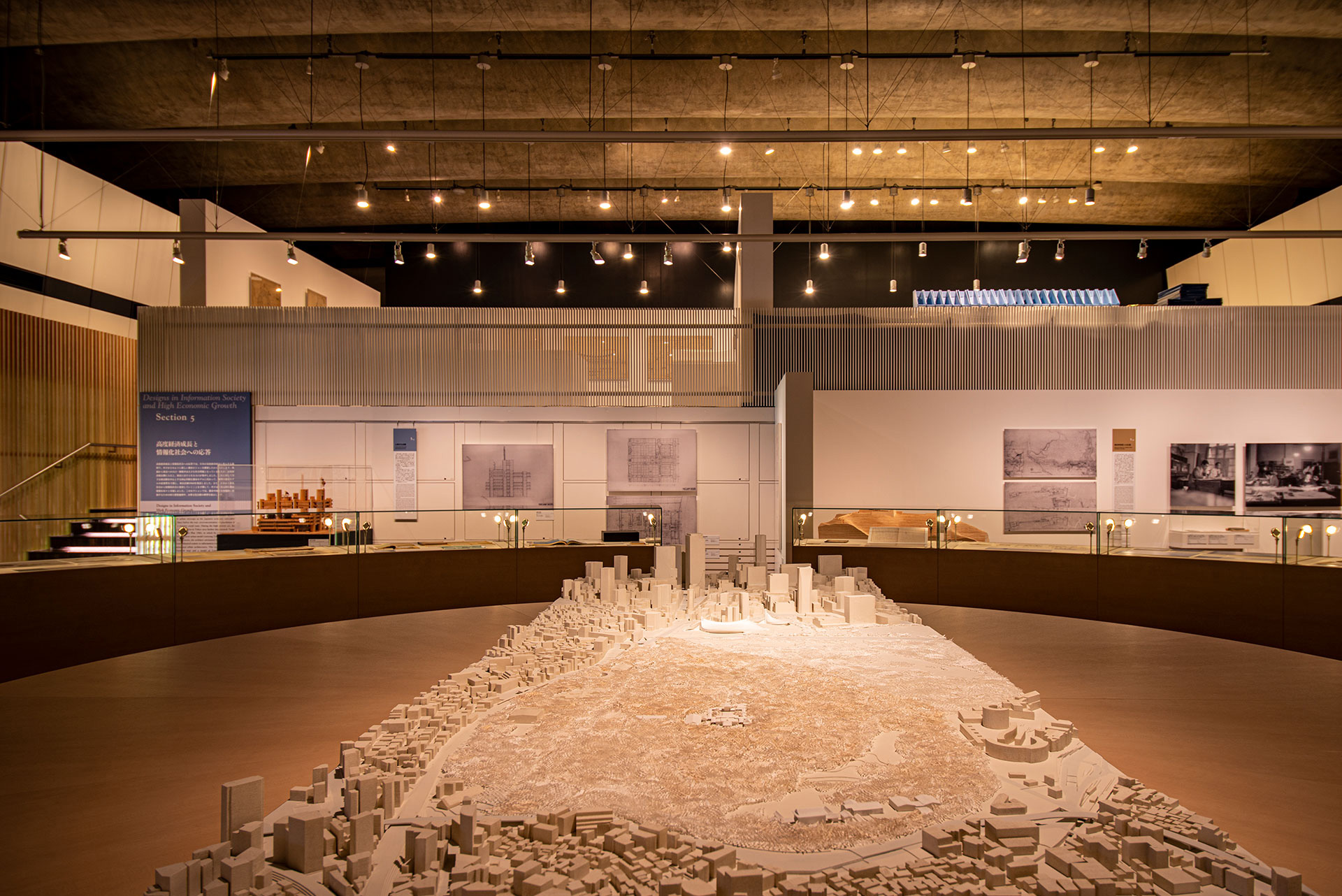
The exhibition Tange Kenzo 1938–1970: From Pre-War Period to Olympic Games and World Expo, presented at the National Archives of Modern Architecture in Tokyo in 2021, examined the formative decades of one of the most influential architects of the twentieth century. Bringing together architectural drawings, archival photographs, models, and previously unpublished research materials, the exhibition traced the evolution of Tange’s architectural thinking from his early academic work to the projects that defined Japan’s postwar modernity.
Beginning with his graduation thesis and early proposals developed in the late 1930s, the exhibition explored the intellectual foundations of Tange’s architectural language. These early works revealed a young architect deeply engaged with the ideas of modernism while simultaneously searching for a synthesis with Japanese spatial traditions. The exhibition also addressed the difficult historical context of the Second World War, examining how the experience of conflict shaped Tange’s later commitment to architecture as a civic and symbolic act.
Particular attention was given to projects that played a central role in the reconstruction of Japan after the war. Materials related to the Hiroshima Peace Memorial Park illustrated how Tange conceived architecture as a space for collective memory and reconciliation. Through carefully preserved documents and visual studies, visitors could observe how the architect developed a language capable of expressing both monumentality and human scale, qualities that would become defining features of his work.
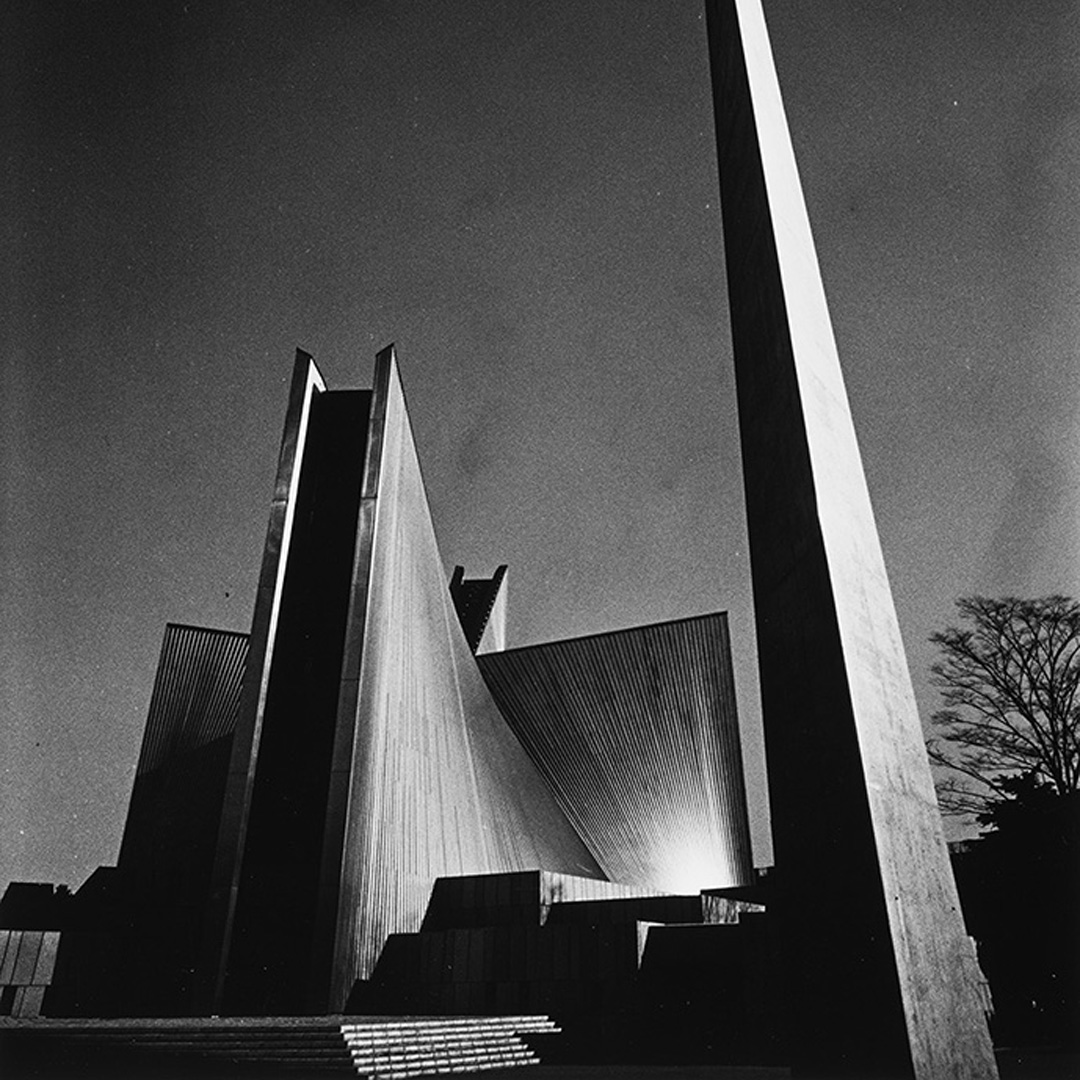
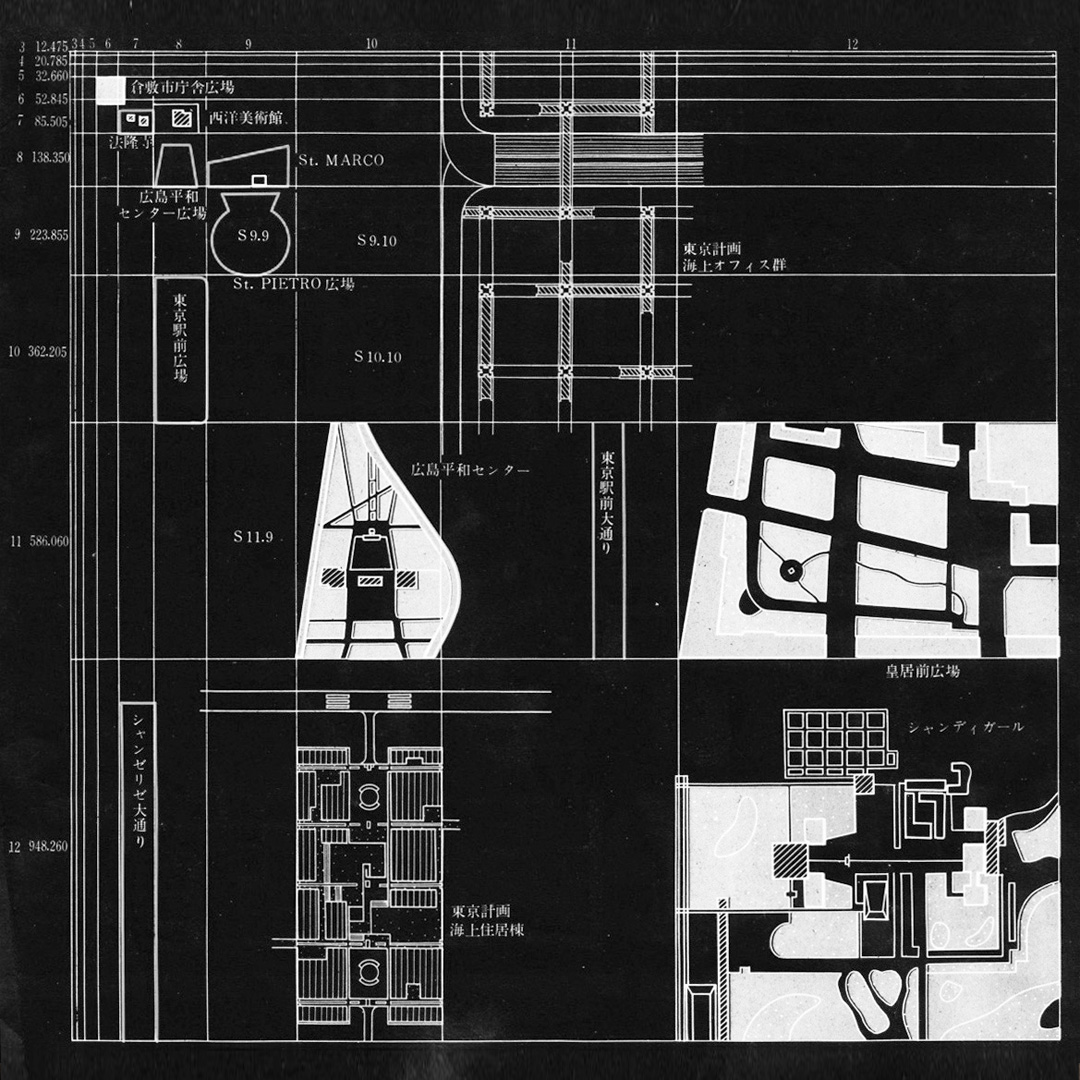
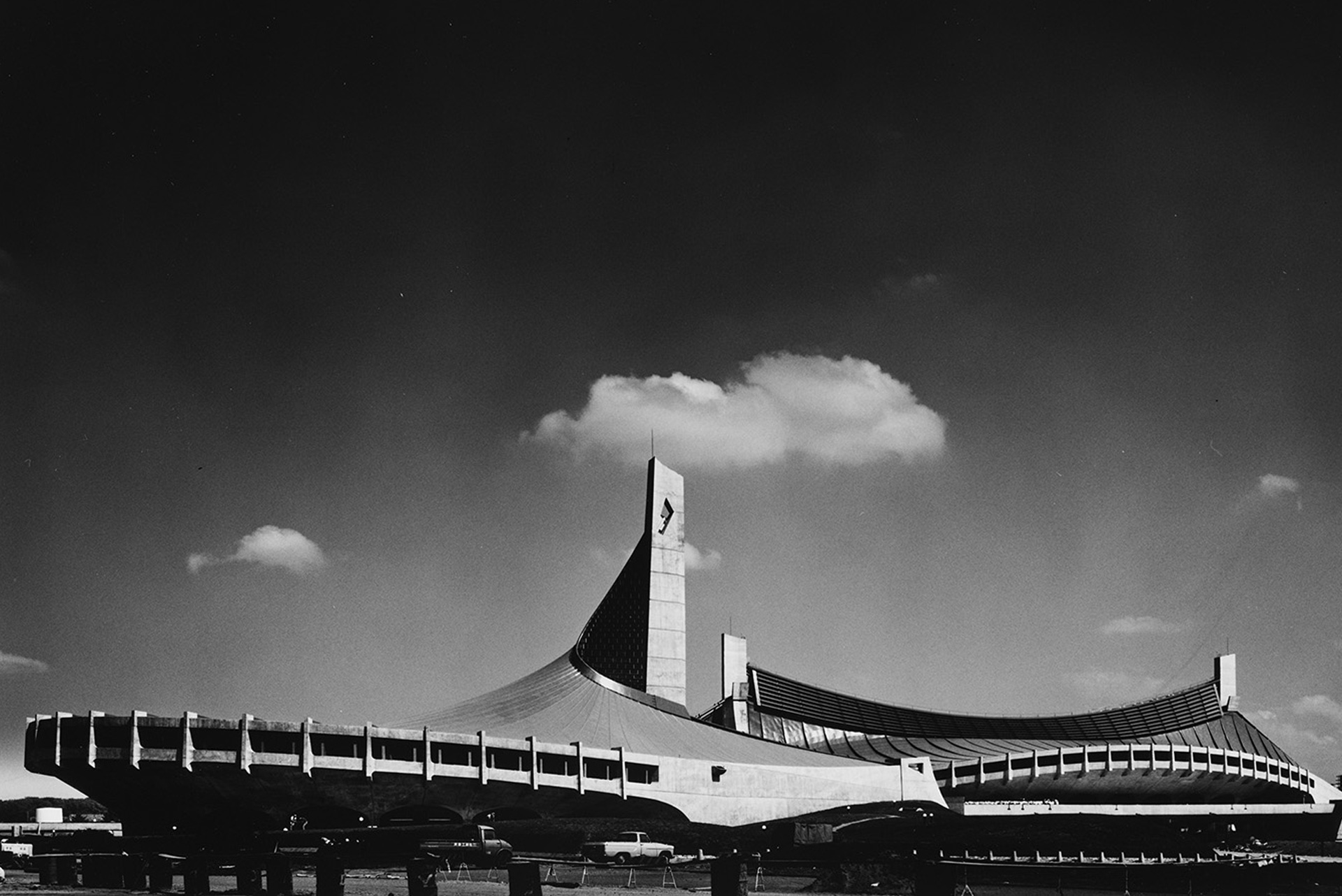
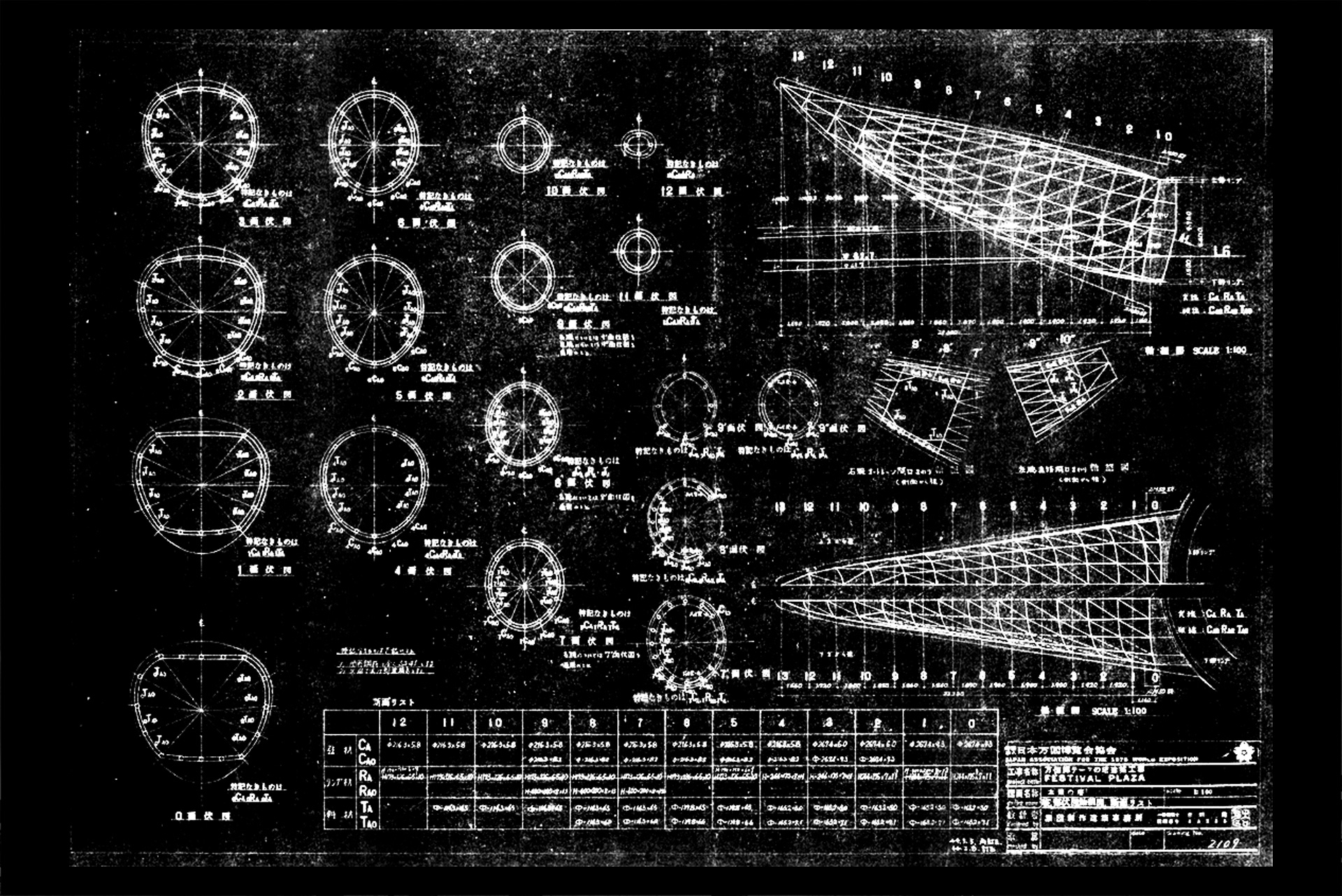
A central theme of the exhibition was Tange’s role in shaping Japan’s architectural identity during a period of rapid modernization and global visibility. The final section, titled Integrating the Five Keywords, culminated with the presentation of the Yoyogi National Gymnasium, the architect’s celebrated masterpiece designed for the swimming and basketball competitions of the 1964 Tokyo Olympic Games. Through structural studies, photographs, and original design materials, the exhibition revealed the innovative engineering and sculptural dynamism that made the building an enduring symbol of modern Japanese architecture.
The exhibition also highlighted Tange’s broader involvement in the cultural and urban transformations that accompanied the Tokyo Olympics and the Osaka World Expo of 1970. Architectural materials and planning studies demonstrated how his work extended far beyond individual buildings, encompassing ambitious visions for new urban infrastructures and large-scale civic environments.
By revisiting the architectural projects and research that defined the first half of Tange’s career, the exhibition offered a deeper understanding of how he forged a synthesis between technological experimentation, modernist principles, and Japanese cultural identity. In doing so, Tange Kenzo 1938–1970 revealed the foundations of an architectural legacy that continues to influence contemporary design and urban thought around the world.