Side Gallery
Side Gallery
WishlistFollow





Follow
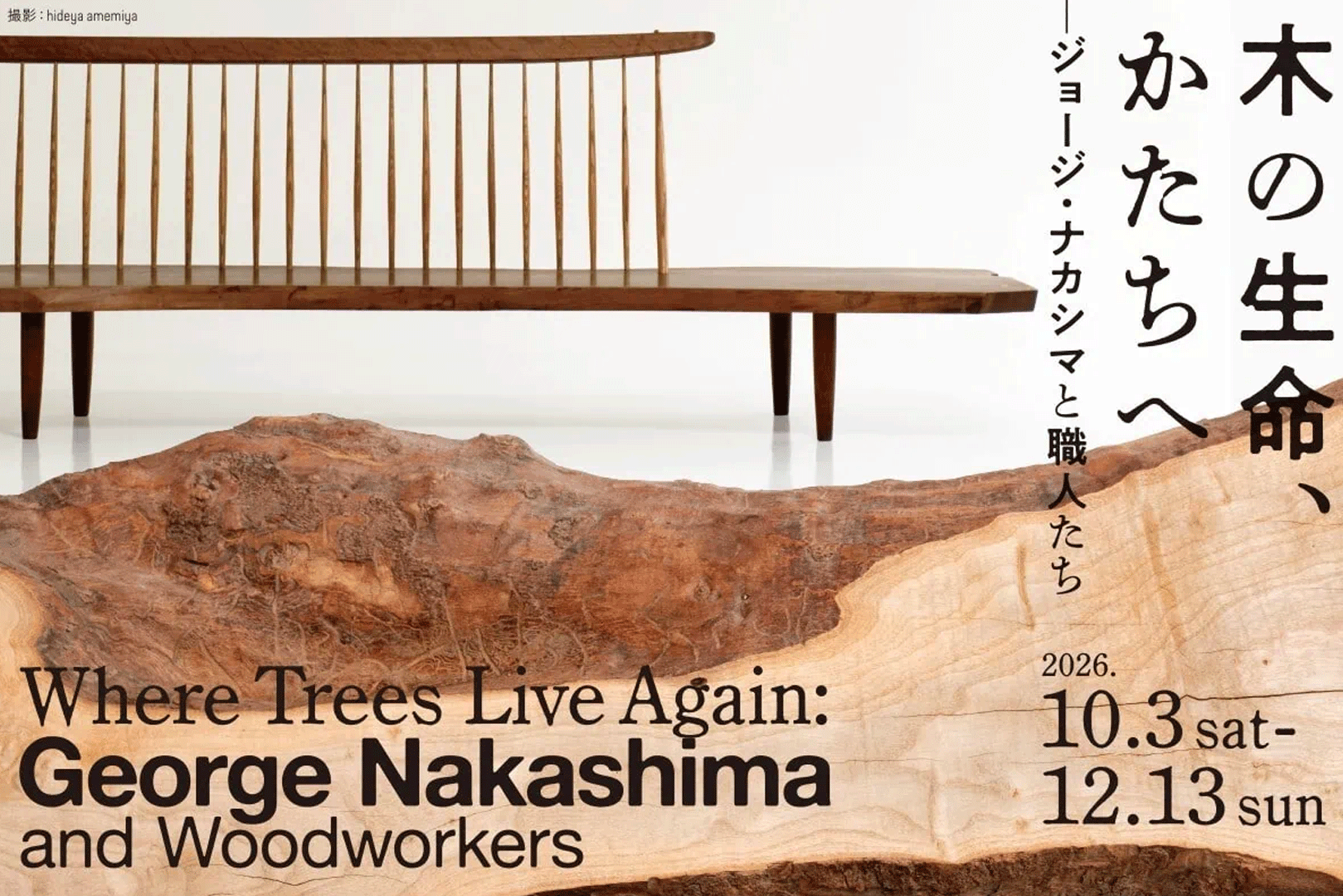
WHERE TREES LIVE AGAIN
GEORGE NAKASHIMA AND WOODWORKERS
3RD OCT – 13TH DEC 2026
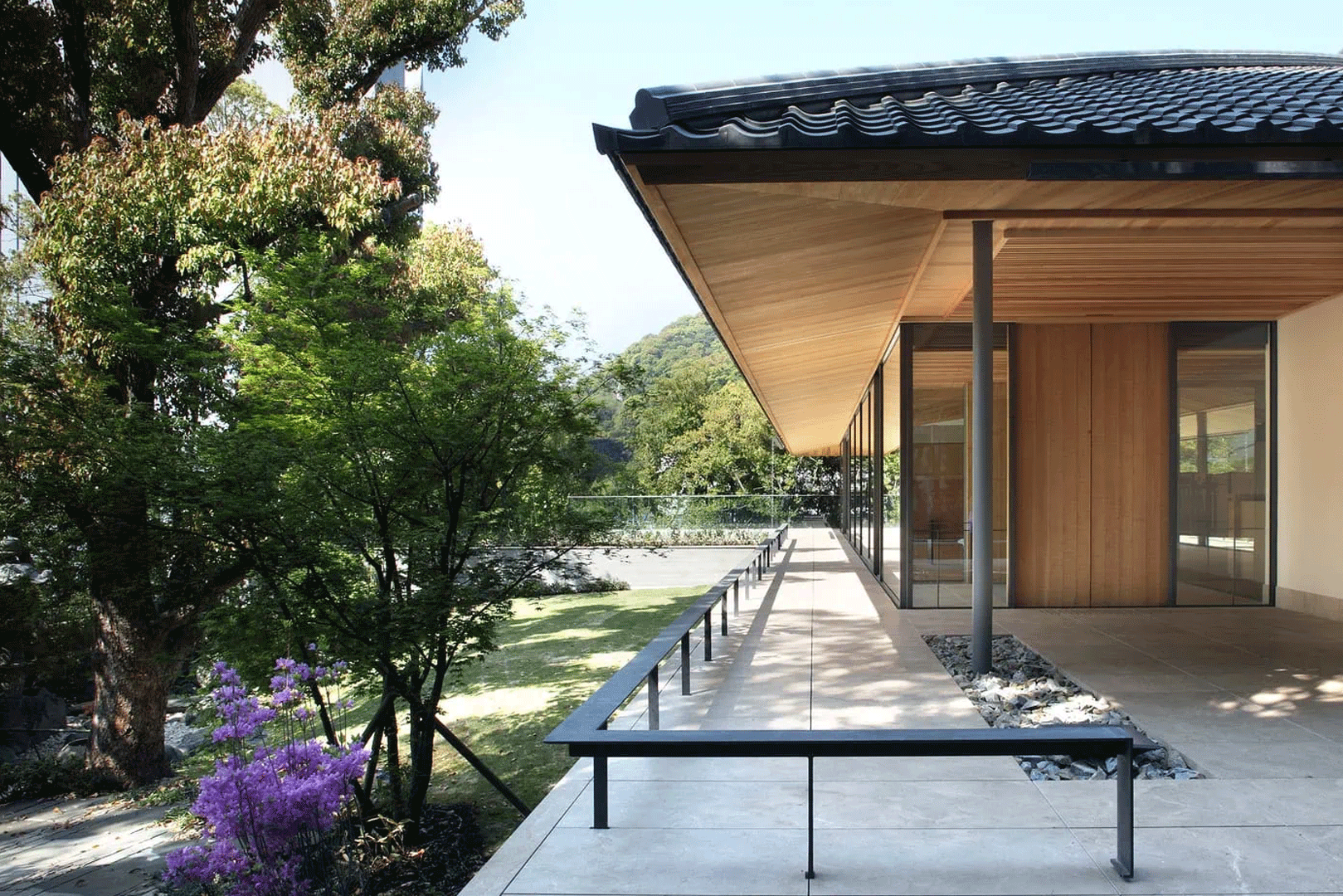
TAKENAKA CARPENTRY TOOLS MUSEUM
KOBE, JAPAN
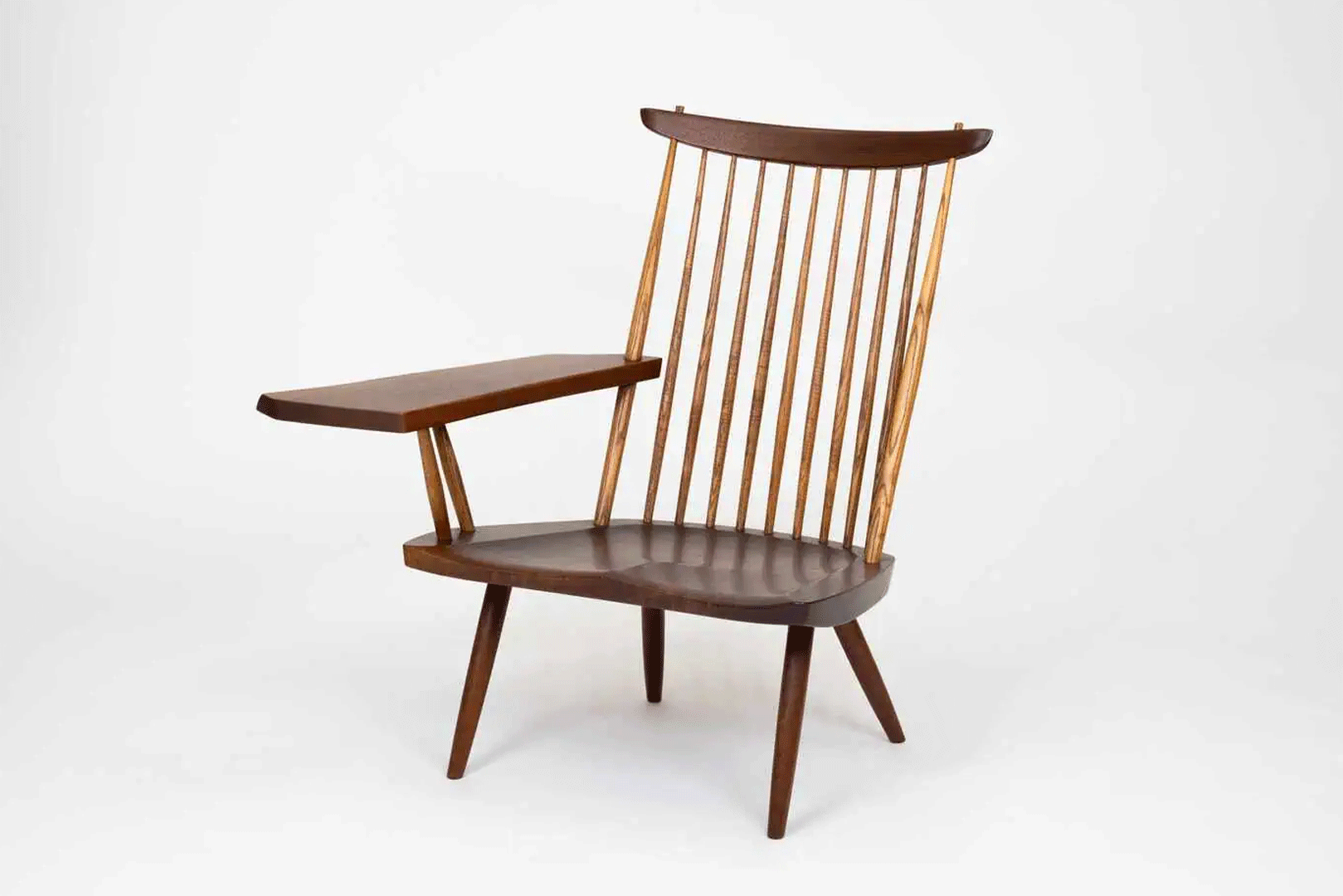
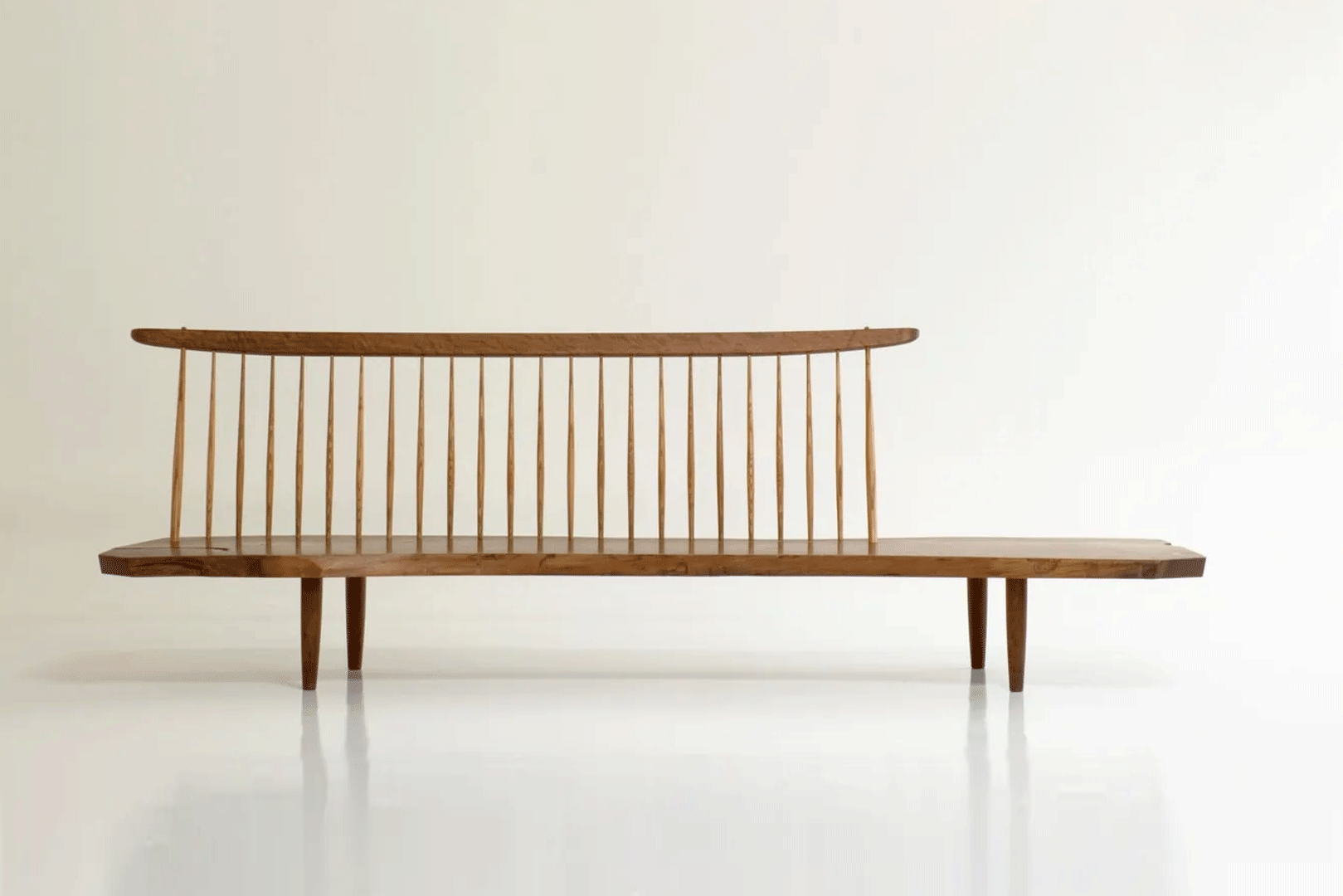
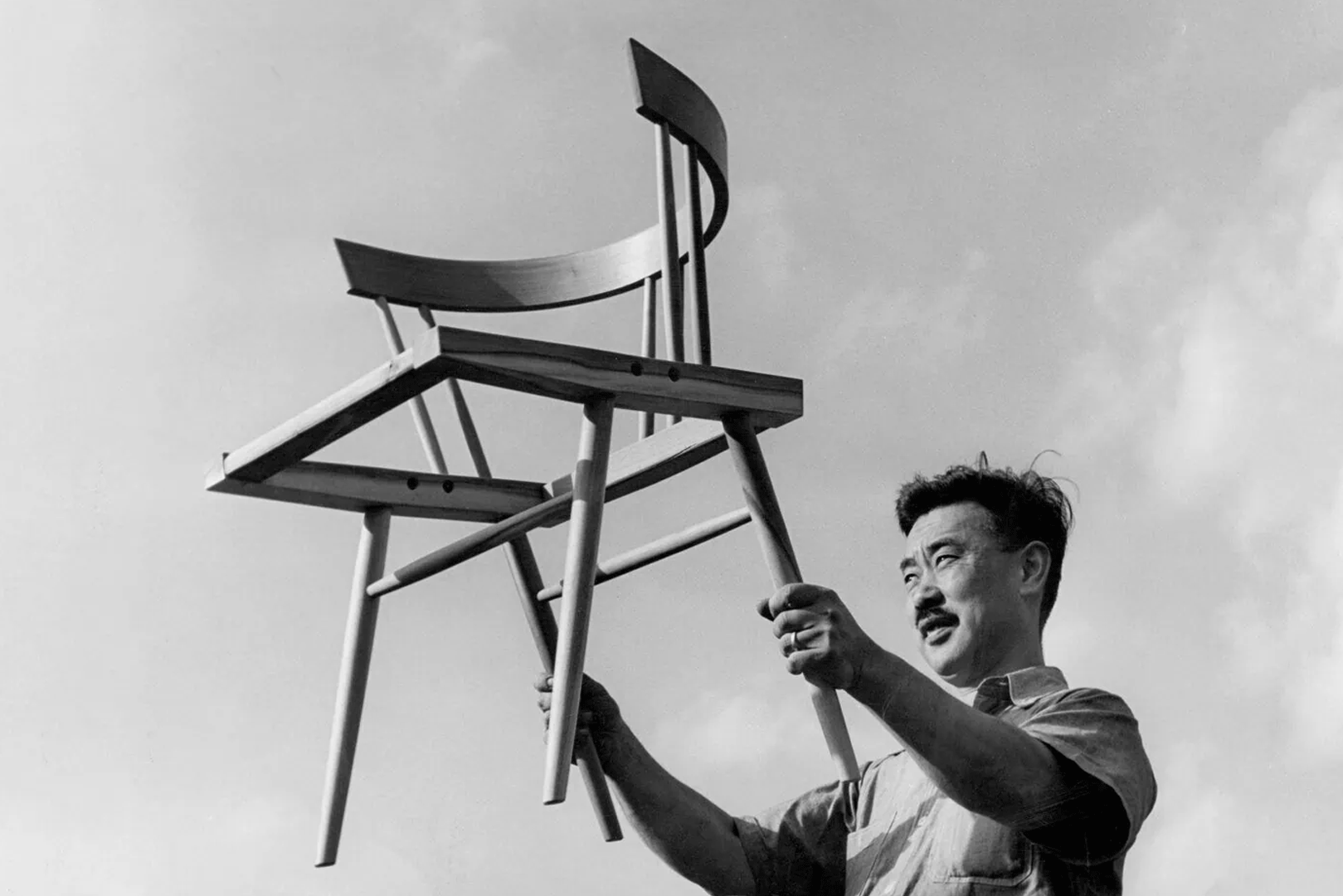
The Takenaka Carpentry Tools Museum in Kobe presents Where Trees Live Again: George Nakashima and Woodworkers, an exhibition dedicated to the work and philosophy of George Nakashima (1905–1990), the Japanese-American furniture designer and woodworker whose practice was founded on a profound respect for the natural character of wood. Bringing together furniture and an exploration of traditional woodworking practices, the exhibition examines how the individual qualities of each tree can be transformed into objects that preserve the material's inherent identity.
Born in Spokane, Washington, Nakashima initially trained as an architect before pursuing furniture making as a discipline through which design, material, and craftsmanship could be integrated into a unified creative process. His approach embraced the natural irregularities of timber, incorporating knots, fissures, grain patterns, and variations in growth into the composition of each piece. Rather than concealing these characteristics, Nakashima regarded them as essential expressions of the tree's history, developing a distinctive furniture language that transcended conventional distinctions between industrial production, functional design, and traditional craftsmanship.
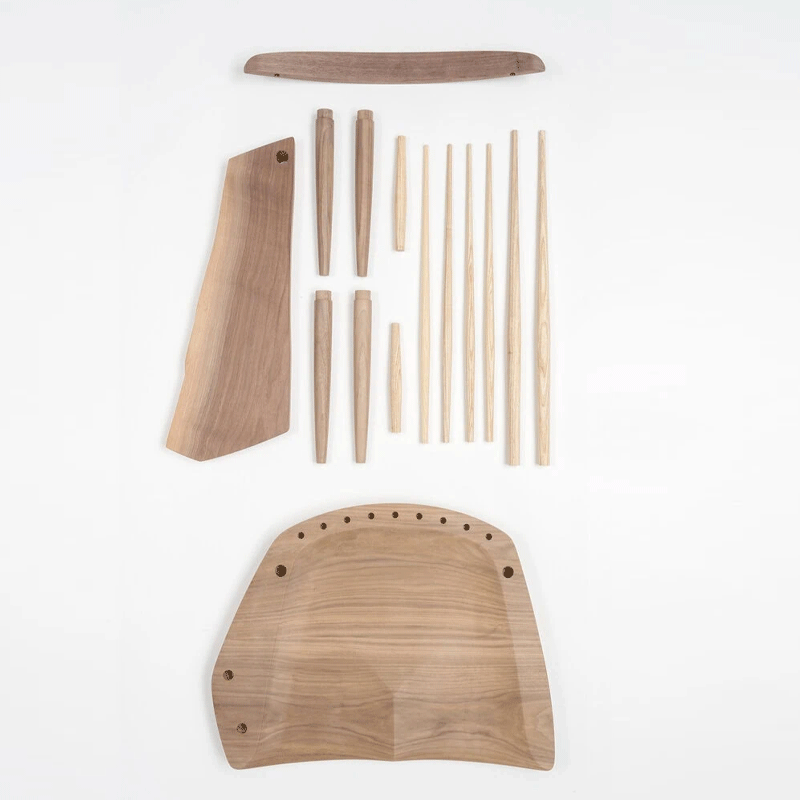
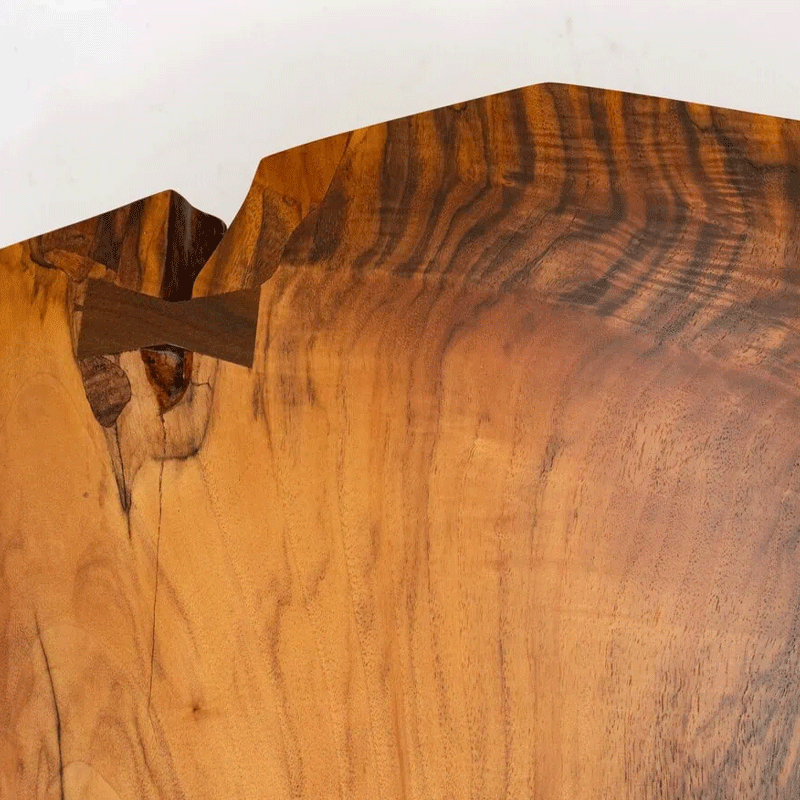
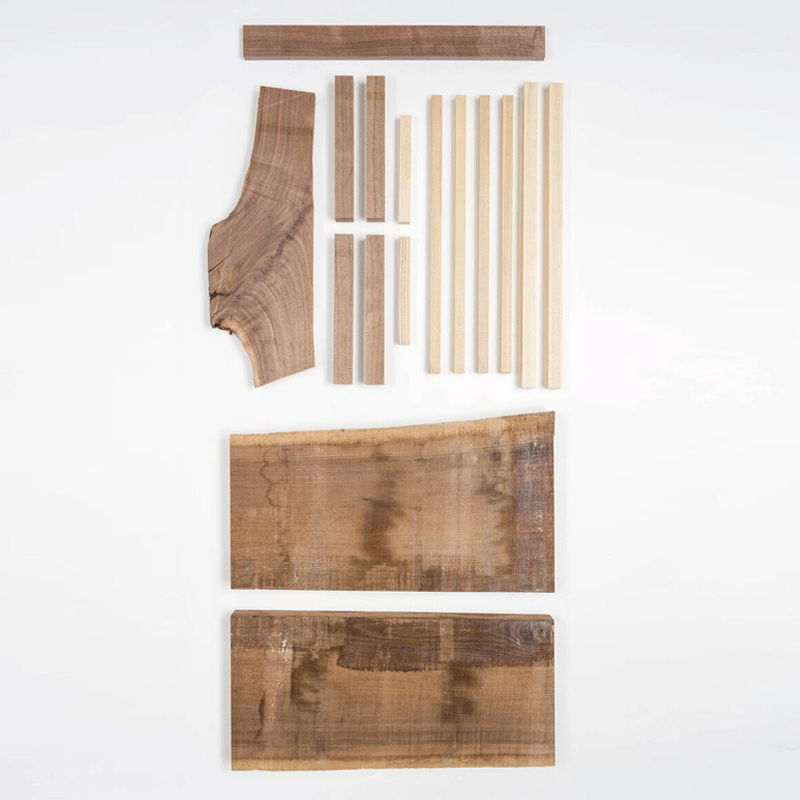
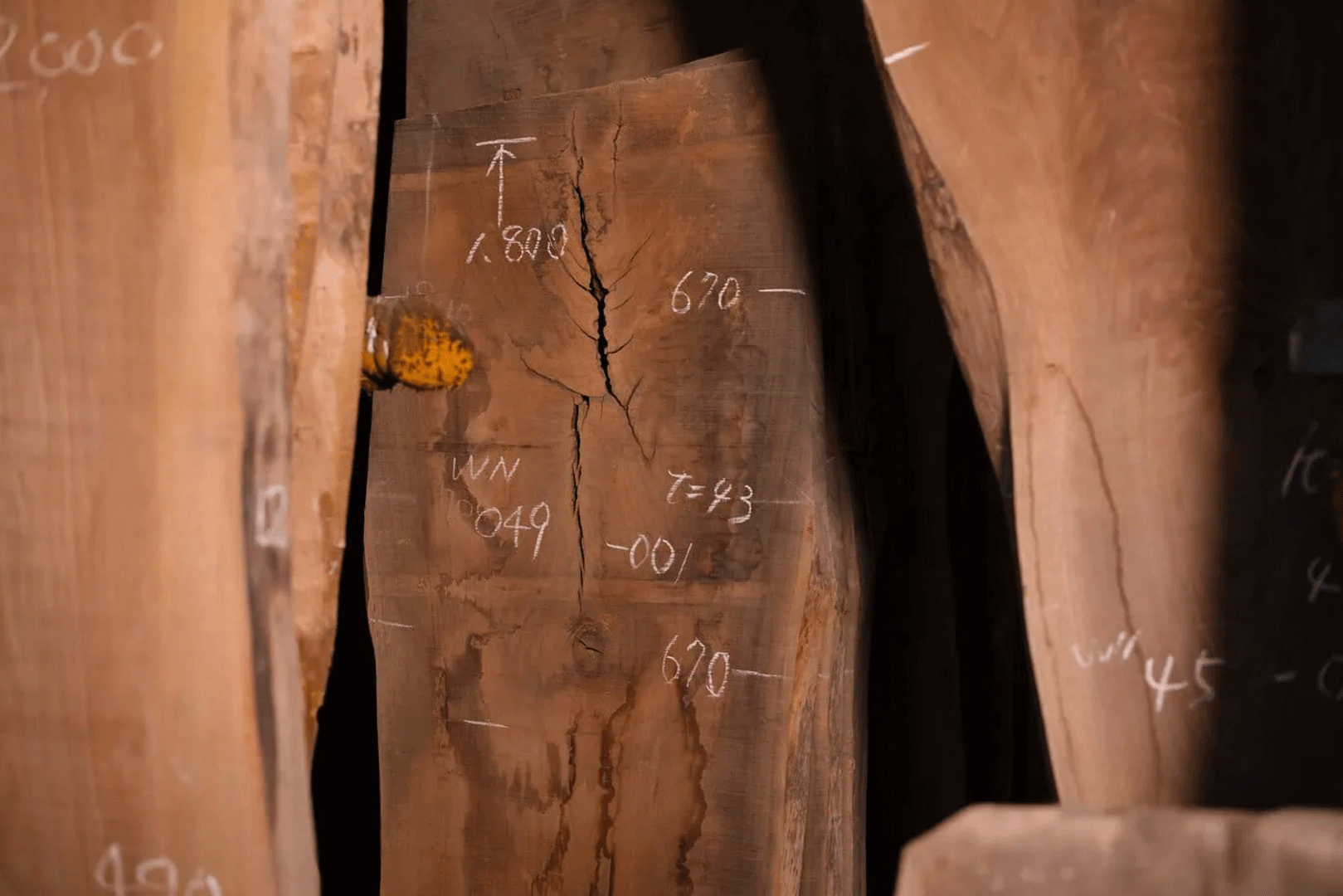
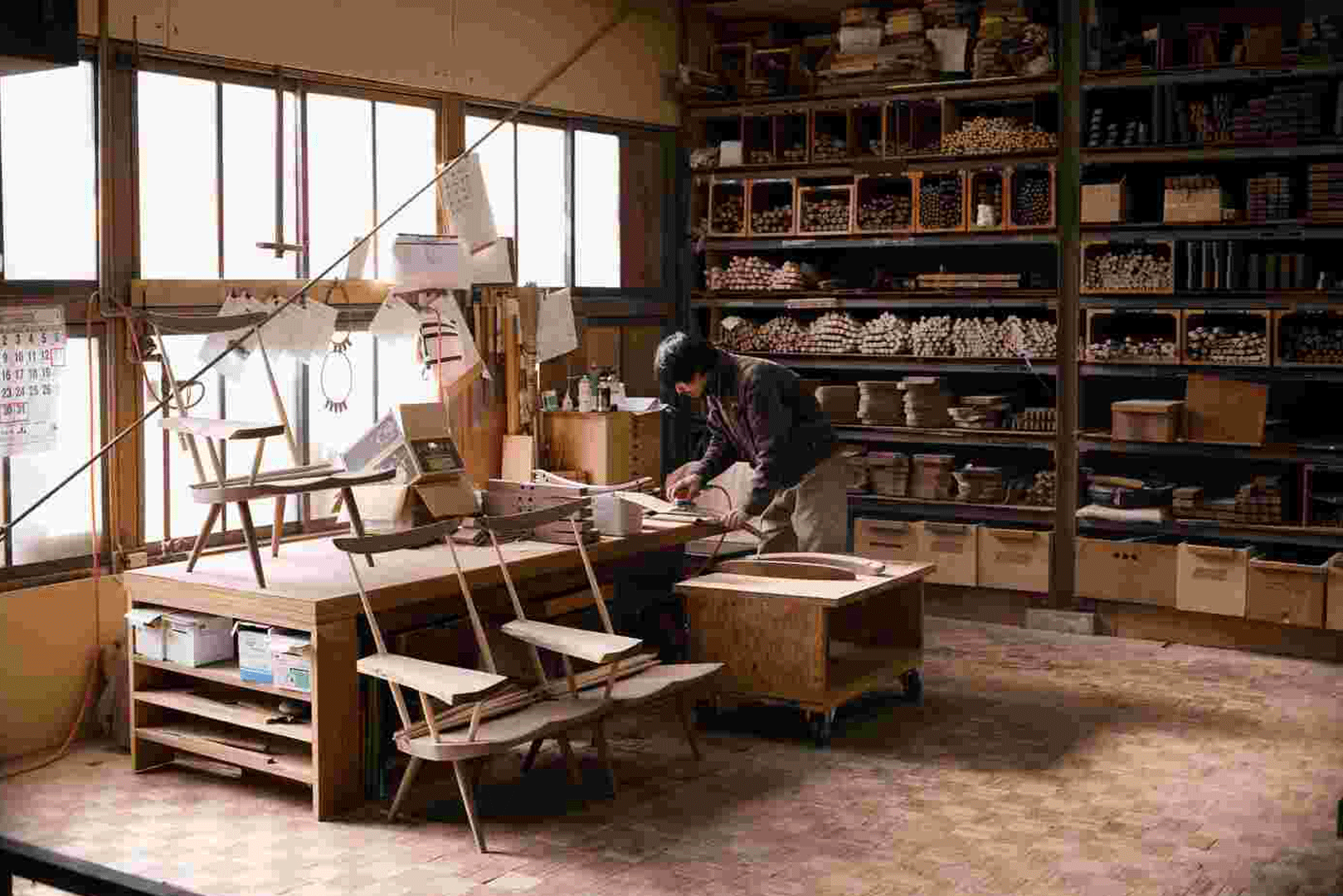
At the centre of the exhibition is Sakura Seisakusho, the Takamatsu-based workshop in Kagawa Prefecture that has continued to manufacture Nakashima's furniture in Japan for more than sixty years. Through the work of its craftsmen, the presentation explores the transmission of woodworking knowledge and the relationship between the designer's original philosophy and the technical expertise required to bring each piece into being. The careful selection of timber, the interpretation of its natural characteristics, and the precision of traditional woodworking techniques reveal an approach to production in which the material itself plays an active role in determining the final form.
By highlighting the continuing work of Sakura Seisakusho, the exhibition considers craftsmanship as a process of observation, interpretation, and respect for natural materials, distinct from the standardisation of mass production. The relationship between Nakashima's designs and the knowledge of successive generations of woodworkers reflects a broader understanding of furniture as an enduring cultural and material practice. In this context, the exhibition invites visitors to reconsider the value of objects made to be preserved, used, and passed down through generations, extending the life of the tree through the forms created from its wood.