Side Gallery
Side Gallery
WishlistFollow





Follow
GEORGE NAKASHIMA
BETWEEN CULTURES AND MATERIAL TRADITIONS
SIDE GALLERY KYOTO
12 NOV - 12 DEC 2026
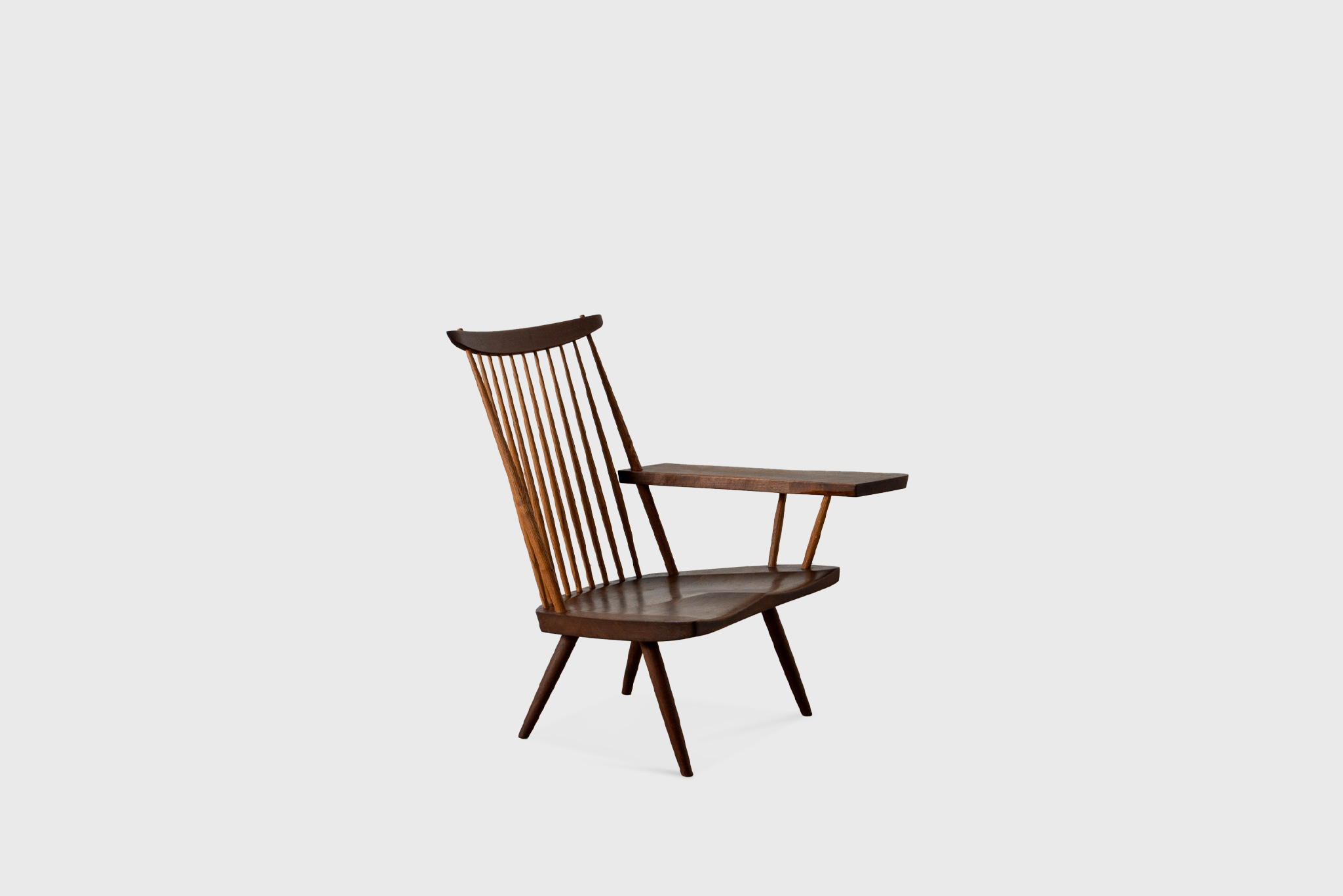
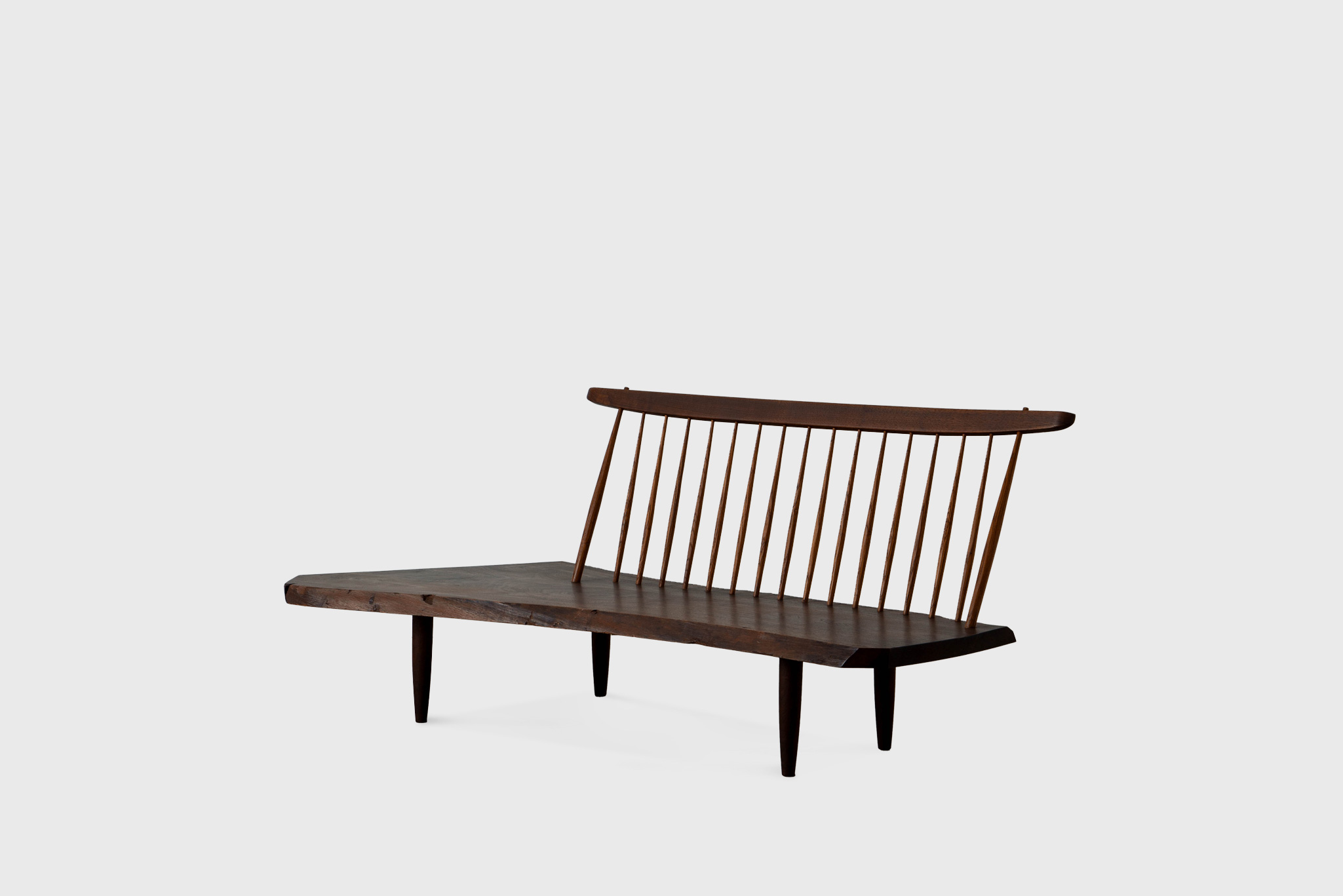
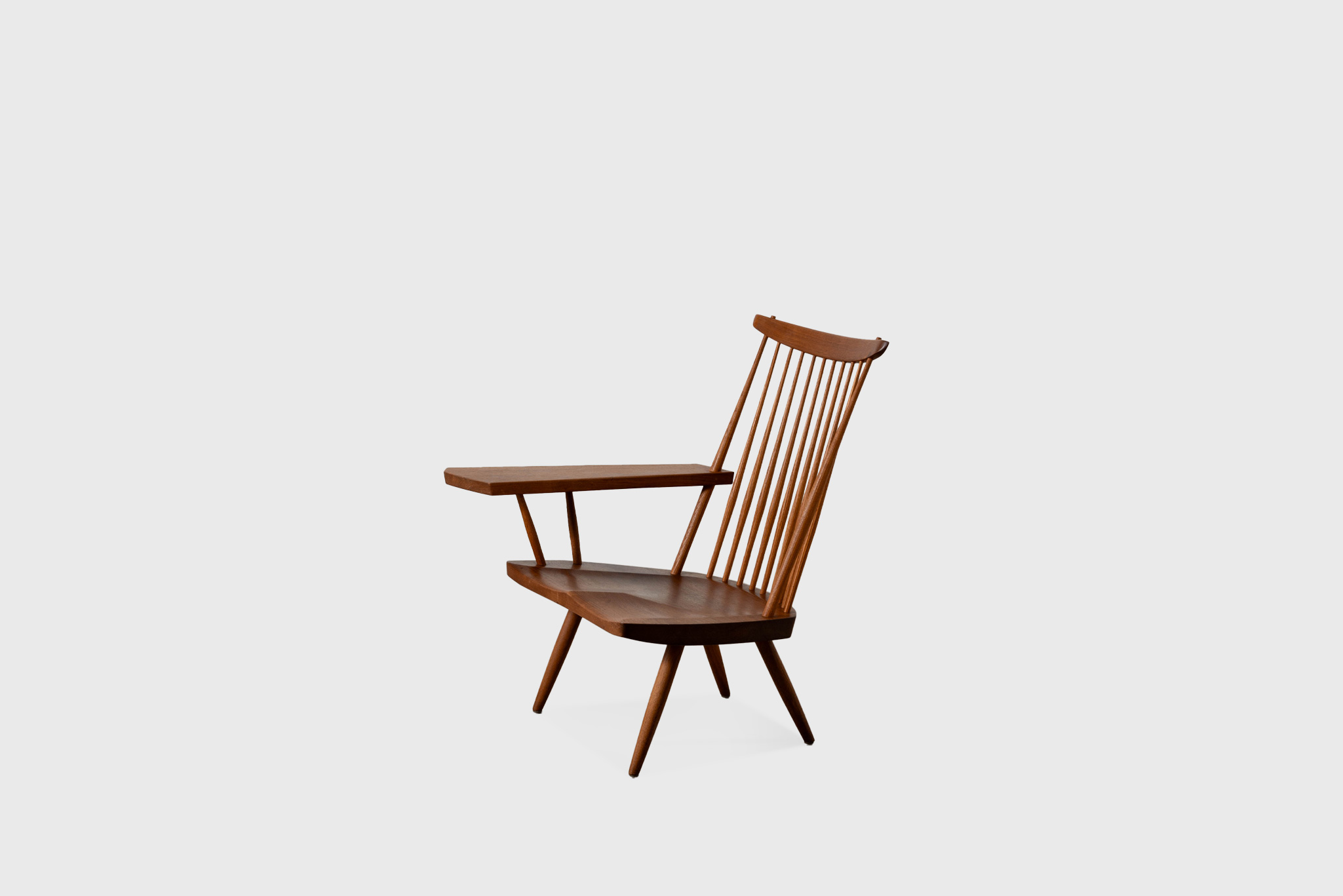
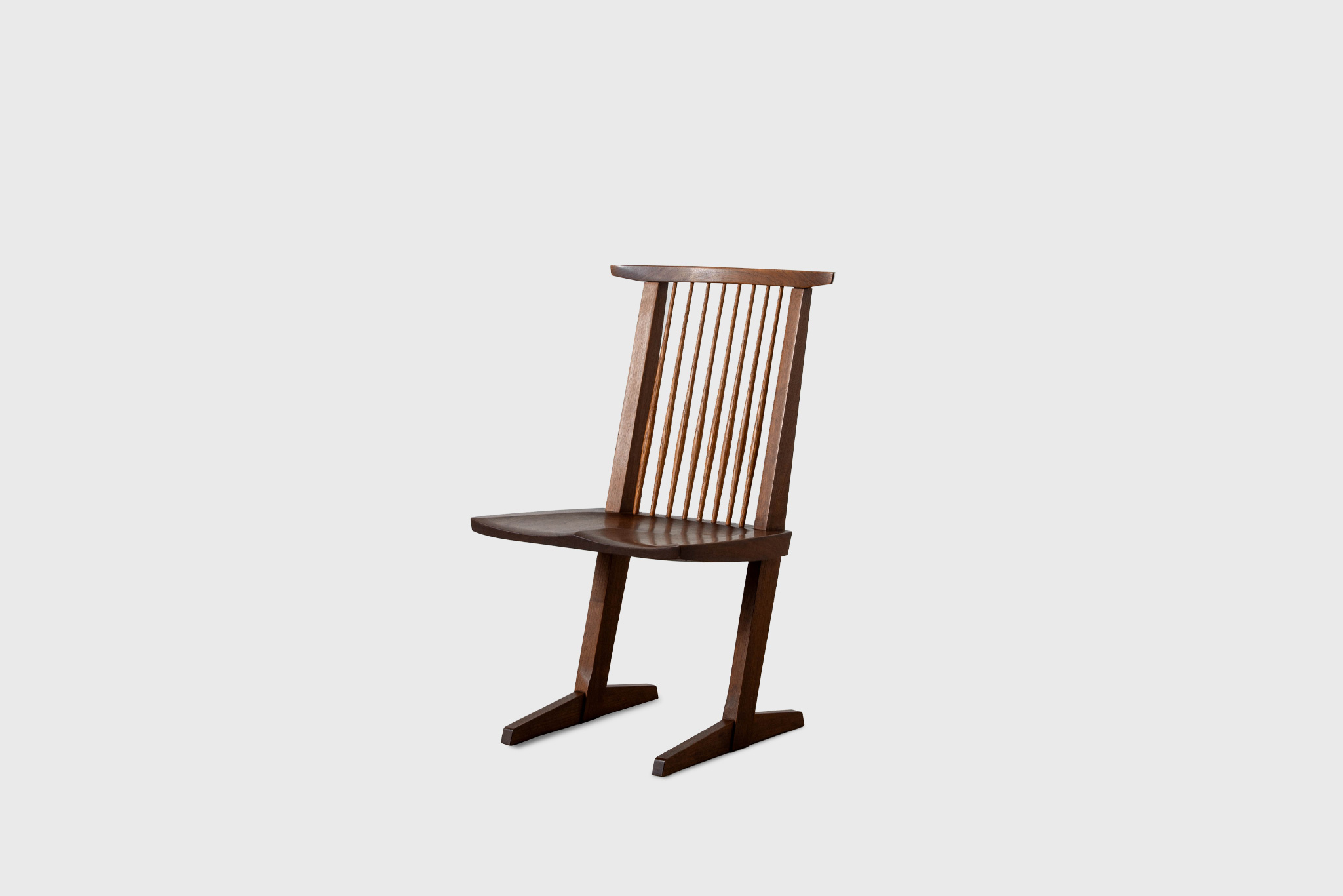
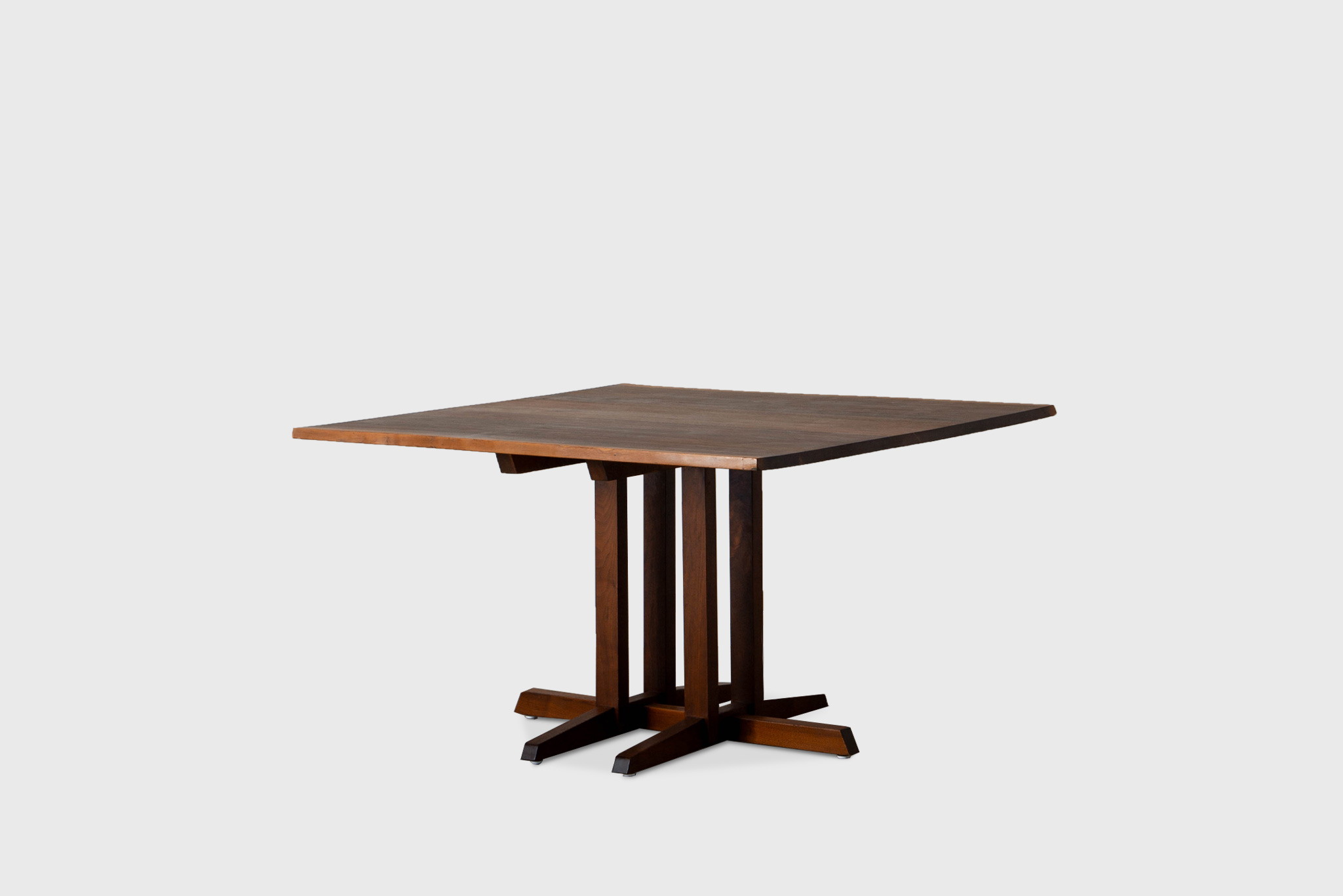
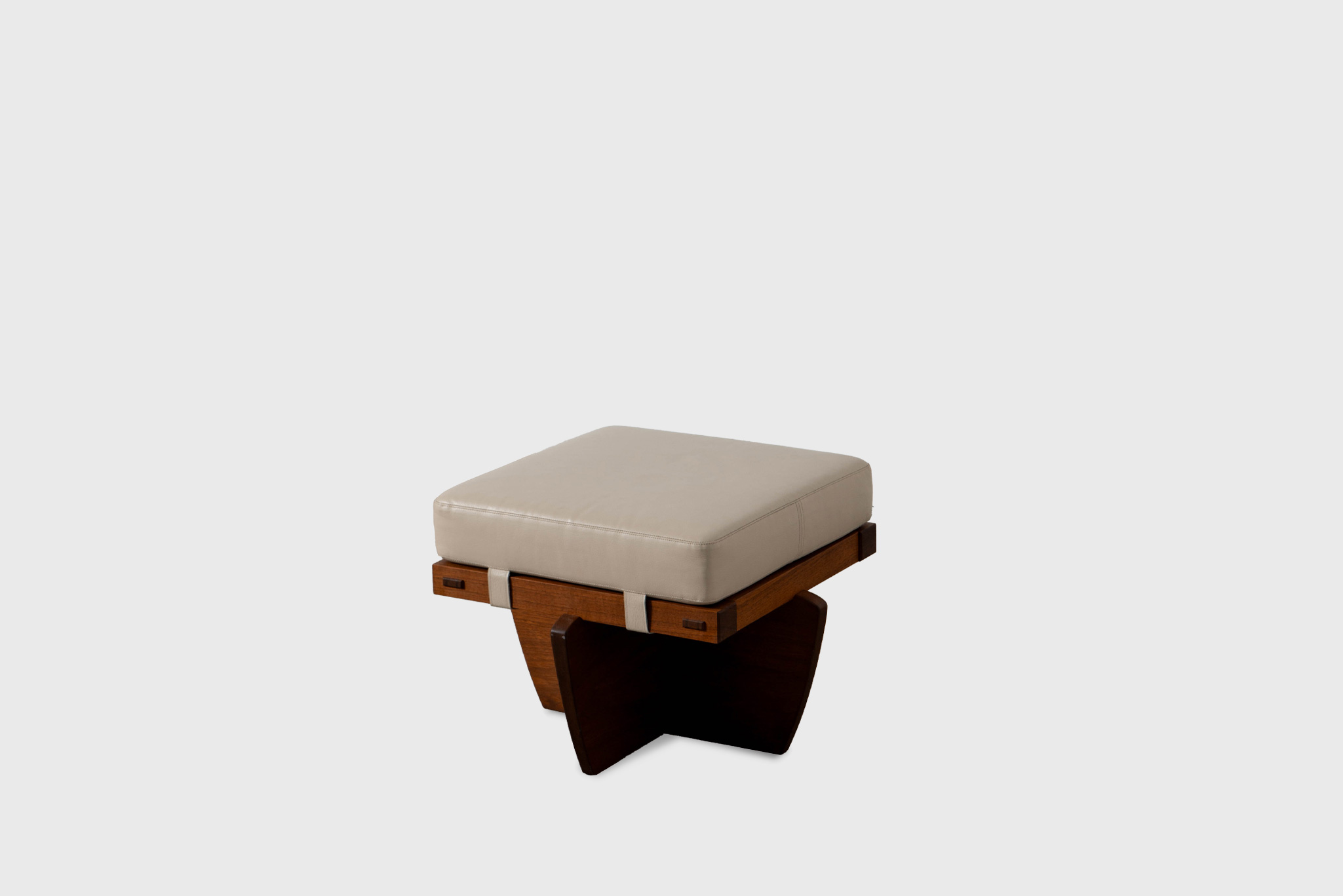
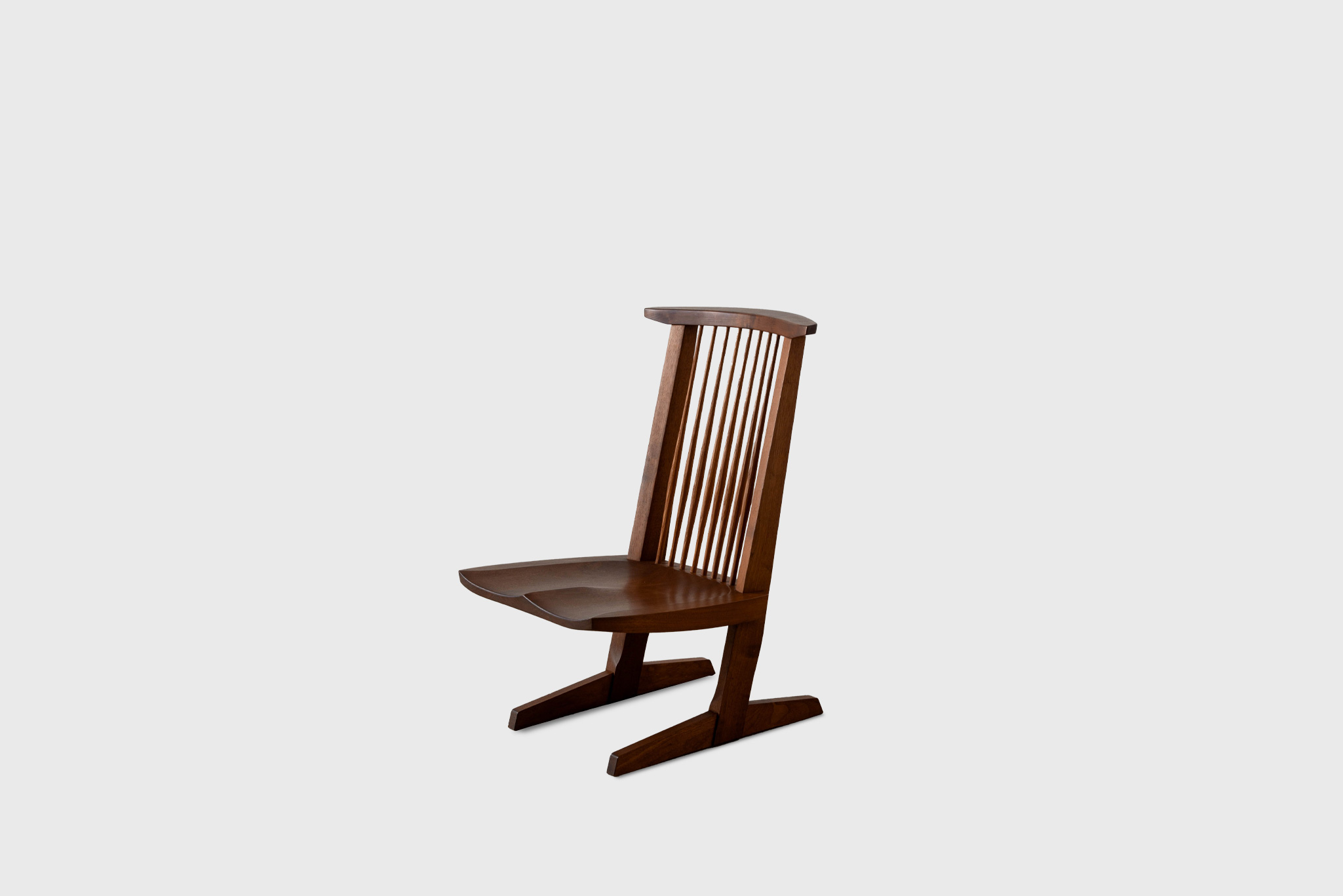
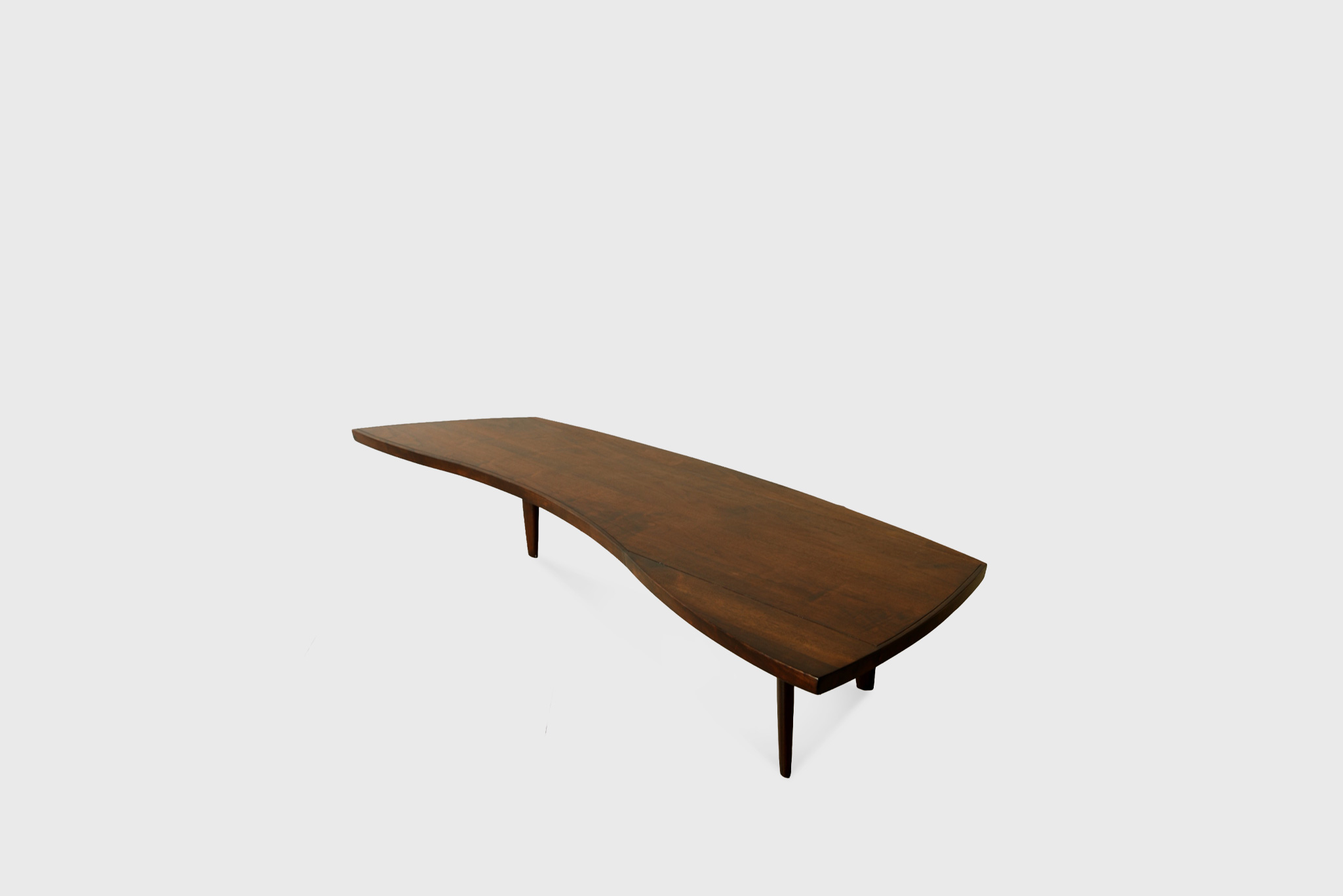
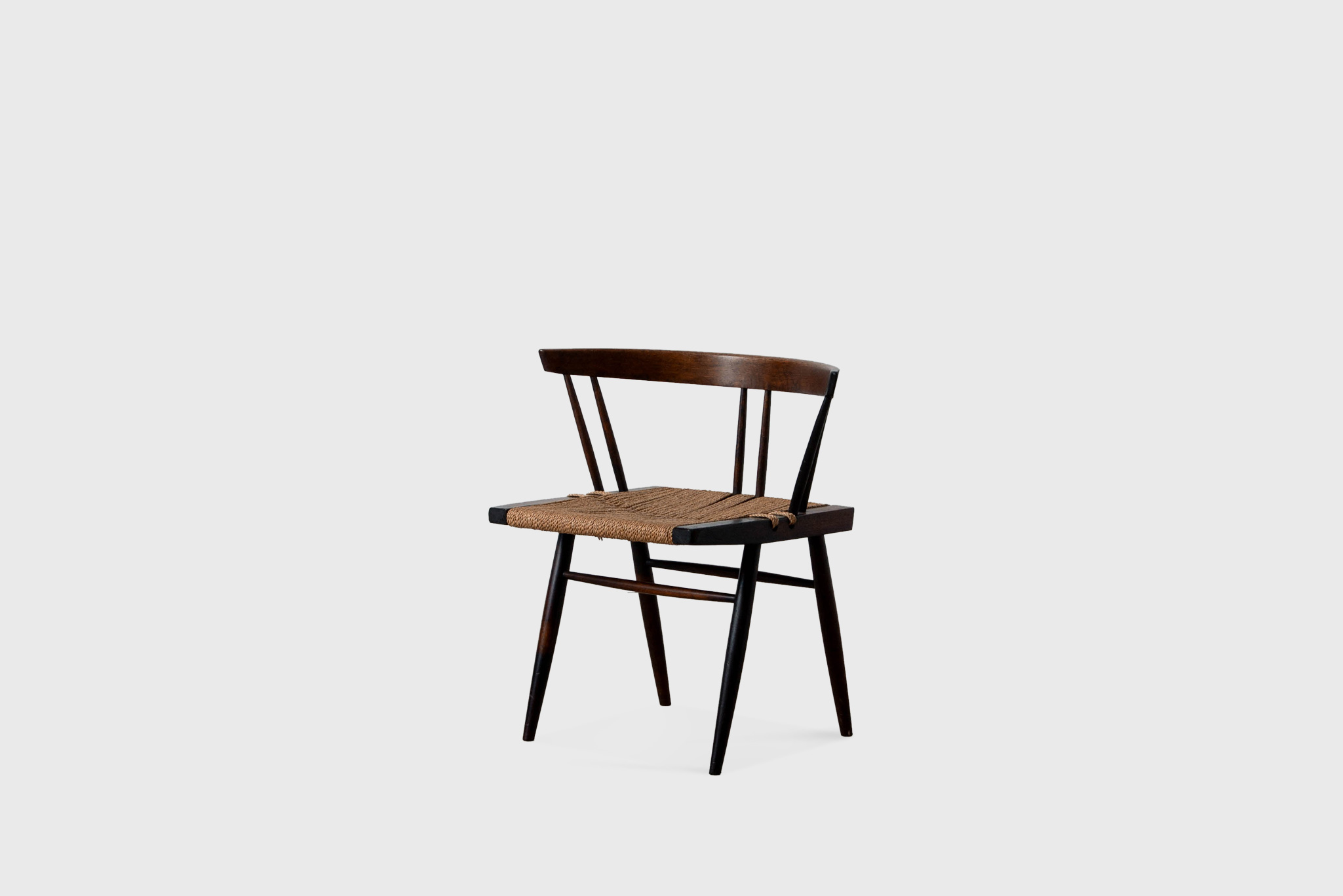
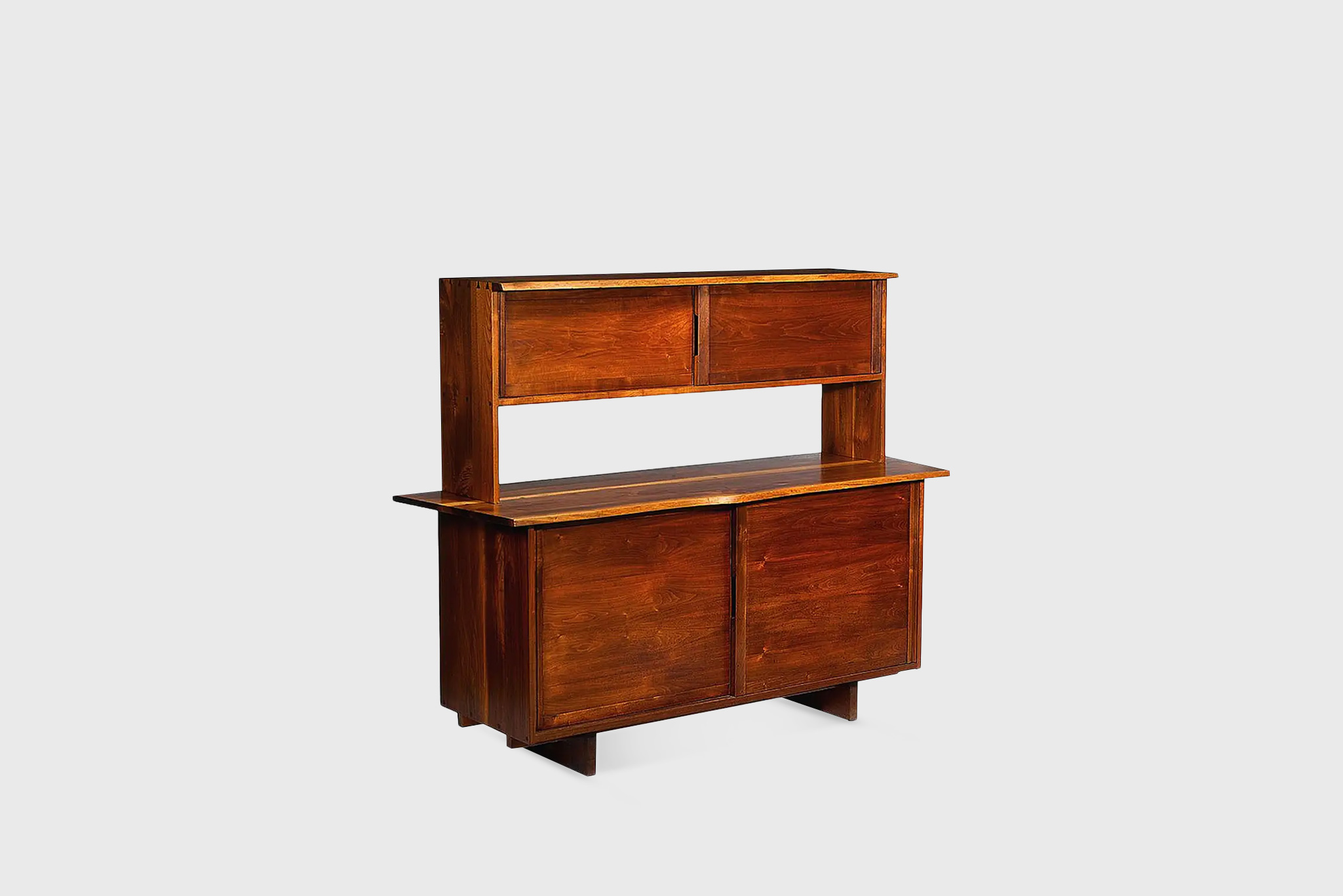
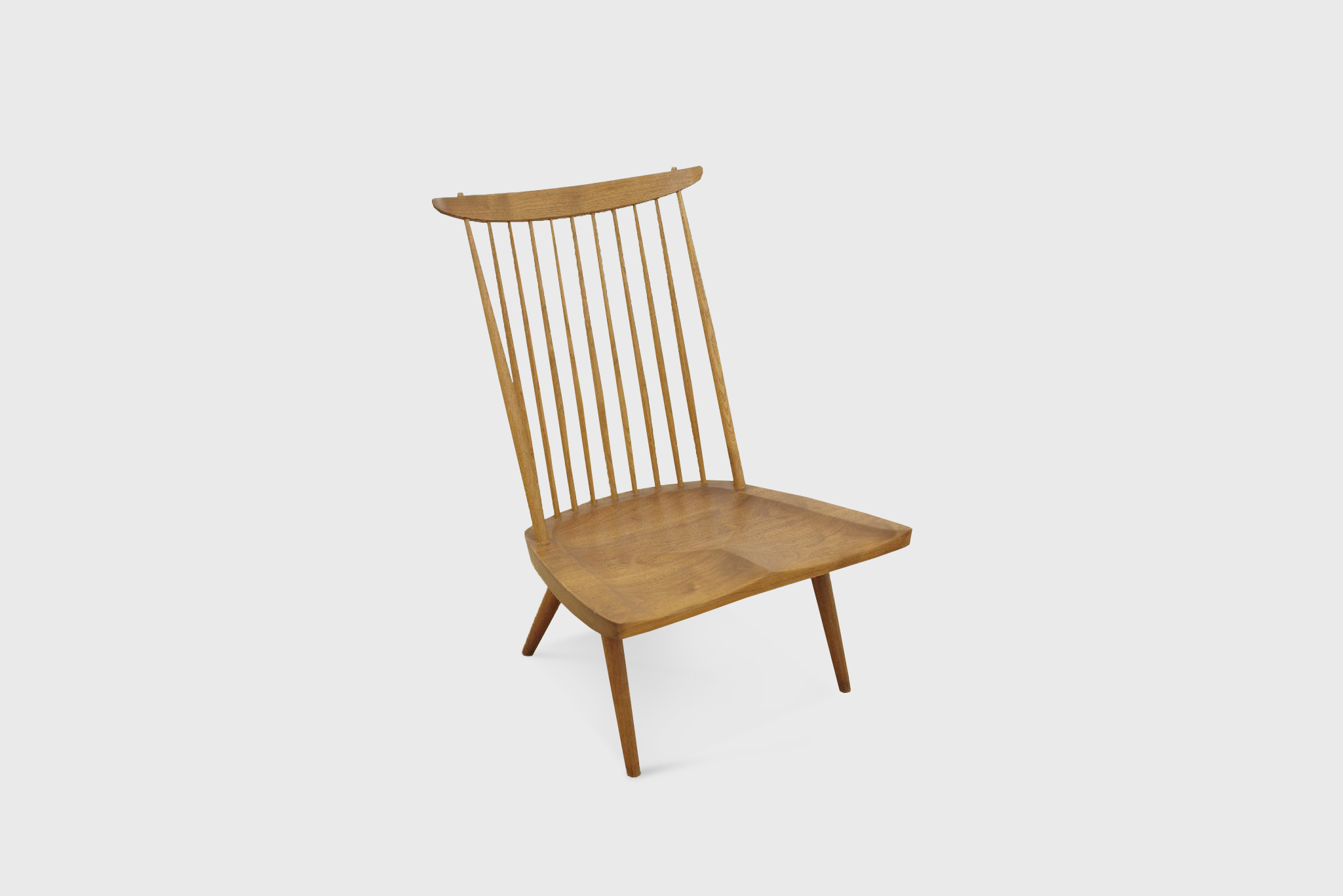
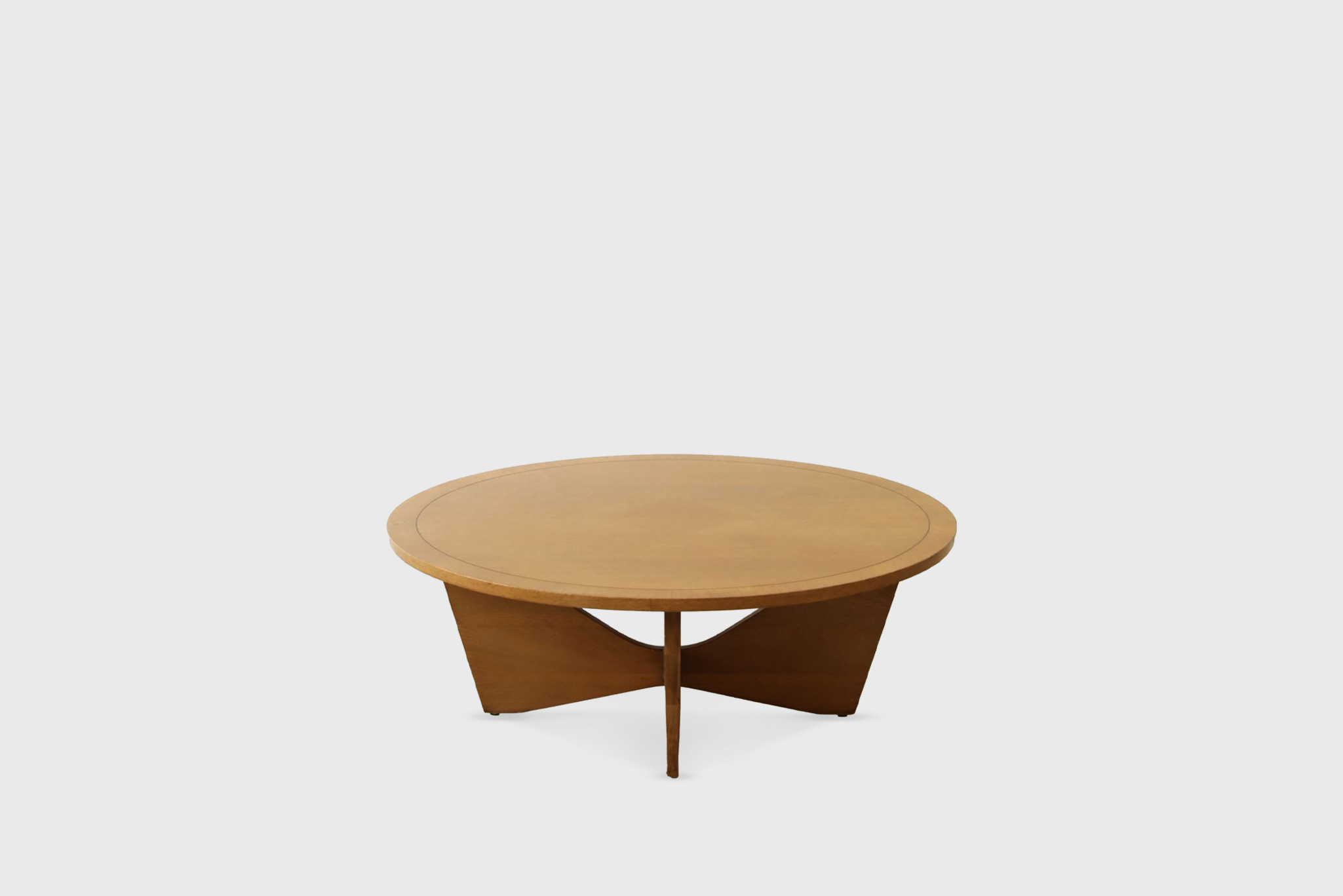
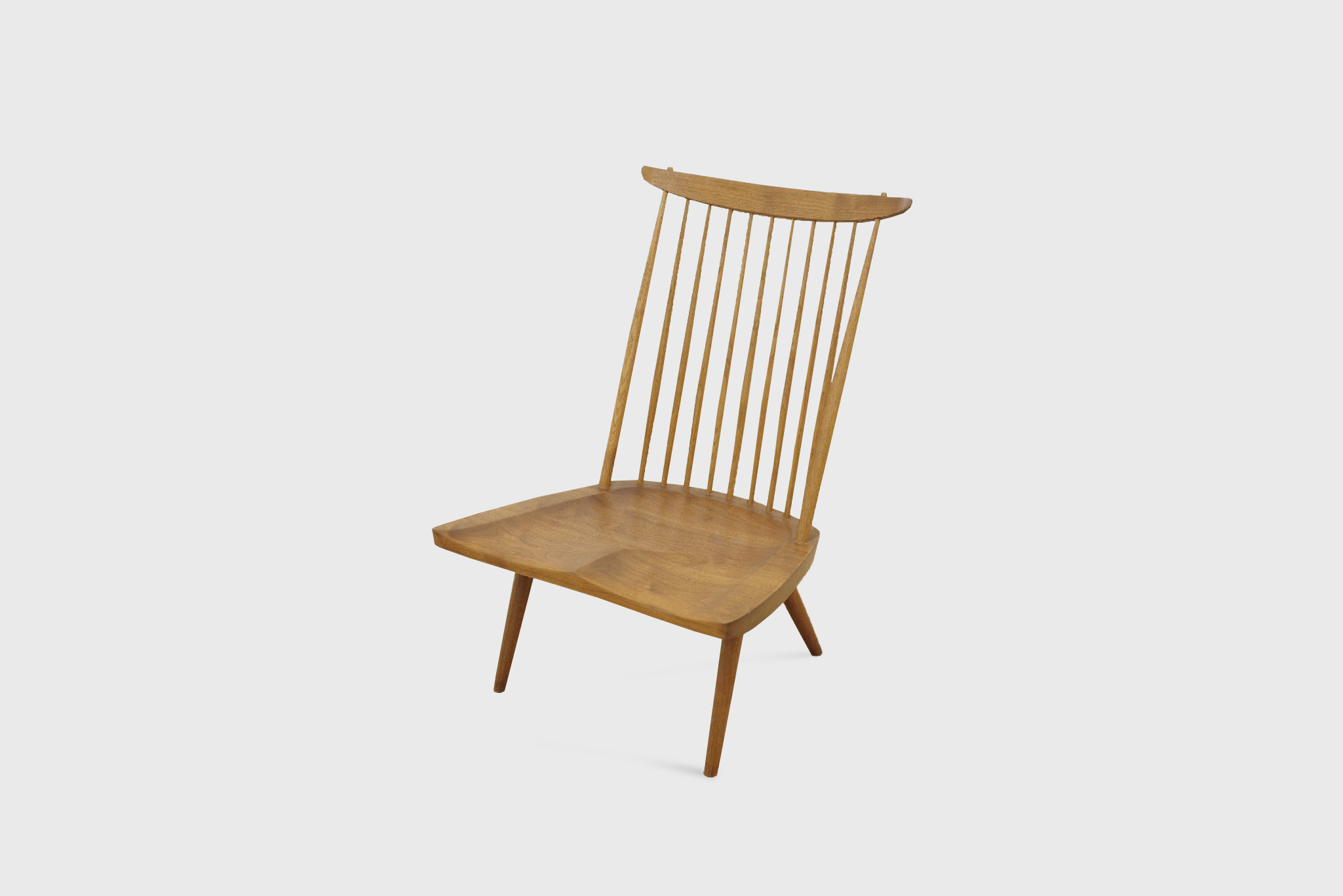
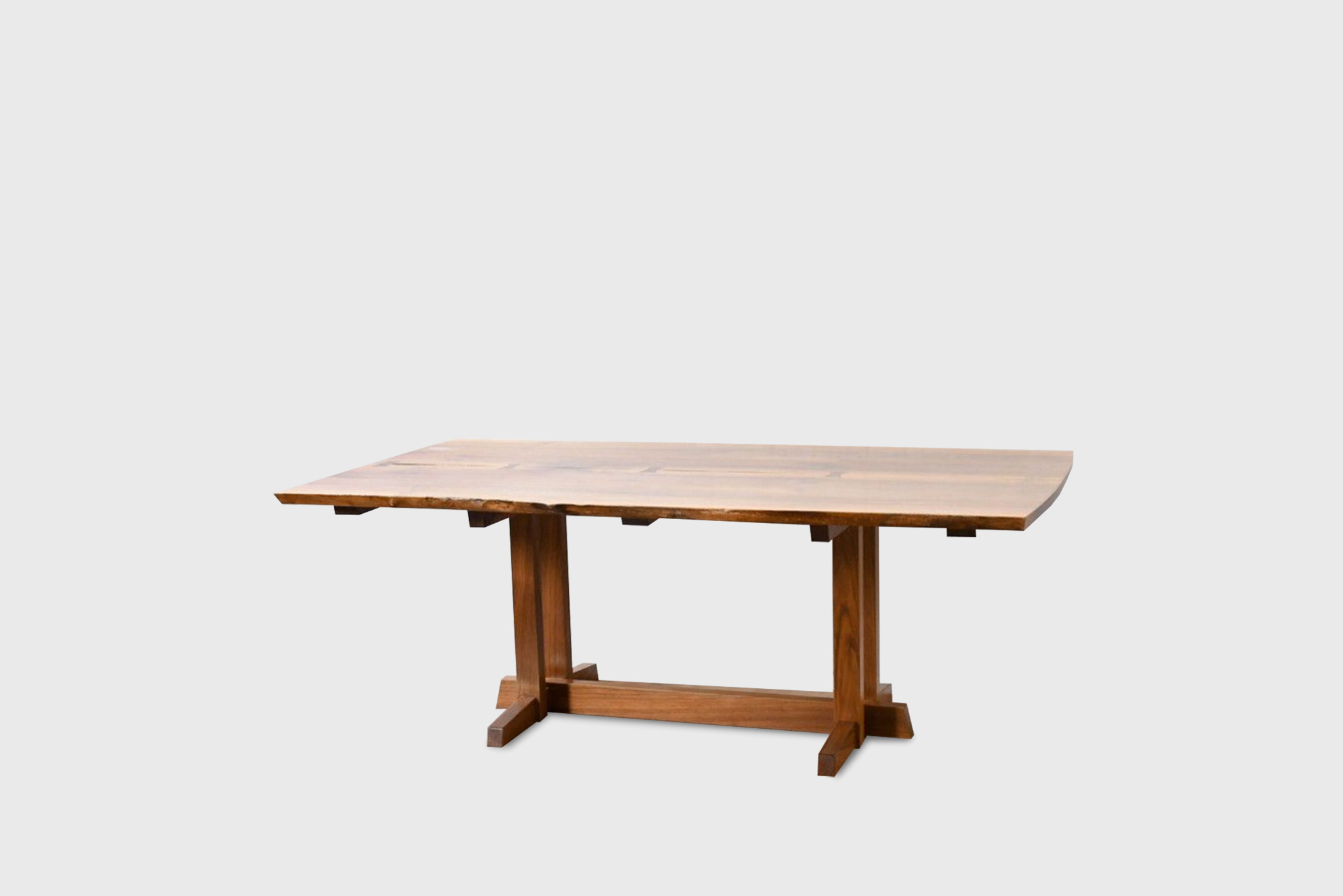
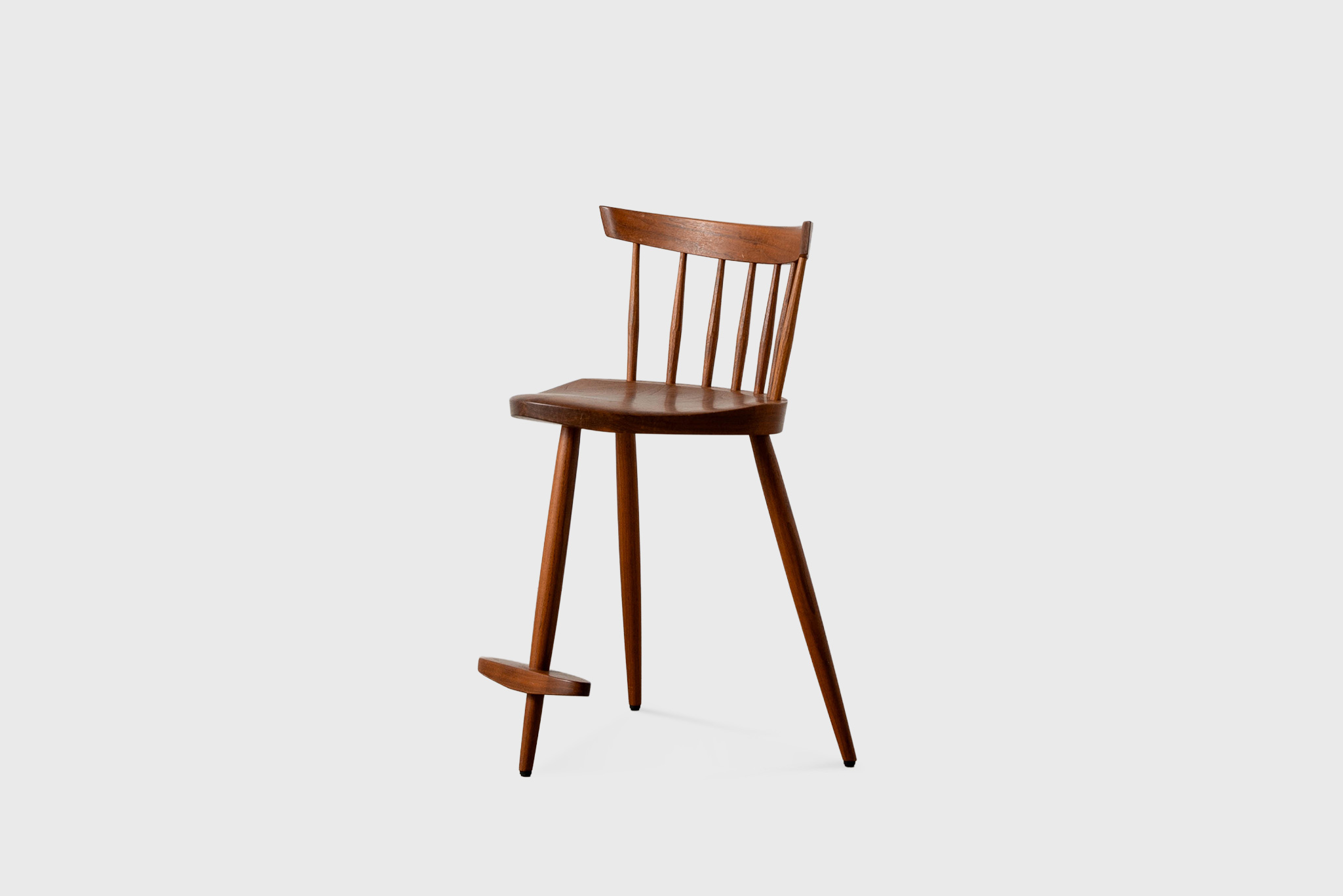
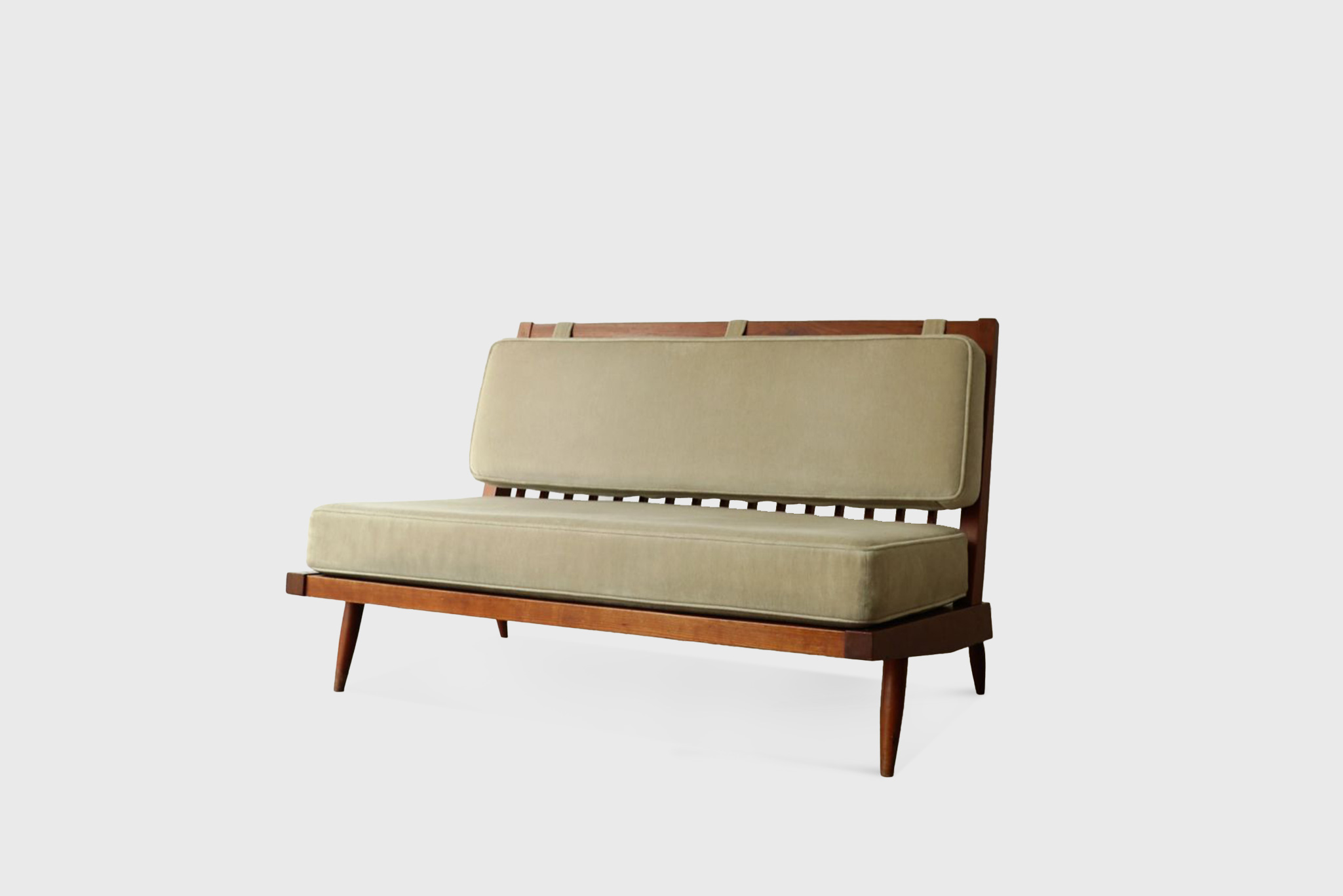
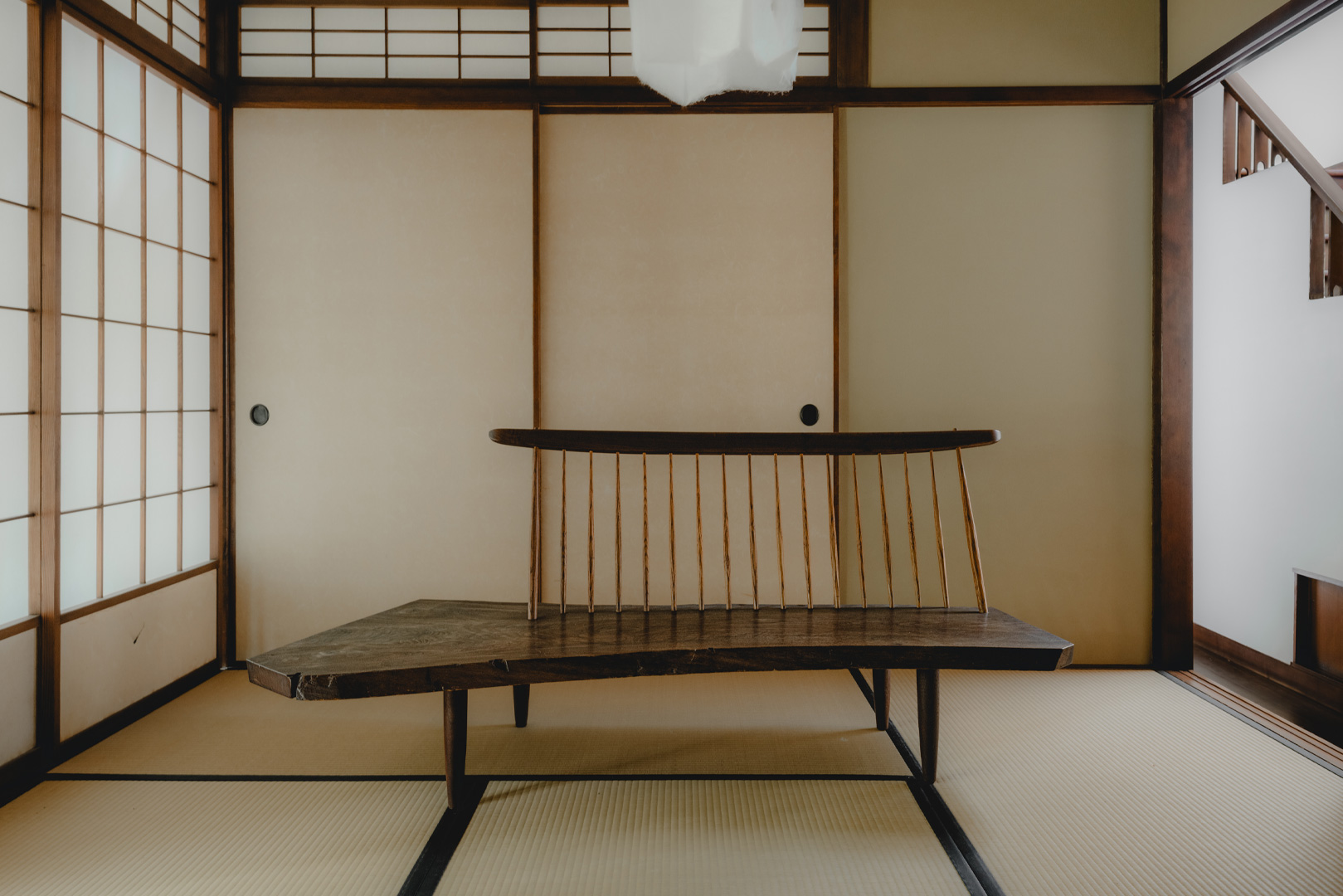
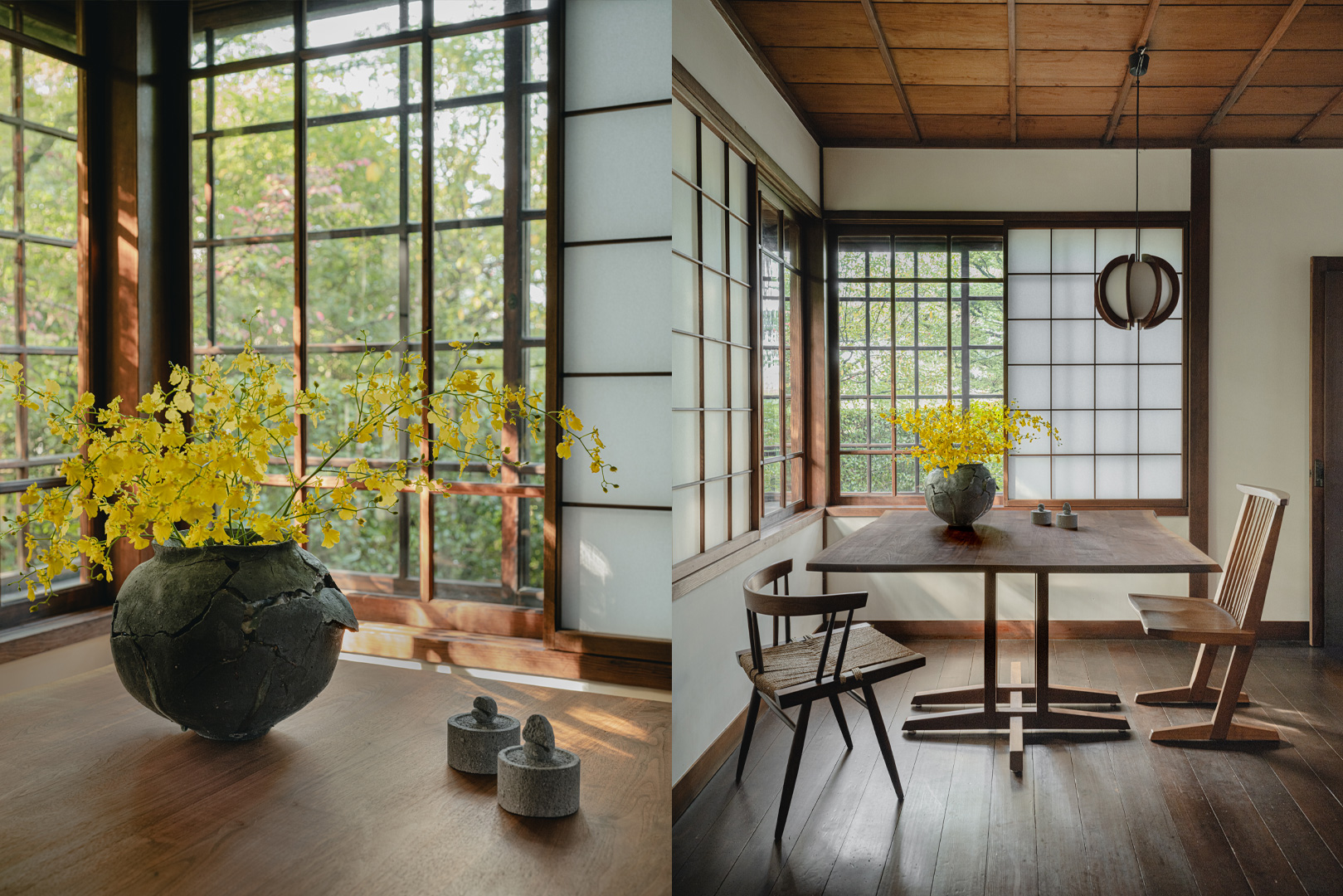
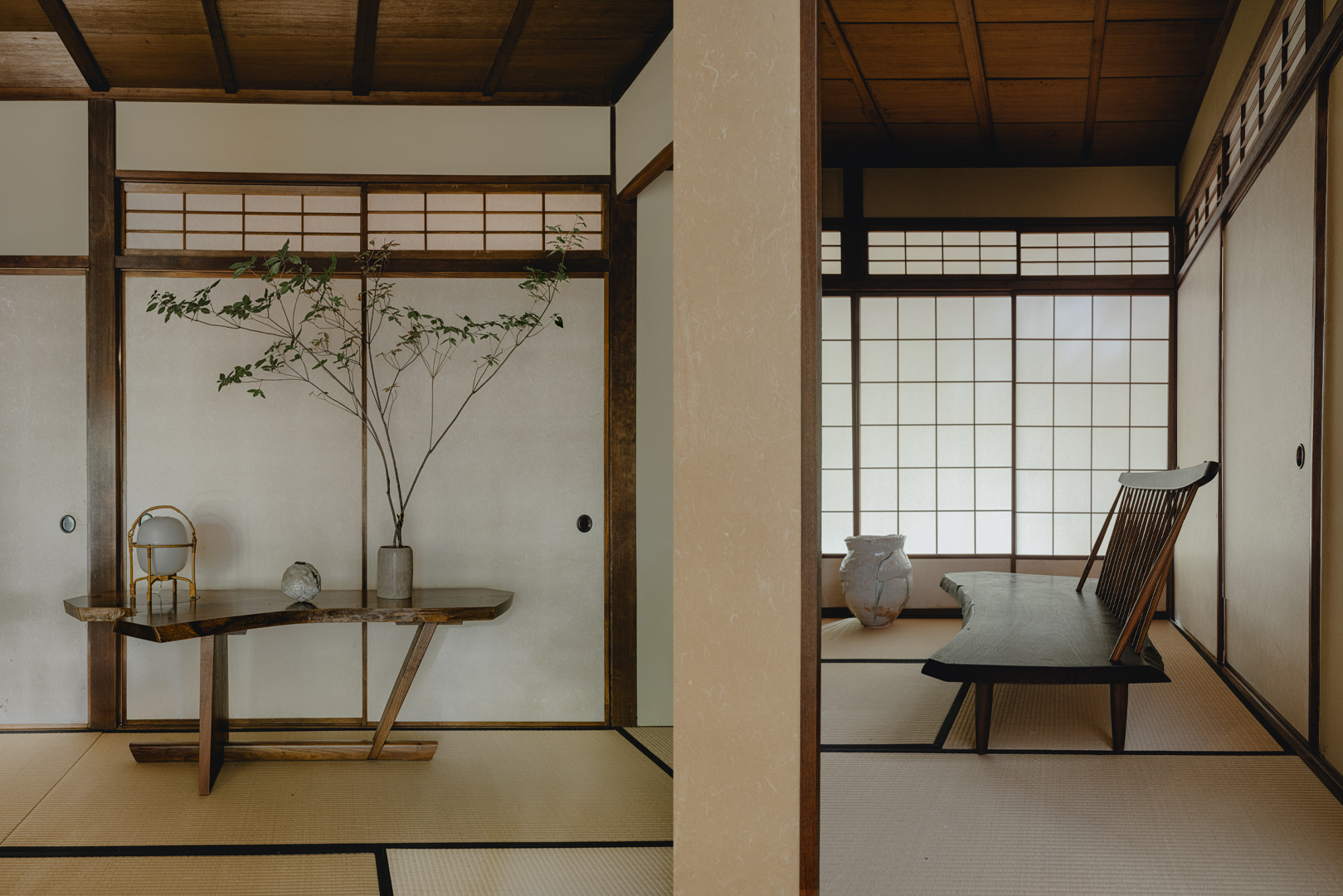
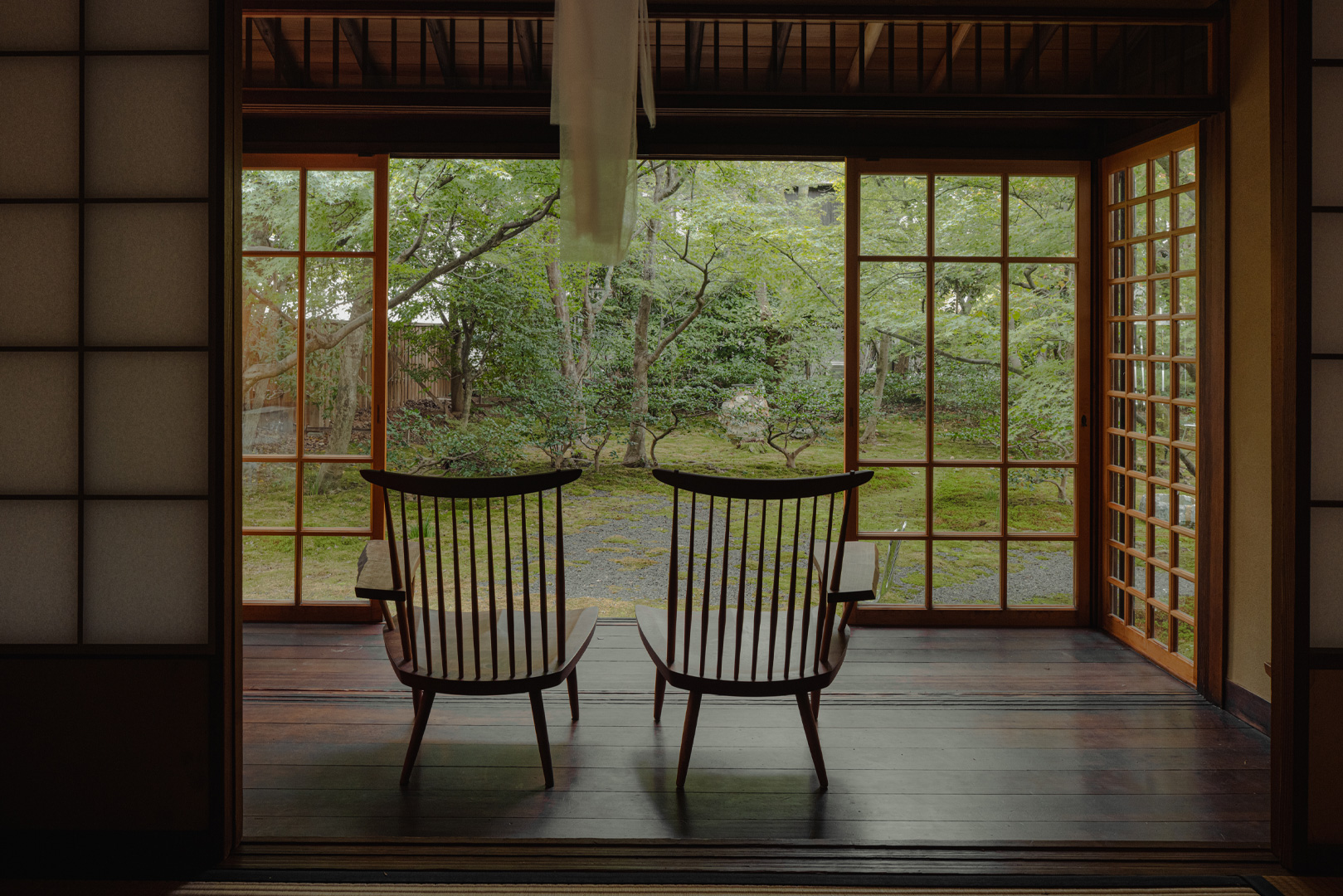
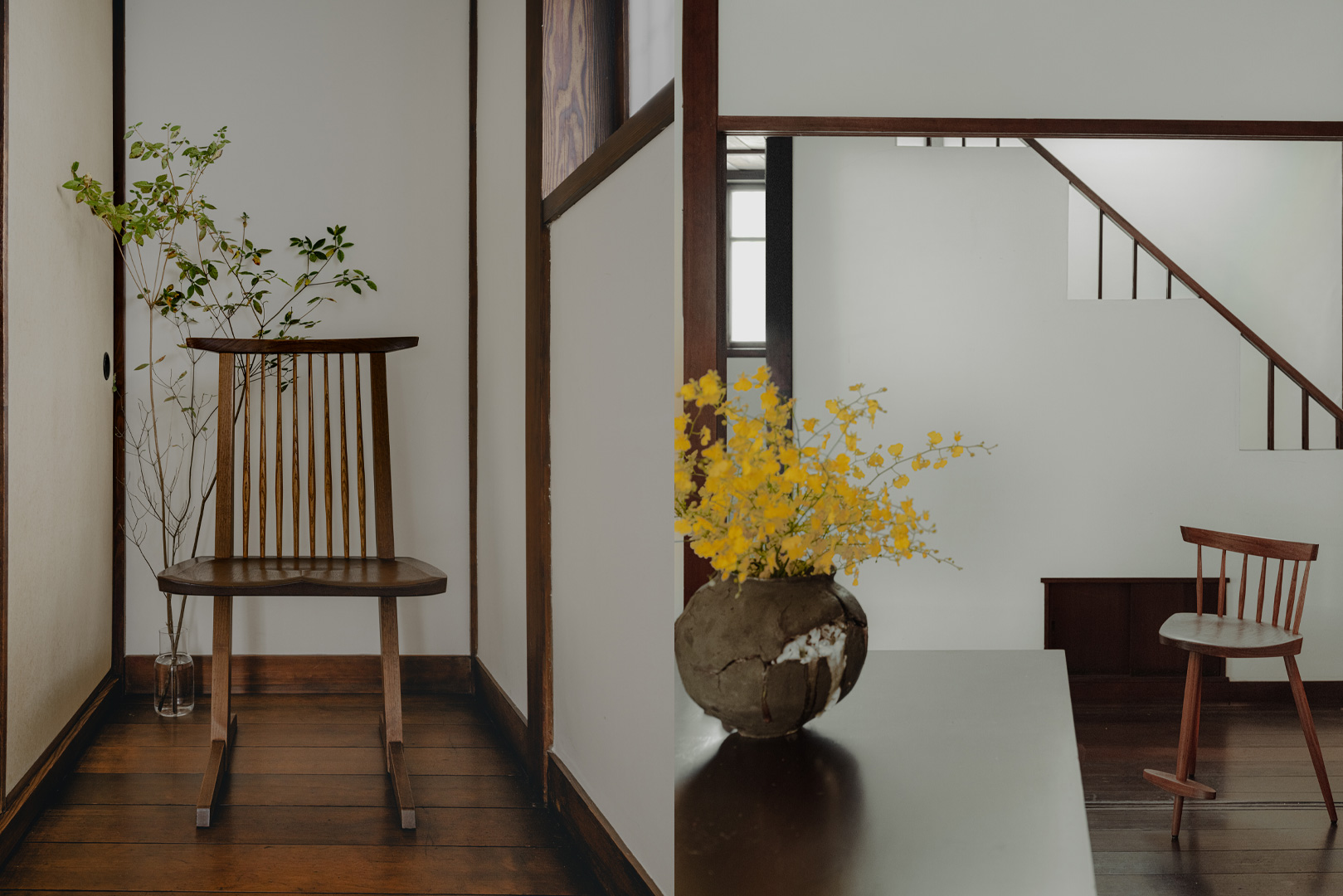
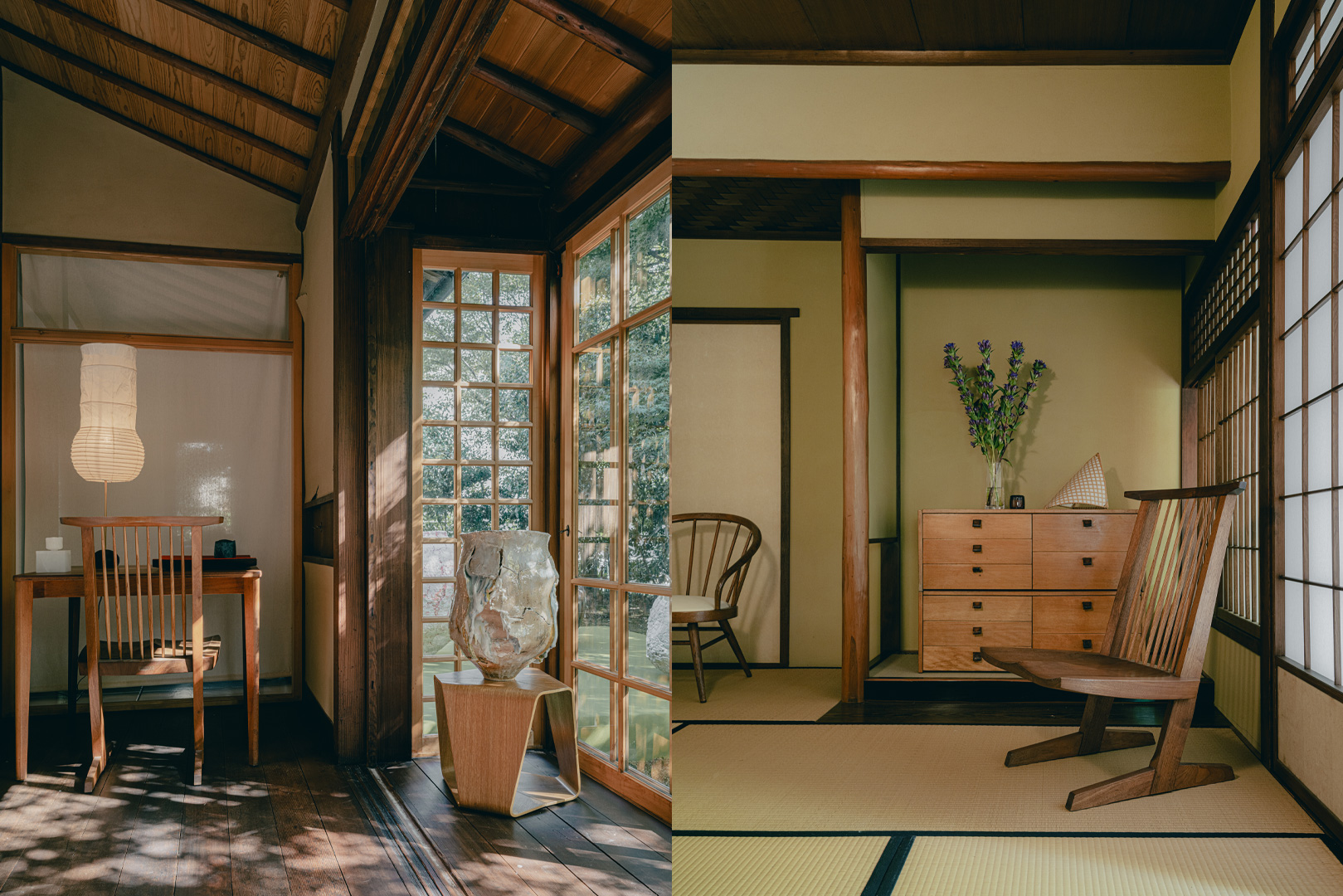
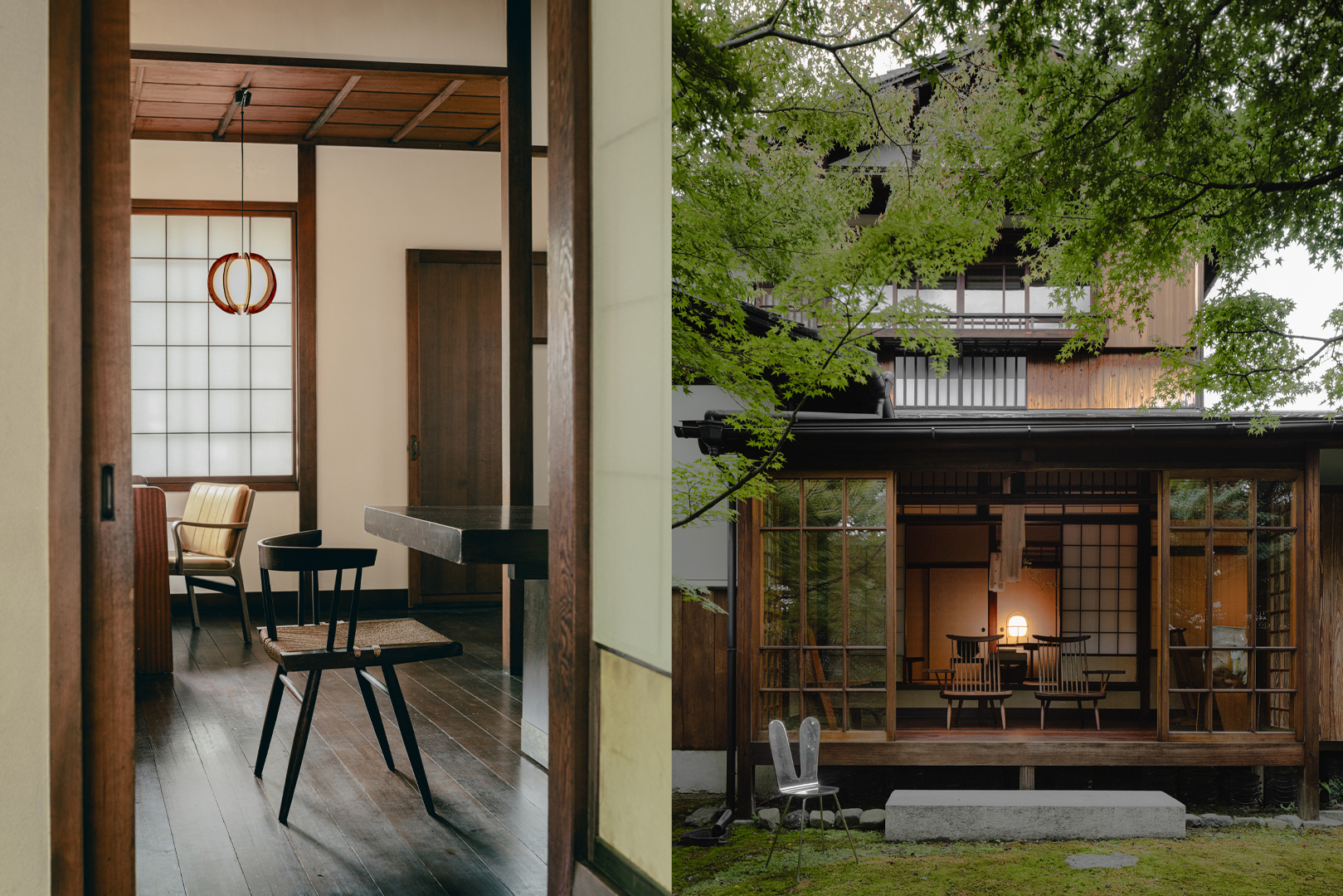
To mark the opening of its new gallery in Kyoto, SIDE GALLERY presents an inaugural exhibition devoted to the work of George Nakashima (1905–1990), bringing together a selection of vintage furniture dating from the designer's lifetime. The presentation focuses primarily on pieces manufactured in Japan by Sakura Seisakusho, the Takamatsu-based company with which Nakashima established one of the most significant collaborations of his career. Located at the Kita Residence, designed in 1926 by Japanese architect Koji Fujii, the exhibition places Nakashima's furniture within an architectural setting that offers a particularly relevant context for examining the relationship between Japanese traditions, modern design and domestic space.
Born in Spokane, Washington, to Japanese immigrant parents, Nakashima developed a practice at the intersection of American modernism and Japanese architectural and craft traditions. After studying architecture at the University of Washington and the Massachusetts Institute of Technology, he travelled to Japan in the 1930s, joining the Tokyo office of architect Antonin Raymond in 1934. There he became familiar with traditional Japanese construction methods and established professional relationships with architects including Junzo Yoshimura and Kunio Maekawa. His encounters with Japanese architecture, particularly its use of timber, structural clarity and integration with the natural environment, would remain fundamental to his subsequent work.
Following the establishment of his own workshop in New Hope, Pennsylvania, in 1946, Nakashima developed a distinctive approach to furniture making, combining modernist structural principles with an intimate understanding of wood as a natural material. His furniture is characterised by solid timber slabs, natural edges and carefully articulated joinery. Knots, fissures and variations in grain were incorporated into the composition, allowing the individual character of each tree to determine the formal qualities of the finished object. This philosophy, grounded in a respect for the material and the knowledge of the craftsman, became central to his practice and was later articulated in his 1981 book The Soul of a Tree: A Woodworker's Reflections.
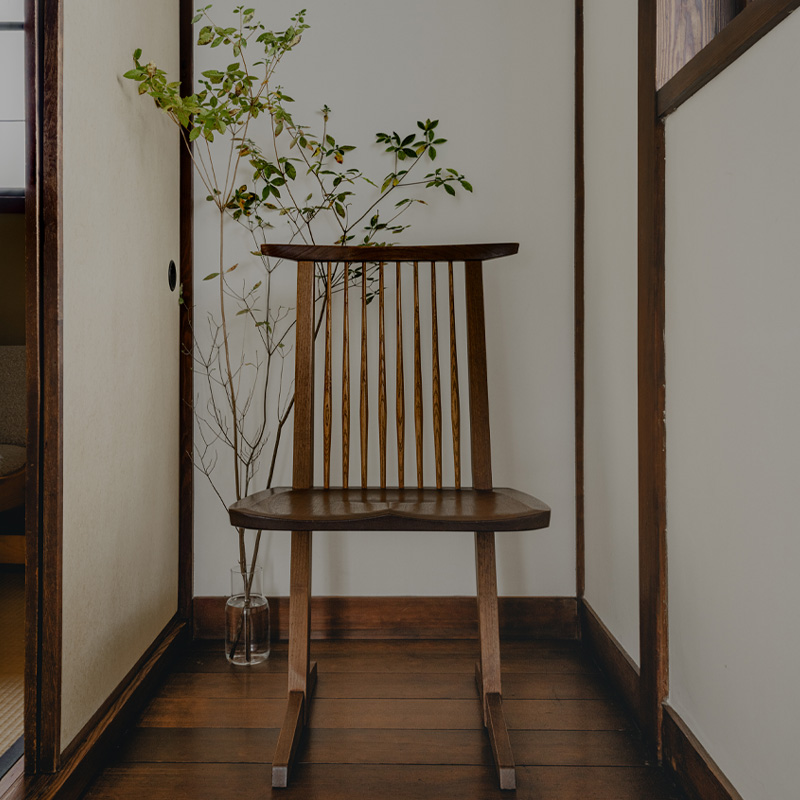
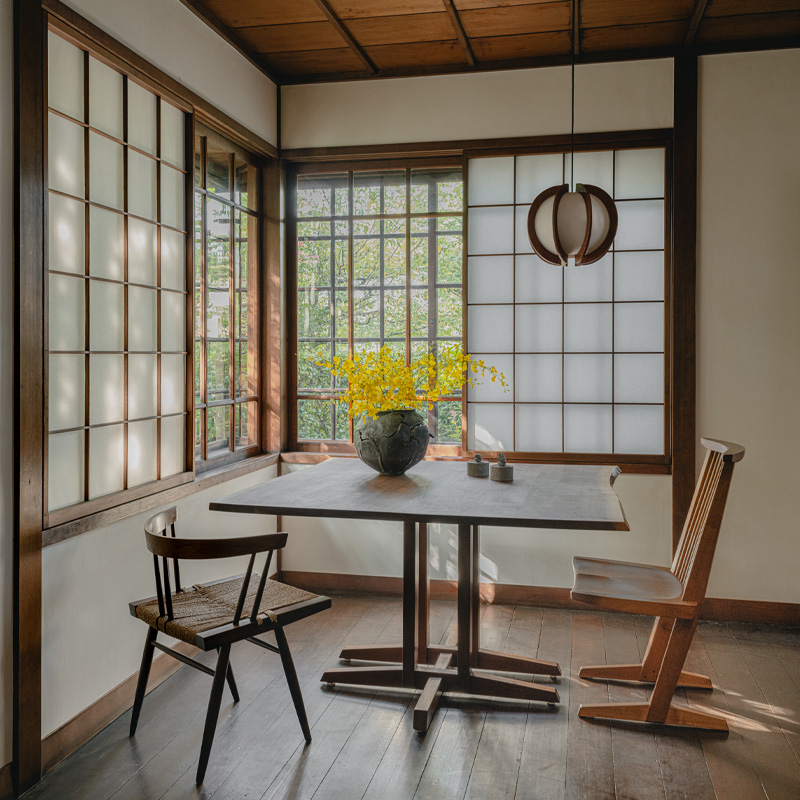
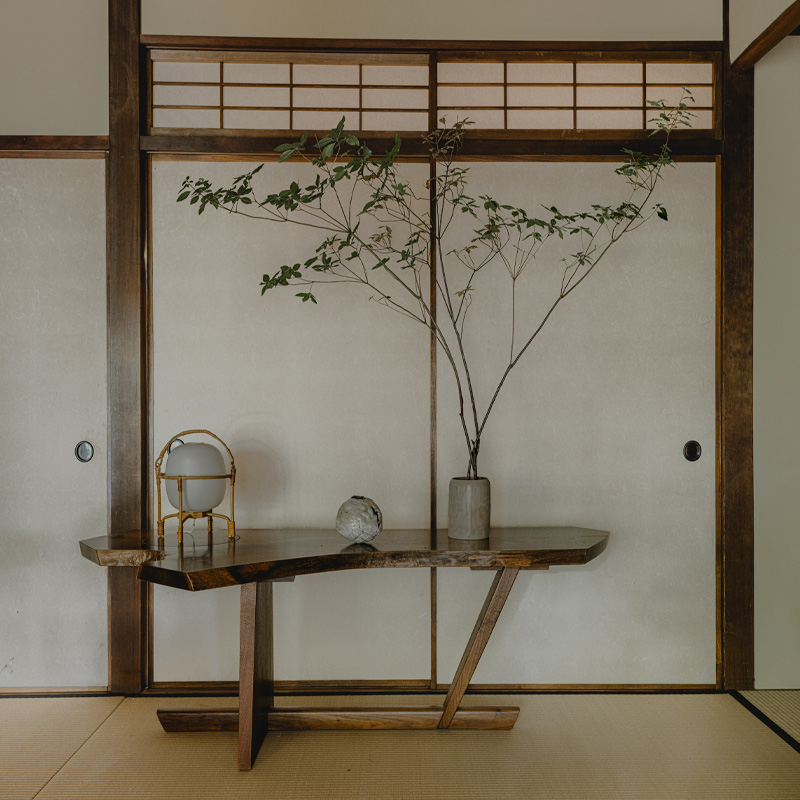
A decisive chapter in Nakashima's relationship with Japan began in 1964, when he returned to the country and visited Sakura Seisakusho in Takamatsu, following an introduction by sculptor Masayuki Nagare. The encounter developed into a long-term collaboration, establishing Sakura as the Japanese manufacturer of his furniture. This relationship emerged within the context of Sanuki Minguren, an association founded in 1963 by Nagare and a group of local manufacturers and craftsmen to reconsider traditional Japanese craft practices in relation to contemporary design. Nakashima became closely involved with this initiative, sharing his knowledge of woodworking and his conviction that design, material and production should form an integrated process. Sakura's craftsmen translated his designs through their own technical expertise, creating a body of work that reflects the exchange between Nakashima's American workshop and the Japanese tradition of woodworking.
The works presented in Kyoto belong primarily to this period of collaboration and were manufactured by Sakura during Nakashima's lifetime. Their significance extends beyond their formal qualities, providing material evidence of a particularly important exchange between two distinct design and manufacturing cultures. From 1968 onwards, Sakura also organised exhibitions devoted to Nakashima's work in Tokyo, contributing to the recognition of his practice in Japan. The continuity of this relationship, maintained after his death in 1990 through the collaboration between Sakura and Nakashima Woodworkers, further underlines its historical importance within twentieth-century furniture production.
The presentation at the Kita Residence establishes a dialogue between Nakashima's furniture and the architectural culture of Kyoto. Designed by Koji Fujii in 1926, the residence belongs to a formative period in the development of modern Japanese domestic architecture, when architects were exploring the relationship between traditional spatial principles and new forms of modern living. Fujii's architectural investigations addressed the integration of timber construction, natural light, ventilation and the surrounding landscape within the organisation of the Japanese house. Although Fujii and Nakashima belonged to different generations and worked independently, their respective practices share an interest in the structural and expressive qualities of natural materials, the relationship between construction and design, and the integration of architecture and nature. Within the residence, Nakashima's furniture can be understood in relation to these broader principles, as part of an international dialogue that shaped Japanese modern architecture and design throughout the twentieth century.
Through this inaugural exhibition, SIDE GALLERY brings together these intersecting histories of architecture, furniture design and craftsmanship. The vintage works manufactured by Sakura Seisakusho offer an opportunity to examine Nakashima's enduring relationship with Japan, while their presentation within the Kita Residence introduces a further dimension to their interpretation. The encounter between Nakashima's furniture and Fujii's architecture highlights a shared concern with material integrity, artisanal knowledge and the relationship between objects and domestic space. It also reflects SIDE GALLERY's ongoing interest in the international exchanges that shaped twentieth-century design and the historical connections between architecture, objects and the craftspeople responsible for their making.