Side Gallery
Side Gallery
WishlistFollow





Follow
ARCHITECTURE AND DESIGN IN KAGAWA: KENZO TANGE AND ISAMU KENMOCHI
KAGAWA PREFECTURAL GOVERNMENT OFFICE EAST BUILDING, TAKAMATSU (JAPAN)
PERMANENT EXHIBITION
The exhibition Architecture and Design in Kagawa: Kenzo Tange and Isamu Kenmochi presents the architectural and design legacy of the former Kagawa Prefectural Government Office, one of the most important postwar modern buildings in Japan. Designed by Kenzo Tange and completed in 1958, the complex is today recognized as a nationally designated Important Cultural Property.
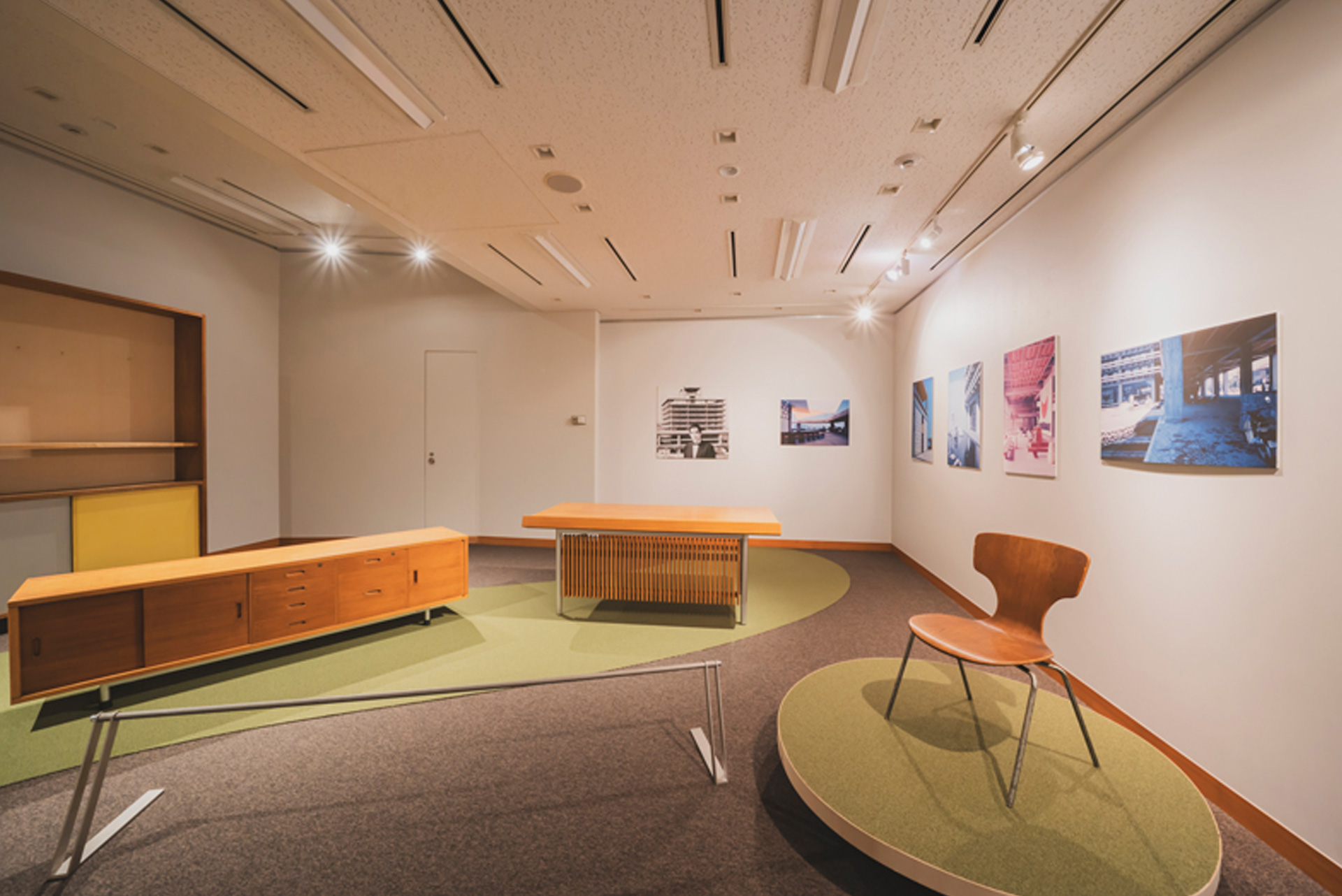
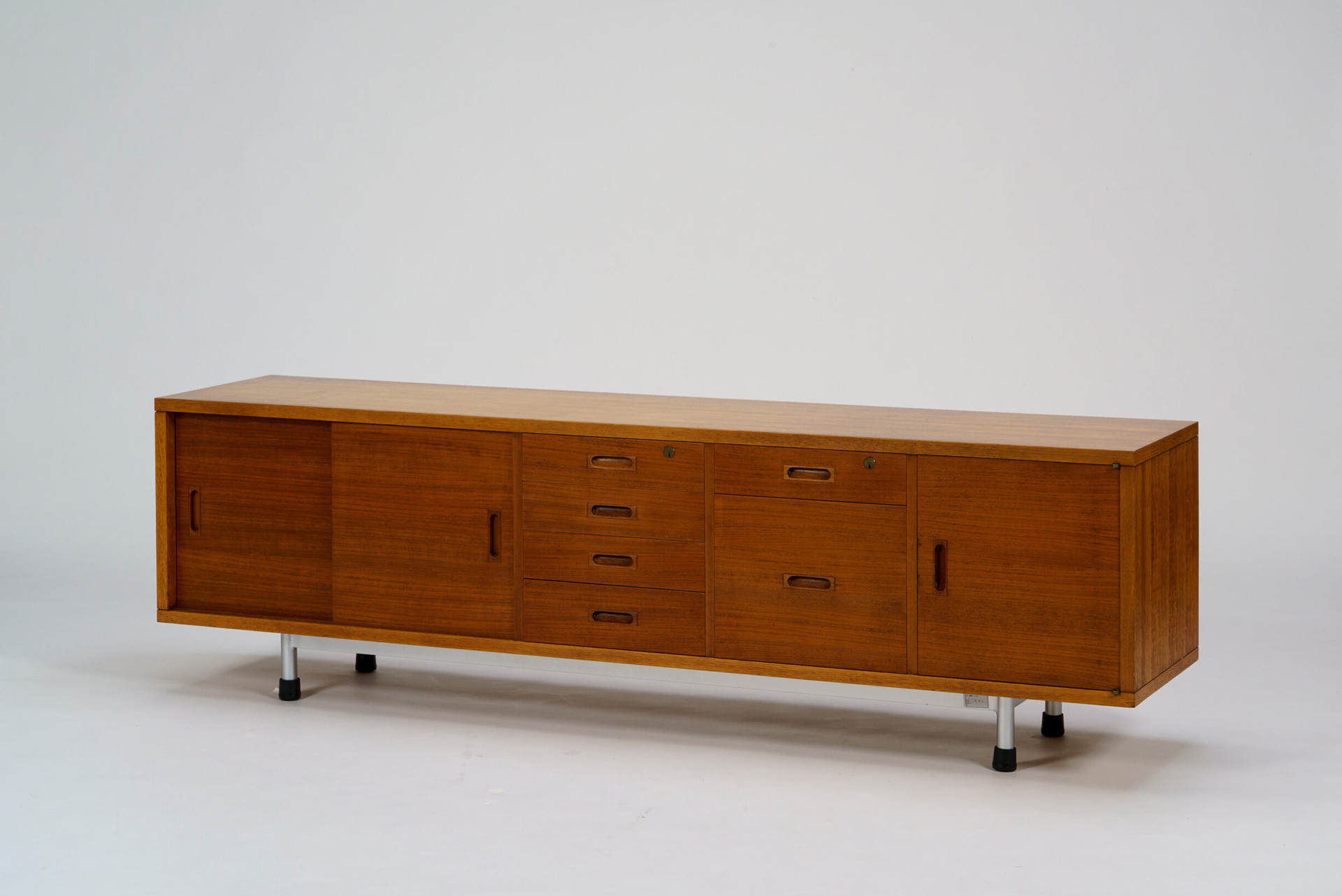
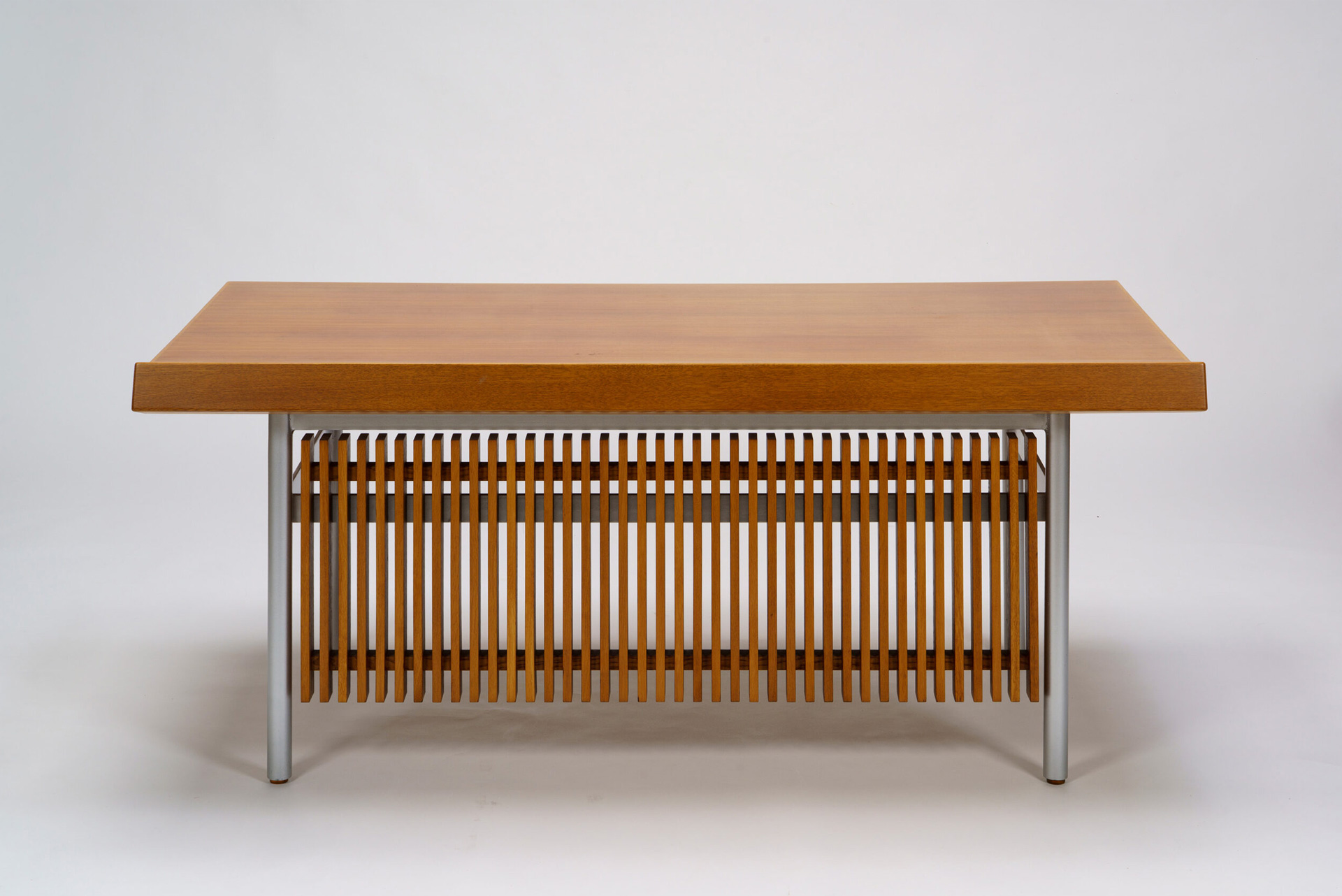
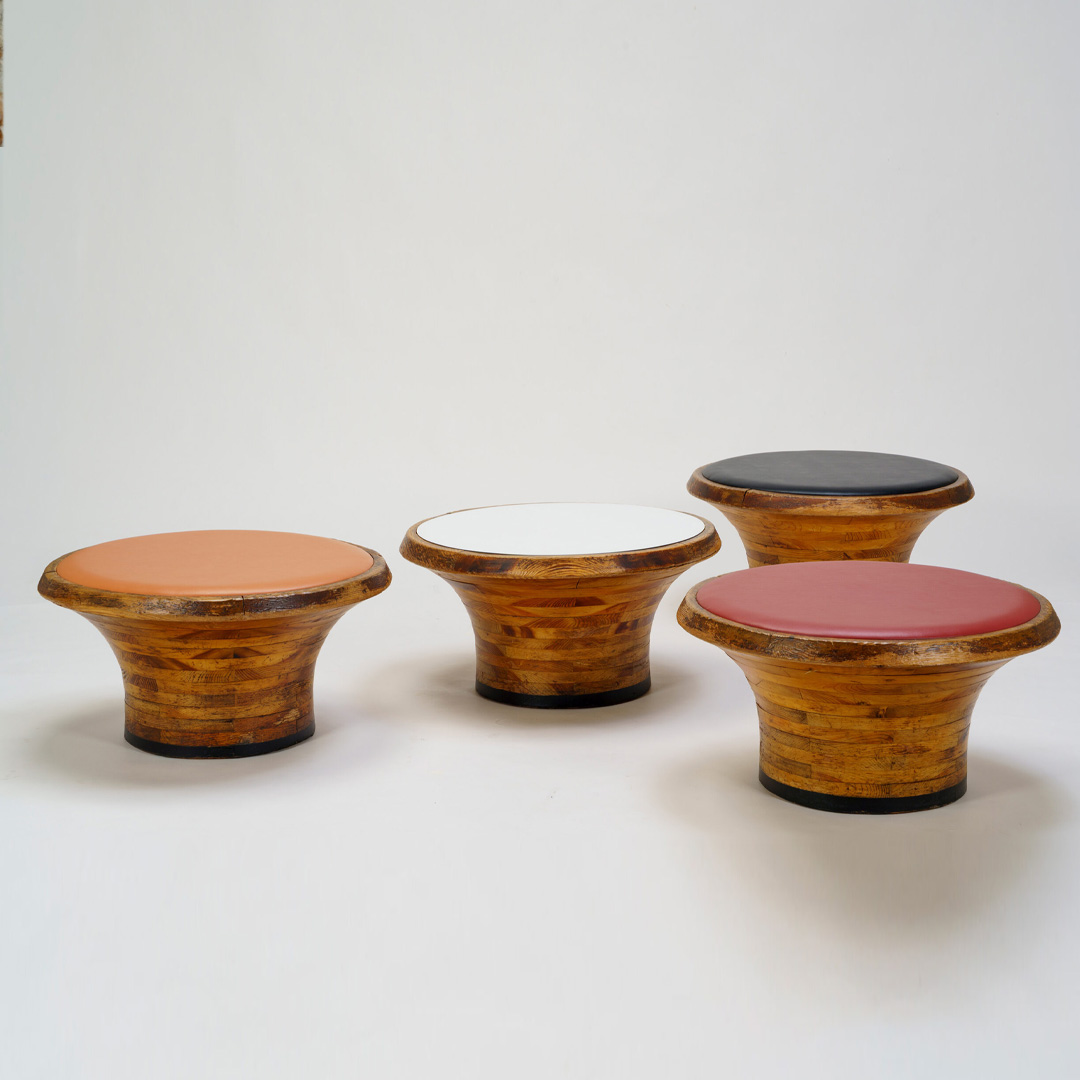
The exhibition focuses on the relationship between architecture and interior design within the building. While Tange developed the architectural concept of the government complex, the furniture used throughout the offices and public spaces was designed by the influential industrial designer Isamu Kenmochi. Together, their work created a unified modern environment that integrated architecture, furniture, and everyday functionality.
Visitors can explore original furniture pieces and objects used in the building, which demonstrate how modern design principles were applied to public institutions during Japan’s period of postwar reconstruction. The exhibition highlights the careful balance between architectural space and interior elements, illustrating how the collaboration between architect and designer contributed to a coherent modern aesthetic.
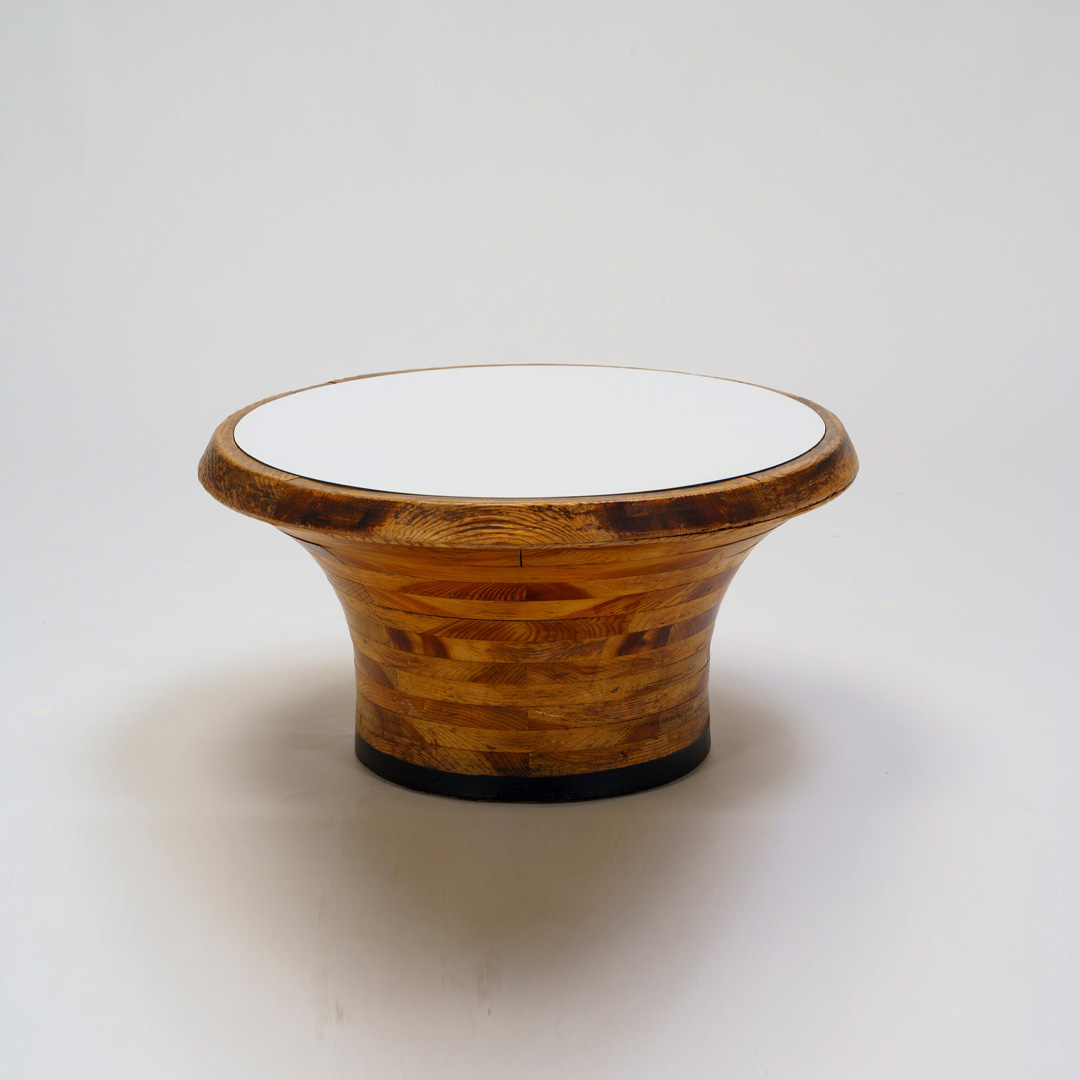
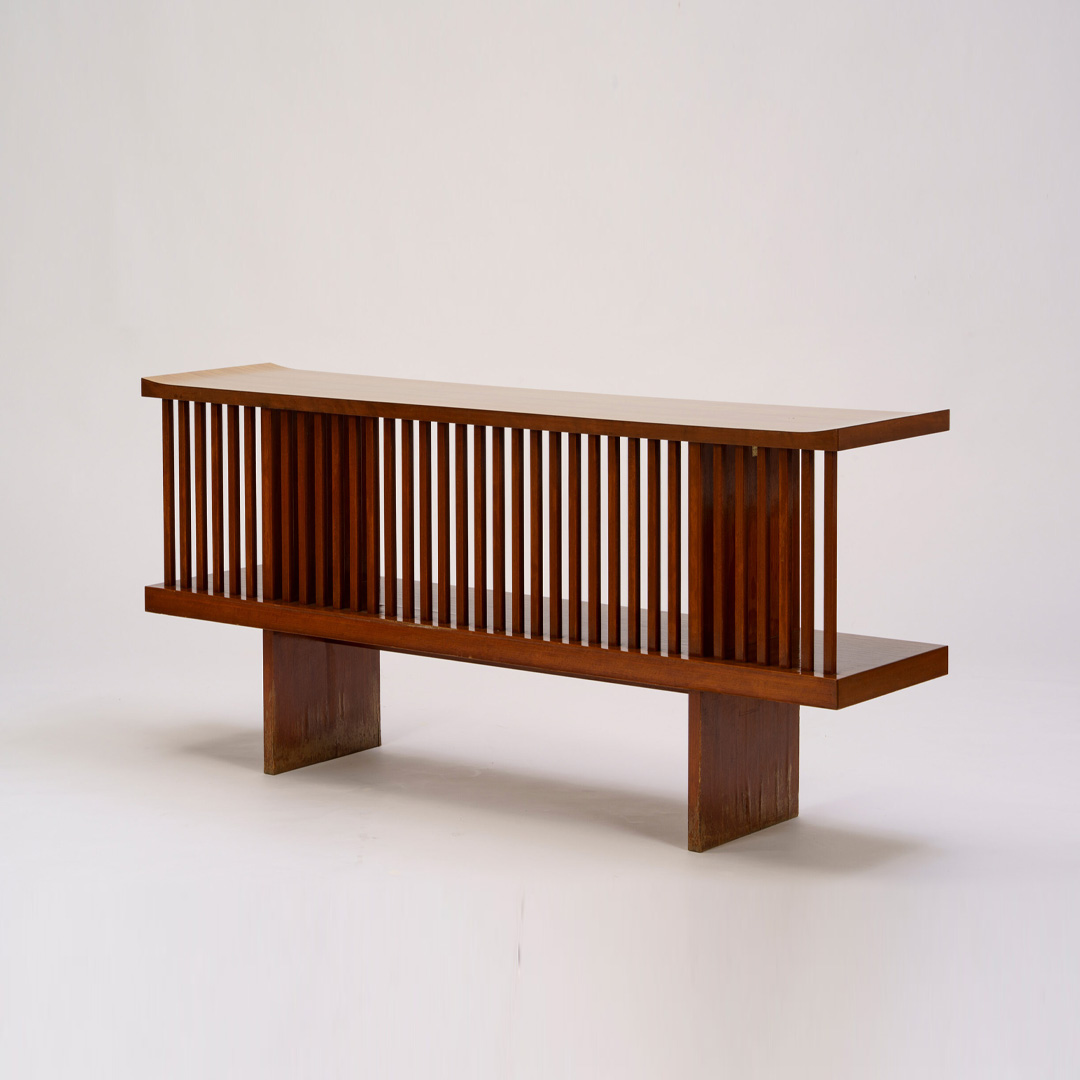
The former Kagawa Prefectural Government Office is widely regarded as one of Kenzo Tange’s most significant early works. Its structure reflects the architect’s synthesis of modernist principles and traditional Japanese spatial concepts, combining clarity of form with sensitivity to the surrounding environment.
Isamu Kenmochi’s furniture designs complement this architectural vision by introducing functional yet elegant pieces tailored to the building’s spaces. His work reflects the emergence of modern Japanese industrial design in the mid-twentieth century, where craftsmanship, ergonomics, and simplicity played a central role.
Through architectural documentation and original design objects, the exhibition reveals how architecture and furniture were conceived as part of a single design system. By examining this collaboration, Architecture and Design in Kagawa offers insight into the broader development of modern Japanese design culture and the interdisciplinary approach that characterized many postwar architectural projects.