Side Gallery
Side Gallery
WishlistFollow





Follow




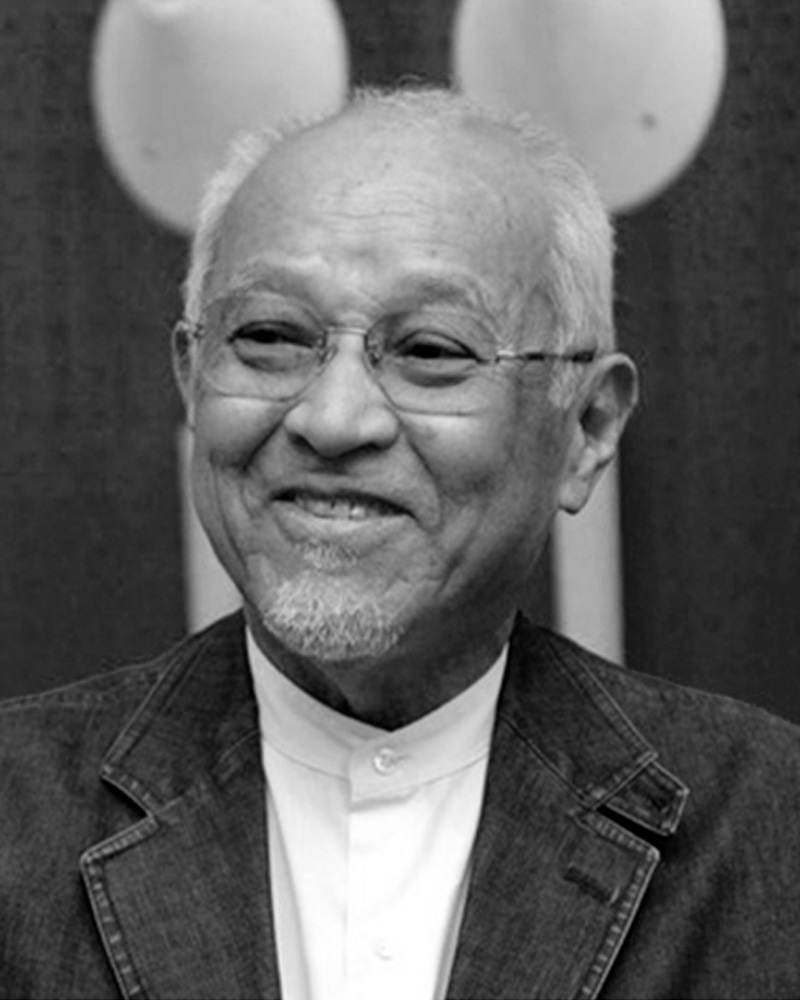
Daisaku Cho 長 大作 was born in the former Manchuria on September 16th, 1921, as the eldest of six siblings. After graduating from Kaisei Junior High School in Tokyo, he was accepted into the Faculty of Economics at Waseda University, but his father opposed his decision, saying, "If you're going to such a boring place, go to the military academy instead," so he re-applied for art school. The following year, he entered the Department of Architecture at the Tokyo School of Fine Arts (now Tokyo University of the Arts). He was an artistic family, with three of his six siblings also studying at the same art school and his father was a doctor.
He then joined the design department of a construction company, but was encouraged by a senior at school to join the Sakakura Junzo Architectural Institute. Sakakura Junzo studied under the famous architect Le Corbusier and worked in Paris, where he was in charge of the Japan Pavilion at the Paris World's Fair and won the Grand Prix in the architecture category. He then returned to Japan and opened the Sakakura Junzo Architectural Institute in 1940. After joining the institute, Cho's main work was overwhelmingly furniture design.
He designed the chairs and tables for the International House of Japan (the architecture was jointly designed by Kunio Maekawa, Junzo Sakakura, and Junzo Yoshimura), which was established in 1952 with the aim of international exchange and intellectual cooperation. He was also involved in the chairs and tables for the Tea Lounge of the International House of Japan, which reopened in 2006 after being retrofitted with earthquake-resistant structures. Cho has been working with this famous building for over 50 years.
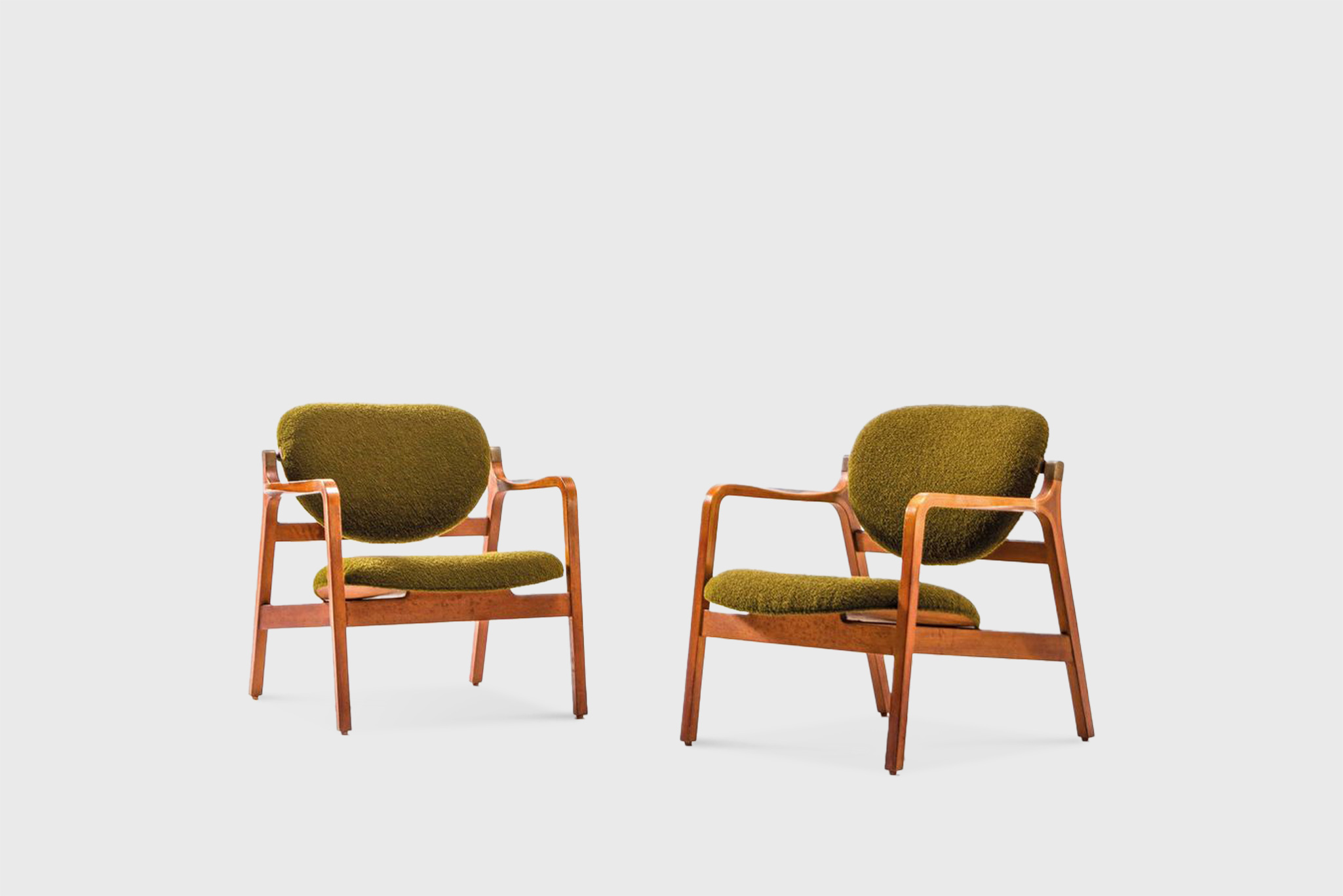
In 1957, he was involved in the architecture and furniture design of the Fujiyama Aiichiro residence, and in 1958 he was in charge of the architecture and furniture design of the residence of his predecessor, Matsumoto Koshiro. It was at this time that his masterpiece (the Low Seat Chair) was born. It is well known that the prototype for this was the Bamboo Basket Low Seat Chair designed by Junzo Sakakura. It is characterized by a relatively large surface area to prevent damage to Japanese tatami mats. It can be seen placed on the verandas of inns and old houses. It is a beautiful chair that exudes emotion. Naga redesigned the back and seat to a fabric-covered structure made of quadratic curved plywood, and the masterpiece Low Seat Chair was born. Further improvements were made thereafter, and the Low Seat Chair was exhibited at the 12th Milan Triennale in 1960.
Regarding design, Cho wrote, "My designs are always in development, and there is no such thing as a completely finished product. In particular, when it comes to chairs, I pursue comfort and make repeated improvements." It is speculated that Cho was influenced by his surroundings, such as Junzo Sakakura and the wife of Koshiro Matsumoto, which deepened his more modern way of thinking.
Through this work, he was in charge of the architecture and design of "Terrace Ray" and "Karuizawa Mountain Villa", and it seems that he still maintains a close relationship with the Matsumoto Koshiro family. In particular, Mrs. Masako is said to be a great benefactor to Mr. Naga, who said, "Masako was one of the people who had a great influence on my subsequent work, and I consider her my greatest benefactor, second only to Professor Junzo Sakakura. She provided me with a lot of support, both professionally and financially. Masako had a great aesthetic sense and was very critical of design."
In 1960, Sakakura Junzo Architectural Institute was in charge of the Japanese section of the 12th Milan Triennale. Kitamura Shuichi was in charge of the venue layout, and Cho was in charge of the furniture design, and the two won the Gold Award. This was a remarkable achievement, as they had won the Gold Award at the previous 11th Triennale for Watanabe Riki's Trii Stool.
He wrote about that time, "I stayed in Milan for half a year until the withdrawal. However, unlike now, it was a time when people could not travel abroad freely, so during my stay I was able to travel here and there and visit architectural works, which were very valuable experiences. At that time, there was no high-quality, well-designed furniture in Japan, and imported products were rare and expensive, so it was common for architects who designed buildings to also design all the furniture inside."
ENQUIRE ABOUT THE DESIGNER