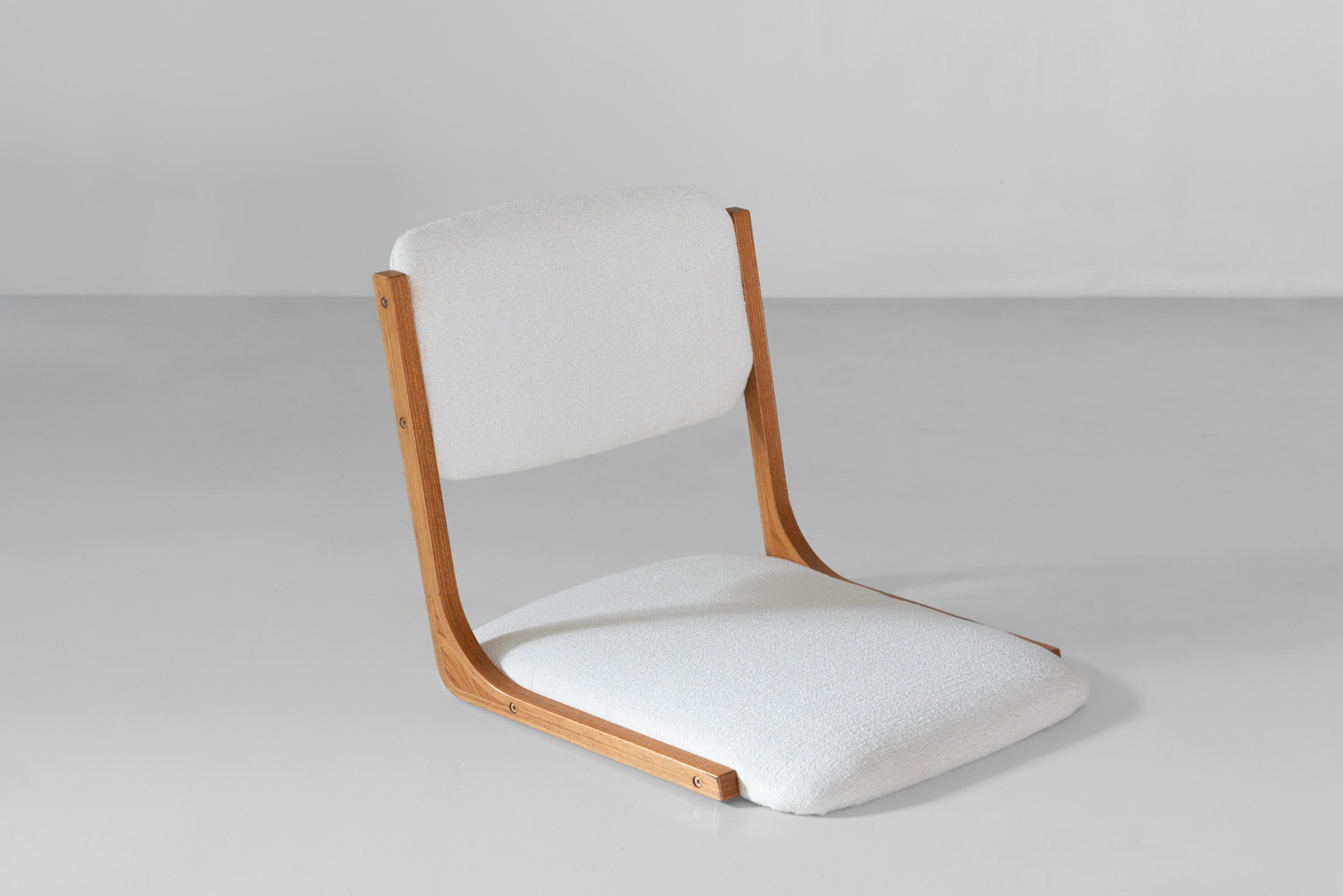
Zaisu Chair (White Version)
Manufactured by Tendo Mokko
Japan, 1960s
Bent plywood, white fabric upholstery
Measurements
50 × 57 × 46h cm
19,7 × 22,4 × 18,1h in
Provenance
Private Collection, Japan
Literature
Tendo: Eight Decades of Masterful Designs from Leading Japanese Furniture Maker Tendo Mokko. Published by Tendo Mokko, Japan, 2020.
Notes
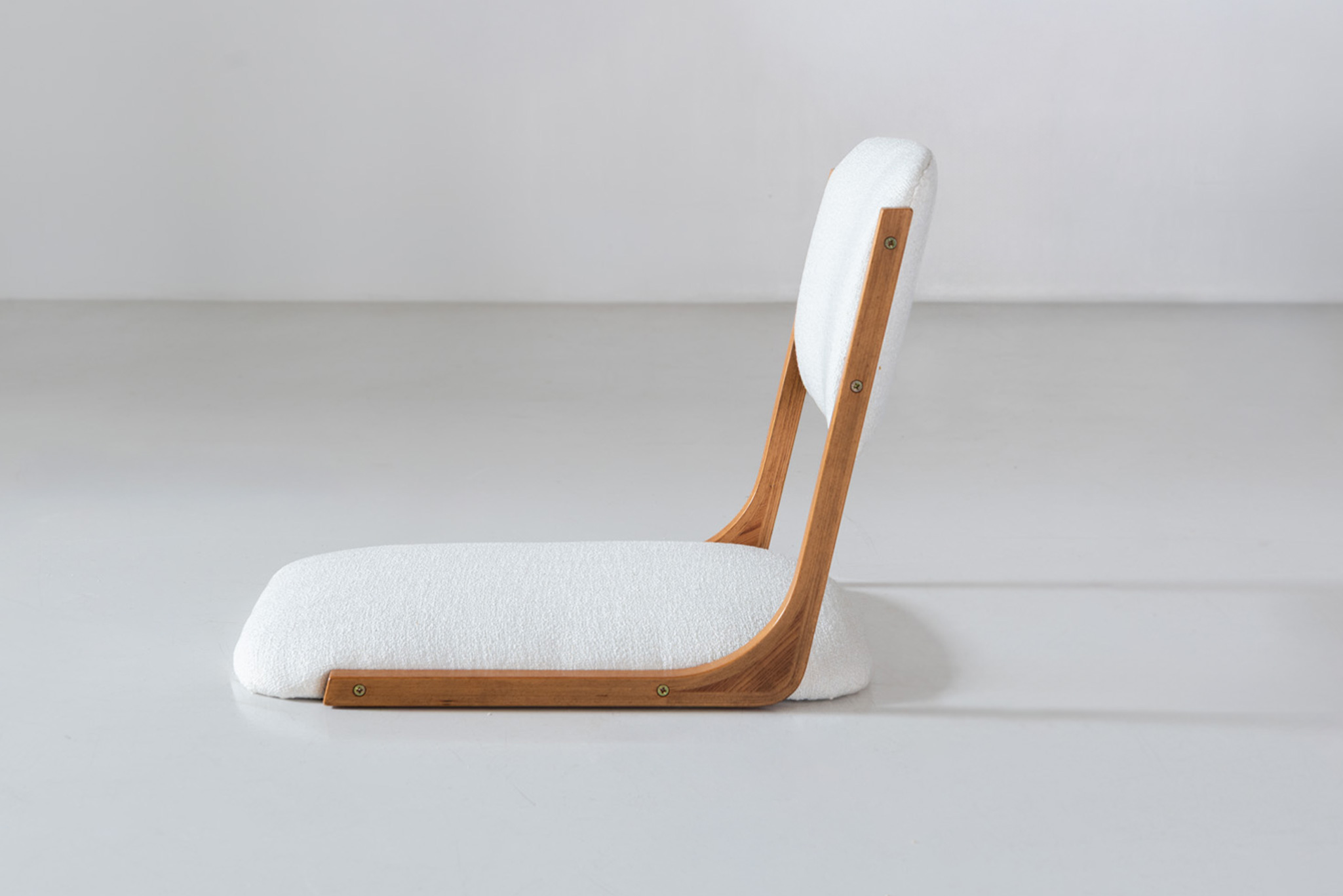
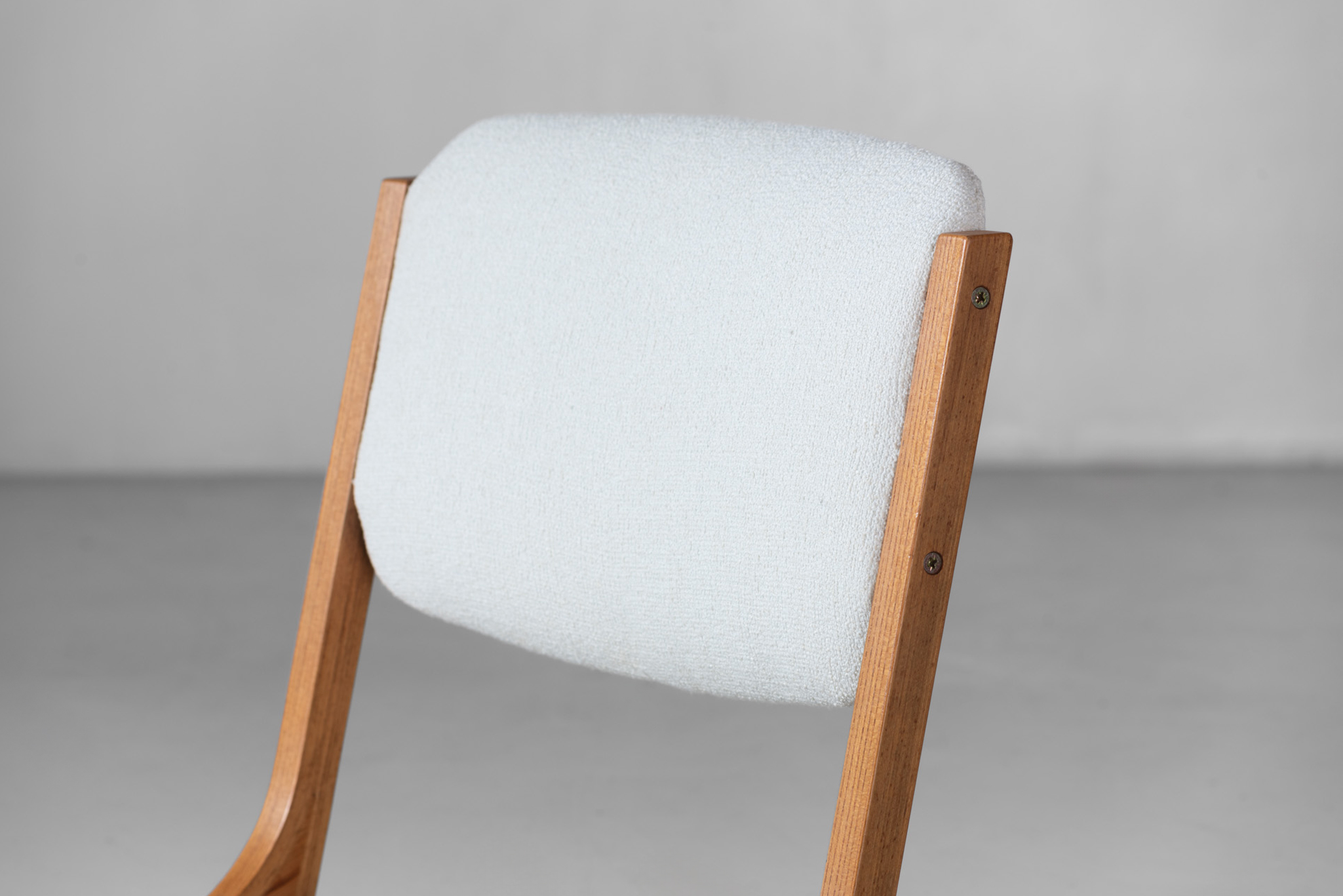
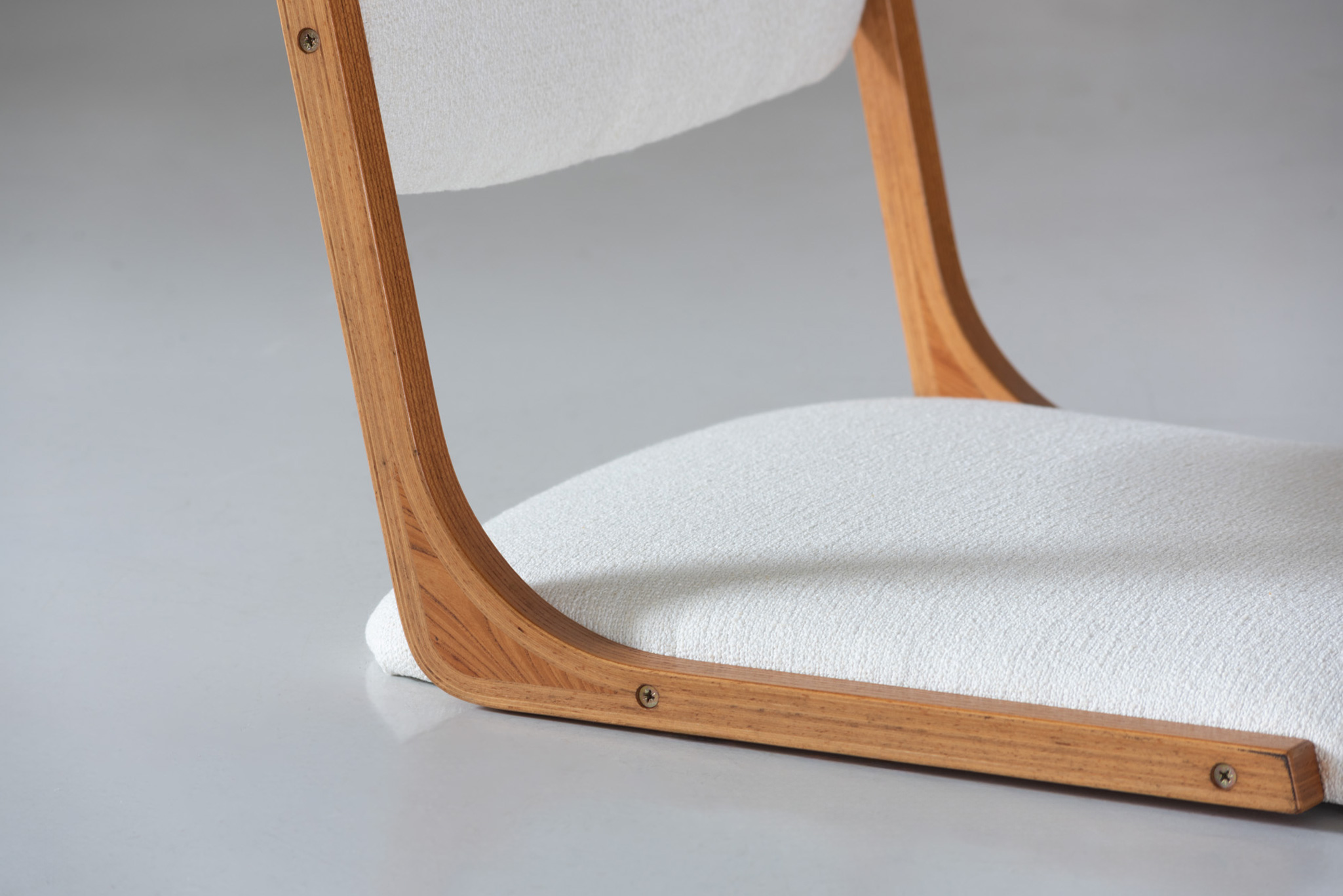
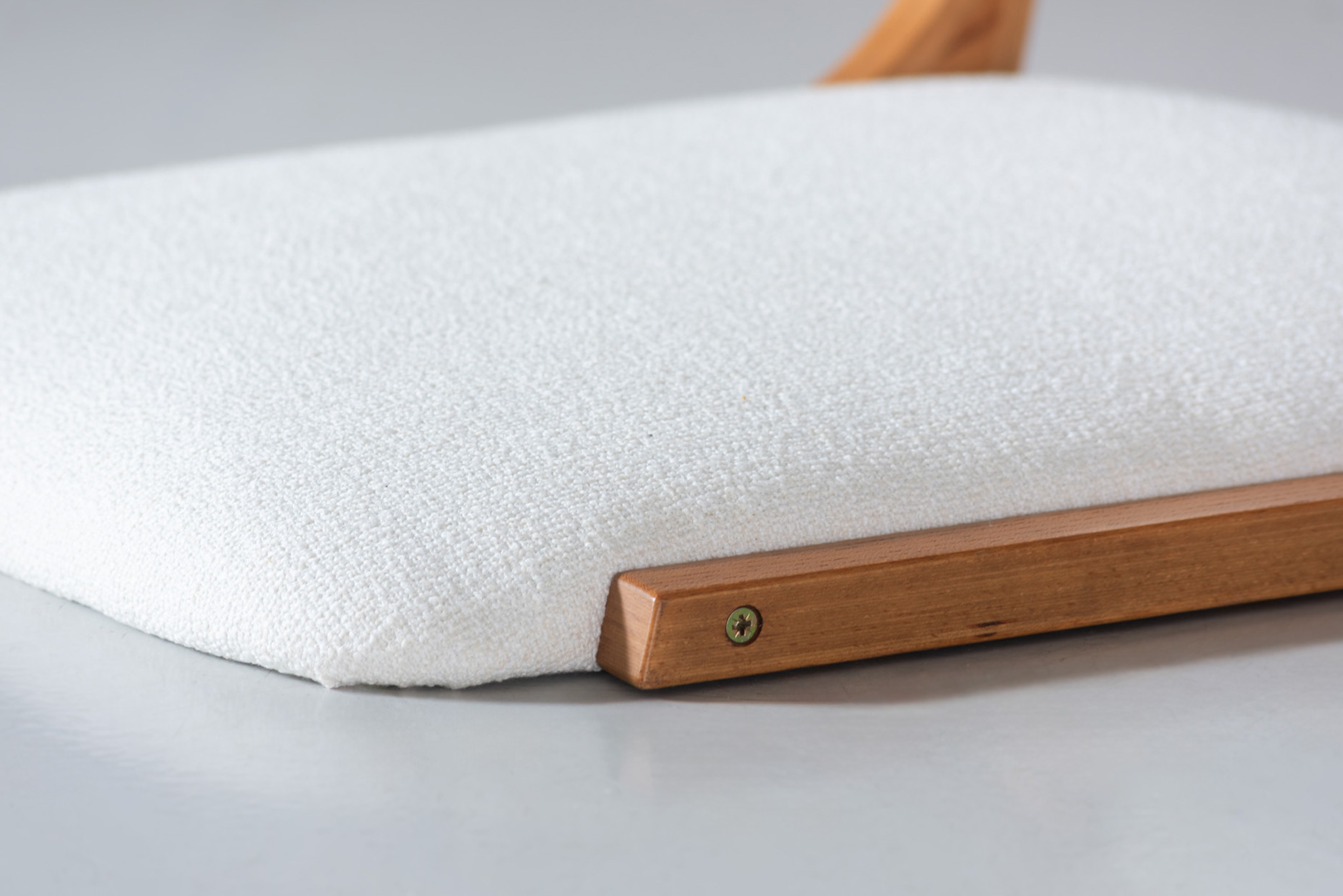
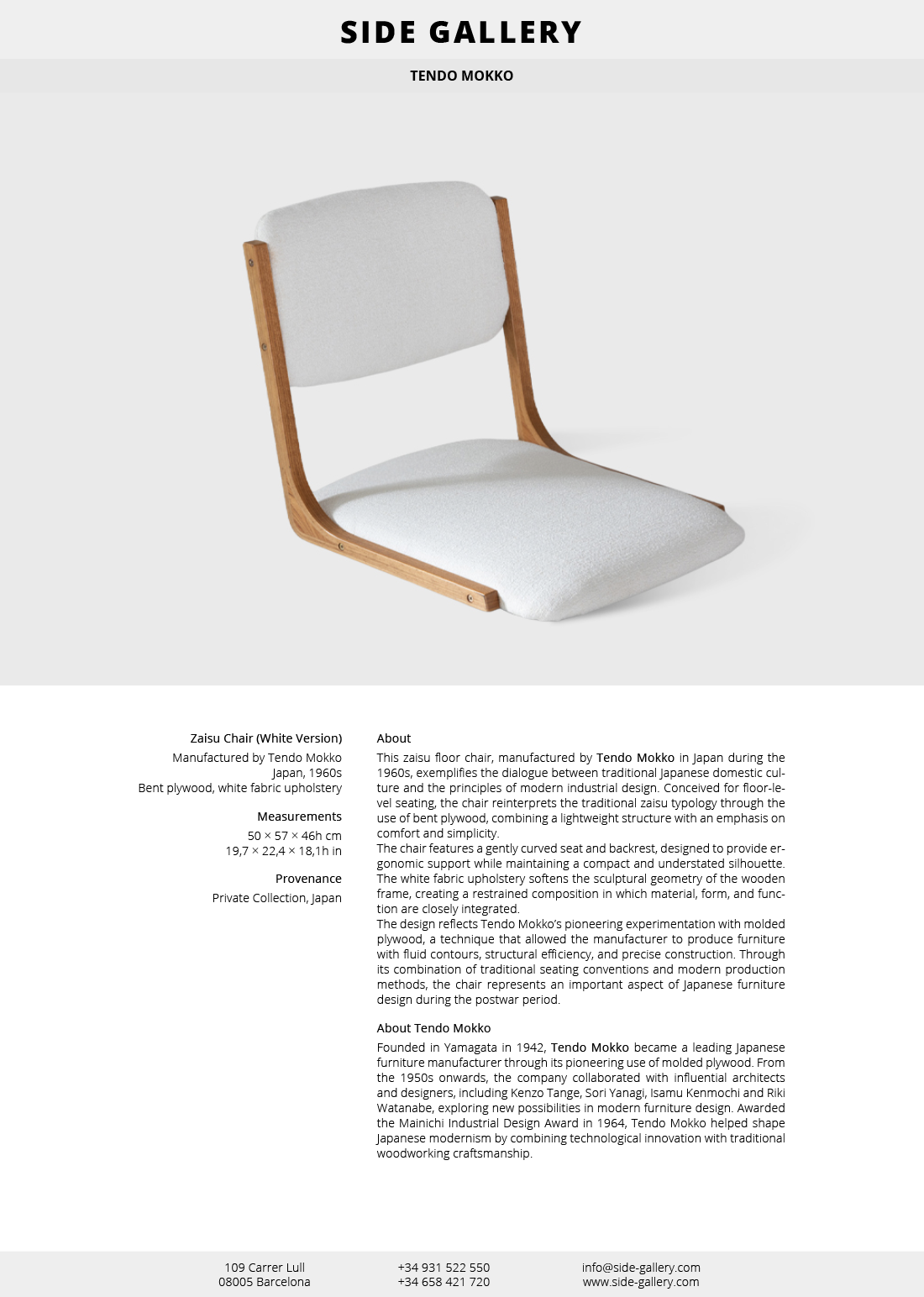
Low floor chair (zaisu) manufactured by Tendo Mokko, presented in a white upholstered version. The chair features a sculptural bent plywood frame with a softly curved seat and backrest upholstered in white fabric. Its low profile and ergonomic proportions reflect the integration of traditional Japanese floor-level seating with the materials and manufacturing techniques of modern furniture design.
About
This zaisu floor chair, manufactured by Tendo Mokko in Japan during the 1960s, exemplifies the dialogue between traditional Japanese domestic culture and the principles of modern industrial design. Conceived for floor-level seating, the chair reinterprets the traditional zaisu typology through the use of bent plywood, combining a lightweight structure with an emphasis on comfort and simplicity.
The chair features a gently curved seat and backrest, designed to provide ergonomic support while maintaining a compact and understated silhouette. The white fabric upholstery softens the sculptural geometry of the wooden frame, creating a restrained composition in which material, form, and function are closely integrated.
The design reflects Tendo Mokko's pioneering experimentation with molded plywood, a technique that allowed the manufacturer to produce furniture with fluid contours, structural efficiency, and precise construction. Through its combination of traditional seating conventions and modern production methods, the chair represents an important aspect of Japanese furniture design during the postwar period.
About Tendo Mokko
In northwest Japan, in Yamagata Prefecture, a group of carpenters and joiners established a woodworking cooperative that initially produced wooden objects and military supplies. Incorporated in 1942, the cooperative collaborated with the Sendai Institute of Industrial Arts, experimenting with molded plywood techniques that would later become central to the company's furniture production.
Following the Second World War, Tendo Mokko opened an office in Tokyo in 1947 and gradually shifted toward furniture for the domestic market. During the 1950s, the company collaborated with prominent architects and designers, including Kenzo Tange and Sori Yanagi, whose celebrated Butterfly Stool of 1956 demonstrated the expressive and structural possibilities of molded plywood.
Tendo Mokko's commitment to collaborating with independent designers helped establish its reputation as one of Japan's leading modern furniture manufacturers. During the 1960s, the company worked with figures such as Isamu Kenmochi, Daisaku Choh, and Riki Watanabe, while also supporting emerging talent through an annual design competition held between 1960 and 1967.
In 1964, Tendo Mokko received the Mainichi Industrial Design Award in recognition of its contribution to Japanese furniture manufacturing. Its continued exploration of advanced woodworking techniques, combined with a respect for traditional craftsmanship, established the company as a central figure in the development of Japanese modern design.