Side Gallery
Side Gallery
WishlistFollow





Follow
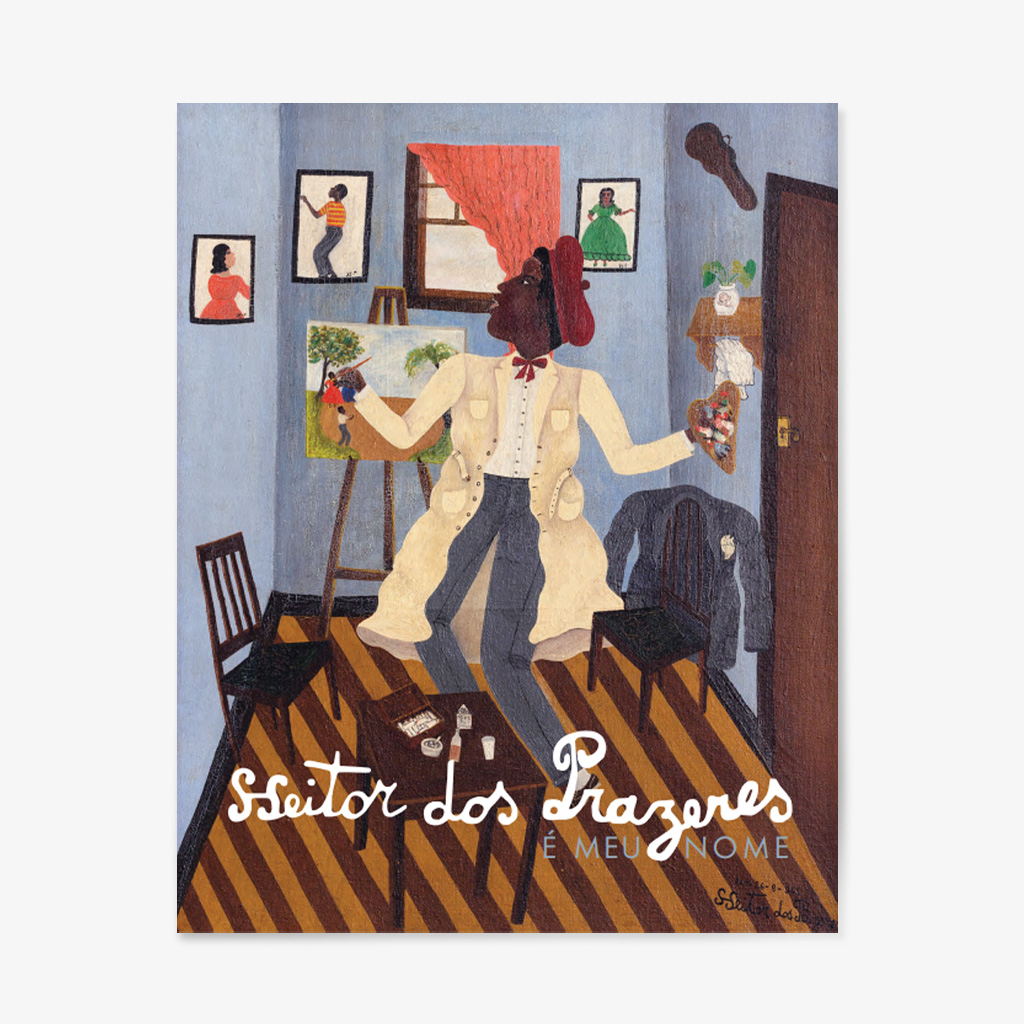
HEITOR DOS PRAZERES É MEU NOME
CENTRO CULTURAL BANCO DO BRASIL (CCBB), RIO DE JANEIRO
28 JUNE – 18 SEPTEMBER 2023
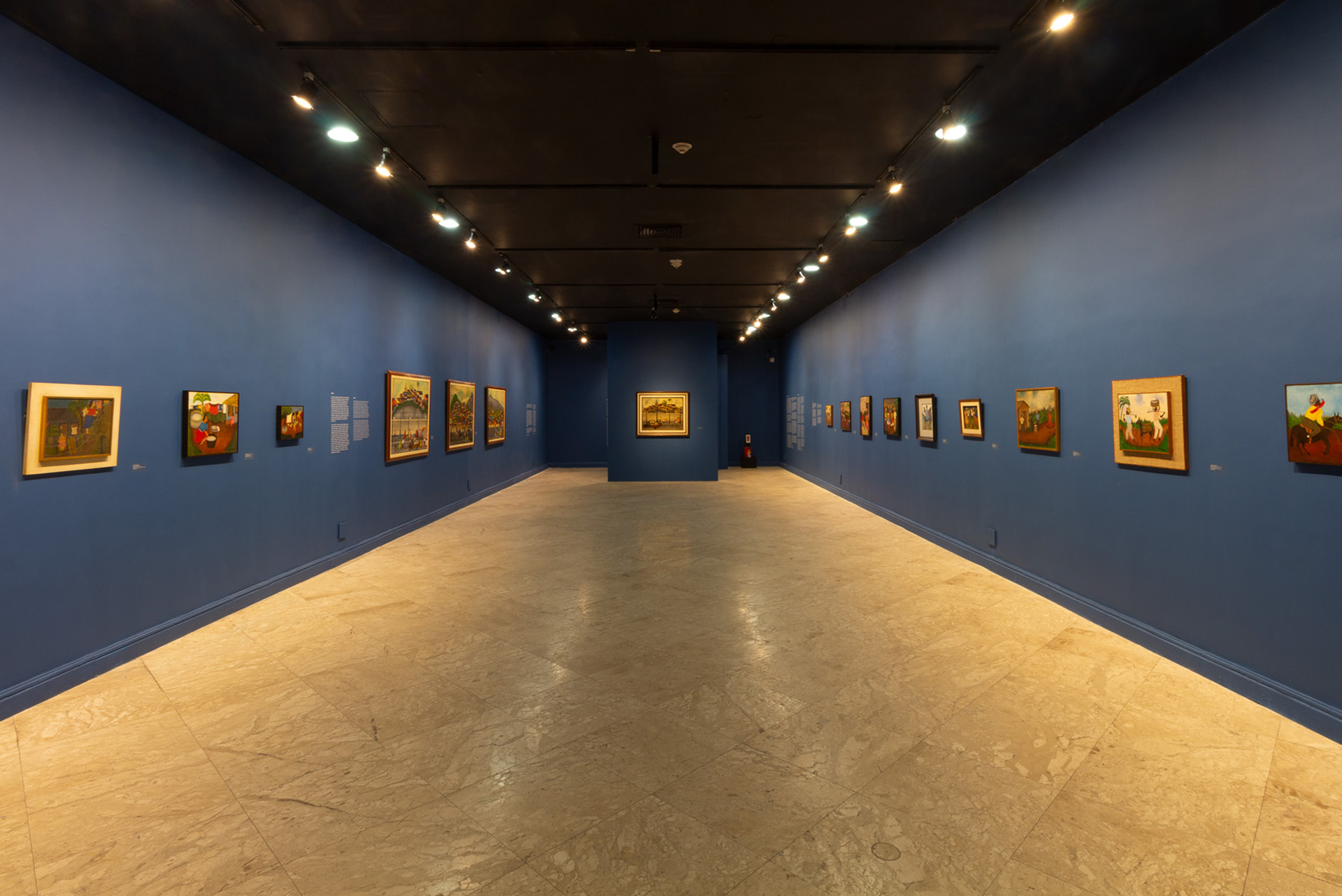
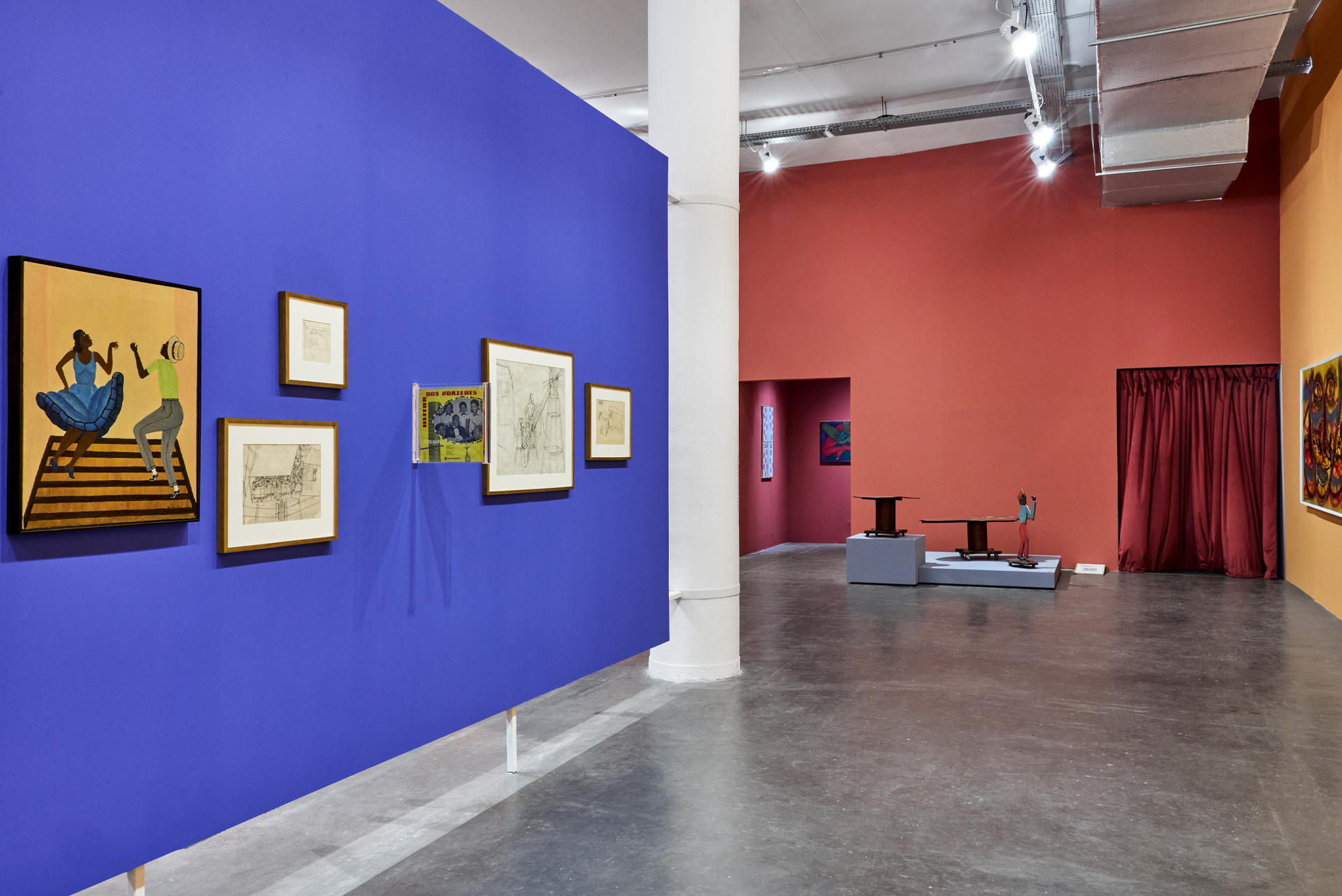
Presented at the Centro Cultural Banco do Brasil in Rio de Janeiro, Heitor dos Prazeres é meu nome was a major retrospective dedicated to the multifaceted practice of Brazilian artist Heitor dos Prazeres (1898–1966). Curated by Raquel Barreto, Haroldo Costa and Pablo León de la Barra, the exhibition brought together more than 200 works spanning painting, drawing, music, furniture, fashion, costume, photography and archival material, revealing the extraordinary breadth of a career that crossed multiple fields of Brazilian cultural production.
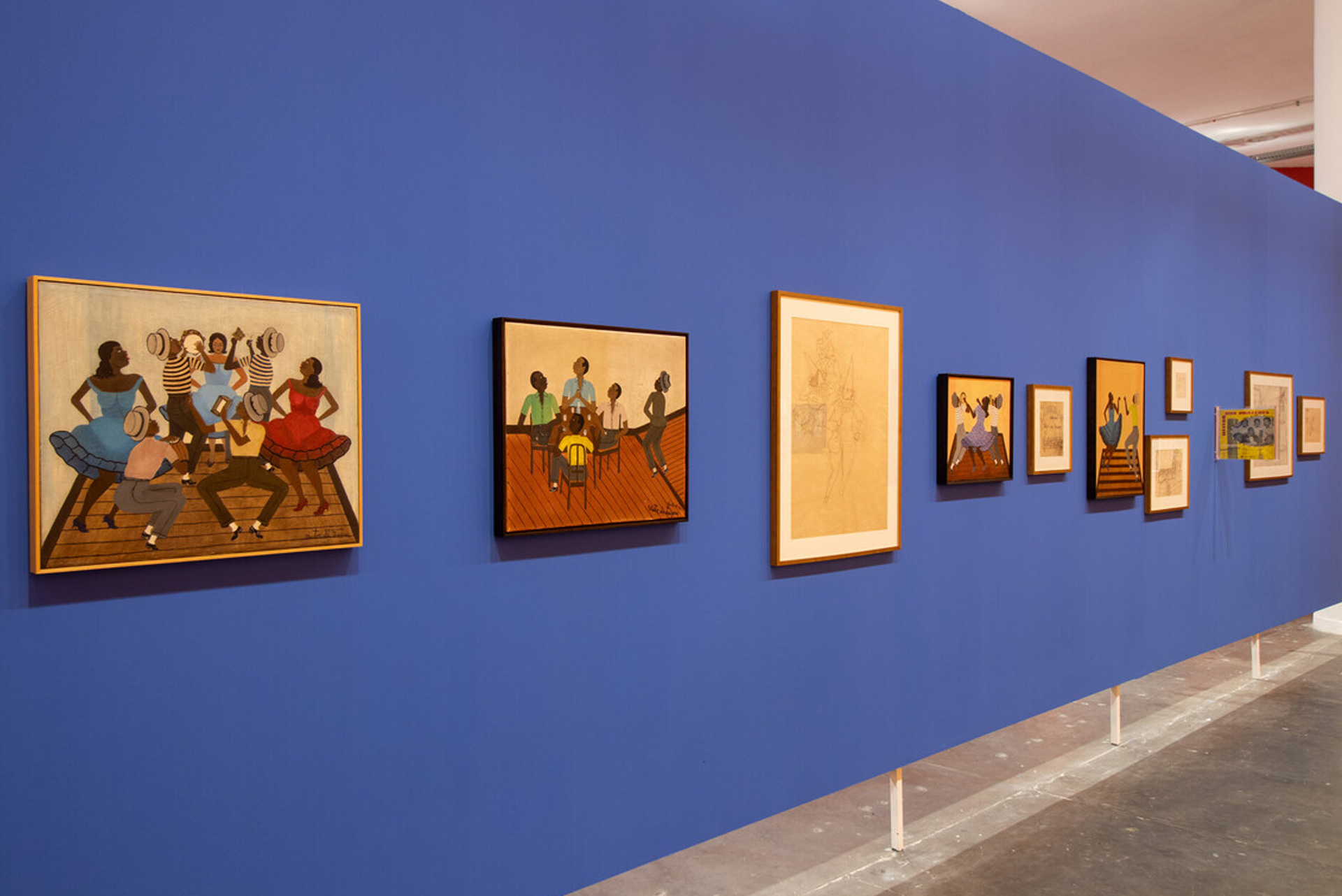
Born in Rio de Janeiro a decade after the abolition of slavery, Heitor dos Prazeres grew up within the cultural landscape he called “Little Africa”, encompassing the neighbourhoods of Saúde, Gamboa and Santo Cristo, as well as the former Praça XI. A pioneering composer, instrumentalist and samba musician before establishing himself as a visual artist, he played an important role in the emergence of Rio’s first samba schools while developing a distinctive visual language grounded in the experiences of Black urban life in post-abolition Brazil.
Rather than approaching his paintings as naïve or “primitive” expressions (categories historically applied to his work) the exhibition reconsidered Prazeres as a self-aware and formally sophisticated artist whose practice articulated a distinctly Black, urban and Brazilian perspective on modernity. Scenes of work, migration, favelas, music, religious life, childhood, affection and celebration were placed in dialogue with the wider social and political transformations that shaped twentieth-century Rio de Janeiro.
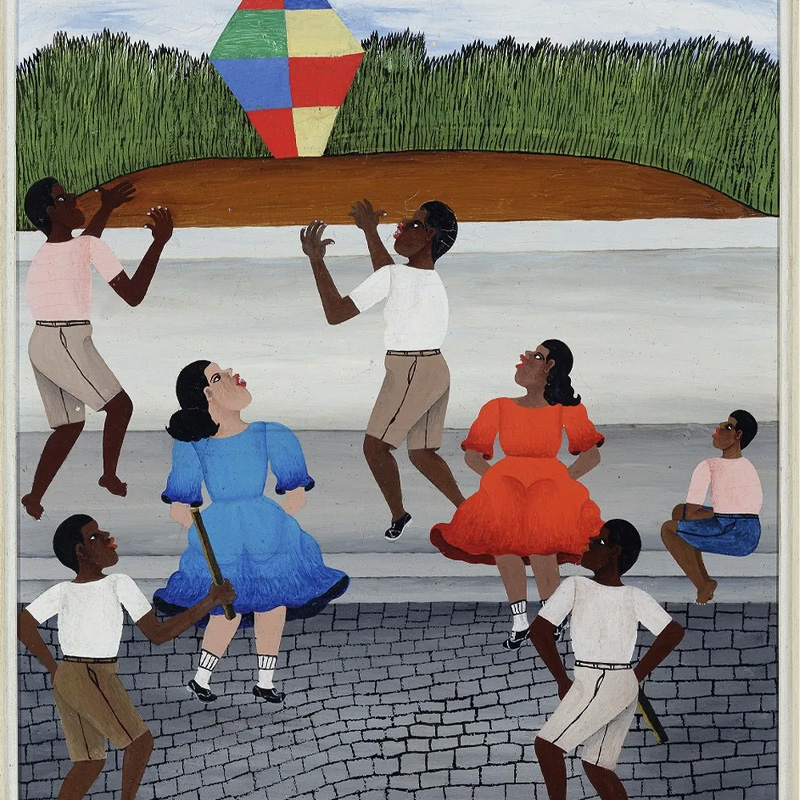
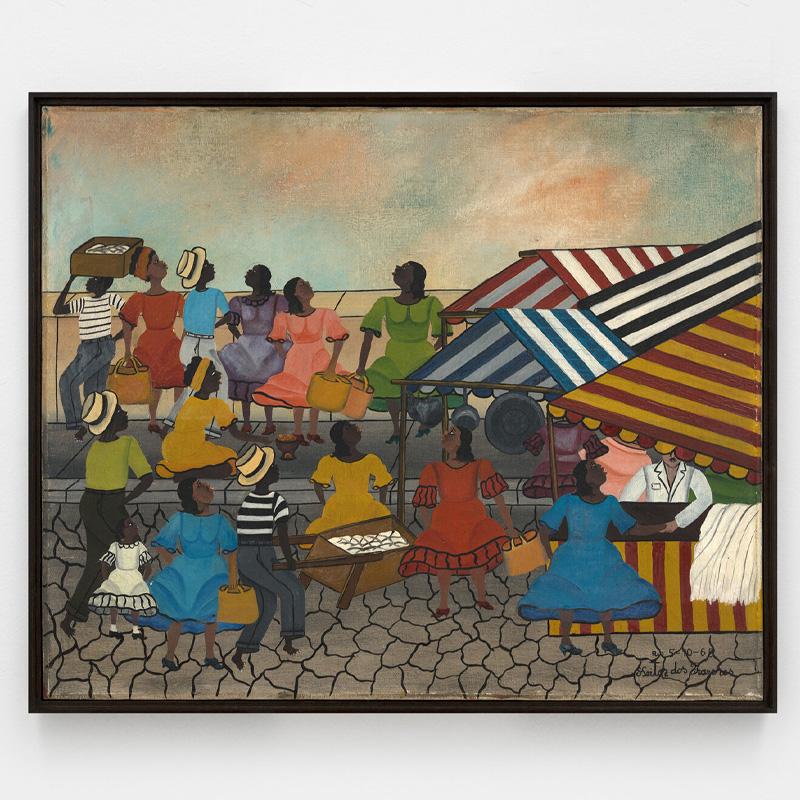
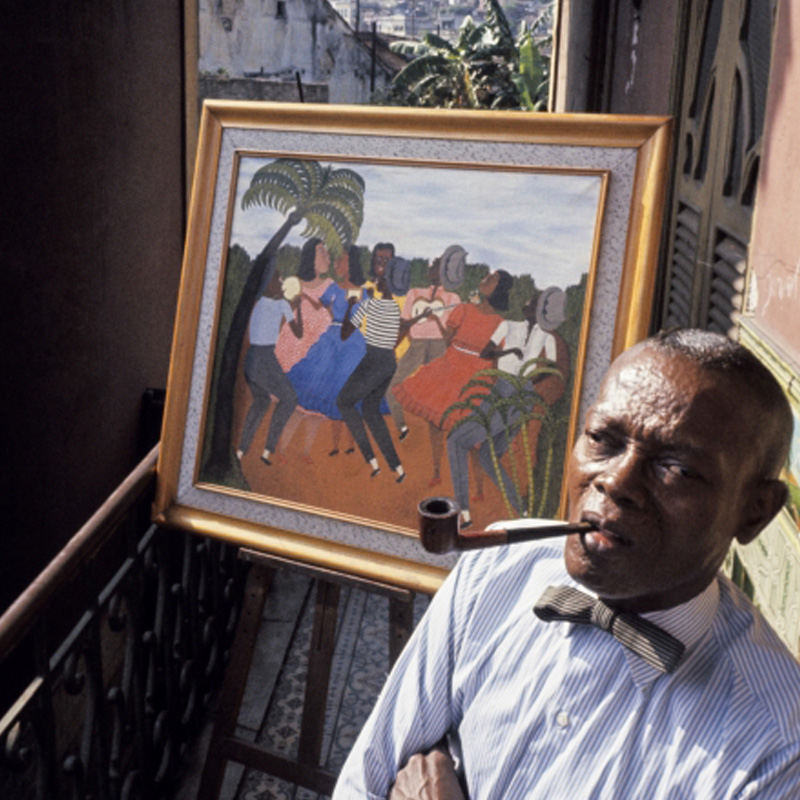
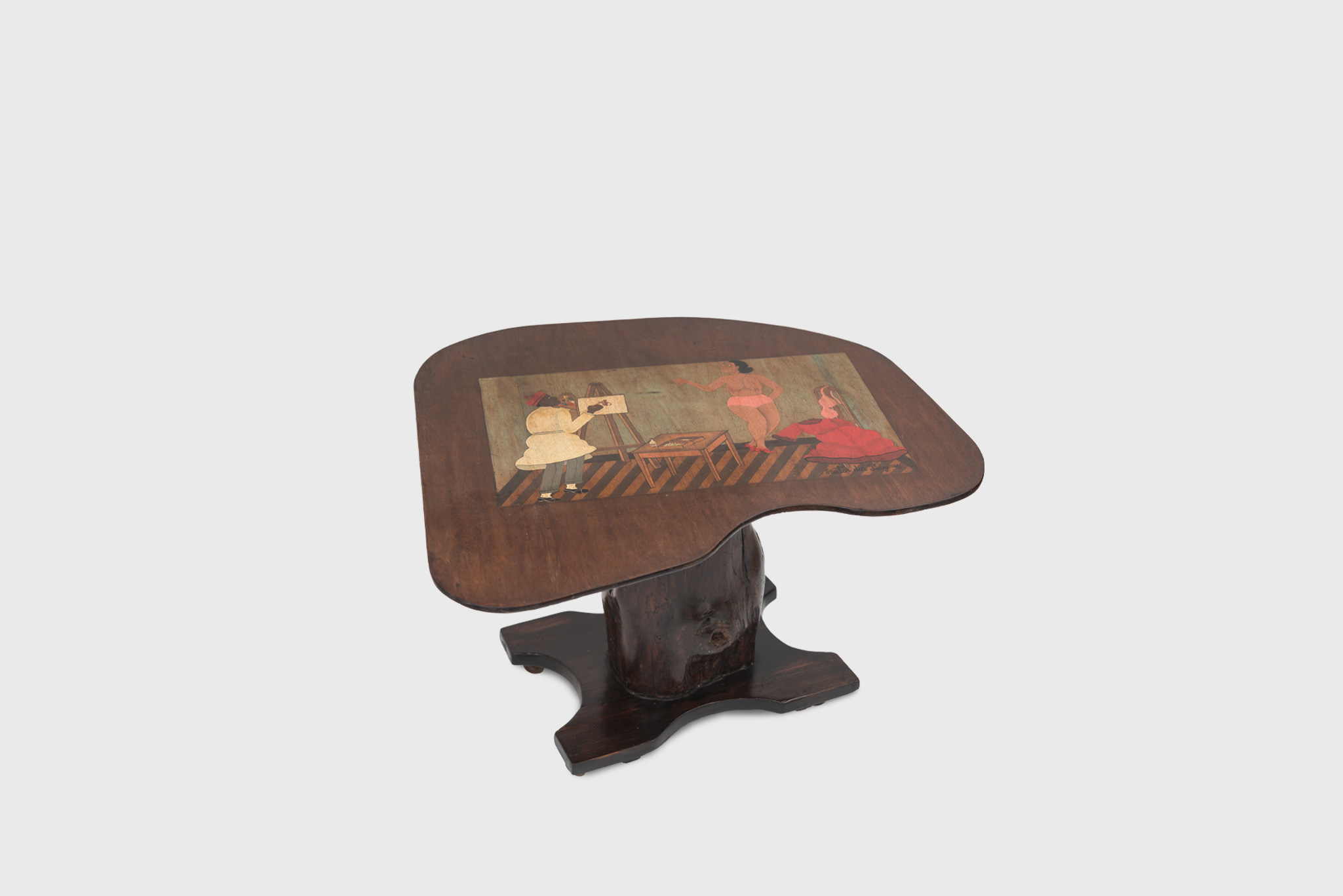
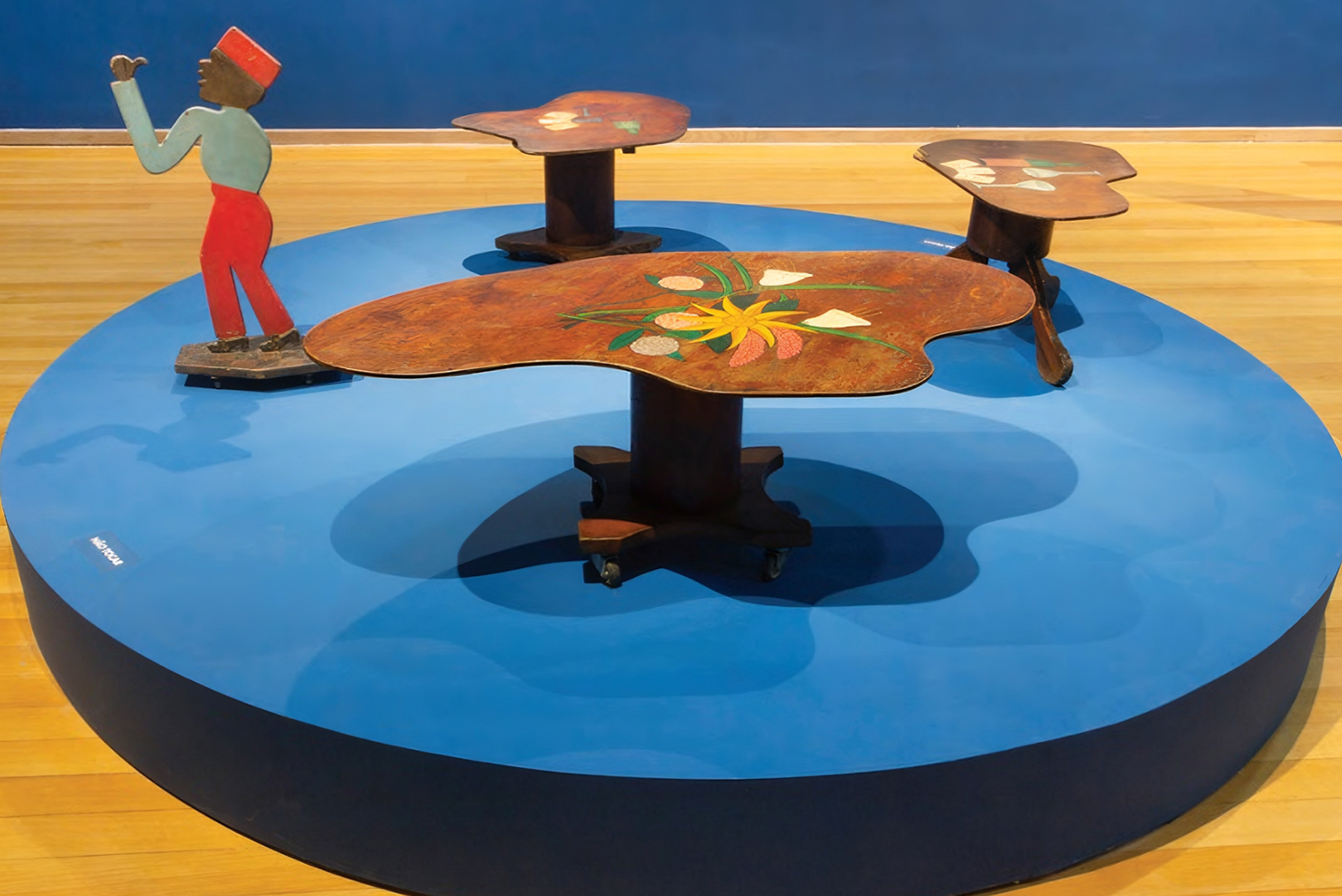
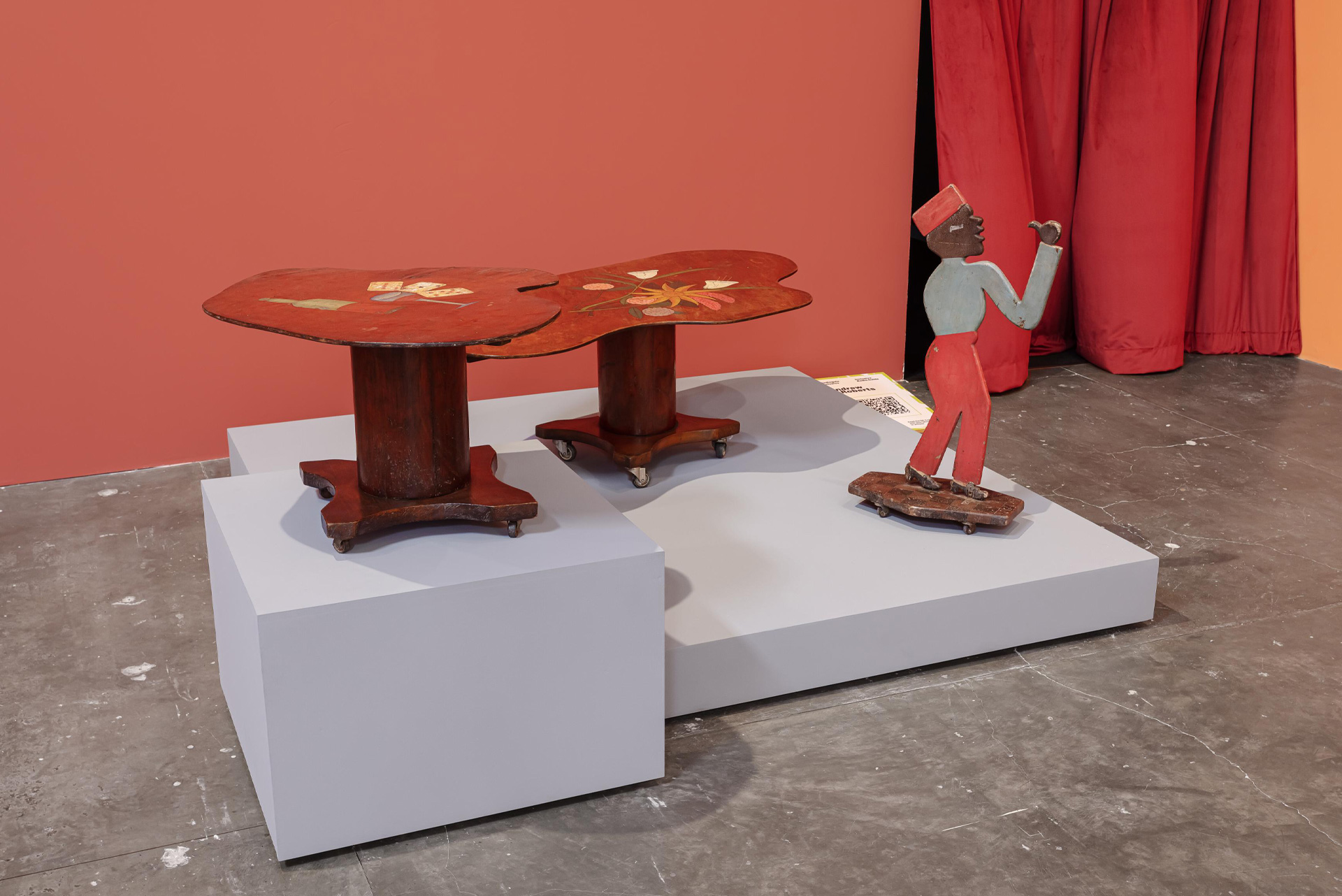
An important aspect of the exhibition was its expansion of Heitor dos Prazeres’ practice beyond painting and music. A section devoted to fashion and design revealed his activity as a furniture maker and designer, a dimension closely connected to his personal history. Prazeres learned woodworking through his father, Eduardo dos Prazeres, a military musician who was also a carpenter, and later worked professionally in the trade. He considered himself part of the working class and regarded woodworking as both a source of economic independence and a creative practice.
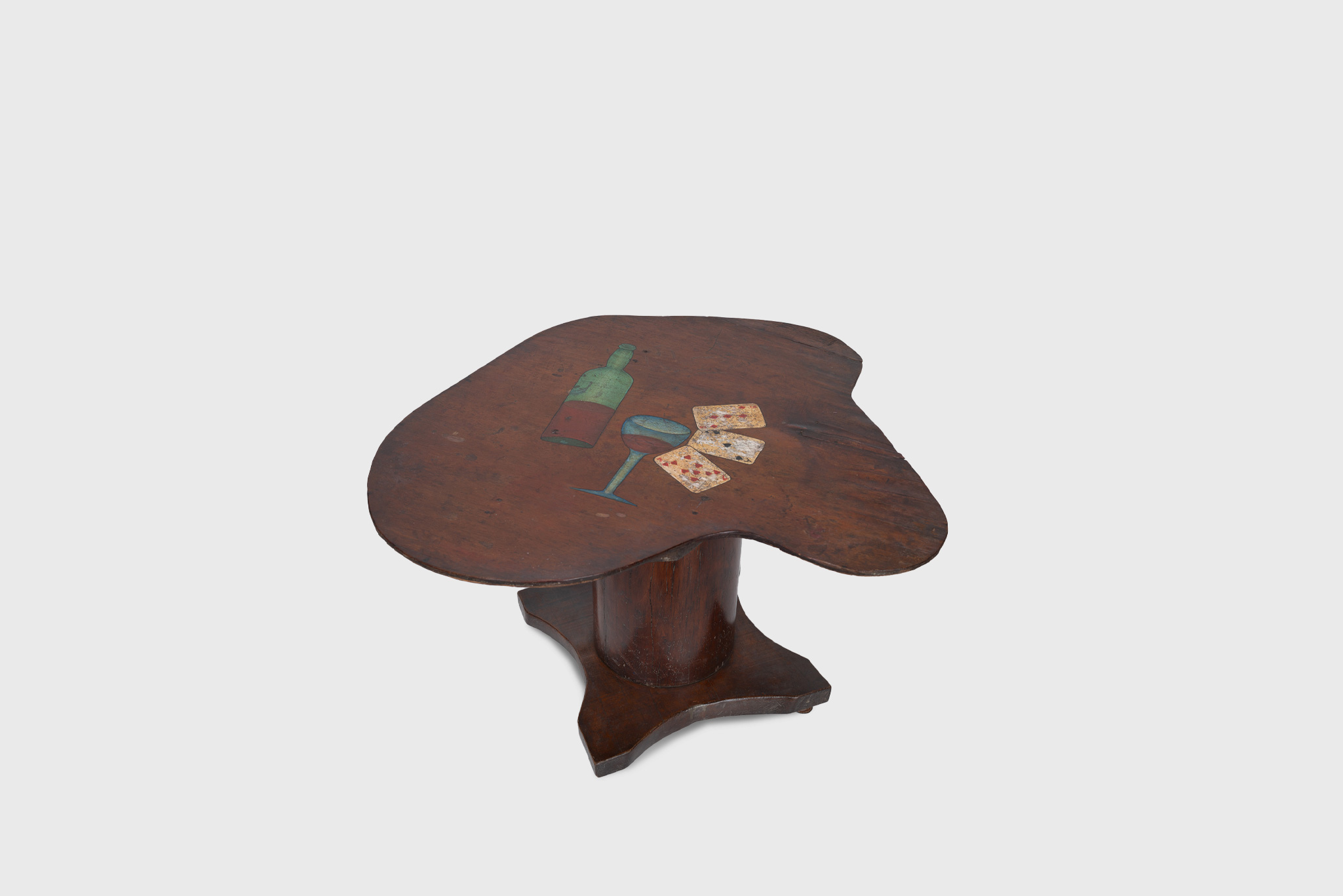
The exhibition included pieces of furniture made and decorated by Prazeres, demonstrating the continuity between his work as a painter and his understanding of objects. Combining woodworking with painted surfaces, he ornamented furniture with motifs ranging from flowers to playing cards. These objects reveal how his visual vocabulary moved freely between canvas, domestic space, fashion and design, challenging conventional distinctions between fine art, applied art and everyday material culture.
Structured through thematic sections and chronological rooms devoted to music, visual arts and politics, the exhibition presented Prazeres’ career as inseparable from the social history of twentieth-century Brazil. By bringing together the different dimensions of his production, Heitor dos Prazeres é meu nome reclaimed the complexity of an artist whose work had long resisted conventional classifications. The retrospective positioned him as a central figure in Brazilian cultural history, whose practice connected artistic invention with craftsmanship, popular culture, political consciousness and the lived experience of Rio de Janeiro.