Side Gallery
Side Gallery
WishlistFollow





Follow
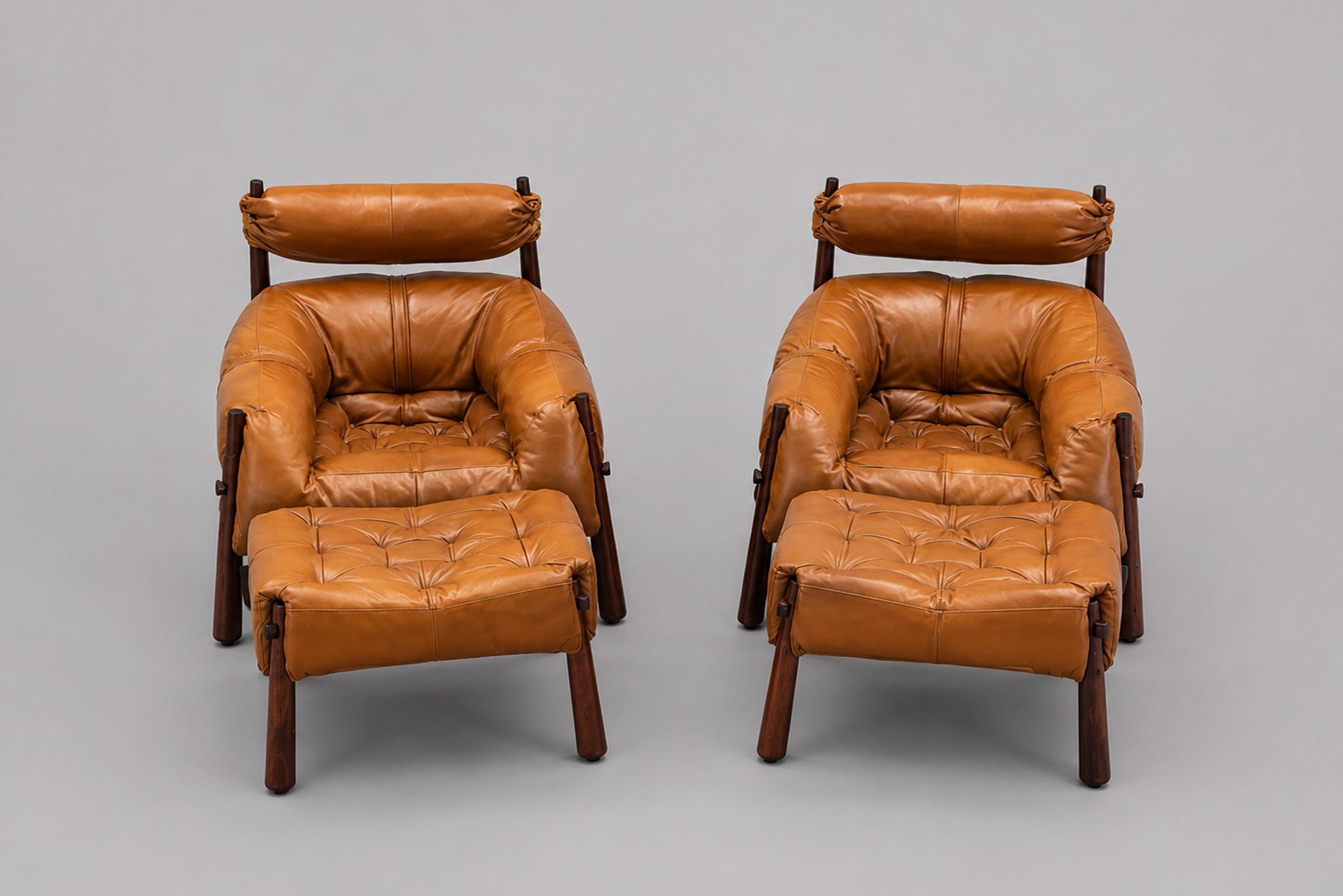


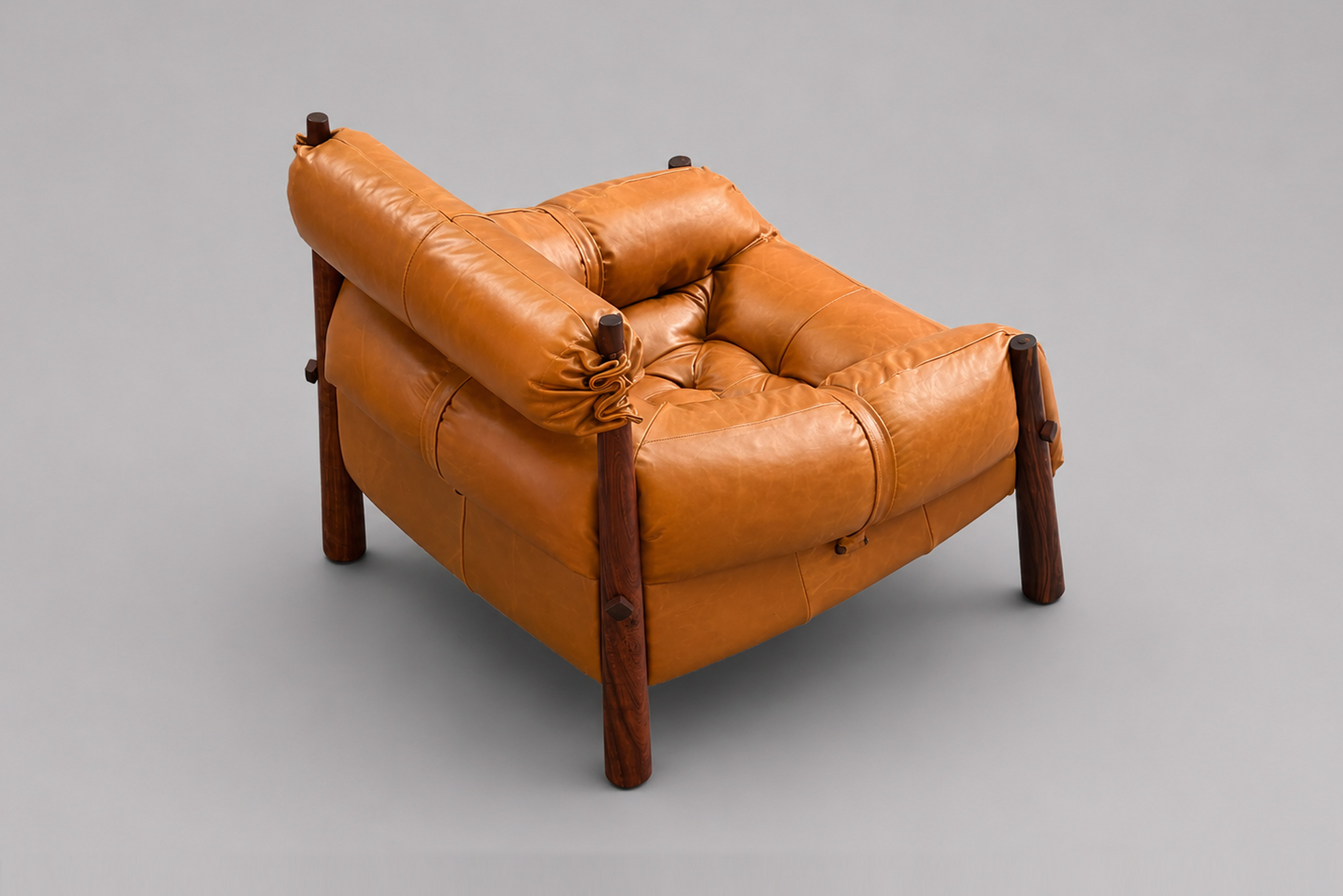
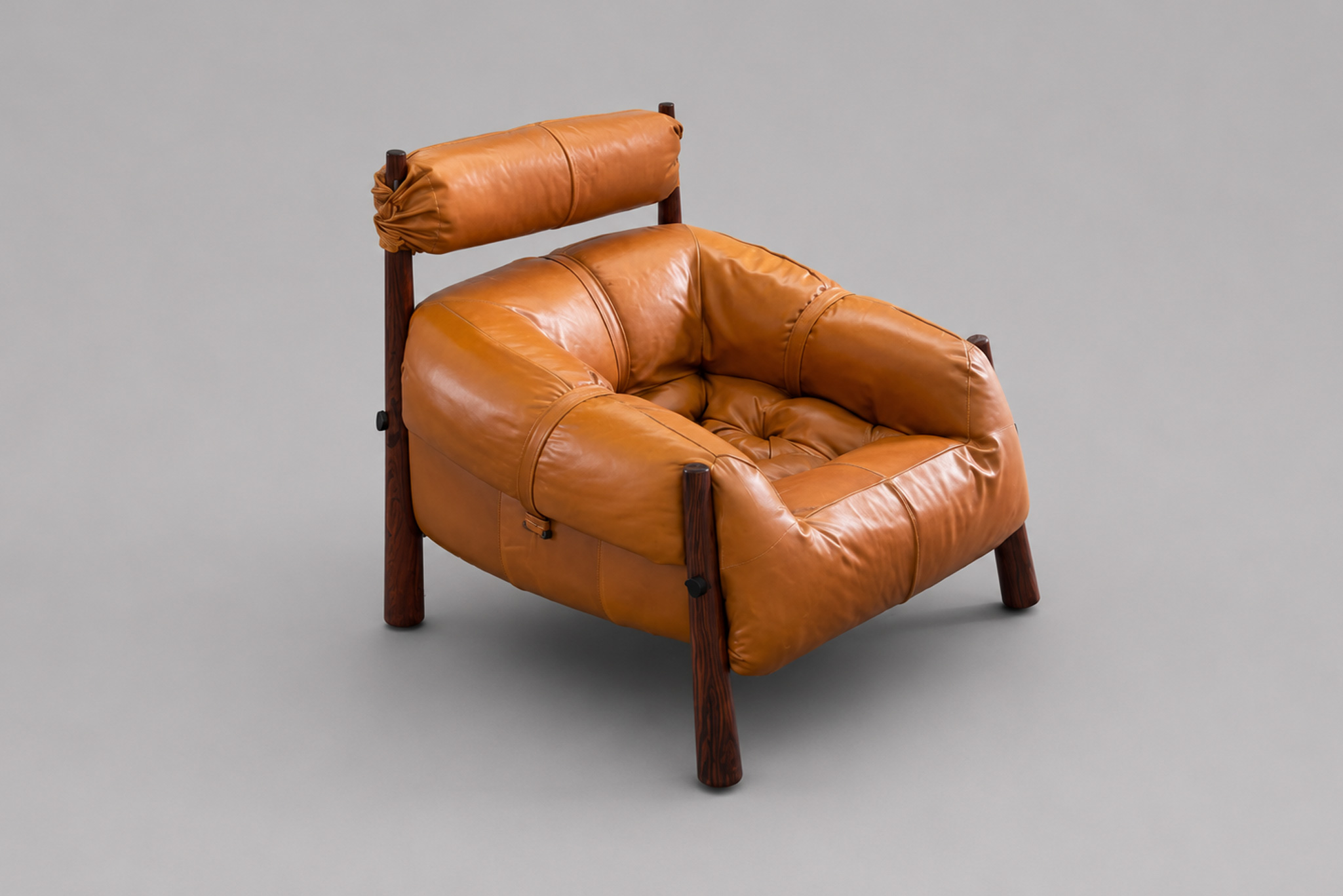





Born in Brazil in 1936, architect, product and furniture designer Percival Lafer managed to design pieces that were categorised as fine design for affordable prices. Often referred to by collectors as the "best kept secret" of mid-century modern design, Lafer is relatively unknown outside his country, where he made an indelible contribution to Brazilian design.
After graduating in architecture at the prestigious Mackenzie Presbyterian University in Sao Paulo, his father passed away unexpectedly, leaving the family furniture shop to his sons, at which point he abandoned his professional career as an architect before he it had begun, diverting instead to furniture design, a career he could pursue more easily due to the nature of his inherited business.
Lafer launched the renowned “MP-1” Armchair in 1961 and it was an instant success, featuring a T-shaped steel base covered in thin pieces of solid rosewood, and a seat upholstered with layers of foam, rather than springs. This provided Lafer with the leverage he needed at the time to create his company, establishing himself as a business that won many patents, both a well-earned reputation for innovation and originality in design and the confidence to name his brand Lafer MP - the acronym MP stands for Moveis Patentados or "Patented Furniture" in furniture.
Lafer consistently pursued ways to create good modernist designs at affordable prices for the middle classes, designing furniture pieces with a focus on mass production. In 1965, the MP-041 series included seats with solid wood frames and pre-shaped, hand-padded cushions. Perhaps the most significant was how the collection could be easily disassembled and reassembled, allowing for flat-pack delivery that minimised shipping costs. As well as other notable designs included the MP-89 armchair, designed in 1970 with cut plexiglass legs, mesh seat and leather cushions; the MP-071 armchair (1973); the S1 collection (1975) of sofas, armchairs and tables; and the MP-163 armchair (1976), better known as the "Earth Chair".
By using polished steel as the structural framework for the seating design, Lafer ensured a modern aesthetic, while using the preeminent material that features in the great majority of his designs, which are exotic woods and high quality leathers. Following the mismanaged marketing of the Mini Sala in 1966 and as a testament to Lafer's reputation for innovation, it was immediately transformed into the well-received Mirage armchair in 1967. Brasil Contempo sold Lafer's designs through a modern supply chain that enabled the successful Lafer MP company from the 1970s to 1985 to export to the United States and Europe.
ENQUIRE ABOUT THE DESIGNER

