Side Gallery
Side Gallery
WishlistFollow





Follow
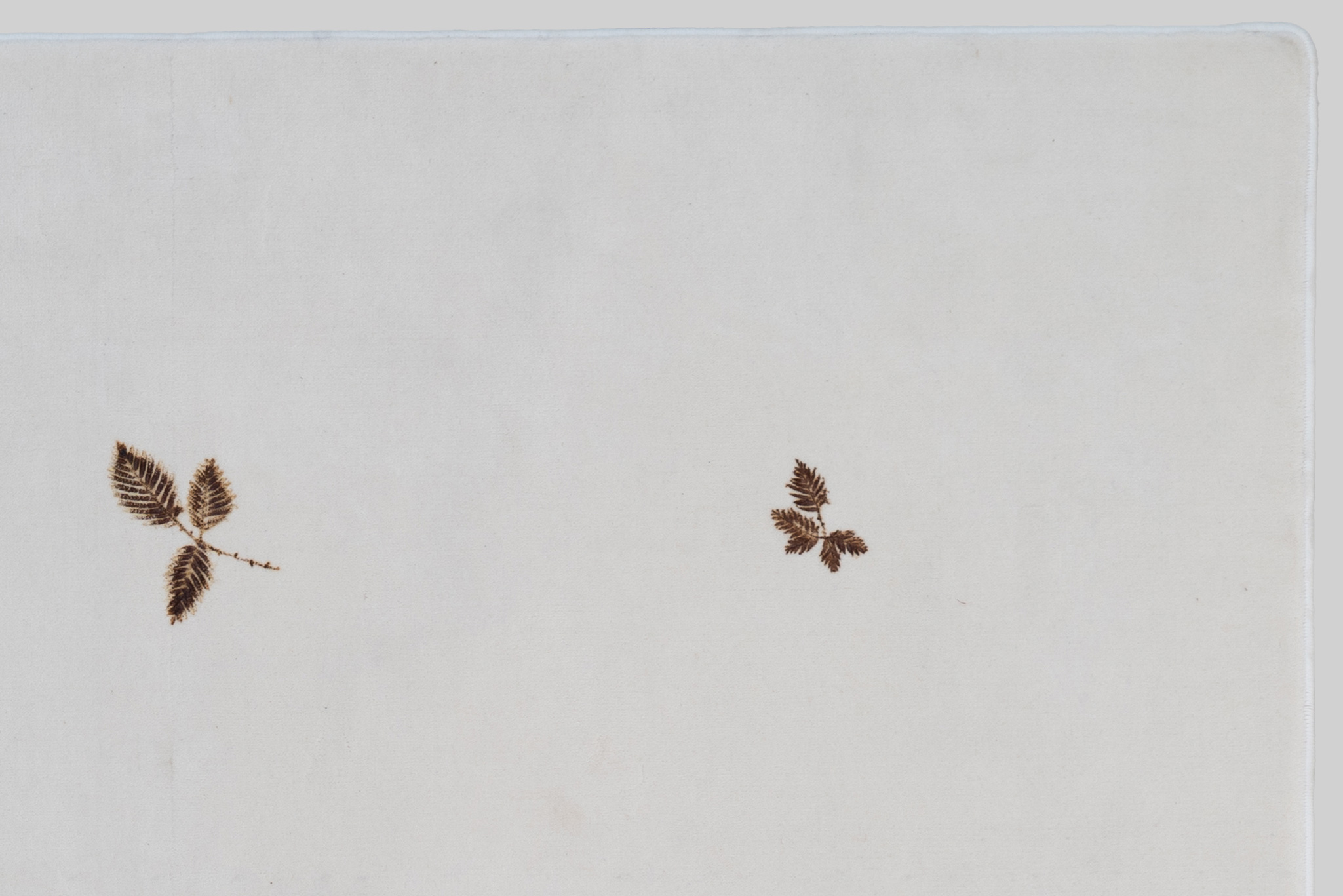
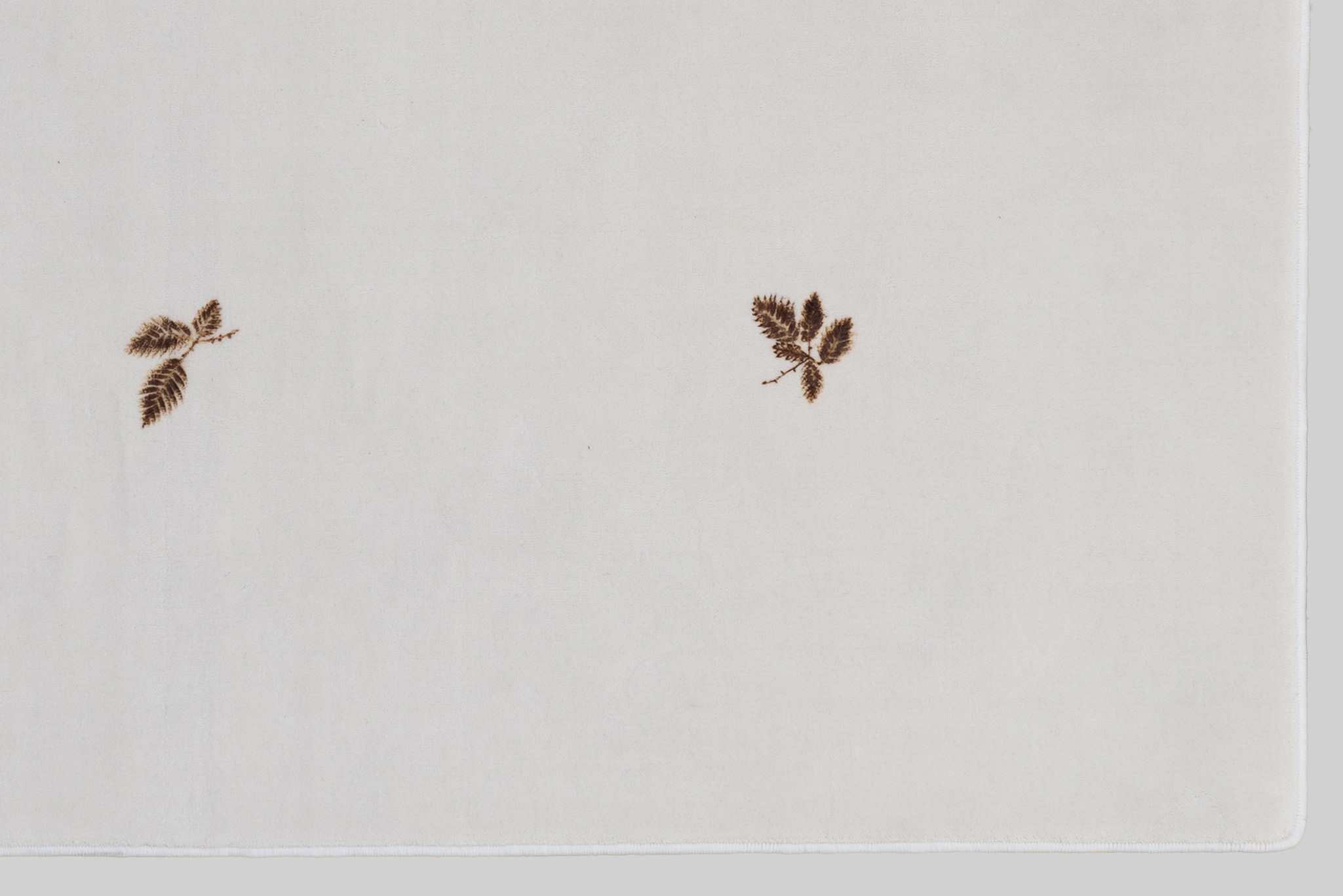




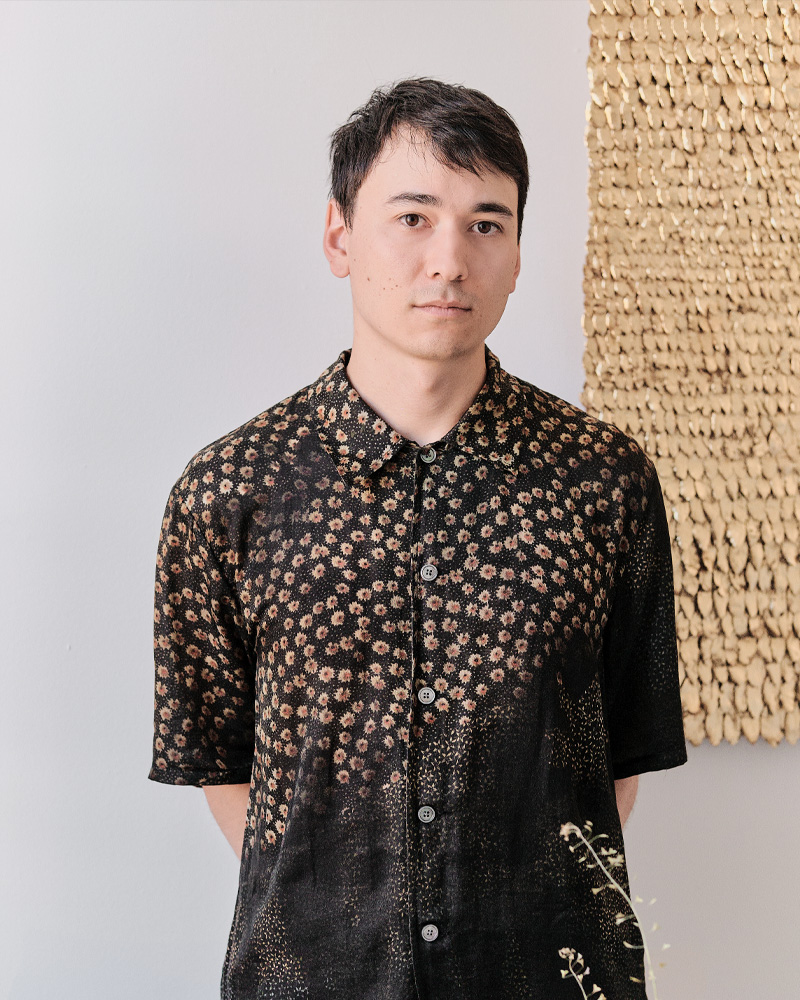
Thomas Takada is a French-Japanese designer whose practice operates at the intersection of architecture, art and design. His work engages critically with the environmental, cultural, and material conditions of the present, proposing a sensitive and poetic reconsideration of our relationship to the physical world in the context of the climate crisis.
Born in Japan and raised in the United States, Takada developed a cross-cultural perspective that informs his approach to landscape, materiality, and perception. His formative years in the U.S. fostered a deep connection to 19th-century American thought, particularly the writings of Henry David Thoreau and the paintings of Thomas Cole, whose reflections on nature and the transformation of the landscape during industrialization continue to resonate within his work.
Takada studied architecture at the École Nationale Supérieure d’Architecture de Paris-Belleville, where he developed a methodology grounded in observation, material research, and conceptual clarity. His practice privileges a local and handcrafted approach, often based on the collection of found materials—organic or industrial—from specific environments. Through this process, he seeks to reveal overlooked qualities and latent narratives embedded within everyday matter.
His work is characterized by a deliberate tension between the natural and the artificial, the ephemeral and the constructed. Organic elements such as branches, seeds, stones, and leaves are frequently combined with manufactured materials, creating assemblages that question systems of production, consumption, and value. In doing so, Takada proposes a form of practice that is at once ecological, educational, and deeply poetic.
A significant influence on his development was his experience at Junya Ishigami + Associates in Tokyo. There, he embraced a design philosophy centered on clarity and immediacy, guided by the idea that a successful project should be intuitively understandable—even to a child. This principle remains central to his work, which often adopts a minimal, legible, and instinctive formal language.
Takada’s artistic vocabulary is further enriched by references to the material intensity of Anselm Kiefer, the integration of architecture and landscape in Junya Ishigami’s practice, and the philosophical inquiries of Bruno Latour, particularly regarding the interconnectedness of human and non-human systems.
In June 2025, Takada was awarded the Grand Prize of Van Cleef & Arpels as well as the Visual Merchandising Prize by Chanel for his installation Au point calme d’un monde qui tourne, presented at the Design Parade Toulon. This project marked a significant milestone in his career, positioning him among a new generation of designers and artists redefining the boundaries between disciplines.
Today, Thomas Takada’s work continues to explore how objects, spaces, and materials can embody a renewed sensitivity to the environment. Situated between art, design, and architecture, his practice invites a slower, more attentive way of seeing—one that reconsiders the essential and opens new perspectives on the world we inhabit.
THOMAS TAKADA
DESIGN PARADE 2026
VILLA NOAILLES
HYÈRES
25 JUN 2026 – 30 AUG 2026
MORE INFO
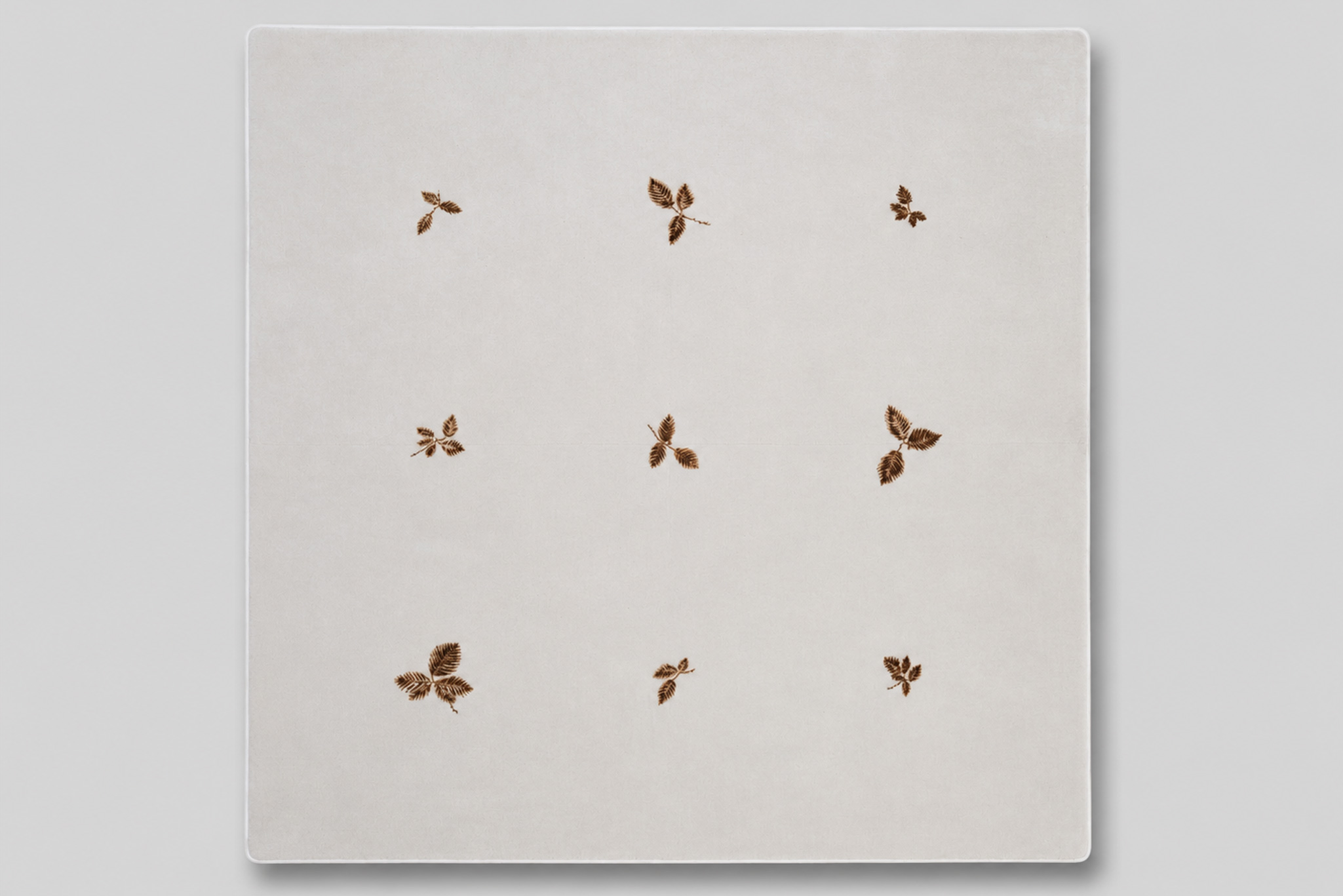
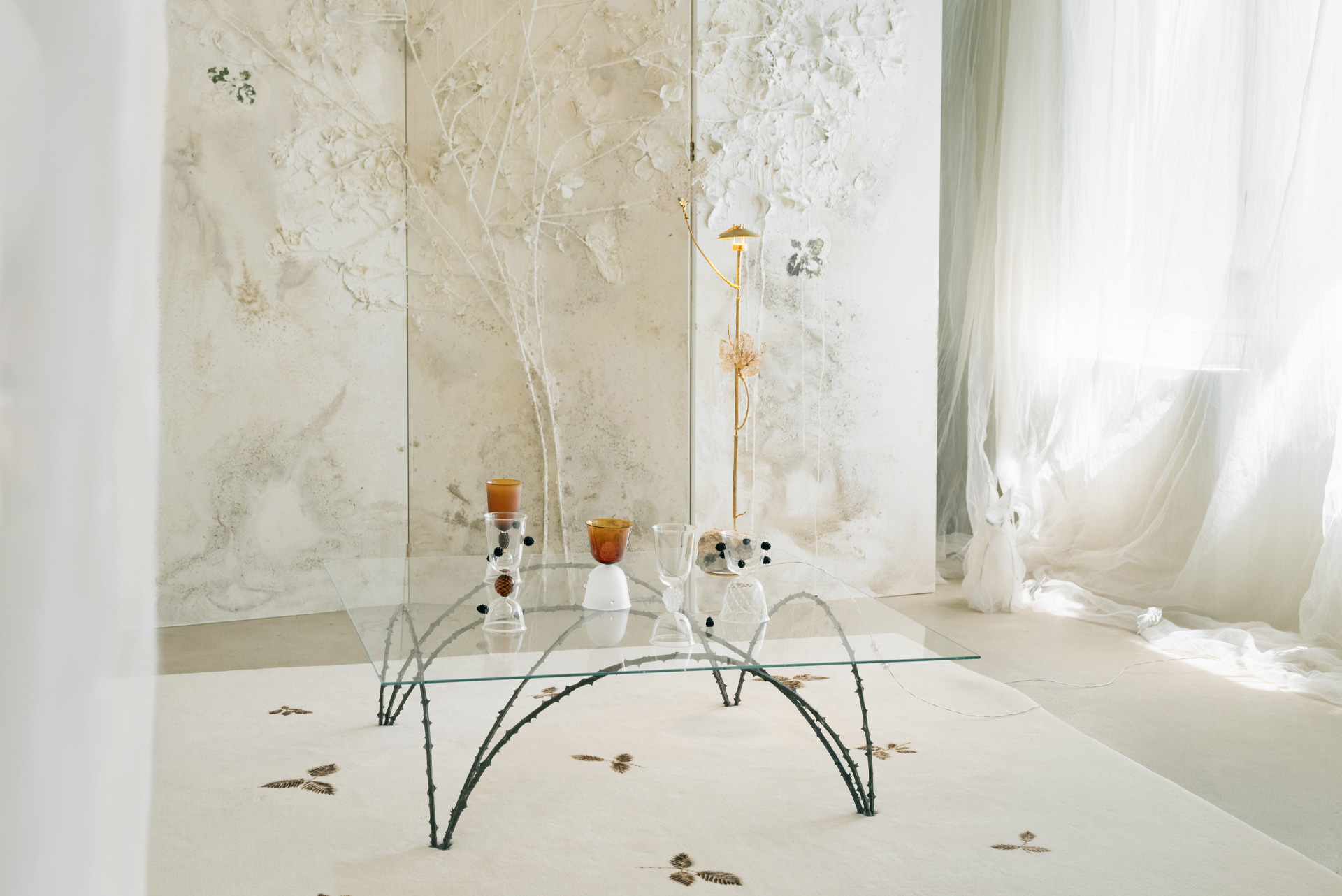
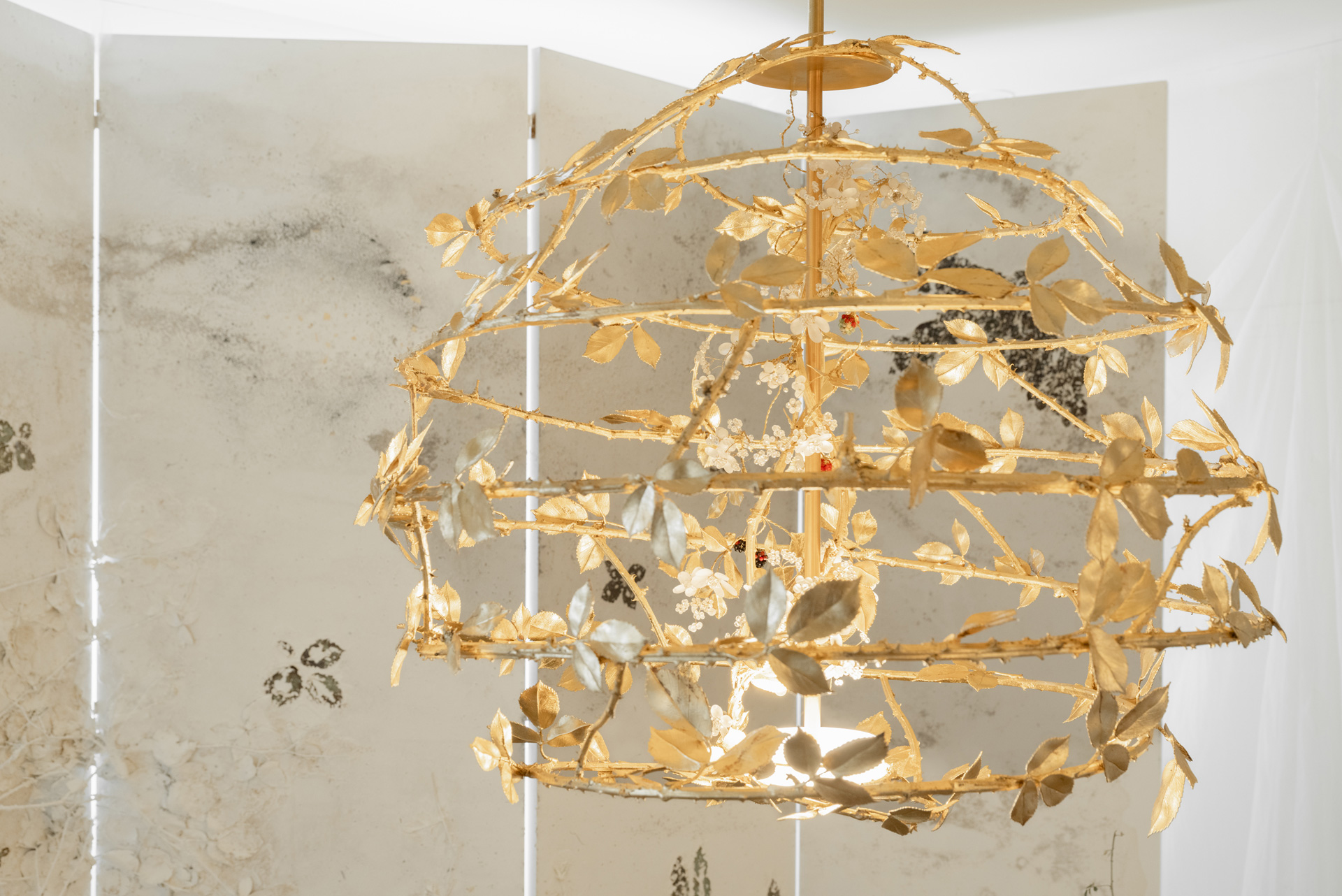
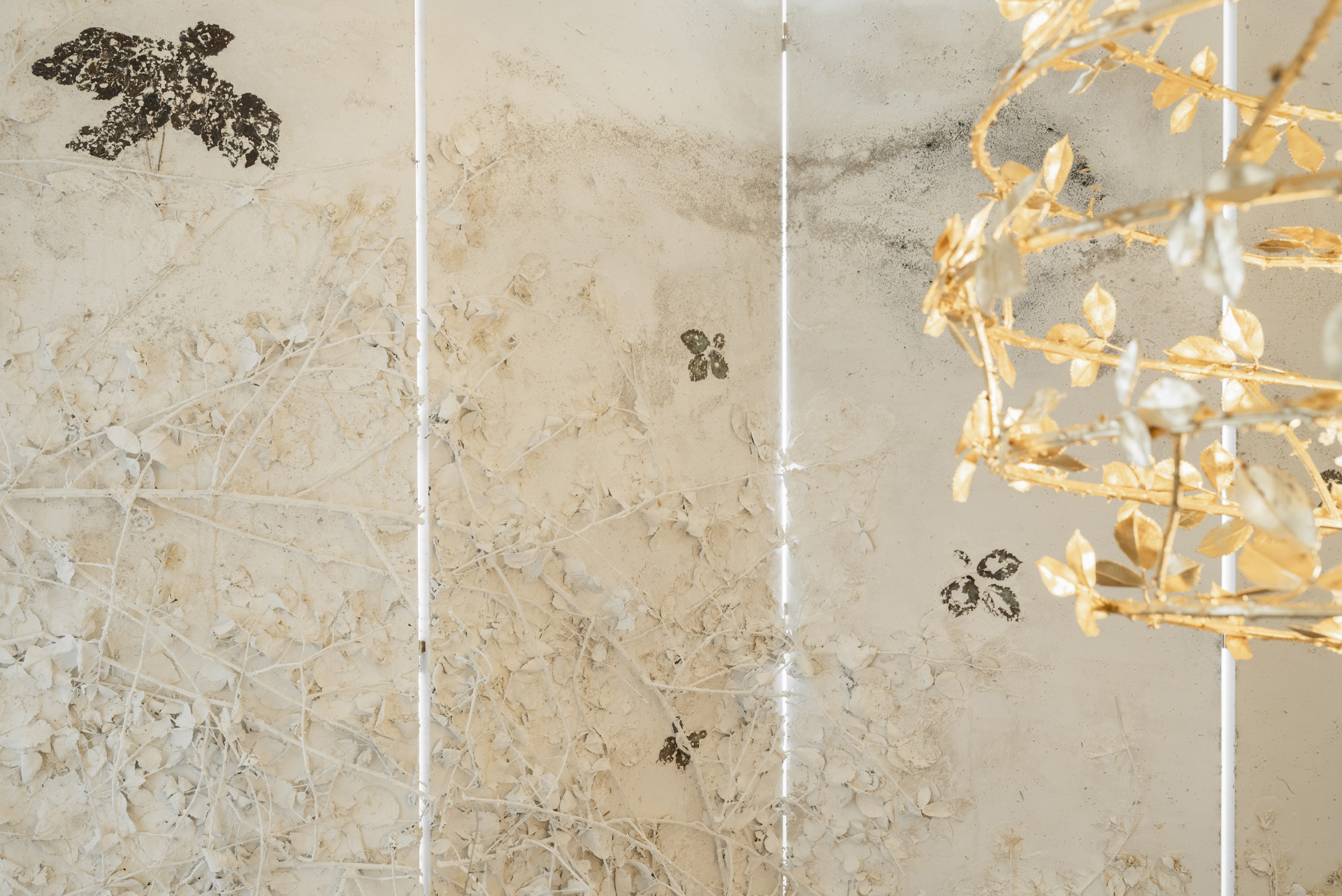
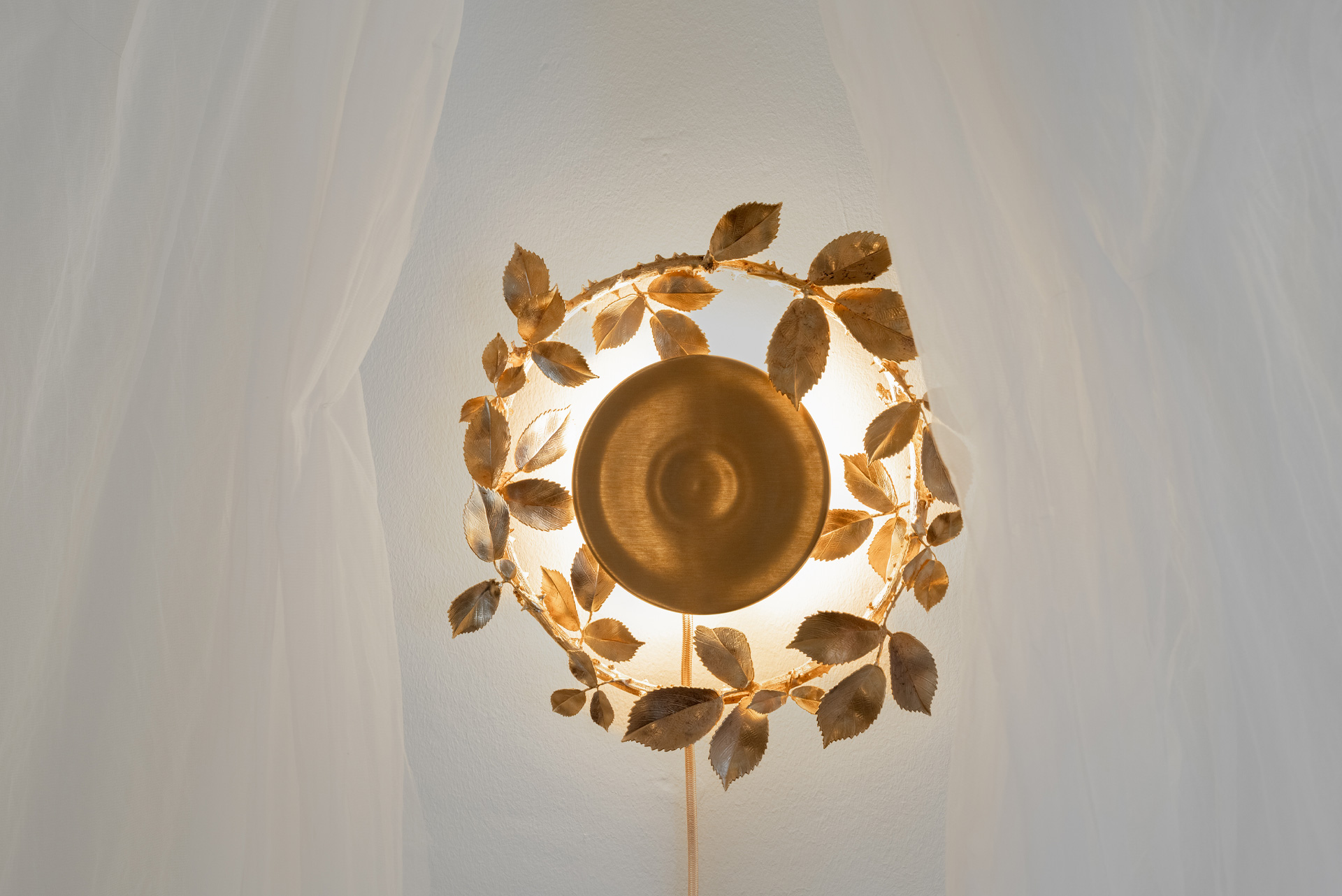
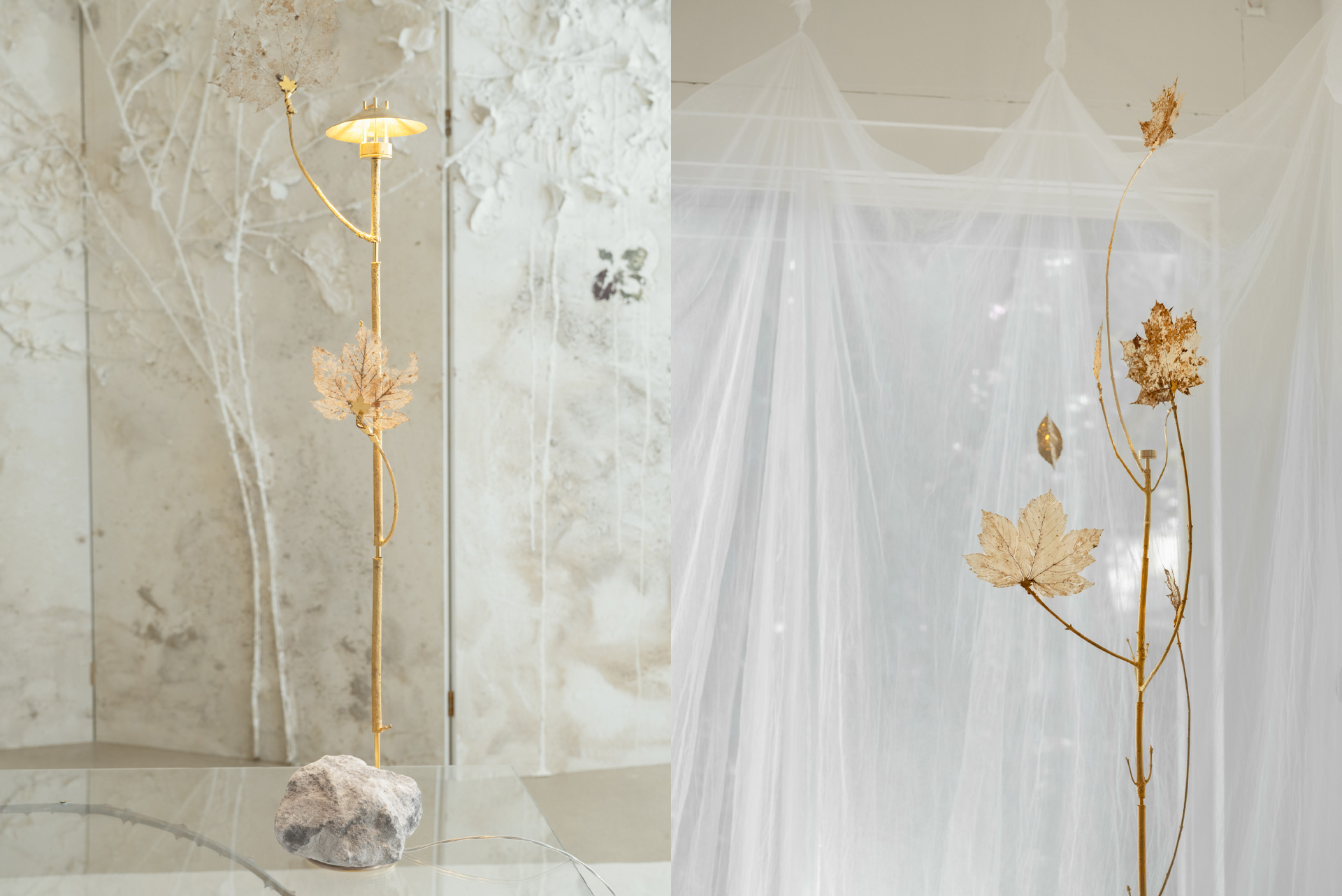
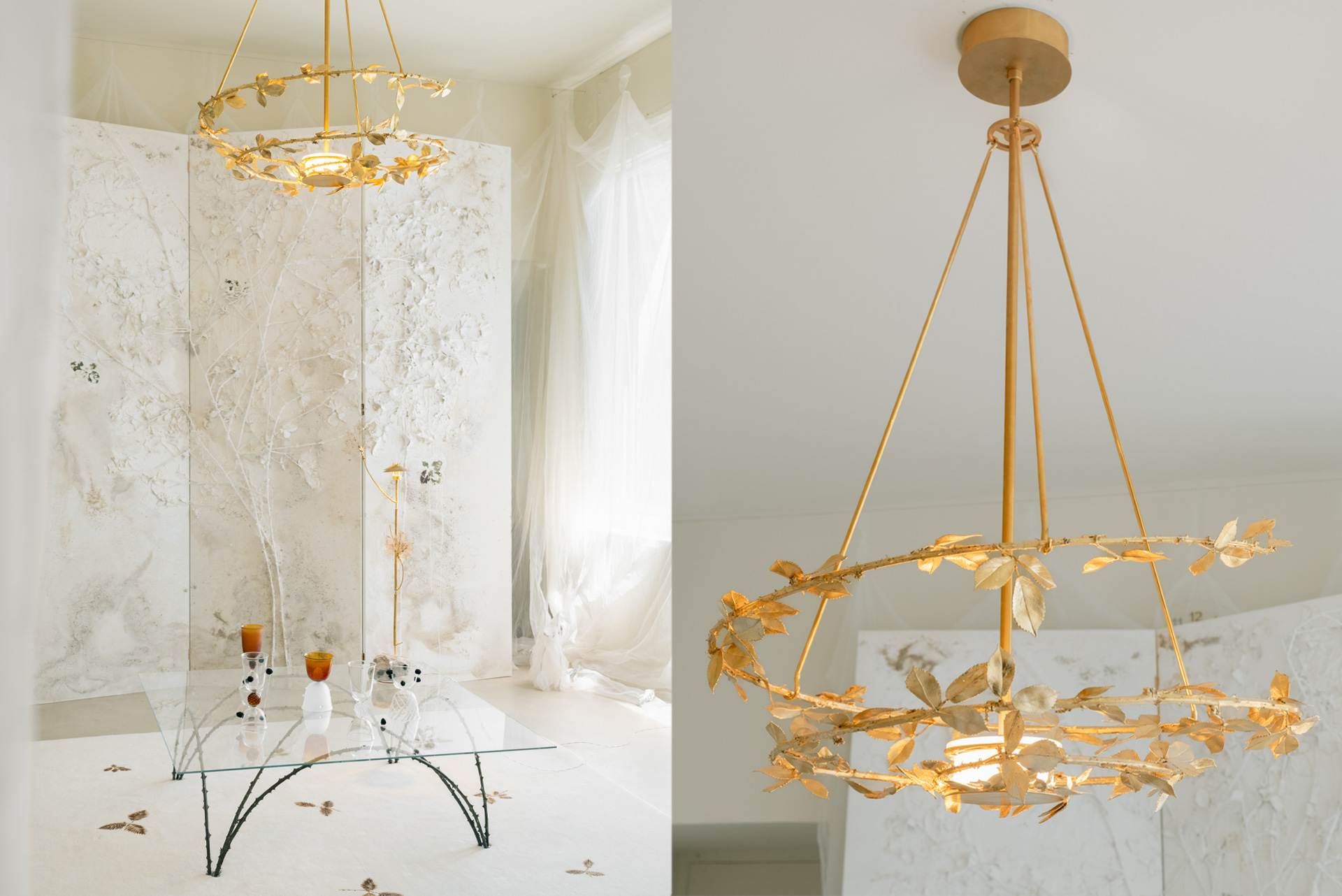
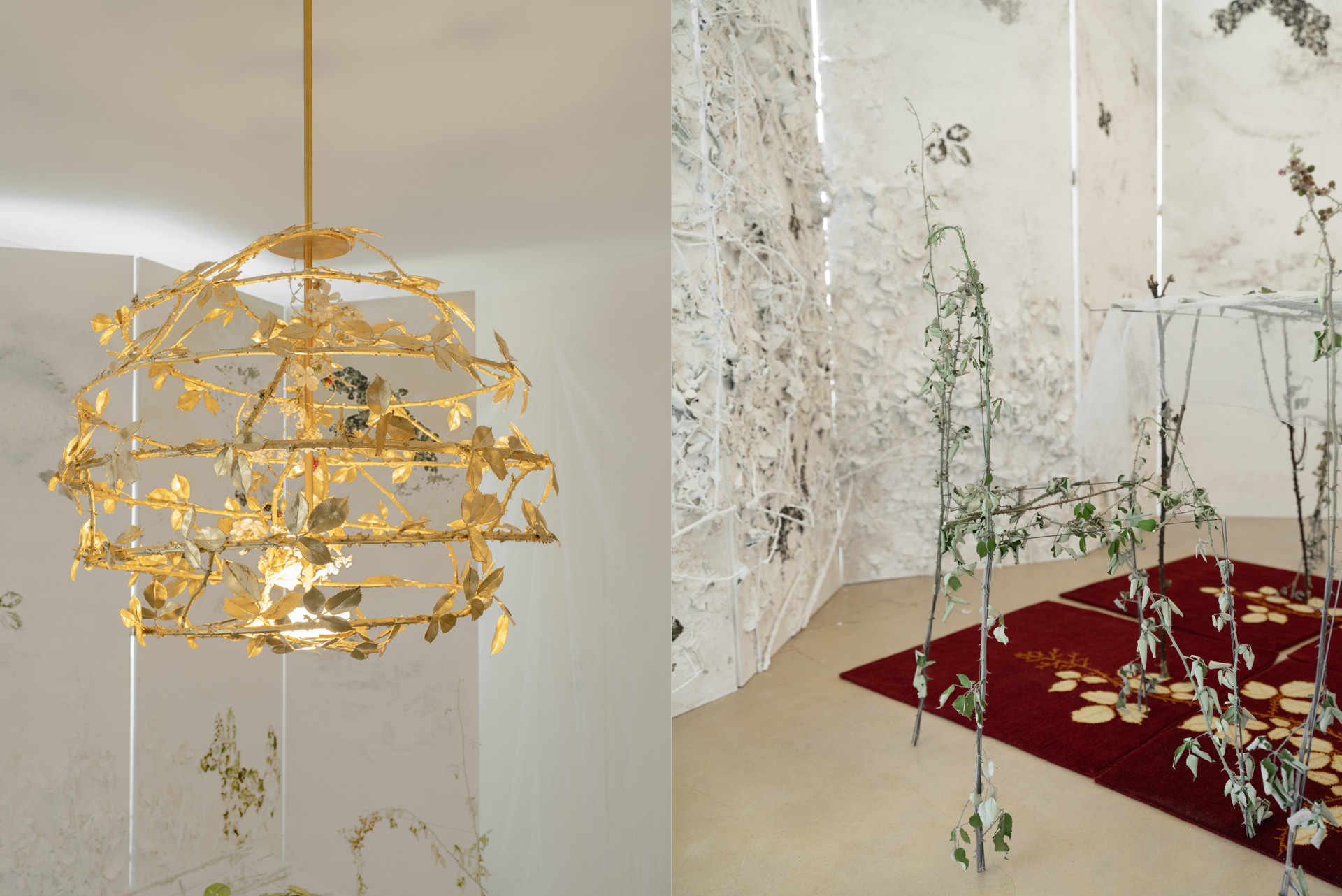
Thomas Takada presents a new body of work at Villa Noailles as part of Design Parade 2026, expanding his research into landscape, ecology and craftsmanship through a series of sculptural furniture pieces, carpets and folding screens inspired by the bramble.
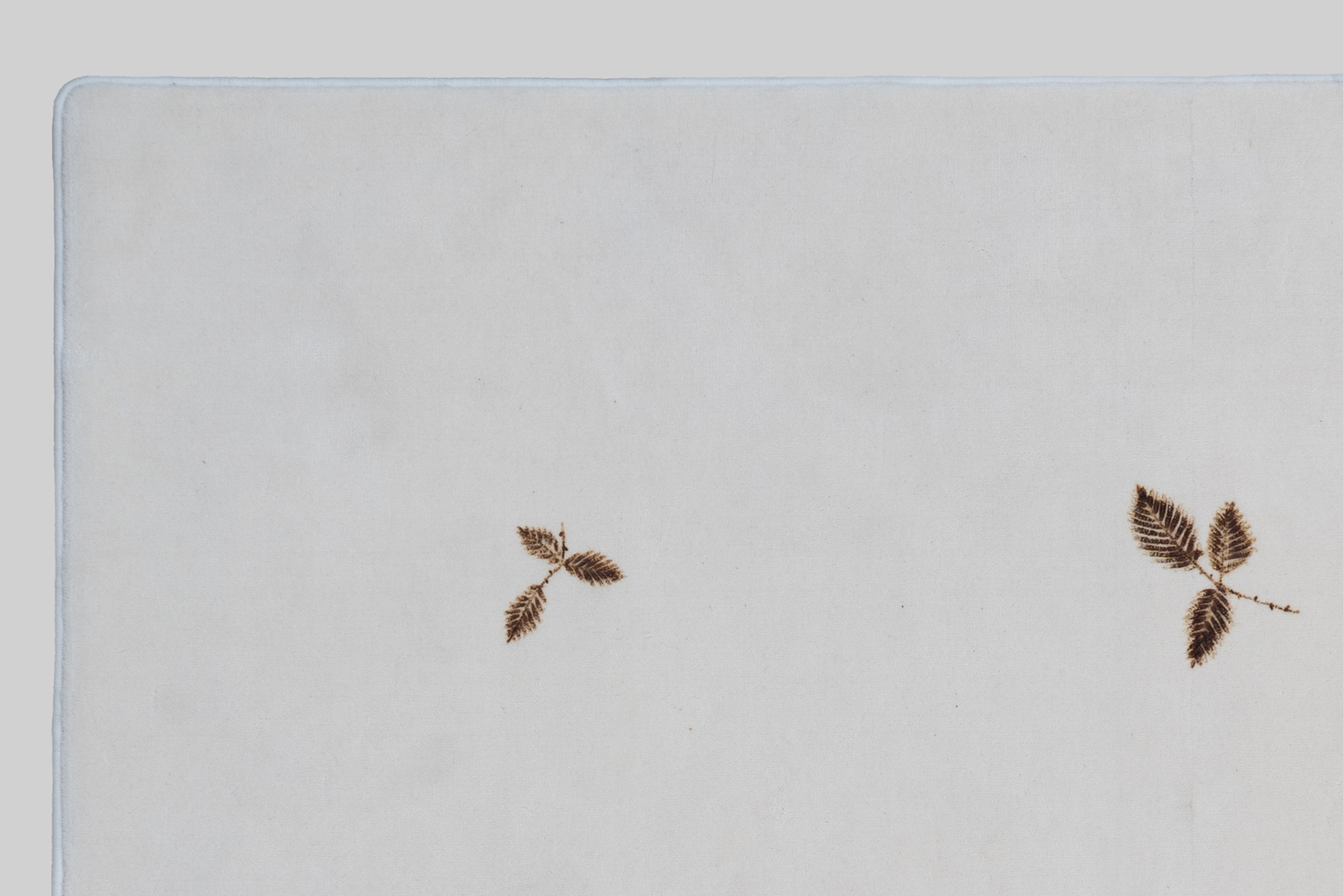
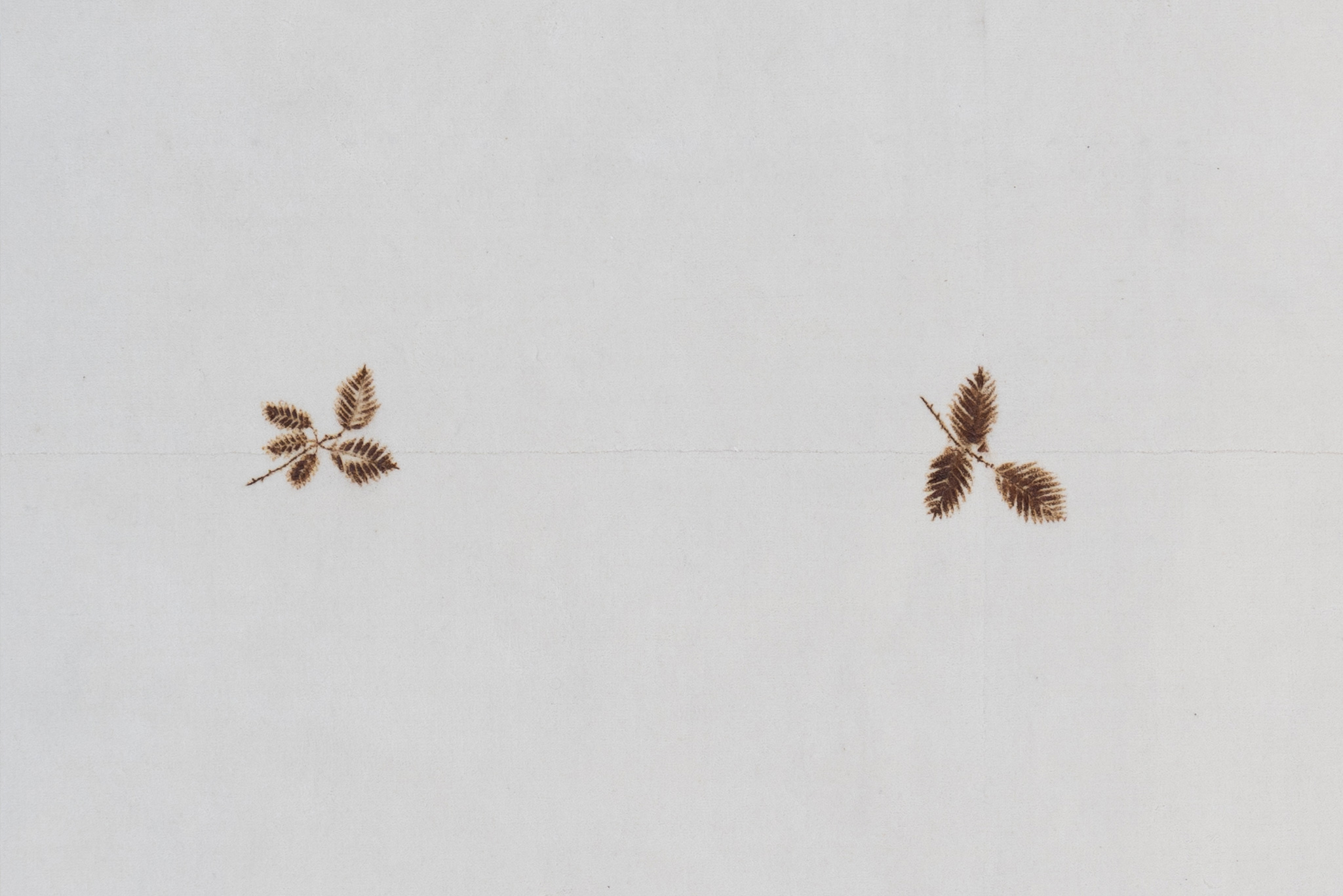
Rooted in observations of the untamed vegetation surrounding Paris's Parc des Buttes-Chaumont, the project reconsiders a plant commonly dismissed as a weed while revealing its essential ecological function as a protector and pioneer species. Throughout the exhibition, the bramble becomes both subject and material, transformed through burning, weaving, bronze casting, excavation and painting.
Each work explores the complex relationship between humans and the natural environment, proposing an alternative perspective that embraces interdependence, regeneration and the layered histories embedded within materials. Through collaborations with master artisans and exceptional manufacturers, Takada creates objects that exist between sculpture, design and landscape, inviting visitors to reconsider the fragile balance between culture and nature.
ENQUIRE ABOUT THE DESIGNER