Side Gallery
Side Gallery
WishlistFollow





Follow
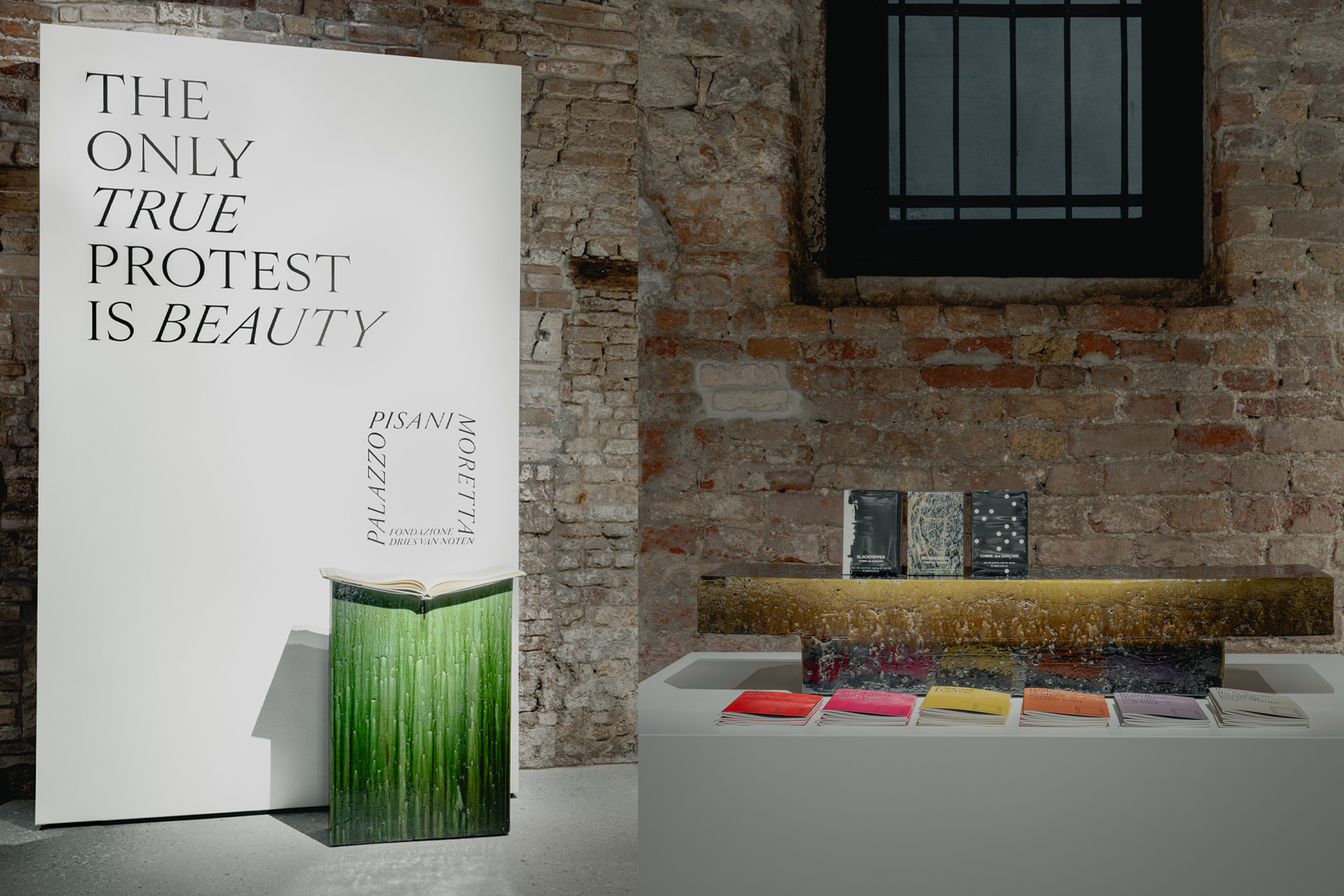
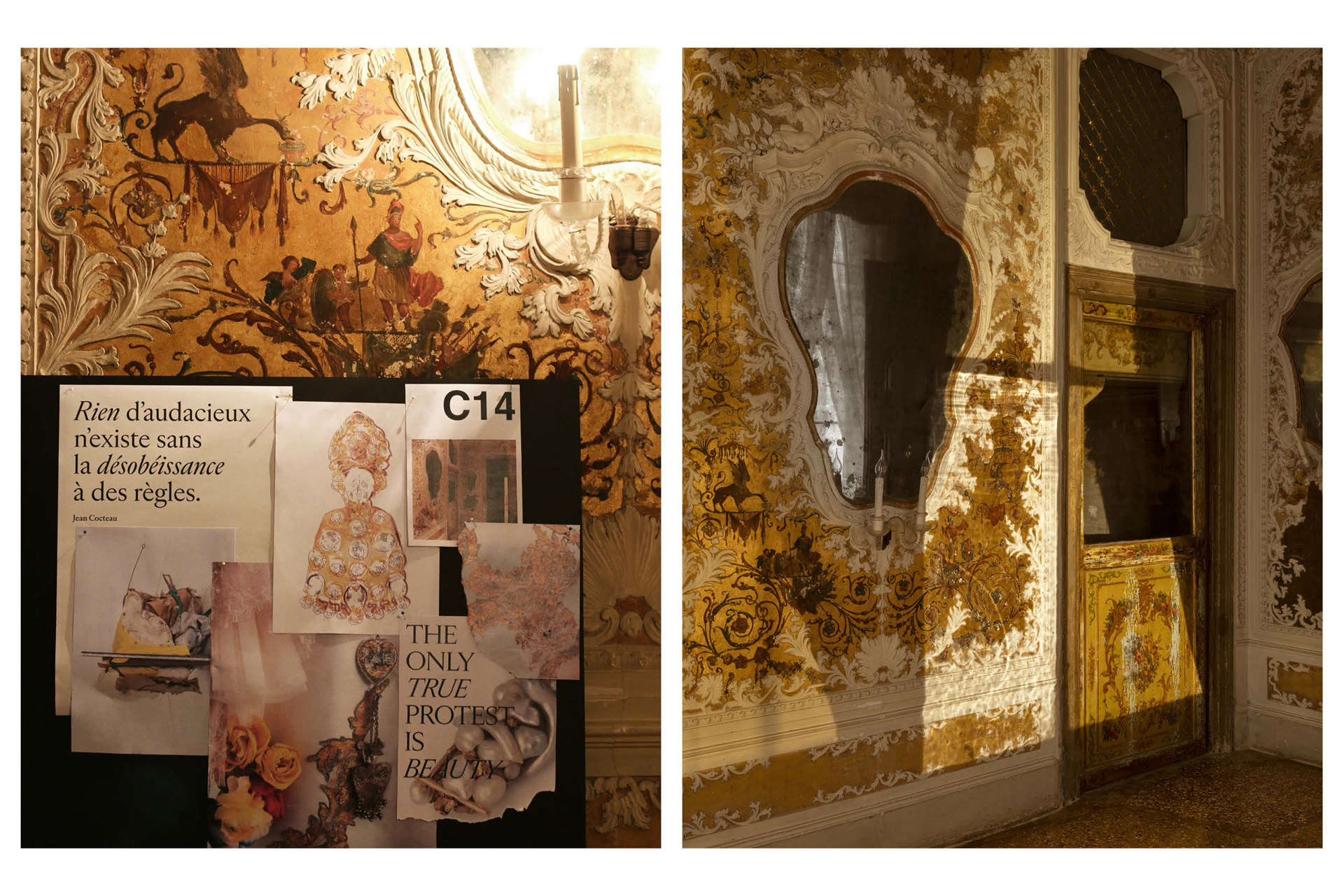
THE ONLY TRUE PROTEST IS BEAUTY FONDAZIONE DRIES VAN NOTEN
PALAZZO PISANI MORETTA
VENICE (ITALY)
25 APRIL – 4 OCTOBER 2026
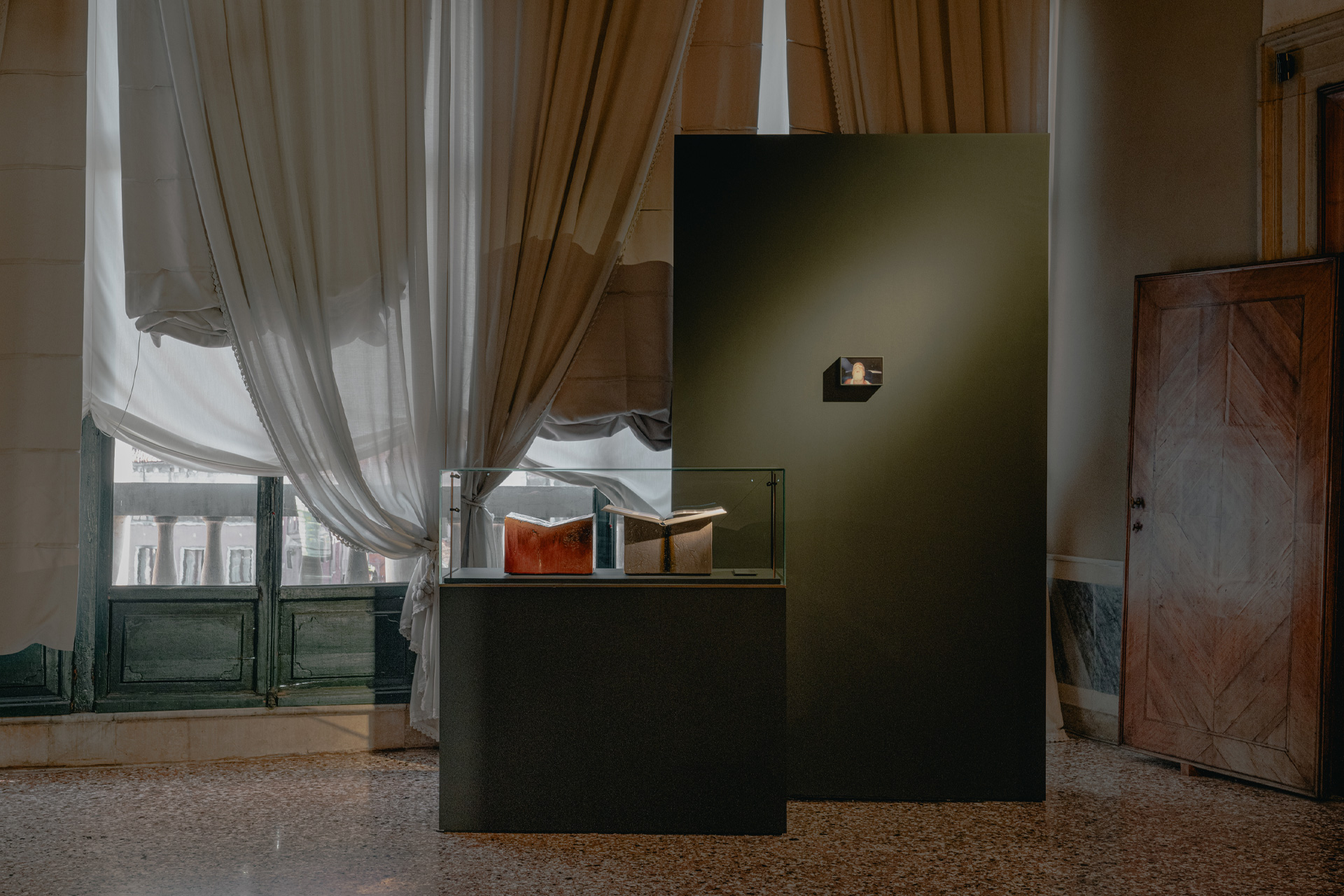
Presented as part of The Only True Protest Is Beauty, opening on 25 April 2026 at Palazzo Pisani Moretta in Venice, Side Gallery contributes to a curatorial project conceived by Dries Van Noten in collaboration with Geert Bruloot. Drawing from the words of Phil Ochs—“In such ugly times, the only true protest is beauty”—the exhibition frames beauty not as a purely aesthetic category, but as a critical and transformative force capable of provoking reflection and opening new perceptual and emotional horizons.
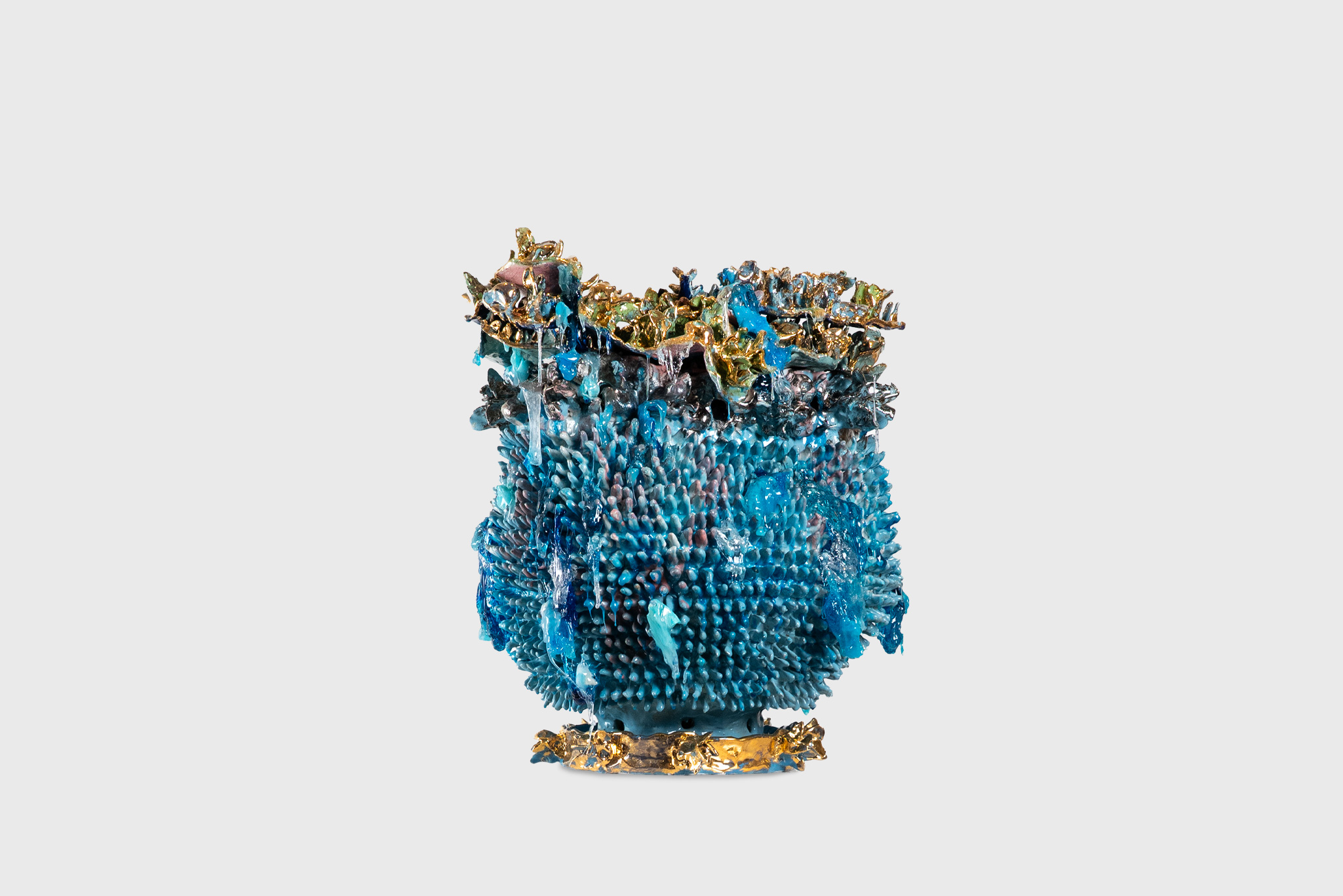
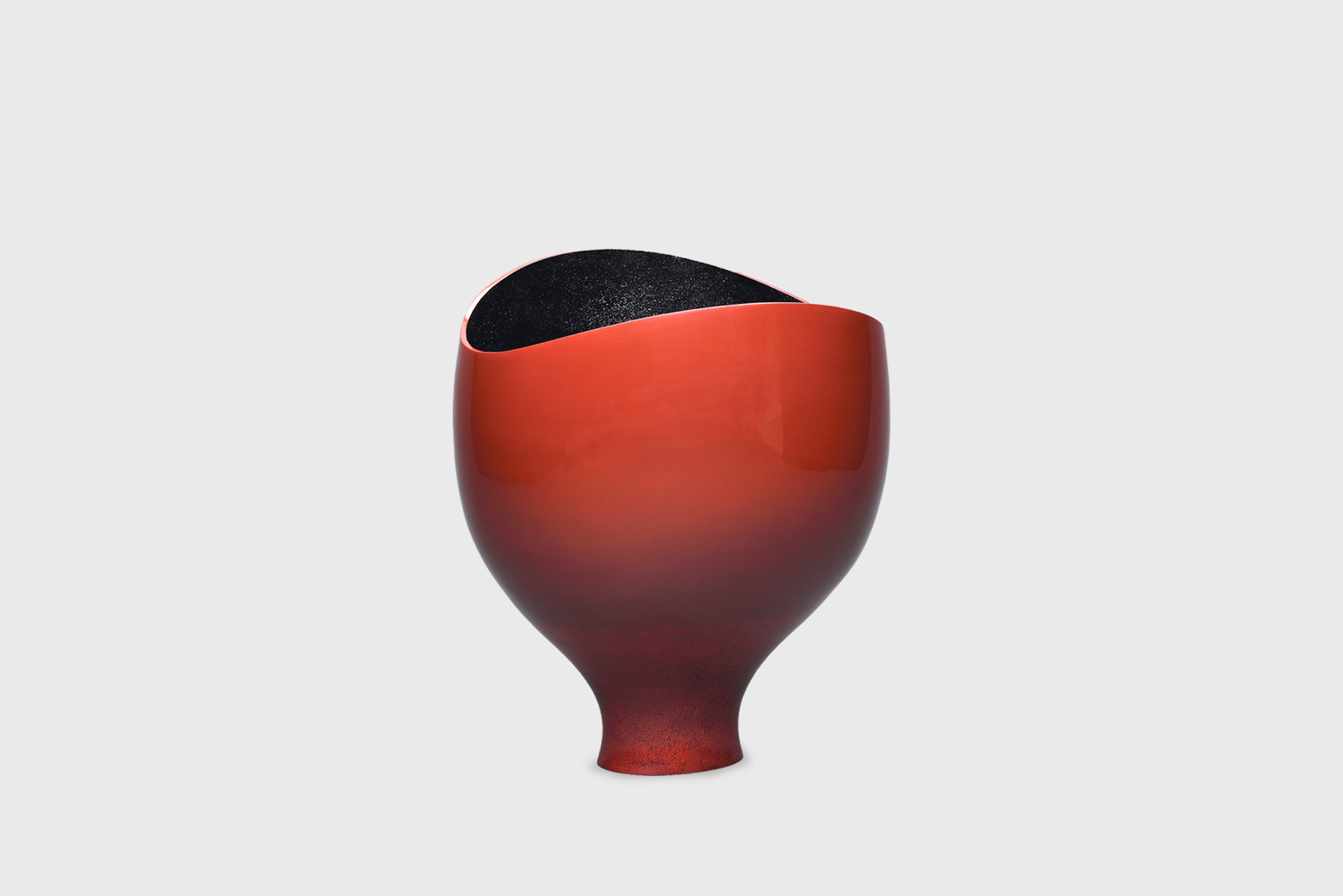
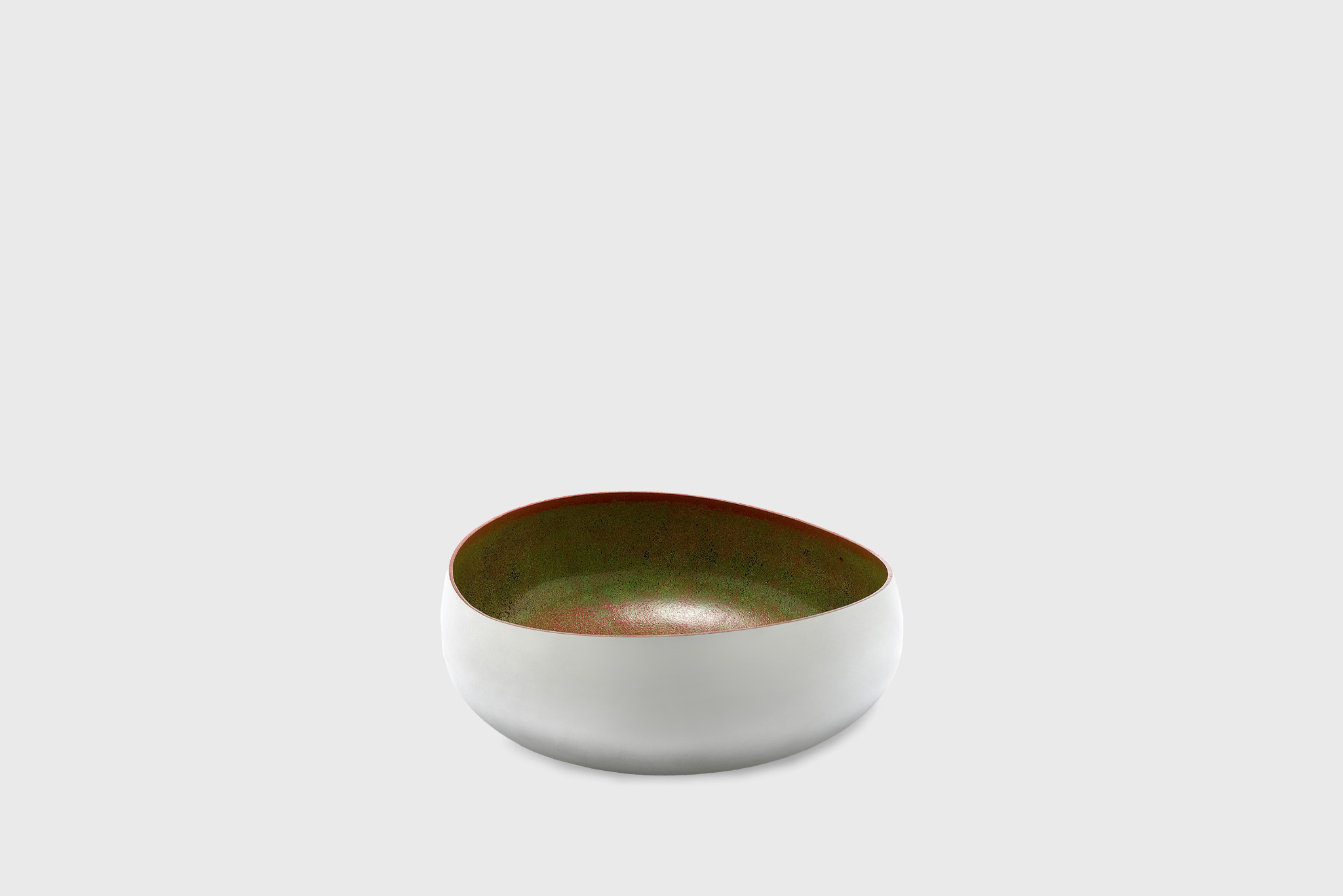
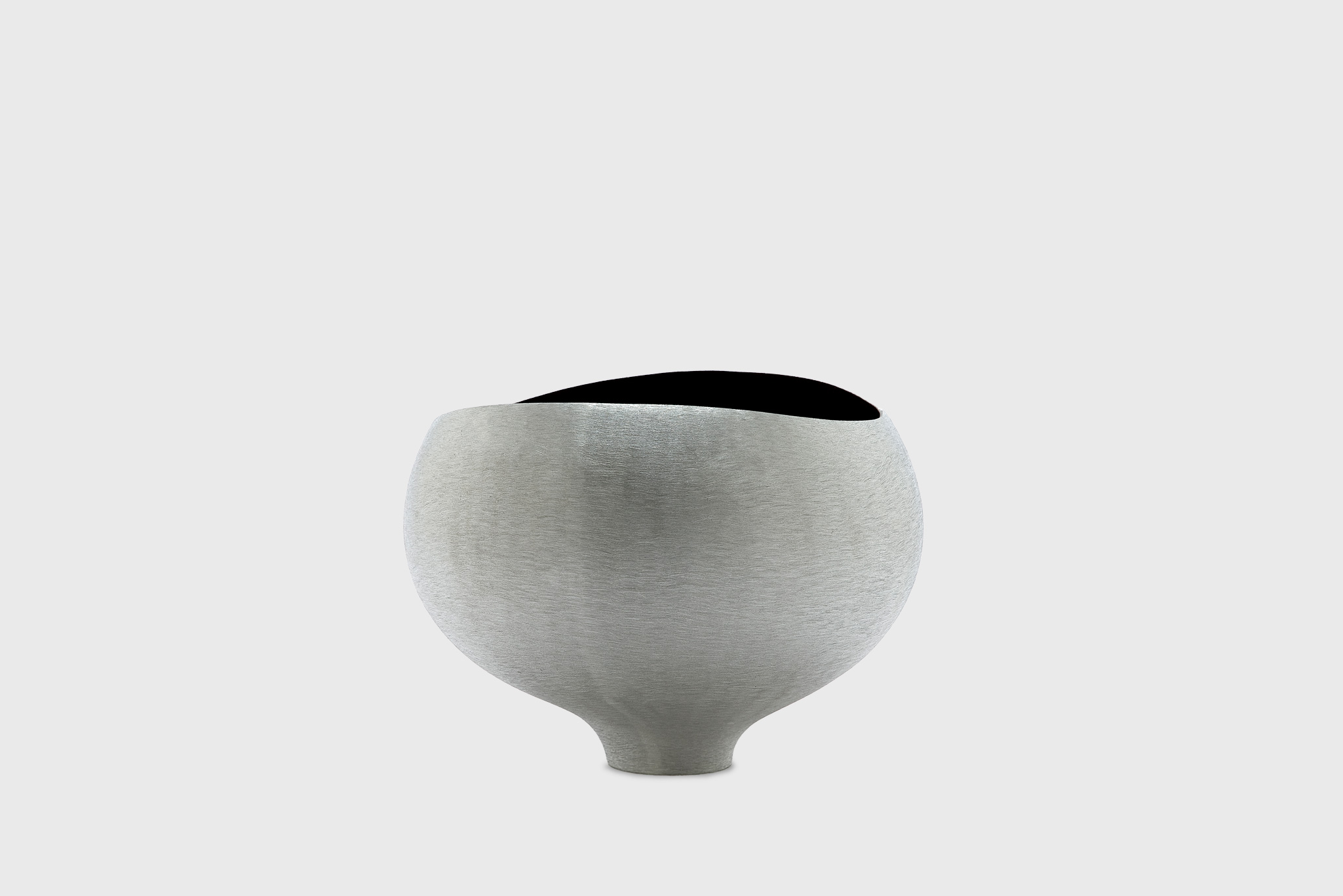
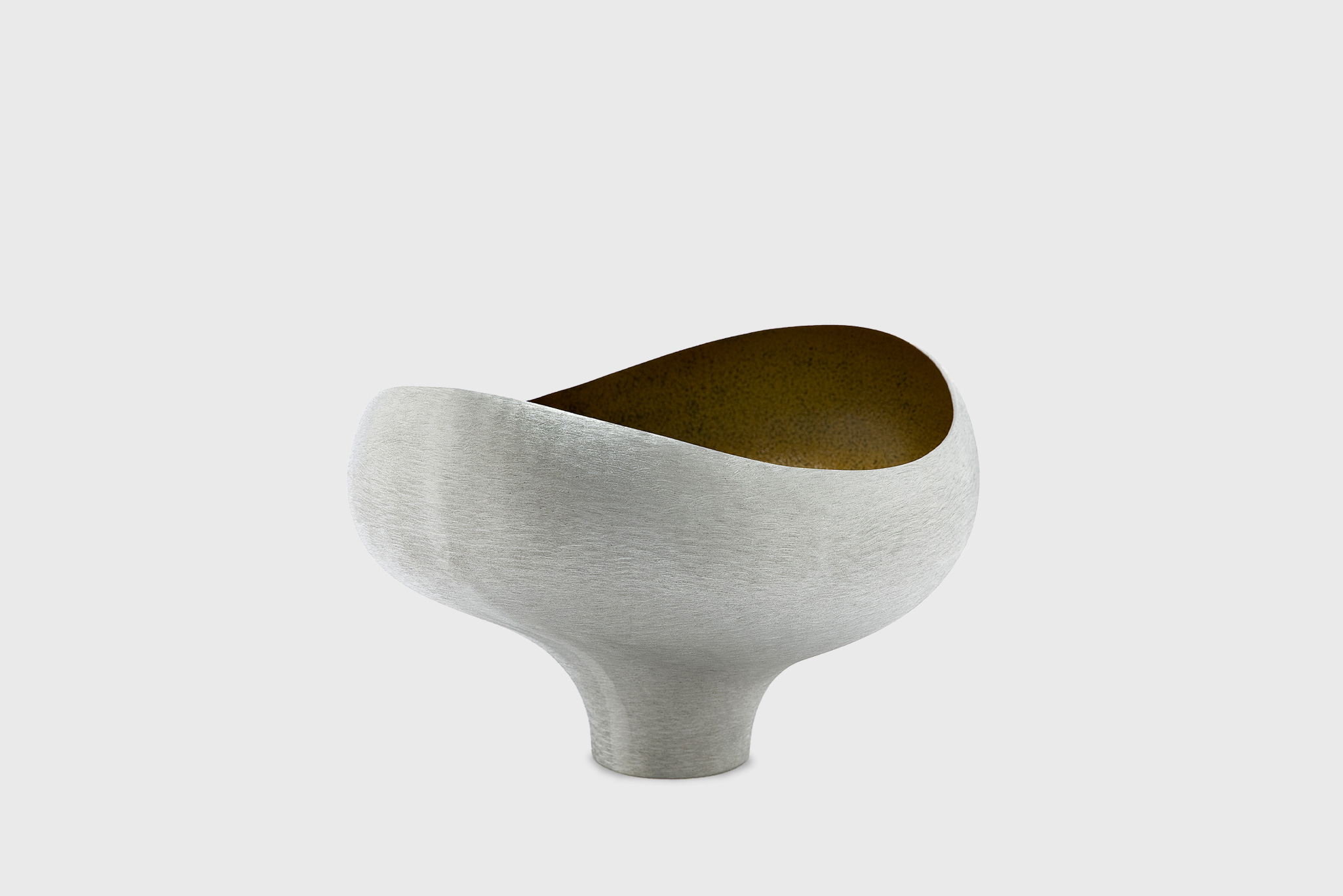
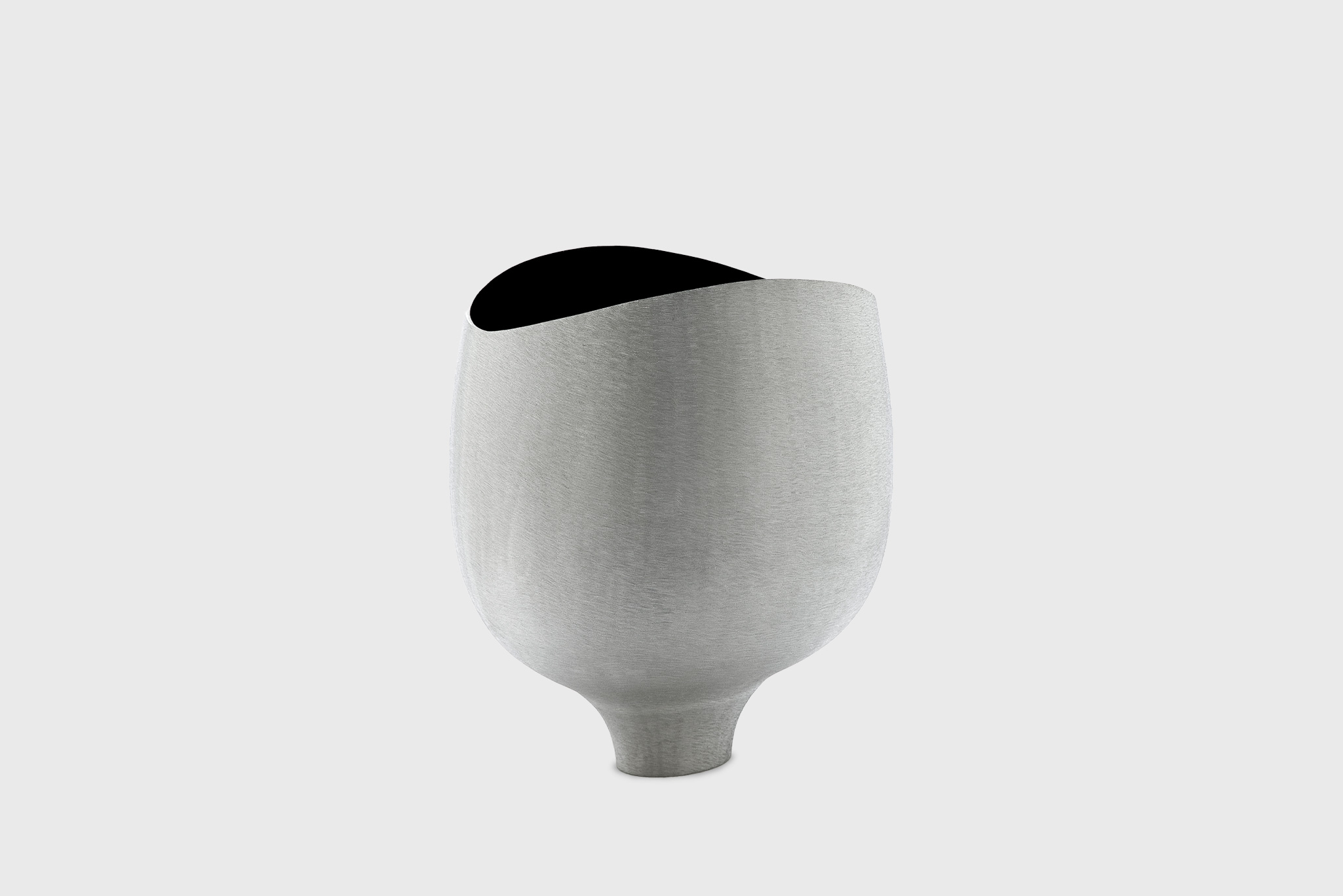
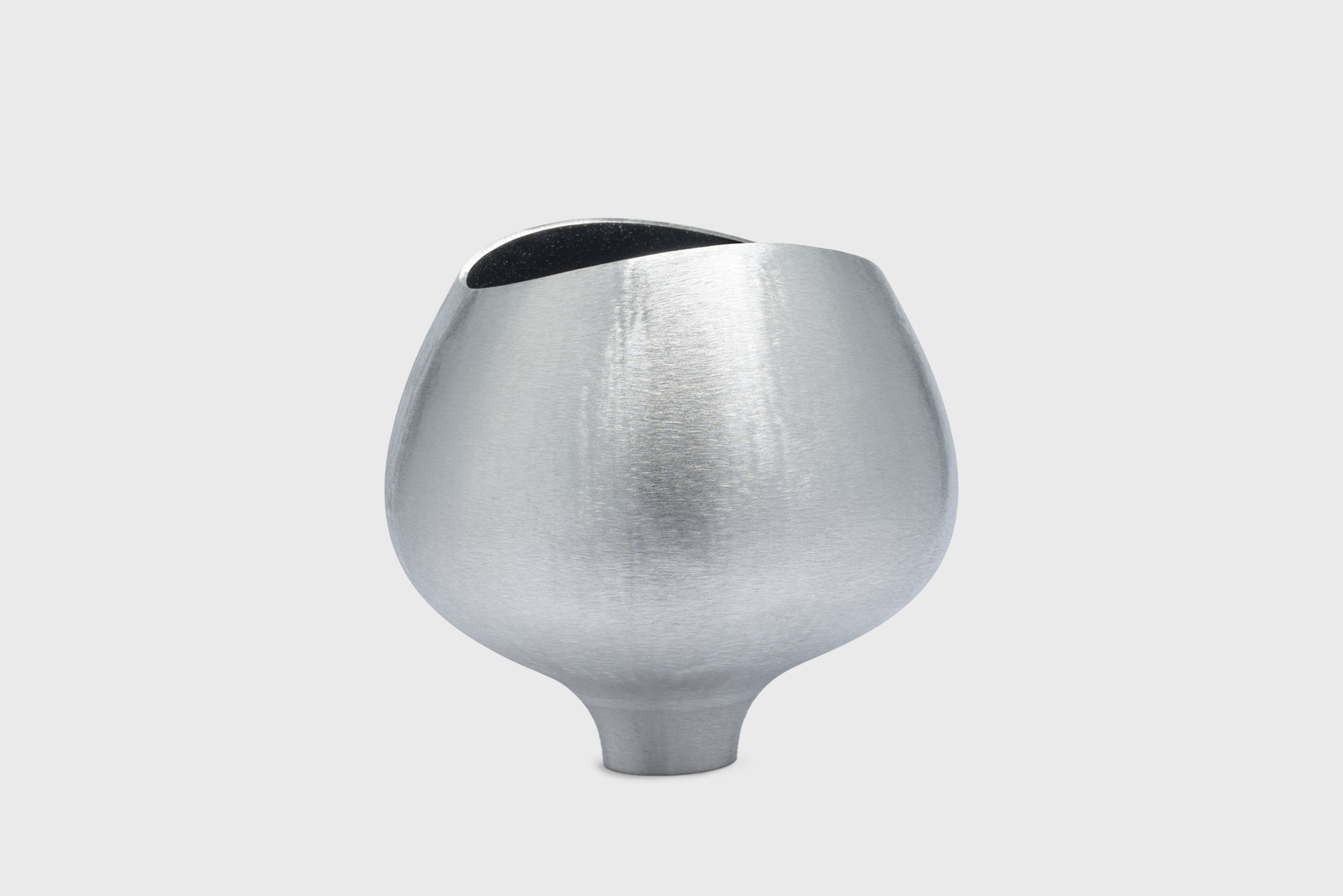
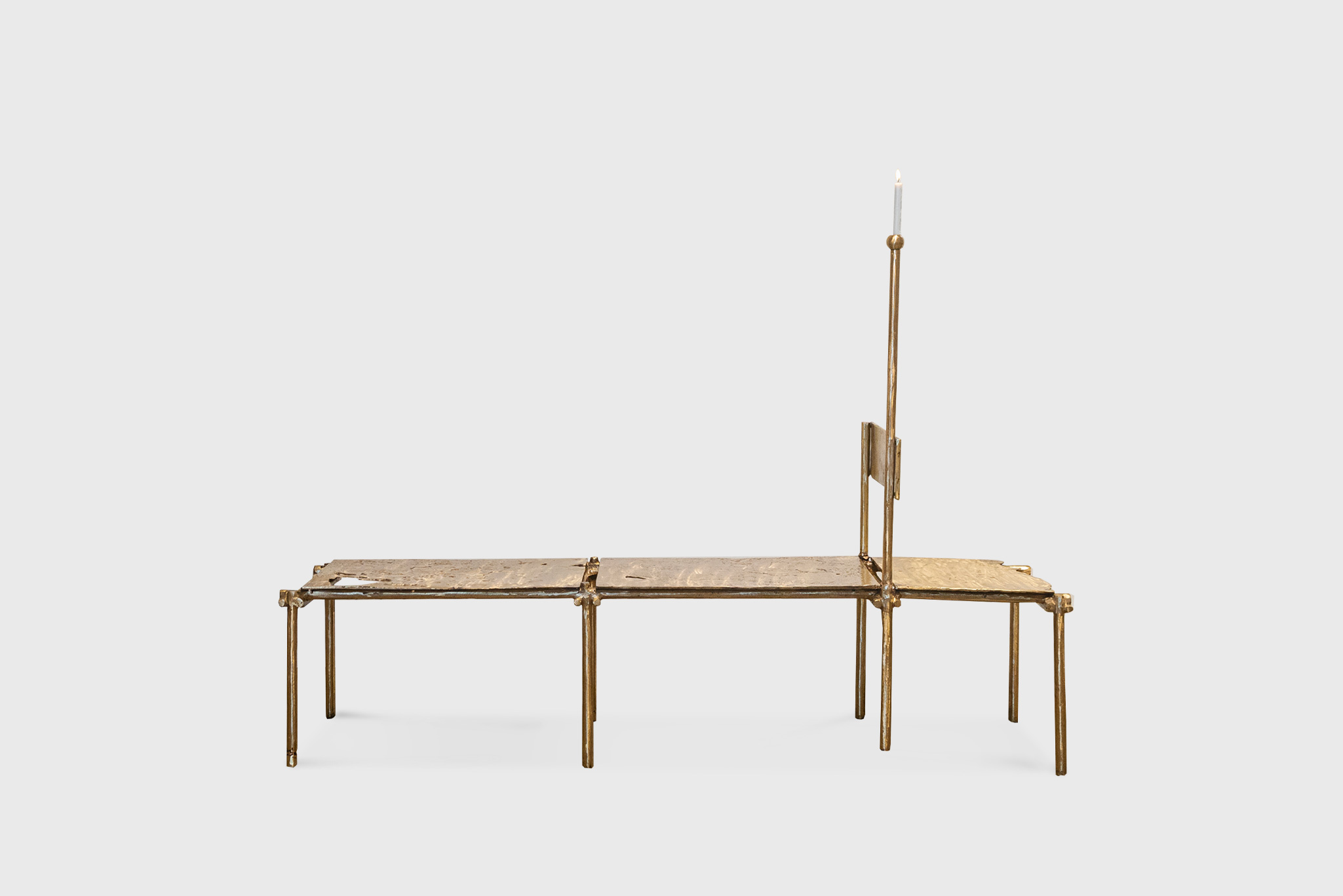
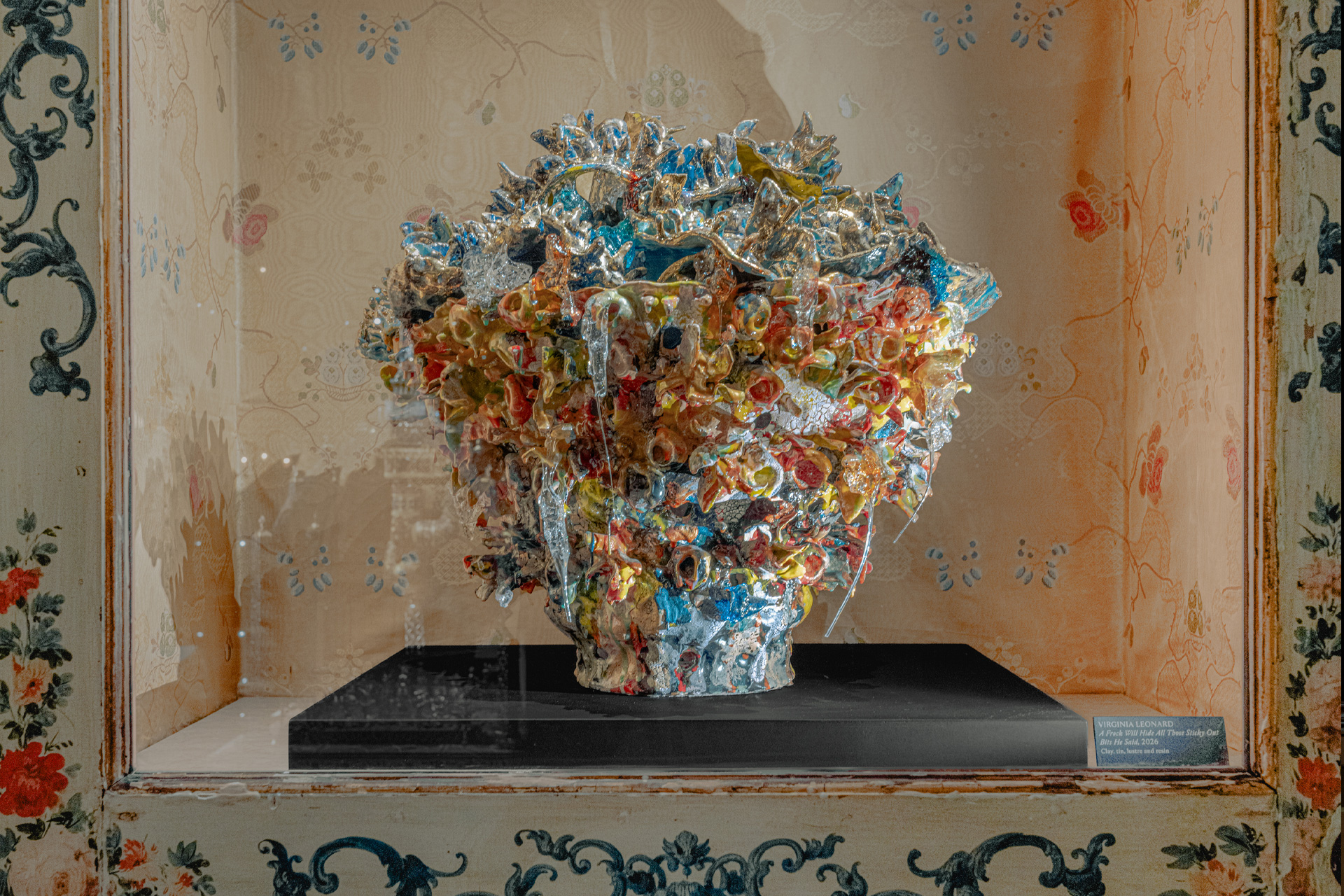
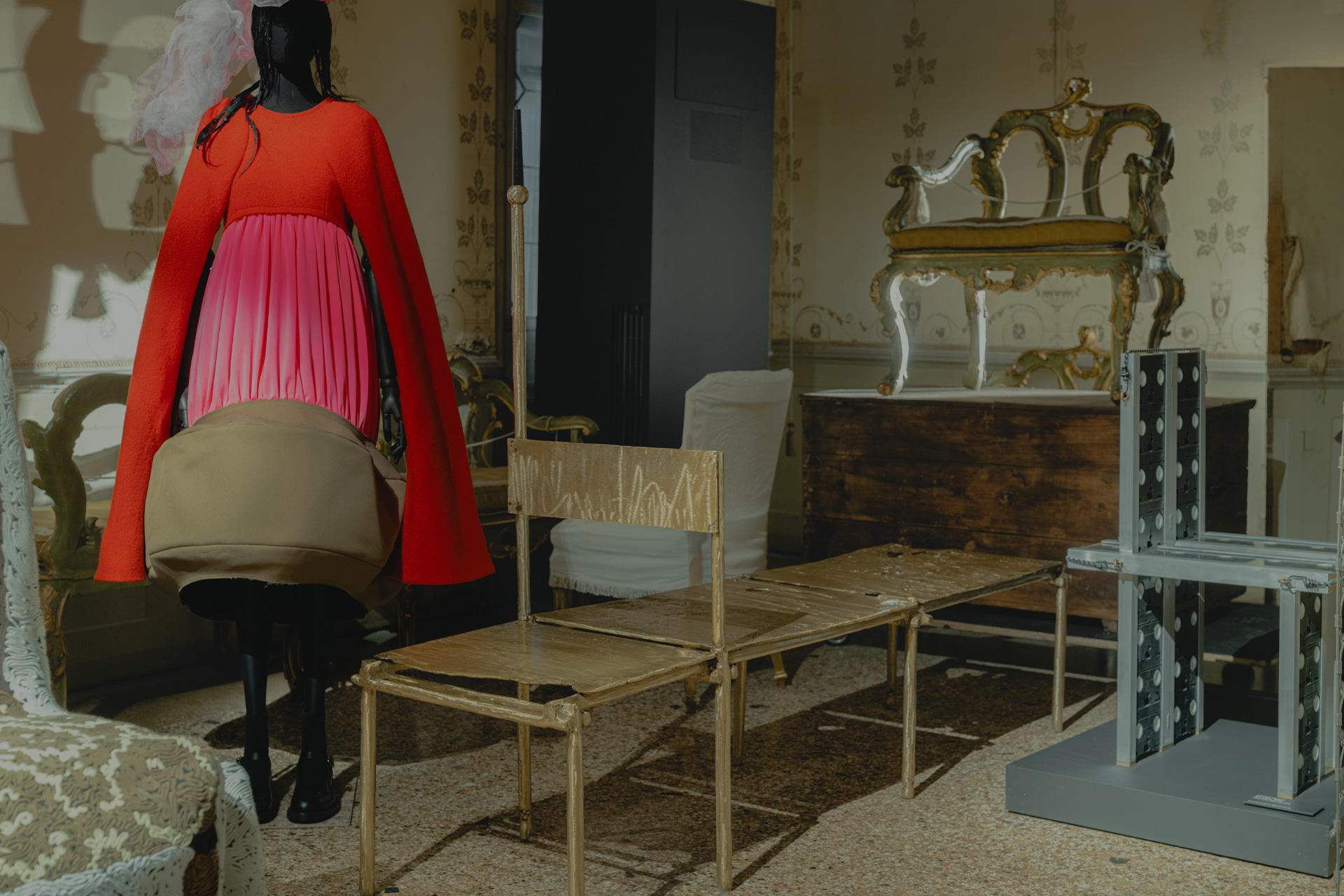
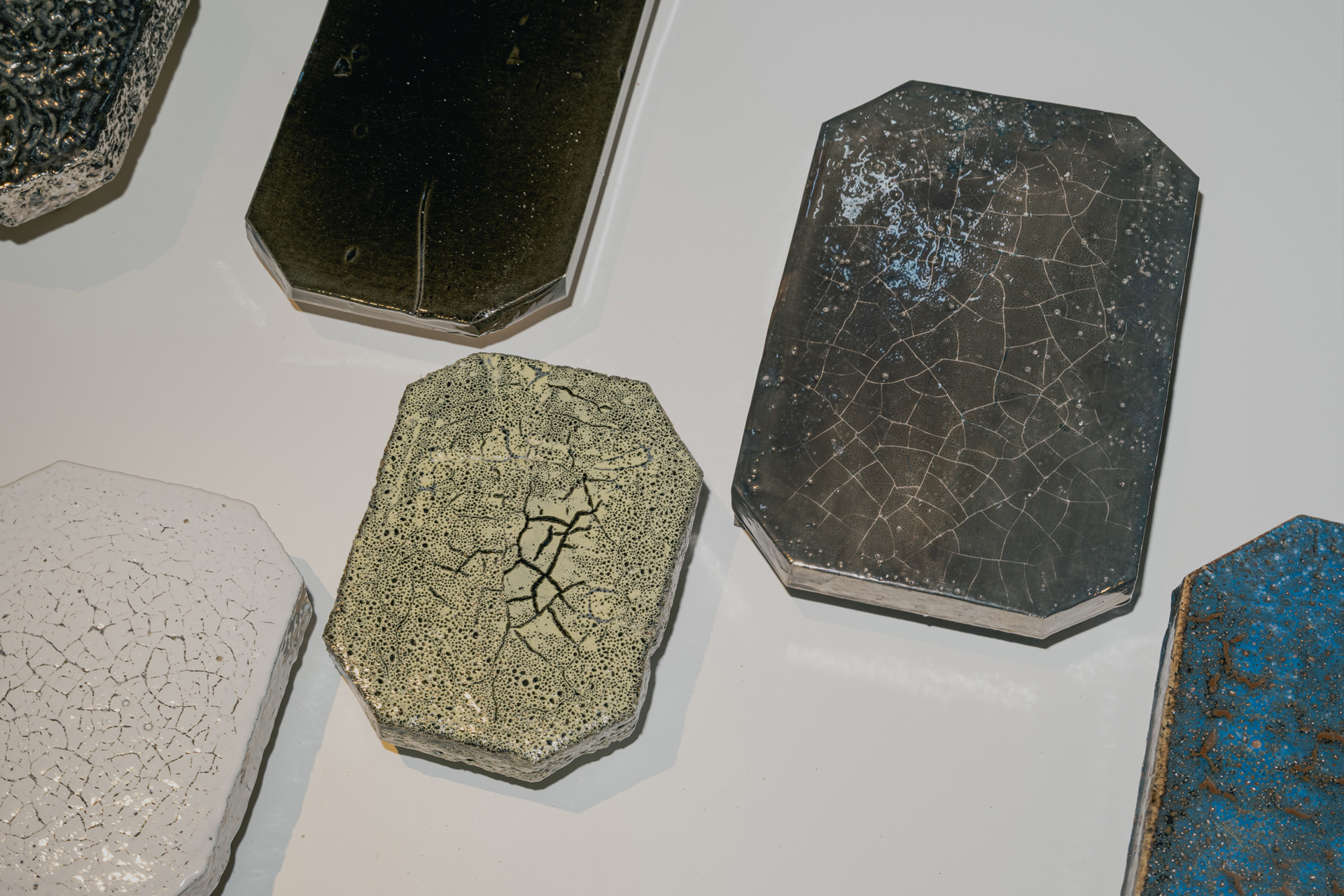
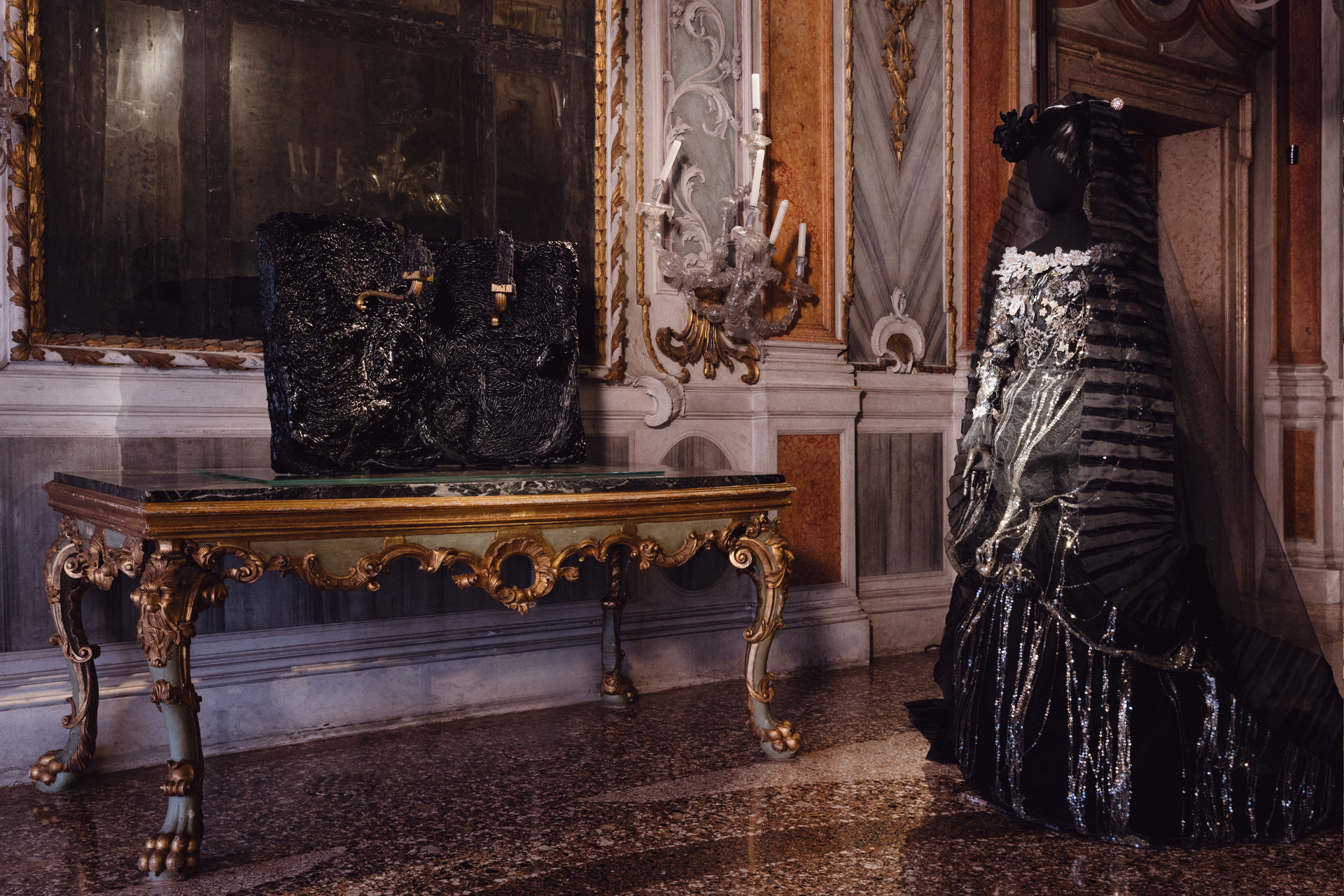
Within this context, Side Gallery presents works by Nifemi Marcus-Bello, Virginia Leonard, Hyeokjin Jung, and Xavier Mañosa. Their practices, grounded in craftsmanship and material exploration, approach making as both a form of expression and an emotional language. Moving fluidly between design and experimentation, their works engage in a dialogue that challenges established conventions while expanding the possibilities of contemporary design.
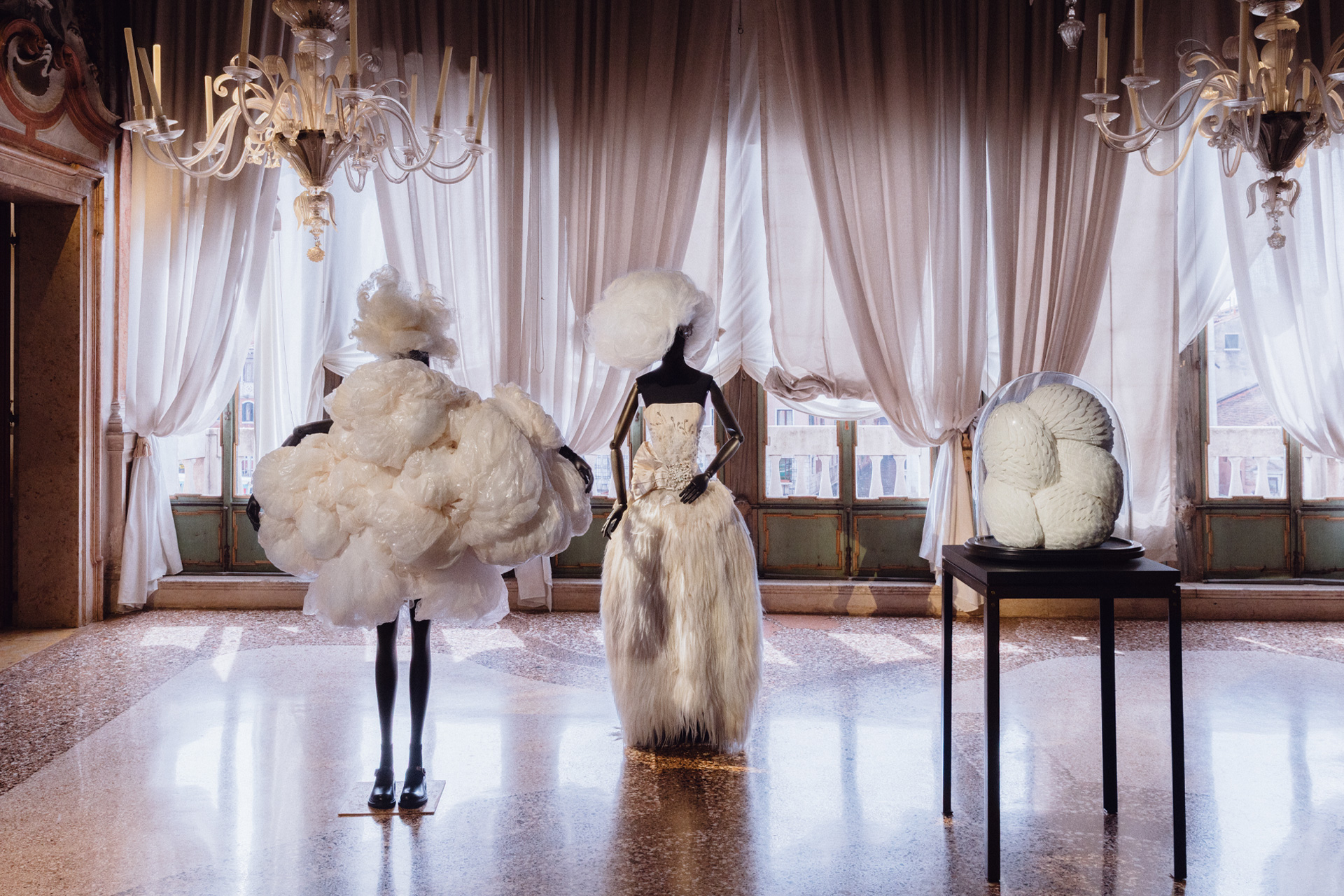
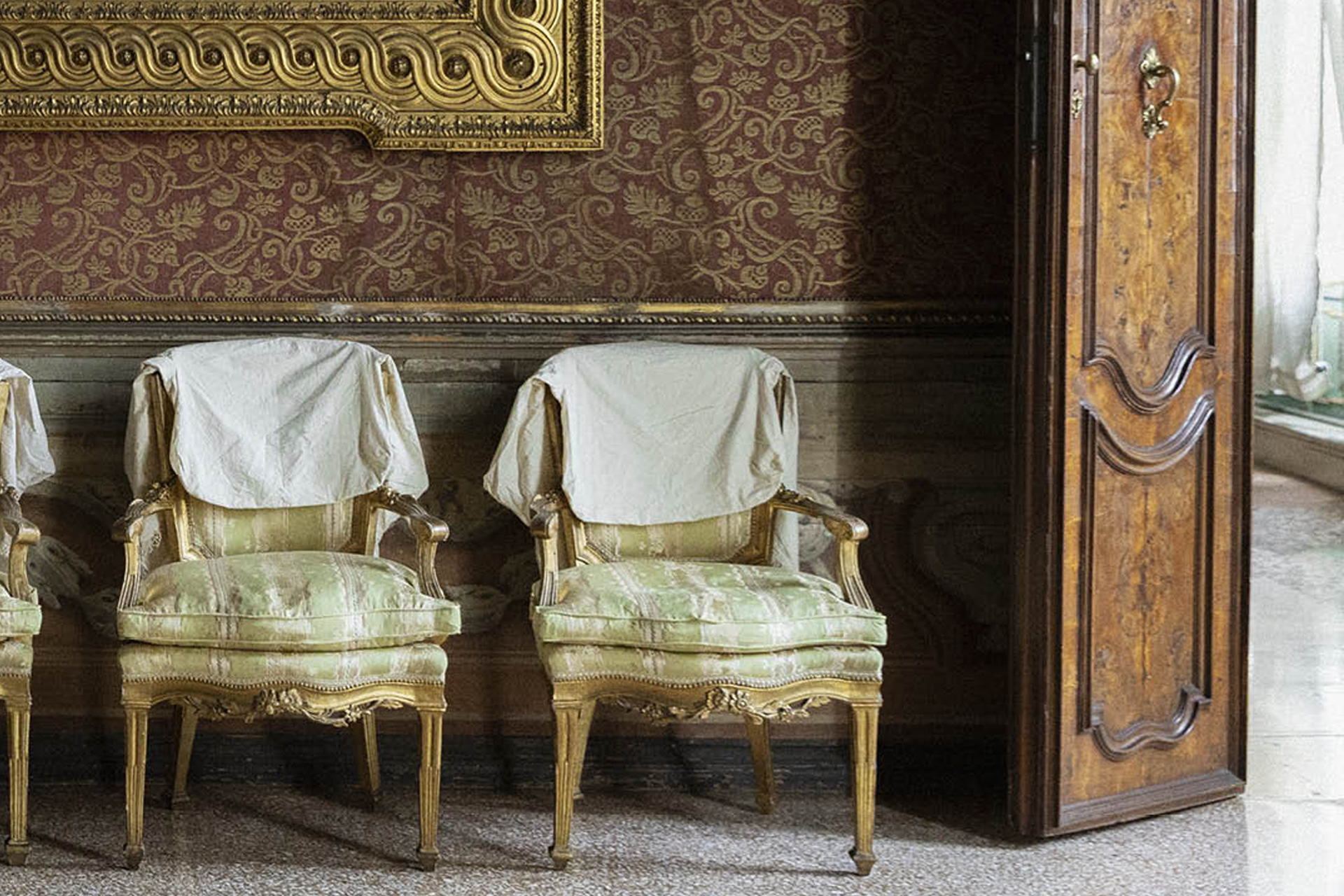
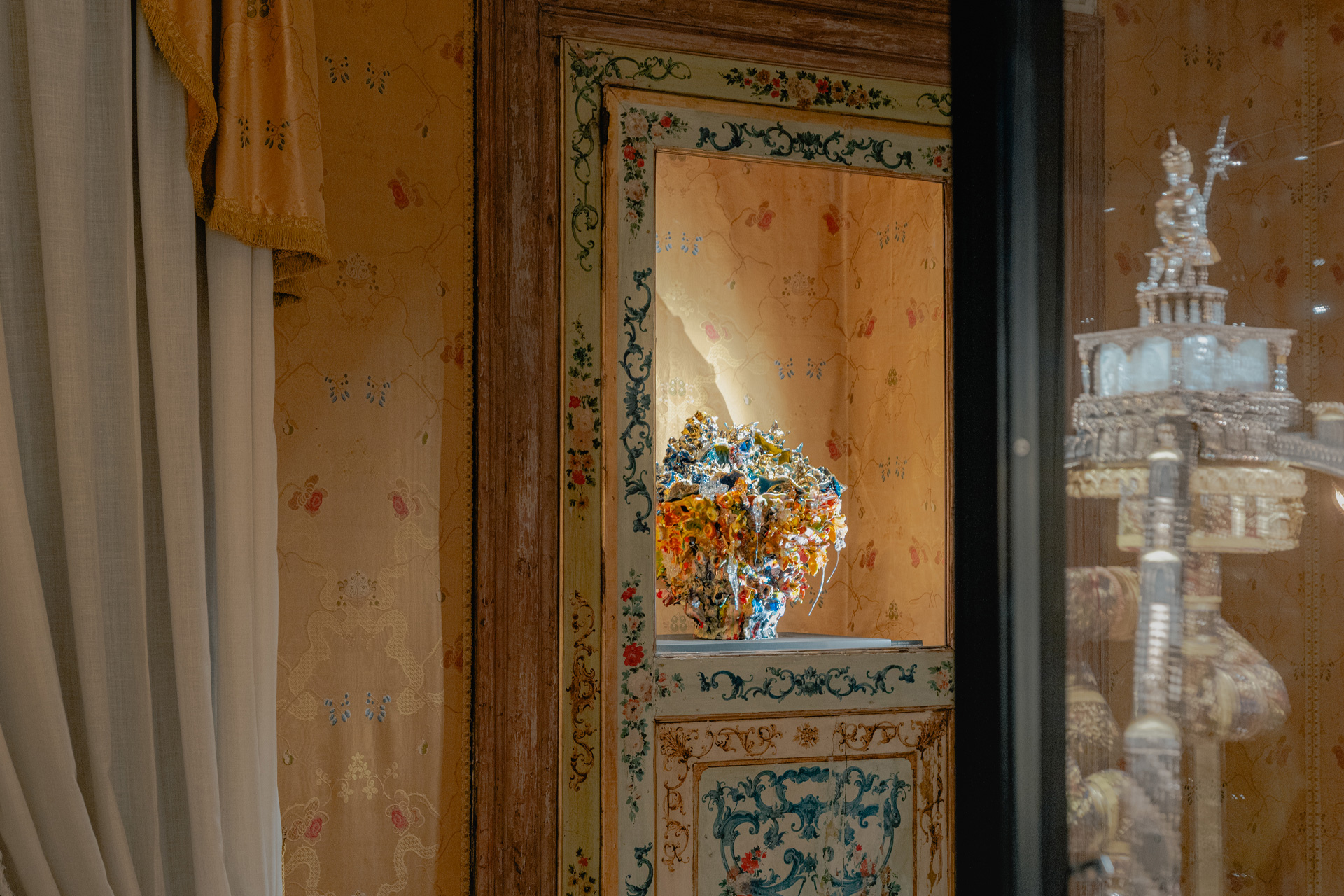
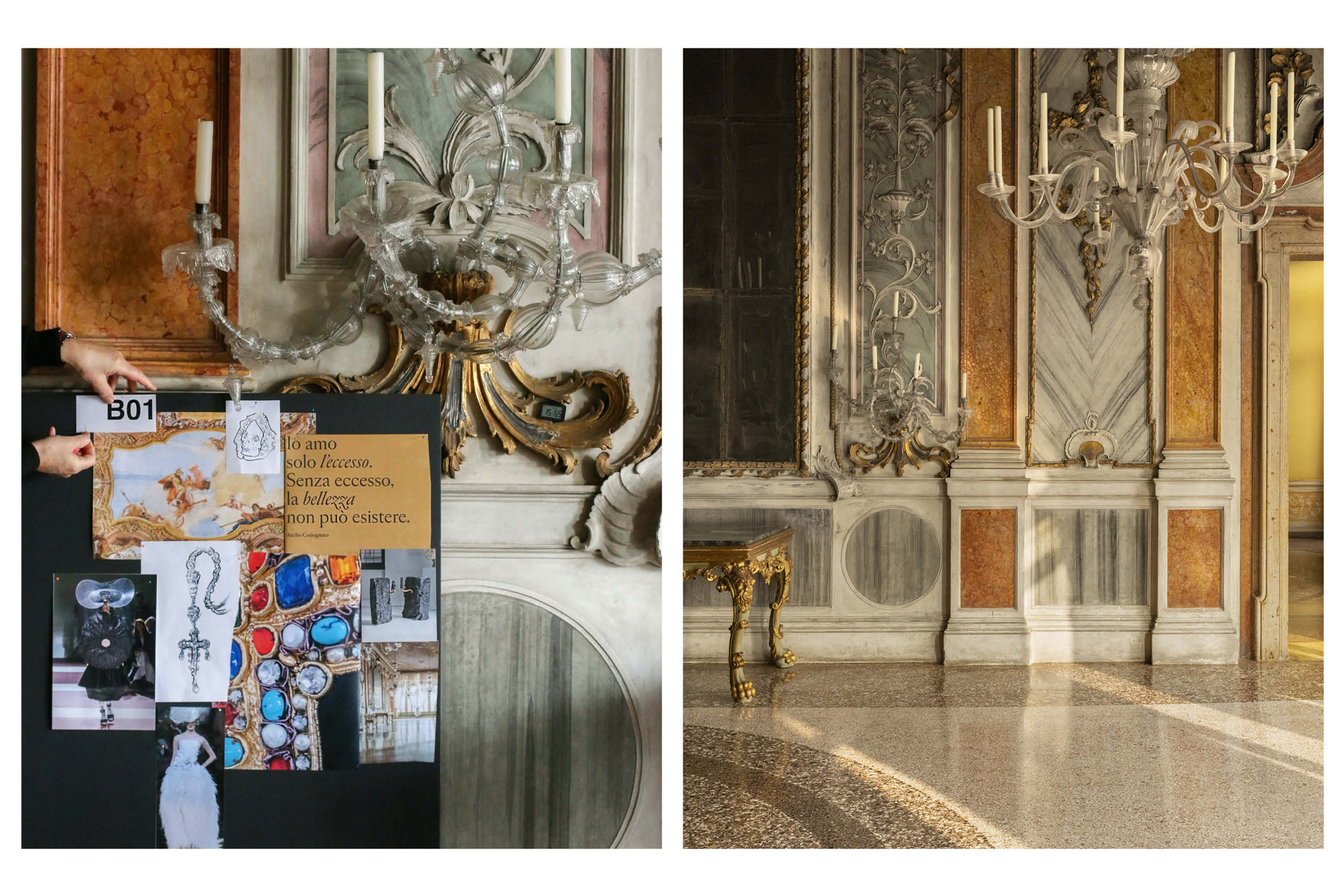
Installed within the historic interiors of Palazzo Pisani Moretta, the presentation unfolds as a sequence of spatial and narrative encounters in which objects, architecture, and context intersect. Within this setting, works are brought into relation—sometimes through affinity, at other times through deliberate contrast—revealing the intensity and complexity inherent in the act of making, and foregrounding the human dimension embedded within material culture.
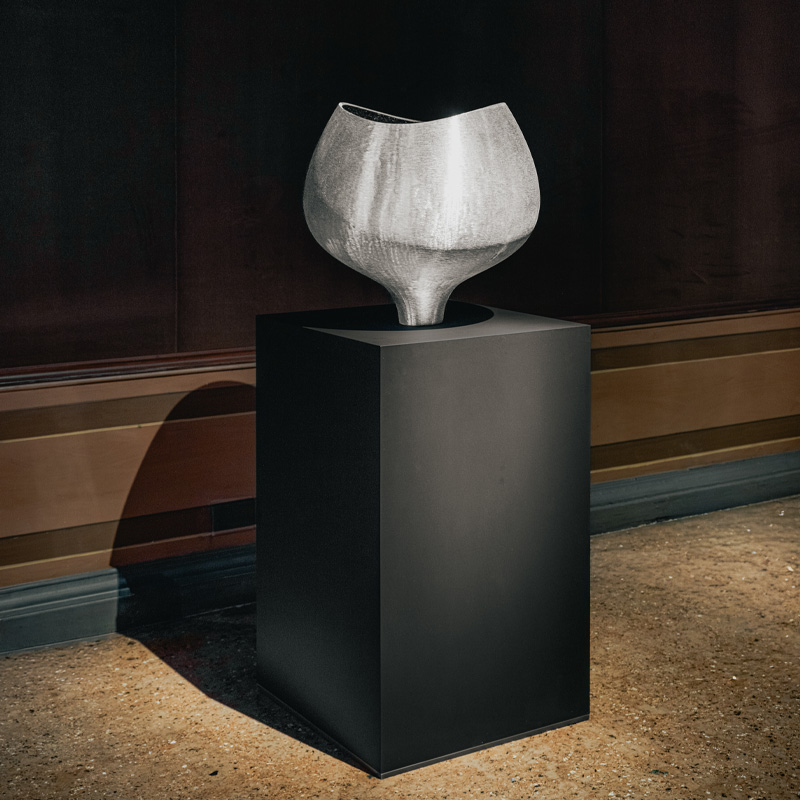
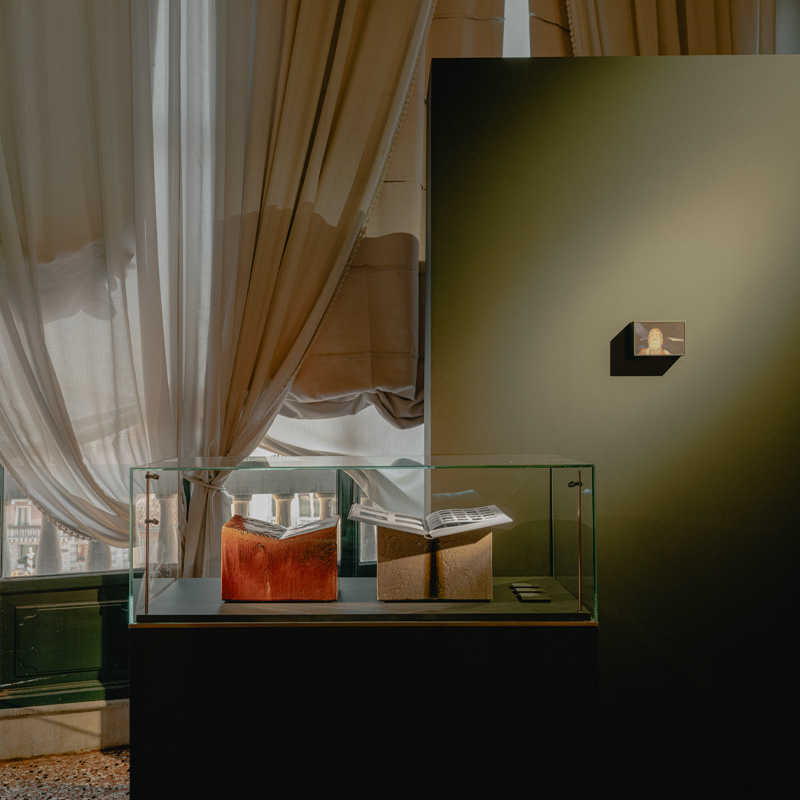
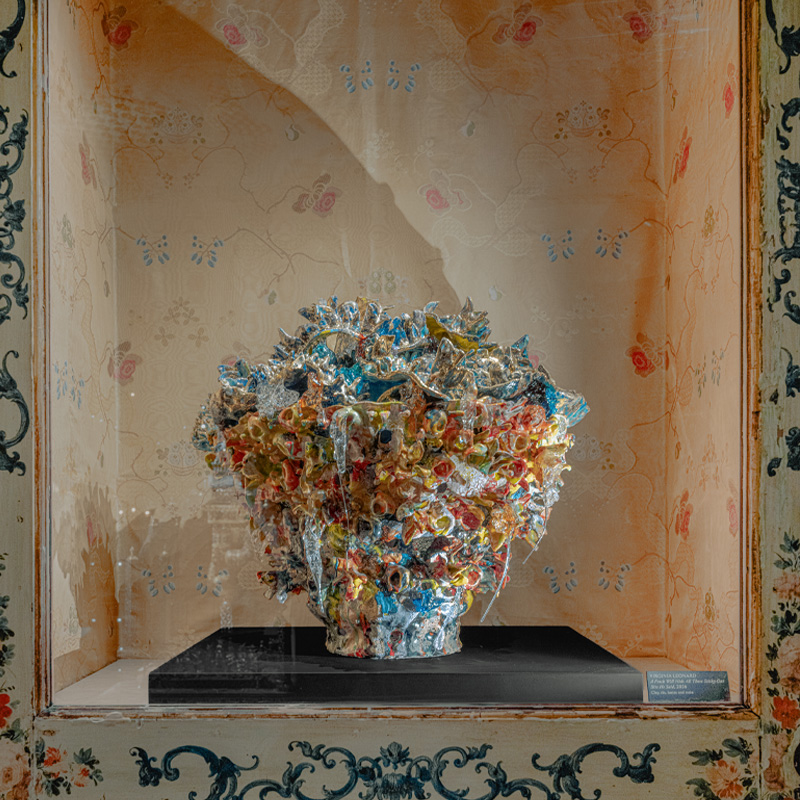
Expanding on this curatorial premise, The Only True Protest Is Beauty situates contemporary design within a broader cultural and intellectual discourse, where aesthetic experience becomes inseparable from critical inquiry. The exhibition proposes a reading of beauty as an active condition—one that operates through tension, ambiguity, and contradiction—inviting viewers to engage with objects not only visually, but also conceptually and emotionally.
In this context, the dialogue between works extends beyond individual authorship, forming a collective narrative shaped by material presence and spatial relationships. Each piece contributes to a dynamic environment in which meaning is not fixed, but continuously negotiated through proximity, contrast, and resonance. The historic architecture amplifies this condition, reinforcing the interplay between past and present, permanence and transformation.
Rather than offering definitive statements, the presentation encourages an open-ended engagement with design as a field of inquiry. It foregrounds the capacity of objects to mediate experience, evoke memory, and articulate alternative perspectives, ultimately positioning beauty as a powerful, if subtle, form of resistance within contemporary visual and material culture.