Side Gallery
Side Gallery
WishlistFollow





Follow
SALONE RARITAS
SALONE DEL MOBILE
21ST–26TH APRIL 2026
PAD 9 · STAND 01

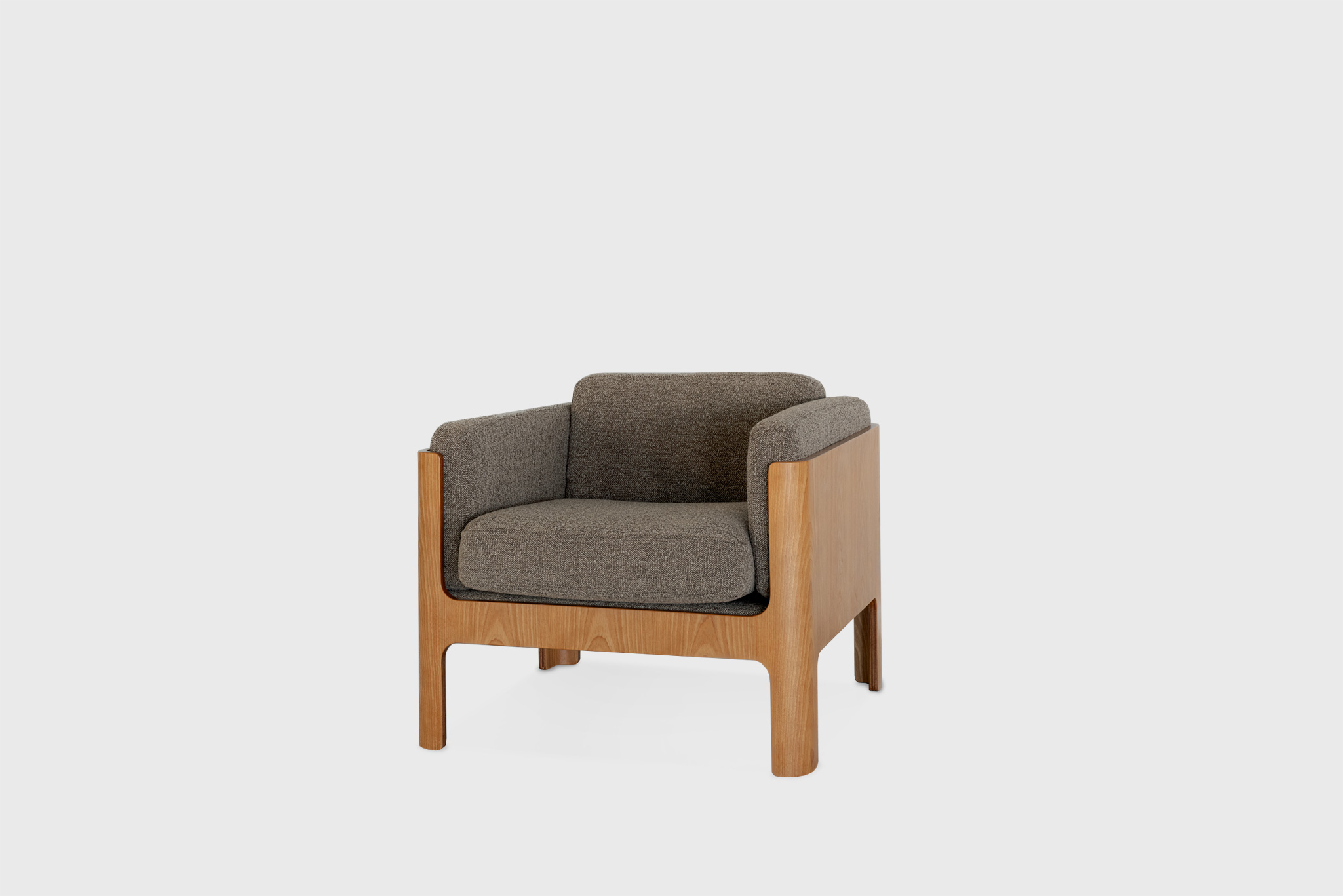
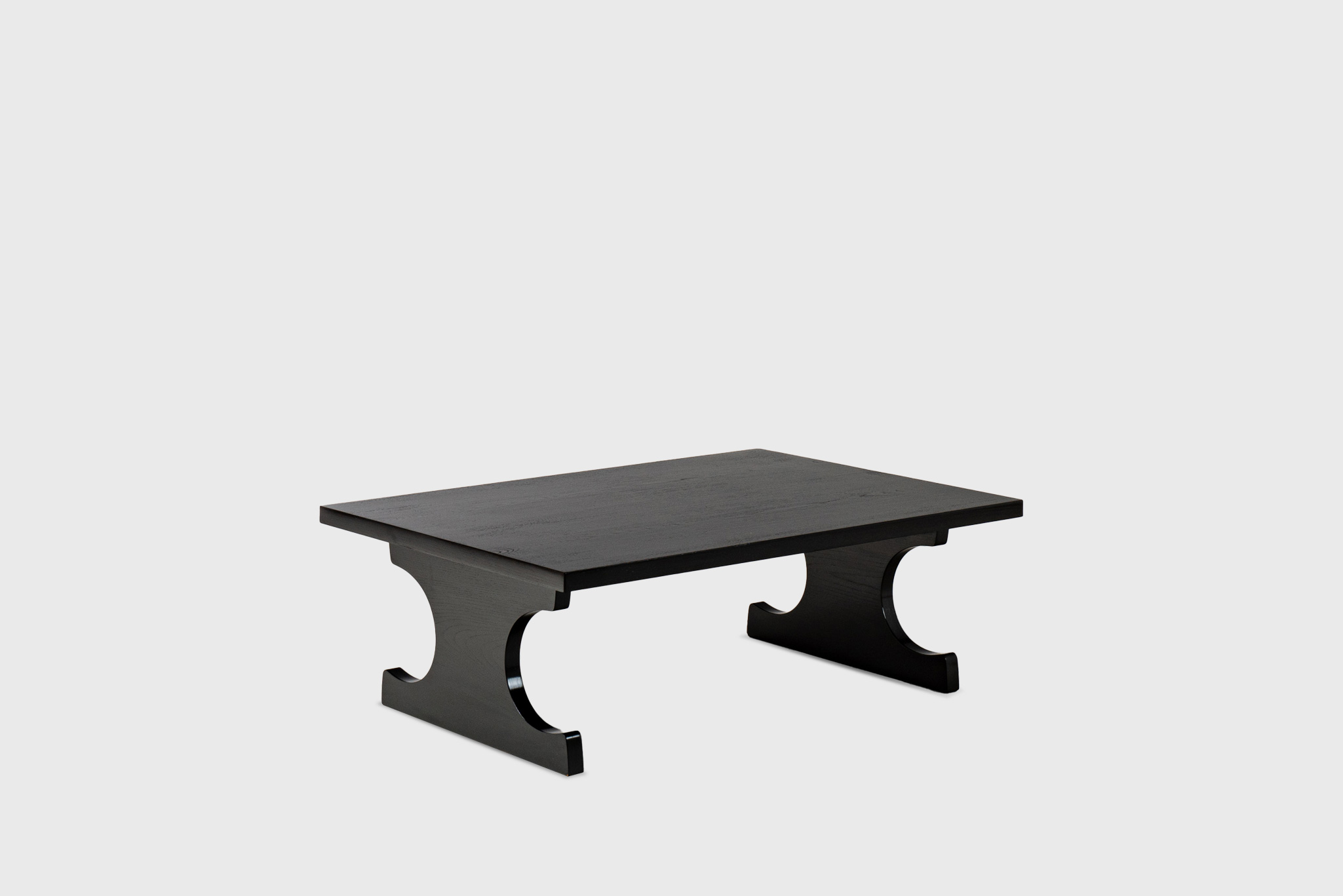
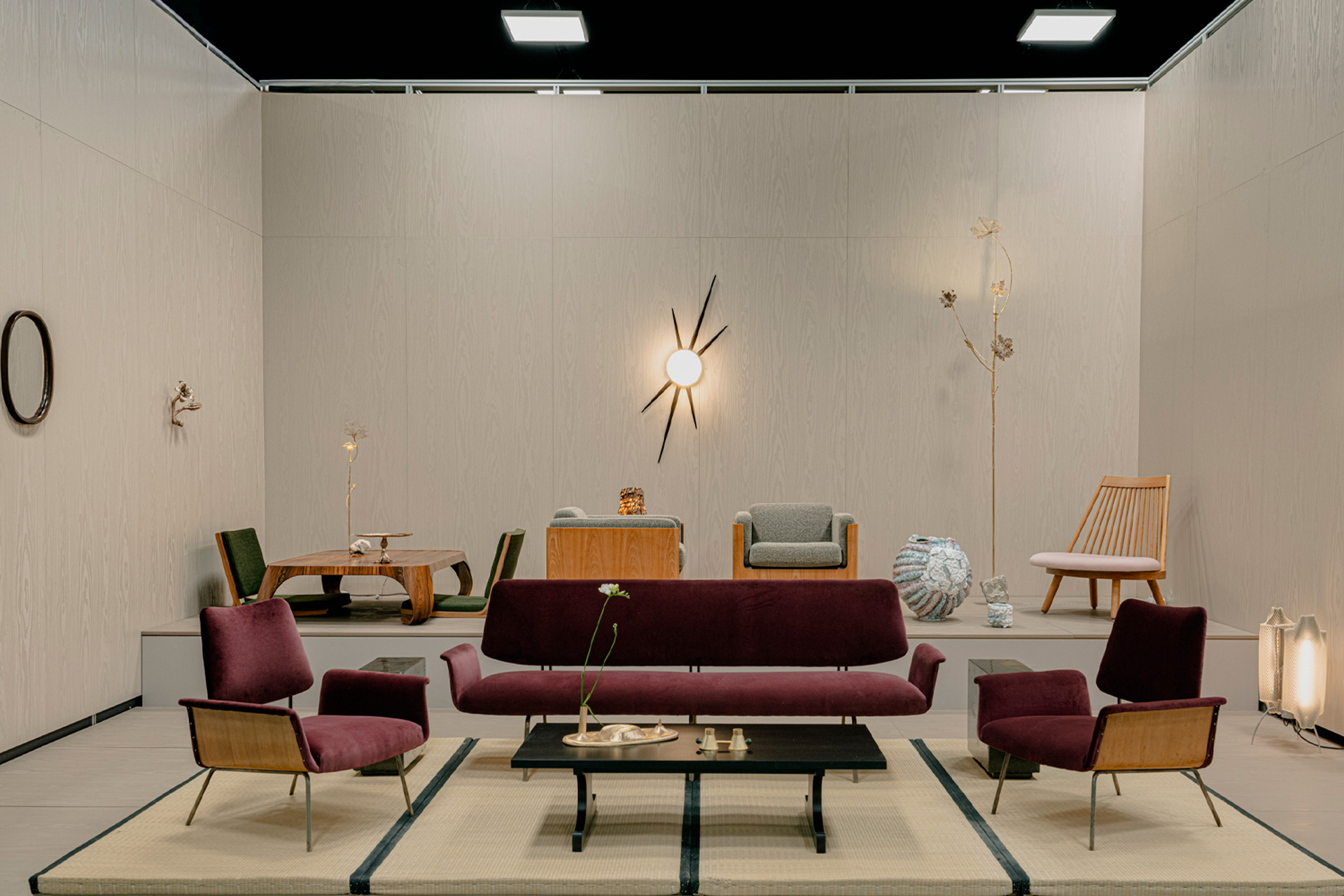
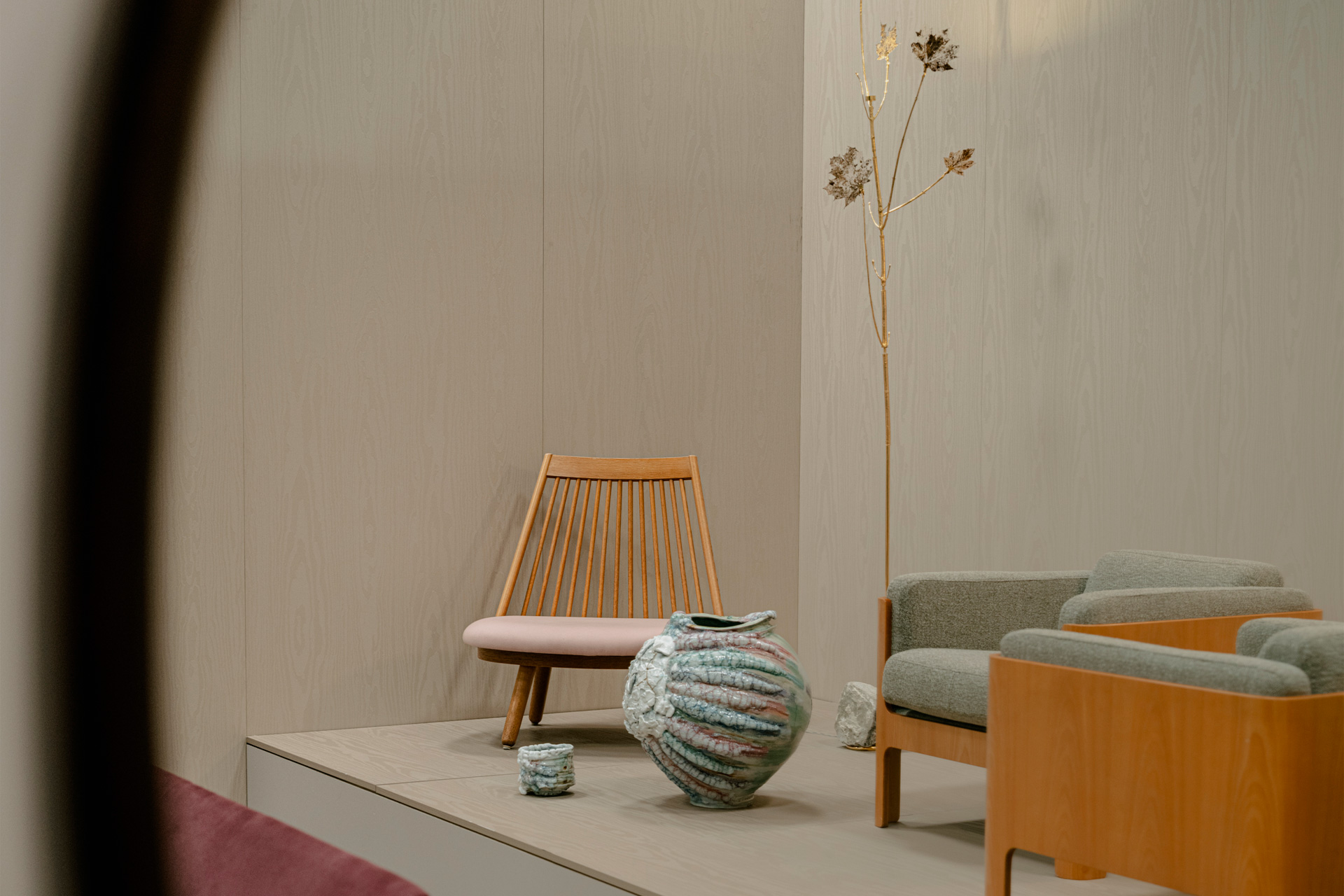
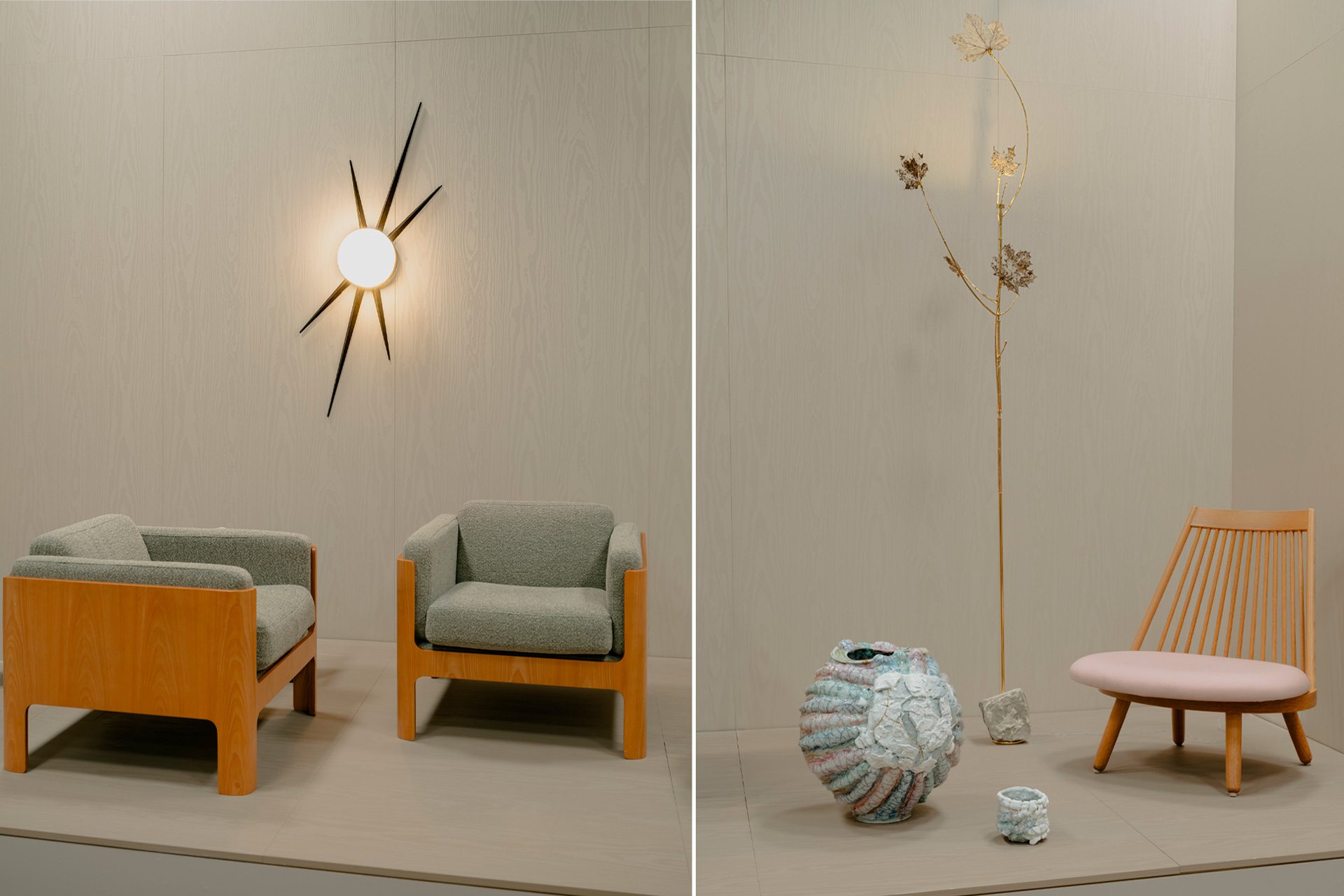
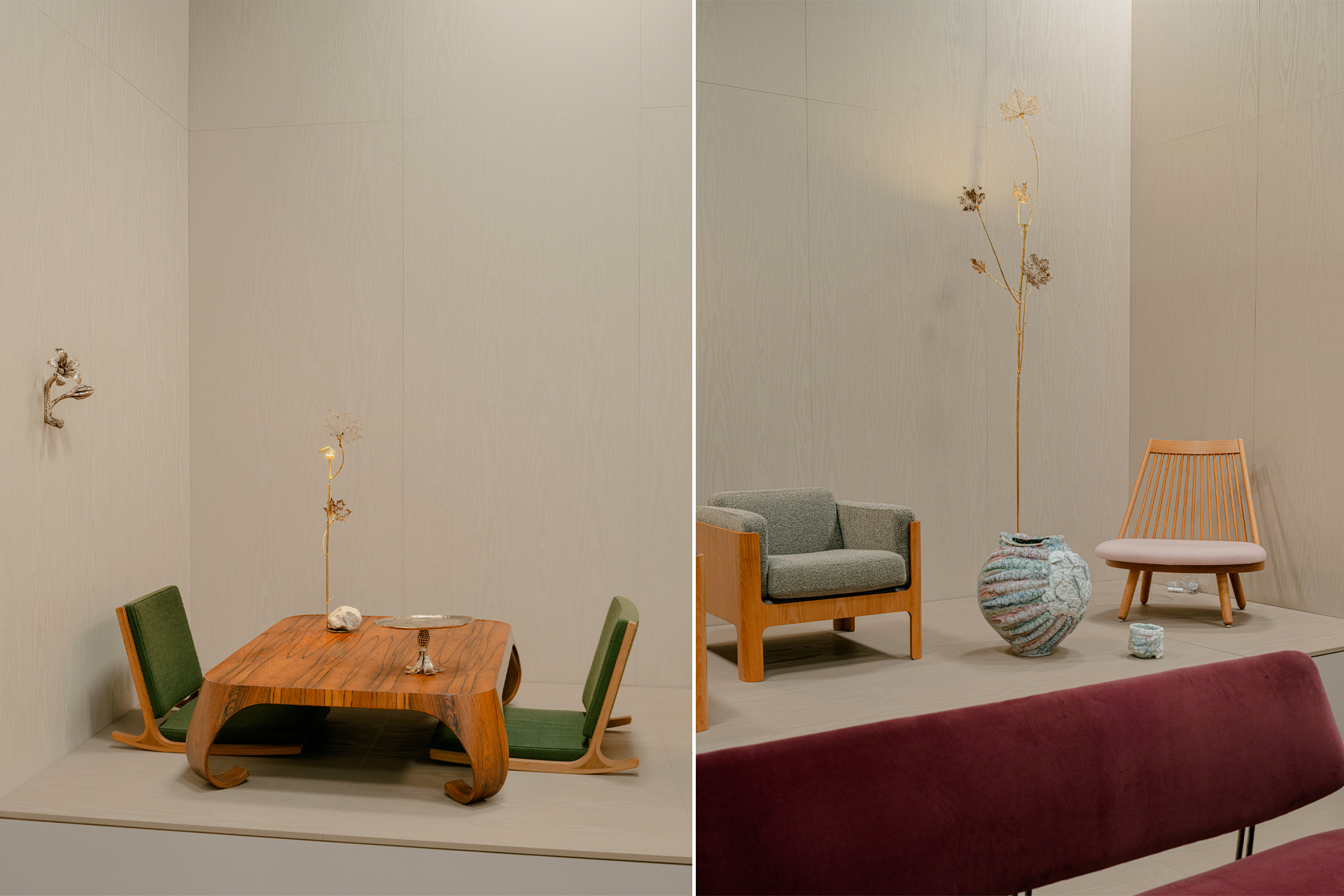
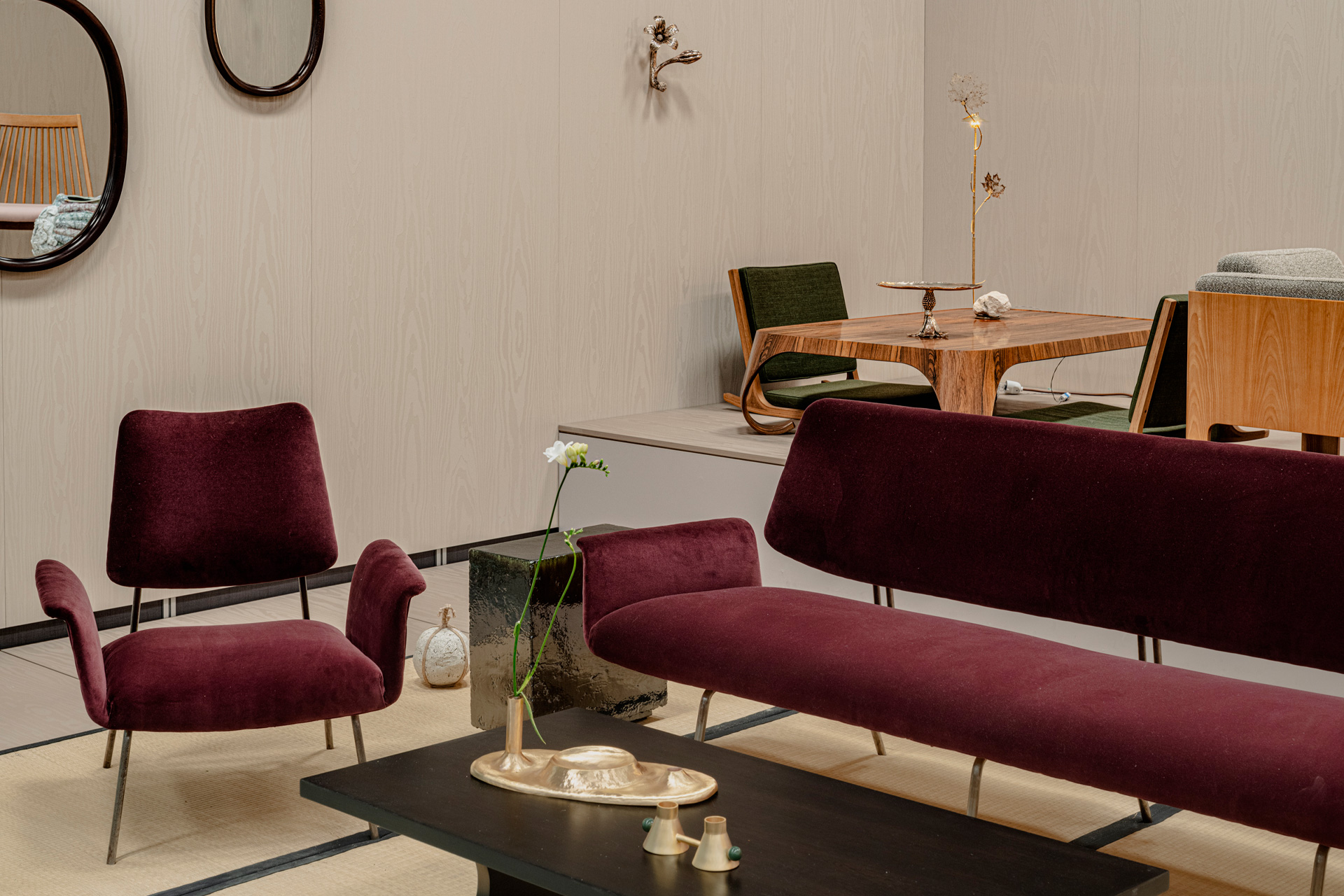
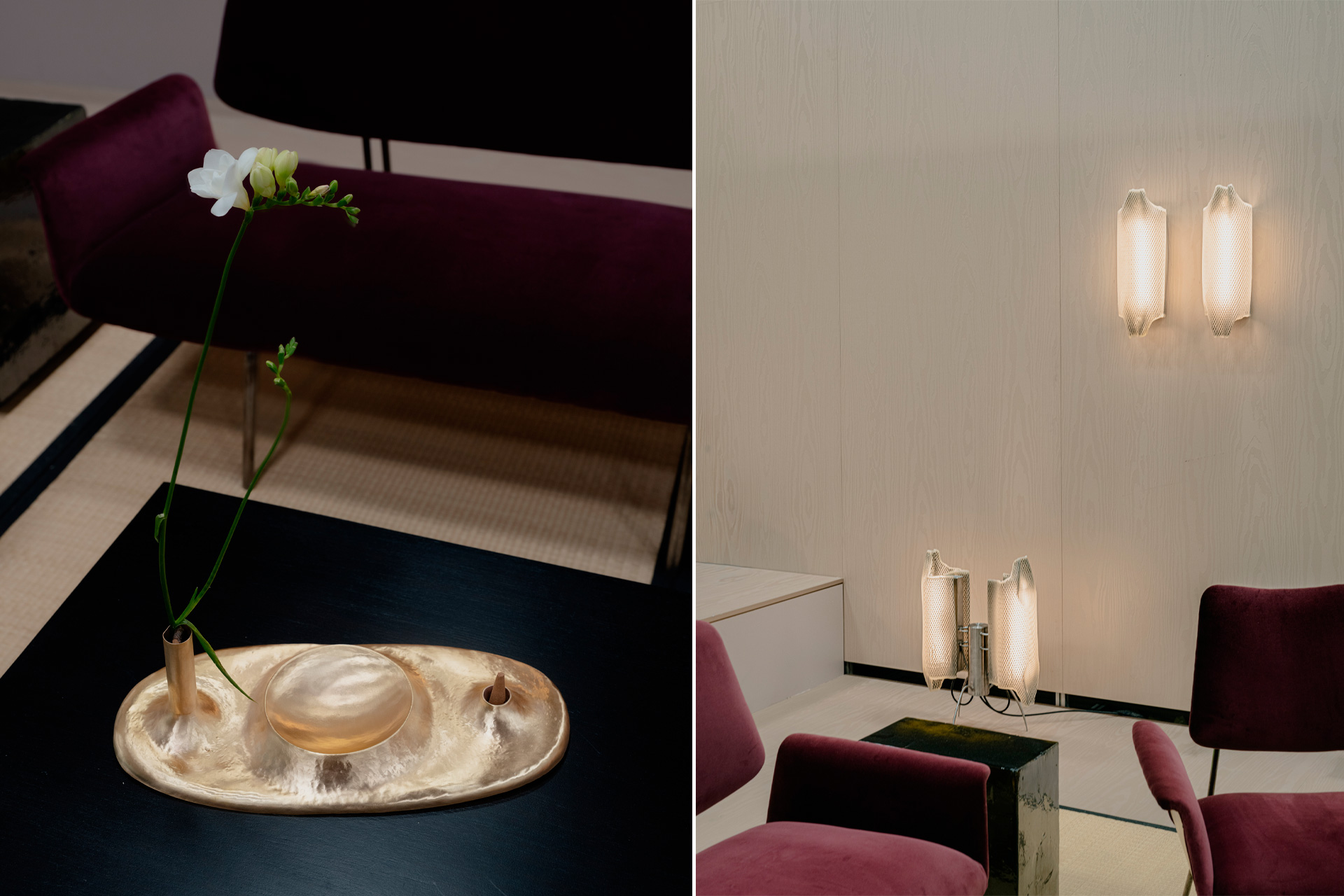
For its presentation at Raritas, Side Gallery investigates the convergence of two distinct yet complementary cultural topographies: the refined, process-driven philosophy of Japanese design and the vibrant, forward-thinking energy of the Milanese contemporary scene. This encounter seeks to articulate a shared ground where heritage and contemporaneity meet, generating new perspectives through the exchange of forms and creative forces. Throughout the presentation, design is positioned not merely as a functional endeavor, but as a vessel for cultural memory and a medium for poetic expression.
Since its inception in Barcelona in 2015, Side Gallery has established itself as a pivotal platform for 20th-century international design and contemporary collectible works. In recent years, the gallery has intensified its research into historical Japanese design, integrating it as a core pillar alongside its renowned focus on Latin American modernism. This academic commitment reflects a dedication to exploring how diverse design cultures inform and reshape our understanding of the material world.
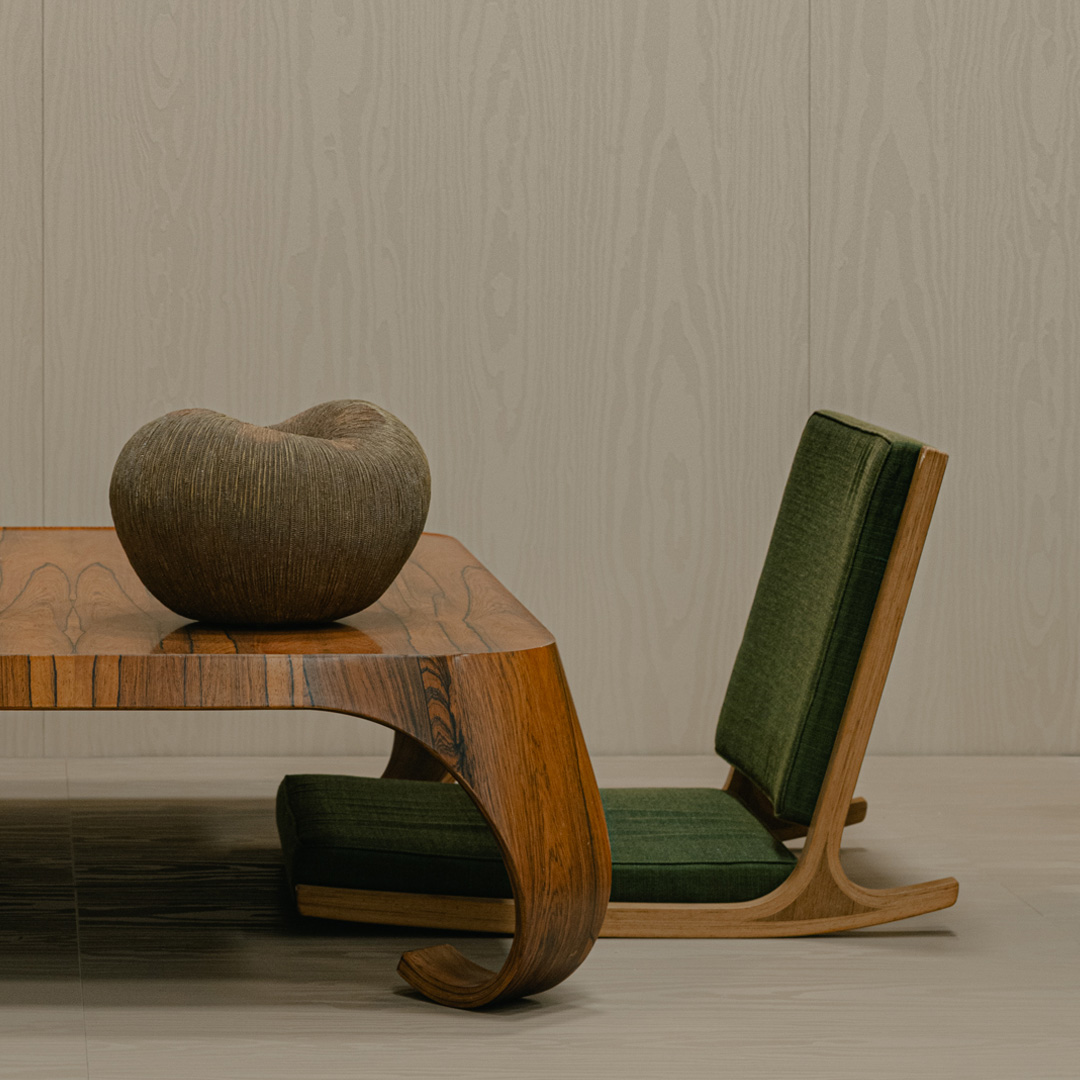
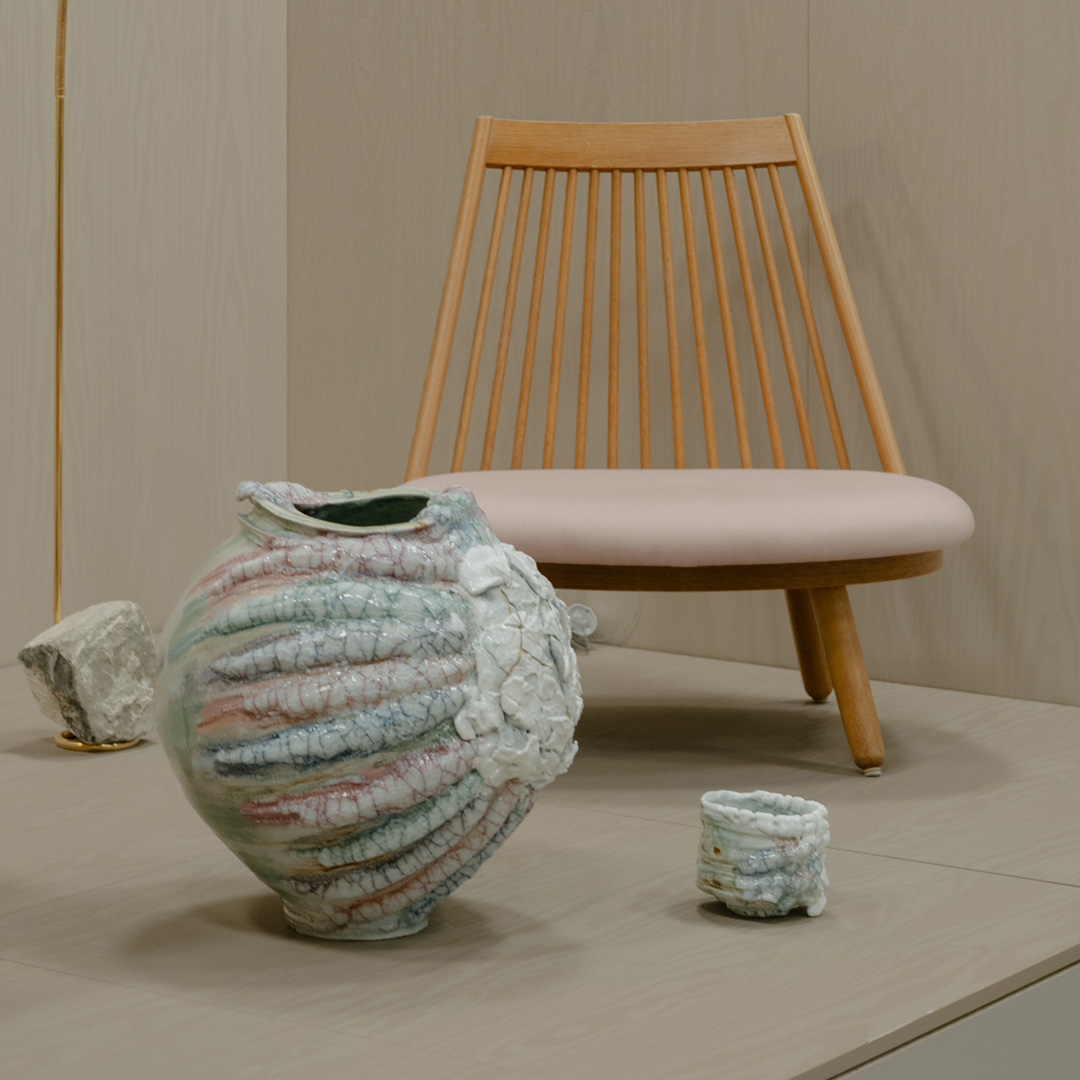
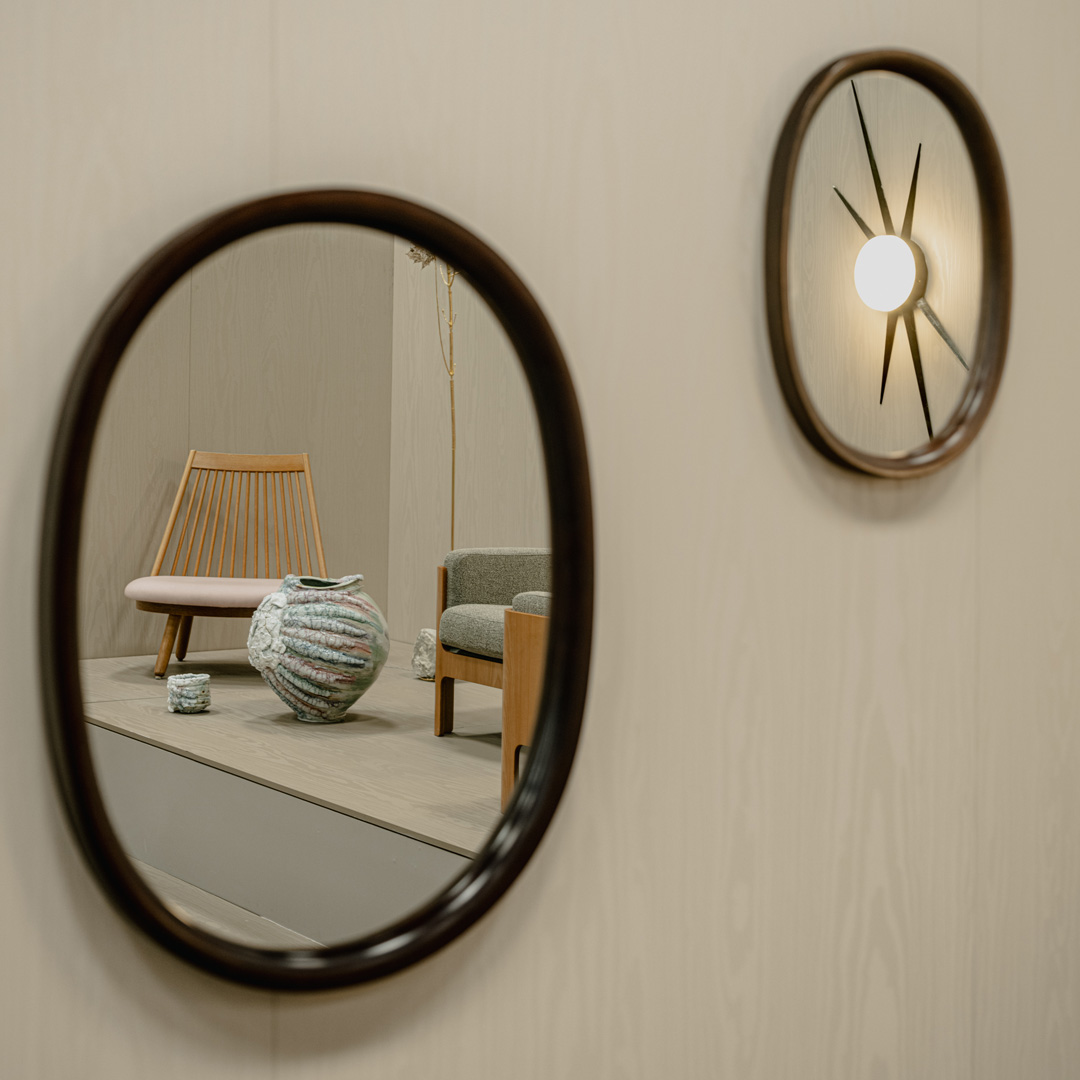
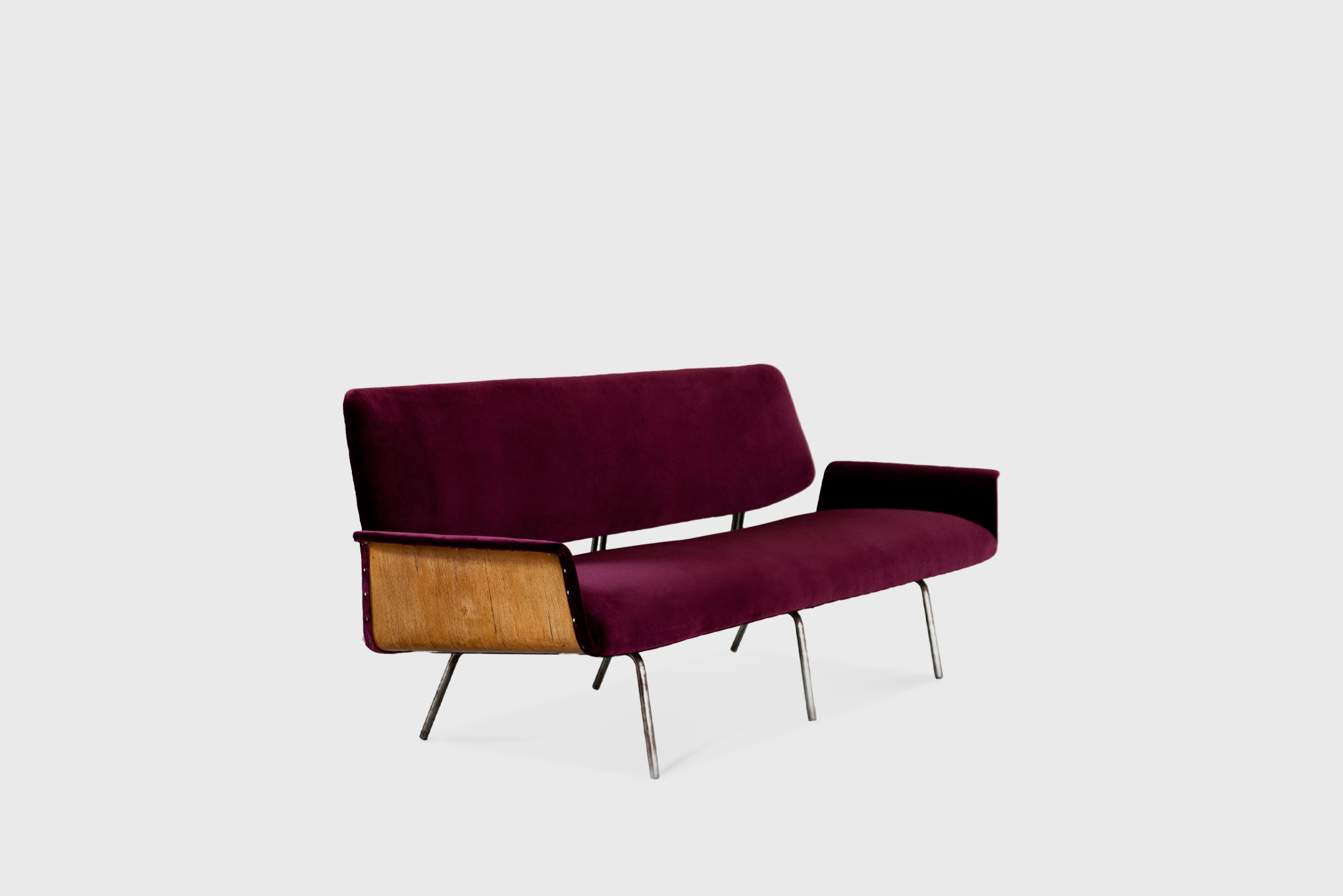
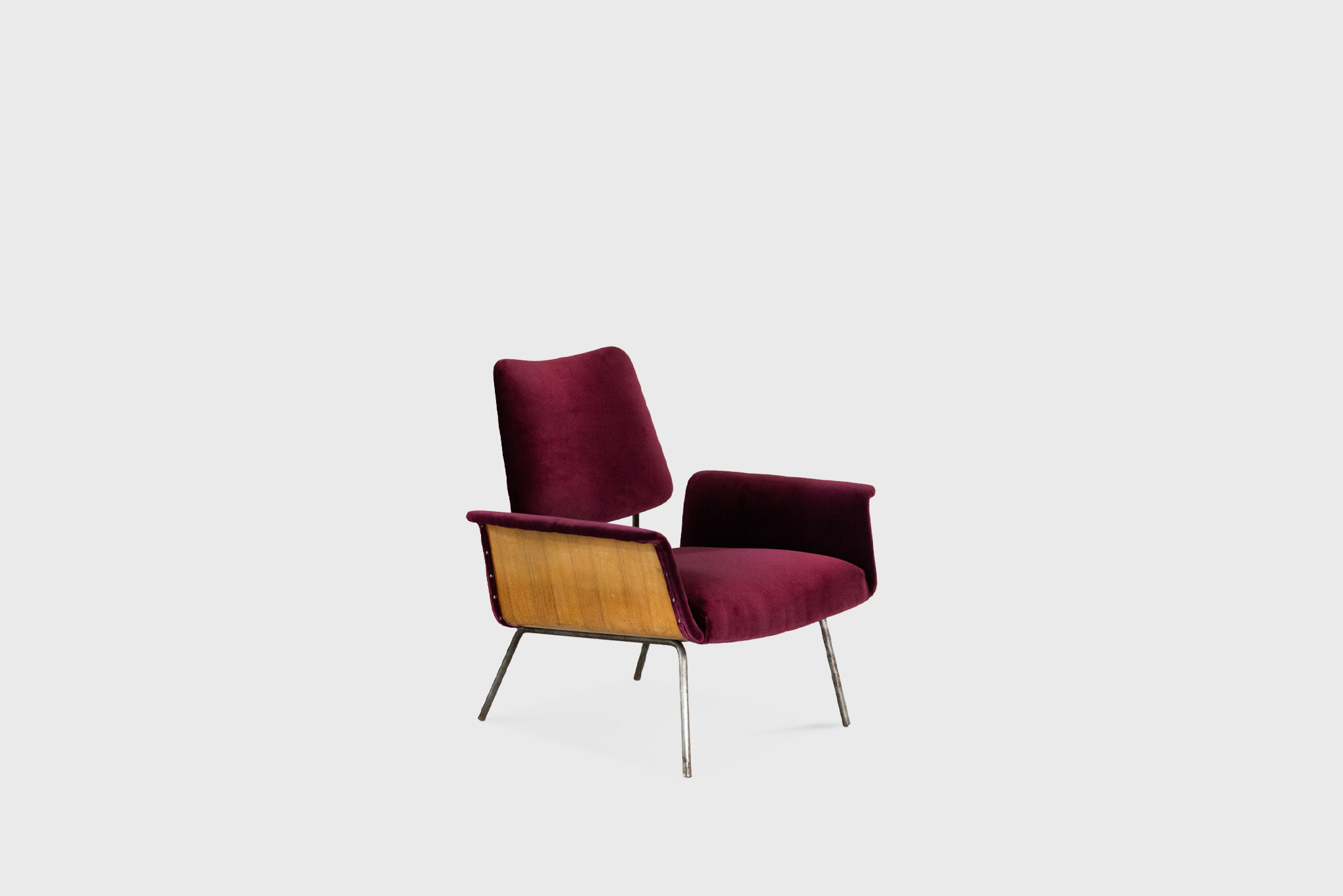
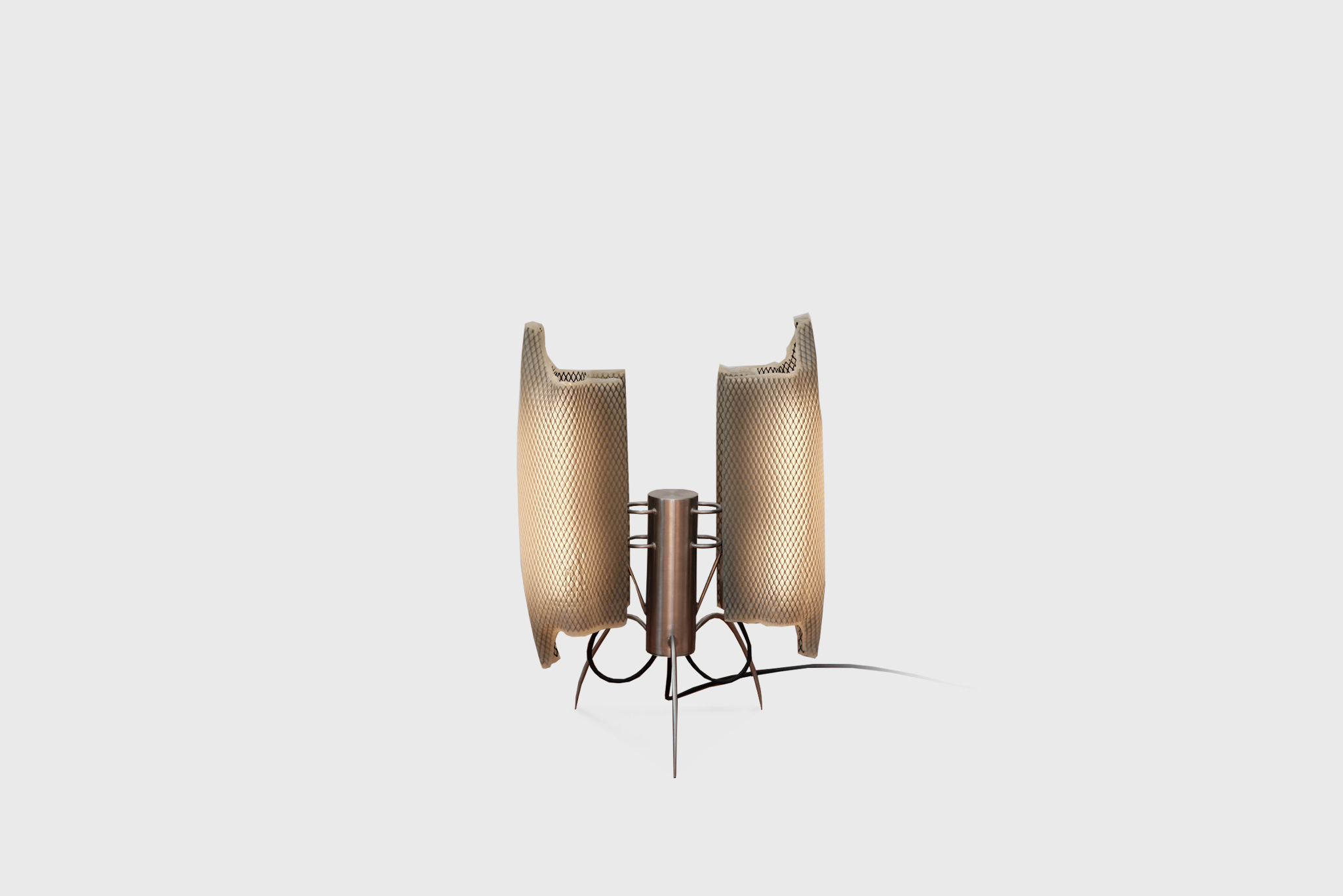
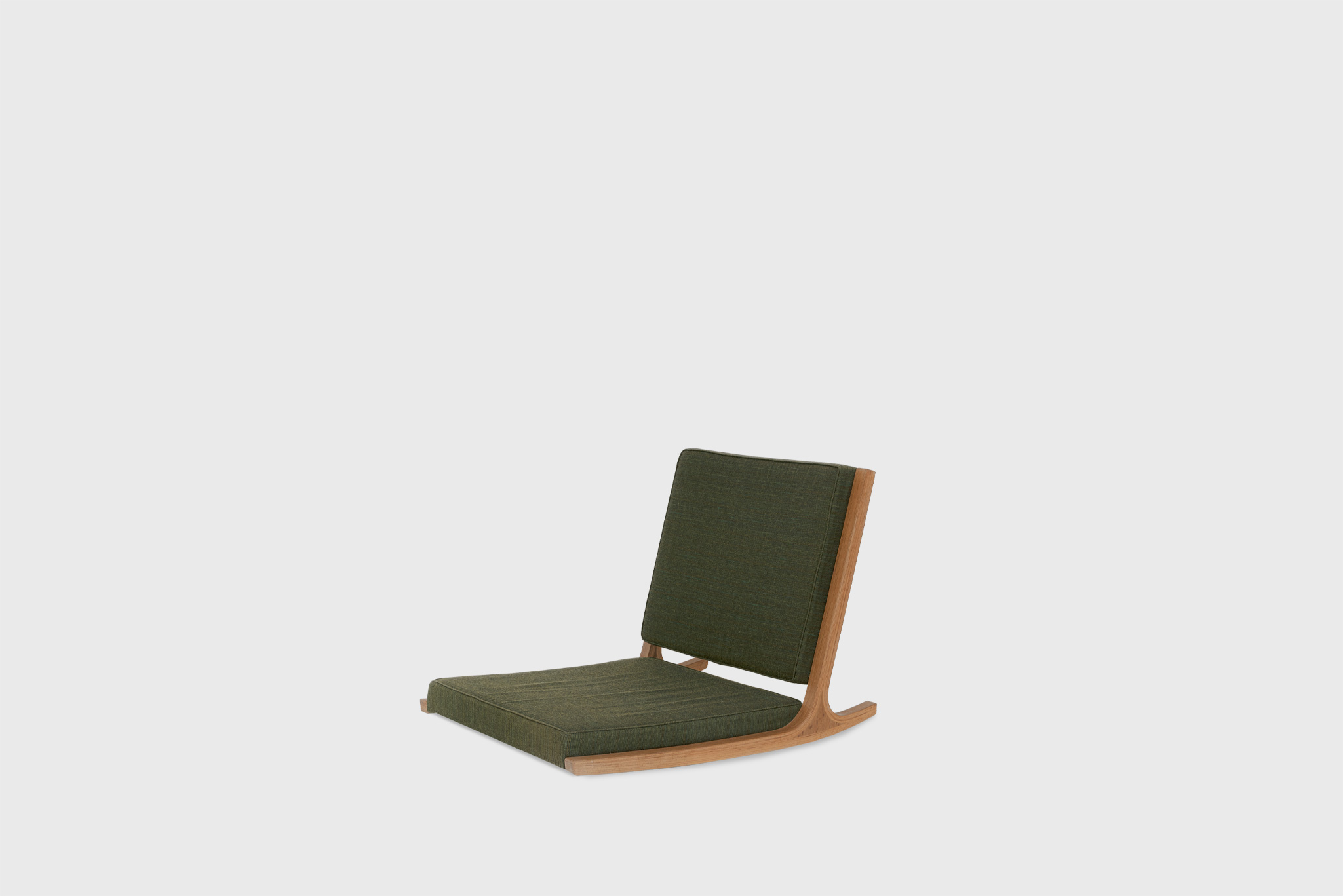
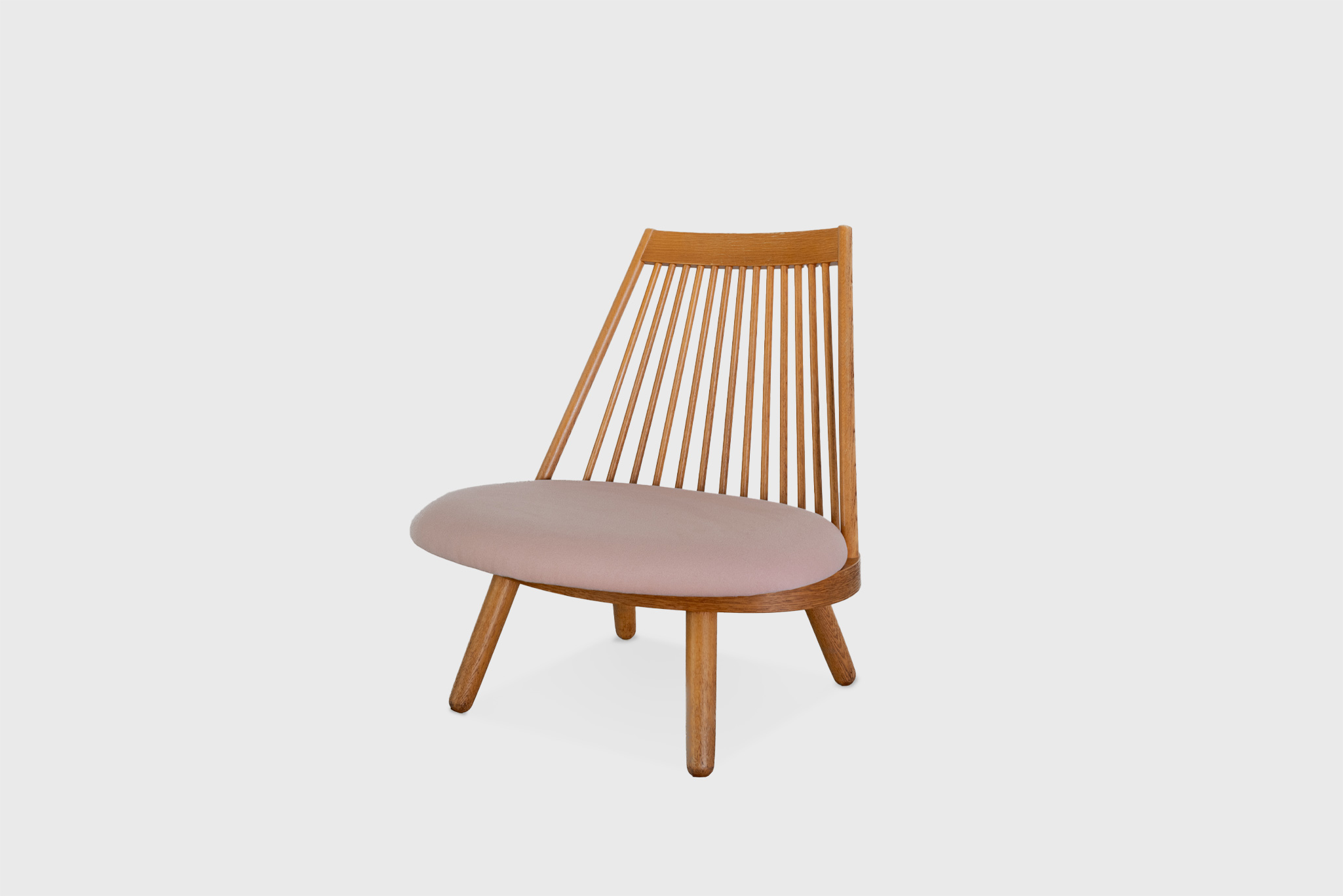
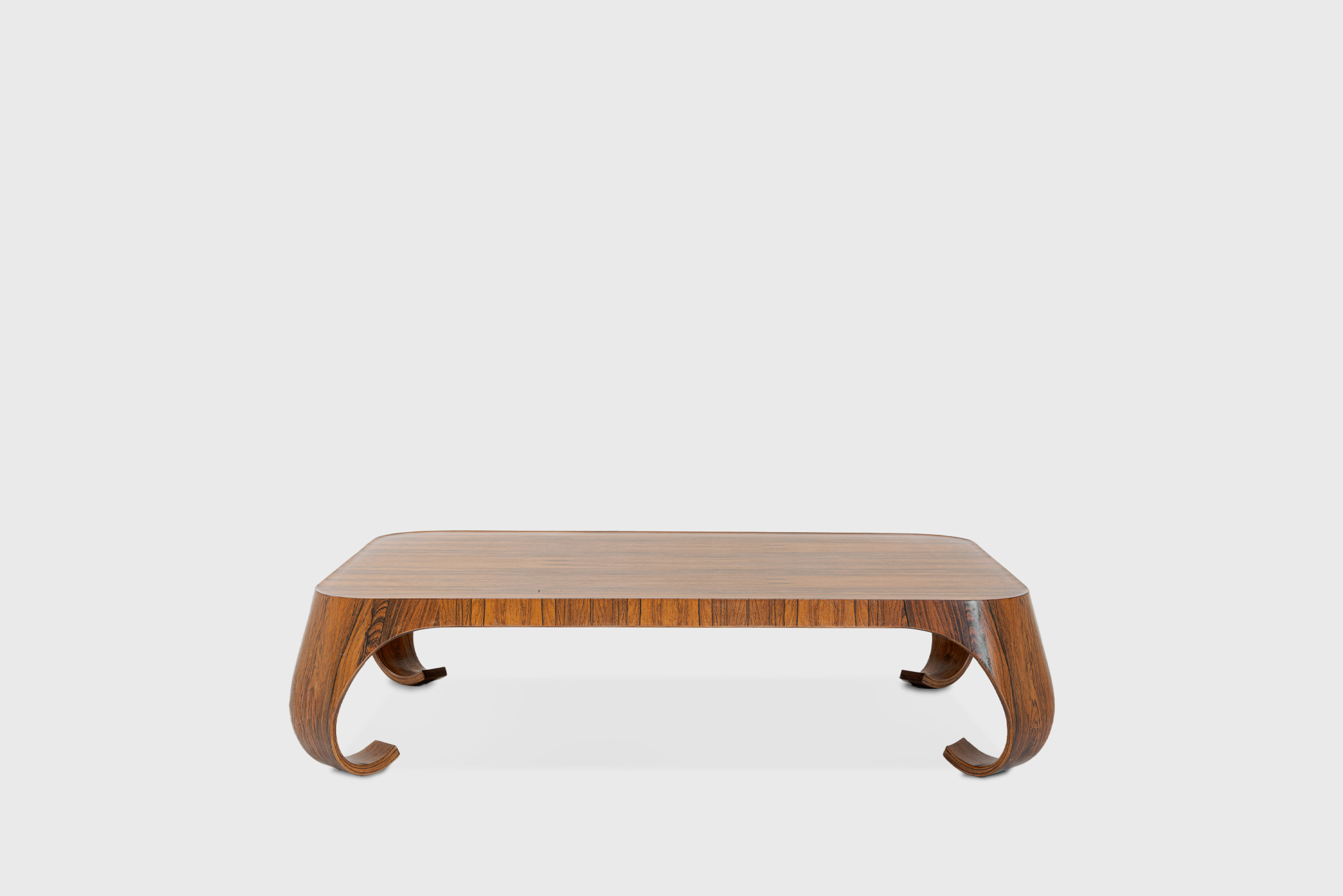
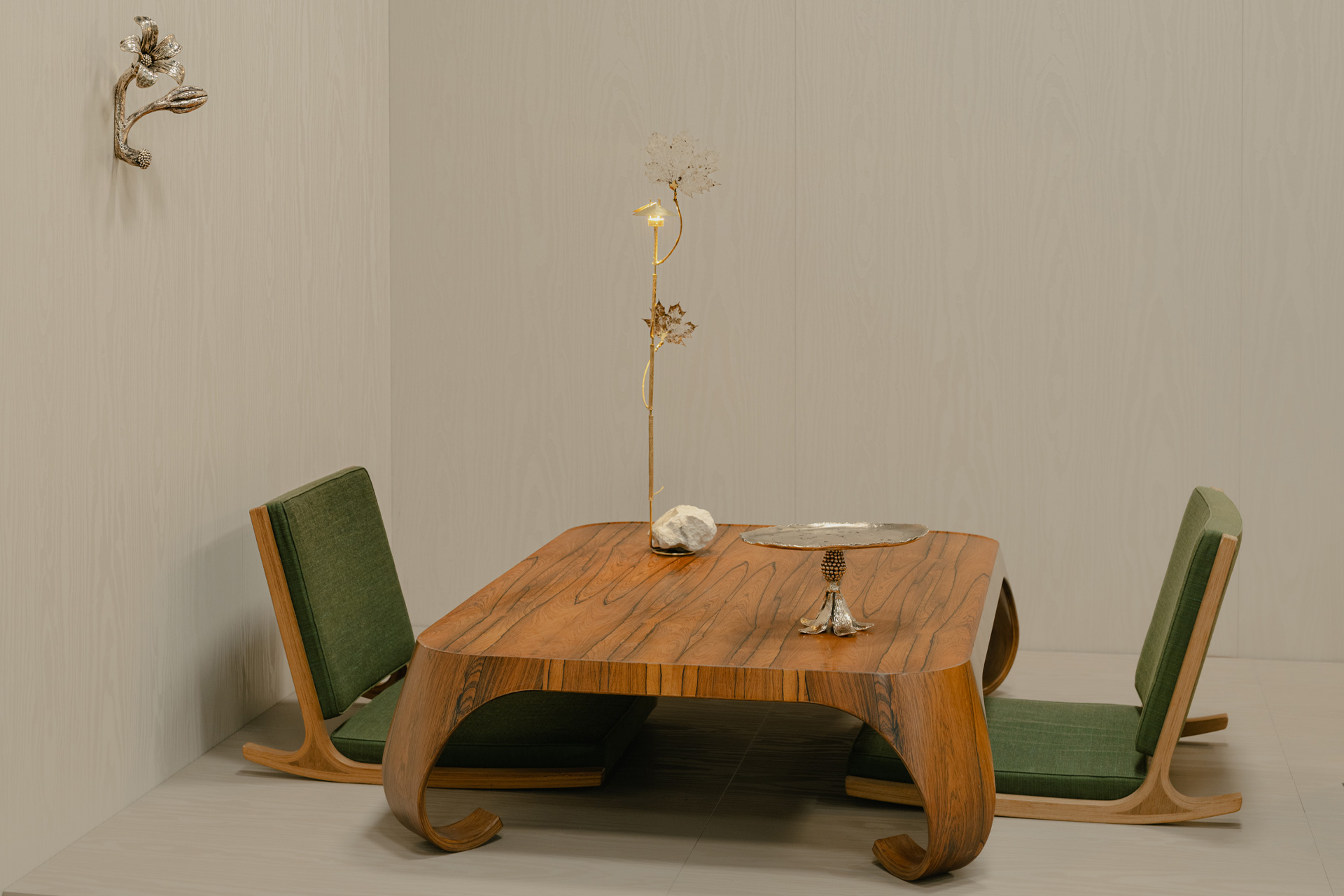
The proposal examines the evolution of modernity through a dual lens: the historical and the contemporary. The presentation features seminal works by masters such as Isamu Kenmochi, Sori Yanagi, Kenzo Tarumi, Katsuhei Toyoguchi, and Reiko Tanabe—designers who reconciled Japanese craft traditions with the demands of the postwar industrial era. This Japanese core is brought into dialogue with the architectural humanism of Gio Ponti, whose legacy remains a cornerstone of Milanese modernism.
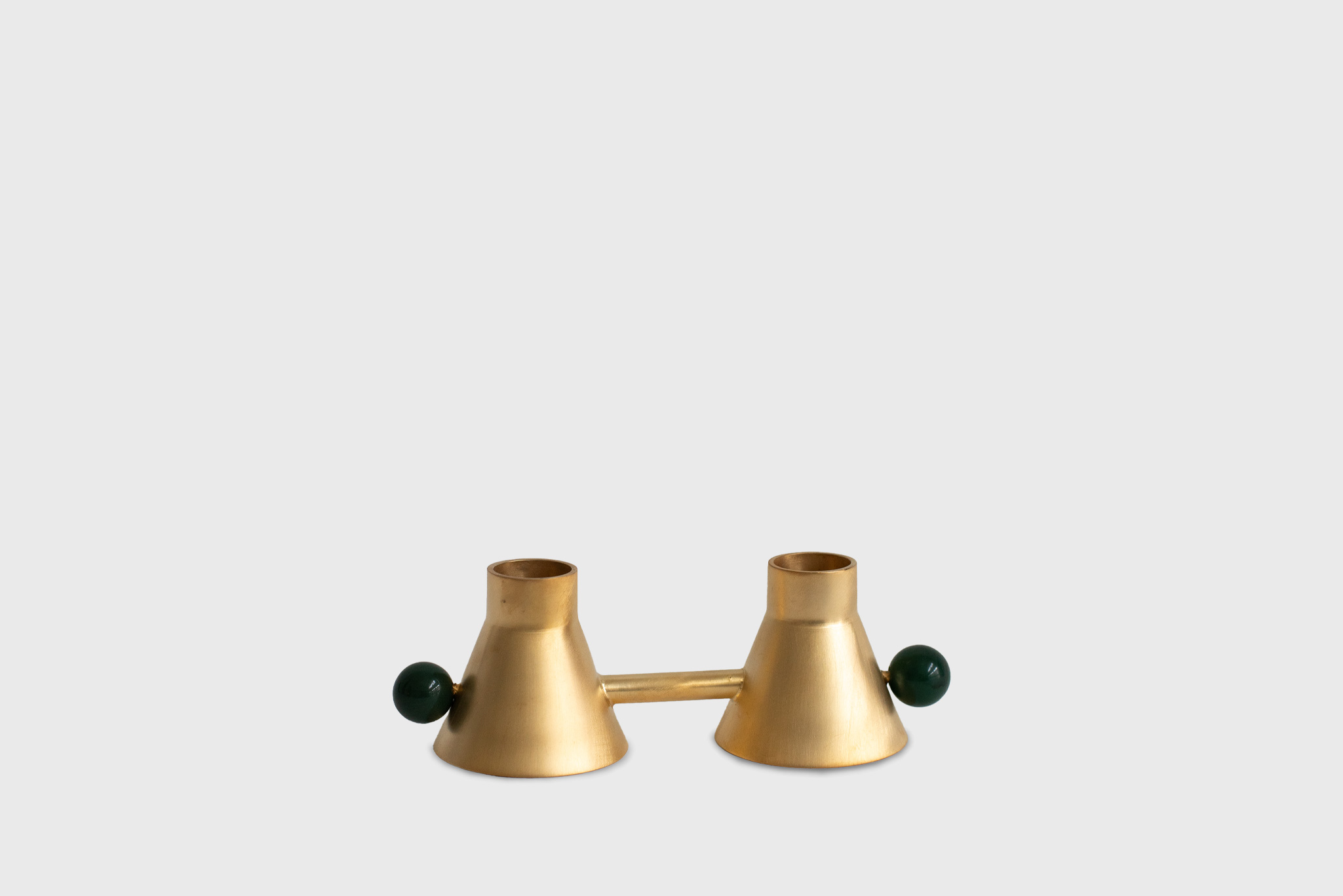
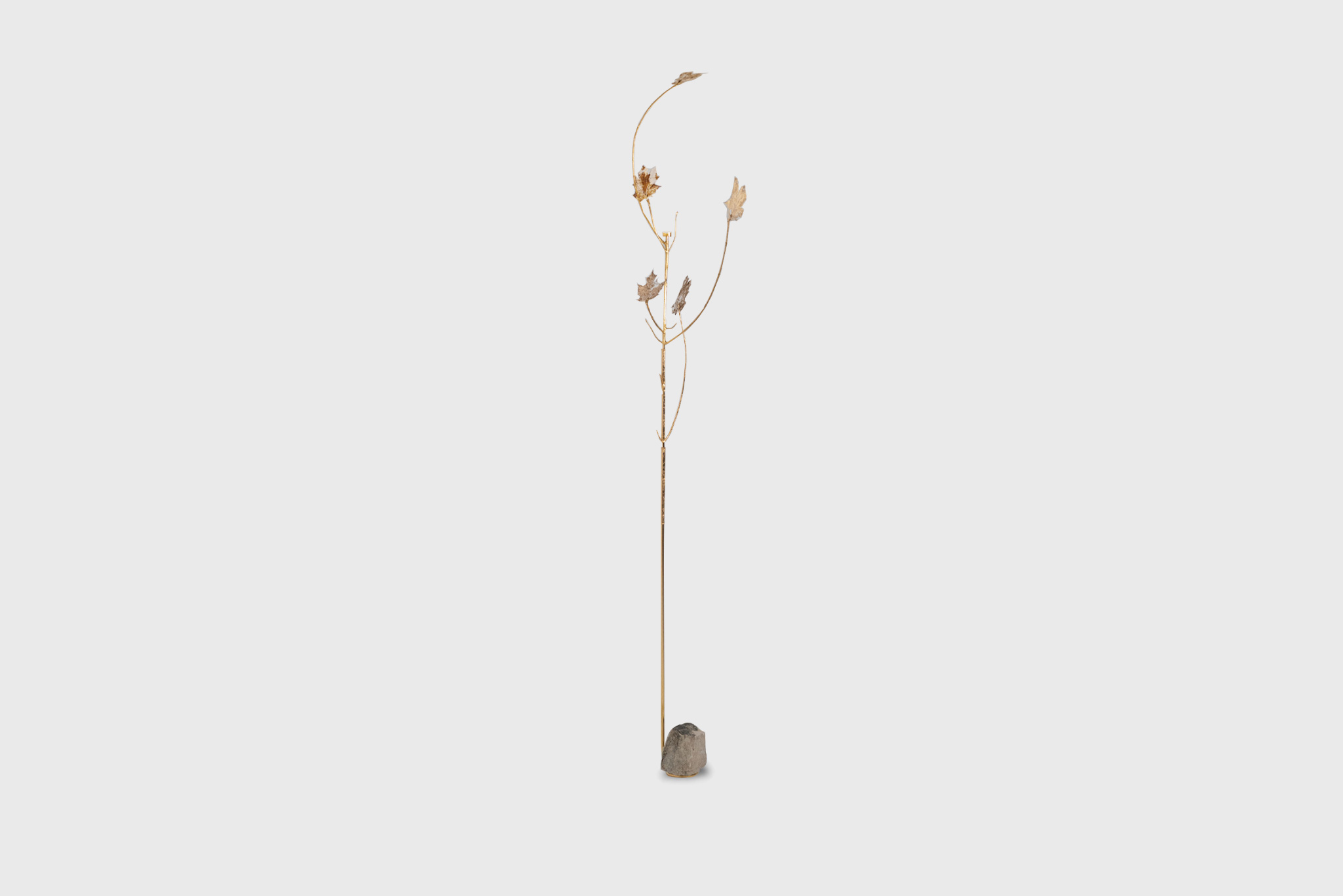
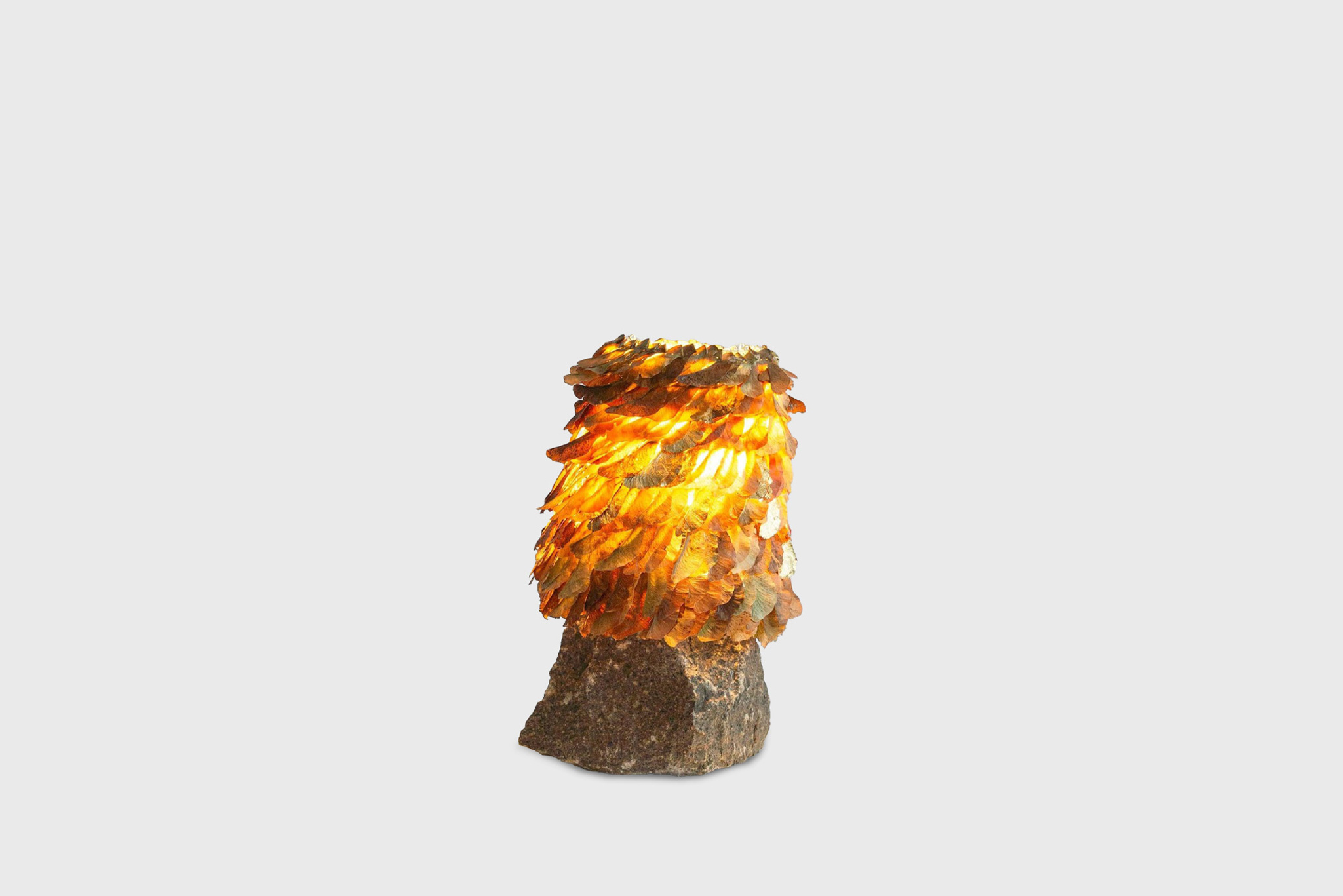
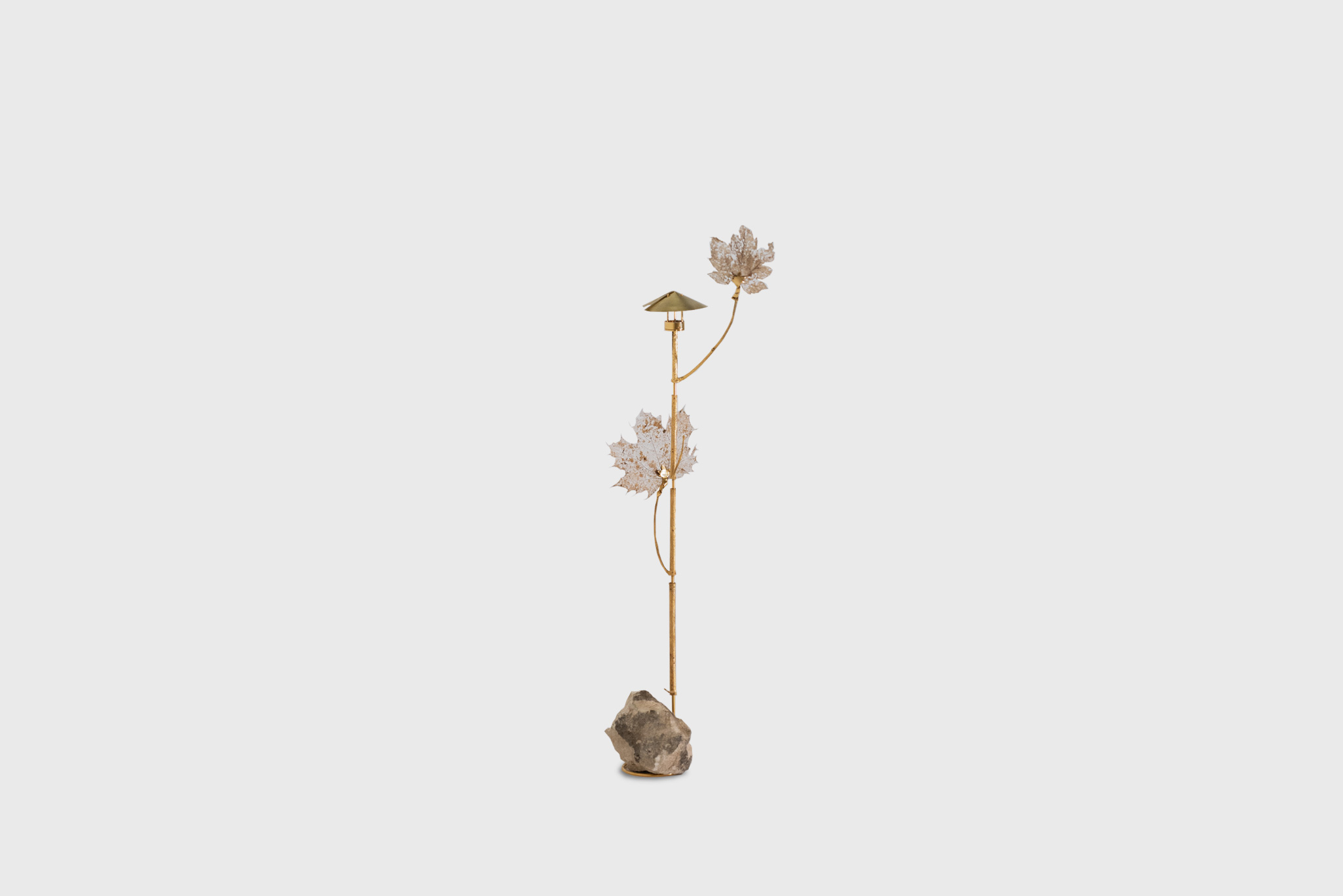
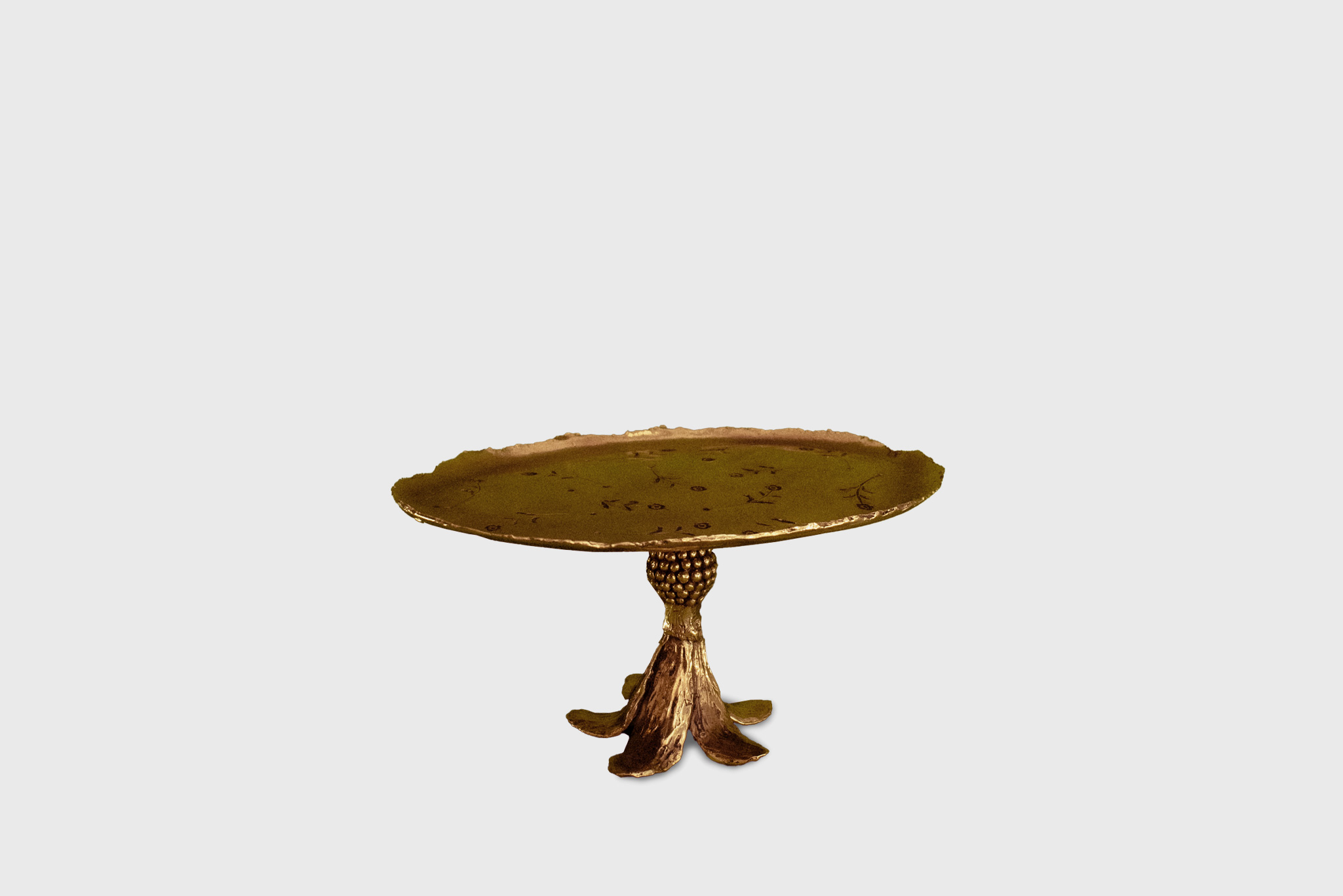
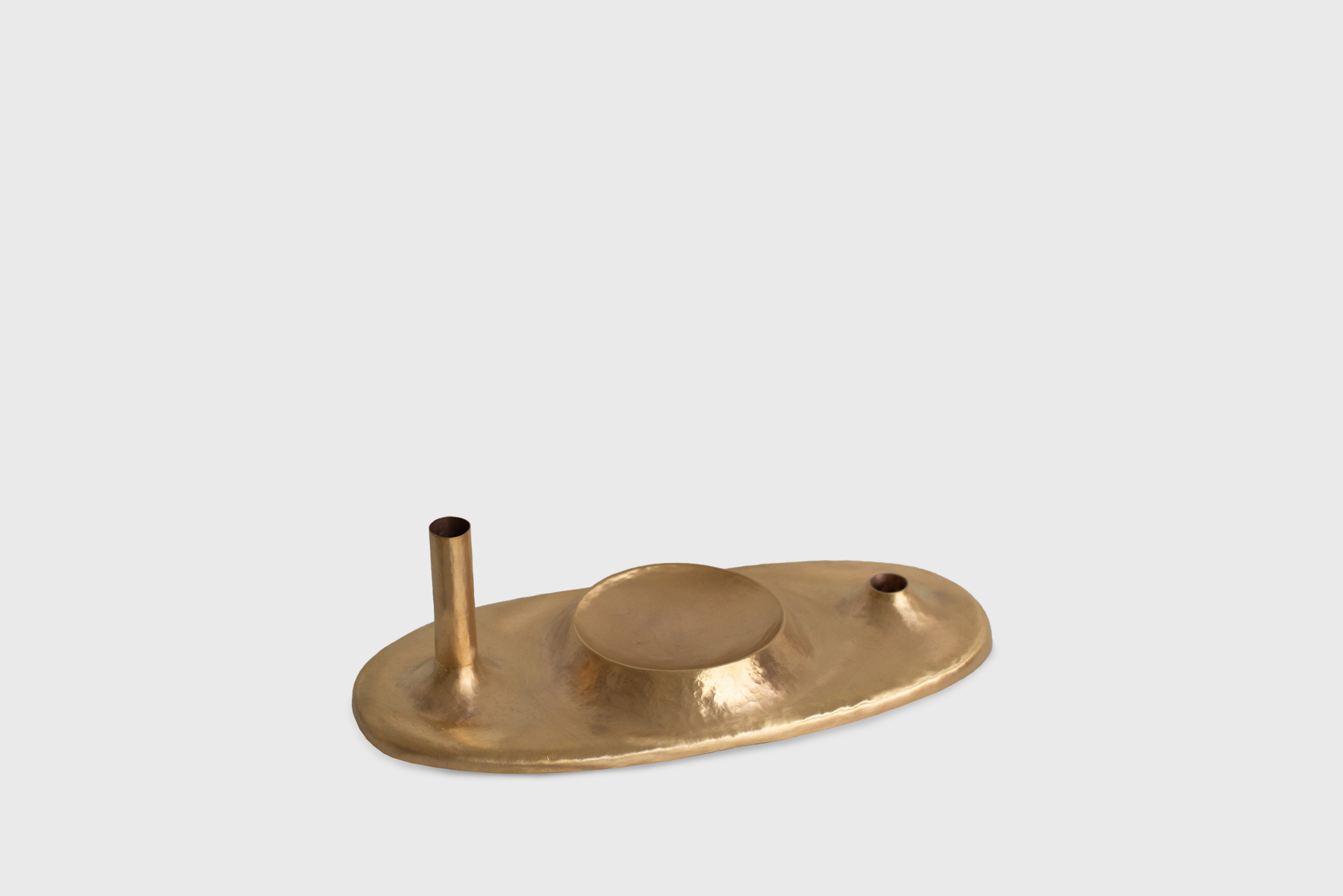
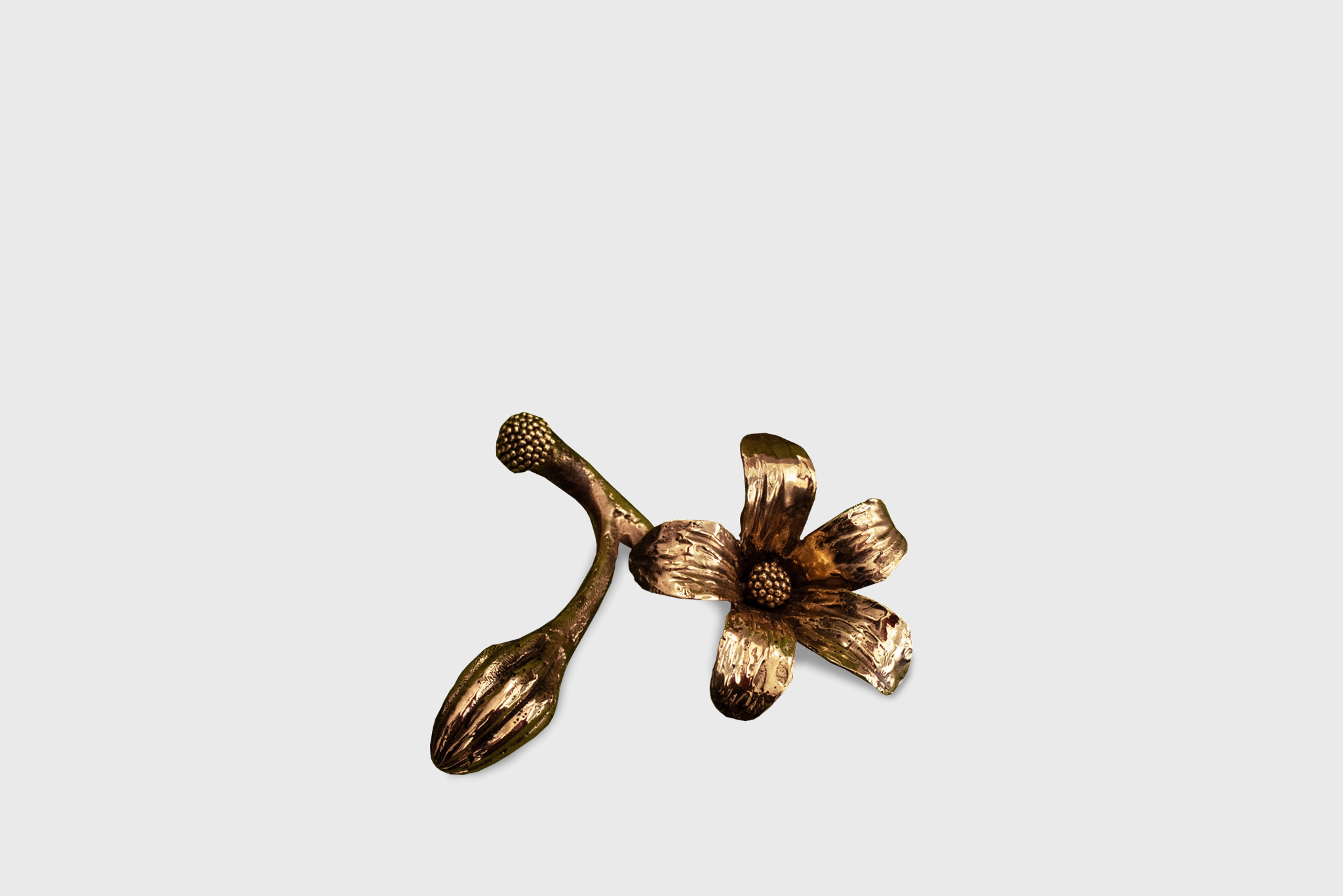
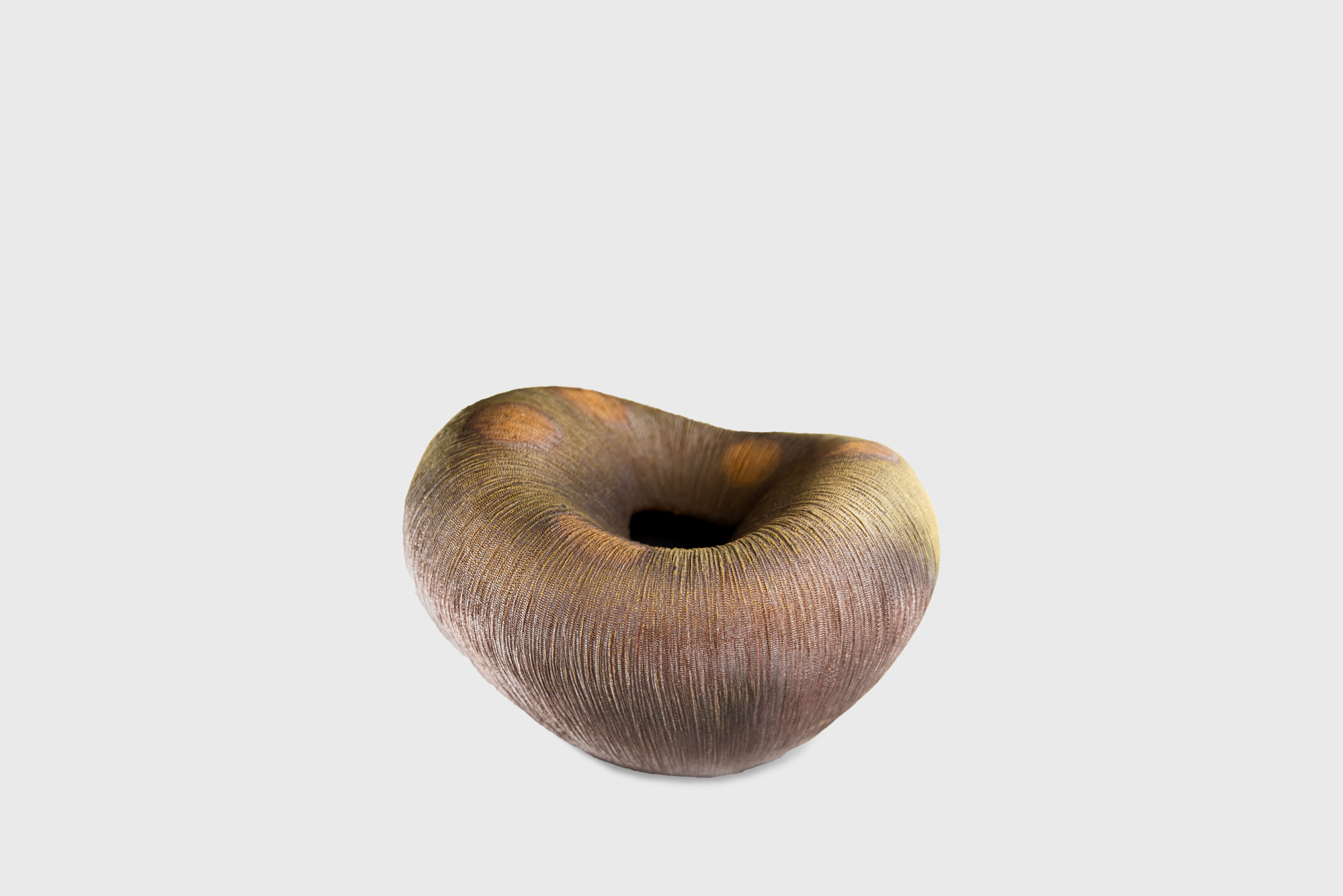
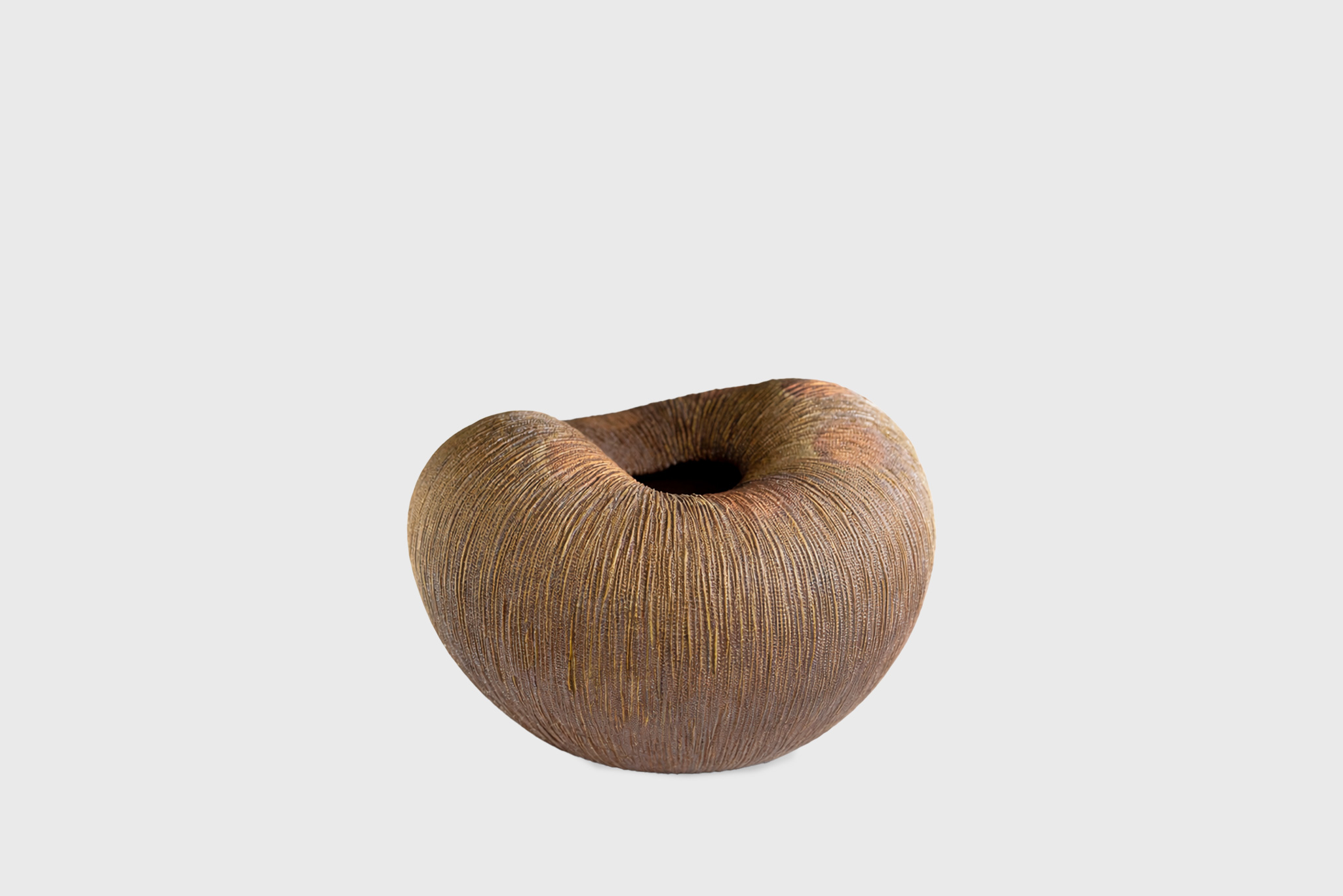
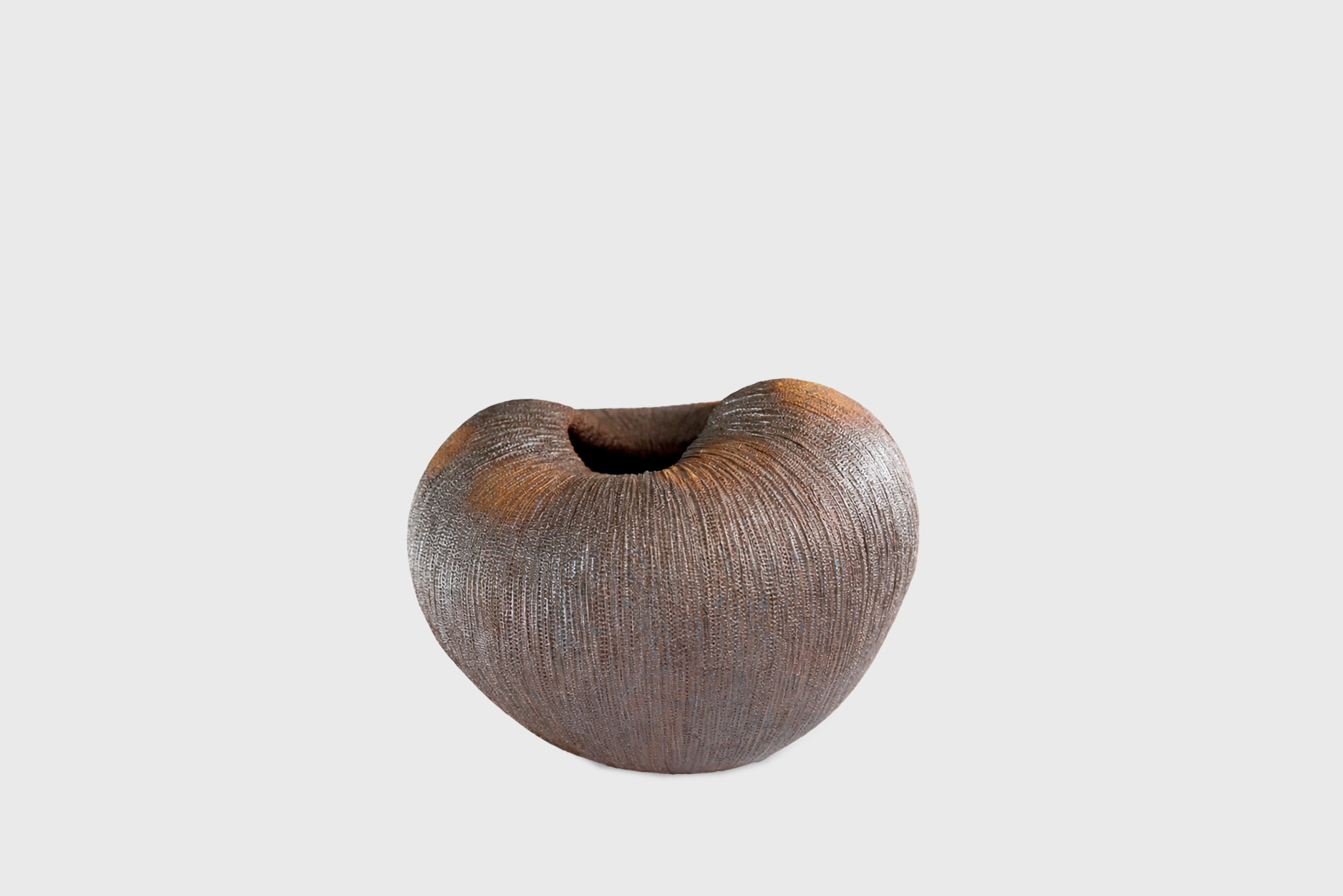
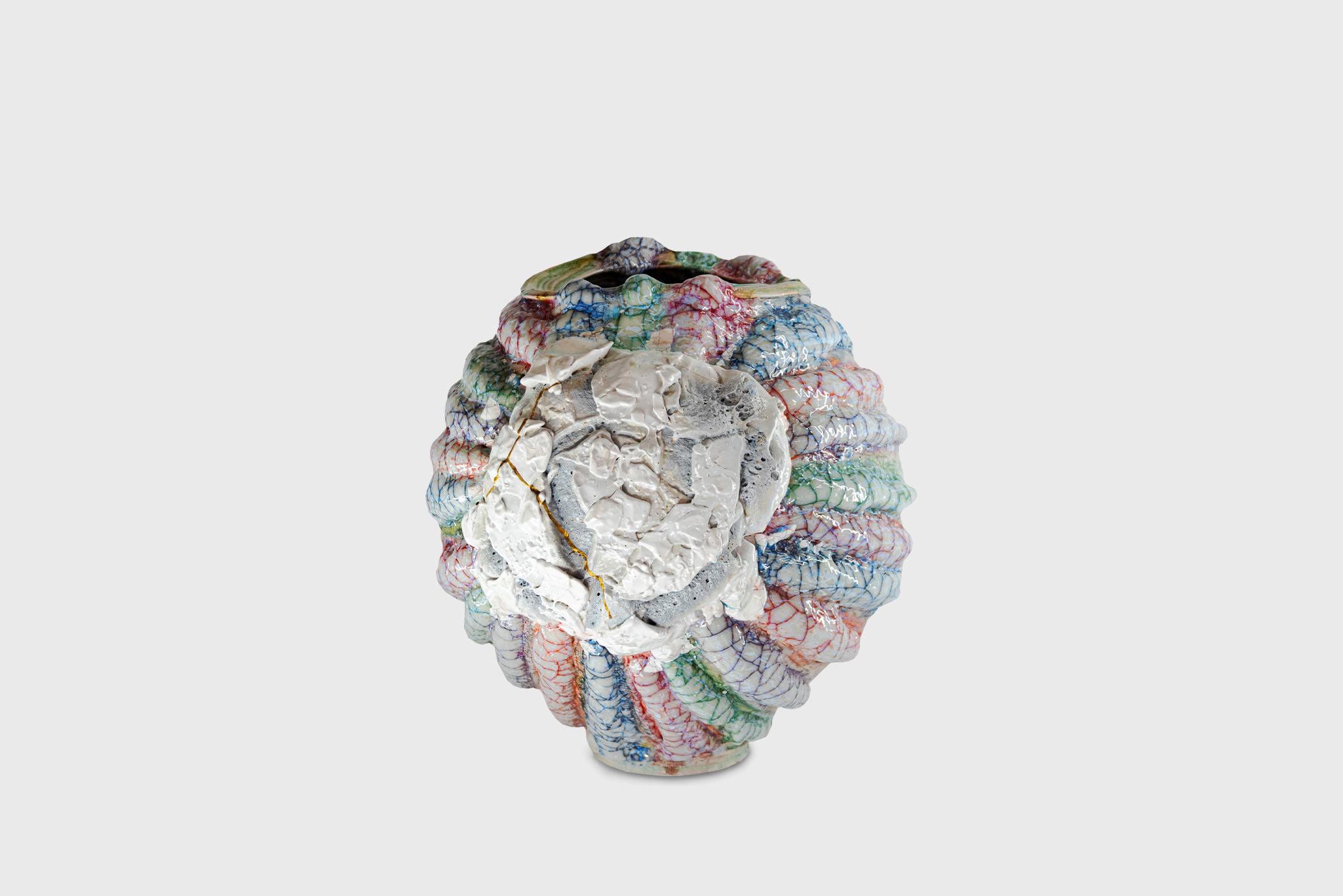
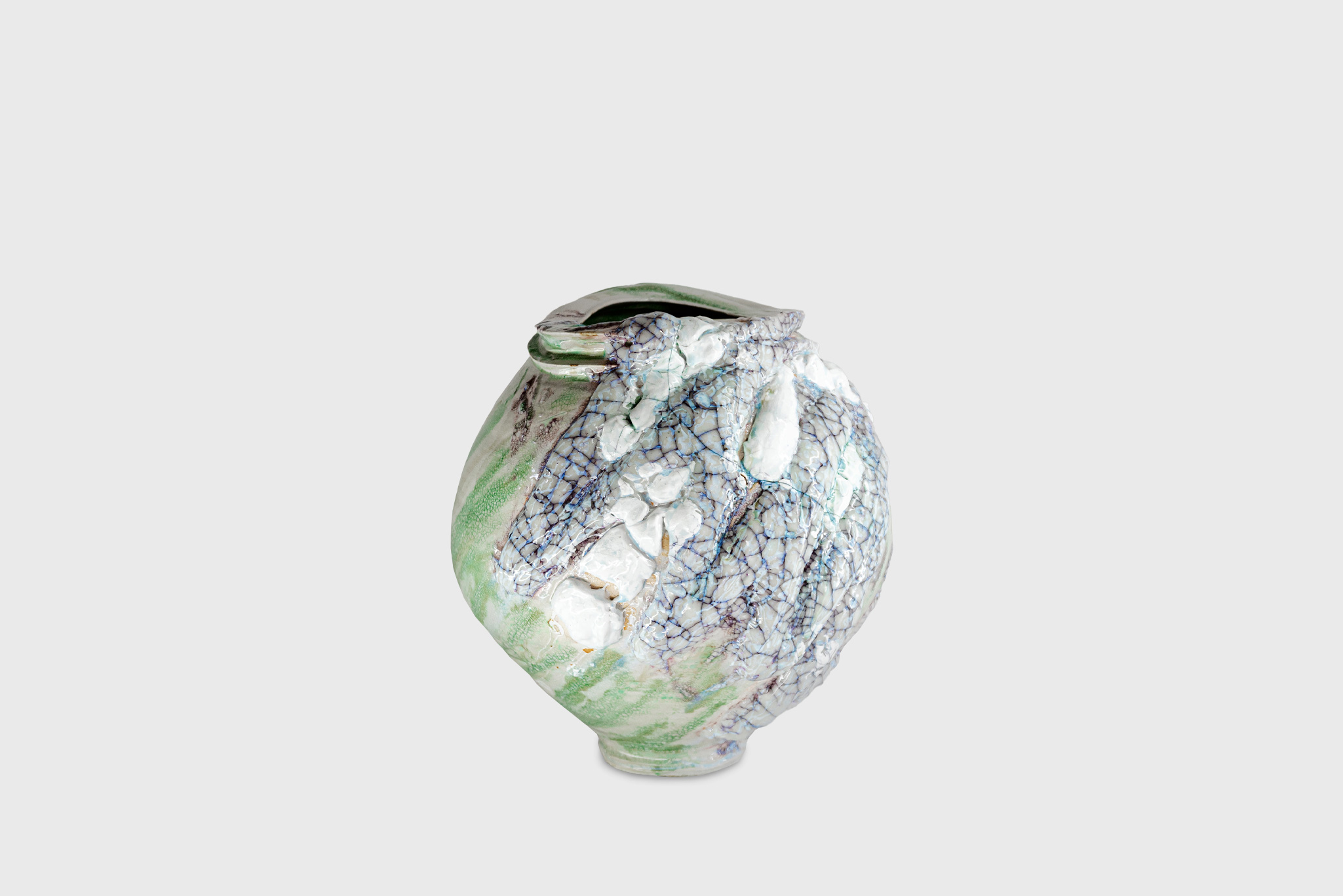
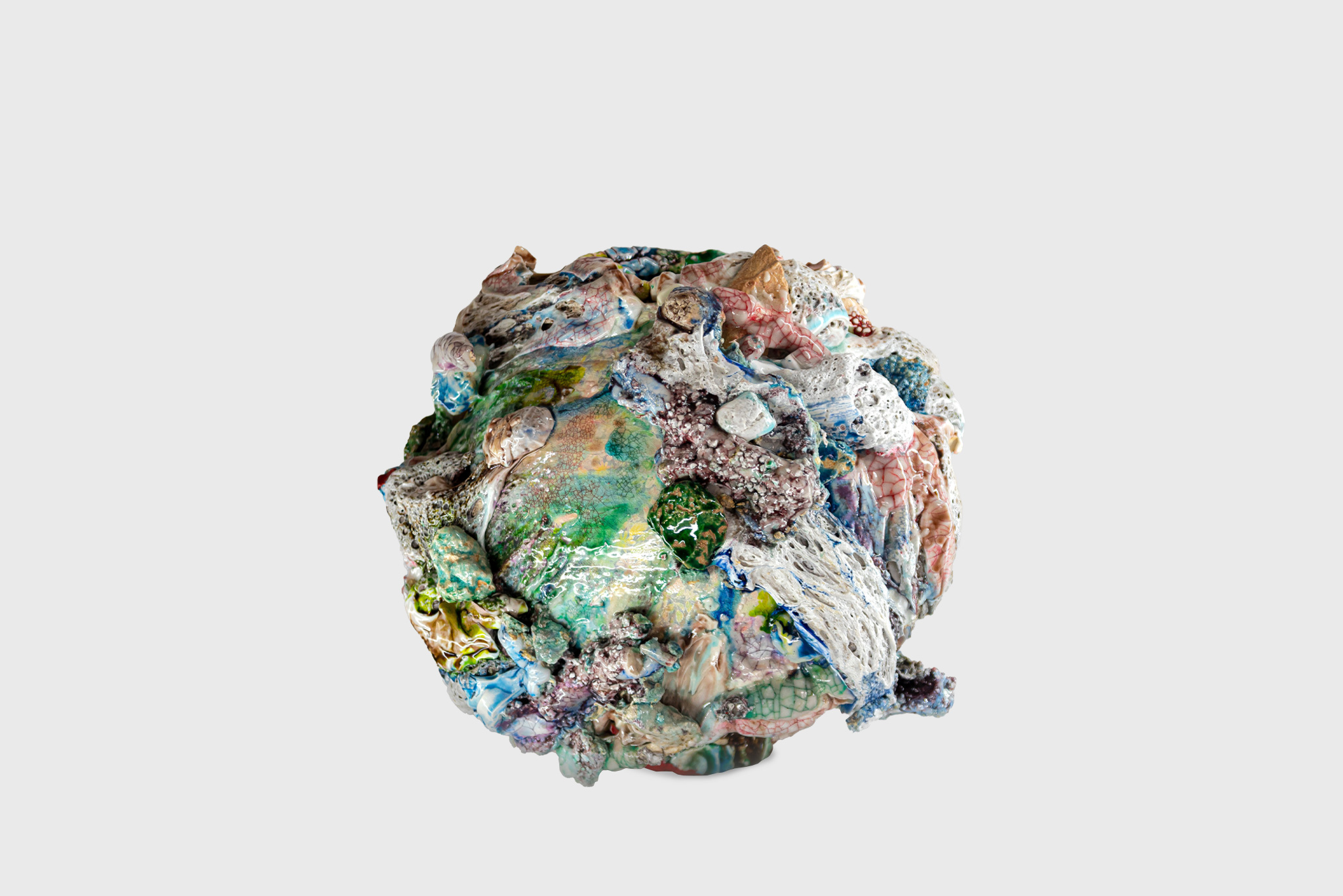
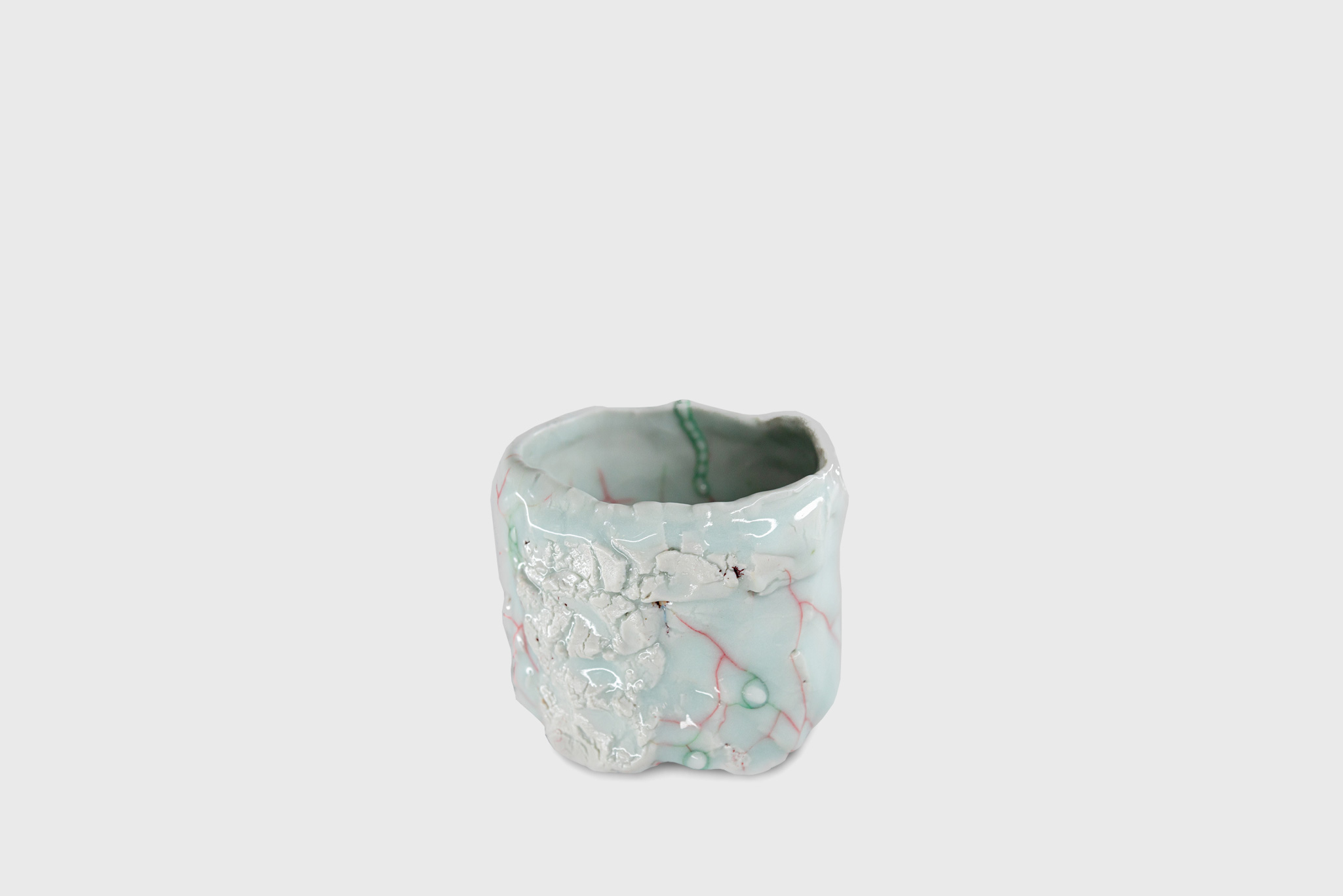
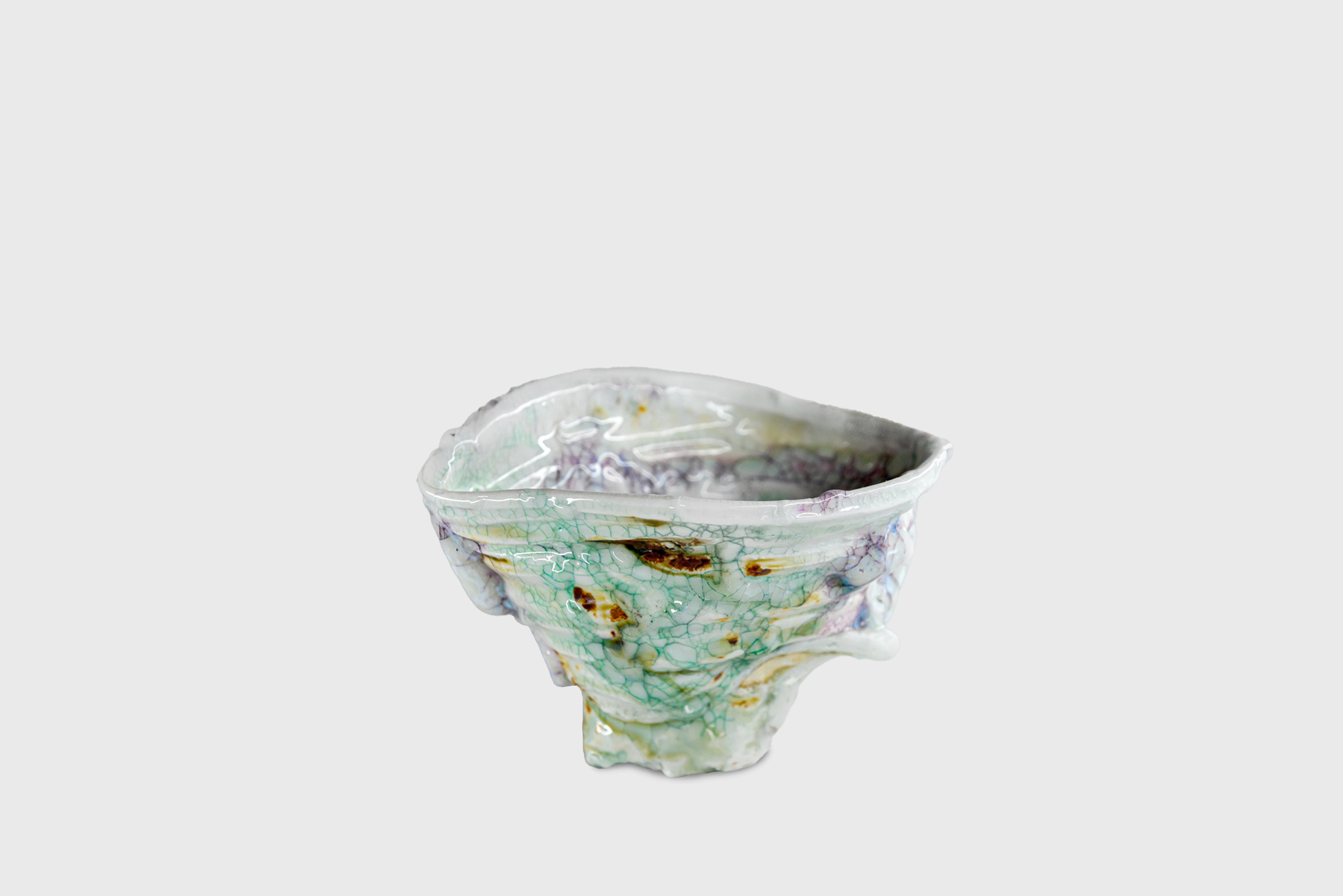
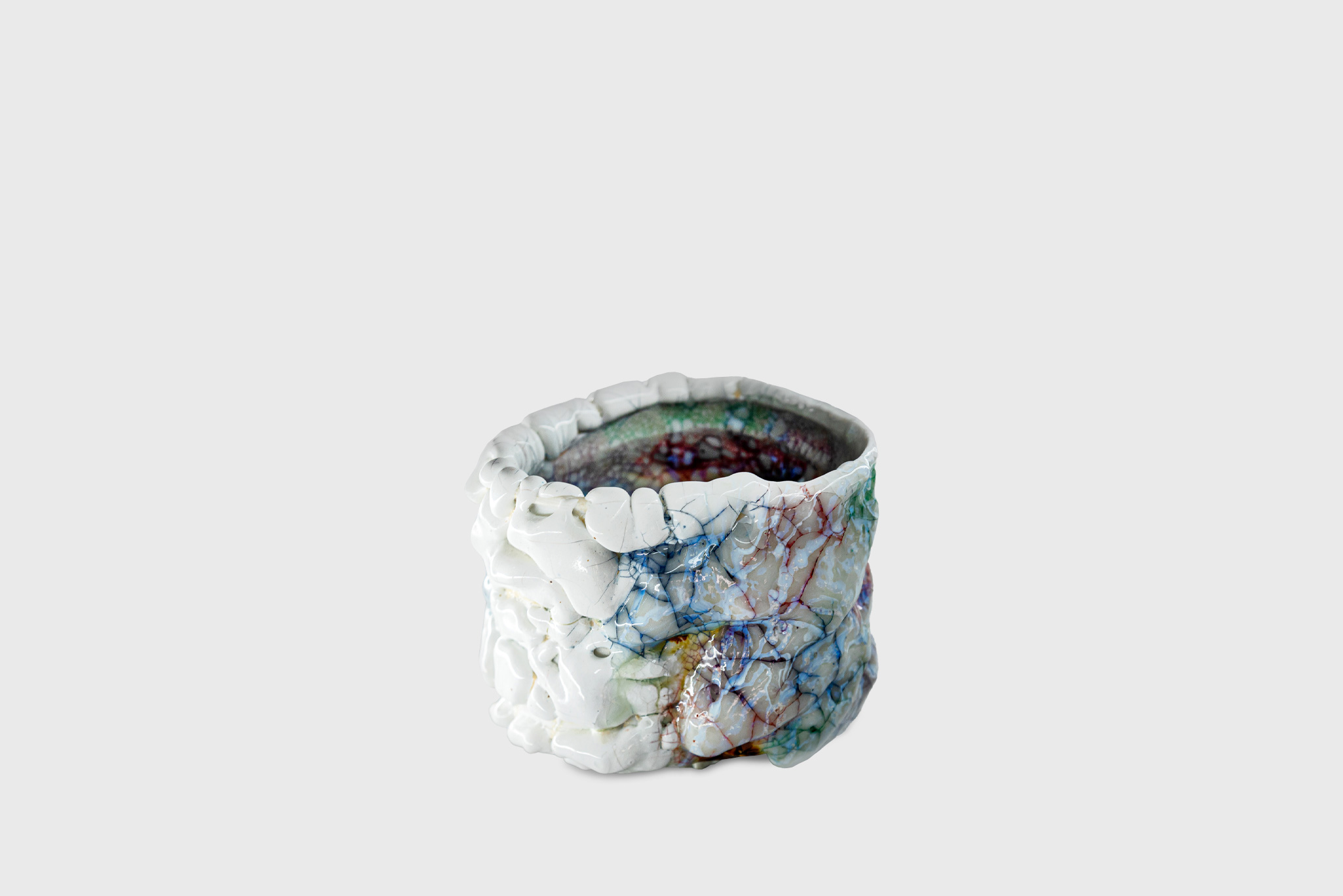
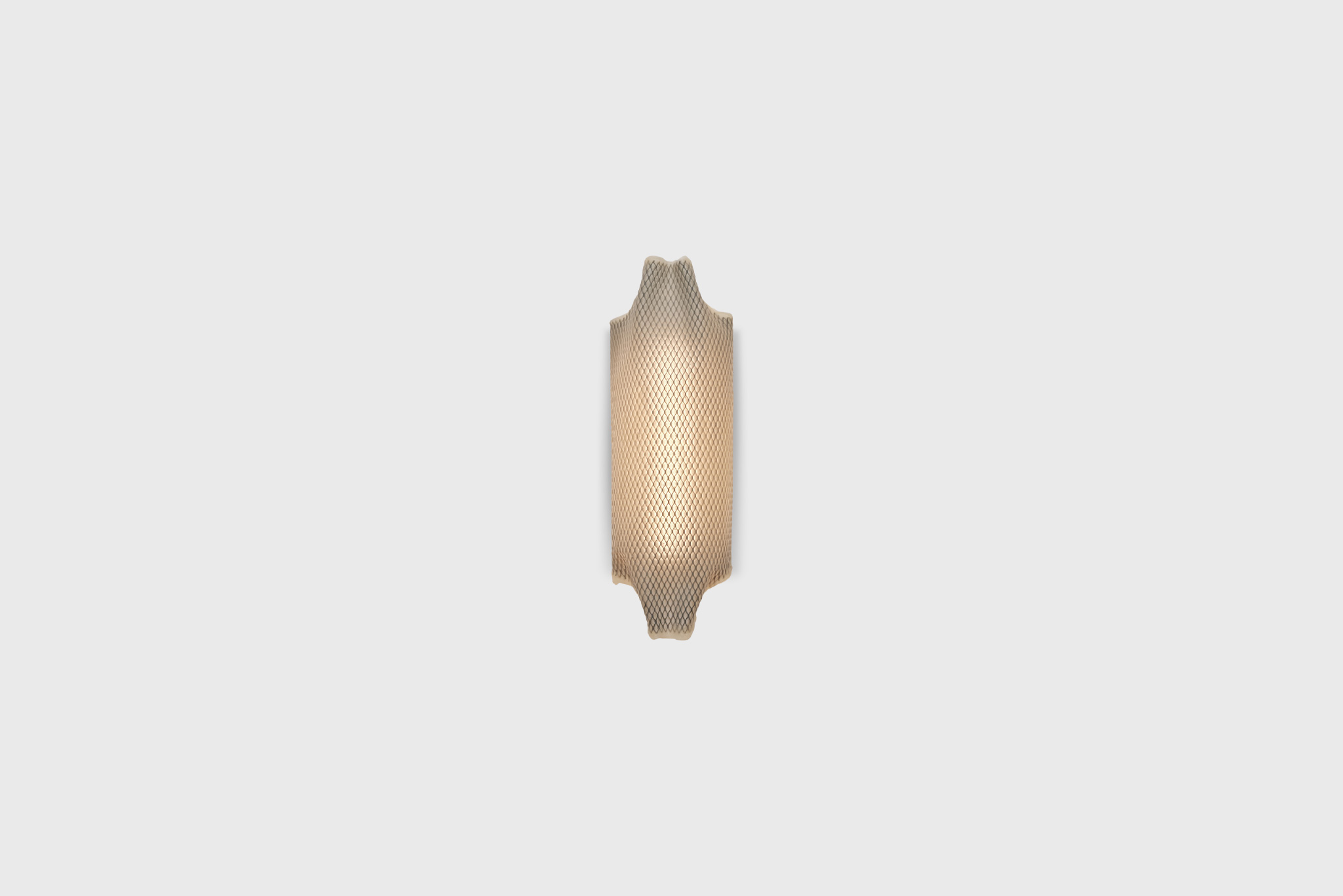
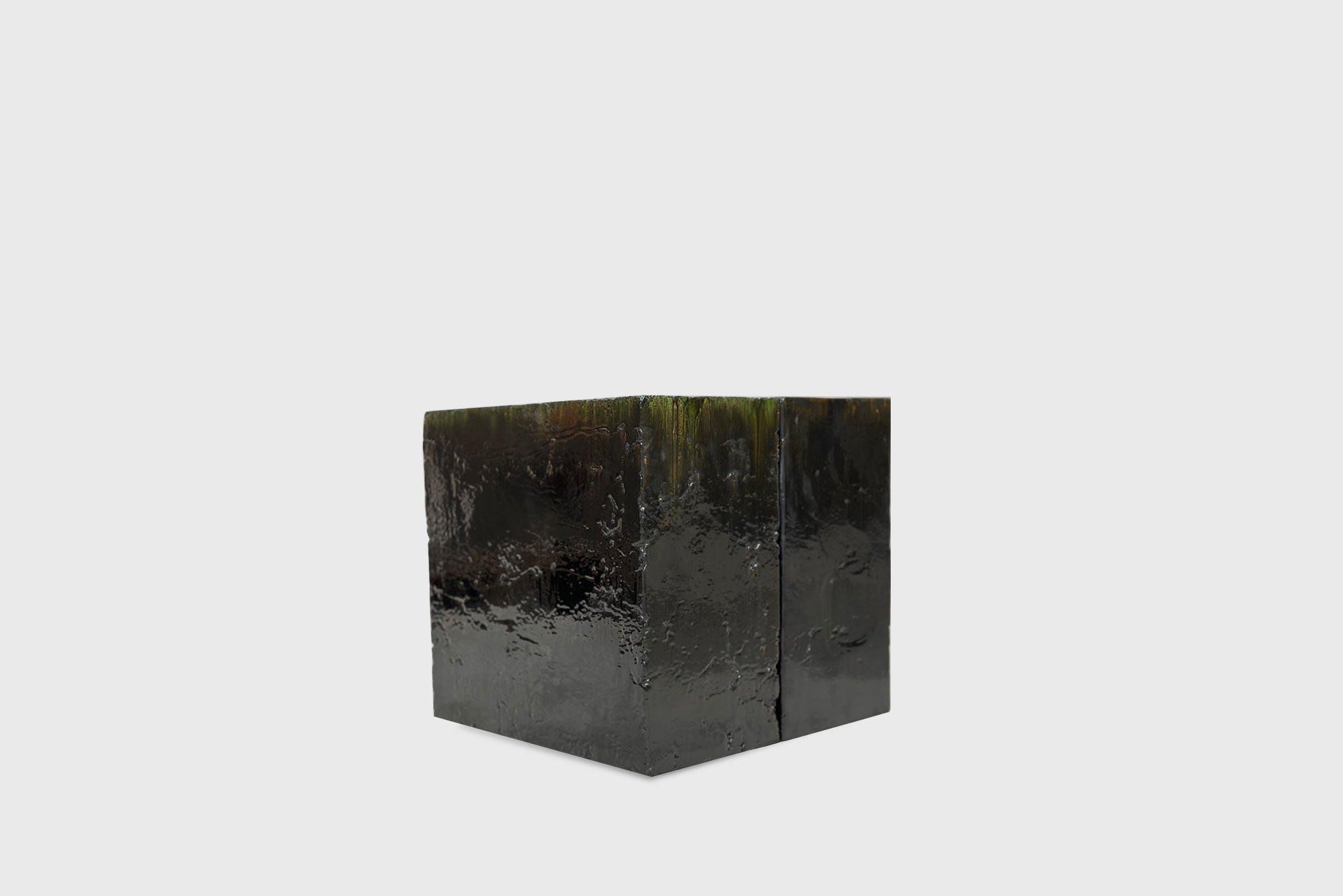
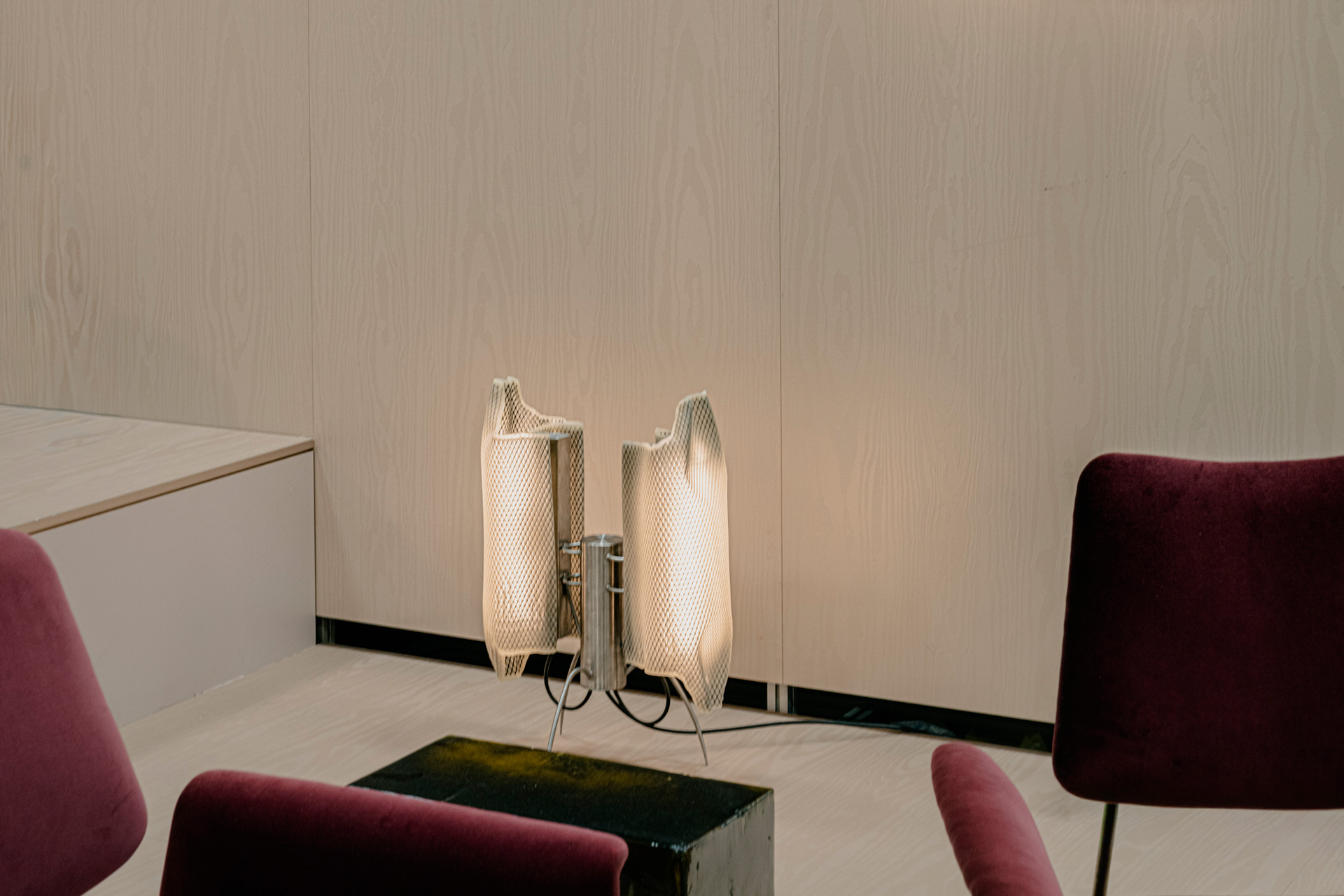
In conversation with these historical icons, Side Gallery introduces works by contemporary artists and designers including Momoko Takeshita, Thomas Takada, Kodai Ujiie, Conie Vallese, Natalia Criado, LS Gomma, and Xavier Mañosa. Each practitioner reinterprets ancestral materials—from ceramic and bronze to glass and timber—within new aesthetic and ecological frameworks. Together, these pieces trace a continuous lineage of global craftsmanship, inviting a renewed appreciation for a design ethos where simplicity is understood as complexity distilled, and functionality serves as a profound cultural statement.