Side Gallery
Side Gallery
WishlistFollow





Follow
JEAN GILLON: ARTISTA-DESIGNER
MUSEO DA CASA BRASILEIRA
SAO PAULO (BRAZIL)
2021
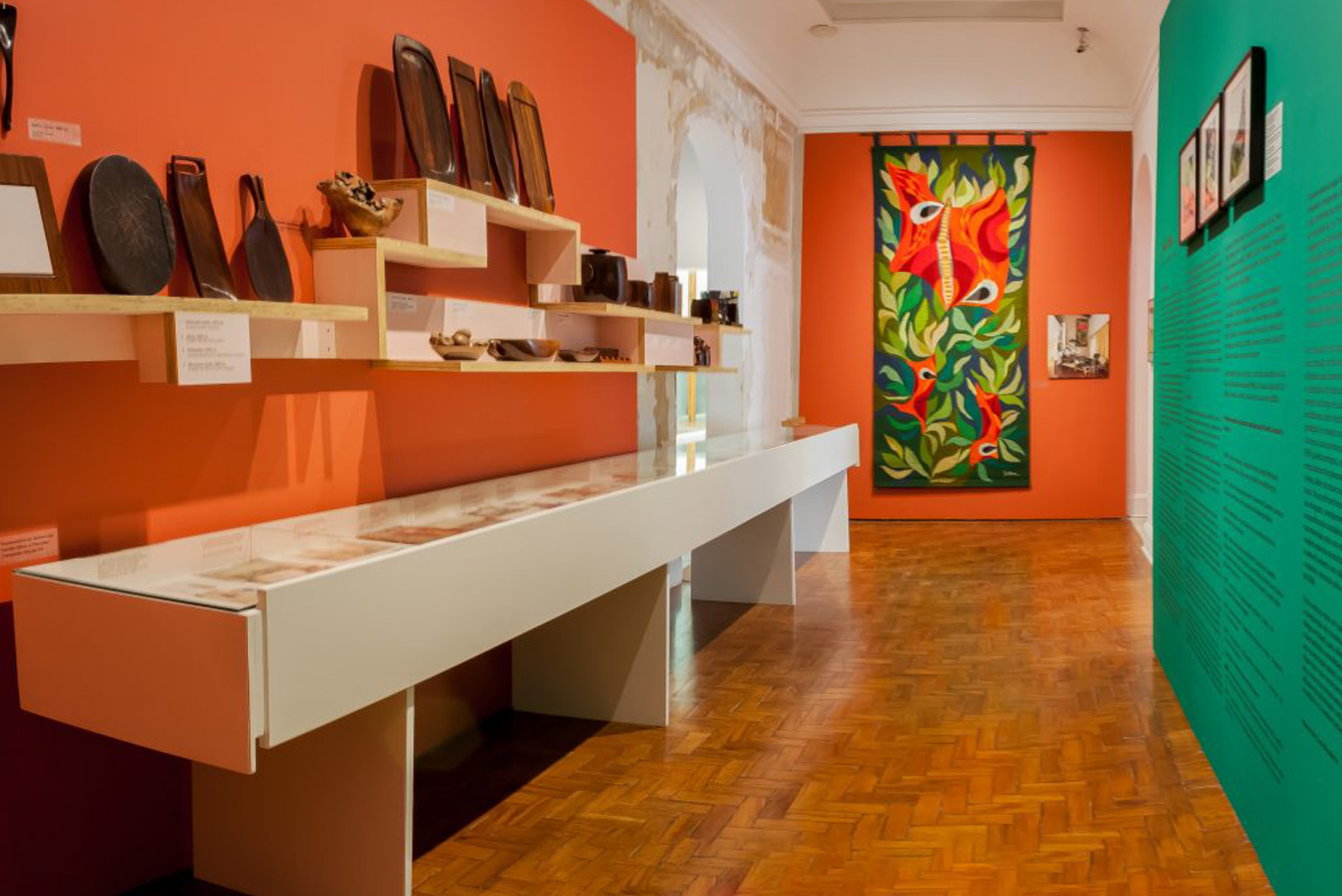
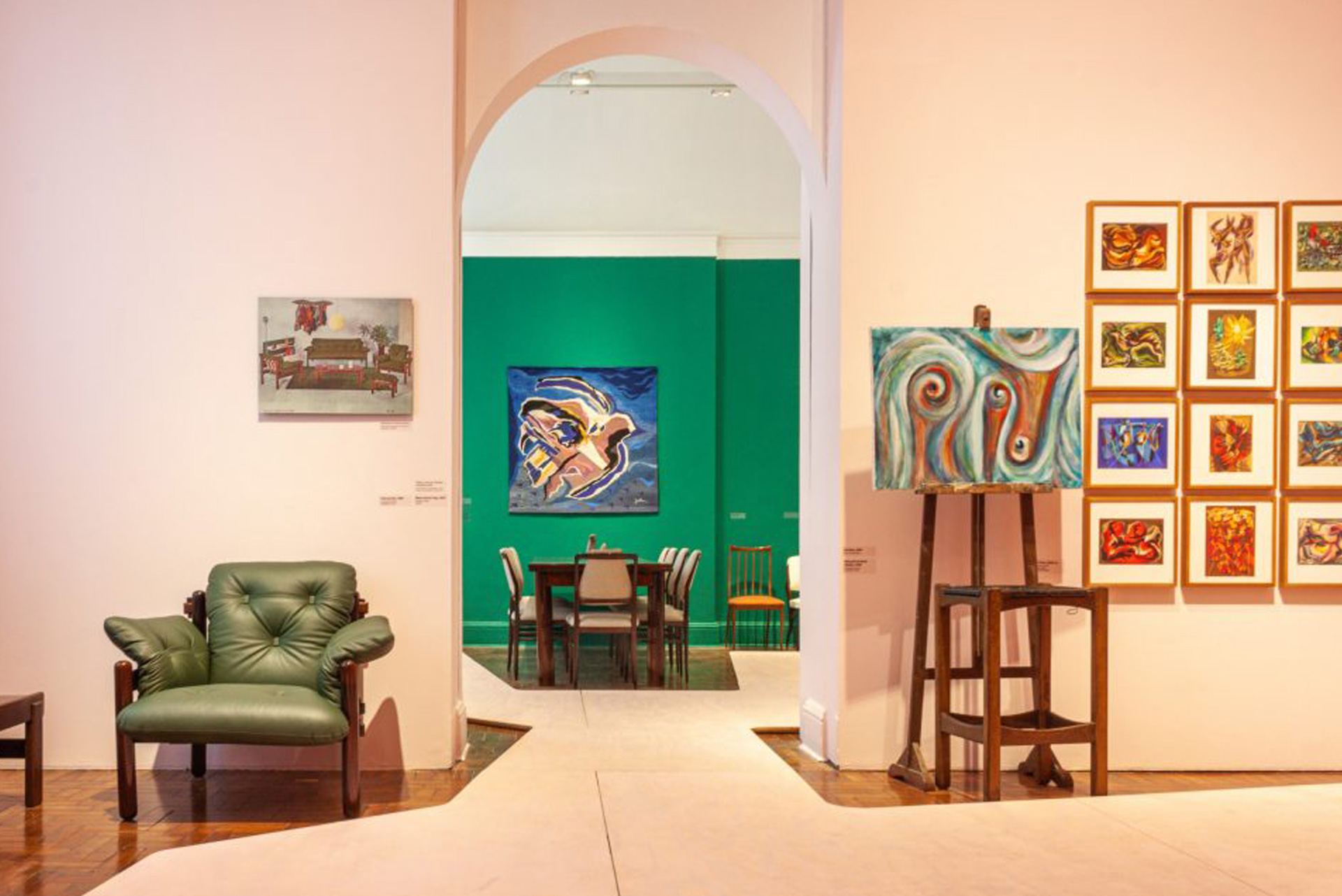
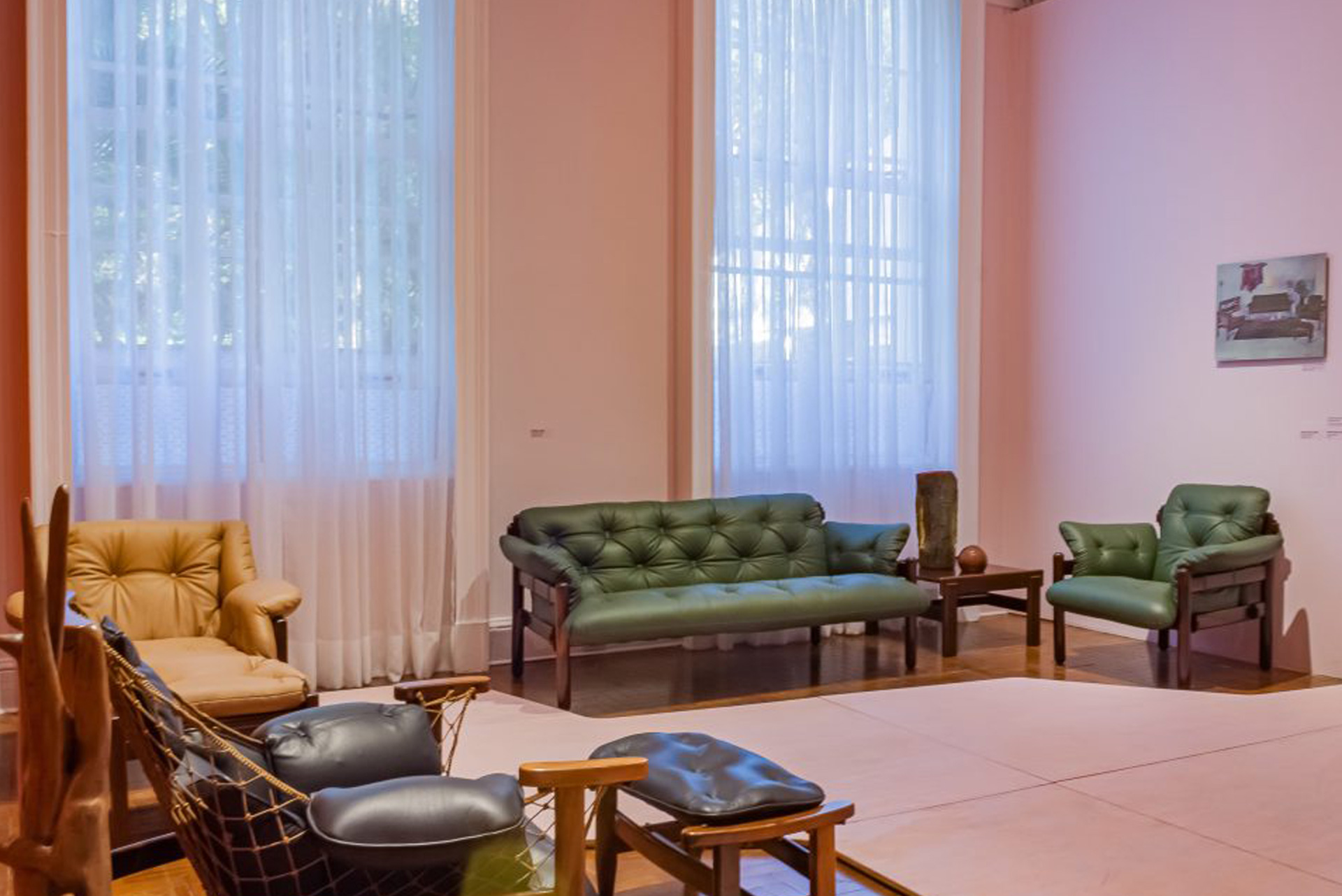
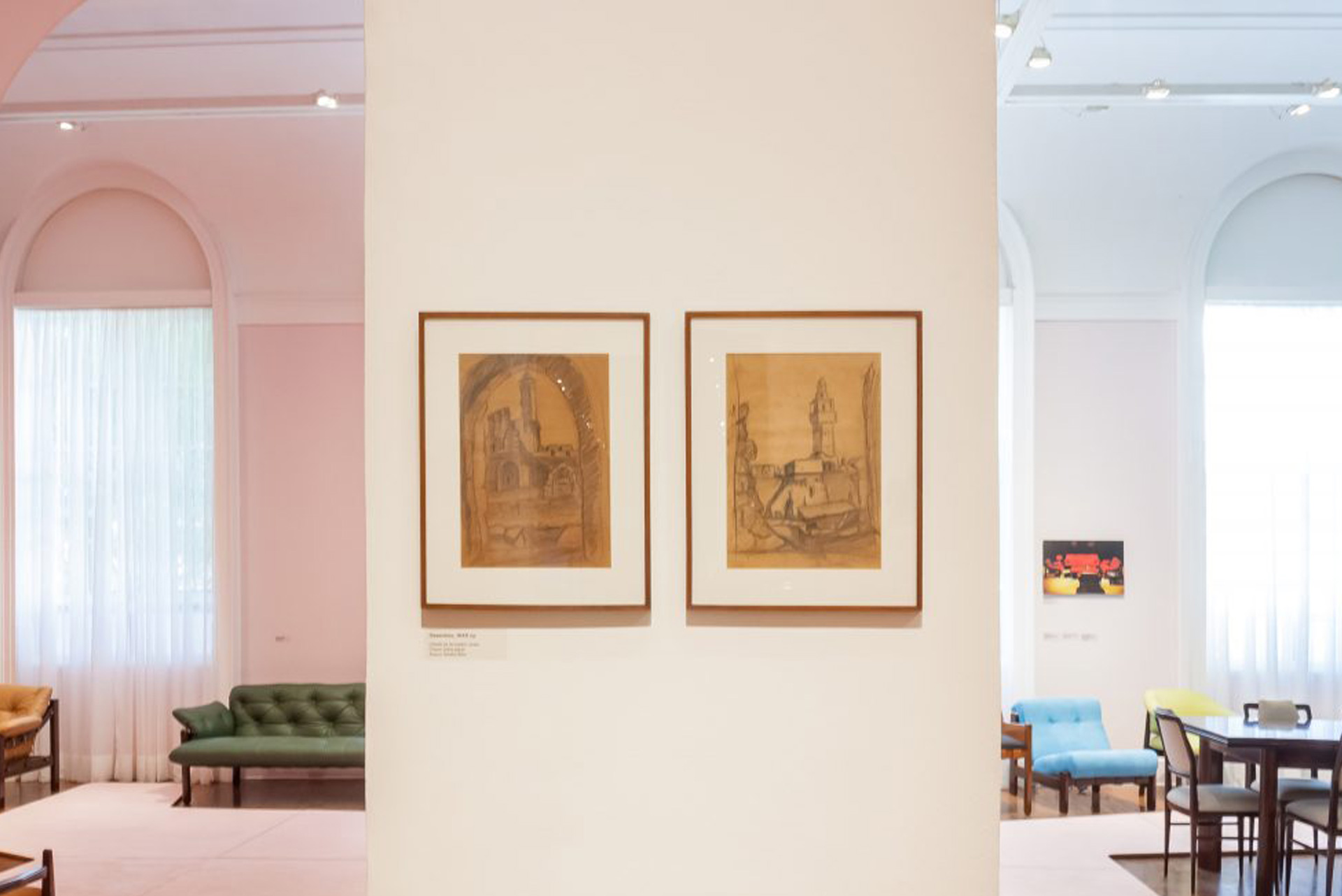
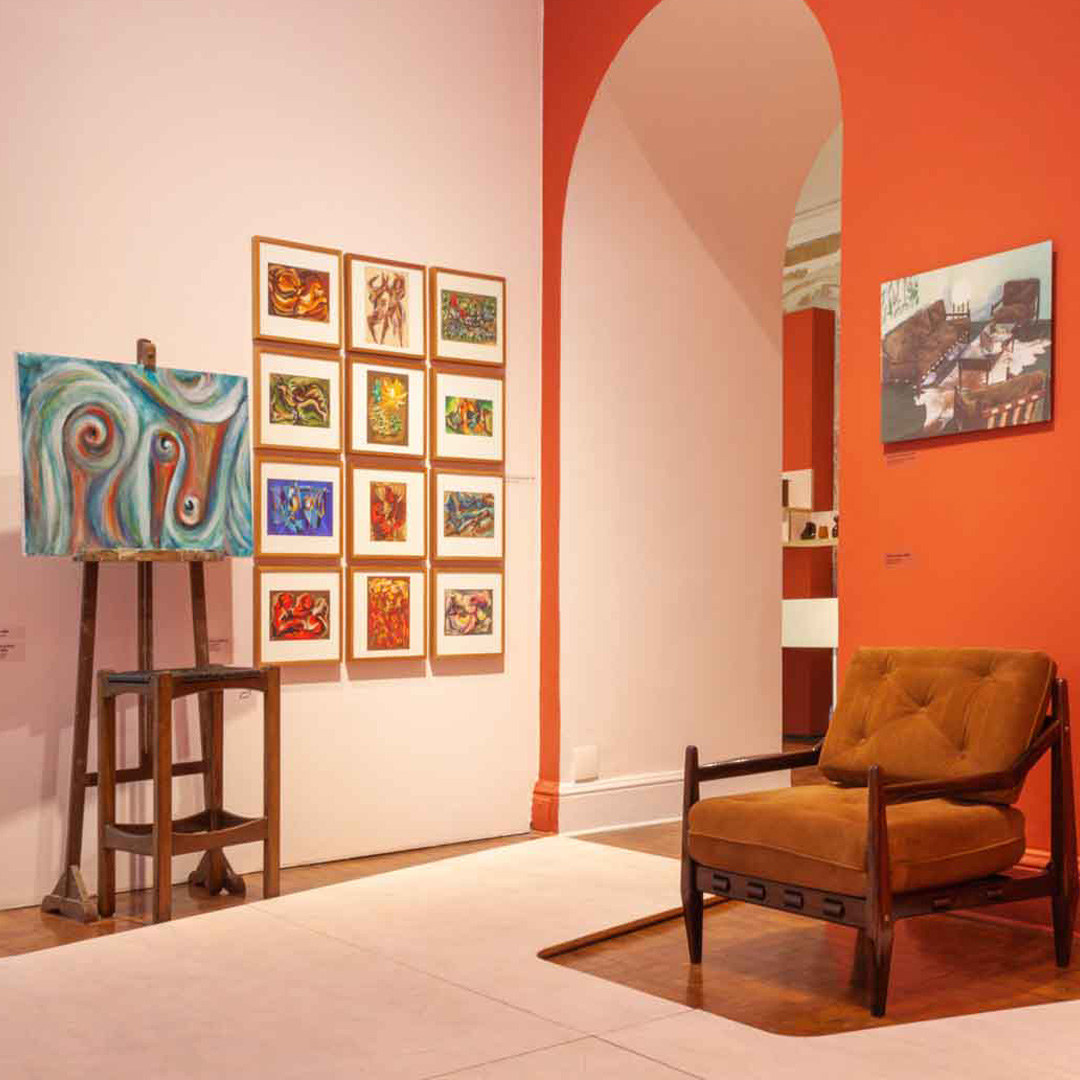
Jean Gillon: Artista-designer, presented in 2021 at the Museu da Casa Brasileira in São Paulo, offered a comprehensive reassessment of the work of Jean Gillon, positioning his multidisciplinary practice within the broader narrative of Brazilian modern design. Curated by gallerist and collector Graça Bueno in collaboration with the museum’s technical team, the exhibition brought together works spanning from the 1940s to 2005, tracing more than six decades of production across furniture, drawing, ceramics, tapestry, sculpture, and painting.
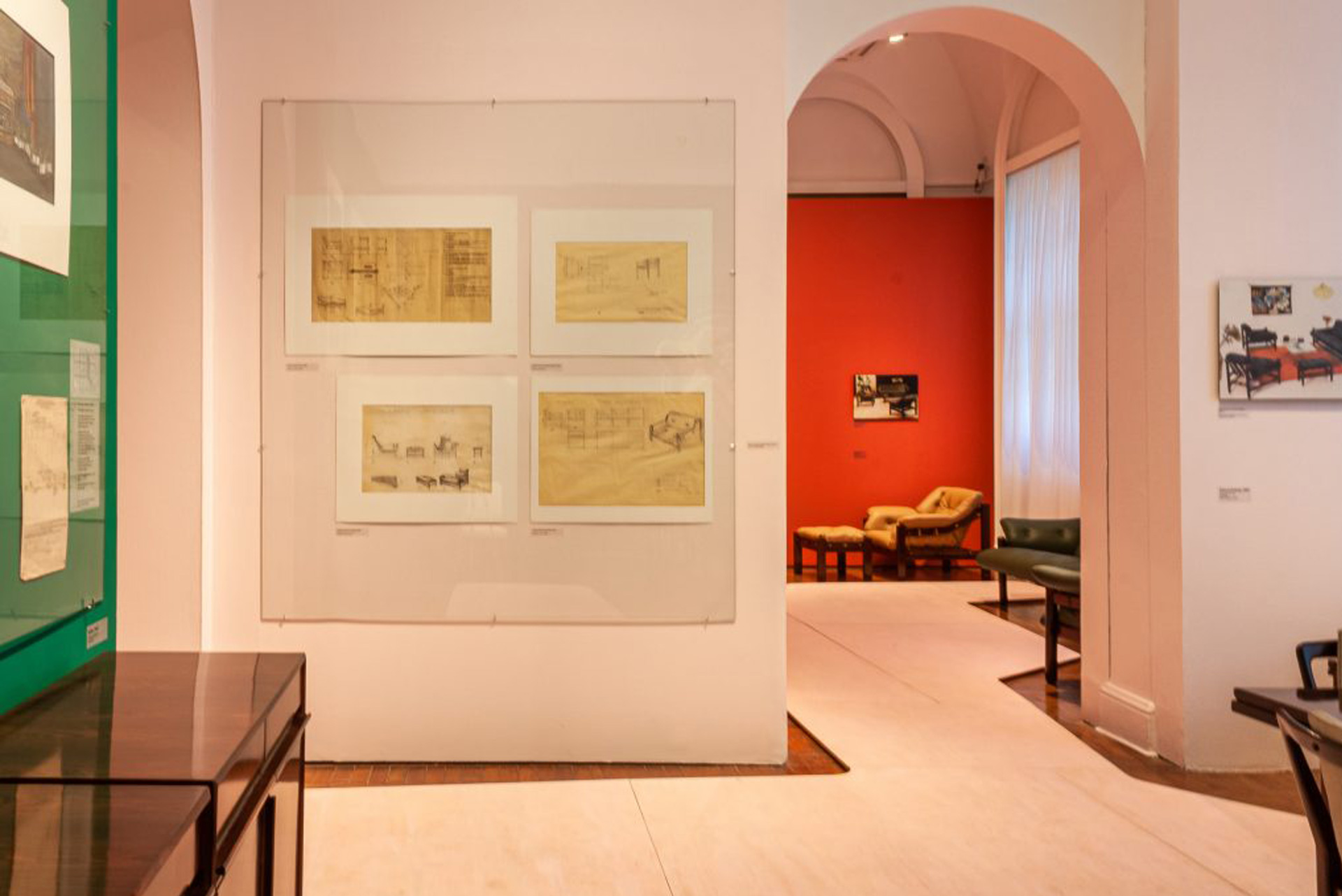
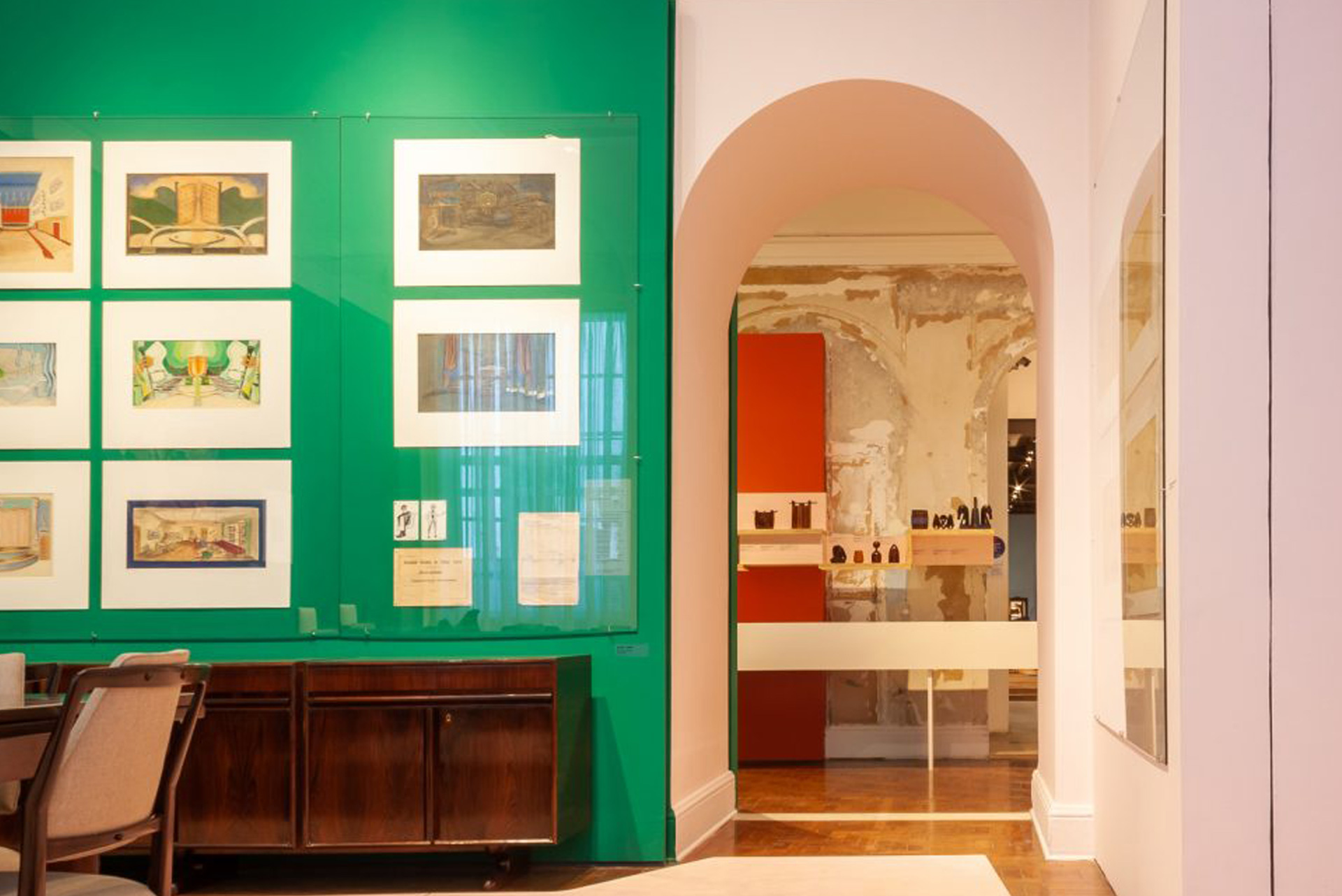
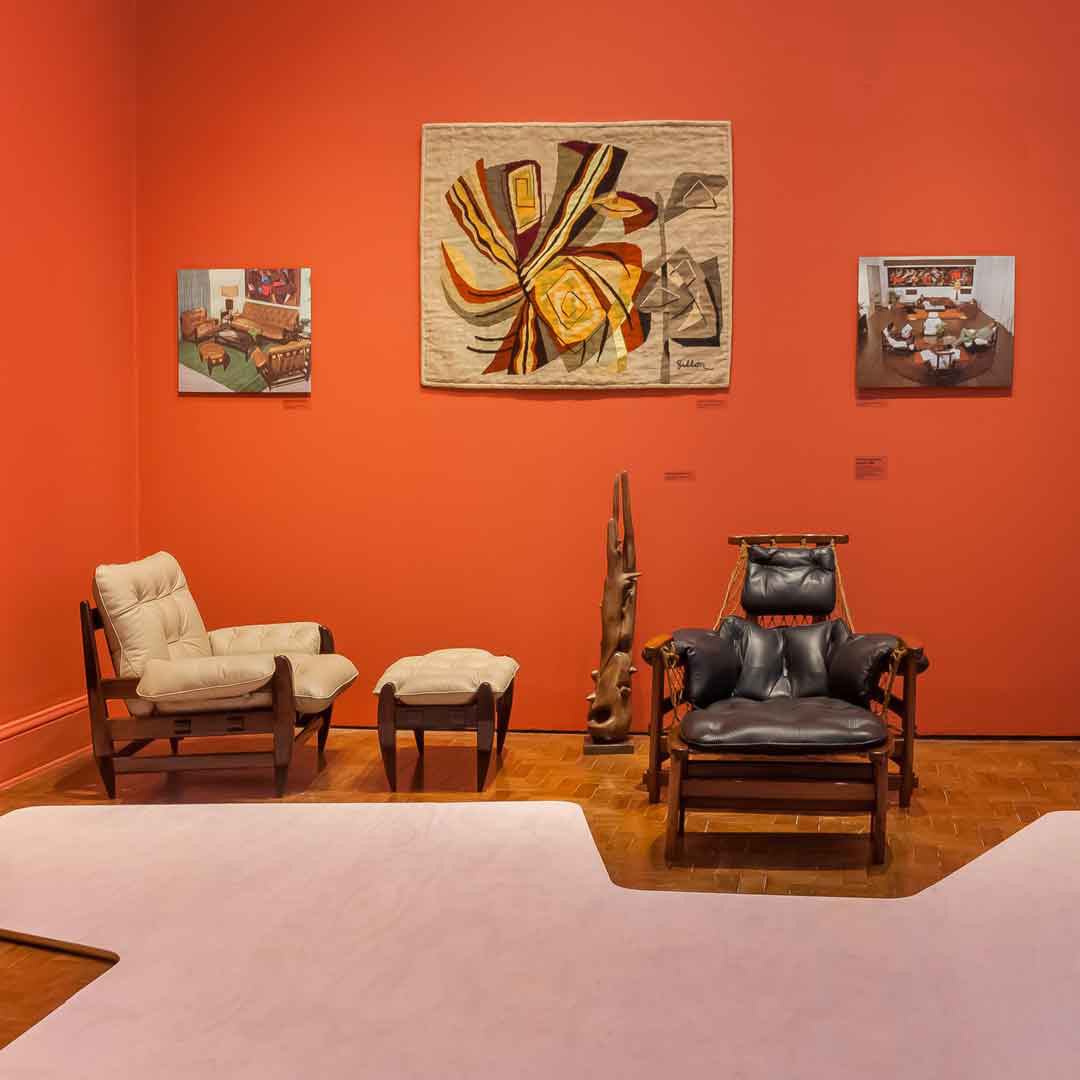
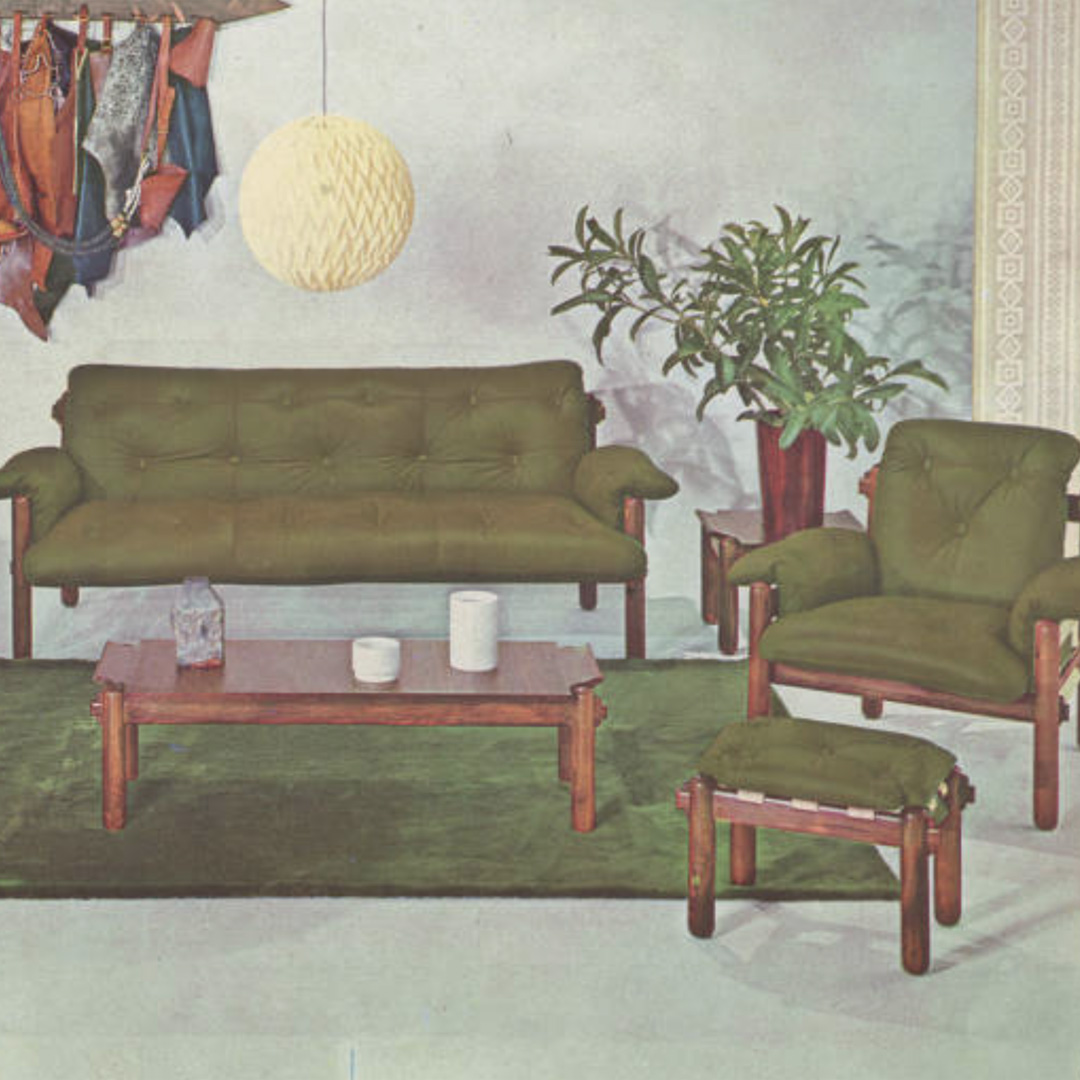
The exhibition assembled a significant group of original furniture pieces from the period of their conception, including iconic designs such as the Jangada, Tijuca, Rio, and Saci armchairs, alongside upholstered works produced for export and custom designs such as seating conceived for the Hotel Eldorado. These objects were presented in dialogue with archival material—photographs, studies, and documents—as well as a broader selection of works that revealed the continuity between Gillon’s artistic and design practices. Rather than isolating furniture as a functional category, the exhibition emphasized its integration within a wider creative field that encompassed interior design, scenography, and visual arts.
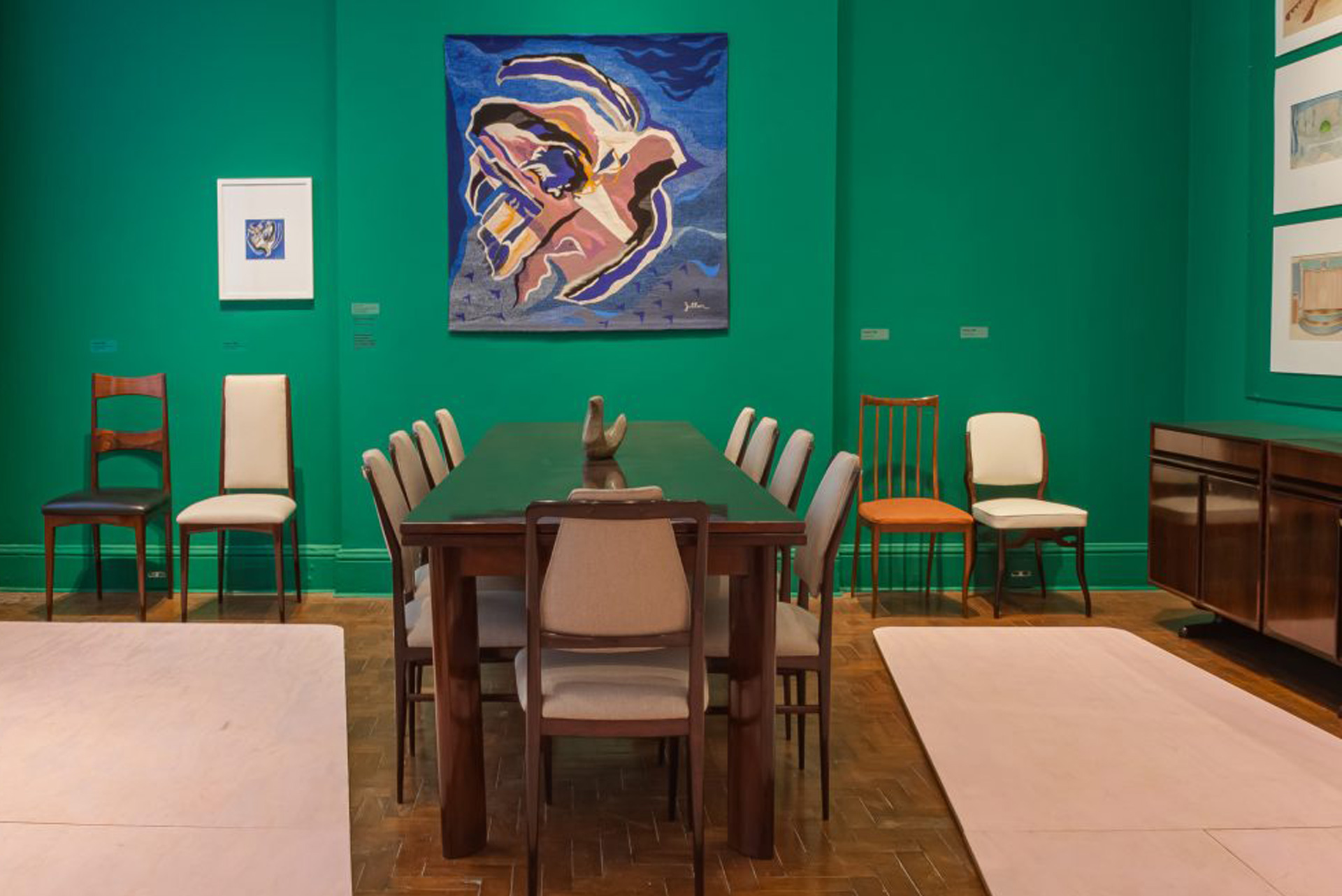
Particular attention was given to his explorations in tapestry, including a series of gouache studies produced between the 1960s and 1980s, as well as key furniture pieces such as dining ensembles in jacaranda wood that exemplify his command of structure and material. Through this expanded display, the exhibition articulated Gillon’s ability to operate simultaneously at multiple scales—from the object to the interior—while maintaining a consistent formal and conceptual language.
Within the context of the museum’s ongoing effort to construct a more inclusive historiography of design in Brazil, the exhibition proposed Gillon as a crucial yet historically underrepresented figure. His work, shaped by European training and transformed through his immersion in Brazilian culture, reflects a hybrid modernism grounded in both migration and material adaptation. As such, Jean Gillon: Artista-designer contributed to a broader re-evaluation of the narratives that define modern design in Brazil, foregrounding practices that have remained peripheral to canonical accounts.
Born in Romania in 1919 and trained in fine arts and architecture, Jean Gillon emigrated to Brazil in 1956, where he would develop a prolific and wide-ranging career. His arrival coincided with a period of economic and architectural expansion, particularly within the hospitality sector, where he worked on hotels, retail spaces, and private residences. This context provided the conditions for a practice that moved fluidly between architecture, interiors, and object design.
In 1961, Gillon established his own furniture production company, Cidam—later known as WoodArt—through which he developed and distributed his designs, while also collaborating with manufacturers such as Italma and Probel. This engagement with industry allowed him to expand his reach without abandoning a strong authorial identity. His furniture, often crafted in richly grained woods such as jacaranda, reveals a consistent interest in structural clarity combined with formal expressiveness.
Among his most celebrated works, the Jangada armchair occupies a central position. Designed in 1968 following travels along the Brazilian coast, the piece draws inspiration from traditional fishing rafts, translating their suspended construction into a seating system defined by tension and support. A wooden frame sustains a network of leather or cord elements, producing a structure that is at once light, flexible, and architecturally precise. This synthesis of local reference and modern design language exemplifies Gillon’s broader approach.
Beyond furniture, his work in tapestry further expanded his visual vocabulary. Characterized by vibrant color and figurative compositions referencing Brazilian fauna, flora, and cultural motifs, these works demonstrate his ability to translate spatial and structural concerns into two-dimensional form. Across media—whether wood, textile, or drawing—Gillon maintained a consistent engagement with rhythm, balance, and material presence.
By situating his work within both European modernist training and Brazilian cultural context, the exhibition underscored the fundamentally hybrid nature of his practice. Gillon’s production resists singular classification, instead revealing a designer who operated across disciplines and geographies, contributing to a more plural understanding of modernism in Brazil. His legacy endures not only in iconic pieces such as the Jangada armchair, but in the broader recognition of design as a field shaped by movement, exchange, and the continuous negotiation between art and function.