Side Gallery
Side Gallery
WishlistFollow





Follow
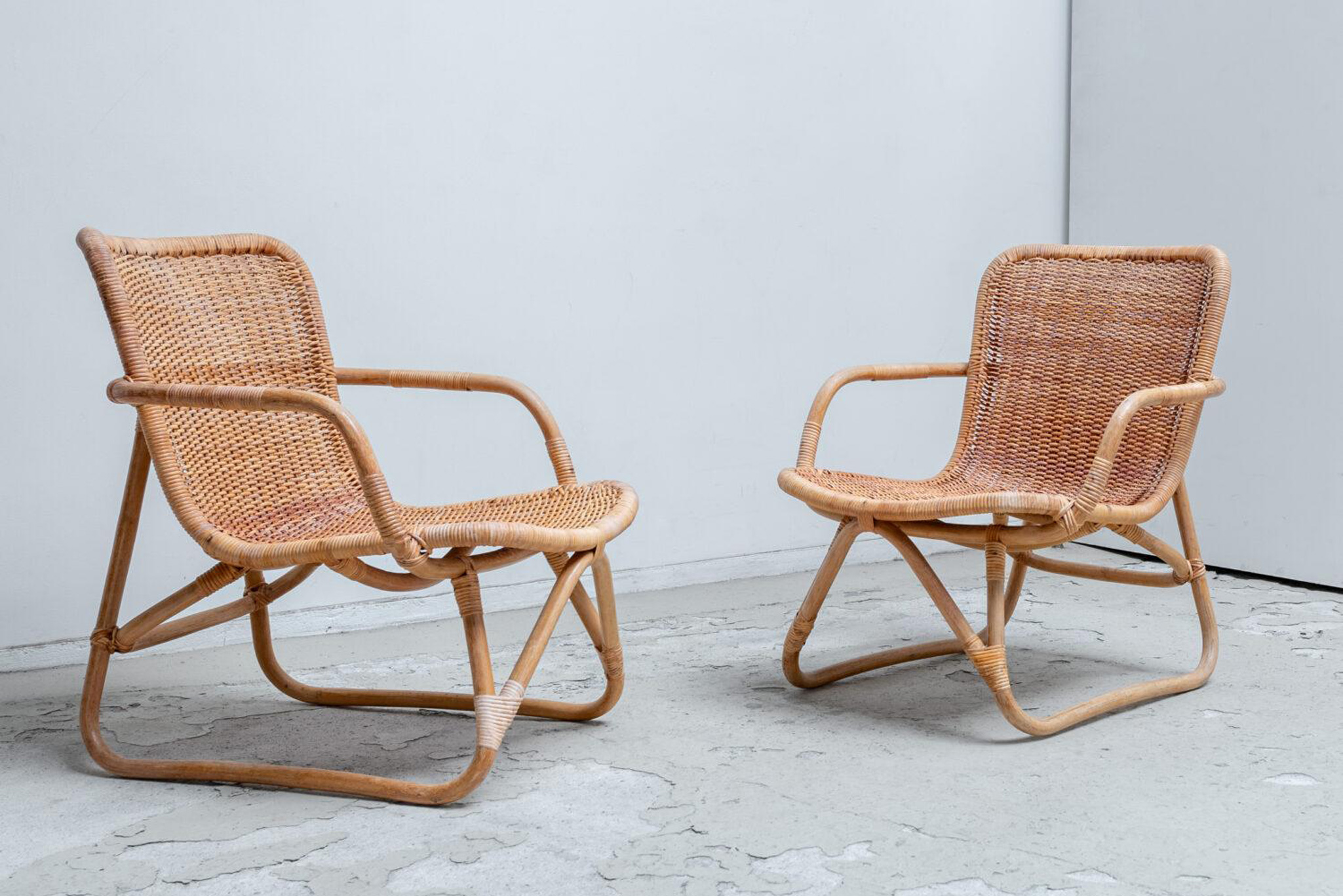
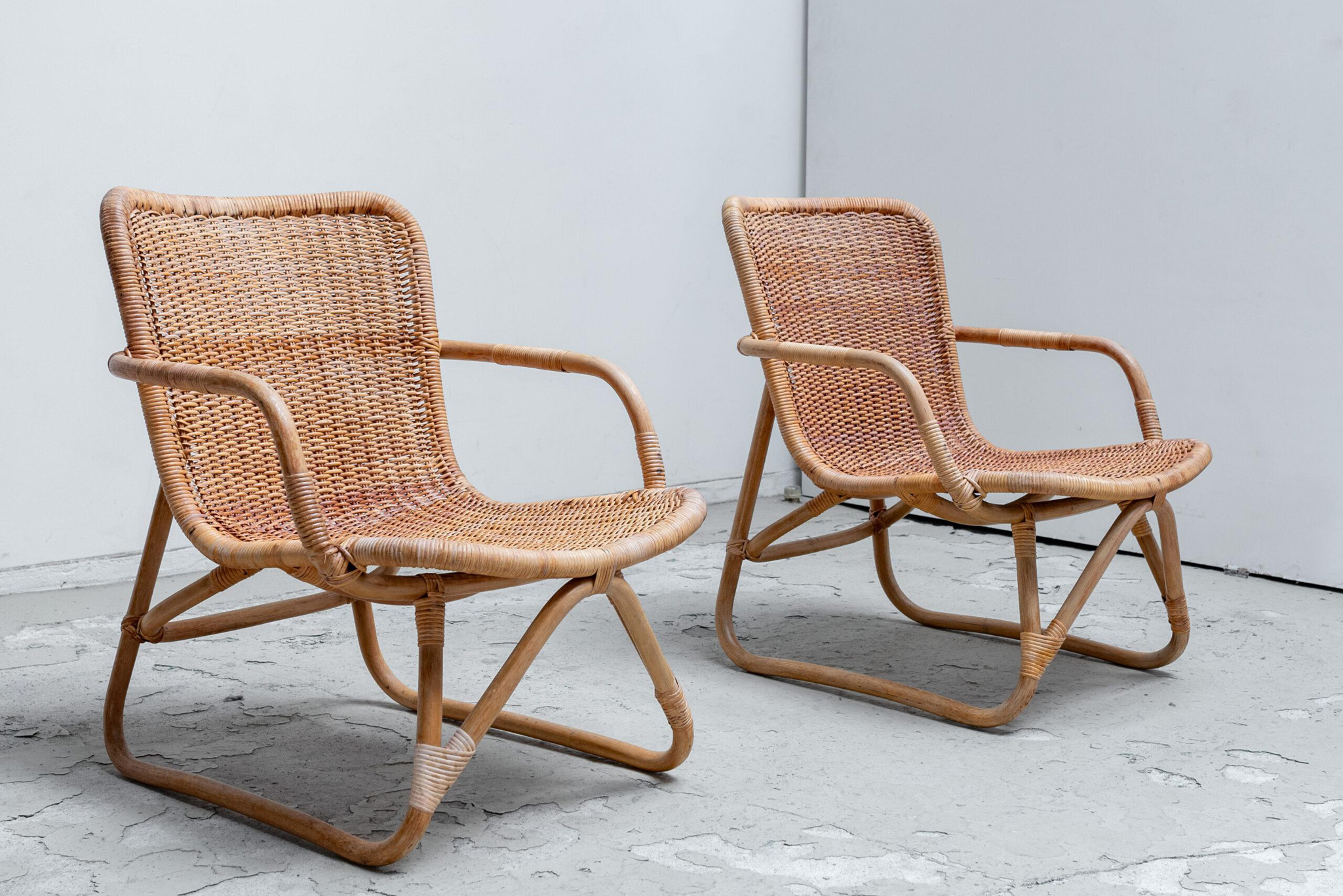
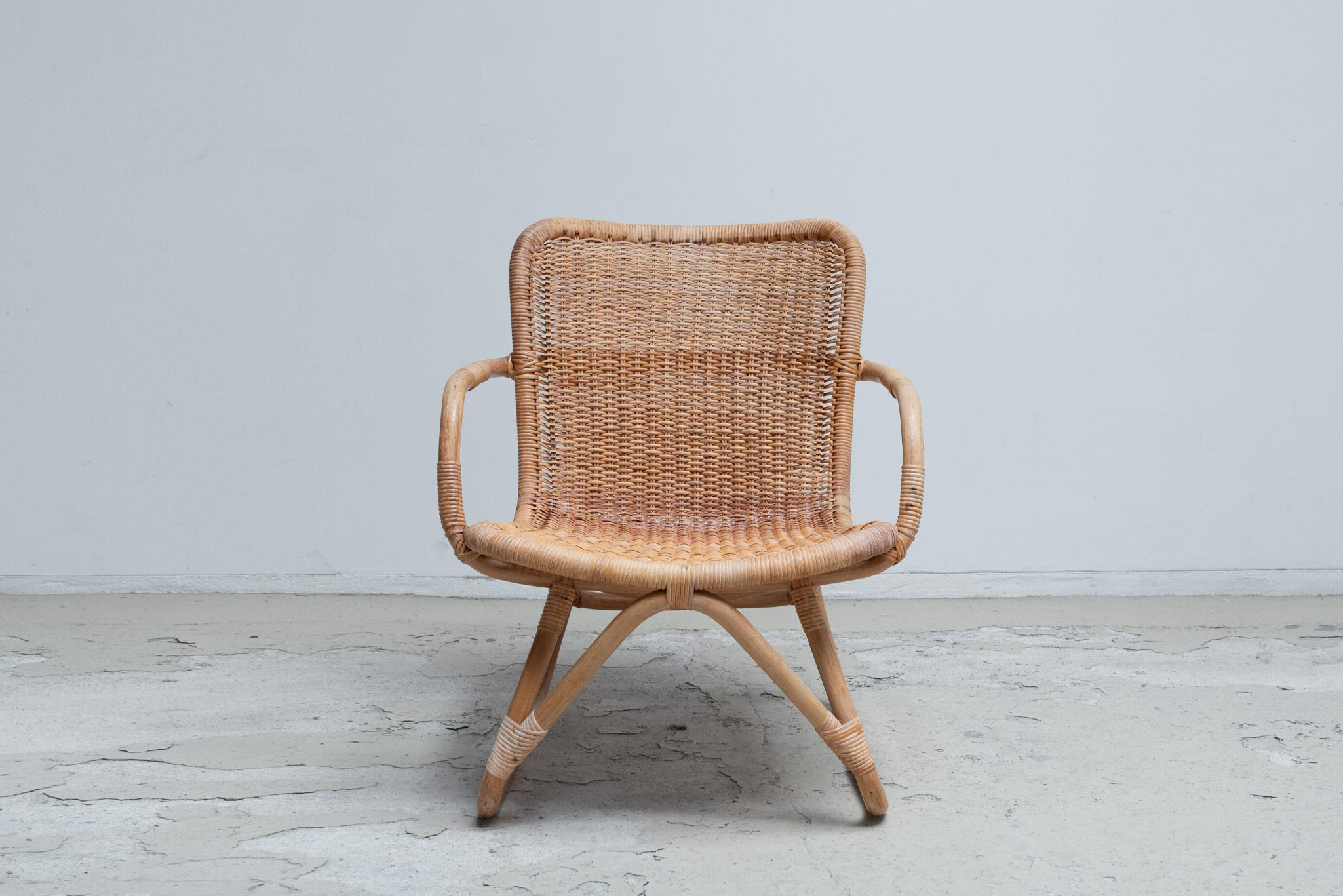




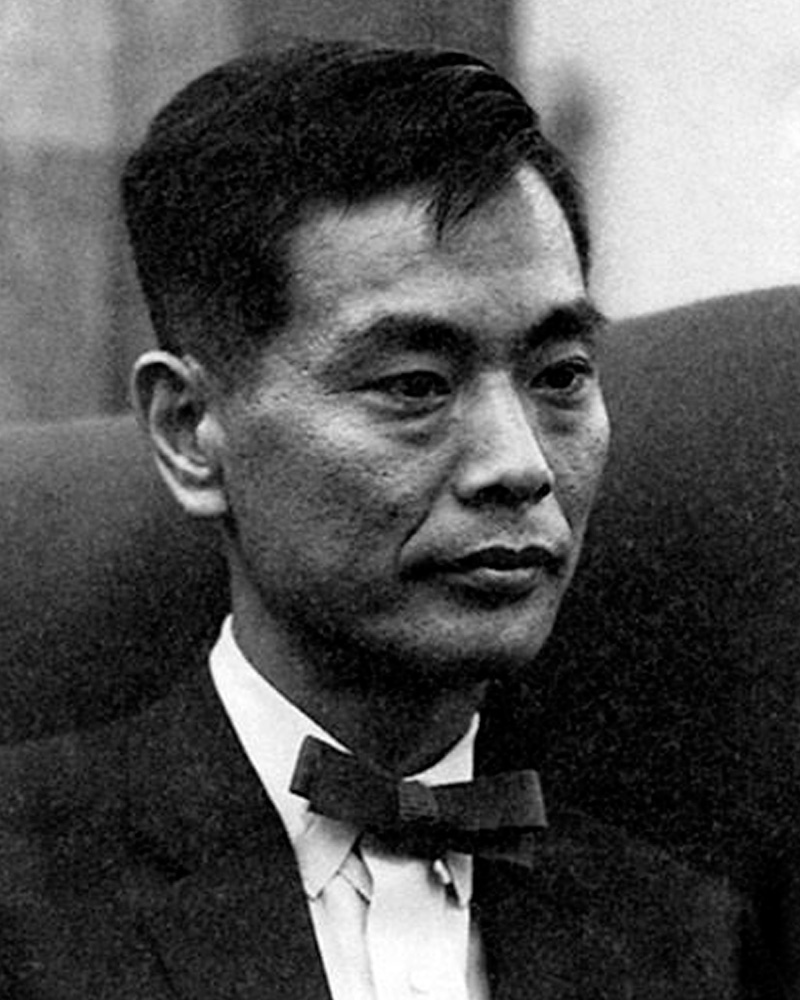
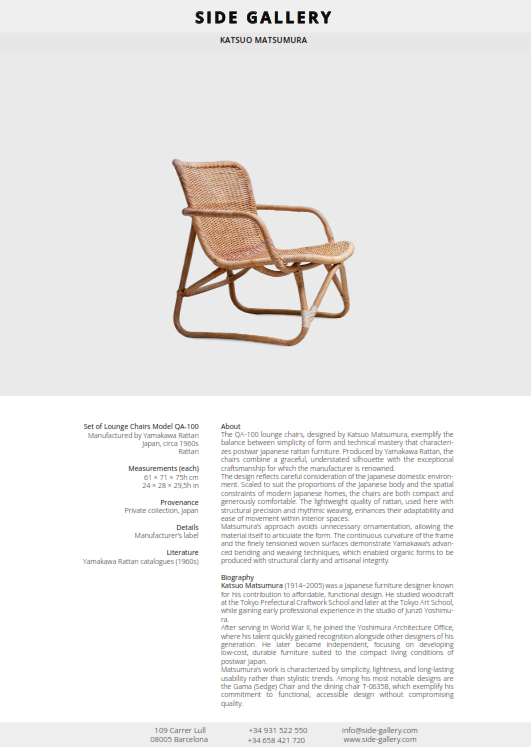
Matsumura Katsuo 松村 勝男 (1914-2005) is the third son of six children to a father who owned a publishing company. With a desire to create solid objects, Matsumura studied woodcraft at the Tokyo Prefectural Craftwork School in Suidobashi. After graduating, he attended the Industrial Art Training School which is a part of the Tokyo Art School. The headmaster and professors belong to both schools. While he was studying, he worked part-time at the office of Yoshimura Junzo.
He was hired in Hida Takayama, but the War broke out and he was sent out as a soldier. When he finished serving in the army, he met Yoshimura again during their evacuation. He then began to work for him. Shortly after, the Yoshimura Architecture Office was founded and Matsumura officially joined. His talent was readily accepted just like the talent of Choh Daisaku of Sakakura Junzo Architecture Office and Mizunoe Tadaomi of Maekawa Kunio Architecture Office. These three designers received a second prize Mainichi Industrial Design Award at the "Furniture Collection Exhibition".
If people were asked to vote on Matsumura's most famous piece, they would choose the Gama (Sedge) Chair. It is both durable and strong. However, I would vote for the dining chair T-0635B.
People thought of Matsumura as a passionate and strong man. However, he was very delicate, thoughtful and fair in his criticisms.
Matsumura met many architects and designers of his generation through Watanabe Akebono, the famous editor-in-chief of the maga- zine "Modern Living (Fujin Gahosha)" which was first published in 1951. Matsumura worked especially with Masuzawa Jun to design fur- niture. One of their famous works is the Shinjuku Fugetsudo of Tokyo, a Mecca of modern design where many young people gather. The design of the cafe, Shinjuku Fugetsudo, was very simple and functional. Chairs lined up along a concrete wall. Although Matsumura was an employee of the Yoshimura Architecture Office, these works were done independently. Later he decided to leave the office.
In 1959, Watanabe Riki asked him to be a co-founder of Q- Designers. However, Matsumura was never able to get used to the idea of a design team. He became independent the following year. Having gone through many trials and activities, he finally found his own destiny: the perfecting the design of low cost furniture. Matsumura himself always said that the limited living space in Japan requires that all design be small in size and lightweight. It is a design- er's dream for his product to be loved for a long time, to finally let the design leave his hands and become mass-produced for the public.
His furniture is not influenced by fads; the public can enjoy a prod- uct for a long time. Low cost furniture doesn't have to look cheap. To satisfy these conditions, the dining chair T-0635B was born.
Matsumura wrote a series of articles called "A Story About Becoming a Designer" in the issues of "Furniture Industry Publication" from January to June of 1984. Although it was only a six month-long series, the story was magnificent for describing the life of Matsumura as a designer for at that period in time.
At the beginning of his story, Matsumura describes his first impression of the exhibition "Tradition, Selection, Creation". It show- cased the work of Charlotte Perriand, a furniture and interior design- er. Perriand was a partner of the French architect, Le Corbusier. Perriand's invitation to Japan was very coincidental. Sakakura Junzo was an admirer of the logic of Le Corbusier's architecture. With a rec- ommendation from Maekawa Kunio, Sakakura joined Le Corbusier's office in 1931. After his return to Japan, the Trade Department of the Ministry of Business and Industry asked him to recommend a foreign designer who could come to Japan to train designers. Without a moment's hesitation, Sakakura recommended Perriand.
I heard that Perriand was a small and charming lady and yet she was hardworking and decisive. One year before World War II broke out, Perriand left the port of Marseilles by ship. It took her two months to get to Kobe, Japan. It only took her seven months to visit every region of Japan for her work. Once the war had started, all ships returning to France were stopped. She was forced to take a flight to Indochina to catch a withdrawal ship and finally return to Paris. Her courage and passion has had a great influence on Japanese designers.
When Matsumura was 40 years old he started to work with manu- facturers more often than architects. He made designs for mass pro- duction and developed the use of the Japanese Larch. The seed that Perriand sowed in the heart of the 18 year old Matsumura has surely borne much fruit.
ENQUIRE ABOUT THE DESIGNER