Side Gallery
Side Gallery
WishlistFollow





Follow
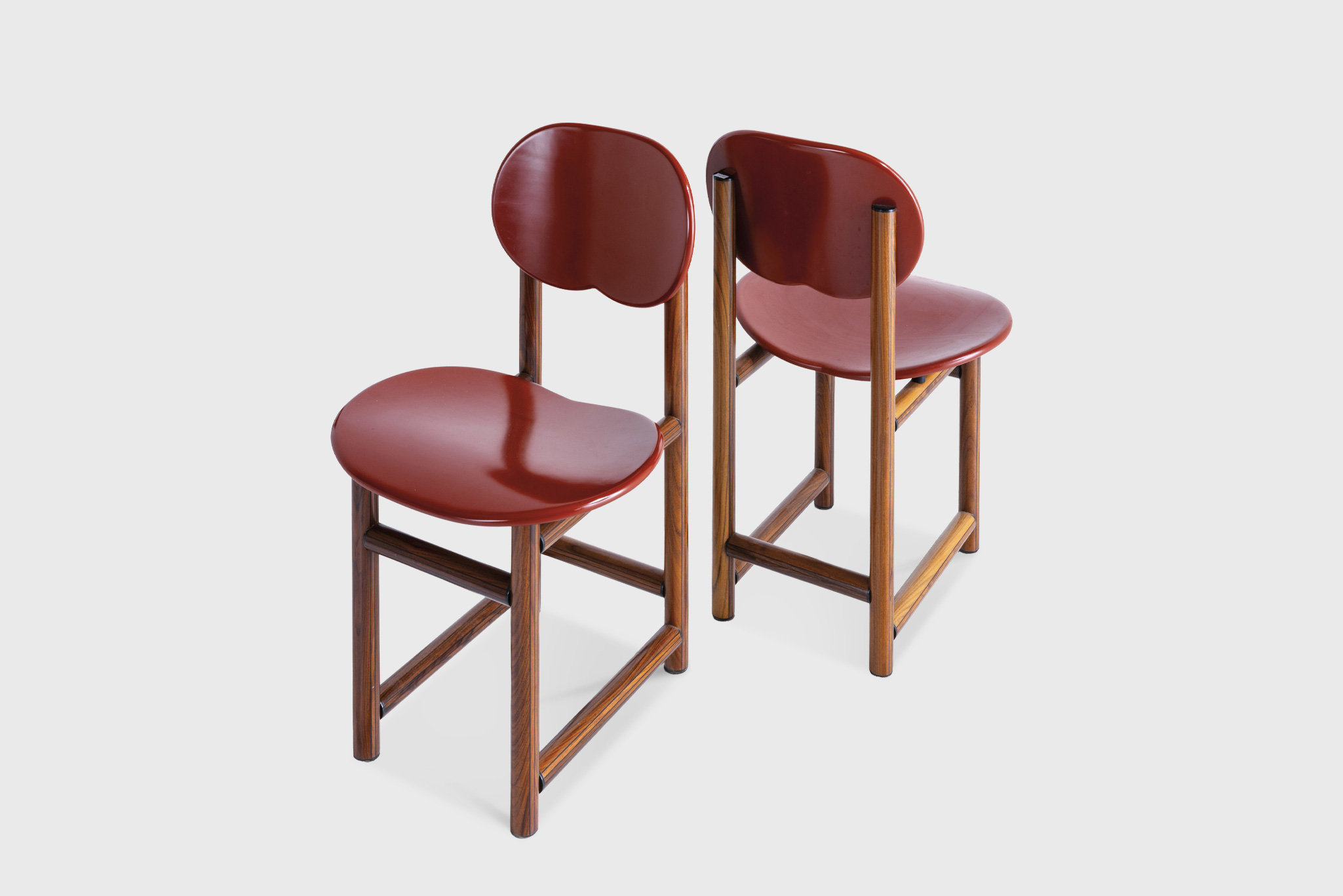
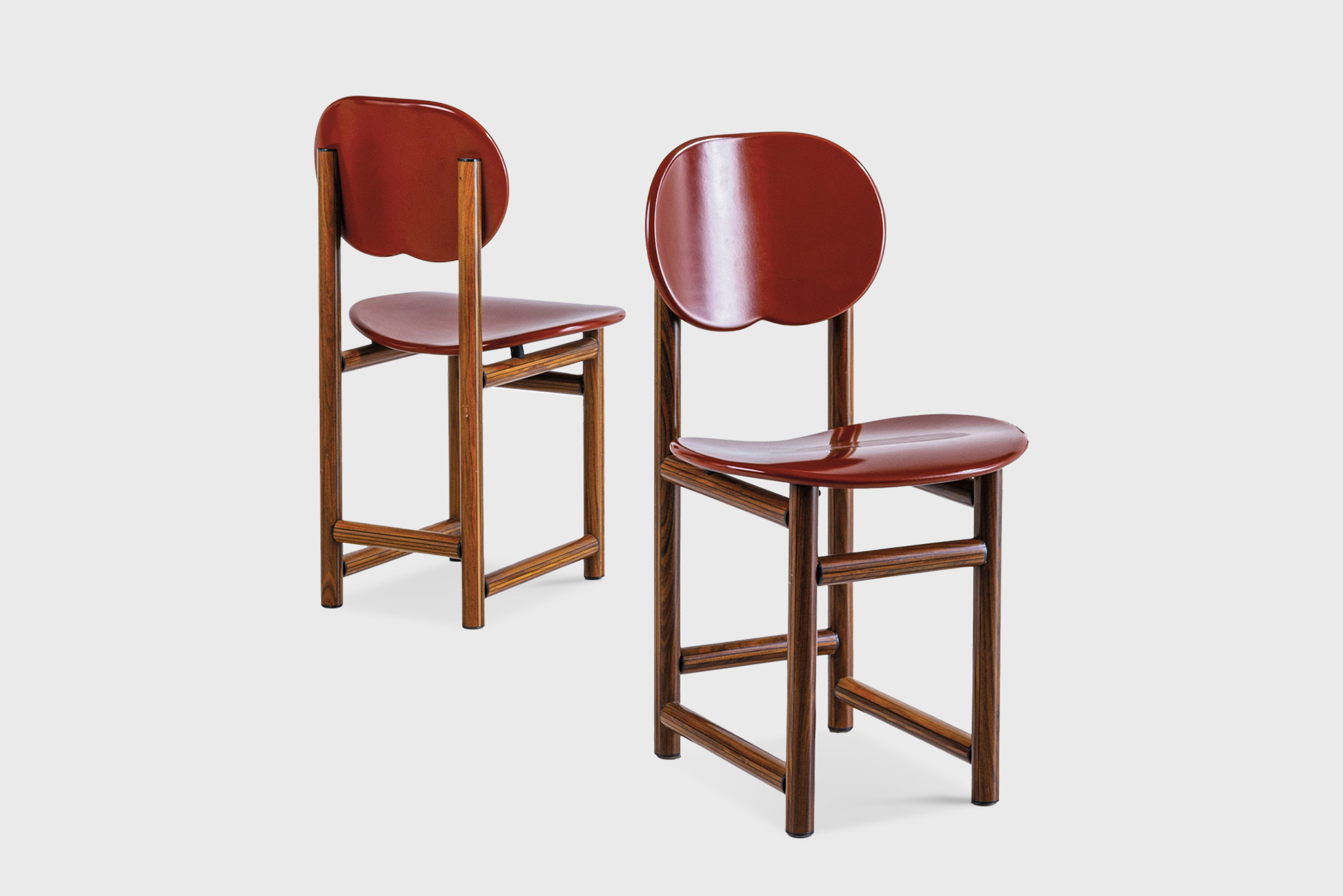





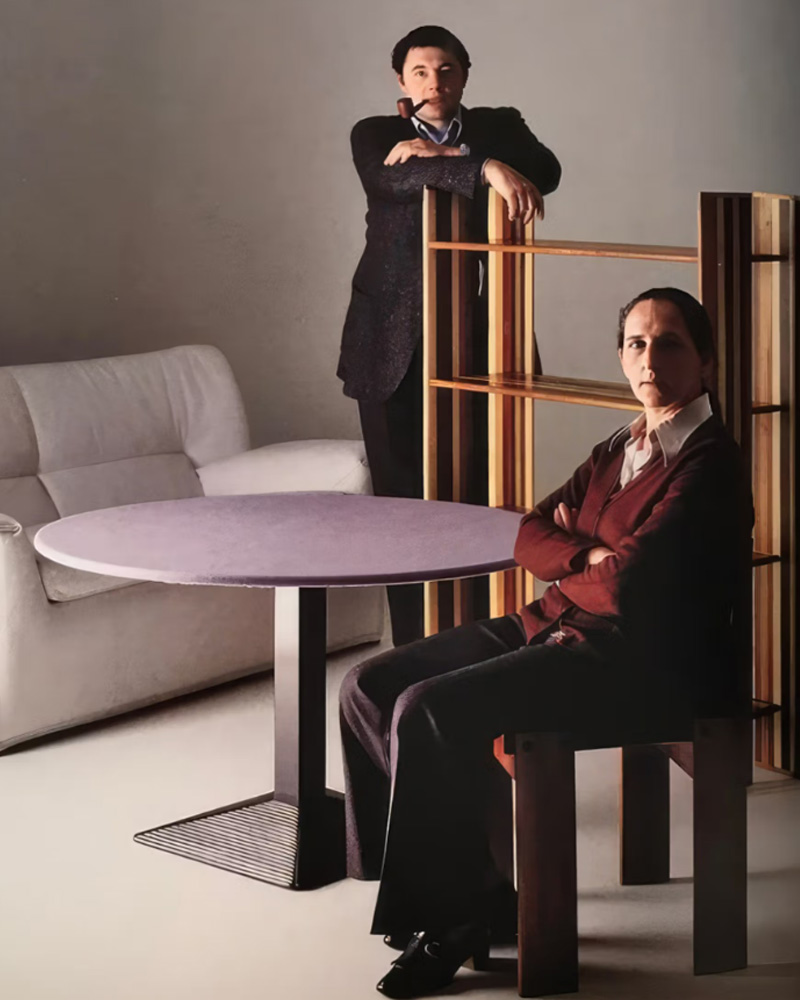
Afra Bianchin (1937–2011) and Tobia Scarpa (b. 1935), key figures in 20th-century Italian design and architecture, developed a joint career distinguished by formal elegance, material innovation, and a deep connection to artisanal tradition. Their work ranged from furniture design to industrial architecture, solidifying their reputation as pioneers of timeless and functional design.
Both studied at the Università Iuav di Venezia, graduating in 1969, though their collaboration began much earlier. In 1959, they designed the Pigreco chair during a decorating course led by Franco Albini. This early project set the tone for a career dedicated to quality craftsmanship and enduring design.
From the outset, the Scarpas stood apart by rejecting passing trends in favor of well-crafted, lasting products. In 1960, they played a role in establishing Flos, a company they maintained a long-term relationship with, designing iconic lamps such as Fantasma, Biagio, Papillona, and Pierrot. Their lighting designs combined material experimentation with minimalist aesthetics, redefining the use of light in interior spaces.
During the 1960s and 1970s, they solidified their influence by collaborating with prestigious brands like B&B Italia, Cassina, Fabbian, Gavina, Stildomus, and Veas. Among their most celebrated works is the Coronado armchair (1966), a revolutionary piece that pioneered the use of expanded polyurethane, improving comfort and ergonomics without compromising refined aesthetics.
In 1970, their contributions were recognized with the esteemed Compasso d’Oro award, one of the highest honors in industrial design. Simultaneously, they established a significant partnership with Benetton, designing several industrial and commercial spaces, including the knitwear factory in Paderno (1964), production plants in Castrette di Villorba (1980 and 1993), the restoration and conversion of Villa Spineda in Venegazzù (1999), and various retail stores. Their commercial designs extended beyond Benetton, as they also created store concepts for C&B, Geox, and Unifor.
Beyond industrial and commercial design, the Scarpas played a crucial role in restoration projects across the Veneto region. Their architectural interventions carefully balanced innovation with traditional construction techniques, seamlessly blending historical preservation with contemporary solutions.
Afra and Tobia Scarpa’s legacy lives on through their commitment to timeless design—where elegance, functionality, and material research continue to inspire new generations of architects and designers.
ENQUIRE ABOUT THE DESIGNER

