Side Gallery
Side Gallery
WishlistFollow





Follow
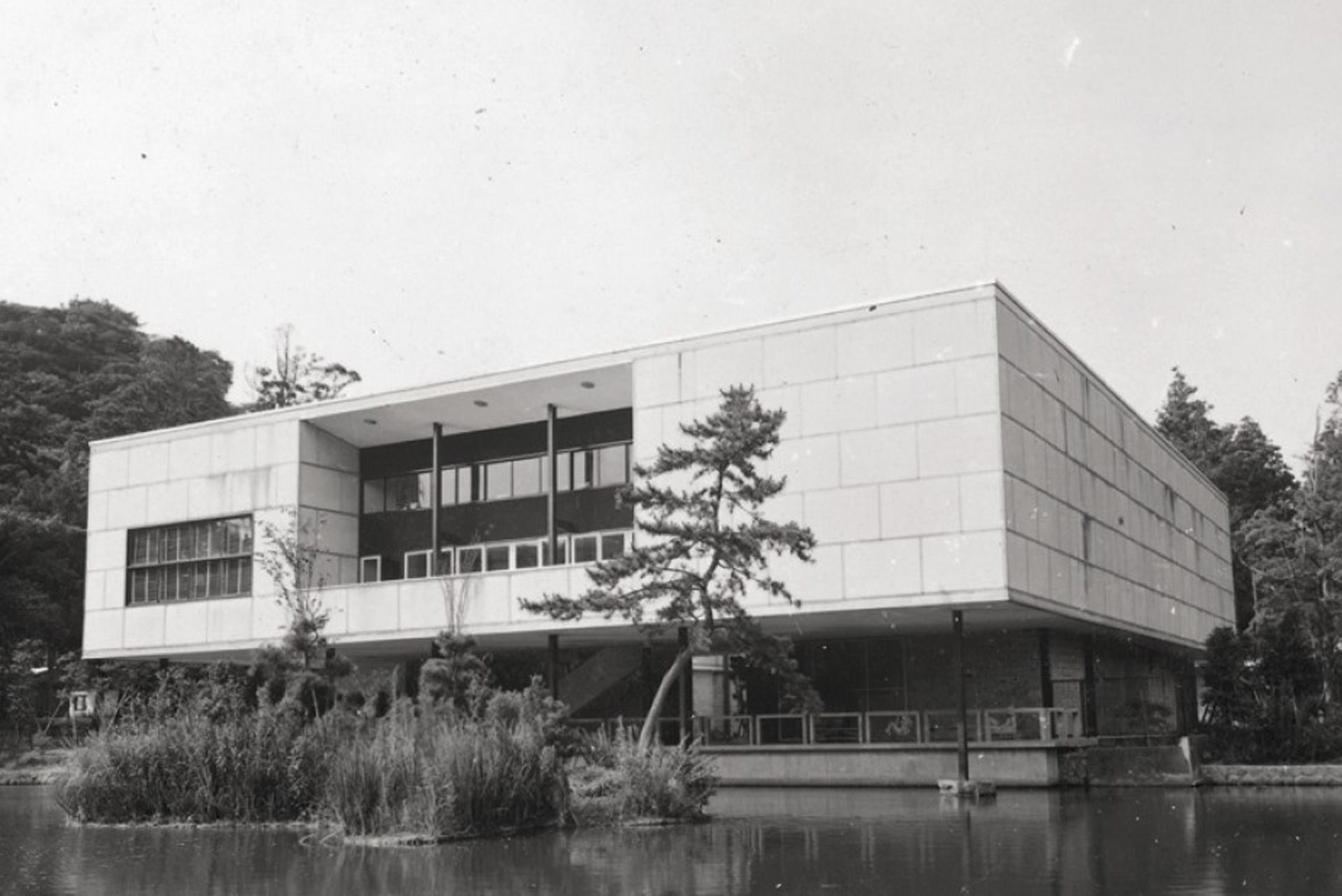
JUNZO SAKAKURA: A RETROSPECTIVE
KANAGAWA PREFECTURAL MUSEUM OF MODERN ART, KAMAKURA, JAPAN
1 JULY – 30 AUGUST 2009
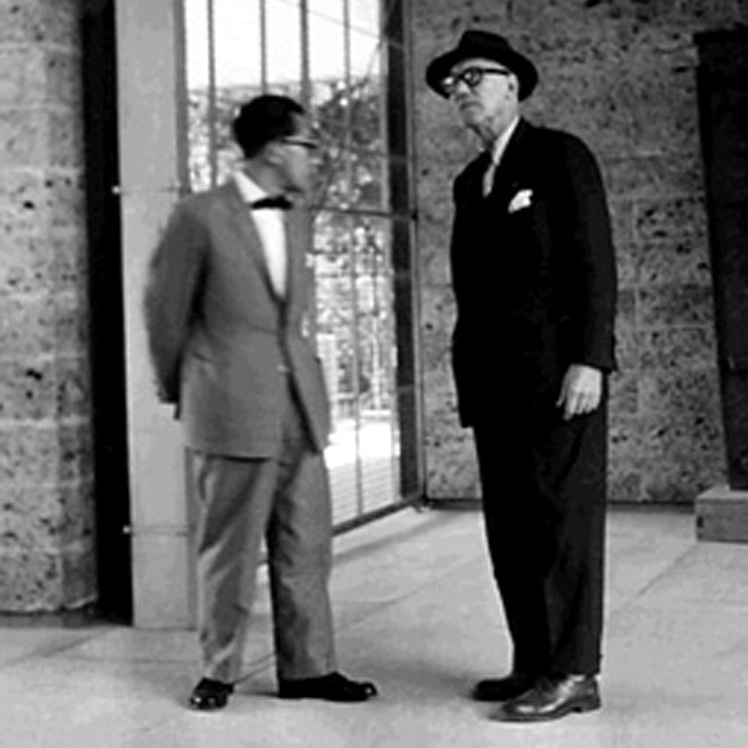
The exhibition Junzo Sakakura: A Retrospective, held at the Kanagawa Prefectural Museum of Modern Art in Kamakura in 2009, offered a comprehensive overview of Sakakura’s lifelong contribution to modern architecture in Japan. As a direct disciple of Le Corbusier, Sakakura combined the principles of modernism with a uniquely Japanese sensibility, shaping public buildings, cultural institutions, and urban developments throughout the 20th century. The exhibition traced his career from his early works at the Paris International Exposition of 1937 to postwar reconstruction projects and large-scale urban planning initiatives in Osaka, Shibuya, and Shinjuku.
Featuring approximately 200 drawings, photographs, models, and archival materials, the show highlighted Sakakura’s mastery of spatial composition, structural clarity, and his innovative use of ramps, skip floors, and open interiors. Visitors could explore his visionary approach to civic architecture, experiencing firsthand the balance between functional design, human scale, and aesthetic expression that defined his practice.
The exhibition also included original models of landmark projects such as the Takashimaya Wakayama Store (1948), the Osaka Namba New Building (1950), and the Shinjuku West Exit redevelopment (1966), illustrating Sakakura’s enduring impact on urban life in postwar Japan.
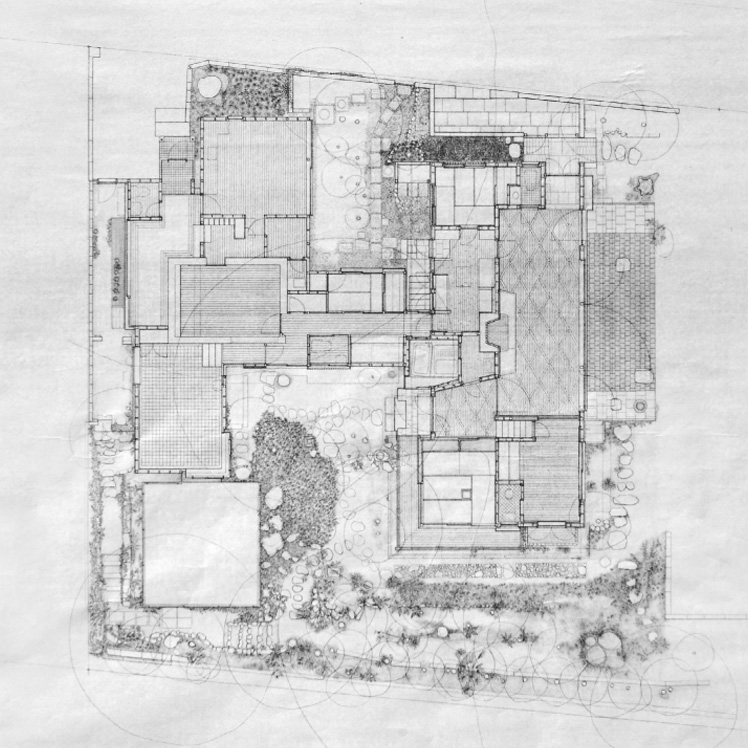
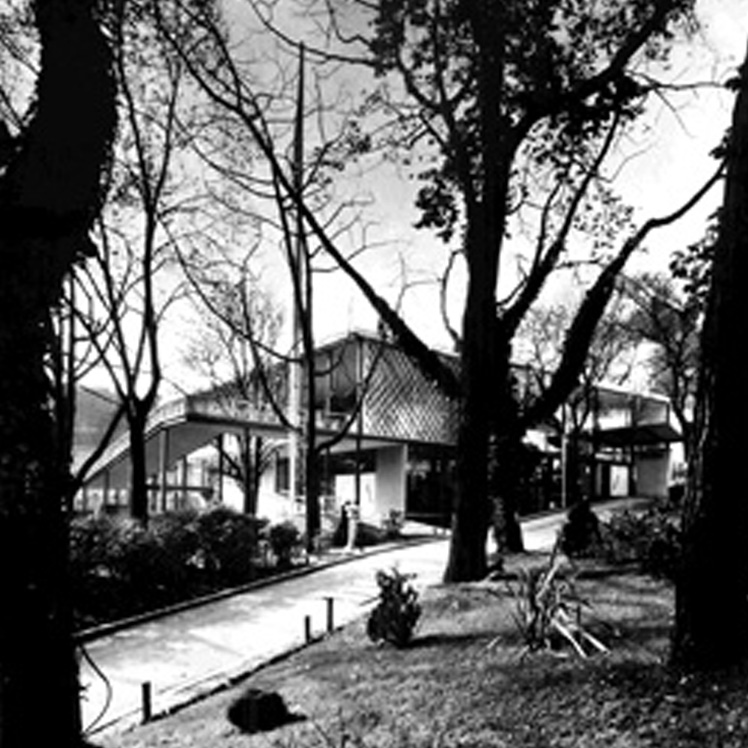
A central feature of the exhibition was the reconstruction of Sakakura’s Takashimaya Wakayama Store, originally completed in 1948. This two-story wooden structure incorporated a butterfly-shaped roof, open interior walls, and a sequence of ramps connecting multiple skip floors, creating a dynamic promenade for visitors. The store exemplified Sakakura’s ability to blend functional commercial architecture with experiential spatial design, offering both practical circulation and aesthetic delight.
Other projects displayed included the Osaka Namba New Building (1950), where a broad new floor plan and grand staircases created a lively shopping environment, and the Shinjuku West Exit Plaza (1966), featuring sunlit underground concourses and integrated fountains. Visitors could also explore models, drawings, and archival materials documenting Sakakura’s collaborations with Le Corbusier, his experimental wartime constructions, and civic commissions throughout Japan.
Ultimately, the exhibition underscored Sakakura’s legacy as a modernist architect who combined rigorous technical precision with a humanistic approach, influencing generations of architects and shaping the experience of public space in postwar Japan.