Side Gallery
Side Gallery
WishlistFollow





Follow
JAPAN IN ARCHITECTURE: GENEALOGIES OF ITS TRANSFORMATION
MORI ART MUSEUM, TOKYO
25 APRIL – 17 SEPTEMBER 2018
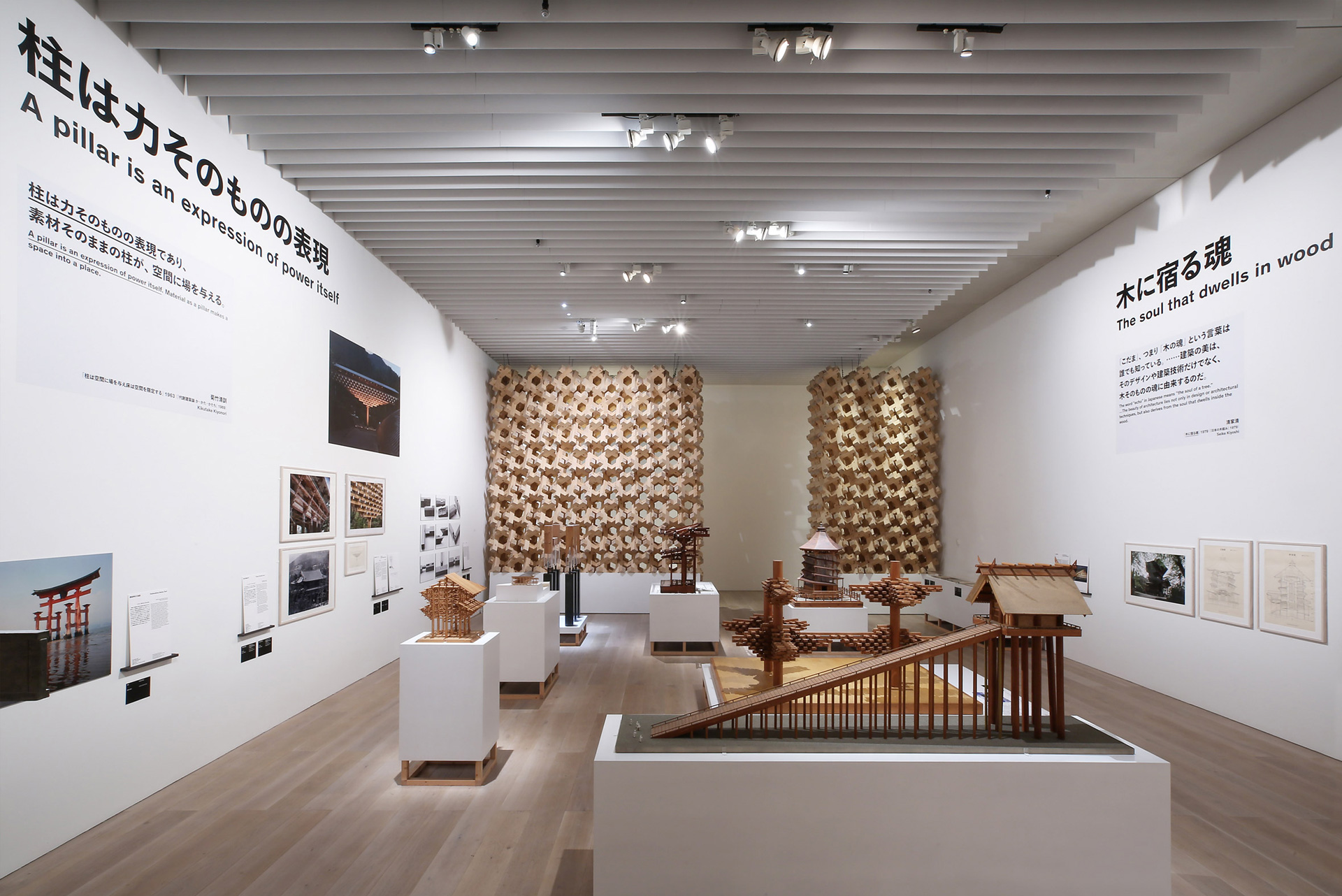
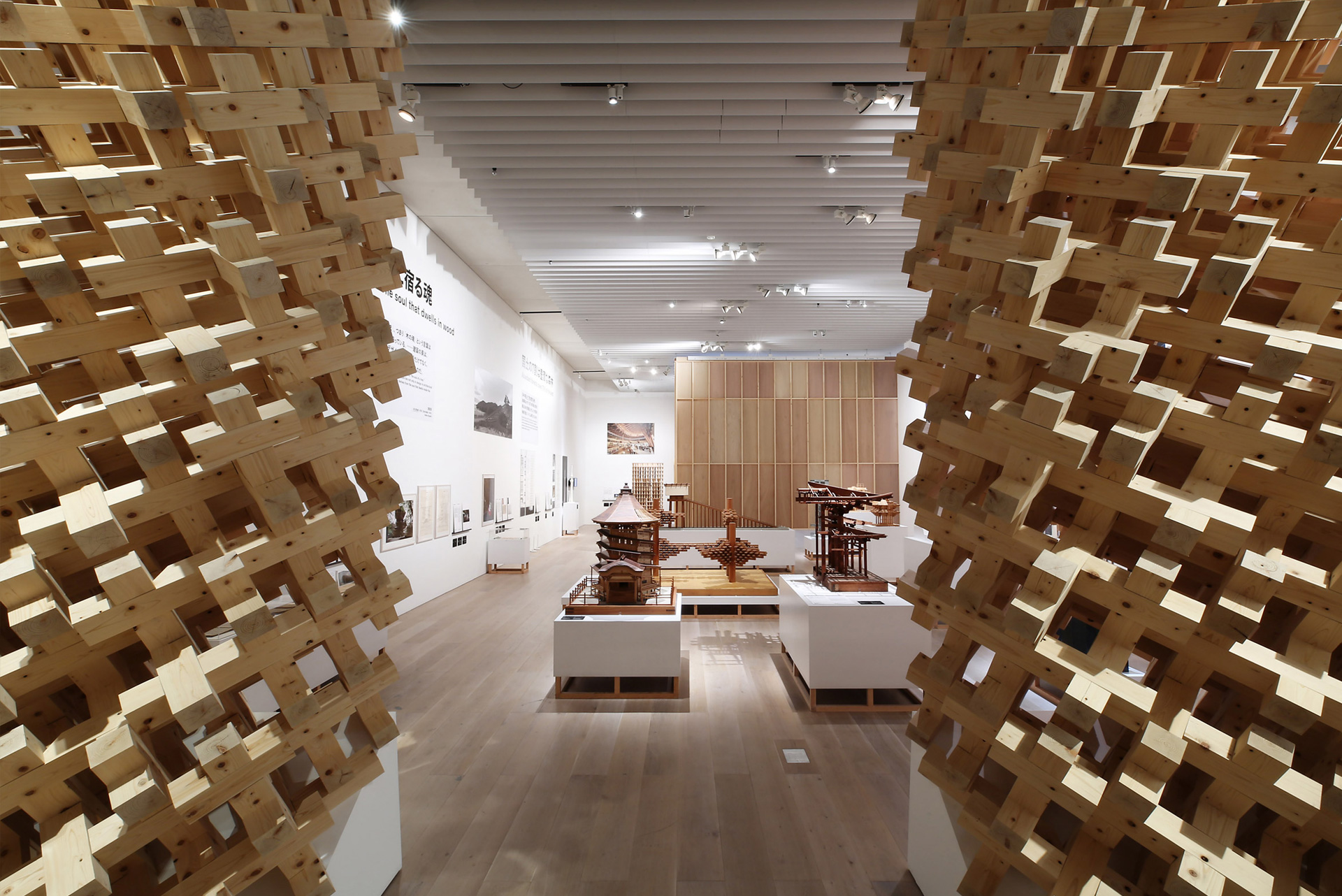
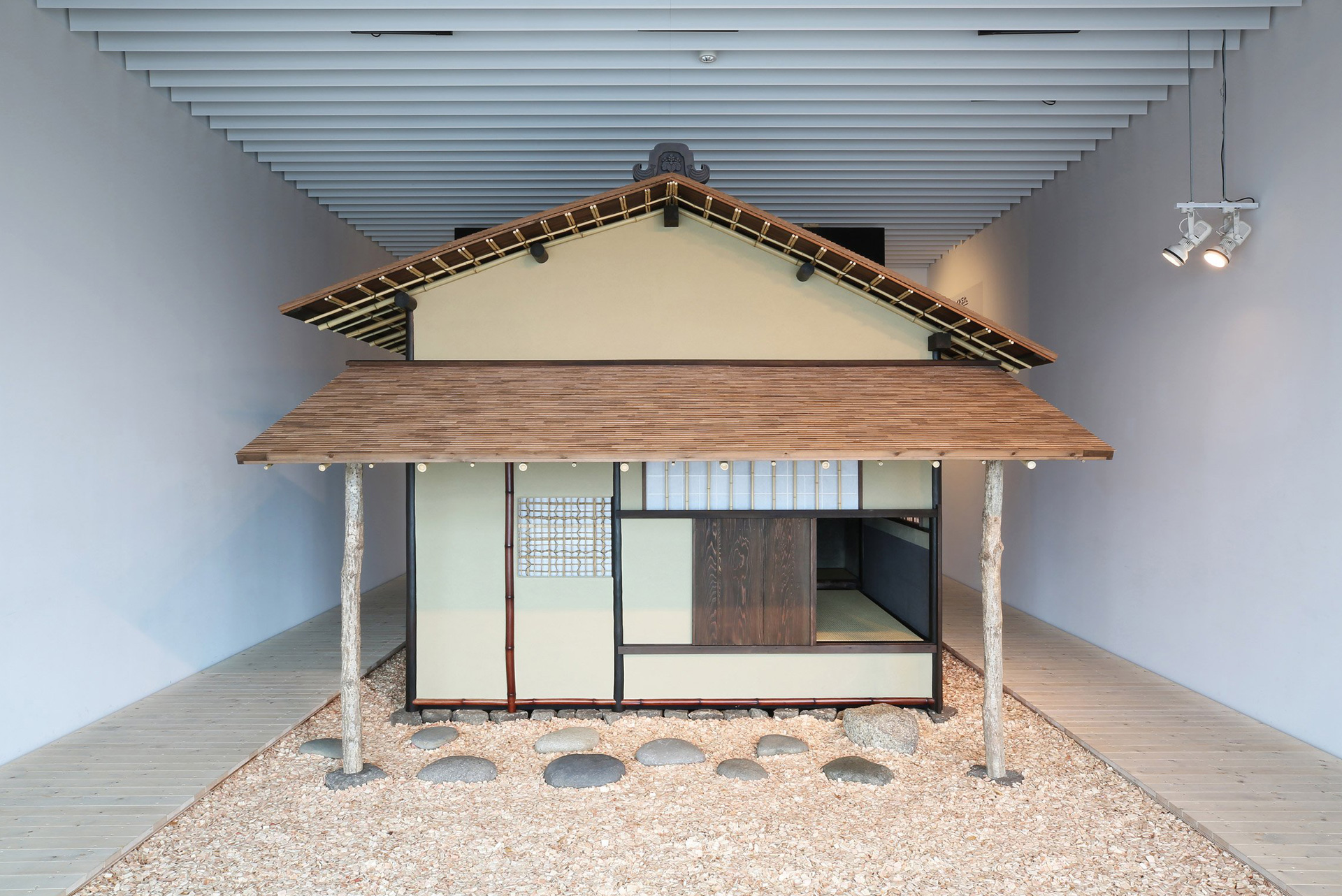
The exhibition Japan in Architecture: Genealogies of its Transformation, held at the Mori Art Museum in Tokyo in 2018, offered an expansive exploration of how Japanese architecture has developed through its long and dynamic relationship with tradition. Bringing together over 400 exhibits and 100 architectural projects, the show illuminated the enduring influence of wooden structures, modular spatial logic, and the fluid boundaries between interior and exterior that characterize Japanese design across centuries.
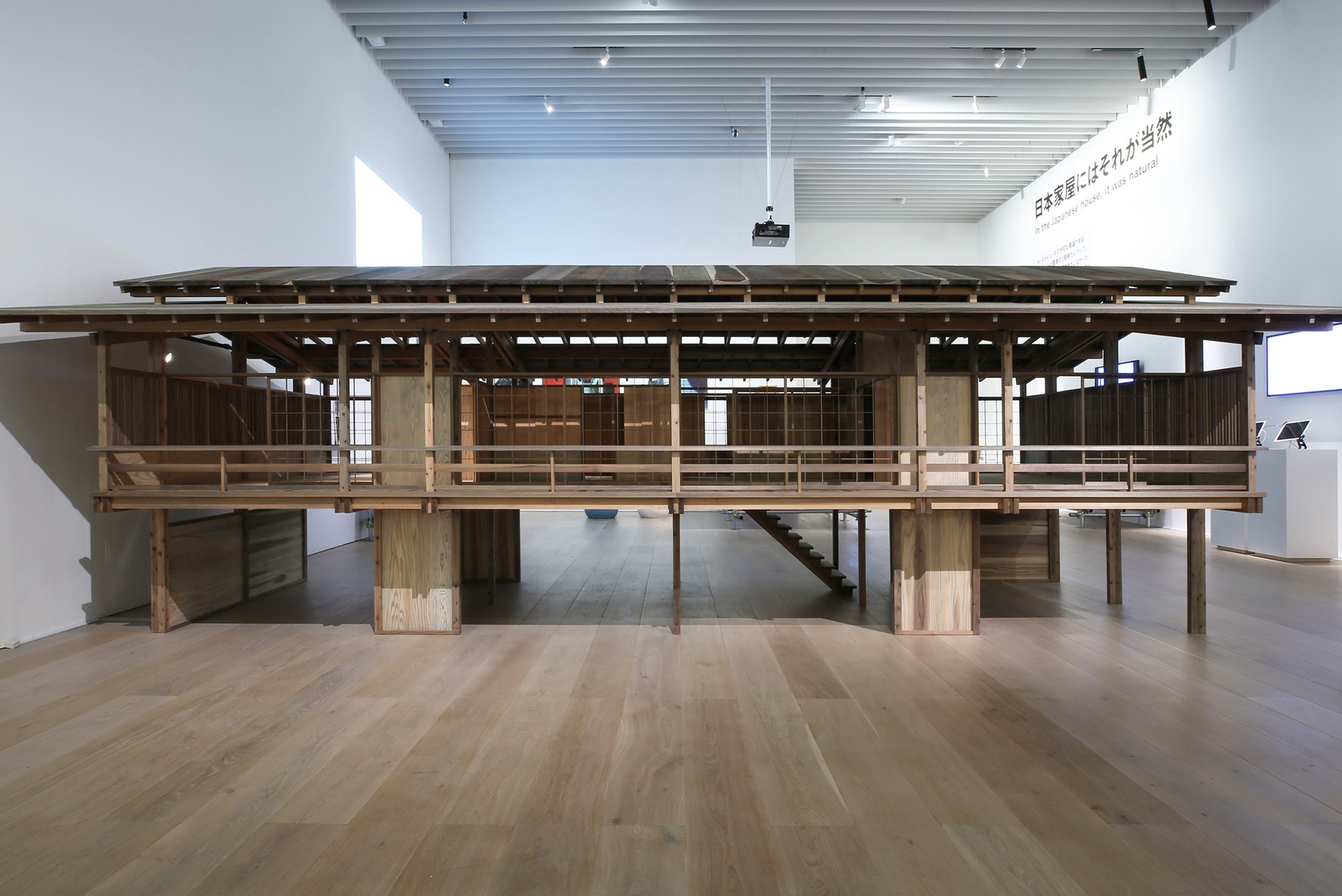
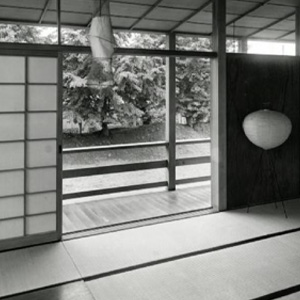
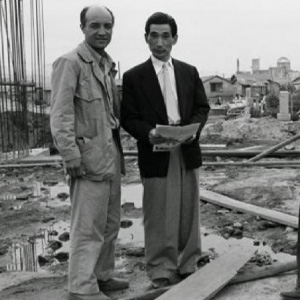
At the core of the exhibition was a meticulous 1:3 scale reconstruction of Kenzo Tange’s 1953 house—an iconic example of postwar Japanese modernism, long considered a pivotal work for its integration of traditional Japanese timber construction with the modern lifestyle of the mid-twentieth century. Although the original house was demolished, its presence in the exhibition allowed visitors to observe its two-storey structure in detail, reaffirming Tange’s role as a central figure in shaping Japan’s global architectural identity.
Organized into nine thematic sections, the exhibition traced architectural genealogies from ancient precedents through the Meiji Restoration and into the present day. Historical materials were placed in dialogue with contemporary practices, including cutting-edge digital installations by Seiichi Saito and Rhizomatiks Architecture, which used laser fibre and projection technology to reconstruct architectural spaces at shifting scales. This layering of old and new highlighted the “invisible thread,” as exhibition advisor Fujimori Terunobu described it, that connects traditional forms to present architectural thinking.
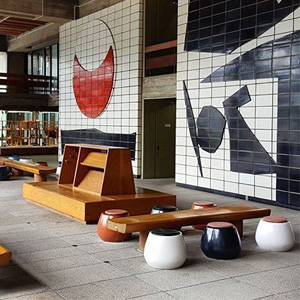
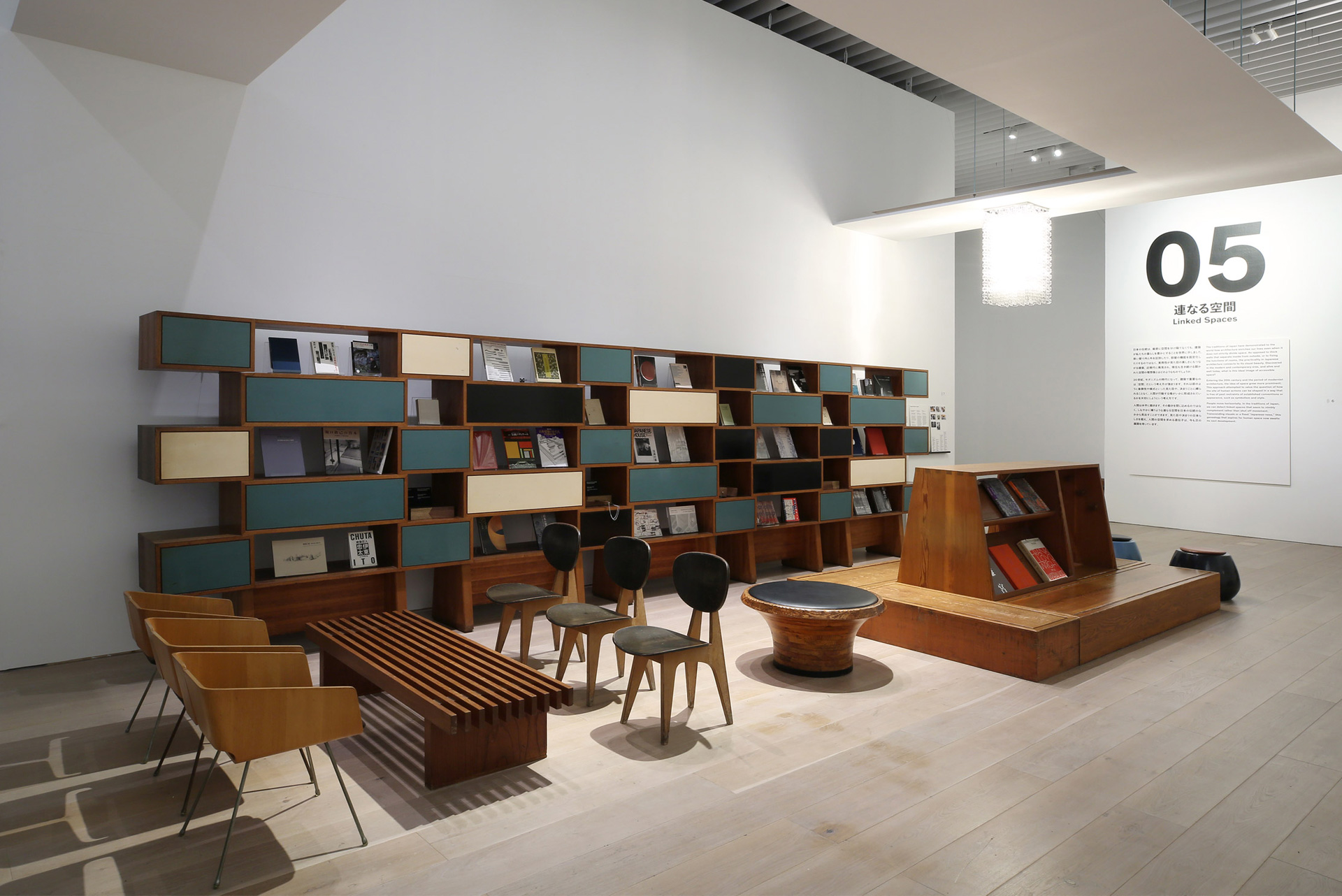
A significant moment within Section 5 of the exhibition was a dedicated book lounge furnished with celebrated examples of postwar Japanese modernist design. Created by leading figures such as Isamu Kenmochi, Daisaku Cho, and members of the Kenzo Tange Laboratory, these works offered visitors the rare opportunity to experience original furniture pieces firsthand. Rather than being displayed behind barriers, the chairs and benches were fully functional, allowing visitors to sit, observe construction details up close, and encounter the material sensibilities that shaped mid-century Japanese design culture.
This selection included the Bench with Magazine Rack (1958), Partition Shelves (1955–58), Table Bench (1958) and a group of Ceramic Chairs (1955–58), all designed by the Kenzo Tange Laboratory for the Kagawa Prefectural Government Office. Also featured were the Round Wooden Chairs (1964) created by Isamu Kenmochi for the Kagawa Prefectural Gymnasium; seating designed by Hiroshi Oe for the Kagawa Prefectural Cultural Hall (1965); and chairs from the Mountain House in Goshikidai designed by Junzo Sakakura and Daisaku Cho. The section concluded with Chain-delier (1973), a lighting piece by Tada Minami that illustrated the experimental spirit of the period.
Ultimately, "Japan in Architecture: Genealogies of its Transformation" presented a compelling narrative: that contemporary Japanese architecture continues to draw strength from its deep historical roots, and that its global influence lies precisely in this sustained dialogue between innovation and tradition.